
7 Early Warning Pancreatic Cancer Symptoms Most People Miss
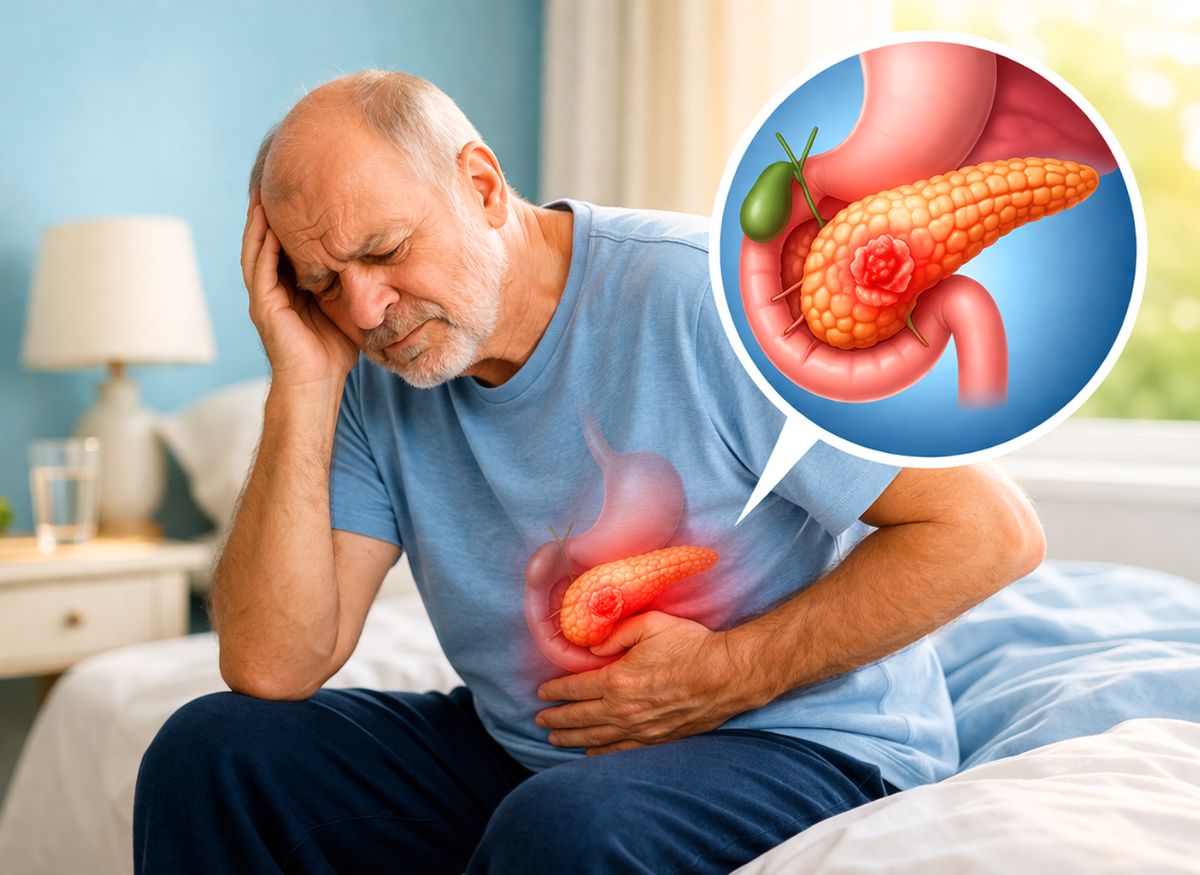
Pancreatic cancer is one of the most serious and quietly rising health concerns today. In the United States alone, more than 60,000 new cases are diagnosed each year, and it remains a leading cause of cancer-related death. What makes it so dangerous is not only how aggressive it is, but also how easily its early symptoms are missed or blamed on something minor.
The earliest symptoms feel almost ordinary: some digestive discomfort, mild fatigue or unexplained weight loss. These small changes rarely cause alarm, so the disease can advance silently. By the time clearer symptoms appear, it may already be advanced, making treatment more complex and outcomes less favorable.
The pancreas plays a vital role in digestion and blood sugar control, yet it sits deep inside the body, so early problems are hard to detect. Symptoms tend to be vague and spread across different body systems, and many people go weeks or months without realizing something serious is developing.
Understanding these early signals can make a real difference. When you notice unusual or persistent changes, you can act sooner. This article covers seven often-overlooked early warning symptoms so you know what your body may be telling you.
7 Common Pancreatic Cancer Symptoms

The seven often-overlooked symptoms are a sudden diabetes diagnosis, unexplained severe skin itching, significant stool changes, blood clots, persistent indigestion, profound fatigue, and chronic nausea and vomiting. They are frequently blamed on more common, less serious conditions, which leads to critical diagnostic delays.
1. Sudden Diagnosis of Diabetes
New-onset type 2 diabetes after age 50, in someone with no other risk factors such as obesity or a family history, can be an early warning sign.
Diabetes is common, but its abrupt appearance in these circumstances should raise strong suspicion of a pancreatic problem. The link is so strong that researchers sometimes call it type 3c (pancreatogenic) diabetes. The pancreas contains islet cells that make blood-sugar-regulating hormones, most notably insulin.
A tumor can disrupt this in several ways. It can destroy the insulin-producing beta cells, causing an absolute insulin deficiency. It can also cause widespread inflammation that leads to severe insulin resistance, where cells stop responding properly to the insulin that is made.
Diabetes can appear six months to two years before a pancreatic cancer diagnosis, offering a valuable window for early detection. Red flags that call for further investigation include:
- Onset after age 50
- No typical risk factors (for example, a normal body mass index and an active lifestyle)
- Diabetes that is unusually hard to control with standard medication
- Unexplained, significant weight loss alongside the new diagnosis
Studies in journals such as the New England Journal of Medicine found that nearly 25% of people diagnosed with pancreatic cancer had been diagnosed with diabetes in the preceding three years. So when an older adult without a typical diabetic profile suddenly develops high blood sugar, clinicians should consider the pancreas as a possible source and look for other associated symptoms.
2. Unexplained Skin Changes Like Itching
Severe, persistent itching (pruritus) with no visible rash can occur when a tumor blocks the bile duct. Bile salts build up in the bloodstream and deposit in the skin, causing intense irritation. It is often one of the earliest and most distressing signs, yet it is commonly mistaken for dry skin, an allergy or a skin condition.
The explanation lies in anatomy. The common bile duct carries bile from the liver and gallbladder to the small intestine and passes directly through the head of the pancreas, the most common site for pancreatic cancer. A tumor there can easily compress or block it.
When the duct is blocked, bile can’t flow into the intestine and backs up into the liver and bloodstream. Bile contains bilirubin and bile salts. Bilirubin buildup causes jaundice, the classic yellowing of skin and eyes, while bile salts are what directly cause the itching.
These salts strongly irritate skin nerve endings, producing an itch that can be severe, widespread and relentless, often worse at night. Importantly, itching can start weeks or even months before jaundice becomes visible, making it a very early but easily misattributed sign.
With no rash, patients and doctors may first treat common skin conditions, delaying the search for an internal cause. If you have persistent, severe itching without a clear cause, especially with dark urine or pale stools, seek urgent medical evaluation of your liver and pancreatic function.
3. Pale, Greasy, Foul-Smelling, and Floating Stools
Pale, greasy, foul-smelling stools that float, known as steatorrhea, indicate that a pancreatic tumor is blocking the release of the enzymes needed to break down fat. This reflects impaired exocrine function, the pancreas’s job of producing digestive enzymes.
People often dismiss it as a dietary issue or a passing stomach upset, but persistent steatorrhea is a major red flag for pancreatic insufficiency, with cancer as a primary possible cause. The pancreas makes amylase (for carbohydrates), protease (for proteins) and lipase (for fats). These travel through the pancreatic duct into the duodenum, the first part of the small intestine, where they mix with food from the stomach.
A tumor in the head or body of the pancreas can block that duct, keeping enzymes, especially lipase, from reaching the intestine. Without enough lipase, dietary fat can’t be broken down and absorbed.
The undigested fat leaves the body in the stool, which explains its features. It looks pale or clay-colored because the tumor may also block the bile duct, stopping bilirubin (which gives stool its brown color) from reaching the intestine. It becomes greasy and oily and may leave a film in the toilet bowl. The fat malabsorption also gives it a foul odor and makes it less dense than water, so it floats.
Ongoing malabsorption can cause unintentional weight loss and nutritional deficiencies, adding to fatigue. Because bowel habit changes are so common, people may not recognize this pattern as serious and blame irritable bowel syndrome (IBS) or a food intolerance.
4. Blood Clots
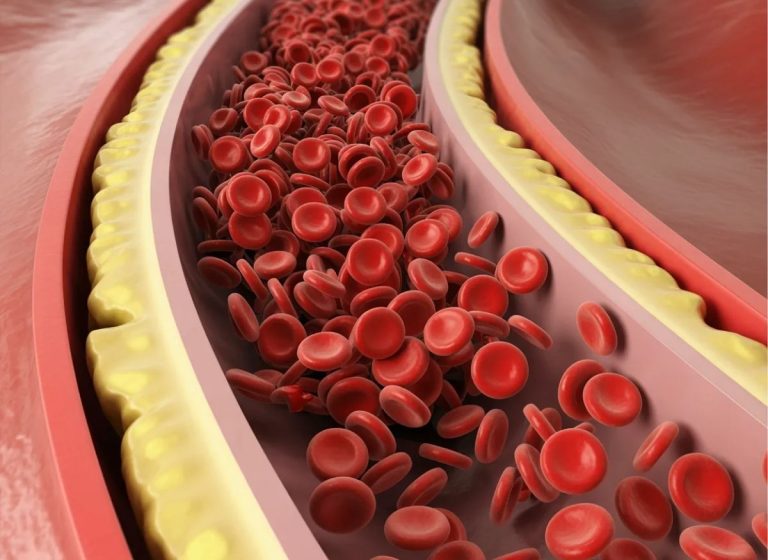
A sudden, unexplained blood clot, most often a deep vein thrombosis (DVT) in a large vein of the leg or arm, is a critical and often overlooked warning, because pancreatic cancer can make the blood hypercoagulable, or prone to clotting. Sometimes a clot is the first and only sign of a hidden pancreatic cancer.
This is known as Trousseau’s syndrome (migratory thrombophlebitis) and is strongly linked to cancers of the abdominal organs, particularly pancreatic adenocarcinoma. A DVT usually causes swelling, pain, tenderness, warmth and redness in the affected limb. The greatest danger is a piece of clot breaking off and traveling to the lungs, causing a life-threatening pulmonary embolism (PE) with sudden chest pain, shortness of breath and coughing up blood.
The cause lies in the cancer cells themselves. They release clot-promoting substances and inflammatory cytokines straight into the bloodstream. Chemicals such as tissue factor and cancer procoagulant activate the body’s clotting cascade, tipping the balance toward clots even without typical risk factors like immobility, recent surgery or a genetic tendency.
This creates a body-wide hypercoagulable state. When an otherwise healthy, mobile person develops a DVT or PE out of the blue, a thorough search for an underlying cause, including cancer, is warranted.
Often the focus stays on treating the clot, and its role as a sign of cancer is missed. For people with an unprovoked clot, particularly those over 50, guidelines increasingly recommend age-appropriate cancer screening, since early detection can dramatically change the course of treatment.
5. Persistent Indigestion or Bloating
Ongoing indigestion, bloating, feeling full after eating very little (early satiety), or a dull, gnawing ache in the upper abdomen that may spread to the back can be a red flag for pancreatic cancer. These symptoms are extremely common and typical of benign problems such as gastroesophageal reflux disease (GERD), gastritis or IBS.
That very commonality makes them dangerous. Patients and clinicians may dismiss them for months or years, blaming diet or stress and treating with over-the-counter antacids. The key difference with pancreatic cancer is persistence and progression: symptoms don’t respond to usual treatments and tend to worsen.
The digestive symptoms arise because the pancreas sits deep in the abdomen, directly behind the stomach and next to the small intestine. A growing tumor, especially in the body or tail, can press on the stomach and slow its emptying (delayed gastric emptying or gastroparesis), so you feel full after a few bites, with bloating and discomfort.
A tumor can also interfere with enzyme production or release, causing inefficient digestion, gas and bloating. The typical abdominal pain is a dull, deep ache in the upper abdomen. As the tumor grows, it can invade the dense network of nerves around the pancreas, making the pain radiate straight through to the back.
This pain is often worse after eating or lying flat and may ease temporarily when leaning forward. If you have new, persistent, unexplained indigestion or bloating that doesn’t respond to standard treatment, push for a more thorough evaluation.
6. Fatigue
Pancreatic cancer fatigue is a profound, debilitating exhaustion known as cancer-related fatigue (CRF). It is out of proportion to recent activity and isn’t relieved by rest or sleep, which sets it apart from normal tiredness after a long day or a poor night’s sleep.
CRF is a persistent lack of physical, emotional and cognitive energy that seriously interferes with work, socializing and even basic self-care. Patients often describe feeling “bone-tired” or “completely wiped out,” and it can be one of the most distressing symptoms of the disease.
Several factors combine to cause it. The immune system mounts an inflammatory response to the tumor and releases cytokines, such as tumor necrosis factor-alpha and interleukins, which are known to cause deep fatigue and a flu-like malaise.
The cancer also has a high metabolic rate, consuming large amounts of energy and nutrients to fuel its growth, which can lead to cachexia (severe muscle and fat wasting). Malnutrition adds to it: nausea, vomiting, early fullness and poor digestion from lack of pancreatic enzymes stop the body from getting the calories and nutrients it needs.
Anemia (a low red blood cell count) is also common in cancer patients, resulting from chronic inflammation or internal bleeding, and it lowers the blood’s oxygen-carrying capacity, worsening weakness.
Since fatigue is so non-specific, it is often blamed on stress, depression or aging. But when it is new, severe and persistent, never ignore it, especially alongside any of the other subtle symptoms.
7. Nausea and Vomiting
Persistent, worsening nausea and vomiting are a real concern and a possible symptom, particularly when the tumor is in the head of the pancreas. It often happens when the growing tumor presses on or invades the duodenum, the first section of the small intestine just past the stomach.
This external pressure can partly or fully block the passage, a condition called gastric outlet obstruction. Food and stomach fluids can’t move normally into the intestines, and the backup triggers nausea and sometimes vomiting.
The pattern is revealing. At first there may be a vague feeling of fullness or bloating after meals. As the obstruction worsens, nausea becomes more constant and may be followed by vomiting, often containing undigested or partly digested food eaten hours earlier. Some people get temporary relief from vomiting. The inability to keep food down also contributes to another major red flag: significant, unintentional weight loss.
Early satiety, nausea, vomiting and malabsorption together create a perfect storm for rapid wasting. Because nausea and vomiting are common in milder conditions like gastroenteritis, food poisoning or acid reflux, the link to pancreatic cancer is easy to miss.
Unlike those acute conditions, though, pancreatic tumor nausea and vomiting are typically chronic and progressive, without infection-type symptoms such as fever or diarrhea. If they last more than a week or two without explanation, especially with weight loss or abdominal pain, it strongly signals that something more serious needs immediate investigation.
Other Pancreatic Cancer Symptoms
Beyond these overlooked red flags, pancreatic cancer has classic symptoms that often prompt medical evaluation, though they usually appear in more advanced stages. The best known is jaundice, a yellowing of the skin and whites of the eyes, which occurs when a tumor in the head of the pancreas blocks the bile duct and bilirubin builds up in the blood.
Jaundice often comes with dark urine and pale, greasy or clay-colored stools (steatorrhea), because bile isn’t reaching the intestines to aid digestion and give stool its normal color. Another common symptom is persistent upper abdominal pain, a dull ache or gnawing sensation that often radiates to the mid or upper back.
This pain may worsen after eating or lying down. Finally, significant unexplained weight loss, often with loss of appetite, is a major warning sign. Known as cachexia, it is a complex metabolic syndrome marked by progressive muscle loss. These well-known signs come directly from the tumor’s effect on nearby digestive structures.
- Bile duct obstruction: Besides jaundice, it can cause intense itching all over the body as bile salts deposit in the skin.
- Pain mechanism: Pain radiating to the back comes from the tumor pressing on or invading the large network of nerves behind the pancreas.
- Digestive impact: Loss of appetite and weight loss are worsened by the pancreas’s inability to produce enough enzymes for proper digestion, causing malabsorption.
How to Differentiate Between Pancreatic Cancer Symptoms from IBS or Gallstones
This is a critical diagnostic challenge because early presentations overlap. The key differences are the nature, timing and accompanying signs of the discomfort.
Pancreatic cancer pain is persistent, dull and often radiates to the back. It worsens when lying flat and may ease when leaning forward. It is progressive over weeks or months and often comes with systemic symptoms like profound weight loss and jaundice. IBS pain, by contrast, is crampy and tied to bowel function. It is often relieved by passing gas or a bowel movement and goes with changes in stool frequency or consistency (diarrhea or constipation), but not jaundice or significant unintentional weight loss.
Gallstone pain has yet another pattern that helps tell them apart.
- Gallstone pain: Called biliary colic, it is sudden, severe and sharp, felt in the upper right abdomen and sometimes radiating to the right shoulder blade. It often follows a fatty meal, occurs in episodes and usually eases within a few hours.
- IBS pain: A chronic condition with flare-ups and remission. The pain isn’t constant and relates to digestive motility, usually with no structural disease visible on scans.
- Pancreatic cancer pain: Unlike episodic gallstone pain or functional IBS pain, it is relentless and points to a structural problem, often with other whole-body symptoms reflecting a more serious disease.
Causes and Risk factors for Developing Pancreatic Cancer
The exact cause is unknown, but several key risk factors significantly raise the likelihood. Tobacco use, particularly cigarette smoking, is the best-established modifiable risk factor, with smokers two to three times more likely to develop the disease than non-smokers.
Chronic pancreatitis, long-term inflammation of the pancreas, is another major contributor because it can damage cells over time. Family history matters too: having a first-degree relative (parent, sibling or child) with the disease raises risk, as do inherited syndromes such as Lynch syndrome and BRCA1 and BRCA2 mutations.
Long-standing type 2 diabetes and obesity are also closely linked to higher incidence, likely through insulin resistance and chronic inflammation. Knowing these risk factors helps with personal awareness and clinical vigilance, as they can prompt closer investigation of vague symptoms.
- Age: Risk rises sharply after 50, and most diagnoses occur in people over 65.
- Diet: Diets high in red and processed meats and low in fruits and vegetables may add to risk.
- Alcohol: Heavy drinking is a primary cause of chronic pancreatitis, indirectly raising pancreatic cancer risk.
Pancreatic Cancer Diagnosis
Diagnosis is a meticulous, multi-stage process that begins when a patient has suspicious symptoms. Because early signs are vague, the doctor starts with a thorough physical exam and medical history, paying close attention to risk factors like smoking or a family history of cancer.
If pancreatic cancer is suspected, detailed imaging comes next. A computed tomography (CT) scan, often a specific “pancreatic protocol” CT, is typically the first and most important test. It can show the tumor’s presence, size and location and whether it has spread to nearby blood vessels or other organs.
Magnetic resonance imaging (MRI) or endoscopic ultrasound (EUS), where an ultrasound probe is passed down the throat into the stomach for a close-up view of the pancreas, can add detail. However, imaging alone can’t confirm cancer; a tissue sample is needed for a conclusive diagnosis.
- Biopsy: A small piece of pancreatic tissue is examined under a microscope, often taken during an EUS or by CT-guided fine-needle aspiration.
- Blood tests: No blood test can diagnose pancreatic cancer alone, but liver function tests and the tumor marker CA 19-9 can support a diagnosis and help monitor the disease.
- Laparoscopy: Sometimes a surgeon performs minimally invasive surgery to look directly at the pancreas and surrounding areas and gauge how far the cancer has spread before planning treatment.
Pancreatic Cancer Treatments
Standard Treatment Options Available for Pancreatic Cancer
The standard options are surgical resection to remove the tumor, systemic chemotherapy to kill cancer cells throughout the body, and radiation therapy to destroy cancer cells locally with high-energy rays. These three form the cornerstone of therapy and are combined in a sequence that depends on the patient’s overall health and tumor characteristics.
In recent years, targeted therapies and immunotherapies have also become important for select patients with specific molecular profiles. The best approach is almost always a combination.
1. Surgery (Surgical Resection)
Surgery is the only potentially curative treatment, but only about 15-20% of patients qualify at diagnosis, since the cancer must be confined to the pancreas and not involve major blood vessels.
- Whipple procedure (pancreaticoduodenectomy): The most common operation for tumors in the head of the pancreas. This complex surgery removes the head of the pancreas, the gallbladder, the bile duct and parts of the stomach and small intestine.
- Distal pancreatectomy: For tumors in the body or tail, this removes that portion of the pancreas, often with the spleen.
2. Chemotherapy
Powerful drugs kill cancer cells. It is a systemic treatment, traveling through the bloodstream to reach cancer cells throughout the body.
- Adjuvant therapy: Given after successful surgery to eliminate any microscopic cancer cells left behind and reduce the risk of recurrence.
- Neoadjuvant therapy: Given before surgery (sometimes with radiation) to shrink the tumor, making it easier to remove and improving the chance of a successful operation. It can also treat micrometastatic disease early.
- Palliative therapy: For advanced or metastatic cancer, chemotherapy is the main treatment to control growth, relieve symptoms and prolong life. Common regimens include FOLFIRINOX and gemcitabine combined with nab-paclitaxel.
3. Radiation Therapy
High-energy beams, such as X-rays or protons, destroy cancer cells. It is often combined with chemotherapy (chemoradiation). Radiation can be used before surgery to shrink tumors, after surgery, or as the main treatment for locally advanced tumors that can’t be removed. Techniques like stereotactic body radiation therapy (SBRT) deliver high, precise doses over a shorter period.
How Does Treatment Differ for Early-Stage Versus Advanced Pancreatic Cancer
Early-stage treatment is aggressive and aims for a cure, centered on surgery combined with neoadjuvant and/or adjuvant chemotherapy. Advanced-stage treatment is mainly palliative, focusing on systemic chemotherapy to control growth, manage symptoms and improve quality of life.
The fundamental difference is the goal: cure for localized disease versus life extension and symptom management for metastatic disease. This split exists because once pancreatic cancer has spread to distant organs, surgery can no longer eradicate it.
1. Early-Stage (Resectable and Borderline Resectable – Stages I, II, and some III)
- Goal: Cure. Completely remove all cancerous tissue and prevent recurrence.
- Approach: A multi-modal strategy is the standard of care. It typically starts with several months of neoadjuvant chemotherapy (e.g., FOLFIRINOX) to shrink the primary tumor and treat unseen micrometastases, followed by surgery (e.g., Whipple procedure). After recovery, adjuvant chemotherapy further reduces the risk of recurrence. Some patients may also have radiation before or after surgery. This combined approach has significantly improved survival for operable disease.
2. Advanced-Stage (Locally Advanced Unresectable and Metastatic – Stages III and IV)
- Goal: Palliative. Since cure isn’t possible, the aim is to control the disease as long as possible, extend survival and maintain the best quality of life by managing symptoms like pain, jaundice and weight loss.
- Approach: Systemic chemotherapy is the cornerstone. The regimen depends on the patient’s overall health: fitter patients often get more intensive combinations like FOLFIRINOX, while less fit patients may get gentler options like gemcitabine. Other treatments are crucial for symptoms, including radiation to shrink a painful tumor, nerve blocks for pain, stents to relieve bile duct or intestinal blockages, and pancreatic enzyme replacement to aid digestion. For a small subset with specific genetic markers, targeted therapy (e.g., PARP inhibitors for BRCA mutations) or immunotherapy (for MSI-high tumors) may be options.
Emerging Treatments and Clinical Trials for Pancreatic Cancer
The challenge of pancreatic cancer has fueled intense research and a wave of new treatments and clinical trials aimed at overcoming its resistance. One of the biggest advances is personalized medicine, where treatment is tailored to the genetic makeup of a patient’s tumor.
Genomic profiling lets doctors identify actionable mutations. For example, patients with inherited BRCA mutations have responded well to PARP inhibitors such as olaparib, which can control the cancer after initial chemotherapy. Immunotherapy is another major focus. Checkpoint inhibitors have transformed treatment for other cancers but have had limited success alone against pancreatic cancer’s “cold” tumor microenvironment.
Current trials therefore explore combinations, pairing immunotherapy with chemotherapy, radiation or other agents designed to “heat up” the tumor and provoke an immune response. Researchers are also developing ways to attack the tumor’s protective stroma, using drugs that break down this fibrous barrier so chemotherapy can penetrate better.
Cancer vaccines and modified T-cell therapies are other promising avenues, accessible through clinical trial participation. The field is evolving rapidly, with many trials testing innovative strategies.
- Personalized medicine and targeted therapy: Genomic profiling identifies specific tumor mutations. For inherited BRCA mutations, PARP inhibitors are approved as maintenance therapy, and research continues on other targets such as KRAS G12C.
- Immunotherapy combinations: Standard immunotherapy alone has had limited success, so trials test it with chemotherapy, radiation or novel agents to disrupt the tumor’s protective microenvironment and help the immune system attack cancer cells.
- Novel drug delivery and stromal disruption: Researchers are working to overcome the dense, fibrous stroma that shields pancreatic tumors. This includes drugs that break down the barrier and delivery systems like nanoparticles that penetrate the tumor better and deliver more medication directly to cancer cells.
FAQs
1. What are the first pancreatic cancer symptoms?
Early signs are subtle and easy to overlook. Common ones include unexplained weight loss, fatigue, loss of appetite and mild abdominal discomfort. Some people notice stool changes such as pale or greasy stools from digestion problems. Early detection is difficult because these symptoms are often mistaken for less serious conditions.
2. Where is the pain with pancreatic cancer?
It often begins in the upper abdomen or mid-back. It may start as a dull ache but can become sharp or intense as the cancer progresses. It often worsens after eating or lying down and may spread to the back. This kind of pain can mean the tumor is pressing on nearby organs or tissues.
3. What are the final pancreatic cancer symptoms?
In later stages, severe symptoms can include jaundice (yellow skin and eyes), difficulty breathing, nausea and vomiting. Pain becomes more persistent and harder to manage, and weight loss accelerates. In some cases confusion or changes in mental clarity may occur, especially if the cancer has spread to the liver or other organs.
4. Can you have pancreatic cancer with no symptoms?
Yes, especially in the early stages. It often develops without clear symptoms until it reaches an advanced stage. Regular screening and awareness of subtle symptoms are crucial, since early-stage disease may be asymptomatic.
5. What is the strongest predictor of pancreatic cancer?
The strongest predictors include a history of smoking, a family history of pancreatic cancer, age (most cases occur over 60) and certain genetic mutations. Chronic pancreatitis, diabetes and obesity are other risk factors. Knowing them helps identify higher-risk individuals and encourages early detection.
Conclusion
Pancreatic cancer is often called the “silent killer” because its symptoms are subtle and easily overlooked. Many people live with the disease for months or even years without knowing. Recognizing early warning signs such as unexplained weight loss, abdominal discomfort or jaundice is key to getting timely medical attention.
These symptoms may seem harmless at first, but they can point to a serious underlying problem that needs immediate evaluation. Early detection remains the most important factor in improving outcomes, and knowing these warning signs can make all the difference in catching the disease before it becomes advanced.