
Cure Nail Fungus Naturally with Salt and Lemon to the Rescue

Nail fungus can be an annoying problem. It may cause changes in the nail’s color, texture, and appearance, and in some cases, it can also lead to discomfort. While there are many commercial treatments available, some people prefer trying simple home remedies using natural ingredients.
Salt and lemon are two inexpensive ingredients that are often used in natural nail-care routines. Salt is commonly valued for its cleansing properties, while lemon contains citric acid and is often used to refresh and brighten the appearance of the skin and nails.
If you prefer a simple approach to nail care, these salt and lemon remedies can be an easy addition to your routine.
Table of Contents
#1. How Salt and Lemon Help Cure Nail Fungus
Before trying these remedies, it helps to understand why salt and lemon are commonly used for nail and skin care. Both ingredients have properties that may make them useful as part of a cleansing routine.
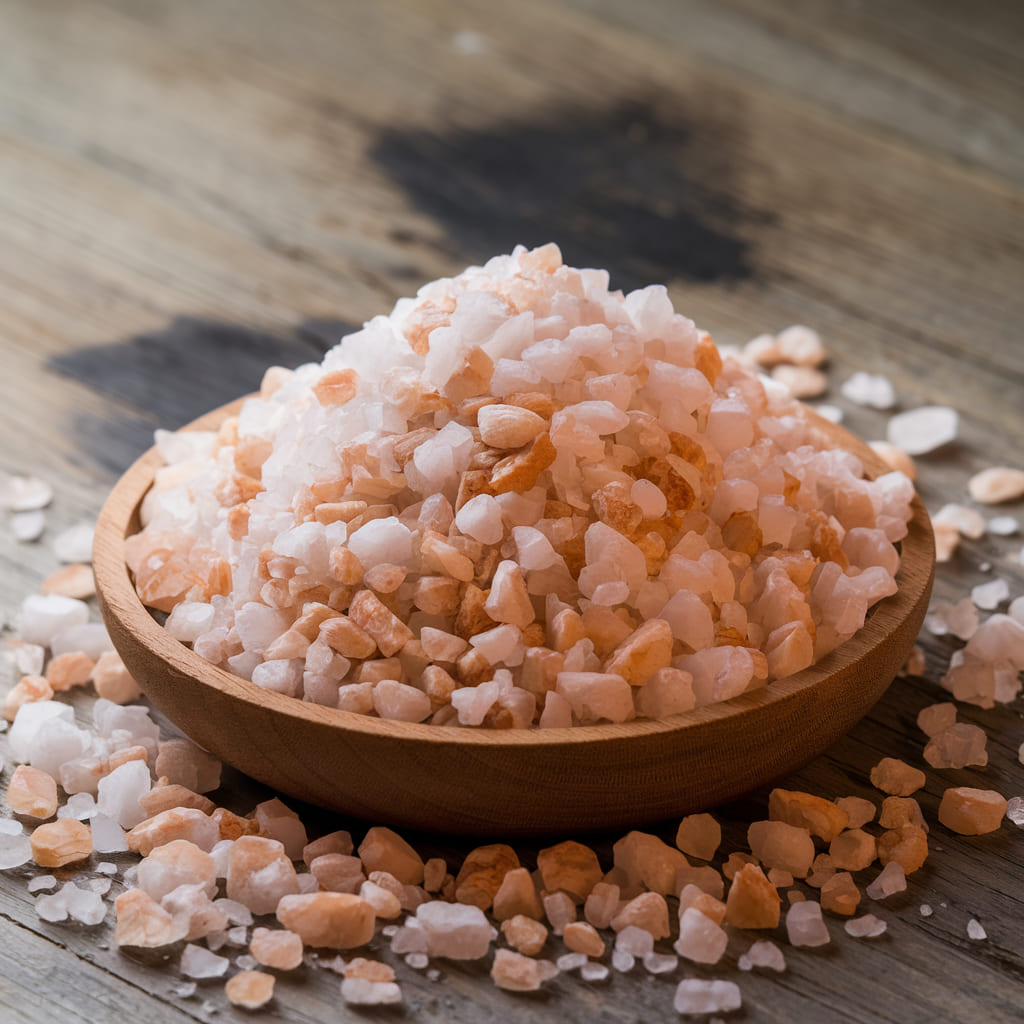
Salt’s Antifungal Properties
Salt has natural cleansing and antiseptic properties. A salt soak can help keep the surrounding skin clean and may help reduce excess moisture around the affected area.
Salt can also gently exfoliate the skin, helping remove dead skin cells around the nails. Keeping the area clean and dry is an important part of maintaining healthy nails.
Lemon’s Antibacterial and Antifungal Properties
Lemon juice contains citric acid and is often used in natural beauty and cleansing routines. Its acidic nature can help cleanse the surface of the nails and may make the area less favorable for some microorganisms.
Lemon can also help improve the appearance of dull or discolored nails, leaving them looking fresher and bright

#2. Effective Salt and Lemon Remedies for Nail Fungus
Once you know how these ingredients are commonly used, you can try a few simple ways to incorporate them into your nail-care routine.
Salt and Lemon Foot Soak for Nail Fungus
A warm salt and lemon soak is one of the easiest ways to use both ingredients together. It can help cleanse the feet or hands while giving the nails some gentle care.
Ingredients:
- 1/4 cup Epsom salt or sea salt
- 1 lemon, sliced, or 2 tablespoons lemon juice
- Warm water
Instructions:
- Fill a clean basin with enough warm water to comfortably cover your feet or hands.
- Add the salt and lemon juice, or place the lemon slices into the water.
- Stir until the salt has mostly dissolved.
- Soak your feet or hands for about 15–20 minutes, keeping the affected nails submerged.
- Gently massage around the nails with your fingers or a soft cloth.
- Rinse with clean water afterward.
- Dry your hands or feet thoroughly, especially around and between the toes.
Keeping the affected area clean and completely dry afterward is an important part of a good nail-care routine.

Salt and Lemon Paste for Targeted Treatment
If you want a more concentrated option, you can prepare a simple salt and lemon paste and apply it to the affected nail.
Ingredients:
- 1 tablespoon salt, such as Epsom salt or sea salt
- 1 tablespoon lemon juice
Instructions:
- Place the salt and lemon juice in a small bowl.
- Mix them together until they form a thick paste.
- Apply a small amount to the affected nail.
- Leave it on for around 10–15 minutes.
- Rinse thoroughly with lukewarm water.
- Pat the nail and surrounding skin completely dry.
Avoid applying the mixture to broken, cracked, or irritated skin, as lemon juice may cause stinging or further irritation.
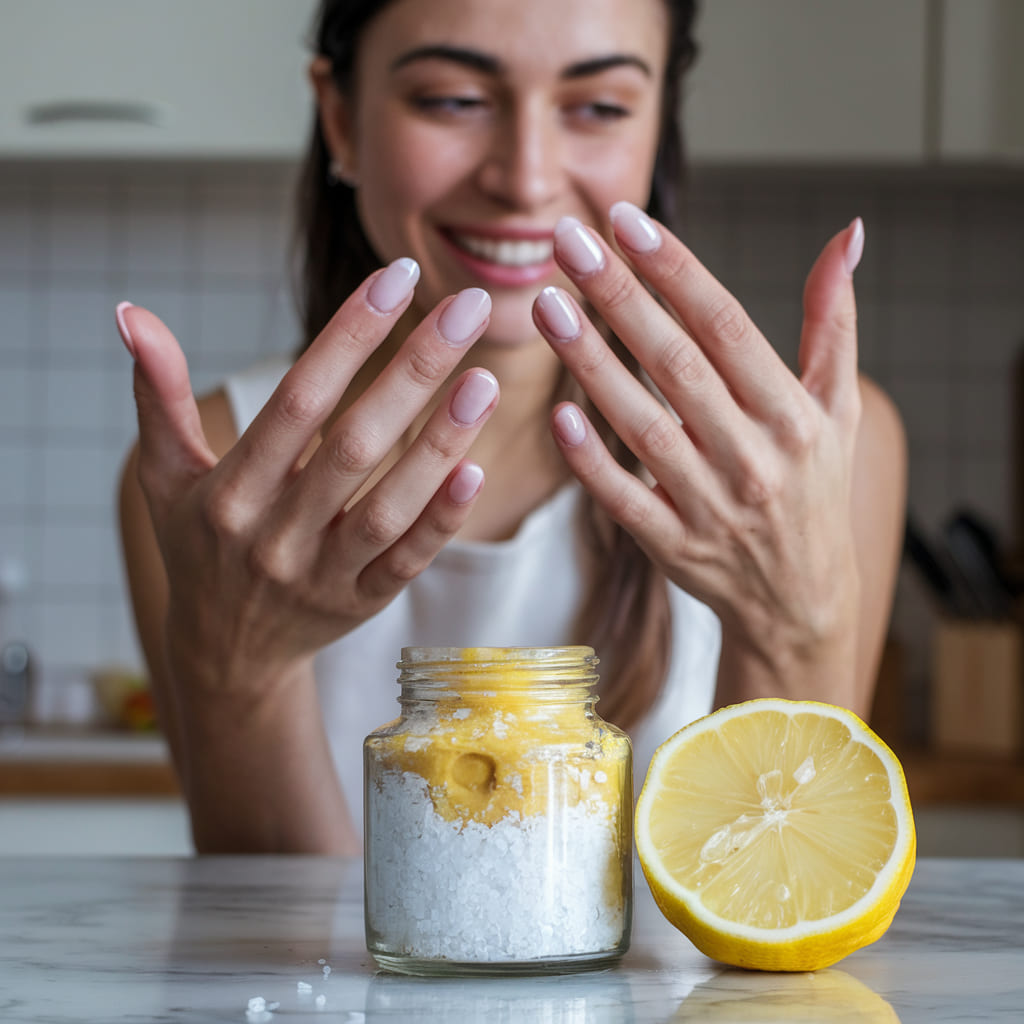
#3. The Role of Salt and Lemon in Preventing Future Nail Fungus
Taking care of your nails and keeping them clean and dry can help support overall nail health. Salt and lemon may be included as occasional cleansing ingredients, but good daily habits are just as important.
Here are a few ways to support healthy nails:
- Cleansing and Exfoliating: A gentle salt soak can help remove surface buildup and dead skin around the nails. Avoid aggressive scrubbing, which can irritate the skin.
- Keeping Nails Clean and Dry: Moist environments can encourage fungal growth. Dry your feet carefully after bathing, especially between the toes.
- Maintaining Healthy Nails: Keep nails trimmed and clean, and avoid sharing nail clippers, files, or other personal nail-care tools.
- Supporting the Appearance of Healthy Nails: Lemon may help brighten the appearance of surface discoloration, while regular nail care can help keep nails looking neat and well maintained.
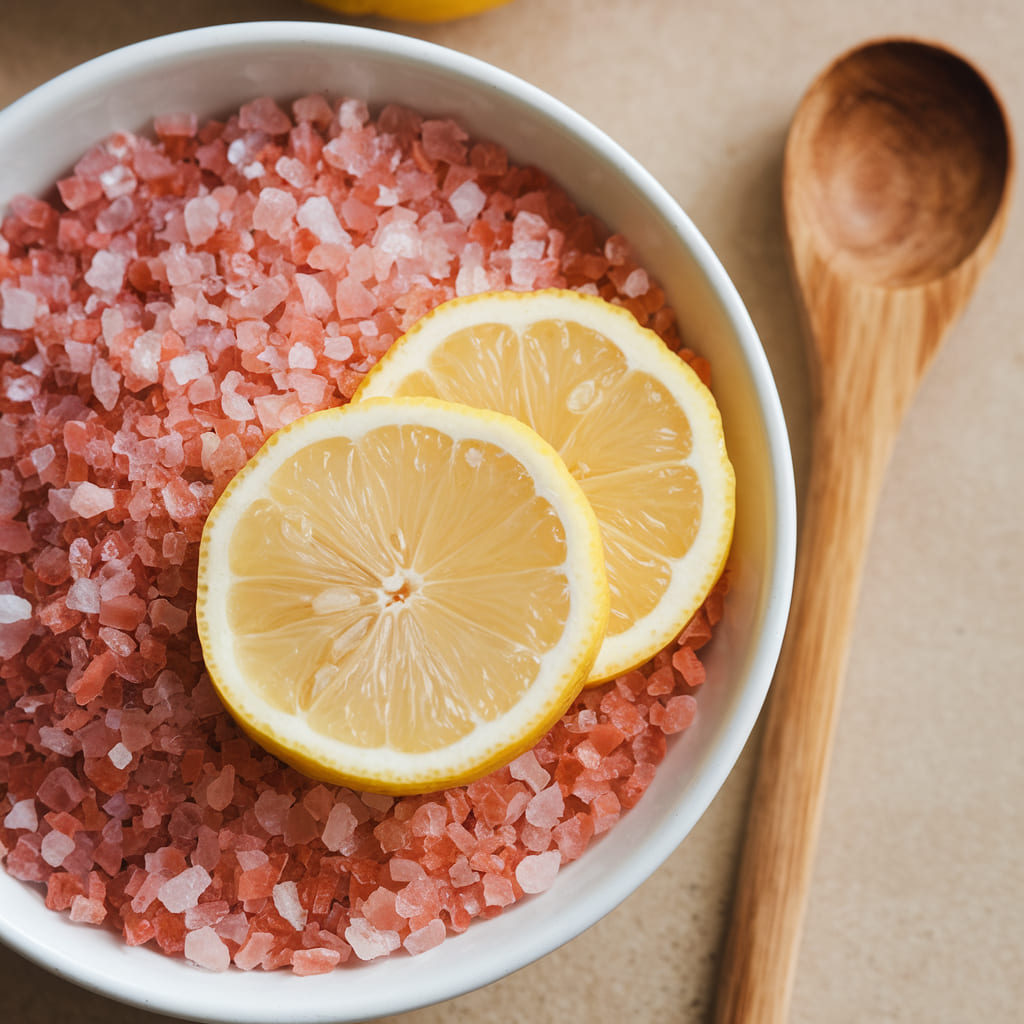
#4. How Often Should You Use Salt and Lemon for Nail Fungus Treatment
If you choose to use salt and lemon as part of your nail-care routine, moderation is important. Lemon juice and salt can both be irritating or drying when used too often.
- Soaks: A salt and lemon soak can be used a few times a week. If your skin is sensitive, begin with once a week and see how your skin responds.
- Paste: A targeted salt and lemon paste should be used sparingly rather than repeatedly throughout the day. Stop if you notice dryness, burning, redness, or irritation.
- Moisturize Afterward: If the surrounding skin feels dry after treatment, apply a gentle moisturizer to help keep it comfortable.
Nail fungus can be stubborn, and nails grow slowly, so visible changes may take time. Home remedies should not be expected to clear an infection quickly. If the nail continues to change, becomes painful, or the problem persists, professional evaluation is recommended.
#5. Disclaimer
The information provided in this article is for informational purposes only and should not be considered a substitute for professional medical advice. Salt and lemon may be useful as part of a general nail-care routine, but they have not been established as a reliable cure for nail fungus.

If you experience persistent nail discoloration, thickening, pain, swelling, spreading infection, or irritation, consult a healthcare professional or dermatologist for proper diagnosis and treatment. Stop using any home remedy if it causes discomfort or irritation.