
6 Common OCD Symptoms and Triggers and How to Manage Them Effectively
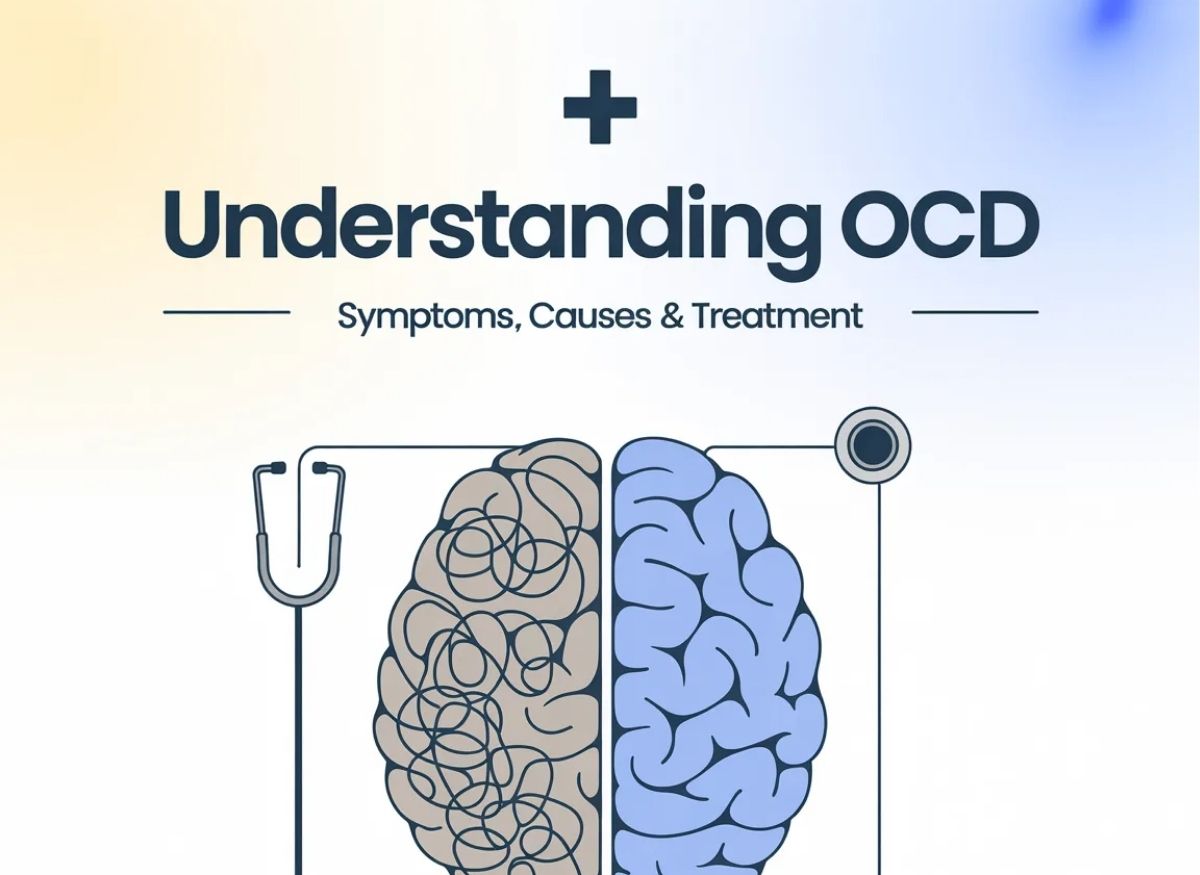
Obsessive-Compulsive Disorder (OCD) is a mental health condition marked by persistent, intrusive thoughts (obsessions) and repetitive behaviors or rituals (compulsions). These thoughts and behaviors can interfere with daily life and start to feel overwhelming. People living with OCD often feel trapped by their compulsions and experience real distress trying to control them.
While the exact cause of OCD isn’t fully understood, it’s thought to involve a mix of genetic, environmental, and neurobiological factors. Symptoms can vary widely from person to person, but the common thread is that they disrupt someone’s ability to function normally. In this article, we’ll explore the most frequent symptoms and triggers, and offer practical tips for managing the condition effectively. Whether you’re navigating OCD yourself or supporting someone who is, understanding these aspects can help you work through the challenges of the disorder and find useful coping strategies.
6 Common Triggers for OCD Symptoms
OCD symptoms rarely show up as a constant, unchanging experience. Instead, they follow a reactive cycle that shifts based on specific environmental and internal cues. Understanding OCD means recognizing that these triggers aren’t simply annoyances, the brain perceives them as real threats to safety, morality, or identity. When a trigger hits, it activates the physical symptoms of OCD, like a racing heart, shallow breathing, and an intense sense of urgency that can only be temporarily eased through compulsive rituals.
Stress and Emotional Distress: The Symptom Amplifier
General life stress acts as a major catalyst for worsening OCD symptoms. When someone is under pressure, whether from work, exams, or grief, the brain’s baseline cortisol level rises, lowering the mental threshold needed to dismiss intrusive thoughts. This heightened state of alertness makes it harder for the brain’s rational, decision-making regions to step in and provide perspective. For example, someone already worn down by a demanding job might notice their obsessive thoughts about safety or order becoming far more intrusive, since the mental filter that normally dismisses irrational doubts gets weakened by emotional exhaustion.
Contamination and Perceived Threats: The “Germaphobe” Response
One of the most widely recognized patterns is the intense distress triggered by physical or perceived contaminants. This isn’t just about fear of getting sick, it often involves a deeper sense of feeling metaphysically tainted. Touching a public doorknob or handling raw meat can trigger a cascade of physical symptoms, where the person feels literally soiled. This is often a core part of the OCD experience, where the resulting compulsions, like excessive washing, are an attempt to scrub away a feeling of being tainted or impure, rather than simply removing visible dirt.
Uncertainty and an Inflated Sense of Responsibility
OCD is sometimes called the “doubting disease” because one of its main triggers is difficulty tolerating uncertainty. Situations without 100% certainty, like “Did I lock the door?” or “Did I accidentally offend someone?”, can trigger an obsessive loop. This often gets worse when paired with an inflated sense of responsibility, where the person feels they’re the only thing standing between a minor doubt and a catastrophic outcome.
In some cases, especially in children, sudden-onset obsessive symptoms can be triggered by biological factors, such as a condition linked to strep throat infections known as PANDAS. In these cases, a child may suddenly develop intense fears and rituals following a strep infection, as the immune system mistakenly attacks the basal ganglia, the part of the brain involved in movement and habit formation.
Sensory Information and Intrusive Thoughts
For many people, the trigger isn’t a specific event but a sensory input or a sudden, unwanted thought that feels completely out of character. The sight of a sharp object might trigger intrusive thoughts about harm, while certain sounds or textures can spark an immediate “just right” obsession.
Unlike Obsessive-Compulsive Personality Disorder (OCPD), which involves a pervasive need for order that the person genuinely finds useful or correct, OCD thoughts are typically experienced as foreign, the person finds them disturbing and inconsistent with who they really are. This distinction matters: OCPD traits are often viewed as part of someone’s personality, while OCD symptoms feel like an external, intrusive force demanding a ritual to neutralize the perceived danger.
The Role of Mindfulness and Acceptance in Managing OCD
In managing OCD, mindfulness and acceptance act as a kind of bridge between the initial threat signal and the physical compulsion. OCD often involves an overactive threat-detection system in the brain that misreads intrusive thoughts as immediate danger. Practicing mindfulness helps retrain the brain to observe these thoughts without triggering the full physical response. Instead of treating an intrusive thought as a command to act, mindfulness allows a person to view it as a harmless, if noisy, mental event.
Calming the Physical Symptoms of OCD
When a trigger occurs, the body often shifts into fight-or-flight mode, marked by a racing heart and a sense of impending doom. This can be especially intense in cases tied to strep-related PANDAS, where sudden-onset symptoms can leave a child feeling physically overwhelmed by their own brain’s response. Using grounding techniques, like the 5-4-3-2-1 method, or mindful breathing acts as a physical brake. By focusing on sensory details, like the texture of a chair or the sound of a clock, you redirect the brain’s attention away from the obsessive loop and back toward more rational processing, helping regulate the physical symptoms.
Acceptance vs. the Rigidity of OCPD
It’s important to distinguish between the “acceptance” used in OCD treatment and the rigidity often seen in OCPD. While someone with OCPD might view their need for order as a positive trait that fits who they are, someone with OCD experiences their thoughts as unwanted and distressing. Acceptance in OCD treatment means acknowledging the presence of an intrusive thought without trying to fix or neutralize it.
This is especially useful for people dealing with contamination fears, where the urge to wash comes from an inability to tolerate the feeling of being unclean. Acceptance allows the person to sit with that feeling without performing the ritual, which eventually leads to habituation, where the brain realizes the perceived threat was a false alarm.
Labeling and Creating Psychological Distance
Labeling is a powerful tool for dismantling obsessive thought patterns. Saying “I’m having an intrusive thought about contamination” rather than “My hands are dirty” creates important distance between your identity and the OCD symptoms. This distancing matters for recovery, since it helps prevent thought-action fusion, the belief that having a troubling thought is the same as acting on it.
Whether symptoms are long-standing or triggered by biological factors like a strep-related immune response, the goal is to stop treating the brain’s misfires as objective truth. This shift from being a participant in the thought to being an observer of it is a key part of recovery that supports long-term management of the condition.
Exposure and Response Prevention (ERP) Therapy
Exposure and Response Prevention (ERP) is the gold-standard, evidence-based therapy for OCD, designed to systematically break the cycle between obsessions and compulsions. While the physical symptoms of OCD, like a racing heart and a surge of urgency, can make it feel like the only way to survive a trigger is to perform a ritual, ERP proves otherwise. The therapy has two core components that work together to retrain the brain’s false alarm system.
Building a Systematic Hierarchy of Exposure
The “exposure” part involves intentionally and repeatedly facing the situations, objects, thoughts, or places that trigger OCD symptoms. This isn’t done randomly, the therapist and individual work together to build a fear hierarchy, ranking triggers from those causing mild distress to those that feel overwhelming.
For example, someone dealing with contamination fears might start by simply looking at a “contaminated” object, then move to touching it with a tissue, and eventually touching it with bare hands. In cases involving strep-related PANDAS, where symptoms can appear suddenly and intensely, ERP is adapted to help the individual regain a sense of control over the sudden obsessive patterns disrupting their life.
Response Prevention: Breaking the Ritual
The “response prevention” piece is the most challenging and essential part: while facing the trigger and feeling anxiety build, you make a deliberate choice not to perform the compulsive ritual. If checking behaviors are involved, you leave the house without checking the stove. If the trigger involves a need for symmetry, you intentionally leave something out of place.
By preventing the compulsive response, you deny the brain its usual quick fix of temporary relief. This is a key difference from OCPD, where a person often feels their rituals (like extensive list-making) are genuinely efficient. In OCD, the person recognizes the ritual is exhausting, and ERP helps them tolerate that uncomfortable feeling until the brain realizes there’s no real danger.
How Habituation and Inhibitory Learning Work
The goal of ERP is habituation, a process where the brain’s fear response naturally decreases through repeated exposure. When you sit with a trigger and resist the ritual, physical symptoms will initially spike, but eventually plateau and then decline.
More recent research also points to “inhibitory learning,” where the brain builds a new, stronger memory: “I touched the doorknob and nothing bad happened.” Over time, this new information starts to override the old fear response. This process offers real hope for families navigating strep-related PANDAS, since it provides a structured way to manage the obsessive patterns that emerge after infection.
How Can You Build a Personal Trigger Response Plan?
Building a personal trigger response plan is a practical way to shift from a reactive state, where OCD symptoms dictate your actions, toward a more proactive path of recovery. A structured plan gives your brain a kind of manual to follow when physical symptoms, like chest tightness or a mental “itch,” make it hard to think clearly.
This kind of plan is especially helpful for distinguishing OCD from OCPD. While OCPD involves a general personality style someone often finds useful, an OCD-focused plan is specifically built to dismantle the unwanted rituals disrupting daily life.
Step 1: Map Out Your Triggers and Compulsions
The first step is a detailed review of your triggers and the compulsions that follow. Get specific rather than general. Instead of just listing “germs,” someone dealing with contamination fears might specify “the smell of a hospital” or “touching a library book.” Next to each trigger, note the specific compulsion that follows, like “re-washing hands until the skin turns red” or “asking for reassurance three times.” If managing symptoms tied to strep-related PANDAS, this list might also include sudden tics or a specific need for symmetry in the environment.
Step 2: Use a Distress Rating Scale
Once your triggers are listed, assign each one a distress rating from 0 to 10. This builds a fear hierarchy, a cornerstone of ERP. Ranking your triggers this way helps you avoid the common mistake of tackling your biggest fear first. For example, “shaking a stranger’s hand” might rate a 9 out of 10, while “using your own TV remote” might rate a 3. This hierarchy lets you systematically work through symptoms, starting with the easier challenges first.
Step 3: Script Your Response Prevention Plan
For each trigger, pre-write a “healthy response.” This is where you decide, while calm, exactly how you’ll resist the ritual. For someone with strep-related PANDAS who feels a sudden urge to redo a task until it feels right, the healthy response might be: “I will write the sentence once and then close the notebook for five minutes.” Scripting this ahead of time removes the decision fatigue that happens when an obsession is actively demanding attention.
Step 4: Track Your Progress and Habituation
A trigger response plan should be a living document. As you repeatedly face a moderate trigger without performing the compulsion, your brain begins the habituation process. Eventually, that trigger’s intensity rating drops, allowing you to move up the hierarchy. This is the core of OCD recovery: realizing that the physical symptoms are temporary and will fade even without performing the ritual. Tracking this in a journal helps you see chronic OCD patterns, or those tied to strep-related PANDAS, gradually losing their grip over time.
Can Lifestyle Adjustments Help Manage OCD Symptoms and Triggers?
Lifestyle adjustments aren’t a replacement for specialized therapies like ERP, but they play a meaningful role in managing OCD symptoms by strengthening the biological foundation your mental health rests on. OCD often involves an overactive alarm system in the brain, and lifestyle changes help turn down the volume on that alarm. By supporting your physical wellbeing, you build more cognitive reserve, making it easier to resist the urgent pull of obsessive patterns when they arise.
Sleep: Strengthening the Brain’s Natural Brake
Sleep is perhaps the most critical lifestyle factor in managing OCD symptoms. Restorative sleep is when the brain’s regions responsible for impulse control and rational thinking recharge. When you’re sleep-deprived, this natural brake weakens, making it significantly harder to dismiss intrusive thoughts or resist rigid, OCPD-like urges.
For a child dealing with strep-related PANDAS, sleep matters even more, since the brain is recovering from the neuroinflammation tied to the condition. Consistent sleep helps stabilize the nervous system, reducing the jumpiness that often precedes a compulsive loop.
Exercise and Cortisol Regulation
Regular physical activity acts as a natural reset for the physical symptoms of OCD. Aerobic exercise helps the body process excess cortisol, the stress hormone that keeps the OCD brain in a heightened state of alert. Lowering baseline adrenaline can make obsessive patterns feel less urgent and less life-or-death. The discipline of a regular workout routine can also counter the sense of helplessness often tied to chronic OCD or strep-related PANDAS, offering a real sense of physical agency and control.
Nutrition and Your Anxiety Baseline
A balanced diet helps prevent the blood sugar swings that can mimic or worsen OCD symptoms. Spikes and crashes in blood sugar can create a shaky feeling that the OCD brain may misread as a sign something bad is about to happen, triggering checking or reassurance-seeking behavior. For those with contamination fears, cutting back on stimulants like caffeine can help, since caffeine can heighten physical anxiety symptoms, like a racing heart, that often fuel these fears.
Holistic Stress Reduction
Building daily relaxation practices like yoga or deep breathing into your routine can lower your overall stress load, the cumulative wear and tear chronic stress places on the body. When your baseline stress is lower, an unexpected encounter with a trigger, like a “dirty” object or an intrusive thought, is less likely to spiral into a full crisis. These practices help regulate the nervous system, offering a sense of calm that directly counters the chaos of OCD symptoms. Whether symptoms stem from a long-standing pattern or a biological trigger like strep-related PANDAS, a calmer body is one of the best defenses against an intrusive mind.
Related and Distinct Concepts in Understanding OCD Symptoms and Triggers
Understanding OCD symptoms takes more than just identifying repetitive behaviors, it requires digging into the terminology and related conditions that often overlap or get confused with the disorder. Understanding the difference between a trigger and an obsession, or between OCD and PTSD, is essential for anyone trying to get a clear picture of how these mental patterns actually work. These distinctions matter because they’re the difference between chasing symptoms and addressing the underlying cognitive process.
The Spark vs. the Fire: Triggers vs. Obsessions
The difference between a trigger and an obsession is fundamental. A trigger is the initial spark, the stimulus that starts the process. It can be external, like seeing a “dirty” doorknob (triggering contamination fears), or internal, like a sudden physical sensation. An obsession is the fire that follows, the intrusive, distressing thought or mental image that interprets the trigger as a catastrophic threat.
For example, if the trigger is seeing a kitchen knife, the obsession is the disturbing thought: “What if I used this to hurt someone?” The trigger is the cue, the obsession is the interpretation. This is part of why OCD symptoms feel so overwhelming, the brain treats its own interpretation of a neutral object as an urgent, life-threatening emergency.
Subtype Specificity: How Themes Shape Triggers
Different subtypes of OCD explain how the disorder targets specific themes. OCD symptoms show up through triggers that are thematically tied to a person’s core fears.
- Harm OCD: Triggers include sharp objects, heights, or being near vulnerable people, leading to obsessions about losing control.
- Scrupulosity: Triggers are often religious or moral, like a “bad” thought during prayer, leading to intense guilt and fear of punishment.
- Symmetry and Ordering: Triggers are visual or spatial “errors,” like a crooked picture, that create a sense of incompleteness rather than a specific fear of danger. This is where OCPD is most often confused with OCD, though in OCPD, orderliness is usually seen as a positive, productive trait rather than a source of suffering.
OCD vs. PTSD: Future Dread vs. Past Trauma
Distinguishing OCD from PTSD matters for accurate understanding. While both involve distressing triggers, they’re oriented toward different points in time. PTSD triggers are past-oriented, sensory reminders (like a loud bang) of a trauma that actually happened. The brain re-experiences the event as a flashback.
OCD triggers are future-oriented. They’re reminders of something that might happen, something the person feels responsible for preventing. While someone with PTSD might smell smoke and feel transported back to a burning building, someone with OCD might see a candle and obsess: “What if I don’t blow this out and the house burns down because I was careless?” One is about reliving a past tragedy, the other is about the unbearable weight of preventing a future one.
Biological Triggers: The PANDAS Exception
It’s also worth mentioning biological triggers that can lead to sudden-onset obsessive symptoms. In cases linked to PANDAS, the trigger isn’t a thought or object, it’s a strep throat infection. When the immune system mistakenly attacks the basal ganglia, a child may suddenly develop severe OCD symptoms seemingly overnight. Understanding this connection helps families recognize that a sudden behavioral shift is a medical event requiring both psychiatric and immunological care.
Is It Possible to Completely Eliminate All OCD Triggers?
No, it’s neither realistic nor the goal of effective treatment to completely eliminate every OCD trigger from someone’s life. Trying to do so is actually a form of avoidance, a behavior that paradoxically strengthens the disorder by reinforcing the brain’s belief that these things are inherently dangerous. A life spent trying to avoid every potential trigger becomes increasingly small and isolated. This approach ends up feeding the disorder, since the list of “forbidden” objects or situations tends to keep growing, a pattern known as generalization.
The Trap of Avoidance and Hypervigilance
When someone tries to hide all sharp objects or avoid public spaces to manage contamination fears, they’re essentially confirming to their brain that these things are dangerous. This creates a state of constant hypervigilance, where the brain is always scanning for the next threat.
This is why even biological triggers, like the sudden symptoms seen in strep-related PANDAS, can’t be managed through avoidance alone. In these cases, the brain’s alarm system is stuck in the “on” position, and trying to remove triggers usually just leads the brain to find new things to obsess over.
The Real Goal: Building Psychological Resilience
The therapeutic goal, especially in ERP, is to change your internal response to the world rather than trying to change the world itself. The aim is habituation, learning to coexist with a trigger until it no longer sets off a spike in physical symptoms. By intentionally touching a “contaminated” doorknob or leaving something out of place (working against OCPD-like rigidity), you teach your nervous system that the catastrophic outcome you fear isn’t actually going to happen.
Neutralizing the False Alarm
Through successful treatment, a trigger isn’t eliminated, it’s neutralized. It loses its power to set off a chain reaction of OCD symptoms. For someone who’s recovered from chronic OCD or strep-related PANDAS, a kitchen knife becomes just a cooking tool again, and a public restroom is simply a convenience. The trigger still exists in the world, but it no longer functions as a trigger in the person’s mind. The focus shifts from the impossible goal of a trigger-free life to the far more achievable reality of being trigger-resilient.
Conclusion
Living with OCD symptoms can be genuinely difficult, but it’s possible to manage and reduce their impact on daily life. With proper understanding, early diagnosis, and treatment, people with OCD can regain a sense of control over their thoughts and behaviors. Therapy, medication, and lifestyle changes can meaningfully improve quality of life and help people live more fulfilling, functional lives.
If you or someone you know is dealing with OCD symptoms, it’s worth reaching out to a professional to build a tailored treatment plan. Managing OCD is often a lifelong process, but with the right support, people can find ways to cope effectively. Earlier intervention generally means better chances of reducing symptoms and supporting emotional wellbeing.
Frequently Asked Questions About OCD Symptoms
What are the common symptoms of OCD?
The most common symptoms are obsessions (repetitive, unwanted thoughts) and compulsions (repetitive behaviors performed to ease the anxiety those thoughts cause). Obsessions can involve fears about contamination, harm, or a need for order and symmetry, while compulsions might include washing, checking, counting, or arranging objects. These thoughts and behaviors typically become more distressing and time-consuming as the condition progresses, and can significantly affect daily activities, relationships, work, and overall quality of life.
What triggers OCD symptoms?
OCD symptoms can be triggered by a range of factors, including stress, anxiety, changes in routine, or environmental factors. Specific situations, like crowded places, personal stressors, or intrusive thoughts, can make the condition worse. Symptoms may also intensify during major life transitions, like moving, changing jobs, or experiencing trauma. The brain’s heightened sensitivity to certain triggers can make compulsive behaviors hard to avoid. Understanding and identifying these triggers is key to managing symptoms effectively.
How can OCD symptoms be managed effectively?
There are several effective approaches to managing OCD symptoms. The first line of treatment is typically Cognitive Behavioral Therapy (CBT), specifically Exposure and Response Prevention (ERP), which helps people gradually face their obsessions without engaging in compulsive behaviors.
Medications, like selective serotonin reuptake inhibitors (SSRIs), are often prescribed to help regulate brain chemicals associated with OCD. Practicing mindfulness, relaxation techniques, and stress management can also help reduce symptoms. Consistent therapy paired with lifestyle adjustments can lead to long-term symptom management and a better quality of life.
Can OCD symptoms worsen over time?
Yes, OCD symptoms can worsen if left untreated. As the condition progresses, obsessions and compulsions may become more time-consuming and intrusive, significantly affecting daily life. A person may spend increasing amounts of time on compulsive rituals to ease the anxiety their obsessive thoughts cause. Without proper treatment, OCD can lead to greater distress, strained relationships, and reduced overall functioning. Early intervention is important for managing symptoms before they escalate.
Is OCD a lifelong condition?
Yes, OCD is generally considered a lifelong condition, but with effective treatment, symptoms can be managed and reduced significantly. Many people experience periods of remission where symptoms become less prominent, especially with consistent therapy and medication management. Others may notice symptoms fluctuating over time, with periods of intensity followed by relief. With the right combination of treatments, though, people can live productive, fulfilling lives.
Can lifestyle changes help with OCD symptoms?
Yes, lifestyle changes can play a real role in managing OCD symptoms. Regular physical exercise, for example, has been shown to help reduce anxiety and stress, both key triggers for OCD. Eating a balanced diet, staying hydrated, and practicing relaxation techniques like deep breathing or yoga can also support mental wellbeing. Getting enough sleep matters too, since fatigue can worsen symptoms. Building these habits into your routine can improve your overall resilience to OCD triggers and support better symptom management.