
About Lymphocytes: What High vs. Low Counts Reveal About Your Immune System
When you think about the immune system, you may picture a complicated network working continuously to protect your body. Lymphocytes are among the most important members of this defense system. These white blood cells help the body identify and fight infections and play an important role in long-term immune protection. But what does it mean when their number is higher or lower than expected?
If you are preparing for a lymphocyte count test, you may be curious about what your results can tell you. Although a blood test may seem like a routine part of healthcare, lymphocyte levels can provide useful information about how your immune system is functioning.
A high or low lymphocyte count can have several possible explanations. It may reflect an infection, inflammation, medication effect, or another health condition.
A high lymphocyte count can occur when your immune system is actively responding to an infection, particularly a viral infection. In some situations, however, persistent lymphocytosis can be linked to more serious conditions.
A low lymphocyte count may mean that the immune system is not producing or maintaining enough of these important cells. Depending on the cause and severity, this can increase susceptibility to infections.
Understanding lymphocyte levels can help you and your healthcare provider put your blood test results into the right context.
What are Lymphocytes?
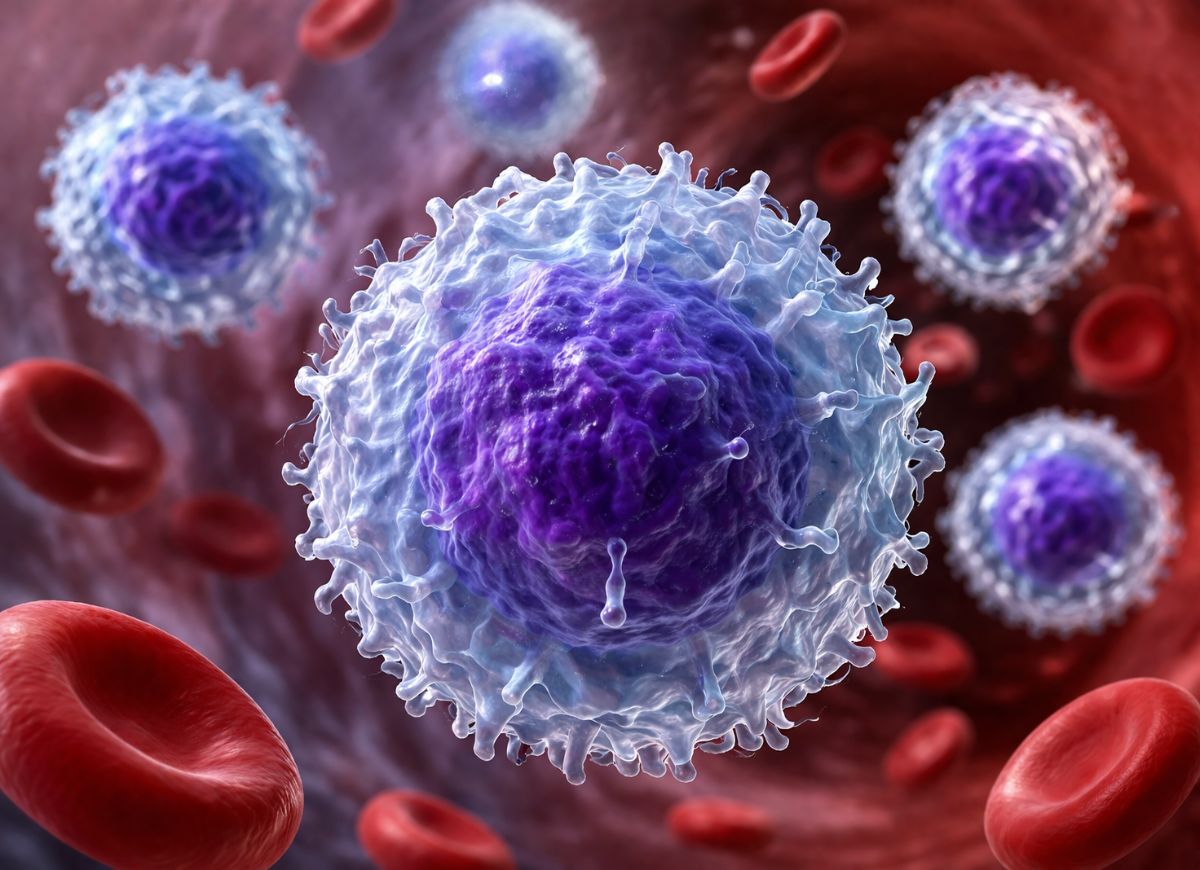
Lymphocytes are a type of white blood cell, or leukocyte, that plays an important role in the body’s immune defense. They are especially important for recognizing specific threats, including viruses, bacteria, and abnormal cells.
These cells also help create immune memory. This allows the immune system to respond more quickly when it encounters a pathogen it has previously seen.
Unlike some white blood cells that provide a more general response, lymphocytes can recognize specific targets and coordinate specialized immune reactions. They develop from stem cells in the bone marrow and travel through the bloodstream and lymphatic system while monitoring the body for potential threats.
Different Types of Lymphocytes
There are three major types of lymphocytes: B-cells, T-cells, and Natural Killer (NK) cells. Although each type has its own role, they work together to recognize threats, control immune activity, and eliminate harmful cells.
B-cells (B lymphocytes)
B-cells are best known for producing antibodies, which are an important part of humoral immunity. When a B-cell encounters an antigen associated with a particular pathogen, it can become activated, often with assistance from T-cells.
Activated B-cells can develop into plasma cells, which produce large amounts of antibodies. These antibodies attach to specific targets on pathogens and can help neutralize them or mark them for destruction by other immune cells.
Some B-cells become memory B-cells. These cells can remain in the body for a long time and remember previous infections. If the same pathogen appears again, they can help the immune system produce a faster and stronger antibody response.
T-cells (T lymphocytes)
T-cells are central to cell-mediated immunity. They mature in the thymus and include several different subtypes that perform different immune functions.
Helper T-cells (CD4+) help coordinate the immune response. They respond to information presented by other immune cells and release signaling chemicals called cytokines. These signals help activate and direct B-cells, cytotoxic T-cells, and other parts of the immune system.
Cytotoxic T-cells (CD8+), sometimes called killer T-cells, identify and destroy cells that have been infected by viruses or have developed abnormal changes. They recognize specific markers on these cells and can trigger programmed cell death, known as apoptosis.
Regulatory T-cells, or Tregs, help control immune activity. They become especially important after an immune response because they help reduce excessive inflammation and lower the risk of the immune system attacking healthy tissues.
Natural Killer (NK) cells
Natural Killer cells have characteristics associated with both innate and adaptive immune defenses. Unlike B-cells and T-cells, NK cells do not need previous exposure to a specific pathogen before they can respond.
Their main role is to quickly identify and destroy certain virus-infected or abnormal cells. They can recognize signs that a cell is under stress or has unusual surface markers.
Once an NK cell identifies a potential target, it can release substances that damage the target cell and trigger its destruction. This rapid response provides an important early defense while more specialized immune responses develop.
What is the Normal Range for a Lymphocyte Count?
For adults, the normal absolute lymphocyte count is generally around 1,000 to 4,800 lymphocytes per microliter (µL) of blood. However, the exact reference range can differ between laboratories and testing methods.
Lymphocytes are also commonly reported as a percentage of the total white blood cell count on a CBC with differential.
In many healthy adults, lymphocytes make up roughly 20% to 40% of total white blood cells. Although this percentage can be useful, the absolute lymphocyte count (ALC) often provides more direct information about the actual number of lymphocytes circulating in the blood.
Age is an important factor when interpreting lymphocyte levels. Babies and young children normally have higher lymphocyte counts and percentages than adults. For example, newborns may have an absolute lymphocyte count of approximately 3,000 to 9,500 lymphocytes/µL.
Temporary changes can also occur because of physical activity, stress, recent illness, or the time of day. Healthcare providers therefore interpret lymphocyte results alongside age, symptoms, medical history, and other blood-test findings.
A single mildly abnormal result does not necessarily indicate a serious problem. Persistent or substantially abnormal levels, however, may require additional evaluation.
Causes and Symptoms of a High Lymphocyte Count (Lymphocytosis)
A high lymphocyte count is called lymphocytosis. It most commonly occurs when the immune system is responding to an infection, particularly a viral infection. However, persistent lymphocytosis can also be associated with chronic inflammation and certain blood or lymphatic cancers.
When the body detects an infection, immune signals can stimulate the production and activity of lymphocytes. This may temporarily increase the number of these cells in the bloodstream.
Reactive lymphocytosis often settles after the underlying infection improves. When the count remains unusually high or continues to rise without an obvious explanation, further testing may be needed.
Infections Causing High Lymphocytes
Acute viral infections are among the most common causes of a temporary increase in lymphocytes. During a viral infection, lymphocytes, including T-cells and NK cells, become highly active as they identify and respond to infected cells.
One well-known example is infectious mononucleosis, which is commonly caused by the Epstein-Barr virus (EBV). The virus infects B-cells and triggers a strong T-cell response. This can produce a high lymphocyte count and an increased number of atypical lymphocytes on a blood smear.
Cytomegalovirus (CMV) can also cause symptoms similar to mononucleosis and may lead to an increase in lymphocytes.
Other viral infections, including chickenpox, shingles, measles, mumps, hepatitis, and adenovirus infections, can also produce lymphocytosis.
Some bacterial infections can increase lymphocytes as well. Whooping cough and tuberculosis are two examples.
The bacterium Bordetella pertussis, which causes whooping cough, can interfere with normal lymphocyte movement into lymphoid tissues. As a result, more lymphocytes may remain in the bloodstream.
Tuberculosis, caused by Mycobacterium tuberculosis, can also be associated with increased lymphocytes as the immune system develops a prolonged response to the infection.
In many infection-related cases, the increase is polyclonal, meaning multiple groups of lymphocytes are responding. Once the infection resolves, the lymphocyte count generally moves back toward its normal range.
Non-infectious Conditions Linked to Lymphocytosis
When lymphocytosis continues without an obvious infection, doctors may investigate non-infectious causes. These can include chronic inflammatory conditions as well as certain blood and lymphatic cancers.
One important category is cancer involving the blood or lymphatic system.
Chronic Lymphocytic Leukemia (CLL) is a common leukemia in adults and involves the buildup of abnormal mature B-lymphocytes in the blood, bone marrow, and lymph nodes. The lymphocyte count can remain significantly elevated over time.
Acute Lymphoblastic Leukemia (ALL) is another blood cancer and is more common in children. It involves the rapid growth of immature lymphocytes, known as lymphoblasts. Some lymphomas can also enter a leukemic phase, allowing abnormal lymphocytes to circulate in the bloodstream.
Chronic inflammatory and autoimmune diseases may also be associated with elevated lymphocyte levels. Conditions such as rheumatoid arthritis, inflammatory bowel disease, including ulcerative colitis and Crohn’s disease, and lupus can cause ongoing immune activation.
Certain medications can produce hypersensitivity reactions that affect lymphocyte levels. Major physical stress, including trauma, surgery, or a heart attack, may also cause a temporary movement of lymphocytes from lymphoid tissues into the bloodstream.
People who have had their spleen removed may have a mildly or moderately elevated lymphocyte count because the spleen normally contributes to the storage and removal of blood cells.
Causes and Symptoms of a Low Lymphocyte Count (Lymphocytopenia)
A low lymphocyte count is called lymphocytopenia or lymphopenia. It can develop for many reasons, including certain infections, autoimmune diseases, nutritional deficiencies, inherited immune disorders, and treatments such as chemotherapy or radiation.
Because lymphocytes are important for adaptive immunity, a significant reduction can make it harder for the body to respond effectively to infections.
Mild lymphocytopenia may cause no noticeable symptoms and may only be discovered during routine blood testing. More severe or persistent lymphocyte deficiency can increase the likelihood of repeated, severe, or unusual infections.
Medical Conditions Leading to Low Lymphocytes
Low lymphocyte levels can occur when the body is unable to produce enough lymphocytes, when the cells are destroyed, or when they move out of the bloodstream into tissues.
Some infections that cause high lymphocyte counts can have the opposite effect. Human Immunodeficiency Virus (HIV), for example, specifically targets CD4+ helper T-cells. Progressive loss of these cells can result in significant immune suppression.
Other viral infections, including influenza, hepatitis, and measles, may temporarily reduce lymphocyte counts. This can happen because lymphocytes are destroyed, used during the immune response, or move from the blood to infected tissues.
Severe bacterial infections and sepsis can also cause a substantial decrease in circulating lymphocytes. A strong systemic inflammatory response may contribute to increased lymphocyte destruction.
Autoimmune disorders can also be involved. In these conditions, the immune system mistakenly targets the body’s own tissues.
Lupus (Systemic Lupus Erythematosus): Lupus may cause immune-mediated destruction of lymphocytes and can therefore contribute to lymphocytopenia. Rheumatoid Arthritis can also be associated with low lymphocyte levels, either because of the disease itself or as a result of certain treatments.
Chemotherapy and radiation therapy are designed to target rapidly dividing cancer cells, but they can also affect healthy cells that divide quickly, including cells in the bone marrow and lymphatic tissues. This can significantly reduce lymphocyte production.
Blood cancers such as lymphoma and leukemia may also interfere with normal lymphocyte development and production.
Some inherited immune disorders can cause low lymphocyte levels from birth. Examples include Severe Combined Immunodeficiency (SCID), DiGeorge syndrome, and Wiskott-Aldrich syndrome. These uncommon conditions can cause severe immune dysfunction.
Other possible contributors include malnutrition, particularly inadequate protein or certain essential nutrients. Long-term corticosteroid use, such as prednisone, can suppress immune activity and lower lymphocyte levels. Chronic kidney disease may also be associated with reduced lymphocyte counts through several mechanisms.
Low Lymphocyte Count to be a sign of a Weak Immune System
Lymphocytes are essential for coordinating immune responses and producing antibodies. A significant reduction in these cells can therefore weaken the body’s ability to defend itself against infections.
The risk generally depends on how low the count becomes, how long it remains low, and the underlying cause. Severe or prolonged lymphocytopenia can increase susceptibility to opportunistic infections, which are infections that are more likely to affect people with weakened immune defenses.
A mild and temporary decrease can occur during common infections such as influenza or a cold and may resolve naturally as the person recovers. This short-term change does not necessarily mean that someone has chronic immunodeficiency.
In contrast, a persistently low lymphocyte count, particularly when the absolute count is substantially reduced, can require more detailed medical evaluation.
Severe lymphocytopenia can increase the risk of serious or unusual infections caused by viruses, fungi, and bacteria. If the low count persists, healthcare providers may investigate the underlying reason and determine whether treatment or monitoring is necessary.
High Lymphocyte Count vs. Low Lymphocyte Count
A high lymphocyte count, known as lymphocytosis, often occurs when the immune system is responding to an infection or another stimulus. A low lymphocyte count, or lymphocytopenia, means that fewer lymphocytes are circulating in the blood and may reflect reduced immune function.
In simple terms, lymphocytosis can represent an active immune response, while lymphocytopenia can indicate that the body’s immune defenses have been reduced or affected.
Neither result should be interpreted by itself. The meaning depends on the actual count, how long the change has been present, symptoms, medications, age, and overall health.
The Health Implications of Lymphocytosis and Lymphocytopenia
The health significance of high and low lymphocyte counts can be very different.
Lymphocytosis is often temporary and can be a normal part of the body’s response to an infection. For example, during infectious mononucleosis, elevated lymphocytes can reflect an active immune response. The count commonly moves toward normal as the infection resolves.
Persistent or very high lymphocyte levels, however, may require further investigation. In some cases, they can be associated with blood cancers such as Chronic Lymphocytic Leukemia (CLL), in which abnormal lymphocytes accumulate.
Lymphocytopenia has different implications because a reduced number of lymphocytes can weaken immune defenses. This may make the person more susceptible to infections, particularly when the decrease is severe or prolonged.
Depending on the underlying cause, low lymphocytes can occur with conditions such as HIV infection, cancer treatment, autoimmune disease, nutritional deficiencies, or inherited immune disorders.
When to Worry About Lymphocyte Test Results
Any lymphocyte result outside the laboratory’s reference range should be interpreted in the context of the person’s overall health. A mildly abnormal result does not automatically mean there is a serious disease.
The degree and persistence of the abnormality are important. A small change that appears once may be related to a recent infection, stress, or another temporary factor. A very high or very low result that remains abnormal on repeat testing generally deserves more attention.
An abnormal lymphocyte count becomes more concerning when it occurs together with symptoms such as unexplained fever, significant night sweats, unintended weight loss, persistent fatigue, enlarged lymph nodes, an enlarged spleen or liver, unusual bruising, or recurrent infections.
Age and medical history also matter. For example, persistent lymphocytosis in an older adult may lead a doctor to investigate conditions such as CLL, while low lymphocytes during chemotherapy may be an expected effect of treatment.
A significantly low count in someone without an obvious explanation may lead to testing for infections, immune disorders, nutritional deficiencies, or other underlying conditions.
Ultimately, the significance of a lymphocyte result depends on the combination of laboratory findings, symptoms, medical history, and other test results.
Lymphocyte Types Measurement and Analysis
A Complete Blood Count (CBC) with differential is usually the first test used to evaluate lymphocytes. It provides the total white blood cell count and shows the number or percentage of lymphocytes.
However, a standard CBC does not provide detailed information about the different lymphocyte subtypes. When more specific information is needed, doctors may use flow cytometry.
Flow cytometry is a specialized laboratory technique used to identify and measure different cell populations according to markers found on their surfaces.
During the test, a blood sample is exposed to antibodies carrying fluorescent labels. These antibodies attach to specific cell markers, such as CD4 on helper T-cells or CD19 on B-cells.
The sample then passes through a flow cytometer, where lasers detect the fluorescent signals. This allows the laboratory to identify and count different lymphocyte populations.
Flow cytometry is particularly useful for measuring CD4+ T-cells in people with HIV because changes in CD4 levels can provide information about immune function.
It can also help identify abnormal or clonal lymphocyte populations associated with certain blood cancers, including Chronic Lymphocytic Leukemia (CLL).
In people suspected of having a primary immune deficiency, flow cytometry can reveal whether particular lymphocyte populations are missing or unusually low.
Functional Difference Between T-cells and B-cells
The main difference between T-cells and B-cells is how they participate in adaptive immunity. B-cells are primarily responsible for antibody production, while T-cells coordinate immune activity and directly attack certain infected or abnormal cells.
B-cells produce antibodies, specialized proteins that recognize particular substances called antigens. After activation, a B-cell can develop into a plasma cell that produces large amounts of antibodies.
These antibodies can attach to pathogens, neutralize them, or mark them so that other immune cells can destroy them.
Some activated B-cells become memory B-cells. These long-lasting cells allow the immune system to respond more quickly if the same pathogen is encountered again. This immune memory is one of the principles behind vaccination.
T-cells do not produce antibodies. Instead, they coordinate immune responses or directly destroy affected cells.
Helper T-cells (CD4+) help organize immune activity by releasing cytokines and activating other immune cells. They can support B-cell antibody production, activate other immune defenses, and help coordinate cytotoxic T-cell responses.
Cytotoxic T-cells (CD8+) identify cells that contain signs of viral infection or abnormal changes. When they recognize a target, they can release substances that trigger apoptosis, or programmed cell death.
Regulatory T-cells (Tregs) act as a control mechanism for the immune system. They help reduce immune activity after a threat has been addressed and help prevent excessive inflammation and autoimmune reactions.
How to Improve Lymphocyte Levels
Lifestyle habits can support normal immune function, although an abnormal lymphocyte count should not be treated simply by trying to raise or lower the number through diet or supplements.
Long-term stress can affect immune regulation. The body releases cortisol during stress, and prolonged elevation of this hormone can influence immune-cell activity and lymphocyte levels.
Poor sleep can also interfere with normal immune regulation. Getting adequate, consistent sleep is therefore an important part of maintaining general immune health.
Nutrition is another important factor. The body needs adequate calories, protein, vitamins, and minerals to produce and maintain healthy immune cells.
Nutrients such as zinc, selenium, and vitamins C, D, and E support normal immune functions. Adequate protein is also important because antibodies and many immune-related proteins depend on amino acids for their production.
A balanced diet that includes vegetables, fruits, whole grains, protein sources, and other nutrient-rich foods can help support overall immune health.
Gut health may also influence immune function. A diet containing sufficient fiber and a variety of plant foods can help support a diverse gut microbiome, which interacts with the immune system.
If lymphocyte levels are persistently abnormal, however, lifestyle changes alone may not address the underlying cause. Medical evaluation is important to determine why the count is abnormal.
Lymphocyte Counts Changing with Age
Lymphocyte levels naturally change throughout life as the immune system develops, matures, and eventually undergoes age-related changes.
Babies and young children normally have higher lymphocyte counts than adults. This is known as physiologic lymphocytosis of childhood and is a normal part of immune development.
During childhood, the immune system is exposed to many new pathogens and must develop a broad range of immune responses. The thymus, where T-cells mature, is especially active during these early years.
As children grow, lymphocyte levels gradually change and generally move toward adult reference ranges by adolescence.
Older adults experience a different process called immunosenescence, which describes age-related changes in immune function.
One important change is the gradual reduction in thymus activity after puberty. As the thymus becomes smaller and less active, the production of new naive T-cells decreases.
Consequently, the T-cell population in older adults contains a greater proportion of memory cells created from previous immune exposures. These cells can provide strong protection against familiar pathogens, but the reduced number of naive cells may make it more difficult to respond to unfamiliar infections.
Lymphocyte function can also change with age. Some immune cells may respond more slowly to new threats, and the production of certain signaling molecules can be altered.
B-cell function may also decline with age, which can affect the quality and effectiveness of antibody responses. This is one factor that contributes to differences in vaccine responses among older adults.
Aging is also commonly associated with a state of persistent, low-level inflammation sometimes called “inflamm-aging.” This can further influence immune function and contribute to age-related health problems.
FAQs
1. What do high lymphocytes and low lymphocytes mean?
High lymphocytes, or lymphocytosis, often mean that the immune system is responding to an infection, especially a viral infection. Persistent elevation can sometimes be associated with chronic inflammation or certain blood disorders.
Low lymphocytes, known as lymphocytopenia, may indicate reduced immune defenses. Possible causes include infections, autoimmune conditions, nutritional deficiencies, medications, or treatments such as chemotherapy. The underlying cause needs to be considered when interpreting the result.
2. Are lymphocytes 47% normal?
A lymphocyte percentage of 47% may be slightly above the typical adult reference range used by some laboratories, but the meaning depends on the laboratory’s reference values and the person’s overall blood count.
The absolute lymphocyte count can provide additional information because the percentage is calculated in relation to the other white blood cells. Your healthcare provider can interpret the result alongside the rest of your CBC and any symptoms you have.
3. Can stress cause low lymphocytes?
Yes, significant or prolonged stress can temporarily influence lymphocyte levels. Stress hormones such as cortisol can affect immune-cell activity and distribution.
Short-term changes are often temporary, but persistent low lymphocyte levels should not automatically be attributed to stress. If the count remains low, a healthcare professional should evaluate other possible causes.
4. How do you feel when lymphocytes are low?
Mild lymphocytopenia may cause no noticeable symptoms at all. When lymphocyte levels are significantly reduced, the main concern is increased susceptibility to infections.
Depending on the underlying condition, a person may experience repeated infections, fatigue, fever, or other symptoms. Persistent or severe low lymphocyte levels should be discussed with a healthcare professional.
5. What vitamins increase lymphocytes?
A healthy intake of essential nutrients supports normal immune function, but no vitamin should be assumed to increase lymphocyte levels unless a deficiency is present.
Important nutrients for immune health include:
- Vitamin C: Supports normal immune-cell function and antioxidant defenses.
- Vitamin D: Helps regulate immune responses.
- Vitamin B6: Supports normal immune and blood-cell functions.
- Zinc: Plays an important role in immune-cell development and function.
A balanced diet is generally the best way to obtain these nutrients. Supplements should be used when appropriate, particularly when a deficiency has been identified.
6. How to treat low lymphocytes?
Treatment depends on why the lymphocyte count is low. If an infection is responsible, treating the infection may allow the count to recover. If medications or cancer treatment are contributing to the decrease, the healthcare team may adjust the treatment when appropriate.
Nutritional deficiencies may be treated with dietary changes or supplements. Autoimmune diseases and other underlying conditions require treatment directed at the specific diagnosis.
7. What should I eat if my lymphocytes are low?
A nutritious and balanced diet can support normal immune function. Include foods containing protein, vitamins, minerals, and other essential nutrients.
Good choices can include fruits and vegetables, whole grains, lean meats, fish, eggs, beans, legumes, nuts, and other nutrient-rich foods.
Foods containing nutrients such as vitamin C, vitamin D, vitamin B6, zinc, and adequate protein can contribute to overall immune health. However, diet alone may not correct lymphocytopenia caused by an underlying medical condition.
8. What deficiency causes low lymphocytes?
Several nutritional deficiencies can affect immune function and may contribute to abnormal lymphocyte levels. Possible contributors include deficiencies of vitamin B12, folate, zinc, protein, and other essential nutrients.
However, nutritional deficiency is only one possible cause of lymphocytopenia. Infections, medications, autoimmune disorders, cancer treatments, inherited immune disorders, and other medical conditions can also lower lymphocyte levels.
Conclusion
Lymphocytes are an important part of the immune system and help the body recognize and respond to infections and abnormal cells. Both high and low lymphocyte counts can provide useful clues about what is happening inside the body.
A high count may reflect an active immune response, particularly during an infection, while a low count can sometimes indicate reduced immune defenses. Neither result should be interpreted on its own because the underlying cause, severity, duration, age, symptoms, and other blood-test results all matter.
Maintaining good nutrition, adequate sleep, regular physical activity, and healthy stress-management habits can support normal immune function. If your lymphocyte count is persistently high or low, discussing the result with a healthcare professional can help identify the cause and determine whether further testing or treatment is needed.