

10 Signs of Chronic Traumatic Encephalopathy (CTE) to Know
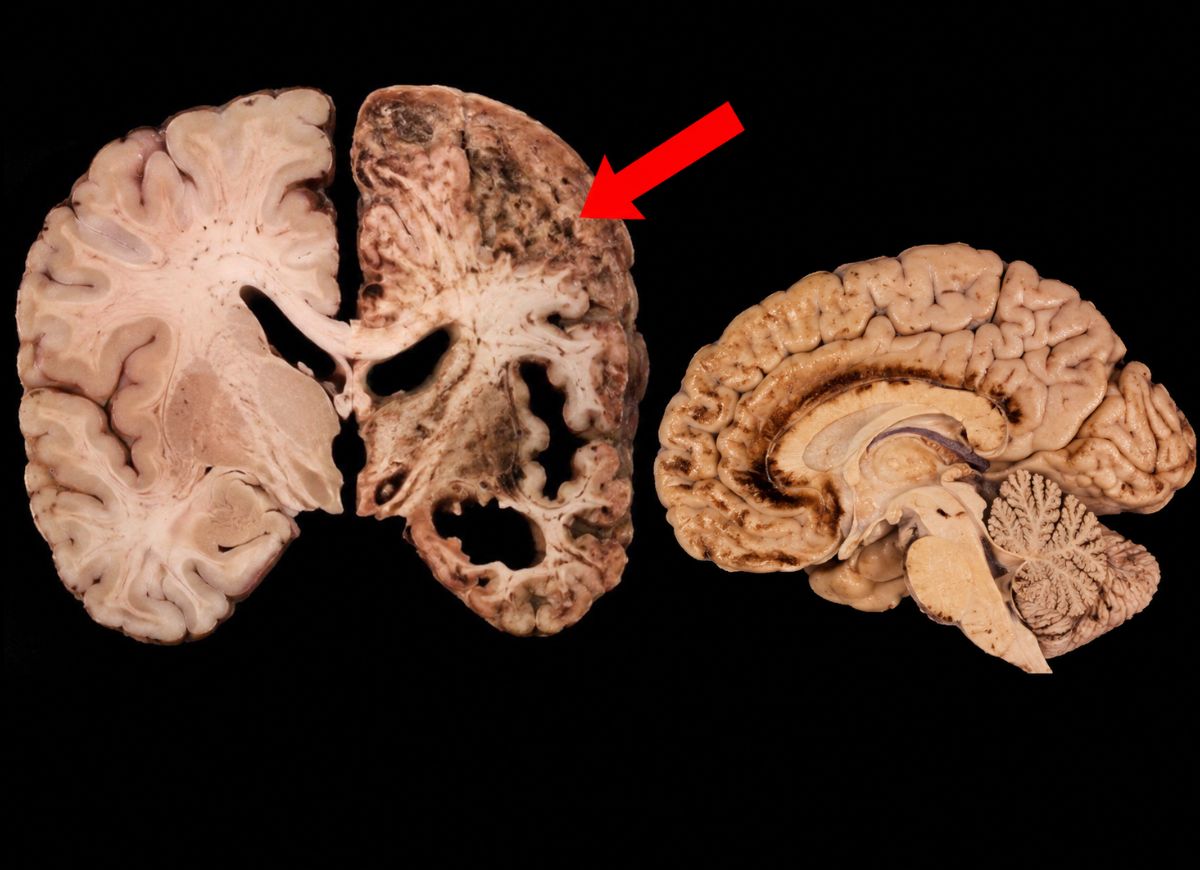
Chronic traumatic encephalopathy, commonly known as CTE, is a brain condition associated with repeated head impacts over time. It has been studied particularly among athletes, military veterans, and people who have experienced repeated concussions or subconcussive blows. One challenge is that CTE-related changes may not become noticeable immediately. Symptoms can appear years after the original injuries, making the connection difficult to identify.
CTE is also challenging because it cannot currently be confirmed with certainty while a person is alive. A definite diagnosis is made after death by examining brain tissue. During life, doctors may review a person’s history of head injuries along with changes in memory, mood, behavior, and neurological function to look for possible causes.
The signs of CTE can gradually affect everyday life. A person may begin forgetting conversations, having trouble concentrating, acting impulsively, becoming unusually irritable, or experiencing depression and anxiety. Family members may notice changes in personality or behavior before the person recognizes them. In more advanced cases, confusion, aggression, poor judgment, and movement difficulties may also occur.
These 10 telltale signs of chronic traumatic encephalopathy CTE can provide important information, but they do not confirm that someone has the condition. Similar symptoms can occur with depression, dementia, substance use, sleep disorders, Parkinson’s disease, and other conditions. When these changes occur in someone with a history of repeated head trauma, medical evaluation is important. It can help identify other treatable causes, address mental health concerns, and support long-term care planning.
What is Chronic Traumatic Encephalopathy (CTE)?
Chronic Traumatic Encephalopathy (CTE) is a progressive neurodegenerative condition associated with repeated head trauma. It is characterized by an abnormal buildup of a protein called tau in the brain. Understanding CTE involves looking at its gradual progression, connection with repeated head impacts, and distinctive tau-related changes.
Unlike an acute brain injury, such as a concussion, CTE develops over a much longer period. Symptoms may appear years or even decades after repeated head impacts have occurred.
CTE has been strongly associated with repeated head trauma. This can include concussions that cause noticeable symptoms as well as subconcussive impacts that may not cause immediate symptoms. Repeated mechanical stress on the brain is believed to contribute to changes in tau protein.
Tau normally helps support the internal structure of nerve cells. With CTE, abnormal tau can become misfolded and accumulate into neurofibrillary tangles (NFTs). These changes can interfere with normal brain-cell function and may eventually contribute to brain-cell loss and atrophy.
Part of The Brain Affected
CTE pathology can affect several areas of the brain, including the cerebral cortex, hippocampus, amygdala, and brainstem. The distribution of abnormal tau helps distinguish CTE pathology from other neurodegenerative conditions.
Abnormal tau deposits in CTE are often found in the cerebral cortex, particularly deep within the grooves called cortical sulci. They can also occur around small blood vessels. The frontal and temporal lobes are frequently affected, which may help explain early problems involving judgment, impulse control, planning, and emotional regulation.
As the condition progresses, deeper brain structures such as the hippocampus can become involved. Because the hippocampus plays an important role in memory, damage in this area may contribute to increasing memory difficulties.
The amygdala, which is involved in emotional processing, may also be affected. This can be associated with mood changes, anxiety, suspiciousness, and behavioral changes.
In more advanced disease, areas involved in movement, including the brainstem and cerebellum, may become affected. This can contribute to problems with balance, walking, speech, and movement.
Is Chronic Traumatic Encephalopathy a Form of Dementia?
Chronic Traumatic Encephalopathy is a specific neurodegenerative disease that can cause a dementia syndrome. Dementia itself is not one particular disease. Instead, it describes a group of symptoms involving significant problems with memory, thinking, reasoning, or other cognitive abilities that interfere with everyday life.
Several different diseases can cause dementia, including Alzheimer’s disease, vascular dementia, Lewy body dementia, and frontotemporal dementia. CTE is another disease that may lead to dementia-like cognitive decline.
A person may experience mood or behavioral symptoms in the earlier stages of CTE without having dementia. As cognitive problems become more severe and begin interfering with independence, a dementia syndrome may develop.
For example, worsening memory, confusion, and poor judgment may eventually make it difficult for someone to manage finances, drive safely, or live independently. In this situation, the dementia syndrome may be related to the underlying CTE disease.
10 Telltale Signs and Symptoms of CTE
Memory Loss
Memory problems are among the cognitive changes associated with CTE. Early on, a person may have trouble remembering recent conversations, appointments, events, or information they have just learned. They may repeat questions or forget plans.
As cognitive impairment progresses, memory problems can become more significant and may affect memories from further in the past. Severe memory loss can eventually contribute to a dementia syndrome.
Confusion and Disorientation
People with CTE may experience periods of confusion or disorientation. They may become unsure of where they are, even in familiar surroundings, or have trouble understanding what is happening around them.
They may also lose track of dates, days, or seasons. This mental confusion can make conversations, instructions, and situations involving multiple pieces of information more difficult to follow.
Impaired Judgment and Planning (Executive Dysfunction)
Problems with executive function are another important feature associated with CTE. Executive skills help people organize tasks, make decisions, solve problems, manage priorities, and plan ahead.
A person may begin struggling with multitasking, financial decisions, or everyday problem-solving. Poor judgment can also lead to impulsive or risky choices involving money, relationships, or personal safety.
Impulse Control Problems
Difficulty controlling impulses can cause noticeable changes in behavior. Some people may become unusually short-tempered or react with intense verbal or physical aggression to situations that previously would not have caused such a response.
Impulse-control problems can also contribute to risky behaviors, including gambling, substance misuse, or inappropriate social behavior. Changes in areas of the brain involved in inhibition and decision-making may contribute to these difficulties.
Depression and Apathy
Depression can be an important emotional and behavioral symptom associated with CTE. It may involve persistent sadness, hopelessness, low self-worth, or a loss of interest in everyday life.
Apathy can occur alongside depression. A person may lose motivation to work, participate in hobbies, maintain relationships, or take part in activities they once enjoyed. They may appear withdrawn or emotionally disconnected.
Anxiety and Paranoia
Anxiety may appear as ongoing worry, restlessness, fear, or panic. Some individuals may also develop suspicious thoughts or paranoia.
They may become unusually distrustful of family members, friends, caregivers, or other people around them. These beliefs can cause significant distress and may place additional strain on relationships.
Suicidality
Suicidality, including suicidal thoughts, plans, or attempts, is a serious concern that has been reported in connection with CTE. Depression, hopelessness, impulsivity, and impaired judgment can create a particularly dangerous combination.
Anyone experiencing suicidal thoughts or showing signs of immediate danger needs urgent professional help. Family members should take these changes seriously and seek appropriate medical or emergency support.
What are the motor impairment signs of Chronic Traumatic Encephalopathy?
Motor problems generally become more noticeable in later stages and may include parkinsonism, difficulty walking, balance problems, and dysarthria. These symptoms can occur when disease-related changes affect deeper areas of the brain involved in movement and coordination.
Parkinsonism
Parkinsonism describes a group of movement symptoms that can resemble those seen in Parkinson’s disease. These may include slowed movement, muscle stiffness, and tremors.
Although the symptoms can look similar, the underlying brain changes are different. In Parkinson’s disease, the loss of dopamine-producing nerve cells is a major factor. In CTE, movement problems may be associated with abnormal tau accumulation in brain regions involved in movement.
Gait and Balance Issues
Damage involving the brainstem and cerebellum can contribute to walking and balance difficulties in advanced CTE.
A person’s walking pattern may become slower, less steady, or shuffling. Balance problems can increase the risk of falls, which may result in additional injuries. As mobility becomes more difficult, some individuals may eventually need a walker, wheelchair, or other assistance.
Dysarthria
Dysarthria is a motor speech disorder that can cause speech to sound slurred, slow, quiet, or difficult to understand. It differs from aphasia, which affects language itself.
In CTE, dysarthria can result from reduced strength or control of the muscles involved in producing speech. Communication may become increasingly difficult as the condition progresses.
Causes and Primary Risk Factors for CTE
CTE is associated with repeated head trauma. The people most frequently studied include athletes involved in contact sports, military veterans, and others with repeated exposure to head impacts.
Risk appears to be related to cumulative exposure rather than one isolated injury. Both concussions and subconcussive impacts may contribute to this exposure.
Subconcussive impacts may not cause obvious symptoms at the time they occur, but repeated exposure has been an important focus of CTE research.
Main Cause of Chronic Traumatic Encephalopathy
The primary known risk factor for CTE is repeated head trauma, including both concussive and subconcussive impacts over time.
The mechanical forces created during an impact can stretch and damage brain structures, including axons, which are long nerve fibers that help nerve cells communicate.
Tau is normally involved in maintaining the structure of neurons. Following repeated trauma, changes in tau may cause it to detach from its normal location, misfold, and accumulate. These abnormal proteins can eventually form neurofibrillary tangles, which are a characteristic feature of CTE pathology.
Researchers believe abnormal tau may spread through connected areas of the brain as the disease process progresses. This may contribute to continuing brain damage even after repeated head impacts have stopped.
The amount of exposure to repeated head impacts is an important area of research. Studies have found associations between greater exposure to contact sports and a higher likelihood and severity of CTE pathology.
This is one reason subconcussive impacts are an important concern. A person may experience many smaller impacts over a career without having a diagnosed concussion.
Who is Most at Risk for Developing CTE?
People with long-term exposure to repeated head impacts are considered the primary group at risk. This includes contact-sport athletes, military veterans, and people exposed to repeated physical trauma.
Contact-sport athletes are among the most extensively studied groups. American football, boxing, ice hockey, soccer, rugby, and lacrosse can involve repeated head impacts. The level and duration of exposure can also influence overall risk.
Military service members, particularly those exposed to combat, may experience repeated head trauma from blasts, vehicle accidents, falls, training, or physical combat. Blast exposure can cause traumatic brain injury even when there is no direct blow to the head.
CTE is not limited to sports or military service. Anyone exposed to repeated head impacts may be at risk. This can include people experiencing chronic physical abuse, individuals who repeatedly engage in head-banging behaviors, or people with conditions that cause frequent falls and head injuries.
Chronic Traumatic Encephalopathy Diagnosis
CTE cannot currently be definitively diagnosed during a person’s lifetime. A confirmed diagnosis requires a post-mortem examination of brain tissue. During life, doctors can evaluate symptoms and a person’s history of repeated head trauma while looking for other possible explanations.
There is currently no accepted blood test or standard brain scan that can definitively confirm CTE in a living person. After death, neuropathologists can examine brain tissue for the characteristic pattern of abnormal phosphorylated tau, including deposits around small blood vessels and deep within cortical sulci.
During life, doctors may make a clinical or provisional assessment based on symptoms and exposure history. This involves carefully considering other conditions that can produce similar symptoms.
The evaluation may begin with a detailed history of lifetime head impacts. Doctors may ask about sports participation, the length and level of play, military service, and other sources of trauma. Information from family members can also help identify changes in behavior, mood, and thinking.
A neurological examination can assess movement, sensation, reflexes, balance, and coordination. Neuropsychological testing may evaluate memory, attention, planning, and other cognitive abilities. A psychiatric assessment can also help evaluate depression, anxiety, impulsivity, and other behavioral symptoms.
MRI and CT scans may be used to look for other causes of symptoms, including tumors, strokes, hydrocephalus, or other structural problems. These scans cannot currently identify the characteristic tau pathology of CTE, although they may show nonspecific changes such as brain atrophy.
Researchers are also studying possible biomarkers in blood and cerebrospinal fluid, along with advanced imaging techniques such as tau PET scans. These approaches are promising areas of research but are not yet established as routine diagnostic tests for CTE.
How is Chronic Traumatic Encephalopathy Diagnosed and Differentiated from Other Conditions?
CTE Diagnosed in a Living Person
No, CTE cannot currently be definitively diagnosed in a living person. A confirmed diagnosis requires examination of brain tissue after death by a neuropathologist.
This examination looks for the characteristic accumulation of abnormal phosphorylated tau in specific areas of the brain, including around small blood vessels and deep within the cortical sulci.
Without this microscopic evidence, an assessment made during life remains clinical or presumptive. The condition known as Traumatic Encephalopathy Syndrome (TES) is used to describe the clinical syndrome associated with symptoms and a history of repeated head impacts.
Researchers continue to investigate ways to identify CTE during life. Potential approaches include advanced brain imaging and biological markers.
PET scans using experimental tracers designed to bind to tau are being studied as a possible way to visualize abnormal tau in living people.
Researchers are also examining blood and cerebrospinal fluid for potential biomarkers that could identify specific proteins or molecules associated with CTE.
Standard MRI cannot detect the microscopic tau changes of CTE. However, advanced techniques such as Diffusion Tensor Imaging (DTI) are being studied to identify changes in white matter that may be associated with repeated head trauma.
Chronic Traumatic Encephalopathy vs. Alzheimer’s Disease
Both CTE and Alzheimer’s disease are progressive neurodegenerative conditions that can lead to significant cognitive decline. However, they have important differences in their causes, typical clinical patterns, and brain pathology.
CTE is strongly associated with a history of repeated head trauma, including concussive and subconcussive impacts. It has been particularly studied in contact-sport athletes and military veterans.
Alzheimer’s disease has a more complex set of risk factors. Age is a major risk factor, while genetics, including variants such as APOE4, and other health and environmental factors may also contribute.
The symptoms may also begin differently. CTE can involve early changes in mood and behavior, such as impulsivity, depression, emotional instability, or aggression. Memory and executive problems may become more prominent as the condition progresses.
Alzheimer’s disease more commonly begins with significant short-term memory problems and difficulties with word-finding. Behavioral changes may become more noticeable in later stages.
The patterns of abnormal tau are also different. In CTE, phosphorylated tau has a distinctive distribution, often around small blood vessels and deep within cortical sulci. Alzheimer’s disease typically involves tau pathology along with amyloid-beta plaques and follows a different pattern of spread through the brain.
Progressive Stages of CTE
CTE has been described in four pathological stages based on the distribution and severity of abnormal tau found during post-mortem examination. These stages provide a framework for understanding how the pathology may become more widespread over time.
The clinical symptoms associated with each stage can vary, and not everyone experiences the same progression.
Stage I: The earliest stage involves relatively small and localized deposits of abnormal tau, often around small blood vessels near the depths of the cortical sulci. Symptoms may be absent or mild and can include headaches, concentration difficulties, or attention problems.
Stage II: Abnormal tau becomes more widespread across the cerebral cortex. Behavioral and mood changes may become more noticeable, including depression, mood swings, irritability, and short-term memory difficulties.
Stage III: Tau pathology becomes more widespread and may involve the frontal and temporal lobes, as well as structures such as the amygdala and hippocampus. Cognitive problems, memory loss, and difficulties with planning and judgment may become more significant.
Stage IV: This is the most advanced stage, with extensive tau pathology throughout the brain. Brain atrophy may be present, along with severe cognitive impairment, profound memory problems, dementia, and movement difficulties such as parkinsonism.
Prevention strategies for Chronic Traumatic Encephalopathy
There is currently no cure that can reverse the underlying brain changes associated with CTE. Because of this, medical care focuses mainly on managing symptoms and supporting quality of life.
Treatment is tailored to the person’s specific needs. Cognitive rehabilitation may help with memory and thinking difficulties. Psychotherapy and counseling can provide support for depression, anxiety, and behavioral changes. Medications may also be used to manage certain severe symptoms.
For movement problems, physical and occupational therapy can help improve mobility, balance, and the ability to manage daily activities.
Because CTE is associated with repeated head trauma, prevention is an important focus. Reducing repeated head impacts through improved safety measures, sports rules, protective practices, and appropriate management of head injuries may help reduce exposure.
FAQs
1. What are the stages of CTE?
CTE is commonly described using four pathological stages, ranging from limited tau changes to widespread brain involvement. Earlier stages may be associated with headaches, attention difficulties, mood changes, or impulsive behavior. Later stages may involve memory loss, confusion, poor judgment, movement problems, and dementia-like symptoms. The progression can differ between individuals.
2. How to reduce CTE?
There is currently no proven treatment that can reverse CTE. Reducing repeated head impacts is therefore important. This includes taking concussions seriously, allowing adequate recovery before returning to activities, following safety measures, and limiting activities that involve frequent head impacts.
3. How to help a loved one with CTE?
Supporting someone with possible CTE starts with patience, consistency, and appropriate medical care. Encourage professional evaluation when memory, mood, behavior, aggression, depression, or other concerning changes appear.
Simple routines, reduced stress, symptom tracking, and support from mental health professionals may also help. If the person has suicidal thoughts or is in immediate danger, seek emergency help right away.
4. At what age do CTE symptoms start?
CTE-related symptoms may appear years or decades after repeated head trauma. Some people may notice changes earlier in adulthood, while others develop symptoms later. The timing can vary based on a person’s history of head impacts and other factors.
5. What does CTE look like in the brain?
CTE is associated with an abnormal buildup of tau protein in a distinctive pattern. These deposits are often found around small blood vessels and deep within the folds of the brain. As pathology becomes more extensive, brain atrophy may occur and areas involved in memory, emotions, judgment, and movement can be affected.
Conclusion
Chronic traumatic encephalopathy CTE is a serious condition associated with repeated head impacts, but its early signs can be difficult to recognize. Memory problems, mood changes, impulsive behavior, depression, aggression, poor judgment, and confusion may gradually affect a person’s daily life and relationships.
These symptoms do not automatically mean someone has CTE. Several other conditions can cause similar changes, including depression, anxiety, sleep disorders, substance use, thyroid problems, and other neurological diseases. A thorough medical evaluation can help identify possible causes and appropriate support.
Prevention remains an important part of reducing CTE risk. Taking head injuries seriously, allowing enough time for recovery, reducing repeated impacts, and seeking medical help when significant changes in thinking or behavior appear can all be important steps. For families and caregivers, patience, compassion, and early support can help create a safer and more supportive environment.