
What Is Immunotherapy? How It Helps Fight Cancer
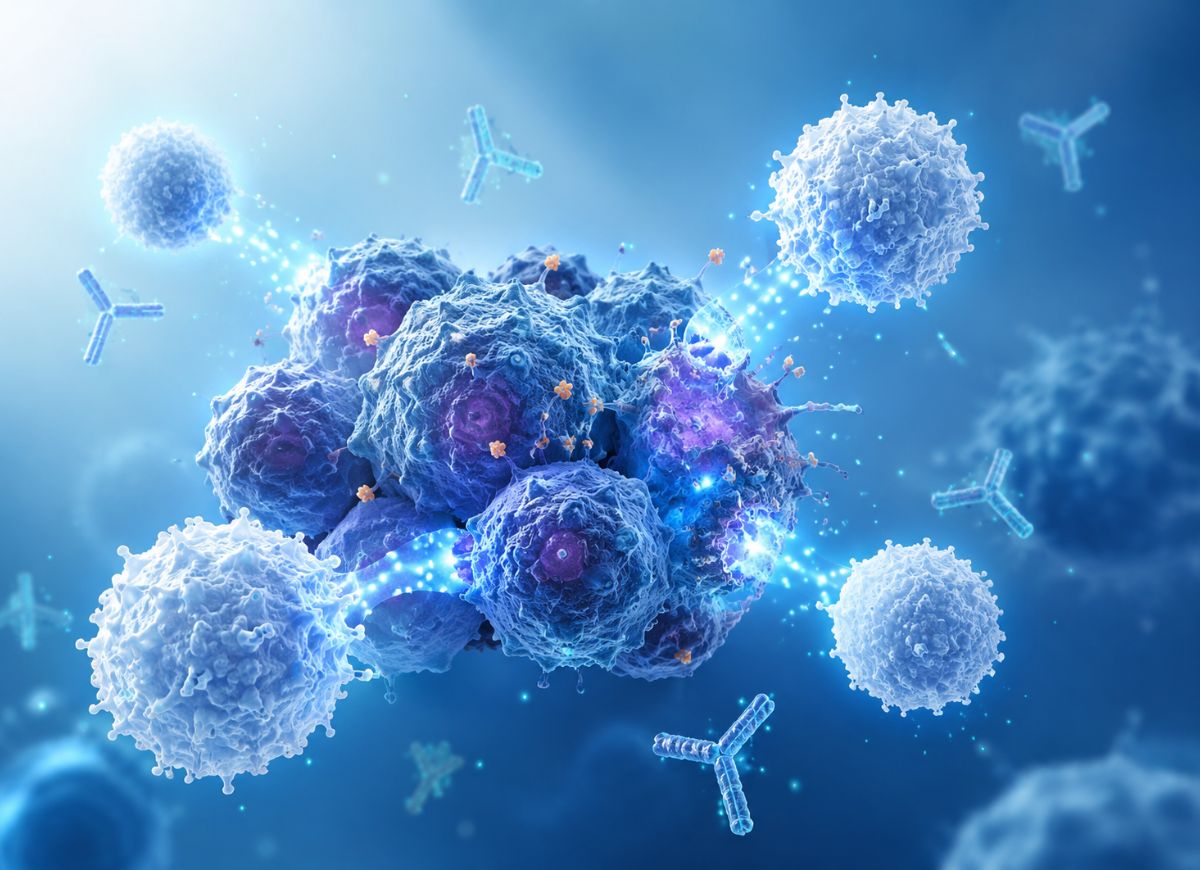
When people think about cancer treatment, surgery, chemotherapy, and radiation are often the first options that come to mind. Immunotherapy may be less familiar, but it has become an important part of modern cancer care. Rather than directly attacking cancer in the same way as some traditional treatments, immunotherapy helps the body’s immune system recognize, target, and control cancer cells.
The idea may sound straightforward, but the science behind it is complex. The immune system constantly protects the body from infections and abnormal cells. Cancer can sometimes avoid these defenses or send signals that reduce immune activity. Immunotherapy aims to overcome some of these barriers, strengthen immune responses, or direct the body’s defenses toward cancer cells.
Immunotherapy is not appropriate for every patient or every type of cancer. It may be used for certain cases of melanoma, lung cancer, kidney cancer, bladder cancer, lymphoma, leukemia, and other cancers. Whether it is considered can depend on the diagnosis, cancer stage, biomarkers, and overall health. The American Cancer Society describes immunotherapy as a treatment that works with the immune system to destroy cancer cells or slow their growth.
The use of immunotherapy has expanded considerably. A 2024 estimate reported that eligibility for immune checkpoint inhibitors increased from 1.54% of cancer patients in 2011 to 55.47% in 2023. However, being eligible for treatment does not guarantee a response, and outcomes can differ significantly between individuals.
This article explains what immunotherapy is, how it helps the body fight cancer, who may receive it, and what patients should know about possible side effects and limitations.
What is Immunotherapy?
Immunotherapy for cancer is a type of biological treatment that uses substances or approaches derived from living systems to help the body’s immune system fight cancer. Its main purpose is to overcome some of the ways cancer cells avoid immune detection and help immune defenses recognize and destroy abnormal cells.
Immunotherapy vs. Chemotherapy
Immunotherapy and chemotherapy fight cancer in different ways. Immunotherapy works by activating or directing the immune system, while chemotherapy uses drugs that directly damage or kill rapidly dividing cells.
Because chemotherapy affects rapidly dividing cells throughout the body, it can also affect healthy cells in places such as the bone marrow, hair follicles, and digestive tract. This helps explain why chemotherapy can cause side effects such as hair loss, nausea, fatigue, and an increased risk of infection.
Immunotherapy works more indirectly by changing how the immune system responds to cancer. Immune checkpoint inhibitors, for example, block certain signals that normally act as brakes on immune cells called T-cells.
By removing these inhibitory signals, T-cells may be better able to recognize cancer cells and attack them. The side effects can therefore be different from those associated with chemotherapy. Instead of primarily resulting from damage to rapidly dividing cells, immunotherapy side effects may occur when an activated immune system attacks healthy tissues. This can lead to inflammation in organs such as the colon, lungs, or skin.
Immunotherapy may also create immune memory in some situations, allowing immune cells to continue recognizing cancer-related targets after treatment has ended. This can contribute to long-lasting responses in some patients.
Is Immunotherapy a New form of Cancer Treatment?
The idea of using the immune system against cancer is more than a century old, although many of today’s most precise immunotherapy treatments are relatively new.
In the late 19th century, surgeon William B. Coley observed that some cancer patients who developed bacterial infections experienced tumor regression. He proposed that the infection had stimulated an immune response that also affected the cancer. Coley later developed what became known as Coley’s toxins, using preparations made from bacteria to stimulate an immune response.
His approach was eventually overshadowed by radiation and chemotherapy, which became more established cancer treatments.
Modern immunotherapy developed as scientists gained a better understanding of how the immune system is regulated. In the 1990s, researchers James P. Allison and Tasuku Honjo made major discoveries involving CTLA-4 and PD-1, proteins that act as regulatory brakes on T-cells. Their research helped establish the idea that blocking these pathways could allow immune cells to attack cancer more effectively.
This work contributed to the development of immune checkpoint inhibitors in the 2010s. These treatments produced significant results in cancers such as melanoma and lung cancer and helped establish immunotherapy as an important part of modern oncology. Allison and Honjo received the 2018 Nobel Prize in Physiology or Medicine for their discoveries.
So, while the basic concept of using immunity against cancer is old, the molecular treatments used today, including checkpoint inhibitors and CAR T-cell therapy, are much more recent developments.
How Does the Mechanism of Immunotherapy Work Against Cancer?
Immunotherapy works by helping the immune system overcome strategies that cancer cells use to avoid detection and destruction. Many approaches focus on activating or strengthening immune cells, particularly T-cells, so they can recognize and attack cancer.
How Does The Immune System Normally Recognize and Fight Disease?
The immune system protects the body by distinguishing healthy cells from foreign or abnormal cells. Specialized immune cells, including T-cells and antigen-presenting cells, play important roles in this process.
Cells throughout the body display protein fragments called antigens on their surfaces using molecules known as the major histocompatibility complex, or MHC. Healthy cells generally display normal self-antigens, which the immune system has learned not to attack.
When a cell becomes infected or cancerous, it may produce abnormal proteins. These can appear as abnormal or mutated antigens on the cell surface.
Antigen-presenting cells, including dendritic cells, help detect these abnormal proteins. When an antigen-presenting cell encounters cancer-related material, it processes the antigen and displays it to T-cells.
This interaction can activate specific T-cells and turn them into cytotoxic, or killer, T-cells. These activated cells multiply and travel through the body looking for cells carrying the same abnormal antigen.
When a killer T-cell identifies a cancer cell, it can attach to that cell and release substances such as perforin and granzymes. These substances damage the cancer cell and can trigger its programmed destruction, known as apoptosis.
Why Does Cancer Often Go Undetected By The Immune System?
Cancer can avoid immune destruction by using several mechanisms that reduce immune recognition or activity. One important strategy involves the immune system’s natural checkpoints.
Immune checkpoints act as built-in brakes. They help prevent immune cells from becoming too active and attacking healthy tissues. Although these controls are important for preventing autoimmune reactions, cancer cells can sometimes take advantage of them.
One important checkpoint pathway involves PD-1, a protein found on T-cells, and PD-L1, a related protein that can be found on other cells, including some cancer cells.
When PD-1 on a T-cell connects with PD-L1, an inhibitory signal can be sent to the T-cell. Under normal circumstances, this helps prevent unnecessary attacks on healthy cells.
Some cancer cells produce high levels of PD-L1. By doing so, they can send inhibitory signals to nearby T-cells and reduce their ability to attack.
Cancer cells can also use other strategies, such as reducing the number of recognizable tumor antigens on their surface or releasing substances that suppress immune activity around the tumor.
Immunotherapy is designed to counter some of these immune evasion strategies.
Main Types of Immunotherapy Used in Cancer Treatment
There are four major types of immunotherapy used in cancer treatment: immune checkpoint inhibitors, CAR T-cell therapy, monoclonal antibodies, and cancer vaccines. Each uses a different approach to help the immune system recognize or attack cancer.
Some immunotherapy treatments are used alone, while others are combined with treatments such as chemotherapy or radiation.
Immune Checkpoint Inhibitors
Immune checkpoint inhibitors are drugs that block proteins responsible for limiting immune activity. By interfering with these natural brakes, they can allow T-cells to remain active against cancer cells.
Important checkpoint pathways include CTLA-4, PD-1, and PD-L1. Under normal conditions, these pathways help protect healthy tissues from excessive immune activity. Cancer cells, however, can use these same pathways to avoid immune attack.
For example, a tumor cell may produce large amounts of PD-L1. When PD-L1 interacts with PD-1 on a T-cell, the T-cell receives an inhibitory signal and may become less active against the tumor.
Checkpoint inhibitor drugs are designed to interrupt this interaction. Anti-PD-1 medicines such as nivolumab and pembrolizumab block PD-1 on T-cells. Anti-PD-L1 medicines such as atezolizumab and durvalumab target PD-L1.
By interrupting these inhibitory signals, checkpoint inhibitors can help T-cells stay active and attack cancer cells. This approach has become an important treatment option for several cancers, including melanoma, lung cancer, and kidney cancer.
CAR T-cell Therapy
CAR T-cell therapy is a highly personalized form of immunotherapy that uses a patient’s own T-cells. These cells are collected from the bloodstream, genetically modified in a laboratory, and then returned to the patient.
The process usually begins with leukapheresis, a procedure that separates T-cells from the blood.
The collected T-cells are sent to a specialized laboratory. Scientists introduce a new gene into the cells, often using a modified virus as a delivery system. This gene instructs the T-cells to produce special receptors called chimeric antigen receptors, or CARs.
These receptors are designed to recognize specific antigens found on cancer cells. For example, CD19 is an important target in many B-cell leukemias and lymphomas.
After the T-cells are modified, they are multiplied to produce a much larger number of cells. Before the CAR T-cells are returned to the patient, a short course of chemotherapy is often given to reduce some existing immune cells and create space for the modified cells.
Once infused, the CAR T-cells can circulate through the body. When they encounter a cancer cell carrying the target antigen, the CAR binds to it and activates the T-cell. The activated cell can then multiply and destroy the cancer cell.
CAR T-cell therapy has produced significant results in certain advanced blood cancers, particularly cancers that have stopped responding to other treatments.
Monoclonal Antibodies
Monoclonal antibodies are laboratory-made molecules designed to attach to specific targets on cancer cells.
Unlike the many different antibodies naturally produced by the immune system, monoclonal antibodies are designed to recognize the same specific target or epitope. This allows them to be used in a targeted way.
After entering the body, these antibodies circulate until they encounter their intended target. What happens next depends on how the particular antibody is designed.
Some monoclonal antibodies mark cancer cells so that immune cells can recognize and destroy them. This can involve a process called antibody-dependent cell-mediated cytotoxicity, or ADCC, in which immune cells such as natural killer cells attack the marked cancer cell.
Other monoclonal antibodies block signals that cancer cells need for growth. By attaching to a specific receptor or growth pathway, they may interfere with the signals that encourage cancer cells to divide.
Another group, called antibody-drug conjugates, combines a monoclonal antibody with a powerful drug. The antibody guides the drug toward cells carrying its target, where the drug can then be released. Examples include trastuzumab for certain breast cancers and rituximab for certain lymphomas.
Types of Cancer can be Treated with Immunotherapy
Immunotherapy can be used for a growing number of cancers. These include melanoma, non-small cell lung cancer, kidney cancer, bladder cancer, head and neck cancers, Hodgkin lymphoma, and certain types of leukemia.
Whether immunotherapy is appropriate depends not only on where the cancer started but also on its biological characteristics. Factors such as immune checkpoint expression, tumor mutational burden, and other biomarkers can influence treatment decisions.
As research continues, additional cancers and patient groups may become eligible for different immunotherapy approaches.
Skin and Lung Cancers
Immune checkpoint inhibitors have been particularly important in treating certain skin and lung cancers. Melanoma and non-small cell lung cancer were among the cancers that helped demonstrate the potential of modern immunotherapy.
One reason these cancers can respond to checkpoint inhibitors is that they may contain a large number of genetic mutations. Melanoma can be associated with ultraviolet radiation, while non-small cell lung cancer can be associated with carcinogens such as those found in tobacco smoke.
Genetic mutations can produce abnormal proteins called neoantigens. These proteins may make cancer cells easier for the immune system to recognize.
When checkpoint inhibitors remove inhibitory signals, T-cells may be better able to identify and attack these highly mutated cancer cells.
For some people with advanced melanoma, immunotherapy has produced long-lasting responses and changed expectations for treatment. Similarly, immunotherapy has become an important treatment option for certain patients with advanced non-small cell lung cancer.
Blood Cancers like Leukemia and Lymphoma
Immunotherapy has also become an important treatment for several blood cancers, particularly certain types of leukemia and lymphoma.
Checkpoint inhibitors are used for some blood cancers, including certain cases of Hodgkin lymphoma. CAR T-cell therapy has also become an important approach for selected patients with relapsed or treatment-resistant blood cancers.
Many B-cell cancers, including B-cell acute lymphoblastic leukemia and some types of non-Hodgkin lymphoma, carry CD19 on their cell surfaces. CAR T-cell therapies such as tisagenlecleucel and axicabtagene ciloleucel are designed to recognize this target.
The treatment involves collecting the patient’s T-cells, modifying them to recognize CD19, expanding them in the laboratory, and returning them to the patient. The modified cells can then seek out and destroy cancerous B-cells.
Other immunotherapies, including monoclonal antibodies such as rituximab, target proteins such as CD20 on B-cells. These treatments have also become established options for certain lymphomas.
What Else Should Patients Know About Immunotherapy?
Understanding how immunotherapy works is only part of the picture. Patients should also know about potential side effects, factors that influence eligibility, combinations with other treatments, and ongoing research.
Common Side Effects of Immunotherapy
Immunotherapy side effects differ from many chemotherapy side effects because they can result from increased immune activity rather than direct damage to rapidly dividing cells.
These problems are often called immune-related adverse events, or irAEs. They can affect different organs when the activated immune system begins attacking healthy tissue.
Common effects may include skin problems such as rash, itching, or vitiligo. Inflammation of the colon, called colitis, can cause diarrhea and abdominal pain.
Other possible immune-related effects include inflammation of the lungs, known as pneumonitis, or the liver, known as hepatitis. The endocrine glands can also be affected. For example, thyroiditis or inflammation of the pituitary gland can contribute to fatigue and hormone changes.
Many immune-related side effects can be treated when recognized early, sometimes with medicines such as corticosteroids. However, some can become serious or life-threatening if they are not identified and treated promptly.
Who is a Good Candidate for Immunotherapy Treatment?
Determining whether someone is a good candidate for immunotherapy involves several factors. The cancer type and stage are important, but doctors may also consider biomarkers and characteristics of the tumor.
One commonly evaluated biomarker is PD-L1 expression. In some cancers, higher PD-L1 levels may be associated with a greater chance of responding to checkpoint inhibitors.
Other biomarkers include tumor mutational burden, or TMB, which measures the number of mutations in a tumor, and microsatellite instability, or MSI, which can indicate problems with DNA repair.
Tumors with high TMB or certain forms of high MSI may contain more abnormal proteins that the immune system can recognize. This can make some of these cancers more responsive to immunotherapy.
A patient’s overall health and ability to tolerate treatment are also important. Doctors consider the type and stage of cancer, previous treatments, and the expected benefits and risks.
A history of autoimmune disease may also affect treatment decisions because immunotherapy can sometimes increase immune activity and worsen pre-existing autoimmune problems.
Can Immunotherapy be Combined With Other Cancer Treatments?
Immunotherapy is often combined with other cancer treatments. The goal is to attack the cancer through more than one mechanism and, in some situations, improve the overall treatment response.
Chemotherapy can destroy cancer cells and release tumor-related antigens. These released antigens may make the cancer more visible to an activated immune system.
Radiation therapy can also damage cancer cells and release tumor antigens. In some situations, radiation may help attract immune cells to the tumor environment. The abscopal effect refers to a situation in which treatment directed at one tumor is associated with an immune response affecting tumors elsewhere in the body.
Combination approaches have become part of treatment strategies for several cancers, including certain lung, breast, and head and neck cancers.
Chemo-immunotherapy combines the cancer-killing effects of chemotherapy with immune activation. Radiation-immunotherapy combines radiation with an immune-based approach.
For cancers with particular genetic changes, doctors may also consider combining targeted therapies with immune checkpoint inhibitors when appropriate.
The Future of Immunotherapy Research
Immunotherapy research continues to focus on making treatment more personalized, improving response rates, and finding new ways to activate the immune system.
One area of research is personalized cancer vaccines. These are treatment vaccines rather than vaccines designed to prevent infection. Researchers can analyze mutations in a patient’s tumor to identify specific neoantigens and then design a vaccine intended to help the immune system recognize those targets.
Researchers are also studying immune checkpoints beyond PD-1, PD-L1, and CTLA-4. Targets such as LAG-3, TIM-3, and TIGIT are being investigated as possible ways to improve treatment or overcome resistance.
Another area of research involves the tumor microenvironment, which includes immune cells, blood vessels, and other structures surrounding a tumor. Scientists are investigating ways to change this environment so it becomes more supportive of an immune attack.
Researchers are also working to improve CAR T-cell therapy for solid tumors. One challenge is helping engineered immune cells survive and reach the dense tissues within solid tumors.
Understanding why some patients do not respond to immunotherapy is another major research focus. Scientists are investigating resistance mechanisms and combination treatments that may help overcome them.
The gut microbiome is also being studied because evidence suggests that gut bacteria may influence how some patients respond to immunotherapy. Future treatments may potentially involve modifying the microbiome to support better responses.
FAQs
1. What is life expectancy with immunotherapy?
Life expectancy with immunotherapy varies widely and depends on factors such as the cancer type, stage, tumor biology, response to treatment, overall health, and whether other treatments are used.
Some people experience strong and long-lasting responses, particularly when their cancer has characteristics associated with a higher likelihood of responding to immunotherapy. Others may receive little or no benefit.
There is no single survival estimate that applies to everyone receiving immunotherapy. A patient’s oncology team can provide a more individualized outlook based on scans, laboratory results, treatment goals, and how the cancer responds over time.
2. At what stage of cancer is immunotherapy used?
Immunotherapy can be used at different stages of cancer and is not limited to advanced disease. Depending on the cancer type and treatment plan, it may be used for recurrent or metastatic cancer, before surgery, after surgery, or alongside chemotherapy or radiation.
Treatment decisions depend on factors such as cancer type, stage, genetic and immune markers, and available approved therapies. Not every cancer responds to immunotherapy in the same way.
3. What is the downside of immunotherapy?
One important limitation is that immunotherapy does not work for everyone. It can also cause side effects that may sometimes be serious.
Because immunotherapy activates or changes immune activity, the immune system may attack healthy tissues. Possible side effects include fatigue, rash, diarrhea, fever, nausea, breathing problems, hormone changes, and inflammation affecting organs such as the lungs, liver, colon, thyroid, or kidneys.
Some patients may also experience chills, weakness, dizziness, headaches, changes in blood pressure, or infections. Prompt medical attention is important when serious immune-related symptoms develop.
4. Is immunotherapy end of life care?
Immunotherapy is not the same as end-of-life care. It is an active cancer treatment that may be used to control, shrink, or slow cancer in selected patients.
Although immunotherapy is sometimes used when cancer is advanced, receiving it does not automatically mean that someone is near the end of life. In some cancers, it may form part of a longer-term treatment plan and may produce durable disease control in certain patients.
If treatment stops working or side effects become too severe, a healthcare team may eventually shift the focus toward comfort and supportive care.
5. How long do patients stay on immunotherapy?
The length of immunotherapy treatment varies. Some patients receive it for several months, while others may continue for one or two years or longer in selected situations.
Treatment duration depends on the specific drug, cancer type, treatment response, side effects, and treatment goals. Therapy may be stopped if the cancer progresses, side effects become unsafe, or the planned treatment course has been completed.
Some patients may also stop treatment after achieving a significant response and continue with close monitoring. Follow-up remains important because some immune-related side effects can occur during treatment or even after treatment has ended.
6. Which cancers are most successfully treated with immunotherapy?
Immunotherapy has produced meaningful results in several types of cancer, including melanoma, non-small cell lung cancer, kidney cancer, bladder cancer, head and neck cancers, certain lymphomas, and some leukemias.
It may also be particularly useful for cancers with certain biomarkers, such as high microsatellite instability or mismatch repair deficiency.
Immunotherapy has changed treatment options for many patients, but its effectiveness varies by cancer type, tumor characteristics, and individual patient factors. The Cancer Research Institute reports that more than 40 immunotherapy drugs have been approved for more than 30 types of cancer, reflecting the continued expansion of this field.
Conclusion
Immunotherapy has changed the way many cancers are treated and has provided another treatment approach alongside surgery, chemotherapy, and radiation. Rather than directly attacking cancer in the same way as many traditional treatments, immunotherapy helps the immune system recognize and fight cancer cells.
However, immunotherapy is not a universal treatment. Some patients experience strong and lasting responses, while others may not respond or may develop side effects that require careful monitoring.
The most important factors are personal to each patient. Cancer type, stage, biomarkers, previous treatments, overall health, and treatment goals can all influence whether immunotherapy is appropriate.
Anyone considering immunotherapy should discuss the potential benefits, risks, treatment duration, warning signs, and monitoring plan with their oncology team. Understanding how the treatment works can help patients ask informed questions and take a more active role in discussions about their cancer care.