
10 Warning Signs of Gastroparesis You Should Be Aware Of
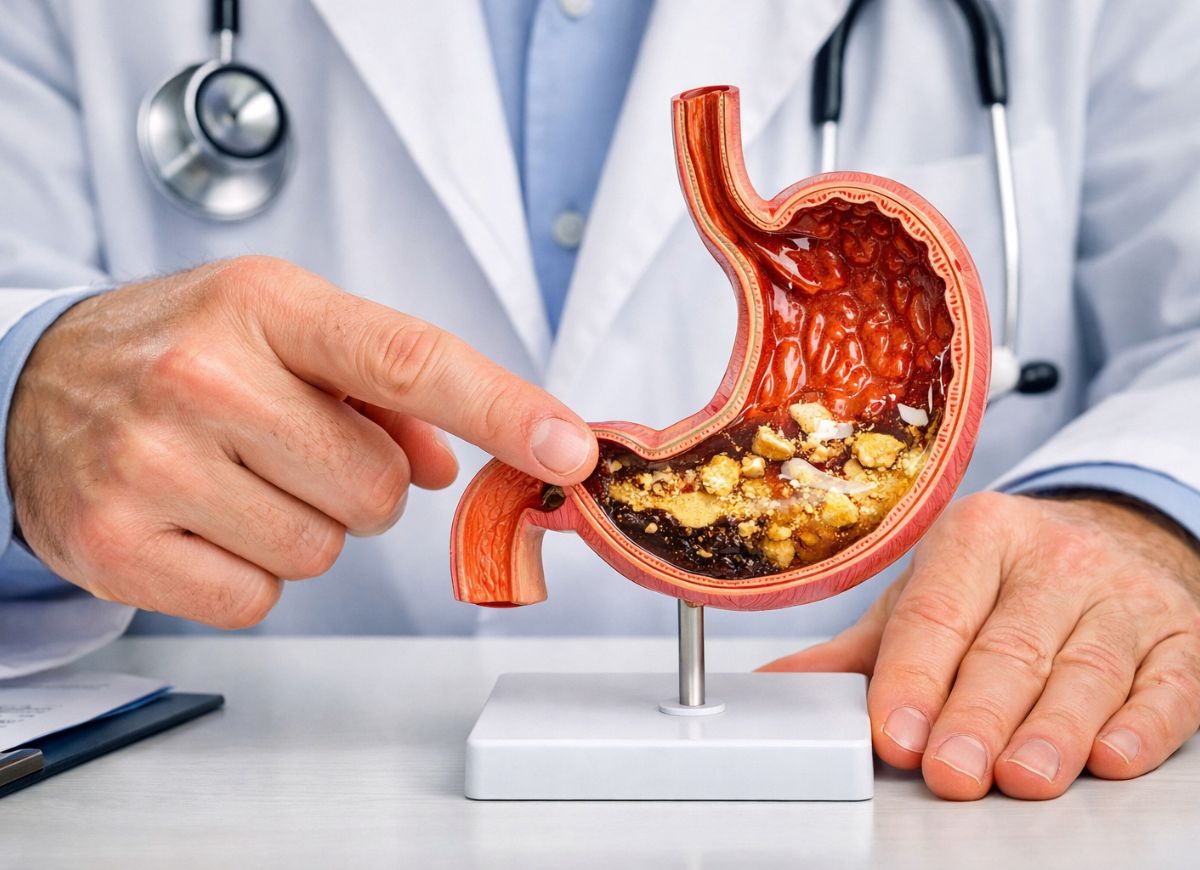
Have you ever felt as though your stomach is not digesting food normally? Persistent nausea, getting full after only a few bites, or frequent abdominal bloating may seem like ordinary digestive problems, but they can sometimes point to a condition called gastroparesis. This disorder affects the way the stomach moves food into the small intestine and can make everyday eating and digestion surprisingly difficult.
Gastroparesis, sometimes referred to as stomach paralysis, occurs when the muscles of the stomach or the nerves controlling them do not work properly. As a result, food remains in the stomach for longer than normal, which can cause nausea, bloating, discomfort, and vomiting. The condition can develop gradually, making its early symptoms easy to overlook or confuse with other digestive disorders. Without proper management, severe cases may contribute to poor nutrition, weight loss, dehydration, and a reduced quality of life.
Gastroparesis affects millions of people in the United States and is particularly common among people with diabetes, although it can occur for many other reasons as well. Its symptoms can range from mild fullness and bloating to frequent vomiting and significant fatigue. Because symptoms may come and go, some people may not realize that an underlying stomach-motility problem is responsible.
Recognizing the warning signs can help people seek an appropriate evaluation sooner. In this article, we’ll explore the 10 warning signs of gastroparesis you should know, from feeling unusually full after a small meal to persistent nausea and vomiting.
What is Gastroparesis?
So gastroparesis what is it? Gastroparesis is a disorder in which food moves through the stomach much more slowly than normal without a physical blockage preventing it from passing into the small intestine. It is considered a neuromuscular condition because problems with the stomach muscles or the nerves that control them can interfere with normal digestion.
The term literally refers to partial stomach paralysis. When the stomach cannot contract effectively, food remains inside for too long. This can lead to ongoing digestive symptoms and may eventually affect nutrition, hydration, blood sugar control, and daily life.
Normal Function of Stomach
The stomach normally acts as both a storage area and a digestive organ. After food is swallowed, it travels through the esophagus and enters the stomach, where it is mixed with stomach acid and digestive enzymes.
The upper portion of the stomach, called the fundus, relaxes to accommodate incoming food. Muscular contractions then begin in the main part of the stomach. These contractions, known as peristalsis, mix and break down the food and gradually turn it into a semi-liquid substance called chyme.
The stomach does not work alone. Its activity is carefully coordinated by nerves, muscles, and hormones. The vagus nerve is especially important because it helps regulate stomach contractions and communicates with the muscles involved in moving food forward.
At the bottom of the stomach is the pyloric sphincter, a muscular valve that controls how much chyme enters the small intestine at a time. This controlled release allows the small intestine to properly digest food and absorb nutrients.
Under normal circumstances, approximately half of a mixed meal may leave the stomach within two to three hours, with most of the meal emptied within several hours. This coordinated process is essential for normal digestion and nutrient absorption.
Digestive Process In Gastroparesis
With gastroparesis, the normal process of stomach emptying becomes disrupted. The muscles may contract too weakly, irregularly, or not often enough to move food efficiently into the small intestine. Problems involving the nerves that control the stomach, particularly the vagus nerve, can contribute to this dysfunction.
Instead of moving through the stomach at a normal rate, food can remain there for an unusually long period. This delayed emptying is the main feature of gastroparesis.
Food that remains in the stomach for too long can contribute to gas, bloating, pressure, and upper abdominal discomfort. It can also cause persistent nausea and may eventually lead to vomiting. In some cases, vomited food may still look largely undigested even though it was eaten several hours earlier.
In more severe cases, retained food can form hardened masses called bezoars. These masses may cause additional problems, including blockage or irritation of the stomach.
Because food may not move through the digestive system normally, people with severe gastroparesis may have difficulty getting enough calories and nutrients. This can contribute to malnutrition and unintended weight loss.
Gastroparesis can be especially challenging for people with diabetes. When food leaves the stomach unpredictably, the timing of glucose absorption can become difficult to predict, making blood sugar management more complicated.
10 Early Symptoms of Gastroparesis
Gastroparesis symptoms can vary considerably from one person to another. They may not remain constant, and some people experience periods when symptoms are mild followed by flare-ups when nausea, vomiting, pain, and bloating become much more severe.
These flare-ups may last for several days or longer and can sometimes interfere with normal eating and daily activities. Symptoms may be influenced by factors such as the type and amount of food eaten, stress, illness, and other health conditions.
Foods that are high in fat or contain large amounts of insoluble fiber may be more difficult for some people with gastroparesis to tolerate because these foods can slow stomach emptying.
Because symptoms can change from day to day, keeping a record of meals, symptoms, and possible triggers can be useful when discussing the condition with a healthcare provider. Dietary changes often focus on smaller, more frequent meals that are lower in fat and easier to digest.
1. Nausea and Vomiting
Persistent nausea is one of the most common and uncomfortable symptoms of gastroparesis. It may be present as a mild feeling of queasiness or appear in stronger waves, particularly after eating.
Vomiting can also occur. One important clue is vomiting food that appears only partially digested or nearly unchanged several hours after the meal. This can happen because the food has remained in the stomach instead of moving normally into the small intestine.
2. Feeling Full Quickly (Early Satiety)
People with gastroparesis may feel full after eating only a small portion of food. This symptom is called early satiety.
When food from previous meals remains in the stomach, there is less room for newly eaten food. The stomach may also have difficulty relaxing and expanding normally, causing the sensation of fullness to appear much sooner than expected.
3. Abdominal Bloating
Bloating is another frequent symptom of delayed stomach emptying. When food remains in the stomach for an extended period, gas and pressure can build up.
This may create a feeling of fullness or tightness in the upper abdomen. In some people, the abdomen may also look noticeably swollen, especially after meals.
4. Abdominal Pain or Discomfort
Gastroparesis may cause discomfort or pain in the upper abdomen. The sensation can vary from a mild, persistent ache to sharper or cramping pain.
Retained food, gas, and stomach distension can all contribute to discomfort. The severity of pain can vary from person to person and may not always correspond directly with how delayed stomach emptying is.
5. Heartburn or GERD-like Symptoms
Delayed stomach emptying can increase pressure inside the stomach, which may encourage stomach contents or acid to move backward into the esophagus.
This can produce heartburn, regurgitation, or a burning sensation in the chest that resembles gastroesophageal reflux disease (GERD). People with gastroparesis may experience these symptoms alongside nausea, bloating, and early fullness.
6. Poor Appetite
Frequent nausea, fullness, bloating, and discomfort can make eating unpleasant. As a result, people with gastroparesis may gradually lose interest in food.
Over time, the expectation that eating will cause uncomfortable symptoms can make it even harder to maintain a normal appetite and adequate food intake.
7. Unintentional Weight Loss and Malnutrition
When someone regularly experiences nausea, vomiting, early fullness, or poor appetite, they may consume fewer calories than their body needs.
Difficulty maintaining adequate nutrition can eventually lead to unintended weight loss and deficiencies in vitamins and minerals. Severe cases may require nutritional support to prevent malnutrition.
8. Erratic Blood Sugar Levels
Blood sugar can become difficult to control in people with diabetes who also have gastroparesis. Normally, food moves through the stomach at a relatively predictable pace, allowing carbohydrates to be absorbed after eating.
With gastroparesis, food may remain in the stomach longer and then move into the small intestine unpredictably. This can make it harder to match insulin timing with glucose absorption and may contribute to episodes of high or low blood sugar.
9. Lack of Appetite
Some people experience a more pronounced loss of hunger rather than simply having a smaller appetite. A stomach that frequently feels full can interfere with the body’s normal hunger signals.
This symptom is sometimes described as anorexia, meaning loss of appetite. It is different from anorexia nervosa, which is an eating disorder.
10. Belching or Hiccups
Retained food and excess gas can cause frequent belching as the body attempts to release pressure from the stomach.
Some people may also experience persistent hiccups. These may be related to irritation involving the diaphragm or nerves involved in digestive function.
What are the Primary Gastroparesis Causes?
The main causes of gastroparesis are generally divided into diabetic, idiopathic, and post-surgical forms. Diabetes is one of the most common identifiable causes, but gastroparesis can also result from certain medications, infections, neurological conditions, and other health problems.
Risk factors include long-term diabetes, previous abdominal surgery, certain viral illnesses, and medications that slow stomach movement.
Diabetes Mellitus
Diabetes mellitus is one of the most common known causes of gastroparesis. Both type 1 and type 2 diabetes can contribute to the condition.
Persistently high blood sugar can damage nerves throughout the body, a complication known as diabetic neuropathy. When the vagus nerve is affected, the signals responsible for coordinating stomach contractions may become disrupted.
As a result, the stomach may contract weakly or irregularly, causing food to remain inside longer than normal. The risk may be greater in people who have had diabetes for many years or who have difficulty maintaining healthy blood glucose levels.
Unknown Cause
A large number of gastroparesis cases are considered idiopathic, meaning doctors cannot identify a specific cause.
In idiopathic gastroparesis, testing confirms delayed stomach emptying, but there is no obvious explanation such as diabetes, surgery, or medication use.
Researchers have suggested that some cases may develop after viral infections. A previous gastrointestinal infection could potentially affect the nerves or specialized cells involved in coordinating stomach movement. However, the original infection may have happened long before symptoms were diagnosed, making the connection difficult to establish.
Post-surgical Complications
Gastroparesis can sometimes occur after surgery involving the stomach, esophagus, or upper abdomen. Certain procedures may unintentionally affect the vagus nerve or alter the normal function of the stomach.
Surgeries such as fundoplication, gastrectomy, or some bariatric procedures may be followed by delayed stomach emptying in some patients. Symptoms may begin shortly after surgery or become noticeable later.
Certain Medications
Some medications can slow the movement of food through the stomach and may cause symptoms similar to gastroparesis.
Opioid pain medications are a well-known example because they can reduce gastrointestinal muscle activity. Certain antidepressants, calcium channel blockers, and other medications can also affect digestive motility.
If a medication appears to be contributing to symptoms, a healthcare provider can determine whether an adjustment or alternative treatment is appropriate. Medications should not be stopped without medical advice.
Viral Infections
Some people develop gastroparesis after experiencing a viral gastrointestinal infection. This is sometimes referred to as post-viral gastroparesis.
The infection may temporarily or persistently affect the nerves responsible for controlling stomach movement. Viruses such as norovirus and rotavirus have been associated with gastrointestinal illness that can precede symptoms of delayed stomach emptying.
Other possible causes include autoimmune disorders, neurological conditions, and certain metabolic diseases.
Gastroparesis and Irritable Bowel Syndrome (IBS)
Gastroparesis and Irritable Bowel Syndrome (IBS) can both cause digestive symptoms such as abdominal discomfort, bloating, and nausea. However, they involve different parts and functions of the digestive system.
Gastroparesis primarily affects the stomach and causes delayed movement of food from the stomach into the small intestine. IBS mainly involves the lower digestive tract and is characterized by abdominal pain associated with changes in bowel habits.
The symptoms can therefore differ. Gastroparesis commonly causes nausea, early fullness, bloating, and vomiting, particularly vomiting food that has remained in the stomach for several hours.
IBS is more strongly associated with abdominal pain related to bowel movements and changes such as constipation, diarrhea, or alternating between the two. Although nausea can occur with IBS, repeatedly vomiting undigested food from several hours earlier is not a typical feature.
Gastroparesis Diagnosis
Diagnosing gastroparesis involves confirming that the stomach empties more slowly than normal while also ruling out a physical blockage or another condition that could cause similar symptoms.
One of the main tests used is gastric emptying scintigraphy, often called a gastric emptying scan. During this test, the patient eats a small meal containing a safe amount of a radioactive tracer.
A special camera then tracks how quickly the meal leaves the stomach over several hours. Measurements taken at different intervals allow doctors to determine whether gastric emptying is delayed.
Another possible test is a wireless motility capsule. This small device is swallowed and measures information such as pressure, temperature, and pH as it travels through the digestive tract. It can provide information about movement through different parts of the gastrointestinal system.
An upper endoscopy may also be performed to look for physical problems that could interfere with stomach emptying, including narrowing, scarring, tumors, or other abnormalities.
How to Manage and Treat Gastroparesis
Gastroparesis Treatment
Treatment for gastroparesis focuses mainly on controlling symptoms, maintaining adequate nutrition and hydration, and improving stomach emptying when possible. Because there is not usually a single cure for the condition, treatment is often individualized.
The main approaches include dietary adjustments, medications, and procedures for people with severe symptoms.
Dietary changes are often the first step because smaller, easier-to-digest meals can place less stress on a stomach that empties slowly.
Medications may also be used. Prokinetic medicines are designed to improve stomach movement. Examples include metoclopramide and, in some countries, domperidone.
Antiemetic medicines, such as ondansetron or promethazine, may be prescribed to help control nausea and vomiting.
People with severe gastroparesis who cannot maintain adequate nutrition may need more advanced treatment. In certain cases, enteral nutrition through a feeding tube can deliver nutrition directly into the small intestine, bypassing the stomach.
Gastric electrical stimulation is another specialized treatment that may be considered for selected patients with severe, difficult-to-control symptoms, particularly chronic nausea and vomiting.
Dietary Changes
Diet plays an important role in managing gastroparesis because the stomach may struggle to process large meals and certain types of food.
A common recommendation is to eat smaller meals more frequently rather than consuming three large meals. For example, some people may tolerate five or six smaller meals better throughout the day.
Foods that are high in fat and certain types of fiber can slow stomach emptying and may worsen symptoms. For this reason, many people are advised to choose lower-fat and lower-fiber foods when symptoms are active.
Fried foods, greasy meals, tough meats, raw vegetables, and fruits with difficult-to-digest skins may be harder to tolerate. Easier options may include lean proteins, refined grains, and thoroughly cooked vegetables.
Food texture can also make a difference. Liquids and blended foods may leave the stomach more easily than solid meals. Smoothies, protein drinks, soups, and pureed foods can sometimes help people meet their nutritional needs while reducing digestive discomfort.
FAQs
1. How do you define gastroparesis?
Gastroparesis is a condition in which the stomach takes longer than normal to empty because the muscles or nerves responsible for moving food are not functioning properly.
As food remains in the stomach, symptoms such as nausea, vomiting, bloating, abdominal discomfort, and early fullness may develop. Diabetes, nerve damage, surgery, medications, and other conditions can contribute to gastroparesis.
2. What is fast gastric emptying?
Fast gastric emptying, also called rapid gastric emptying, occurs when food moves from the stomach into the small intestine more quickly than normal.
This can cause symptoms such as abdominal cramps, diarrhea, nausea, sweating, or weakness after eating. Rapid gastric emptying can occur after certain types of stomach surgery, including some bariatric procedures.
3. What does slow gastric emptying mean?
Slow gastric emptying means that food remains in the stomach longer than it normally should before entering the small intestine.
It is a key feature of gastroparesis and can lead to nausea, vomiting, bloating, early fullness, and abdominal discomfort. Diabetes, nerve problems, certain medications, and previous stomach surgery can contribute to delayed gastric emptying.
4. What causes delayed gastric emptying?
Delayed gastric emptying can result from several different causes. Diabetes is one of the most common because prolonged high blood sugar can damage the nerves that control the stomach.
Other possible causes include stomach surgery, neurological conditions, certain medications, viral illnesses, and other medical disorders.
Problems involving the vagus nerve can interfere with the signals that tell the stomach muscles when and how to contract. Conditions such as diabetes and some neurological diseases can affect this nerve.
5. Does gastroparesis ever go away?
Gastroparesis can be a long-term condition, although its course varies from person to person. Some people experience significant improvement when the underlying cause is treated or symptoms are properly managed.
Dietary adjustments, medications, and other treatments can help reduce symptoms and improve nutrition. In some cases where gastroparesis is caused by a treatable factor, addressing that cause may improve stomach emptying.
6. How to cure gastroparesis naturally?
There is no guaranteed natural cure for gastroparesis, but certain lifestyle and dietary approaches may help control symptoms.
Eating smaller and more frequent meals, choosing foods that are easier to digest, staying hydrated, and reducing foods that are high in fat or difficult-to-digest fiber may be helpful.
Some people find ginger useful for nausea, but natural remedies should not replace medical treatment. Anyone with persistent or severe symptoms should work with a healthcare professional to develop an appropriate treatment plan.
7. Do you still poop with gastroparesis?
Yes. People with gastroparesis can still have normal bowel movements because gastroparesis mainly affects the movement of food through the stomach.
However, some people may also experience constipation or changes in bowel habits if movement through other parts of the digestive tract is affected. Hydration and individualized dietary adjustments may help, but persistent constipation should be discussed with a healthcare provider.
8. What drink is best for gastroparesis?
Water is generally a good choice for maintaining hydration. Other fluids, such as clear broths, diluted juices, and certain herbal teas, may also be easier for some people to tolerate.
Some people find ginger tea helpful when experiencing nausea. Carbonated beverages may increase bloating, while caffeine and alcohol can worsen symptoms for some individuals.
Small, frequent amounts of fluid may be easier to tolerate than drinking a large quantity at once.
9. What not to do with gastroparesis?
People with gastroparesis may need to avoid large meals because they can increase fullness, bloating, and discomfort.
Foods that are very high in fat or difficult-to-digest fiber may also worsen symptoms for some people. Carbonated beverages, alcohol, and caffeine can be problematic depending on individual tolerance.
It can also help to avoid lying down immediately after eating, particularly if reflux is a problem. Since symptoms vary, a healthcare provider or dietitian can help create a diet and lifestyle plan suited to individual needs.
Conclusion
Recognizing the 10 warning signs of gastroparesis can make it easier to identify a possible problem with stomach emptying. Persistent nausea, vomiting, early fullness, bloating, abdominal discomfort, and unexplained weight loss should not be ignored, particularly when these symptoms continue or interfere with normal eating.
Although gastroparesis can be a chronic condition, proper management may help control symptoms, support adequate nutrition, and improve daily life. Dietary changes, medications, and specialized treatments can all play a role depending on the cause and severity of the condition.
If you are experiencing ongoing symptoms that could be related to gastroparesis, speaking with a healthcare professional can help determine the cause and identify an appropriate treatment approach.