
12 Warning Signs of Encephalitis You Should Never Ignore
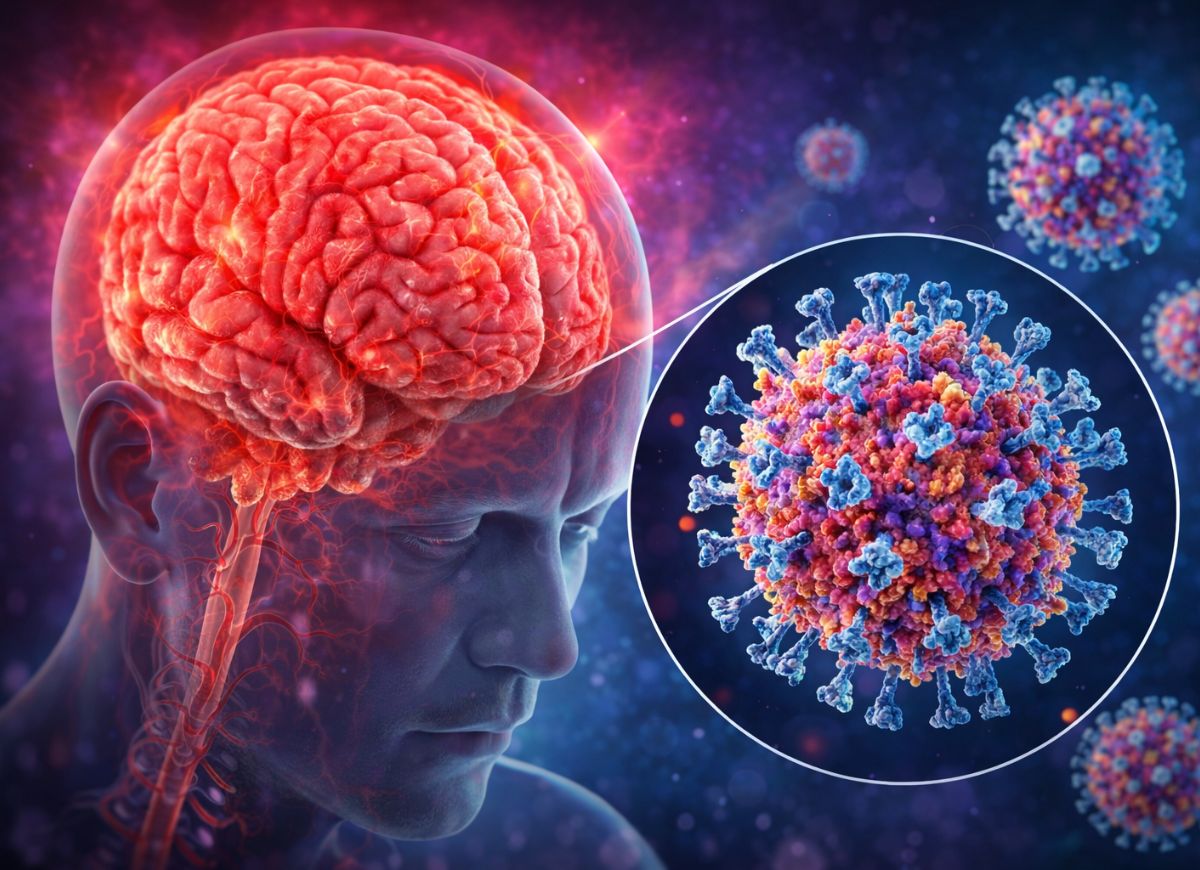
Encephalitis is an inflammatory condition of the brain that, while relatively uncommon, can have serious and life-threatening consequences. Globally, it affects an estimated 3 to 7 people per 100,000 each year, though rates shift depending on geography, season, and exposure to infectious agents.
Viral infections are the most common cause, including well-known triggers like herpes simplex virus and mosquito-borne illnesses such as Japanese encephalitis virus. The numbers may seem small, but when it happens, the progression can be fast and unpredictable, which is why awareness matters.
What makes encephalitis especially concerning is how easily the early signs can be overlooked. At first, symptoms often feel mild or familiar: a low-grade fever, a lingering headache, unusual fatigue, or slight confusion that doesn’t immediately raise concern. These changes can resemble a common viral illness, making them easy to dismiss, right when early recognition could matter most.
As inflammation develops, the brain begins struggling with normal function. You might notice more intense headaches, light sensitivity, or trouble concentrating. In some cases, behavior changes, memory lapses, or speech difficulties appear gradually rather than suddenly, which means they can be misread or ignored until things worsen. Below are 12 warning signs of encephalitis that are often overlooked, so you know when something more serious may be developing.
What Is Encephalitis?
Encephalitis is acute inflammation (swelling) of brain tissue, primarily caused by a viral infection or an autoimmune reaction. This inflammation disrupts normal neurological function and can lead to permanent brain damage or death without prompt treatment. When the brain swells inside the rigid skull, it raises intracranial pressure, and combined with direct damage to neurons from infection or immune attack, this produces the cascade of neurological symptoms that define the illness.
Primary vs. Secondary Encephalitis
Primary encephalitis occurs when a virus or other agent directly infects the brain and spinal cord, replicating within brain cells and causing direct damage and inflammation. Herpes simplex virus (HSV) is a classic example, traveling along nerves into the brain and causing severe, often localized inflammation, typically in the temporal lobes. Mosquito-borne arboviruses like West Nile virus also cause primary encephalitis by directly infecting neurons.
Secondary (post-infectious) encephalitis happens when an infection occurs outside the central nervous system, say a respiratory illness like influenza or a childhood disease like measles, and resolves, but days or weeks later the immune system, still primed to fight that pathogen, mistakenly attacks the brain. It may misidentify proteins on the myelin sheath (the protective coating of nerve fibers) or other brain components as foreign, leading to widespread inflammation and demyelination. This isn’t a direct brain infection but a case of “friendly fire” by the body’s own defenses. It was historically more common following measles, mumps, and rubella, but widespread vaccination has significantly reduced its incidence.
Who’s Most at Risk
People with weaker or developing immune systems face higher risk, including the very young and the elderly, along with anyone geographically exposed to specific viral carriers.
- Infants and young children have immune systems that aren’t yet fully mature, making them less able to fight off the initial infections that can lead to encephalitis.
- Older adults face higher risk too, since immune function naturally weakens with age (immunosenescence), making severe infections and complications more likely. Some types, like that from herpes simplex virus, can affect any age group, while others, like La Crosse encephalitis, are more common in children.
- People with compromised immune systems, including those with HIV/AIDS, undergoing chemotherapy, or taking immunosuppressants after an organ transplant or for an autoimmune condition, face substantially higher risk, since a weakened immune defense lets viruses that would otherwise be controlled replicate unchecked.
- Geography and season matter for infectious types spread by mosquitoes and ticks, which are more common in specific regions and warmer months. West Nile virus is a concern in North America in summer and early fall, while Japanese encephalitis is endemic in parts of Asia. Living in or traveling to these areas without precautions like insect repellent raises exposure risk.
The 12 Key Signs
The earliest symptoms of encephalitis are often nonspecific and flu-like, making early diagnosis tricky since they mimic many common, less serious illnesses.
1. Fever. A sudden, high fever is one of the most common initial signs, reflecting the immune system’s effort to fight the invading pathogen.
2. Headache. The headache is frequently severe, persistent, and different from a typical tension or migraine headache, resulting from swelling and inflammation of the brain and its protective linings (the meninges).
3. Fatigue. This goes beyond simple tiredness. It’s a profound exhaustion and lack of energy that can make daily activities difficult, and it can progress to drowsiness and decreased responsiveness as inflammation worsens.
4. Muscle or joint aches. General aches (myalgia and arthralgia) are common and contribute to an overall flu-like feeling, which is exactly why they’re often overlooked at first. The critical warning is when these flu-like symptoms are accompanied by any hint of confusion, personality change, or other neurological issue, which should raise immediate concern.
5. Confusion. A hallmark sign. Someone may become disoriented to time, place, or person, struggle to concentrate, or have significant memory problems, sometimes with agitation, irritability, or hallucinations. These changes reflect disruption to the brain regions responsible for thought, perception, and emotional regulation.
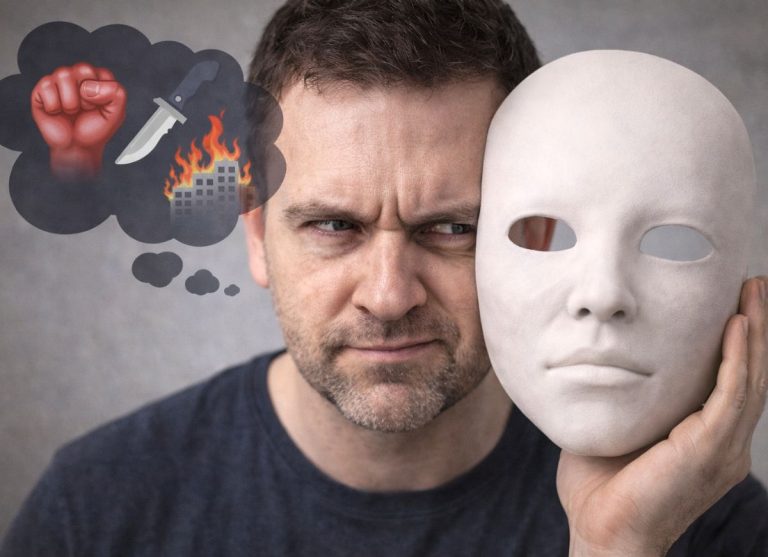
6. Personality changes. These can be sudden and dramatic. Someone typically calm might become aggressive, withdrawn, or exhibit bizarre behavior, and family members are often the first to notice.
7. Seizures. Caused by abnormal, excessive electrical discharges in inflamed brain tissue, seizures can range from full convulsions to more subtle focal seizures, twitching in one limb, strange sensations, or brief unresponsiveness.
8. Localized paralysis or loss of sensation. If inflammation affects the brain regions controlling motor or sensory pathways, this can present as weakness in an arm or leg, facial drooping, or numbness on one side of the body, symptoms that can mimic a stroke.
9. Loss of consciousness. One of the most alarming signs, existing on a spectrum from stupor (very difficult to rouse) to full coma (completely unresponsive). It signals widespread, severe brain swelling that’s dangerously raising intracranial pressure and impairing the brainstem’s ability to maintain basic life functions.
10. Weakness or paralysis. More generalized muscle weakness or paralysis can develop, potentially more widespread than earlier localized weakness, affecting the ability to move, stand, or even breathe if respiratory muscles are compromised.
11. Speech or hearing problems. This can appear as aphasia, difficulty forming words (expressive) or understanding spoken language (receptive), or as hearing loss or distorted sound perception if the brain’s auditory centers are affected.
12. Vision problems. Double vision (diplopia) can occur when inflammation affects the cranial nerves controlling eye movement, causing misalignment. This symptom indicates the disease has progressed to a life-threatening stage requiring intensive care and aggressive treatment.
What Causes These Symptoms
Symptoms are directly caused by the brain’s inflammatory response, leading to swelling (cerebral edema) and damage or death of neurons. Whether the trigger is infectious or autoimmune, the resulting inflammation disrupts the electrochemical signaling brain function depends on, producing the range of symptoms from headache and confusion to seizures and coma. Which symptoms appear often depends on which brain regions are most affected, inflammation in the temporal lobes might cause memory problems and seizures, while inflammation in the cerebellum could affect balance and coordination.
Common Viral Causes
Herpes simplex virus (HSV), particularly HSV-1 (typically the cause of cold sores), is one of the most severe and common causes of sporadic encephalitis in adults worldwide. Without prompt antiviral treatment, it has a very high mortality rate and can cause severe, lasting neurological damage in survivors. In newborns, HSV-2 (genital herpes), acquired during birth, is a more frequent cause.
Arboviruses, transmitted through insect bites, are another major group. West Nile virus is the most common cause of arboviral encephalitis in North America. Others include Eastern equine encephalitis (rare but extremely severe), La Crosse encephalitis (primarily affecting children), and St. Louis encephalitis. These are geographical and seasonal, peaking during warmer months when mosquitoes are active.
Enteroviruses, like coxsackievirus and echovirus, are also common culprits, especially in children and infants, typically causing milder illness like colds or stomach flu but occasionally leading to encephalitis. Childhood viruses like measles, mumps, and rubella are other notable causes, though their role has diminished significantly with high vaccination rates.
Autoimmune (Non-Infectious) Causes
Autoimmune disorders can cause encephalitis by triggering the immune system to mistakenly attack healthy brain cells, a category known as autoimmune encephalitis, whose recognition has grown significantly in recent years. Unlike infectious encephalitis, this is a disorder of immune dysregulation: the immune system produces antibodies that bind to and disrupt proteins on neurons or other brain cells instead of targeting foreign invaders, disrupting normal synaptic transmission and causing inflammation with a wide range of neurological and psychiatric symptoms.
One well-known form is anti-NMDA receptor encephalitis, where antibodies target NMDA receptors, crucial for memory, learning, and synaptic plasticity. This often starts with psychiatric symptoms like psychosis, paranoia, and behavioral changes before progressing to seizures, movement disorders, and instability in involuntary body functions.
Autoimmune encephalitis can sometimes be triggered by an underlying tumor elsewhere in the body (paraneoplastic encephalitis), where the immune system’s fight against the cancer produces antibodies that cross-react with brain proteins. In many cases, though, no tumor is found and the condition appears to arise on its own. Treatment differs fundamentally from infectious causes, focusing on suppressing the immune system with steroids, intravenous immunoglobulin (IVIG), or plasma exchange rather than antivirals.
How Encephalitis Is Diagnosed
Diagnosis involves ruling out other conditions and pinpointing the cause of brain inflammation, using brain imaging, cerebrospinal fluid analysis, and monitoring of brain electrical activity.
MRI is the preferred imaging method, providing detailed pictures that reveal characteristic patterns of inflammation, swelling, or damage. A CT scan may be used first, especially in emergencies, to quickly rule out other causes like stroke or a brain tumor, though it’s less sensitive than MRI for detecting early inflammation.
A lumbar puncture (spinal tap) collects cerebrospinal fluid (CSF) from the lower back, which is analyzed for signs of infection or inflammation, an elevated white blood cell count, increased protein, and normal glucose levels (unlike bacterial meningitis, where glucose is often low). CSF can also be tested with PCR to detect genetic material from specific viruses like HSV. An EEG records brain electrical activity to detect abnormal patterns or seizure activity common in encephalitis.
Clinicians also use blood tests to detect signs of systemic infection and to test for specific antibodies against viruses or the autoantibodies associated with autoimmune encephalitis. In rare, difficult cases where the cause remains unclear and the patient is worsening, a small brain tissue sample may be surgically removed for direct microscopic examination. A thorough physical and neurological exam assesses mental status, reflexes, motor function, and sensory perception to help localize the inflammation and track disease progression.
Encephalitis vs. Meningitis
Both involve inflammation within the skull and share some early symptoms, but they’re distinct conditions defined by where the inflammation occurs. Encephalitis is inflammation of the brain tissue itself; meningitis is inflammation of the meninges, the protective membranes surrounding the brain and spinal cord. Someone can have both simultaneously, called meningoencephalitis.
Both conditions can present with fever, severe headache, nausea, vomiting, and a stiff neck, though a stiff neck is considered more classically associated with meningitis. Since encephalitis directly affects brain function, its hallmark signs are neurological: altered consciousness (confusion, drowsiness, coma), seizures, personality or behavioral changes, hallucinations, and focal deficits like muscle weakness, localized paralysis, or speech and hearing problems. Meningitis can cause confusion too, but is less likely to cause the severe altered mental status or focal deficits seen in pure encephalitis. Instead, its classic additional symptoms are profound sensitivity to light (photophobia) and sound (phonophobia), caused by irritation of the inflamed meninges.
Because early symptoms overlap so much, a precise diagnosis through lumbar puncture and brain imaging is essential, and CSF analysis in particular can often point toward one condition over the other, or indicate a bacterial versus viral cause.
Complications
Long-term effects vary widely depending on age, the specific cause, and the severity and location of the brain injury. Some people make a full recovery; many survivors are left with persistent challenges affecting quality of life, and recovery can take months or years. These effects, collectively called acquired brain injury, fall into cognitive, physical, and emotional or behavioral categories.
Cognitive impairments are among the most common, with many survivors experiencing memory problems, particularly short-term memory difficulties, along with slowed thinking, trouble concentrating, and issues with planning and problem-solving.
Physical complications range from chronic fatigue and persistent headaches to more severe motor impairments. Some people develop epilepsy from brain tissue scarring, and weakness, loss of coordination, and changes in sensation are also possible.
Emotional and behavioral consequences can be equally challenging for survivors and their families, often including personality changes, increased irritability, anxiety, depression, mood swings, rapid emotional shifts, and social disinhibition. These changes can strain relationships and may require specialized psychotherapy or counseling.
Treatment
Treatment is fundamentally determined by the underlying cause, making the distinction between infectious and autoimmune types critically important.
For viral encephalitis, treatment focuses on targeting the pathogen and providing supportive care, though effective antivirals exist for only a few specific viruses. Acyclovir, highly effective against HSV, is often given empirically to suspected patients while diagnostic tests are pending, since early treatment significantly improves outcomes. For many other viral causes, like West Nile virus or Eastern equine encephalitis, there’s no specific antiviral, so treatment is primarily supportive: managing fever, maintaining hydration, providing respiratory support if needed, and controlling seizures with medication while the immune system fights the infection.
For autoimmune encephalitis, treatment centers on modulating or suppressing the overactive immune system that’s mistakenly attacking brain cells. Initial treatment typically involves high-dose corticosteroids to quickly reduce inflammation, IVIG to help regulate the immune response, or plasma exchange (plasmapheresis) to remove harmful autoantibodies from the blood. If first-line treatments don’t work well enough, more potent immunosuppressants like rituximab (targeting antibody-producing immune cells) or cyclophosphamide (a chemotherapy agent) may be used. Supportive care remains essential, and patients often need long-term immunosuppressive therapy to prevent relapse, along with extensive rehabilitation to recover from neurological damage.
Frequently Asked Questions
Do most people recover from encephalitis? Recovery varies widely based on cause, severity, and how quickly treatment begins. Many with mild or promptly treated viral encephalitis recover well, sometimes with only temporary symptoms, though more severe cases can cause lasting neurological effects. Early antiviral treatment, especially for HSV-related infections, can significantly improve outcomes, and children and older adults may face a higher risk of complications.
What are signs the brain is healing? Healing is often gradual and doesn’t always follow a straight path. Early signs include improved alertness, better orientation, and less confusion or agitation. Over time, clearer speech, stronger memory recall, and better focus often follow, along with physical improvements like steadier movement and fewer headaches. Rehabilitation therapies, including cognitive exercises and physical therapy, often support recovery.
How is encephalitis detected? Detection starts with recognizing concerning symptoms like persistent fever, confusion, seizures, or unusual behavior. Doctors typically confirm diagnosis using MRI or CT imaging to identify brain inflammation, and a lumbar puncture analyzing cerebrospinal fluid is often essential to detect infection or immune activity. Blood tests and viral screenings help identify the underlying cause.
What part of the brain does encephalitis damage? It depends on the cause. In many viral cases, especially those linked to HSV, the temporal lobes are commonly involved, affecting memory, language, and emotional processing. Other types cause more widespread inflammation affecting movement, coordination, or consciousness, and the extent of damage typically determines symptom severity and long-term effects.
How long can someone live with encephalitis? It’s typically an acute condition, developing quickly rather than persisting as a chronic illness. With timely treatment, many people recover over weeks to months, though severe cases can be life-threatening, particularly if complications like brain swelling aren’t managed promptly. Some people experience ongoing neurological challenges requiring continued care.
Can encephalitis come on suddenly? Yes, it can develop rapidly, sometimes within hours or days, escalating from mild discomfort to severe neurological impairment quickly. Sudden confusion, seizures, high fever, or changes in consciousness should always be treated as urgent, since progression can be unpredictable.
What are the permanent side effects? These vary based on the severity of inflammation and which brain areas were involved. Some people experience memory loss, difficulty concentrating, mood or personality changes, seizures, or movement and coordination problems, while others have minimal or no lasting effects. Rehabilitation and ongoing support can improve quality of life, though recovery takes time.
Is encephalitis contagious? Encephalitis itself generally isn’t contagious, though the infections that cause it, certain viruses, can spread through direct contact or insect vectors. Prevention depends on the specific cause and can include vaccination, good hygiene, and protection against mosquito bites in areas where viruses like Japanese encephalitis are present.
Can you go back to normal after encephalitis? Many people return to their normal routines, especially with early diagnosis and effective treatment. Recovery can take time, and rehabilitation programs often help regain cognitive and physical abilities. In more severe cases, some adjustments may be needed for lasting changes, but meaningful recovery is still possible with proper care and support.
What foods should be avoided with encephalitis? There’s no strict diet that directly treats it, but nutrition plays a supportive role in recovery. It’s generally advisable to limit alcohol, highly processed foods, and excessive sugar, which can strain the body and affect immune function. A balanced diet rich in fruits, vegetables, lean protein, and healthy fats, along with good hydration and regular meals, can support overall recovery.
The Bottom Line
Encephalitis isn’t a condition encountered every day, but its impact can be profound when it occurs. The challenge is how easily early symptoms get overlooked. Mild fever, fatigue, or slight confusion may seem harmless, yet they can signal the start of a serious neurological condition, which is why recognizing these early warning signs matters: timely medical attention can significantly influence outcomes.
As inflammation affects the brain, symptoms can progress from subtle discomfort to severe neurological impairment, and delays in seeking care raise the risk of long-term cognitive or physical difficulties. Recovery is possible for many people, though the path varies, some regain full function, others need ongoing support and rehabilitation, which underscores why early detection and appropriate treatment matter so much. Staying informed and attentive to the body’s signals can make a meaningful difference: encephalitis may begin quietly, but recognizing its warning signs helps ensure it doesn’t progress unnoticed.