
10 Things You Should Know About Measles Disease in Children and Adults
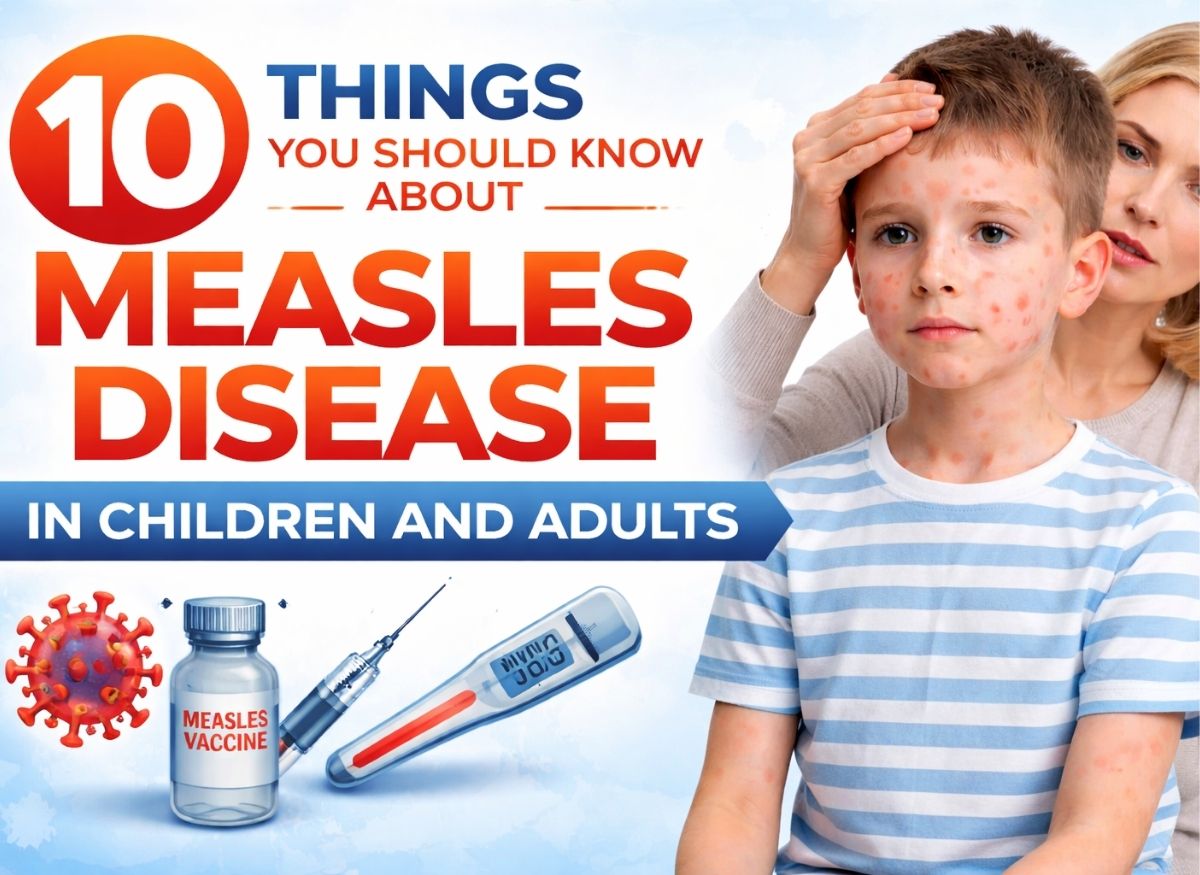
Measles is a highly contagious viral infection that can affect both children and adults. It is caused by the measles virus and spreads mainly through the air when an infected person coughs, sneezes, or releases respiratory particles. Although vaccination has greatly reduced measles cases in many parts of the world, outbreaks can still occur when vaccination coverage is low.
The first symptoms of measles commonly include fever, cough, and a runny nose. Red, watery eyes may also develop, followed by the familiar measles rash. The rash generally begins on the face or hairline and gradually spreads downward across the body.
Although many people recover from measles, the infection can sometimes lead to serious complications, including pneumonia, encephalitis, dehydration, and, in severe cases, death. Babies, young children, pregnant people, and individuals with weakened immune systems may face a greater risk of complications.
In this article, we will cover 10 important facts about measles, including how it spreads, its symptoms and stages, possible complications, differences between measles and rubella, vaccination, post-exposure protection, and ways to prevent infection.
What Is Measles (Rubeola) and How Does It Spread?
Measles, also called rubeola, is a highly contagious respiratory infection caused by the measles virus. It is much more than a simple skin rash because the infection can affect several systems throughout the body and temporarily weaken immune defenses.
Because measles spreads so easily among people who are not immune, maintaining high vaccination coverage is essential for preventing community outbreaks.
What Exactly Is the Rubeola Virus?
The rubeola virus is the virus responsible for measles. It belongs to the Paramyxoviridae family and contains single-stranded RNA.
The virus uses proteins on its surface to attach to and enter human cells. Once inside the body, it multiplies and spreads through the respiratory and immune systems.
Unlike influenza viruses, which frequently change and require regular vaccine updates, measles has a single main serotype. Immunity produced through vaccination or previous infection generally provides long-lasting protection.
Measles can also cause temporary immune suppression, sometimes described as immune amnesia. This can leave a person more vulnerable to other infections for some time after recovering from measles.
How Is the Measles Virus Transmitted?
Measles is primarily spread through respiratory particles released when an infected person coughs, sneezes, or breathes.
The virus is exceptionally contagious and can remain suspended in the air for a period after an infected person has left an enclosed space. This means transmission can occur even without direct physical contact with the infected person.
Several factors contribute to the rapid spread of measles:
- Long contagious period: A person can generally spread measles from about four days before the rash appears until approximately four days afterward.
- Early transmission: People may spread the virus before realizing that they have measles because the initial symptoms resemble other respiratory infections.
- High contagiousness: Most people who are not immune and are exposed to measles can become infected.
- Community immunity: Very high vaccination coverage is needed to prevent sustained transmission.
The Four Main Stages of Measles Infection
Measles generally progresses through several recognizable stages. Understanding this timeline can help distinguish it from other illnesses that cause fever and a rash, including rubella.
1. Incubation Stage
The incubation period usually lasts around 10 to 14 days, although it can vary.
During this period, the virus is multiplying inside the body, but the infected person usually has no noticeable symptoms. The absence of symptoms during this stage can make it difficult to know that exposure has occurred.
2. Prodromal Stage
The prodromal stage generally lasts several days and is when the classic early symptoms begin.
Measles is often associated with the “three Cs”:
- Cough
- Coryza, meaning a runny or congested nose
- Conjunctivitis, causing red or watery eyes
A high fever is also common.
Near the end of this stage, Koplik’s spots may develop inside the mouth. These small white or bluish-white spots on a red background can be an important clinical clue to measles.
3. Rash Stage
The characteristic measles rash generally appears several days after the initial symptoms.
It usually starts around the hairline, face, or behind the ears and then moves downward toward the neck, trunk, arms, and legs.
The rash consists of flat and slightly raised red spots, known as a maculopapular rash. Individual spots can eventually merge together to form larger areas of redness.
Fever may remain high while the rash is developing.
4. Recovery and Possible Complications
As the rash begins to disappear, it may leave behind temporary darker discoloration or mild peeling of the skin.
Although the visible rash may improve, complications can still occur. Measles can weaken immune defenses and increase the risk of secondary infections such as pneumonia or ear infections.
This is one reason medical monitoring can be particularly important for infants, young children, pregnant people, and those with weakened immune systems.
Symptoms and Complications of Measles in Children and Adults
Measles can cause much more than a temporary rash. The infection commonly affects the respiratory system and can also produce complications involving the digestive system, brain, and other parts of the body.
Recognizing the early symptoms is important because an infected person can spread measles before the characteristic rash becomes visible.
Common Signs and Symptoms of Measles
The Prodromal Phase and the “Three Cs”
The illness often begins with symptoms that resemble a severe respiratory infection.
Common symptoms include:
- Cough: A persistent dry cough may develop.
- Coryza: A runny or congested nose is common.
- Conjunctivitis: The eyes may become red, watery, irritated, and sensitive to light.
- Fever: Fever can be high and may become more pronounced as the illness progresses.
Koplik’s Spots
Koplik’s spots are small white or bluish-white spots that can appear on the inside of the cheeks.
They usually develop shortly before or around the time the skin rash appears. When present, they can provide an important clue for healthcare professionals evaluating someone with suspected measles.
The Characteristic Measles Rash
The typical measles rash consists of red, flat or slightly raised spots.
It commonly begins around the face and hairline before spreading downward across the body. As the rash progresses, individual spots may join together and create larger red patches.
The combination of fever, cough, runny nose, conjunctivitis, and a characteristic spreading rash is particularly suggestive of measles.
Measles Complications in Children and Adults
Measles can affect people of any age, but certain groups have a higher risk of complications.
| Feature | Children | Adults |
|---|---|---|
| Common complications | Ear infections, diarrhea, pneumonia | Pneumonia and other severe complications |
| Main concerns | Dehydration, respiratory complications | Severe respiratory illness and encephalitis |
| Higher-risk groups | Infants and young children | Older adults, pregnant people, and those with weakened immunity |
| Possible severe outcome | Pneumonia or encephalitis | Pneumonia, encephalitis, or other serious complications |
Why Children Can Be Vulnerable
Young children, particularly infants, may experience complications such as ear infections, diarrhea, and dehydration.
Pneumonia is one of the most serious complications and is a major contributor to measles-related deaths.
Children who are malnourished or deficient in vitamin A may be at increased risk of severe disease.
Measles in Adults
Adults who are not immune can also develop measles and may experience significant illness.
Complications can include pneumonia and encephalitis. The risk can be greater for certain adults, including those with weakened immune systems or other medical risk factors.
The Most Serious Complications of Measles
1. Pneumonia
Pneumonia is one of the most serious complications associated with measles and is a major cause of measles-related deaths.
It may result directly from the virus or develop because a weakened immune system makes it easier for bacteria to cause a secondary infection.
2. Acute Encephalitis
Encephalitis means inflammation of the brain. It is an uncommon but potentially life-threatening complication of measles.
Symptoms can include severe headache, confusion, seizures, altered consciousness, or other neurological changes.
Some people who survive measles-related encephalitis may experience lasting neurological problems.
3. Subacute Sclerosing Panencephalitis (SSPE)
SSPE is an extremely rare but serious delayed complication of measles.
It can develop years after the initial infection and progressively affects the brain and nervous system. The condition is ultimately fatal.
The risk is particularly associated with measles infection during early childhood, although SSPE remains rare overall.
Key Differences and Special Considerations About Measles
Measles can sometimes be confused with other illnesses that cause fever and a rash. Understanding the differences between measles and rubella, as well as knowing about vaccination and post-exposure protection, is important.
Measles (Rubeola) vs. Rubella (German Measles)
Measles and rubella are different viral infections despite having similar names.
Measles is caused by the measles virus, while rubella is caused by the rubella virus.
There are several important differences:
- Severity: Measles generally causes a more severe illness with high fever and prominent respiratory symptoms.
- Symptoms: Measles commonly produces cough, runny nose, and conjunctivitis.
- Koplik’s spots: These are associated with measles and are not a typical feature of rubella.
- Rash: Both can cause a rash, but the pattern and overall illness differ.
- Pregnancy: Rubella infection during pregnancy can cause congenital rubella syndrome and serious birth defects.
Because the two illnesses can look similar during the early stages, laboratory testing may be needed when a definite diagnosis is required.
Can You Still Get Measles After Vaccination?
Vaccination provides strong protection against measles, but no vaccine offers 100% protection.
The recommended measles vaccine is given as part of the MMR vaccine, which protects against measles, mumps, and rubella.
Two doses provide very high protection against measles. In the uncommon event that a vaccinated person develops measles, the illness may be less severe than it would be in someone who has never been vaccinated.
Primary Vaccine Failure
A small number of people do not develop adequate immunity after vaccination. The second MMR dose helps protect many people who did not respond sufficiently to the first dose.
Protection Over Time
Measles vaccination generally provides long-lasting protection. People with uncertain vaccination histories may need to discuss their individual circumstances with a healthcare professional.
Post-Exposure Prophylaxis: What Happens After Measles Exposure?
People who have been exposed to measles and are not known to be immune may be eligible for post-exposure prophylaxis (PEP).
The appropriate option depends on factors such as age, pregnancy status, immune status, vaccination history, and how long ago the exposure occurred.
MMR Vaccine
For some people who are eligible for vaccination, an MMR vaccine given soon after exposure may help prevent or reduce the severity of measles.
It is generally most useful when administered within 72 hours of exposure.
Immune Globulin
Immune globulin may be recommended for certain people who cannot receive the live MMR vaccine or who are at particularly high risk of severe disease.
It may be administered within several days of exposure depending on the individual’s circumstances and medical guidance.
Anyone who believes they have been exposed to measles should contact a healthcare professional or public health authority promptly rather than waiting for symptoms to develop.
Why Are Koplik’s Spots Important?
Koplik’s spots are one of the classic clinical clues associated with measles.
They appear inside the mouth, often on the inner cheek near the molars, and can occur shortly before the skin rash.
They are useful because they may help healthcare professionals recognize measles before the characteristic rash has fully developed.
Their presence can support a clinical diagnosis, although laboratory testing and public health procedures may also be required.
Measles Complications and Long-Term Effects
Measles can sometimes result in complications during the acute illness or, much more rarely, years later.
The infection can temporarily weaken immune defenses, which may increase susceptibility to other infections following recovery.
Common and Severe Complications
Pneumonia
Pneumonia is one of the most important complications of measles. It can occur because of the measles virus itself or because of a secondary bacterial infection.
Encephalitis
Measles-related encephalitis is uncommon but potentially severe. It can cause inflammation of the brain and may result in lasting neurological problems.
SSPE
SSPE is a rare delayed complication in which persistent measles virus infection affects the brain years after the original illness. It causes progressive neurological deterioration and is fatal.
Dehydration and Malnutrition
Severe diarrhea, vomiting, poor appetite, or difficulty feeding can cause dehydration, especially in infants and young children.
Children who are malnourished may also have a greater risk of severe measles complications.
Pregnancy-Related Risks
Measles during pregnancy can be associated with complications such as pneumonia, hospitalization, premature delivery, and low birth weight.
Rubella is a separate infection and carries a particularly serious risk of congenital abnormalities when contracted during pregnancy.
Because MMR is a live vaccine, it is generally not given during pregnancy. People planning pregnancy should discuss vaccination and immunity with their healthcare provider beforehand.
Measles Outbreaks: Global Impact and Prevention
Measles remains a global public health concern because of how efficiently it spreads among people who are not immune.
Even when overall vaccination coverage is high, outbreaks can occur when clusters of susceptible people develop.
The Global Spread of Measles
International travel can allow measles to move rapidly between countries and communities.
A person infected in one location may travel elsewhere during the contagious period and expose people who are not immune.
This is why maintaining high vaccination coverage remains an important part of measles prevention.
Vaccine Hesitancy and Immunization Gaps
One challenge in controlling measles is incomplete vaccination coverage.
When people delay or do not receive recommended vaccines, communities can develop groups of people who are susceptible to infection. If measles is introduced into such a community, transmission can continue and lead to an outbreak.
Reliable information from healthcare professionals and public health authorities can help people make informed vaccination decisions.
Strategies for Preventing Measles
Widespread Vaccination
The MMR vaccine is the primary method used to prevent measles.
In many vaccination schedules, children receive a first dose during the second year of life and a second dose later in childhood. Exact schedules can vary by country and public health recommendations.
Maintaining Community Immunity
Because measles is exceptionally contagious, a very high proportion of the population needs immunity to interrupt ongoing transmission.
High vaccination coverage also helps protect people who are too young to be vaccinated or who cannot receive the vaccine for certain medical reasons.
Public Health Response
When a measles case is identified, rapid public health action can help limit further spread.
This may include:
- Identifying close contacts
- Checking vaccination and immunity status
- Providing post-exposure protection when appropriate
- Advising exposed individuals about symptoms
- Recommending isolation during the contagious period
Conclusion
Measles is a highly contagious viral infection that can affect both children and adults. It commonly begins with fever, cough, runny nose, and red eyes before progressing to the characteristic rash.
Although many people recover, measles can cause serious complications such as pneumonia, encephalitis, dehydration, and, rarely, SSPE. Infants, young children, pregnant people, and individuals with weakened immune systems can be particularly vulnerable to severe disease.
The MMR vaccine remains the main tool for preventing measles. Maintaining high vaccination coverage helps protect individuals and communities and reduces the chance of outbreaks.
If you or your child develops symptoms that could indicate measles, especially after a known exposure, contact a healthcare professional or local public health service promptly. Avoiding unnecessary contact with others while seeking medical advice can also help reduce transmission.
Frequently Asked Questions About Measles Disease
What Is Measles Disease?
Measles is a highly contagious respiratory infection caused by the measles virus, also known as the rubeola virus.
It commonly causes fever, cough, runny nose, conjunctivitis, and a characteristic rash that starts on the face and spreads downward.
Although measles is often associated with childhood, adults who are not immune can also become infected.
How Is Measles Transmitted?
Measles primarily spreads through respiratory particles released when an infected person coughs, sneezes, or breathes.
The virus can remain in the air of an enclosed space for a period after an infected person has left. This makes measles considerably more contagious than many common respiratory infections.
What Are the Symptoms of Measles?
Common symptoms include:
- High fever
- Cough
- Runny nose
- Red or watery eyes
- Koplik’s spots inside the cheeks
- A red, blotchy rash
The rash typically begins around the face or hairline and then spreads downward across the body.
What Complications Can Measles Cause?
Possible complications include:
- Pneumonia
- Ear infections
- Diarrhea and dehydration
- Encephalitis
- Secondary bacterial infections
- Rarely, SSPE
The likelihood and severity of complications vary depending on factors such as age, nutritional status, pregnancy, and immune health.
How Can Measles Be Prevented?
Vaccination is the primary way to prevent measles.
The MMR vaccine protects against measles, mumps, and rubella. Two recommended doses provide strong protection against measles.
Maintaining high vaccination coverage also helps protect babies who are too young to receive the vaccine and people who cannot be vaccinated for certain medical reasons.
Is There a Specific Treatment for Measles?
There is no routine specific antiviral treatment that cures measles. Treatment generally focuses on supportive care.
This may include:
- Adequate fluids
- Rest
- Managing fever and discomfort
- Monitoring for complications
- Vitamin A supplementation for children when recommended by a healthcare professional
Medical care is particularly important when severe symptoms or complications develop.
Can Adults Get Measles?
Yes. Adults who are not immune can contract measles.
Adults may experience significant symptoms and can develop complications such as pneumonia or encephalitis. People who are unsure about their vaccination history should discuss their immunity and vaccination needs with a healthcare professional.
Why Do Measles Outbreaks Still Occur?
Measles outbreaks can occur when vaccination coverage is insufficient to prevent sustained transmission.
International travel can introduce the virus into communities, while groups of people who are not immune can allow it to spread further.
Maintaining recommended vaccination coverage and responding quickly to suspected cases are important measures for controlling outbreaks.