5 Common Symptoms of Impetigo and How to Take Care of It
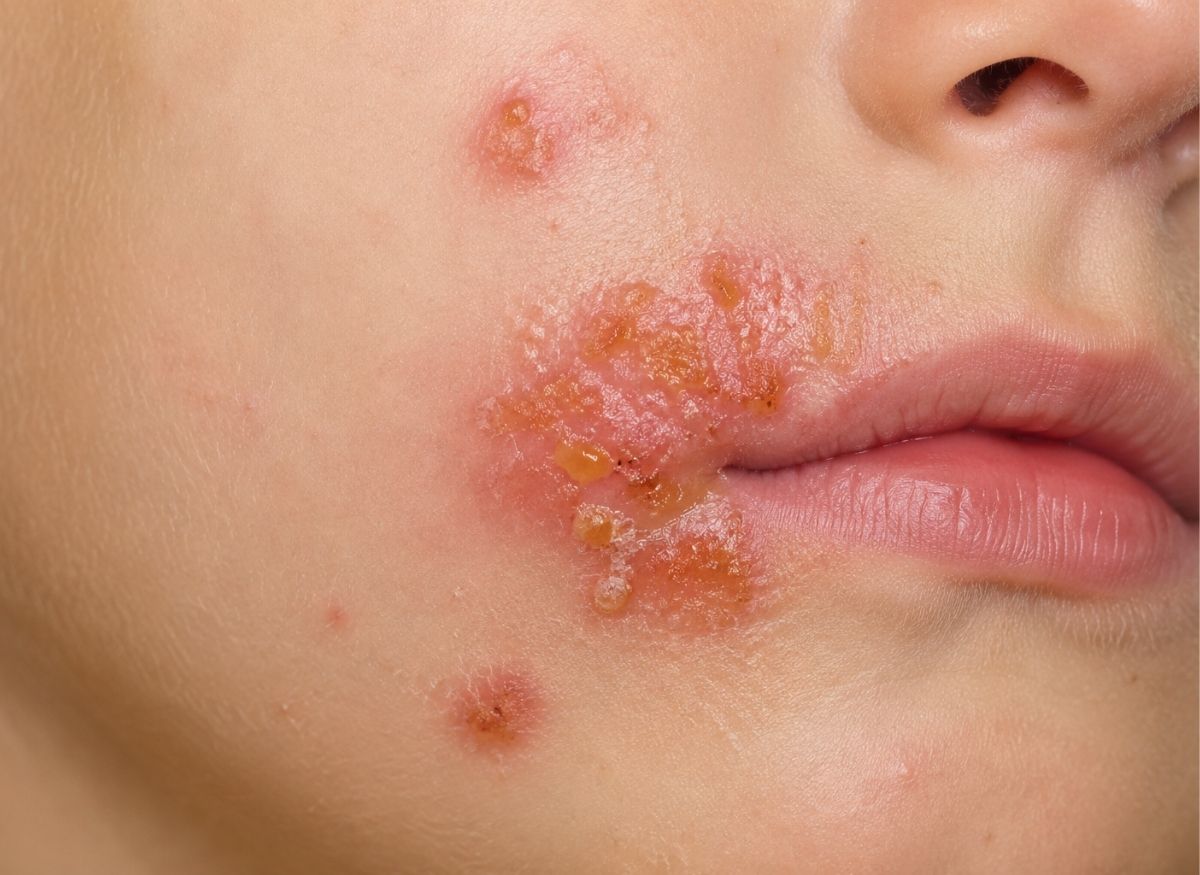
Impetigo is a highly contagious bacterial skin infection that shows up most often in children, though adults can get it too. It’s caused by Staphylococcus aureus or Streptococcus pyogenes bacteria, which typically slip in through a minor cut, an insect bite, or irritated skin. The infection usually looks like red sores or blisters that ooze, crust over, and spread quickly if left alone. It’s generally mild, but catching it early and treating it properly matters both for healing faster and for keeping it from spreading to others.
Impetigo tends to show up on the face, hands, or other exposed skin, and it’s especially common in warm, humid climates. It can develop fast and often comes with mild itching or discomfort. Knowing what to look for and how to care for it goes a long way toward stopping the spread and speeding up recovery. This guide covers five common signs of impetigo along with practical steps for treating it safely at home or with medical care.
What Is Impetigo?
Impetigo is a highly contagious bacterial infection affecting the outer layer of skin, most often caused by Staphylococcus aureus or Streptococcus pyogenes. These bacteria typically enter through a small cut, scrape, insect bite, or other break in the skin. The result is usually red sores or blisters that ooze and dry into a distinctive golden or honey-colored crust.
It’s most common in children between ages 2 and 5, though adults aren’t immune. It spreads easily through skin-to-skin contact or contact with shared items like towels, clothing, or toys. While generally mild, early treatment with topical or oral antibiotics matters both for preventing complications and for stopping it from spreading further.
5 Key Signs of Impetigo
Spotting impetigo early is key to stopping it from tearing through a household or classroom. This infection is remarkably transmissible and doesn’t stay contained for long it moves quickly from minor skin irritation to oozing sores within days.
Getting familiar with the five telltale signs below helps you tell it apart from other, non-contagious skin issues and get an appropriate evaluation sooner rather than later.
The Two Faces of Impetigo: Before diving into the signs, it helps to know that symptoms can look a bit different depending on which strain of bacteria is involved.
Small, Intensely Itchy Red Sores
The earliest sign of the more common, non-bullous form of impetigo is a cluster of small, red, pimple-like bumps. These sores tend to show up around the mouth, nose, or scalp anywhere there’s a small break in the skin for bacteria to exploit.
The bacteria take advantage of a tiny opening an eczema patch, a paper cut, an itchy bug bite and start multiplying, triggering a strong, persistent itch. Within a day or two, these small red spots fill with pus and turn into fragile blisters ready to burst.
Large, Fluid-Filled Blisters (Bullae)
The less common bullous form of impetigo looks quite different instead of tiny pimples, it produces larger, clear, fluid-filled blisters, ranging in size from a pea to a coin, usually on the trunk, arms, or legs.
This happens when the staph bacteria release a toxin that breaks down the proteins holding the skin’s upper layers together, causing it to separate and fill with a straw-colored fluid. These blisters are thin and pop easily, leaving a raw, moist patch of skin behind with a scaly edge.
The Classic Honey-Colored Crust
A thick, golden-yellow crust is the single most recognizable feature of non-bullous impetigo. Once the small sores rupture, they weep a sticky fluid that dries into a distinctive honey-colored crust often described as looking like dried brown sugar or cornflakes stuck to the skin.
Important to know: that golden crust isn’t just a scab healing over it’s actually loaded with live bacteria. Picking or scratching it off will only expose raw, weeping skin underneath, which oozes more infectious fluid and forms a fresh crust.
Rapid Expansion and Spreading Via Touch
One clear sign of an active infection is how quickly it multiplies. What starts as a single spot can spread across an entire limb, or travel from the nose to the hands, within a short time.
This happens through self-spread (autoinoculation). Because the sores are so itchy, scratching them traps bacteria under the fingernails, which then gets transferred to a new spot on the body the moment it’s touched starting a fresh cluster of sores elsewhere. This rapid self-spreading pattern is a key way to tell impetigo apart from non-contagious rashes like contact dermatitis.
Swollen, Tender Lymph Nodes
As the infection spreads across the skin, the body’s immune system kicks into gear. Nearby lymph nodes the small glands that filter out invaders begin swelling as they trap bacteria and ramp up white blood cell production.
Where the swelling shows up tracks the location of the sores. Impetigo around the nose, mouth, or face typically causes swelling in the neck and jawline; impetigo on the arms or legs may cause swelling in the armpits or groin a sign the immune system is actively fighting back.
Getting to Recovery: Recognizing these five signs highlights why treating impetigo early matters. A healthcare provider will usually recommend soaking the honey-colored crusts with warm water and mild soap to lift them gently, which lets prescription antibiotic ointments (like mupirocin) reach the infected tissue directly.
The Proper Way to Clean and Care for Impetigo Sores
Good wound care matters just as much as medication when it comes to managing impetigo. Because the crusts and weeping fluid are loaded with active bacteria, cleaning incorrectly can accidentally spread the infection to other parts of the body or to other people in the house.
A structured, gentle cleaning routine helps wash away surface bacteria, clears the way for treatment to work, and helps contain the infection.
Step-by-Step Clean and Care Routine
Wash your hands thoroughly with warm water and antibacterial soap before starting, and consider wearing disposable gloves if you’re treating a child. Repeat this routine two to three times a day.
Step 1: Soften the Honey-Colored Crusts
The golden crusts act like a shield over the active infection, blocking topical treatment from reaching it. Never pick or force a dry crust off that just causes bleeding and pushes bacteria deeper.
Instead, hold a clean, warm, wet washcloth against the area for 5–10 minutes. For sores near the nose, use a warm, damp cotton ball or gauze pad to gently soften the crust.
Step 2: Gently Cleanse and Remove Loosened Crusts
Once the crust has softened, wash the area with mild, unscented soap and water, gently wiping away the loosened scab with a clean washcloth or gauze pad.
If a crust doesn’t come off easily, leave it and try again at the next cleaning don’t scrub. Rinse thoroughly with clean water afterward.
Step 3: Dry the Skin and Apply Prescribed Medication
Pat the raw skin dry with a clean towel.
A laundry note: any towel used on an impetigo sore should be treated as contaminated don’t share it, don’t reuse it on healthy skin, and wash it in hot water right after use. Disposable paper towels are an easy alternative just toss them in a closed bin after use.
Once the skin is dry, apply a thin layer of prescribed antibiotic ointment (such as mupirocin) with a clean cotton swab. If the infection is on the scalp, part the hair so the ointment reaches the skin directly rather than sitting on the hair.
Step 4: Secure a Protective Physical Barrier
Finish by covering the treated area with a loose, sterile, non-stick bandage or breathable gauze.
This does two things: it keeps dust and other germs out of the raw skin, and it stops the patient from scratching which is what usually spreads the bacteria to fingernails and other body parts in the first place.
Essential Household Sanitation Guidelines
While following this routine, a few household habits help shorten how long the infection stays contagious:
- Trim fingernails short to reduce the amount of bacteria that can collect underneath from scratching.
- Isolate linens and clothing wash the patient’s clothes, towels, and bedding daily on a hot cycle and dry on high heat.
- Sanitize shared surfaces wipe down doorknobs, faucet handles, toys, and other frequently touched items daily with disinfectant.
Combining consistent wound care with proper medication significantly shortens how long the infection lasts, turning a weeping, uncomfortable outbreak into healing, dry skin.
Can Impetigo Be Resolved Without Medical Treatment?
For most cases, it’s strongly recommended not to leave impetigo untreated. A very mild, isolated case might eventually clear on its own over several weeks, but skipping proper care carries real risks.
Without antibiotics, the infection is likely to spread across your own body through scratching, become more painful, and stay contagious for much longer. Waiting it out or relying only on home remedies significantly extends the window during which you can pass it to family, classmates, or coworkers.
Getting proper medical treatment is the safer route: it clears the bacteria quickly, speeds healing, and shrinks the contagious window down to just 24–48 hours after the first dose.
The Hidden Dangers of Untreated Impetigo
Left to run its course, the bacteria continue multiplying on the skin, opening the door to more serious complications.
Progression to Ecthyma (Deep Scabbing and Scarring):
While ordinary impetigo stays confined to the skin’s outer layer, an untreated infection can burrow deeper into a more severe form called ecthyma. Instead of the classic honey-colored crust, ecthyma produces deep, painful, “punched-out” sores that dry into thick, dark, greenish-yellow scabs. Because it reaches deeper tissue, it heals slowly and often leaves permanent scars or pigment changes.
Cellulitis (Subcutaneous Tissue Infection):
If bacteria break through into the deeper tissue and fat layers, it can develop into cellulitis a fast-spreading, painful, warm, swollen area of skin. Unlike a localized impetigo rash, cellulitis can cause fever and chills, and if untreated, the infection can spread into the bloodstream, becoming a serious medical emergency.
Post-Streptococcal Glomerulonephritis (PSGN):
The most serious risk of skipping treatment is a rare kidney complication linked to certain strains of Streptococcus. As the immune system produces antibodies to fight the skin infection, these antibody clusters can get trapped in the kidney’s filtering units weeks later, triggering inflammation and kidney problems. Warning signs include dark, tea-colored urine, swelling around the eyes or ankles, and elevated blood pressure. It’s not a direct bacterial infection of the kidney, but a serious immune reaction to leaving the original infection untreated.
Choosing a Safe Path to Recovery:
Given these risks and how easily the infection spreads, relying on home remedies alone without antibiotics isn’t advisable. A medical provider can confirm the diagnosis and prescribe an effective topical or oral antibiotic that clears the infection and prevents complications.
How is Impetigo Different from Other Skin Conditions Like Eczema or Cold Sores?
Telling impetigo apart from other skin conditions trips up a lot of people, since redness, blisters, and crusting show up in several different conditions. Misidentifying it can lead to the wrong treatment like using a steroid cream on a bacterial infection, which can actually make things worse. The clearest way to tell them apart is by looking at the cause, how the rash develops, and where it typically shows up.
Impetigo vs. Eczema (Atopic Dermatitis)
The core difference: one is an infection from outside bacteria, the other is a chronic internal inflammatory condition.
- Cause and contagion: Impetigo comes from external bacteria and spreads through contact. Eczema is non-contagious and driven by genetics and immune factors you can’t catch it from someone else.
- Appearance: Impetigo quickly develops blisters that pop and crust into a golden, honey-like scab. Eczema shows up as dry, red, rough, scaly patches.
- Itching: Impetigo can itch, but eczema’s itch tends to be far more intense and persistent, often disrupting sleep.
- Overlap risk: Scratching eczema-damaged skin can break the skin barrier, letting impetigo bacteria in and creating a secondary infection on top of existing eczema.
Impetigo vs. Cold Sores (Herpes Labialis)
Both are contagious and can crust over on the face, but they come from completely different pathogens one bacterial, one viral.
- Early warning signs: Cold sores usually come with a tingling or burning sensation before a blister appears. Impetigo gives no such warning it starts as a flat red spot that quickly becomes a blister.
- Location: Cold sores are restricted almost entirely to the lips and immediate surrounding area. Impetigo can appear on the lips too, but often spreads to the nose, hands, and arms.
- Blister pattern: Cold sores form a tight cluster of small, painful blisters that dry into a dark, reddish-brown scab. Impetigo sores are usually larger, more spread out, and dry into the signature amber-yellow crust.
What Else Should Be Known About an Impetigo Infection?
Beyond spotting the honey-colored crusts and applying treatment, it helps to understand how doctors confirm the diagnosis, how the infection actually spreads day to day, and how to prevent it from coming back.
How a Physician Confirms the Diagnosis
Most cases can be diagnosed through a simple visual exam, since the progression from red spot to weeping crust is fairly distinctive.
The doctor will examine the sores closely, checking their location and appearance, and ask about any recent cuts, bug bites, or skin conditions that may have given the bacteria an entry point.
If the rash keeps coming back, covers a large area, or doesn’t respond to standard treatment, the doctor may take a swab culture from an open sore to confirm exactly which bacteria are involved and check whether it’s a drug-resistant strain like MRSA, which requires a different antibiotic approach.
The Exact Dynamics of How Impetigo Spreads
Impetigo is highly contagious because the oozing fluid from active sores is full of live bacteria, which spreads through two main pathways:
- Direct skin-to-skin contact: The most common route in schools, daycares, and families a hug, playing together, or contact sports can transfer bacteria to a new person, especially if they have even a tiny break in the skin.
- Contaminated objects (fomites): The bacteria can survive on dry surfaces for hours or even days. Sharing a towel, toy, or faucet handle that an infected person has touched can pass the infection along.
How Long Is It Contagious? The Recovery Window
An untreated case remains contagious for as long as the sores are actively weeping or forming new crusts often 2 to 3 weeks. Starting proper antibiotic treatment shortens this dramatically: after 24–48 hours of effective treatment, the bacteria are neutralized, and once the sores stop weeping and begin drying out, the person is generally no longer contagious and can safely return to school, daycare, or work.
Airtight Prevention: Stopping Spreading and Recurrence
Breaking the cycle takes a mix of personal hygiene and household habits:
- Frequent handwashing for everyone in the household, especially after touching a sore.
- Short, clean fingernails to reduce bacteria buildup from scratching.
- No sharing linens wash towels, clothing, and bedding daily on high heat.
- Cover active sores with sterile gauze or a non-stick bandage to contain fluid and prevent self-spread.
Combining medical treatment with these hygiene steps makes a real difference in shortening recovery time and protecting the rest of the household.
Conclusion
Impetigo is usually mild, but it spreads fast and can be uncomfortable if left untreated. Recognizing the five common signs red sores, blisters, oozing, crusting, and itching allows for early treatment and proper care. Managing it typically means good hygiene, prescribed antibiotics when needed, and limiting contact with others to prevent spread.
With prompt care, impetigo usually clears up without lasting problems. Cleaning cuts and scrapes promptly and discouraging scratching can help prevent reinfection. Staying alert to the signs and taking the right precautions leads to faster recovery and protects the people around you from catching it too.
FAQ
What are the most common symptoms of impetigo?
The most common symptoms are red sores or blisters, often around the nose and mouth, that ooze clear or yellow fluid and quickly dry into a golden, honey-colored crust. Itching and discomfort are common, and the rash can spread rapidly to nearby skin or to other people. Spotting these signs early makes treatment more effective and helps limit the spread.
Is impetigo contagious?
Yes highly. It spreads through direct contact with sores or infected fluid, or through contaminated items like towels and clothing. Kids in school or daycare settings are especially at risk. Good hygiene, avoiding touching the sores, and keeping them covered all help limit transmission, and starting antibiotics early reduces the risk of spreading it further.
How is impetigo treated?
Treatment usually involves topical or oral antibiotics to clear the bacterial infection, along with gentle cleaning of the affected area with soap and water and keeping it covered. Mild cases often respond to topical antibiotics alone, while more widespread infections may need oral medication. Completing the full prescribed course is important for a full recovery.
Can impetigo go away on its own?
Mild cases sometimes clear up on their own within a week or two, but treatment is still recommended to prevent spreading and ease discomfort. Left untreated, impetigo can occasionally lead to more serious complications like cellulitis or, rarely, kidney inflammation. Prompt care speeds healing and reduces the risk of passing it to others.
How can I prevent impetigo?
Good hand hygiene, avoiding shared personal items, and promptly cleaning cuts, scrapes, and insect bites all help prevent it. Keeping an infected child home from school or daycare helps stop outbreaks from spreading, and regularly cleaning surfaces and laundry cuts down on transmission risk. Staying aware of the early signs makes it easier to catch and manage impetigo before it spreads.