
10 Gender Dysphoria Symptoms You Might Not Recognize
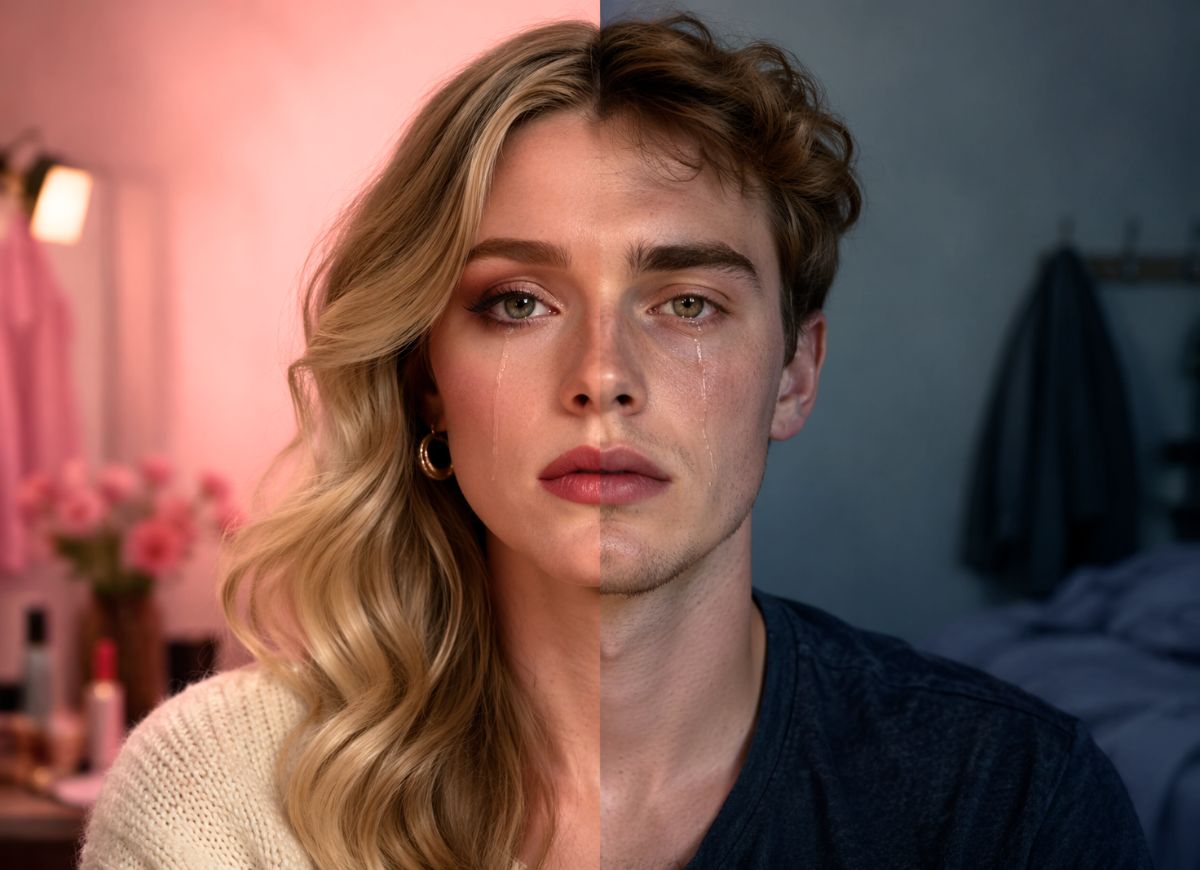
Gender dysphoria is a deeply personal and often silent struggle, and its symptoms aren’t always as clear-cut as people assume. Some people openly express a wish to change their appearance or gender expression, while others experience much subtler signs that go unnoticed or misunderstood.
Many people with gender dysphoria go years, sometimes their whole lives, without recognizing or acknowledging what they feel. That can lead to confusion, distress, and an isolation that’s hard to put into words.
Gender dysphoria doesn’t always announce itself with obvious signs. For many, it begins as a quiet discomfort: a growing unease with gendered expectations, or a persistent sense that their body doesn’t match their inner identity. It can show up in small ways, like an awkward moment in front of a mirror, a constant mental struggle over pronouns, or discomfort in clothes that don’t feel right. These signs are easy to brush aside, leaving people unsure how to name what they’re going through.
It’s also unpredictable. For some, it’s an overwhelming urge to escape their body. For others, it’s an internal conflict that surfaces only in certain situations. Because the signs can be mistaken for something else, they often add confusion and frustration to an already difficult journey.
Below are 10 lesser-known symptoms of gender dysphoria. Recognizing them can lead to understanding, validation, and the support needed for personal growth and healing.
What Is Gender Dysphoria?
Gender dysphoria is the medical term for the significant distress, discomfort, or anxiety that arises from a conflict between a person’s gender identity and the gender they were assigned at birth. It is not a mental illness itself. It describes the emotional and psychological turmoil that can come from this incongruence, affecting daily functioning and quality of life.
Gender Identity vs. Gender Assigned at Birth
Gender identity is a person’s deeply held internal sense of their own gender. Gender assigned at birth is the label, typically male or female, given to an infant based on external anatomy and chromosomes. One is internal and personal; the other is external and assigned by others. Understanding this difference is the foundation for understanding transgender and gender-diverse experiences.
Gender identity is an intrinsic part of a person’s sense of self. It isn’t determined by outside factors but is an internal awareness of who you are: a man, a woman, a mix of both (non-binary), or neither (agender). It may stay stable for life or evolve over time. It can’t be seen or measured by others and is known only when the person shares it. For cisgender people, identity aligns with the gender assigned at birth, which feels so natural it often goes unexamined.
Gender assigned at birth, by contrast, is a classification made by medical professionals and society based on observable physical traits. It’s placed on a person before they have the awareness or language to define themselves, and it comes with a strong set of expectations about how to behave, dress, and live. For many people the label fits and causes no conflict. For transgender and gender-diverse people, it doesn’t match their internal reality, a state called gender incongruence.
Gender Incongruence vs. Gender Dysphoria
Incongruence is the mismatch itself; dysphoria is the clinically significant distress that can result from it. This distinction matters because being transgender isn’t inherently a condition of suffering. Many transgender and gender-diverse people live happy, fulfilling lives without the distress associated with a diagnosis of gender dysphoria.
A person can be aware of their incongruence, accept it, and feel comfortable and authentic without significant pain or impairment, particularly when family, friends, and community affirm their identity. They may change their name, pronouns, or appearance and experience gender euphoria, a profound sense of joy and rightness, rather than dysphoria.
Under the DSM-5, a diagnosis of gender dysphoria requires that the incongruence come with clinically significant distress or impairment in social, occupational, or other important areas of functioning. That distress may appear as severe anxiety, depression, persistent unease, and a strong desire to change one’s physical characteristics to match one’s identity. The diagnosis exists not to pathologize identity but to help people access medically necessary, gender-affirming care that can ease distress and improve well-being. So while everyone with gender dysphoria experiences incongruence, not everyone with incongruence experiences dysphoria.
10 Subtle Symptoms
1. A persistent feeling of detachment from your body or life (depersonalization). This is more than feeling “out of it.” It’s a chronic sense of being an observer of your own life rather than its main character, as if watching a movie or playing a video game where your body and actions aren’t truly yours. This detachment can act as a psychological coping mechanism, creating distance from the discomfort of living in a body or social role that feels fundamentally wrong. Someone might go through the motions of school, work, and socializing while feeling emotionally numb or separated from their experiences by an invisible barrier. They may look in the mirror and feel a strange non-recognition, not necessarily disgust, just a confusing lack of connection to the person looking back.
2. Intense envy or jealousy toward people of your identified gender. This isn’t simple admiration or wanting a particular hairstyle or outfit. It’s a deep, painful ache to be that person or live their life. A transgender woman, before understanding her identity, might feel inexplicable and powerful envy toward her female friends, fixating on how they walk, talk, or move through the world. She may sense that their life, body, and social role are what she was meant to have. The feeling can be confusing and lead to guilt, because it’s more intense and personal than ordinary jealousy.
3. Inability to picture a happy, authentic future in your assigned gender role. When imagining milestones like graduating, marrying, or growing old, some people hit a mental wall. The future feels foggy, blank, or even dreadful because they can’t see themselves happily living those events as their assigned gender. A transgender man, for instance, might be unable to imagine himself as a bride, a mother, or a grandmother, and the thought may bring dread or emptiness. This isn’t fear of commitment or growing up. It’s a fundamental inability to envision a future that feels right, because the roles expected of him don’t align with who he is.
4. Overcompensating with hyper-masculine or hyper-feminine behavior. This common defense mechanism is an attempt to prove one’s assigned gender to oneself and others. A transgender woman who hasn’t yet come to terms with her identity might become the most aggressive player on her team or grow a large beard to project masculinity. A transgender man might overcompensate with very feminine clothing and makeup, trying hard to fit the role of a “girly girl.” The behavior stems from deep anxiety about gender identity and is often a fragile performance, leaving the person exhausted and inauthentic, as if wearing a costume that doesn’t fit.
5. A strong, visceral dislike of your given name (deadname). Many people dislike their name, but for someone with gender dysphoria the aversion can run much deeper. Hearing their birth name, or deadname, can feel like a physical sting or grating noise that constantly misidentifies them, a persistent reminder of an assigned identity that feels wrong and alien. This can lead to avoiding situations where the name will be used, like ordering coffee or introducing themselves. They may prefer a nickname, even one tied to their assigned gender, simply because it creates some distance from the full name.
6. Deep identification with fictional characters of a different gender. For many questioning people, fiction is a safe, private place to explore gender. They may be intensely drawn to characters of another gender, seeing themselves in their struggles, triumphs, and ways of being. It goes beyond admiration; it’s a feeling of being that character. A young person assigned female at birth, for example, might feel a powerful connection to a male superhero or protagonist, fantasizing about being him and living his life. This can be one of the first, and sometimes only, outlets for experiencing a gender identity that feels more authentic than their own.
7. Chronic discomfort with, or avoidance of, gender-segregated spaces. Public bathrooms, changing rooms, and gendered sports teams can be sources of intense anxiety. This isn’t just modesty; it’s the feeling of being in the wrong space. A transgender man may feel like an impostor in the women’s restroom while also fearing for his safety in the men’s. This can lead to holding it for hours, changing clothes in a private stall, or quitting a team altogether. The space itself becomes a symbol of the gender binary and the person’s place outside it, triggering feelings of otherness and distress.
8. An aversion to seeing photos or hearing recordings of yourself. Plenty of people feel awkward seeing or hearing themselves, but for someone with gender dysphoria it can be deeply distressing. The image or sound presents an external version of themselves that feels disconnected from their inner self-perception. A photo can jarringly highlight features that cause distress, such as jaw shape, shoulder width, or the presence of a chest, reinforcing the assigned gender and clashing with their true identity. This often leads to avoiding cameras, deleting photos, and feeling intense anxiety when being recorded.
9. Discomfort with the pitch or tone of your own voice. Voice is one of the most socially gendered aspects of a person, and hearing it can be a constant reminder of the mismatch between identity and body. A transgender woman may feel her deep voice gives her away or doesn’t reflect her femininity, so she speaks as little as possible or in a strained, unnatural way. A transgender man may be frustrated by a high-pitched voice that gets him called “ma’am” on the phone. The discomfort goes beyond disliking the sound; the voice can feel like a betrayal of the true self.
10. A surprisingly strong emotional reaction when trying on clothes associated with another gender. Experimenting with clothing can be powerful and revealing. Trying on something that fits one’s identity, like a binder for a trans man or a dress for a trans woman, can bring unexpectedly intense joy, relief, and rightness. This feeling, often called gender euphoria, can be a pivotal moment of self-discovery. Conversely, being made to wear clothing tied to the assigned gender for a formal event, like a suit or dress, can cause profound sadness, anger, or a feeling of being trapped in a costume. The strength of the reaction is a clue that something deeper than fashion preference is going on.
Gender Euphoria and Its Relationship to Dysphoria
Gender euphoria is the profound feeling of joy, comfort, or rightness a person experiences when their gender identity is seen, validated, and authentically expressed. It’s the conceptual opposite of dysphoria: dysphoria is the distress caused by incongruence, while euphoria is the positive response to congruence.
It can be a powerful guide for transgender and gender-nonconforming people in understanding their identity and choosing steps that align their inner and outer selves. For many, euphoria is a more meaningful and constructive indicator of their true identity than the pain of dysphoria.
Euphoric moments can come from many affirming experiences:
- Being called by the correct name and pronouns by friends, family, or even strangers, creating a sudden sense of being truly seen and respected
- Trying on a piece of clothing, like a binder or a dress, and finally seeing a reflection that feels right
- Reaching a desired vocal pitch through voice training, or noticing the first physical changes from hormone replacement therapy (HRT)
- A quiet internal moment of self-acceptance, realizing and embracing one’s authentic identity free from outside pressure
How Gender Dysphoria Is Diagnosed
The official criteria appear in the DSM-5, the standard classification of mental disorders used by U.S. mental health professionals. A formal diagnosis is often a necessary step toward gender-affirming medical care such as hormone therapy and surgery. The DSM-5 has separate criteria for children and for adolescents and adults.
For adolescents and adults, diagnosis requires a marked incongruence between experienced or expressed gender and assigned gender lasting at least six months, along with clinically significant distress or impairment in social, occupational, or other important areas of functioning. The person must also meet at least two of the following:
- A strong desire to be another gender, or an insistence that one is another gender
- A marked incongruence between experienced gender and primary and/or secondary sex characteristics (such as breasts, body hair, or voice)
- A strong desire to be rid of one’s primary and/or secondary sex characteristics because of that incongruence
- A strong desire for the primary and/or secondary sex characteristics of another gender
- A strong conviction of having the typical feelings and reactions of another gender
Being transgender or gender-diverse is not a mental illness. The diagnosis exists to describe the distress that can arise from incongruence, so that people can access necessary healthcare.
Gender Dysphoria vs. Body Dysmorphic Disorder (BDD)
Both involve significant distress about one’s body, but the source and nature of the distress differ.
Body Dysmorphic Disorder is an anxiety disorder marked by obsessive preoccupation with perceived flaws in appearance that are minor or invisible to others. Someone with BDD might fixate on their nose, skin, or hair, believing it’s ugly or deformed, and engage in repetitive behaviors like mirror-checking or pursue cosmetic procedures that rarely bring lasting satisfaction. The aim is to fix a perceived aesthetic flaw to match an ideal of beauty.
Gender dysphoria isn’t about a perceived flaw. It’s about a fundamental incongruence between physical sex characteristics and internal gender identity. A transgender man may feel dysphoria about his chest not because he thinks it’s ugly, but because it’s a female-coded feature that conflicts with his male identity. Someone with BDD wants to correct a specific “flawed” body part, while someone with gender dysphoria seeks to align their whole physical presentation with their identity.
The interventions differ in outcome too. Cosmetic surgery for BDD often fails to resolve the underlying obsessive distress and may worsen it, whereas gender-affirming interventions like hormone therapy or surgery are highly effective at easing distress and improving mental well-being because they address the core incongruence.
Managing Gender Dysphoria
Many professional support options exist to help people manage the distress of gender dysphoria and move toward aligning their lives with their identity. These services are often multidisciplinary, addressing psychological, social, and medical needs. The goal isn’t to cure a person’s gender identity but to ease dysphoria and support them in living authentically and comfortably.
- Mental health support. Working with a licensed therapist knowledgeable about gender identity is a foundational step. A therapist can offer a safe space to explore identity, build coping skills for dysphoria and societal prejudice, address co-occurring anxiety or depression, and help plan a social and/or medical transition.
- Medical care. For those who choose medical transition, several specialists may be involved: endocrinologists manage HRT, which modifies secondary sex characteristics; surgeons perform gender-affirming procedures like top surgery (chest reconstruction) or bottom surgery (genital reconstruction); and primary care physicians oversee general health throughout.
- Support groups. Professionally facilitated or peer-led groups offer community connection. Sharing experiences with people who understand can reduce isolation, provide practical advice, and foster belonging.
- Voice coaching. A speech-language pathologist can help modify vocal pitch, resonance, and intonation, along with non-verbal communication patterns, to better match gender identity. This can significantly reduce social dysphoria and build confidence.
Frequently Asked Questions
Can gender dysphoria be treated without transitioning?
Yes, though the approach depends on the individual. Some people find relief through therapy, especially gender-affirmative therapy, which offers a safe space to explore identity. Others find that social changes, like a new name or pronouns, help them feel more comfortable. Treatment is highly personal: some people eventually pursue medical or surgical transition, and others don’t.
How do I know if I have gender dysphoria?
It’s typically recognized by persistent, strong discomfort with your assigned gender, often alongside a desire to live and express yourself as a different gender. If you feel constant unease with your body or with societal gender roles and it significantly affects your emotional well-being, it may point to gender dysphoria. A healthcare provider or therapist experienced in gender identity can help you talk through your feelings and reach a proper diagnosis.
What triggers dysphoria?
Triggers vary widely. Common ones include being misgendered, exposure to gendered expectations, seeing a reflection that doesn’t match your identity, or pressure to conform to norms that don’t fit your expression. For some, life events like puberty intensify feelings, and stress and anxiety can make them worse.
How painful is gender dysphoria?
The intensity varies, but for many it’s deeply distressing. Anxiety, depression, and confusion can be severe, especially without understanding or support from others. For some, the pain shows up physically, as discomfort with certain body parts. It’s unique to each person, and its severity can shift over time depending on external factors and access to care.
How do people urinate after bottom surgery (MTF)?
After gender-affirming bottom surgery (male-to-female), people can typically urinate through the newly constructed anatomy, since the urethra is repositioned to exit through it. Some need time to adjust and learn new techniques, such as urinating while seated. With proper care, rehabilitation, and support, most people can urinate normally once healed.
Can childhood trauma cause gender dysphoria?
Trauma doesn’t directly cause it, but the relationship between trauma and gender identity development is complex. Some people who experience abuse or neglect may feel disconnected from their bodies or find it hard to understand or express their gender identity. In some cases, dysphoria may surface as a way of coping with or escaping trauma-related feelings. Addressing both trauma and gender identity in therapy supports a more holistic approach to healing.
Which gender experiences more dysphoria?
It can affect anyone, but research indicates it’s more commonly diagnosed in people assigned male at birth. People assigned female at birth experience it too, and historical biases may have led to underreporting among them. Visibility may also be rising thanks to greater awareness and acceptance. The experience is unique to each person.
How many people outgrow gender dysphoria?
A small percentage of children who experience gender dysphoria will outgrow it during adolescence, especially those who show consistent identification with their assigned gender as they mature. Most people with gender dysphoria continue to experience it into adulthood, and for many, transitioning (socially, hormonally, or surgically) becomes a necessary step toward feeling comfortable in their body and identity.
The Bottom Line
Gender dysphoria is a complex, deeply personal experience that affects people in many different ways. Recognizing the symptoms, understanding the triggers, and knowing the options for support are all critical to managing its emotional and physical aspects.
Whether or not someone chooses to transition, the key is self-acceptance, finding supportive care, and taking steps toward healing. Every journey is unique, and with the right resources and understanding, people can find their path to self-discovery and live authentically. If you’re experiencing gender dysphoria, professional support can help you explore your feelings and options in a safe, affirming environment.