
8 Bone Cancer Warning Signs You Should Never Ignore
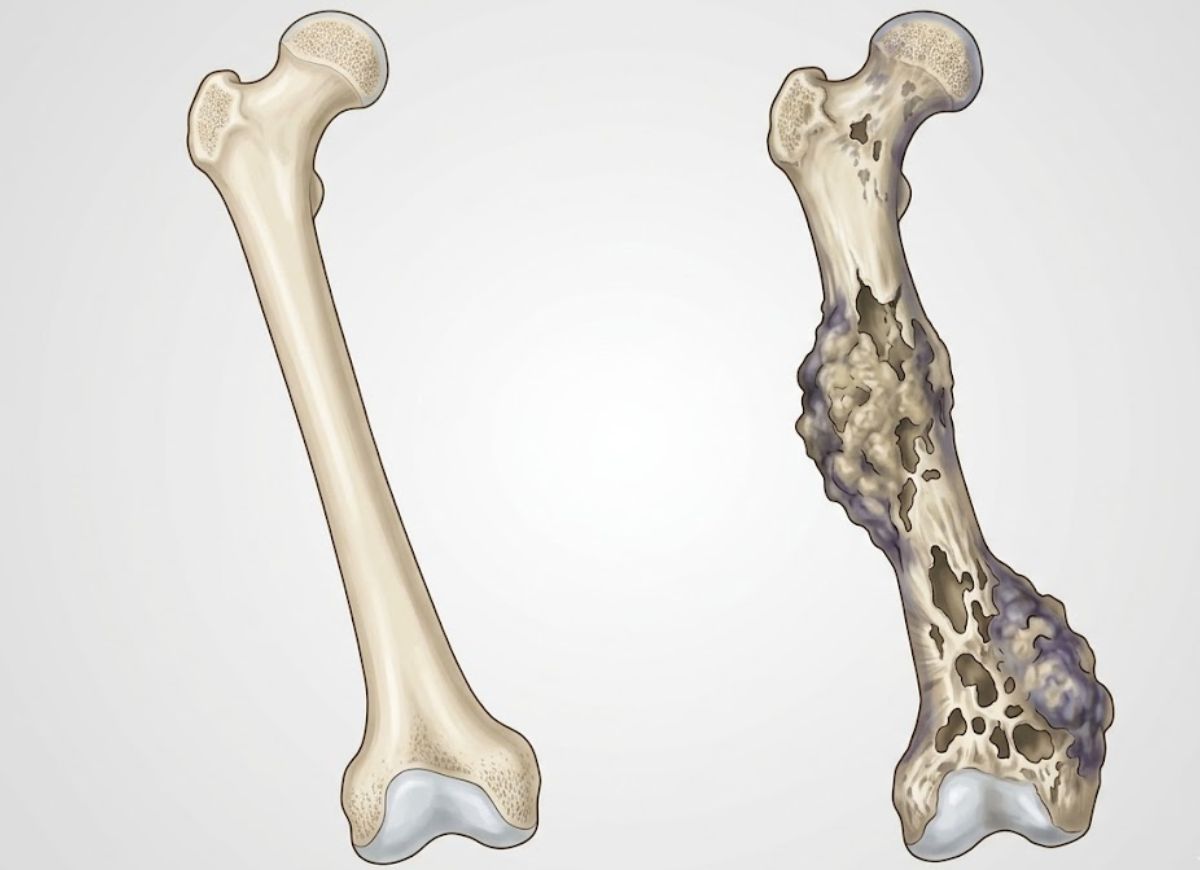
Bone pain has a way of sounding harmless at first. A deep ache in the thigh becomes “probably from walking too much.” A sore shoulder turns into “maybe I slept wrong.” A child’s aching leg gets brushed off as growing pains. Most of the time, that instinct is right. Bodies get tired, muscles strain, joints complain. But pain that lingers, grows stronger, wakes someone at night, or comes with swelling deserves more attention than a casual shrug.
Bone cancer is rare, which is part of what makes it easy to overlook. In the U.S., the American Cancer Society estimates about 4,110 new cases of primary bone and joint cancer will be diagnosed in 2026, with about 2,210 deaths. The National Cancer Institute’s SEER data shows bone and joint cancer makes up only about 0.2% of all new U.S. cancer cases. That small percentage can make the condition feel distant, but for those affected, the signs often begin with something surprisingly ordinary: pain that doesn’t behave like normal pain.
The tricky part is that bone cancer symptoms can look like injuries, arthritis, sports strain, or everyday stiffness. Someone might rest, take pain relievers, stretch, or wait for it to pass, only for the ache to return, feel deeper, or worsen at night. Below, we cover 8 bone cancer warning signs worth knowing, some subtle, some easy to mistake for common problems.
The 8 Key Symptoms
1. Persistent or unusual bone pain. This is the most common early symptom, typically a deep, dull ache in the affected bone that doesn’t improve with rest. Unlike pain from a typical injury, this discomfort is often constant and progressively worsens. It’s frequently more noticeable at night, sometimes severe enough to wake someone from sleep, a significant red flag, since overuse or minor injury pain usually eases with rest. Pain may also intensify with activity, especially if the tumor is in a weight-bearing bone like the femur or tibia. Unlike growing pains in children or arthritis in adults, cancer-related pain tends to localize to one specific spot and doesn’t let up.
2. Swelling near a bone. As a tumor grows, it can push outward, creating a firm, often immovable lump under the skin. Depending on tumor type and location, this swelling may appear weeks or months after pain begins, or in deeper bones like the pelvis, may not be noticeable until the tumor is quite large. The skin over the area may feel warm from increased blood flow and inflammation. A new, unexplained, persistent lump, especially alongside bone pain, warrants prompt medical evaluation.
3. Unexplained fractures. A tumor can erode healthy bone tissue, weakening its structure enough that a fracture occurs during routine activity, stepping off a curb, twisting, or simply standing, that wouldn’t normally cause a break. This is called a pathological fracture, caused by underlying disease rather than significant trauma. In some cases, a person only discovers a tumor when such a fracture happens, often after the bone had been aching for some time.
4. Fatigue. Cancer-related fatigue is a profound, persistent exhaustion not relieved by rest, more severe than ordinary tiredness. It happens because the body expends enormous energy fighting cancer cells, which also compete with normal cells for nutrients.
5. Unintended weight loss. Losing 10 pounds or more without changes in diet or exercise, sometimes called cachexia, can happen because cancer alters metabolism and increases inflammation, suppressing appetite and interfering with nutrient absorption. The cancer itself also consumes calories as it grows.
6. Fever. Recurrent, low-grade fevers unrelated to infection can be part of the body’s immune response to a tumor, sometimes accompanied by night sweats and appearing intermittently.
7. Numbness, tingling, or weakness in a limb. As a bone tumor enlarges, it can press on nearby nerves and interfere with signal transmission. A spinal tumor, for example, can compress the spinal cord or nerve roots, causing sciatica, leg weakness, or even loss of bladder or bowel control. A tumor in the arm might press on nerves controlling the hand and arm, causing numbness or tingling. Symptoms depend entirely on which nerves are affected and can worsen as the tumor grows.
8. Reduced mobility or a limp. This often results directly from pain and swelling elsewhere on this list. A tumor in a weight-bearing bone can make putting weight on the leg painful, naturally leading to a limp. Swelling around a joint can also restrict range of motion. A child who suddenly starts limping with no clear injury history should be evaluated, since this can be an early sign of bone cancers like osteosarcoma or Ewing sarcoma.
What Causes Bone Cancer
Known risk factors include inherited genetic syndromes, prior radiation exposure, certain non-cancerous bone diseases, and a history of bone marrow transplantation, though most cases occur in people with no apparent risk factors.
Genetic syndromes like Li-Fraumeni syndrome (a TP53 gene mutation) and hereditary retinoblastoma (an RB1 gene mutation) significantly raise risk, as do rarer conditions like Rothmund-Thomson and Werner syndromes.
Prior radiation therapy, especially high doses received during childhood or adolescence for other cancers, raises the risk of radiation-induced osteosarcoma, typically developing in the bone that was within the radiation field, often years or decades later.
Paget’s disease of bone, a chronic condition causing abnormal bone remodeling, is non-cancerous itself, but roughly 1% of people with severe cases may develop osteosarcoma in the affected bone.
Other factors include bone marrow or stem cell transplants (particularly with total body irradiation) and, very rarely, chronic bone infection (osteomyelitis).
When to Seek Medical Help Immediately
Several red flags warrant prompt evaluation:
- A fracture from minor trauma or normal movement, disproportionate to the level of force involved, suggesting underlying bone weakness
- Bone pain severe enough to wake you from sleep, unlike typical musculoskeletal pain, which usually improves with rest
- A new, firm, growing lump over a bone that doesn’t move when pressed
- Localized bone pain combined with systemic symptoms like significant weight loss, persistent low-grade fever without infection, and debilitating fatigue
- New numbness, tingling, or weakness in a limb, or changes in bowel or bladder control, which can signal nerve or spinal cord compression requiring urgent evaluation to prevent permanent damage
How Bone Cancer Is Diagnosed
Diagnosis starts with a physical exam and detailed history, discussing the pain’s location, intensity, duration, and whether it worsens at night or with activity, along with checking the area for tenderness, swelling, or a palpable mass.
Imaging typically follows this path:
- X-ray is usually first, revealing abnormal bone texture, tissue destruction, or new bone formation
- CT or MRI follows if an X-ray shows something suspicious; CT gives detailed cross-sectional images of the bone itself, while MRI is better for visualizing surrounding soft tissue, important for surgical planning
- A bone scan may check whether cancer has spread to other bones, using a radioactive tracer that highlights areas of high bone activity
A biopsy is the definitive diagnostic step: a tissue sample is surgically removed and analyzed to confirm cancer, identify its specific type, and determine how aggressive it is, essential information for guiding treatment.
Primary vs. Secondary (Metastatic) Bone Cancer
Primary bone cancer originates directly within bone or cartilage cells and is relatively rare. Secondary (metastatic) bone cancer is far more common, occurring when cancer from elsewhere in the body, breast, lung, prostate, kidney, or thyroid, spreads to the bones.
Both can cause similar symptoms, persistent pain, swelling, fracture risk, but their biology and treatment differ entirely. A biopsy is essential for telling them apart: bone or cartilage cells under the microscope point to primary bone cancer (like osteosarcoma or chondrosarcoma), while cells matching another cancer type mean the treatment plan targets that original cancer, plus managing bone-related complications.
Bone Cancer vs. Arthritis or Growing Pains
Distinguishing bone cancer from these more common, benign conditions can be tricky at first, but a few patterns help.
Bone cancer vs. arthritis: Bone cancer pain is persistent and often unrelated to movement, while arthritis pain typically flares with joint use and eases with rest (morning stiffness is classic for arthritis, not cancer). Arthritis affects the joints themselves; bone cancer pain centers on the bone, though it can occur near a joint and cause confusion. A firm, localized lump, along with weight loss, fatigue, and low-grade fever, point more toward malignancy than arthritis.
Bone cancer vs. growing pains (in adolescents): Growing pains are almost always bilateral, affecting both legs at once, while bone cancer pain is typically localized to one spot on a single limb. Growing pains occur only at night and resolve by morning; bone cancer pain persists day and night and tends to worsen over time. Growing pains don’t cause swelling, a palpable lump, or daytime limping, features that point toward something more serious when present.
Osteosarcoma vs. Ewing Sarcoma
While persistent pain and localized swelling are common to most bone cancers, there are subtle differences between the two most common types in young people.
Osteosarcoma, the most prevalent primary bone cancer, typically develops in the long bones of the arms and legs, especially around the knee or the upper arm near the shoulder. It most commonly affects adolescents and young adults during periods of rapid bone growth. Pain is often initially mistaken for a sports injury, but its persistence and nighttime intensification are distinguishing features, and a hard, immovable mass may eventually become palpable.
Ewing sarcoma also frequently affects children, adolescents, and young adults, and while it can occur in long bones, it’s also commonly found in flat bones like the pelvis, ribs, and shoulder blades. It’s more likely to come with systemic, flu-like symptoms, low-grade fever, fatigue, unexplained weight loss, and elevated white blood cell counts, which can sometimes mislead diagnosis. Swelling with Ewing sarcoma can also feel soft and warm due to inflammation.
Frequently Asked Questions
Where does bone cancer usually begin?
Inside the bone tissue itself, often in long bones like the thigh, shin, or upper arm, though it can also affect the pelvis, ribs, spine, or jaw. It’s important to distinguish primary bone cancer (starting in the bone) from metastatic bone cancer (starting elsewhere and spreading to bone), since treatment differs significantly.
Is bone cancer curable?
Sometimes, especially when caught early and before it spreads. Treatment depends on type, location, size, and whether it has spread, and may involve surgery, chemotherapy, radiation, or a combination. Even when a complete cure isn’t possible, treatment can still control growth, reduce pain, strengthen the bone, and improve quality of life.
How can bone cancer be detected early?
By paying attention to pain that doesn’t behave like a normal injury, pain that returns, worsens over time, wakes you at night, or persists at rest. Swelling, a lump, limping, or a fracture after minor injury are also worth checking. Doctors may use X-rays, MRI, CT, bone scans, or blood tests, with a biopsy needed to confirm a diagnosis if something suspicious is found.
At what age is bone cancer most common?
It can occur at any age, but osteosarcoma and Ewing sarcoma are more common in teenagers and young adults, while chondrosarcoma tends to occur more in adults. This pattern can make symptoms easy to misread, blamed on sports or growth in young people, or on arthritis and old injuries in adults.
Who is most likely to get bone cancer?
It’s rare overall and can affect any age group, with certain inherited conditions, prior radiation, or specific bone disorders raising individual risk. Still, most people who develop it have no obvious cause, which is why paying attention to unusual, persistent symptoms matters more than assuming risk based on health status alone.
What else can be mistaken for bone cancer?
Sports injuries, muscle strain, arthritis, tendon pain, stress fractures, bone infection, growing pains, and old injuries can all cause similar initial discomfort. The key difference is often pattern: ordinary injuries typically improve with rest and time, while bone cancer pain tends to worsen, return repeatedly, feel deep, and become more noticeable at night.
How fast does bone cancer spread?
It varies by person and tumor type. Some grow slowly and stay localized longer; more aggressive types can spread to nearby tissue or through the bloodstream, often to the lungs. Since pain alone doesn’t indicate how advanced a cancer is, doctors rely on scans and staging tests to guide treatment decisions.
What’s the most dangerous type of bone cancer?
Generally, the most aggressive types that grow quickly or spread before detection, including high-grade osteosarcoma, Ewing sarcoma, and advanced chondrosarcoma, particularly once cancer has reached the lungs or elsewhere. Outlook varies enormously based on stage, size, location, age, and overall health, which is why persistent symptoms shouldn’t be dismissed for too long.
Does bone cancer hurt more at night?
For some people, yes, possibly because rest removes daytime distractions and makes pressure or inflammation around the bone more noticeable. Night pain alone doesn’t mean cancer, many conditions cause nighttime discomfort, but pain that regularly wakes you, persists for weeks, worsens over time, or comes with swelling, limping, or unexplained weight loss deserves a medical evaluation.
The Bottom Line
Bone cancer is rare, but its warning signs can be easy to mistake for everyday aches, injuries, or growing pains. That’s exactly why awareness matters. Persistent bone pain, swelling, tenderness, limping, weakness, unexplained fractures, night pain, or pain that worsens over time shouldn’t be brushed aside. Most bone pain isn’t cancer, but pain that keeps returning deserves a proper check. Early evaluation can lead to faster diagnosis, better treatment options, and real peace of mind, listening to your body doesn’t mean assuming the worst, just respecting symptoms that don’t behave normally.