10 Things to Expect Before and After Hip Replacement Surgery
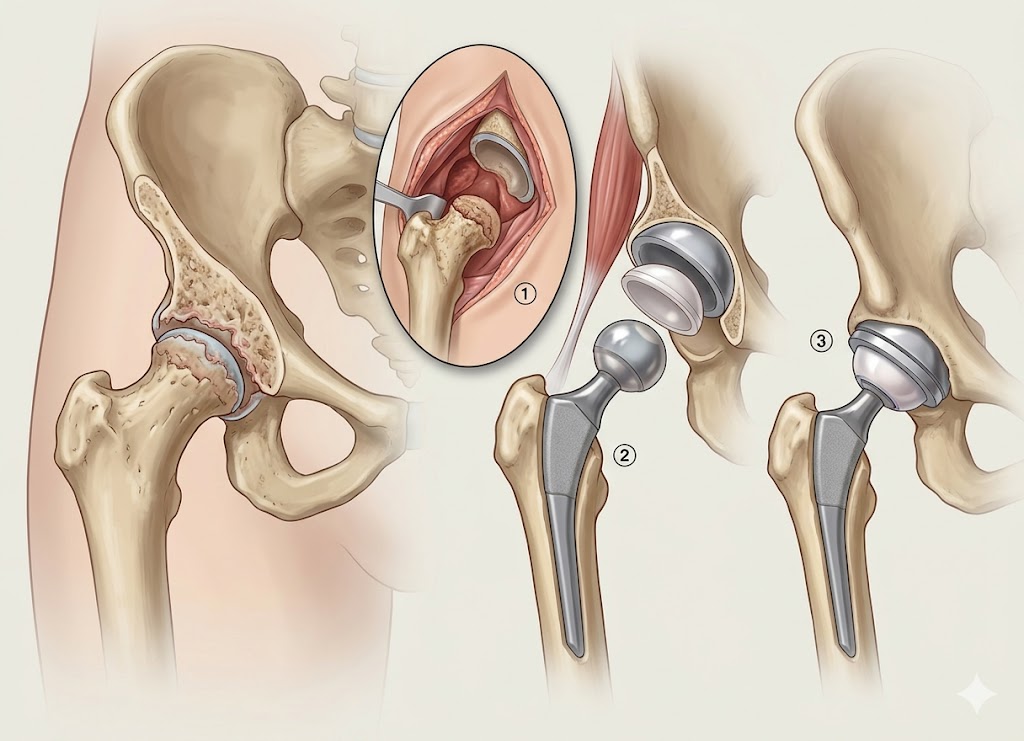
Hip replacement is one of the most commonly performed and successful orthopedic procedures. It can help people regain mobility and reduce long-term pain caused by conditions such as osteoarthritis, rheumatoid arthritis, and hip fractures. During the operation, damaged areas of the hip joint are removed and replaced with artificial components that are designed to restore smoother movement and improve function.
Although hip replacement can greatly improve quality of life, it is natural to have questions about what happens before surgery, during the hospital stay, and throughout recovery. Understanding the preparation process, rehabilitation, recovery milestones, and possible challenges can help you feel more prepared.
In this article, we’ll cover 10 important things to expect before and after hip replacement surgery, including pre-surgery preparation, the procedure itself, hospital care, rehabilitation, and long-term recovery.
What Is Hip Replacement?
Hip replacement is a surgical procedure that removes damaged or severely worn parts of the hip joint and replaces them with artificial components. The main goals are to relieve pain, restore movement, and improve the ability to perform everyday activities.
The hip is a ball-and-socket joint. In a healthy hip, the rounded top of the femur, or thighbone, fits into a socket in the pelvis. During replacement surgery, the damaged ball, socket, or both may be replaced with prosthetic components made from materials such as metal, ceramic, or durable plastic. These components are designed to allow the joint to move more smoothly.
There are different types of hip replacement procedures. A total hip replacement replaces both the femoral head and the socket, while a partial replacement involves replacing only the femoral head. The procedure chosen depends on the condition of the joint and the amount of damage present.
Hip replacement is generally considered when treatments such as medications, physical therapy, weight management, and mobility aids are no longer providing enough relief. The primary goals are to reduce pain, improve mobility, restore joint function, and make everyday activities easier.
Today, hip replacement is regarded as an effective orthopedic procedure, and many patients experience meaningful improvements in mobility and quality of life.
Pre-Operative Preparation for Hip Replacement
Hip replacement is a major step toward improving mobility and relieving chronic joint pain, but preparation begins well before the day of surgery. Getting ready for a total hip replacement usually involves medical evaluations, improving overall health, and making changes at home to support recovery.
Taking these steps in advance can help lower certain surgical risks and make the transition into recovery easier.
Medical Evaluations and Tests Required Before Surgery
Before hip replacement surgery, your medical team will perform several evaluations to make sure you are healthy enough for the procedure and anesthesia. This pre-operative assessment also gives your healthcare team an opportunity to identify and manage medical conditions that could affect surgery or recovery.
┌────────────────────────────────────────────────────────┐
│             PRE-OPERATIVE MEDICAL CLEARANCE            │
├───────────────┬────────────────────────┬───────────────┤
│  Blood Work   │      EKG / ECG         │  Chest X-Ray  │
│ (CBC, PT/INR) │ (Cardiac Activity)     │ (Lung Health) │
└───────────────┴────────────────────────┴───────────────┤
                        │
                        ▼
         [Specialist Clearances if Needed]
           (Cardiology, Pulmonology, etc.)
Common tests may include:
- Complete Blood Count (CBC): Checks blood cell levels and can help identify anemia or signs of infection.
- Coagulation Profile (PT/INR): Evaluates how well your blood clots and helps the medical team plan appropriately around surgery and blood-thinning medications.
- Comprehensive Metabolic Panel (CMP): Provides information about kidney and liver function and other important aspects of your overall health.
- Electrocardiogram (EKG): Records the heart’s electrical activity and may identify certain heart rhythm or other cardiac concerns.
- Chest X-Ray: May be used to evaluate lung health when medically appropriate.
- Specialist Consultations: People with conditions such as heart disease, diabetes, or COPD may need additional evaluation or clearance from a specialist before surgery.
Lifestyle Changes to Optimize Surgical Outcomes
Making certain health and lifestyle changes before surgery may support healing and make the recovery process easier. Your orthopedic team may recommend several adjustments during the weeks leading up to your operation.
1. Pre-habilitation (“Pre-hab”)
Pre-habilitation, often called pre-hab, involves doing appropriate strengthening and conditioning exercises before surgery. Building strength in the glutes, quadriceps, and core can give you a stronger foundation for recovery.
Upper-body conditioning may also be helpful because you may rely on your arms when using a walker or crutches during the early stages of recovery.
2. Smoking Cessation
Smoking can interfere with circulation and wound healing and may increase the risk of complications following surgery. For this reason, orthopedic teams often encourage patients to stop smoking before hip replacement.
Your surgeon can provide guidance on when to stop and what support may be appropriate for you.
3. Weight Management
Body weight can affect the amount of stress placed on weight-bearing joints. Maintaining a healthy weight may help reduce strain on the new joint and can contribute to overall health before and after surgery.
If weight management is appropriate for you, discuss a safe approach with your healthcare provider rather than making major dietary changes on your own.
4. Nutritional Optimization
Eating a balanced diet gives your body important nutrients needed for healing and recovery. Focus on a variety of nutritious foods, including adequate protein, fruits, vegetables, and sources of important nutrients such as vitamin C, vitamin D, and calcium.
Staying adequately hydrated is also an important part of maintaining overall health during recovery.
Preparing Your Home for Post-Surgery Recovery
Knowing what to expect after hip replacement includes preparing your home before the procedure. Because walking and movement may be limited initially, making your living space safer can reduce the chance of falls and make daily activities easier.
Clear the Pathways
Remove potential tripping hazards from the areas where you will walk. This may include loose rugs, electrical cords, clutter, and other objects on the floor.
Make sure hallways and stairways are well lit. Nightlights can also be useful, especially along the route between your bedroom and bathroom.
Establish a Ground-Floor “Recovery Station”
If your bedroom is upstairs, consider arranging a temporary recovery area on the ground floor during the early part of your recovery.
Choose a firm chair with a comfortable height and sturdy armrests. Avoid very low or soft seating that may make it difficult to stand up safely.
Keep frequently used items such as your phone, water, medications, and assistive devices within easy reach.
Bathroom Safety Modifications
Bathrooms can present an increased risk of slipping or losing balance after surgery. Consider making the following adjustments:
- Raised Toilet Seat: Makes sitting down and standing up easier while reducing excessive hip bending.
- Shower Chair or Bench: Allows you to sit securely while bathing.
- Grab Bars: Properly installed grab bars can provide additional support near the toilet and in the shower.
- Handheld Showerhead: Makes bathing easier while seated.
Assemble Assistive Equipment
Before surgery, ask your physical or occupational therapist which equipment you are likely to need. Common recovery tools include:
| Assistive Tool | Primary Function During Recovery |
|---|---|
| Walker / Crutches | Provide support and stability while walking during early recovery |
| Reacher / Grabber | Helps you pick up objects without bending down |
| Sock Aid | Makes putting on socks easier while limiting the need to bend |
| Long-Handled Shoehorn | Helps you put on shoes while reducing excessive hip movement |
Having these items ready before surgery can make the first few weeks at home more convenient and allow you to focus on rehabilitation and healing.
The Hip Replacement Surgery Procedure
The day of hip replacement involves several coordinated steps, including preparation, anesthesia, replacement of the damaged joint, and early recovery.
Understanding what happens during surgery and how long the procedure usually takes can make the experience feel less unfamiliar. Hip replacement surgery commonly takes around one to two hours, although the exact duration varies depending on the individual case.
Types of Anesthesia Used for Hip Replacement
The type of anesthesia used is determined by you, your orthopedic surgeon, and your anesthesiologist. General and regional anesthesia are the two main approaches.
General Anesthesia
General anesthesia uses medications to place you into a temporary state of unconsciousness during the procedure. An airway device is typically used to support breathing.
- Pros: You remain unconscious and do not experience awareness of the procedure.
- Cons: Possible temporary side effects include nausea, vomiting, sore throat, and grogginess. Some older adults may also experience temporary confusion after surgery.
Regional Anesthesia (Spinal or Epidural Block)
Regional anesthesia uses medication to temporarily block sensation in the lower part of the body. Spinal anesthesia is commonly used for hip replacement and may be combined with intravenous medication to help you relax or sleep during surgery.
- Pros: Regional anesthesia can provide effective pain control and may reduce some side effects associated with general anesthesia.
- Cons: Temporary weakness or numbness in the legs can occur until the medication wears off. A headache caused by the spinal procedure is an uncommon complication.
The Step-by-Step Surgical Operation
Although surgical techniques differ depending on the approach used, the basic process of a total hip replacement generally involves several key stages.
Step 1: Incision and Joint Exposure
After anesthesia has taken effect, the surgeon makes an incision near the hip. The exact location depends on whether an anterior, lateral, or posterior approach is being used.
The surgeon carefully moves through the surrounding tissues to reach the hip joint.
Step 2: Removal of the Damaged Joint
The damaged femoral head is removed from the hip socket. The surgeon then prepares the acetabulum, or socket, by removing damaged cartilage and shaping the area so it can accommodate the artificial components.
Step 3: Placement of the Prosthetic Implant
The artificial hip is made up of several components.
- The Acetabular Component (Socket): A cup is placed into the prepared pelvic socket. A liner, often made from polyethylene or ceramic, fits inside the cup.
- The Femoral Component (Stem and Ball): A stem is placed inside the prepared femur, and an artificial ball is attached to the top. Depending on the implant design, the stem may be secured with bone cement or designed to allow bone to grow onto it.
Step 4: Final Checks and Closure
The artificial ball is placed into the new socket, and the surgeon checks the joint’s movement, stability, and alignment.
The surrounding tissues are repaired as needed, and the incision is closed using sutures, staples, or surgical adhesive. A sterile dressing is then placed over the wound.
Milestones During the Post-Operative Hospital Stay
Modern hip replacement recovery often emphasizes getting patients moving as soon as it is safe. Many patients leave the hospital within one to three days, although the exact stay depends on individual health and recovery.
[Day 0: PACU / Recovery Room] ──► [Day 1: First Walk / Oral Meds] ──► [Day 2+: Stairs & ADLs] ──► [Discharge Home]
  - Pain Management                - Bed-to-Chair Mobility             - Advanced Physical Therapy     - Meets Functional Goals
  - Vital Sign Monitoring          - Review Hip Precautions            - Occupational Therapy
Day of Surgery (Post-Op Day 0)
After surgery, you will spend time in a recovery area while the effects of anesthesia wear off. Your healthcare team will monitor your vital signs and work to control pain.
Depending on your condition and the timing of surgery, a physical therapist may help you sit up, stand, or take a few steps with a walker on the same day.
Post-Op Day 1
The first full day after surgery usually focuses on increasing mobility. A physical therapist may help you move from the bed to a chair and walk short distances with a walker or crutches.
You may also learn specific movement precautions designed to protect the healing joint. Pain management is generally adjusted as needed, often transitioning toward oral medications.
Post-Op Day 2 and Beyond
The focus gradually shifts toward greater independence. Physical therapy may include longer walks and practicing stairs if necessary.
An occupational therapist may also teach you safer ways to perform everyday tasks such as bathing, dressing, and using the bathroom while protecting your hip.
Meeting Discharge Criteria
Before going home, you generally need to demonstrate that you can safely manage basic activities. Depending on your circumstances, discharge criteria may include:
- Stable vital signs and a surgical incision without concerning bleeding.
- Pain that can be managed with oral medication.
- The ability to move between a bed and chair safely.
- The ability to walk an appropriate distance with a walker or crutches.
- The ability to manage stairs if they are necessary for getting around your home.
Post-Operative Recovery from Hip Replacement: Timeline and Rehabilitation
Hip replacement recovery happens gradually and usually involves several stages. The early weeks focus on protecting the healing joint, managing discomfort, and gradually increasing movement. Physical therapy then helps rebuild strength, balance, flexibility, and endurance.
Many people return to many normal activities within several weeks, but complete recovery can take several months. Recovery varies from person to person and depends on factors such as overall health, age, surgical approach, activity level, and progress with rehabilitation.
The Immediate Post-Hospital Phase (Weeks 2–6)
The first several weeks at home are an important part of recovery. During this period, your body is still healing, so following your surgeon’s instructions and avoiding excessive activity are important.
Wound Care: Keep the incision clean and follow your healthcare team’s instructions about bathing and dressing changes. Watch for concerning changes such as increasing redness, warmth, swelling, drainage, or other signs of infection.
Managing Swelling and Pain: Swelling and soreness are common during early recovery. Your medical team may recommend ice, elevation, rest, and prescribed medications to help manage symptoms.
Using Mobility Aids: Continue using your walker, crutches, or cane according to your healthcare provider’s instructions. These devices provide support while your strength and balance improve.
Following Hip Precautions: Depending on your surgical approach and your surgeon’s recommendations, you may need to avoid certain movements during early recovery. These can include excessive hip bending, crossing your legs, or twisting on the operated leg.
Always follow the specific precautions given to you because recommendations can differ between patients and surgical techniques.
Crucial Physical Therapy Exercises
Physical therapy plays an important role in restoring movement and strength after hip replacement. Your therapist will create an exercise program based on your individual needs and recovery progress.
Common early exercises may include:
| Exercise Type | Execution and Purpose During Recovery |
|---|---|
| Ankle Pumps | Move your feet up and down repeatedly to encourage circulation in the legs. |
| Quad Sets | Tighten the muscles at the front of your thigh while keeping your leg supported. |
| Glute Squeezes | Tighten your buttock muscles for several seconds before relaxing. |
| Heel Slides | Slowly slide your heel toward your body as directed to improve movement in the hip and knee. |
| Abduction & Adduction | Move the operated leg outward and back toward the center as recommended by your therapist. |
Do not add new exercises or increase the intensity without guidance from your healthcare team.
Returning to Normal Activities
As your strength and mobility improve, you can gradually return to everyday activities. The exact timing depends on your recovery and your surgeon’s recommendations.
Driving (4 to 6 Weeks): You may be able to drive once you are no longer taking medications that impair alertness and have sufficient strength, control, and reaction time to drive safely. Your surgeon should clear you before returning to driving.
Returning to Work (4 Weeks to 6 Months): The timing depends largely on your occupation. People with desk-based jobs may return within several weeks, while physically demanding work can require a considerably longer recovery period.
Walking Unaided (6 to 8 Weeks): Some people transition from a walker to a cane within a few weeks and gradually stop using mobility aids as their strength and balance improve. The exact timing varies.
Sports and Recreation (3 to 6 Months): Many people can eventually return to low-impact activities such as swimming, golf, and stationary cycling after receiving clearance from their surgeon. High-impact activities may be discouraged because they can place additional stress on the artificial joint.
Recovery after hip replacement is a gradual process. Following your medical team’s instructions, attending physical therapy, and increasing activity at an appropriate pace can help you progress safely.
Advanced Considerations and Alternatives for Hip Replacement
There are several factors to consider beyond the basic hip replacement procedure, including surgical approach, implant materials, robotic assistance, and alternatives that preserve more of the natural bone.
Each option has potential benefits and limitations, so your orthopedic specialist can help determine which approach is appropriate for your condition.
Anterior vs. Posterior Surgical Approaches
Anterior and posterior approaches differ mainly in where the surgeon enters the hip and how surrounding tissues are handled.
The Anterior Approach
The anterior approach uses an incision at the front of the hip. The surgeon works between muscles and other tissues to reach the joint.
- Pros: Some patients experience less early discomfort and may regain mobility quickly. Certain studies also suggest a lower early dislocation risk with this approach.
- Cons: The technique can be technically demanding and may cause temporary irritation of a nerve near the outer thigh. Other complications are also possible.
The Posterior Approach
The posterior approach uses an incision toward the back or side of the hip. It provides the surgeon with good access to the joint and is commonly used for hip replacement.
- Pros: Offers excellent visibility of the hip and can be useful in complex cases or revision procedures.
- Cons: Some studies have found a higher early risk of dislocation compared with certain other approaches, so patients may receive specific movement precautions during recovery.
The most appropriate surgical approach depends on your anatomy, medical needs, surgeon experience, and other factors.
Types of Hip Implants and Materials
A total hip replacement generally contains several main components, including an acetabular cup, liner, femoral stem, and femoral head.
[Acetabular Cup (Pelvis)] ──► [Liner (Polyethylene/Ceramic)] ──► [Femoral Head (Ball)] ──► [Femoral Stem (Femur)]The materials used for the ball and liner create what is known as the bearing surface. Common combinations include:
Metal-on-Polyethylene (MoP): This combination uses a metal femoral head with a polyethylene liner. It has been widely used for many years. Over time, wear particles from the liner can contribute to bone loss around the implant.
Ceramic-on-Polyethylene (CoP): This pairing uses a ceramic femoral head with a polyethylene liner. Ceramic has a smooth surface and can reduce wear compared with some traditional materials.
Ceramic-on-Ceramic (CoC): Both the femoral head and liner are made from ceramic. This combination has a low wear rate but can have uncommon complications, including component damage or an audible sound from the joint in some patients.
Note: Metal-on-metal implants have become much less common because of concerns about metal wear and reactions involving surrounding tissues.
Robotic-Assisted Hip Replacement vs. Traditional Surgery
Robotic-assisted technology is designed to help surgeons plan and perform hip replacement with greater precision.
During conventional surgery, the surgeon uses specialized instruments and their experience to prepare the bone and position the implant. Robotic-assisted procedures may use advanced imaging and computer planning to create a detailed model of the patient’s anatomy.
Pre-Operative 3D Modeling: In some systems, a CT scan is used to create a three-dimensional model that helps the surgeon plan implant size, position, alignment, and leg length.
Intraoperative Guidance: During surgery, the robotic system can provide guidance and help keep the surgeon’s instruments within planned boundaries. The surgeon remains responsible for the procedure and controls the surgical process.
Robotic-assisted surgery can provide highly precise planning and implant positioning. However, it may involve additional imaging, equipment, and costs. Research is continuing to determine how these technologies affect long-term outcomes compared with well-performed conventional surgery.
Total Hip Replacement vs. Hip Resurfacing
Understanding the difference between total hip replacement and hip resurfacing mainly involves considering how much of the natural femoral bone is preserved.
Total Hip Replacement (THR)
During a total hip replacement, the damaged femoral head and neck are removed. A stem is placed inside the femur and attached to an artificial ball. The damaged socket is also replaced.
Total hip replacement can be used for a wide range of patients with significant joint damage and is one of the most established treatments for severe hip arthritis.
Hip Resurfacing
Hip resurfacing preserves the femoral head rather than removing it completely. The damaged surface is reshaped and covered with a metal component.
This approach preserves more of the patient’s natural bone and may be considered for carefully selected patients. However, it is not appropriate for everyone, and the use of metal-on-metal components has led to concerns about potential complications. Your orthopedic surgeon can determine whether resurfacing is suitable for your individual situation.
Managing Expectations for Long-Term Recovery
Whether you are recovering from hip replacement or considering another surgical option, it is important to understand that healing takes time.
The following milestones are general estimates rather than strict deadlines:
| Milestone | Anticipated Functional Window |
|---|---|
| Mobility Aids (Walker/Cane) | Often needed during the first several weeks |
| Independent Walking | Many patients progress toward independent walking within about 6 to 8 weeks |
| Driving & Sedentary Work | Some patients may be cleared around weeks 4 to 6, depending on recovery |
| Full Soft Tissue Healing | Complete recovery can continue for several months and may take up to a year |
Recovery should be monitored according to your own progress rather than a fixed schedule. Your surgeon and physical therapist can adjust your rehabilitation plan based on your strength, mobility, pain, and healing.
FAQs
What is a hip replacement?
A hip replacement is an operation that removes damaged parts of the hip joint and replaces them with artificial components called prostheses.
Why might someone need a hip replacement?
Common reasons include severe osteoarthritis, rheumatoid arthritis, hip fractures, avascular necrosis, and persistent hip pain that interferes with daily activities.
How long does hip replacement surgery take?
A typical hip replacement takes around one to two hours, although the exact length can vary depending on the procedure and individual circumstances.
How long is the recovery period after hip replacement?
Many patients can resume some everyday activities within several weeks, but complete recovery can take several months.
Will I need physical therapy after surgery?
Yes. Physical therapy is an important part of recovery and can help restore strength, flexibility, balance, and mobility.
How painful is recovery after hip replacement?
Some pain and discomfort are expected, particularly during the first few weeks. Medication, physical therapy, ice, and other measures can help manage these symptoms.
How long do hip replacement implants last?
Modern hip implants can often last 15 to 20 years or longer. Their lifespan depends on factors such as implant type, age, activity level, and overall health.
What activities should be avoided after hip replacement?
Your surgeon may recommend limiting high-impact activities such as running, jumping, or contact sports to reduce stress on the artificial joint.
What are the risks of hip replacement surgery?
Possible complications include infection, blood clots, dislocation, implant wear, nerve injury, and problems related to anesthesia.
When should I contact my doctor after surgery?
Contact your healthcare provider if you develop concerning symptoms such as severe or worsening pain, fever, increasing swelling, unusual drainage from the incision, chest pain, or shortness of breath.
Conclusion
Hip replacement can significantly improve life for people dealing with chronic hip pain and limited mobility. Although recovery requires patience and consistent rehabilitation, many patients experience meaningful improvements in comfort, movement, and daily function.
Knowing what to expect before and after surgery can make the process easier to understand and may reduce some of the uncertainty surrounding recovery. Following your surgeon’s instructions, participating in physical therapy, and maintaining healthy habits are important parts of the healing process.
If you are considering hip replacement surgery, talk with an orthopedic specialist about your symptoms, goals, concerns, and available treatment options. A personalized discussion can help you understand what to expect and prepare for your recovery.