
8 Signs of Norovirus to Watch Out for and How to Protect Yourself
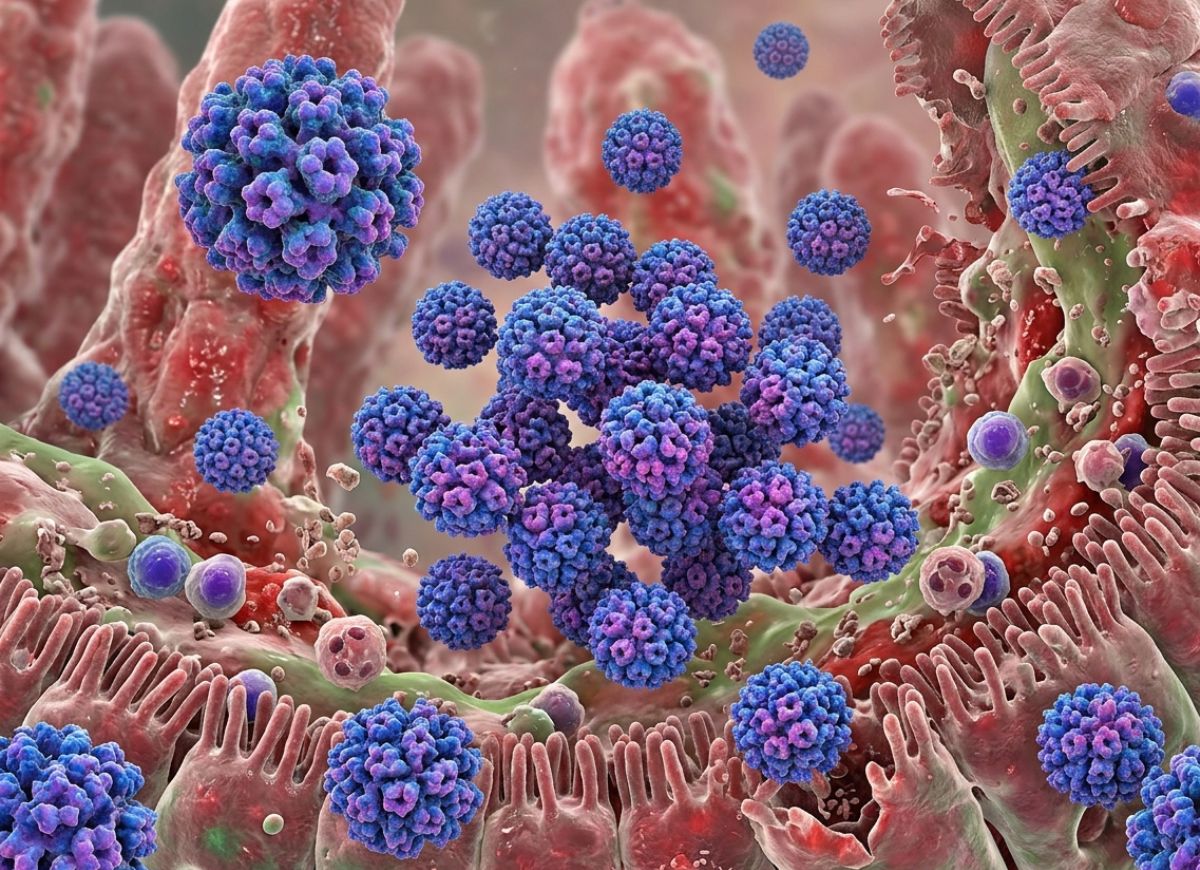
Have you ever been suddenly hit with stomach cramps, nausea, and vomiting, with no idea what caused it? You may have run into norovirus, one of the most common and contagious stomach bugs out there. Often called the stomach flu, norovirus spreads quickly, especially in crowded settings like schools, cruise ships, and nursing homes.
While the symptoms can feel like just a rough stomach bug, norovirus can dehydrate you quickly and lead to serious complications if it isn’t managed properly. According to the Centers for Disease Control and Prevention (CDC), norovirus causes roughly 19 to 21 million cases of gastroenteritis in the U.S. each year.
What makes norovirus particularly concerning is how easily it spreads. It travels through contaminated food, water, surfaces, or even direct contact with someone who’s infected. The symptoms, while usually short-lived, can be intensely uncomfortable, often forcing people to miss school, work, or social plans. Recognizing the signs of norovirus early can help you take the right steps to protect yourself and the people around you.
Norovirus symptoms usually show up within 12 to 48 hours of exposure, and they tend to hit hard and fast. From sudden vomiting and diarrhea to fever and body aches, the symptoms can leave you feeling miserable within hours. What makes norovirus even more concerning is just how quickly it spreads, which makes prevention especially important.
In this article, we’ll break down the 8 most common signs of norovirus so you can catch it early, along with tips for protecting yourself and others from catching or spreading the virus. Staying informed can help lower your risk of getting sick and help slow the virus’s spread.
Table of Contents
The 8 Main Norovirus Symptoms
Sudden Nausea and Vomiting
The nausea and vomiting tied to norovirus tend to come on abruptly, intensely, and forcefully, often described as projectile. This sudden onset is a defining feature of the infection, frequently catching people completely off guard and serving as the first clear sign something’s wrong. Unlike the gradual queasiness that might build before other illnesses, norovirus-related nausea can escalate to overwhelming levels within minutes, leading directly to vomiting.
The vomiting itself isn’t a gentle release, it’s a powerful, forceful reflex from the stomach. This projectile quality means vomit can be expelled with real force, sometimes traveling a significant distance. This particular symptom is not only distressing for the person experiencing it but also plays a major role in how the virus spreads.
When someone vomits, the force can send tiny droplets carrying millions of viral particles into the air, which can then contaminate surfaces over a wide area or be breathed in by people nearby, helping the infection spread quickly.
This forceful vomiting happens because the virus irritates the lining of the stomach and small intestine. The immune system identifies the viral invaders and launches a strong inflammatory response to expel them as fast as possible.
The most distinctive feature is how quickly symptoms appear. Someone can feel completely fine one moment and be overwhelmed with nausea and the urge to vomit the next. This rapid onset is a key clue pointing toward norovirus rather than other types of food poisoning or stomach upset, which tend to develop more gradually.
During the acute phase of the illness, which typically lasts 24 to 48 hours, vomiting can happen frequently, sometimes every 15 to 30 minutes at its worst. The intensity doesn’t necessarily ease up with each episode, even once the stomach is empty, which can lead to exhausting, painful dry heaving.
The way viral particles become airborne during forceful vomiting is a major driver of how norovirus spreads. A single vomiting episode can release over 30 million viral particles, while it only takes a small number to infect someone else. This explains why norovirus outbreaks can spread so rapidly through shared spaces like households, classrooms, or dining halls.
Diarrhea
Norovirus-related diarrhea tends to be sudden, watery, and non-bloody, often occurring frequently during the peak of the illness. Following the often dramatic onset of vomiting, diarrhea typically starts within a few hours and becomes another dominant symptom.
The stool is loose and watery because the virus disrupts the normal function of the intestinal lining, specifically the cells lining the small intestine that are responsible for absorbing water and nutrients from food. Once infected, these cells struggle to do their job properly.
As a result, water and electrolytes that would normally be absorbed into the bloodstream instead get flushed through the digestive tract, leading to frequent, watery stools. This rapid fluid loss is the main driver behind dehydration, one of the biggest complications of norovirus.
Norovirus diarrhea differs from diarrhea caused by some bacterial infections, which may involve blood or mucus in the stool. The absence of blood is a key distinguishing factor.
An infected person may have numerous bowel movements over a 24-hour period, sometimes more than eight to ten episodes a day during the worst of it. This relentless frequency contributes significantly to physical exhaustion, irritation, and the risk of severe dehydration.
This type of diarrhea is generally non-inflammatory, meaning it doesn’t cause the kind of ulceration or serious damage to the intestinal wall that would lead to bleeding. Blood in the stool would point toward a different pathogen, such as certain strains of E. coli, Shigella, or Campylobacter, and would call for immediate medical attention.
Stomach Pain
The stomach pain that comes with a norovirus infection is usually described as cramping or aching abdominal discomfort, ranging from mild to severe. This pain results directly from inflammation of the stomach and intestinal lining, along with overactive gut motility. The virus triggers an inflammatory response that causes the muscles in the stomach and intestinal walls to contract irregularly and forcefully.
These contractions, or spasms, are what people experience as cramps. The pain is often diffuse, meaning it’s felt broadly across the abdomen rather than in one specific spot. It tends to come in waves, often intensifying right before an episode of vomiting or diarrhea and easing up temporarily afterward.
These abdominal cramps are also a physical sign of the body’s effort to expel the virus. Increased gut movement is the body’s way of trying to clear the virus and its byproducts from the system as quickly as possible.
The pain tends to be spasmodic rather than constant, often described as a clenching or twisting sensation in the abdomen. These waves of pain can be intensely uncomfortable and contribute significantly to the overall misery of being sick.
The timing of the cramps is closely tied to other core symptoms. A strong wave of cramping is often a warning sign that vomiting or a bowel movement is imminent. This pattern helps distinguish norovirus-related pain from other types of abdominal pain, like the constant, sharp pain of appendicitis.
While the pain is usually widespread, it may feel more intense in the central or lower abdomen. Severity varies a lot from person to person, ranging from a dull, persistent ache to sharp, debilitating cramps that cause someone to double over.
Low-Grade Fever
A low-grade fever is a common symptom of norovirus, affecting roughly half of everyone who gets sick. The fever isn’t a localized symptom like stomach pain, it’s a sign that the entire body is engaged in fighting off the infection. It shows that the immune system is active and working to clear the virus. Along with other systemic symptoms like body aches, a fever confirms that this is more than just simple indigestion.
The fever is usually mild, typically ranging from 100°F to 101°F (37.8°C to 38.3°C). It’s part of the body’s broader immune response to the virus. When the immune system detects norovirus, it releases inflammatory substances called pyrogens, which travel to the hypothalamus, the brain’s internal thermostat, and signal it to raise the body’s core temperature. This higher temperature creates a less favorable environment for the virus to replicate and can boost immune cell activity.
The fever usually shows up within the first 24 hours of illness and often clears within a day or two, even while other gastrointestinal symptoms continue. It can typically be managed with over-the-counter fever reducers like acetaminophen or ibuprofen, though it’s worth checking with a healthcare provider, especially for children or anyone with other health conditions.
Headaches and Body Aches
Headaches and body aches, medically known as myalgia, show up with norovirus because they’re systemic symptoms triggered by the body’s widespread inflammatory response. When norovirus infects cells in the gastrointestinal tract, the immune system launches a full response, releasing signaling molecules called cytokines and chemokines into the bloodstream.
As these circulate, they can cause blood vessels in the head to widen, leading to headaches. They also make pain receptors in muscles and joints more sensitive, creating that overall sore, achy feeling, similar to muscle soreness after intense exercise.
On top of that, dehydration, a common result of norovirus due to vomiting and diarrhea, can significantly worsen both headaches and body aches. Not having enough fluid in the body reduces blood flow to the brain and muscles, which can cause or worsen pain. An imbalance in electrolytes, especially low potassium and sodium, can also contribute to muscle cramps and weakness.
Headaches and body aches help distinguish norovirus from a purely localized digestive problem. They signal that the body is experiencing a full systemic response, similar to what happens with the flu or a common cold, even though the main site of infection is the gastrointestinal tract.
Chills
Chills are a common sign of norovirus, usually occurring alongside a low-grade fever. Chills happen because the body’s temperature-regulating center gets recalibrated by pyrogens, the fever-inducing substances released by the immune system. The feeling of being cold comes from a mismatch between the body’s new, higher target temperature and its actual current temperature.
When the brain’s hypothalamus resets the body’s internal thermostat to a higher setting to fight the virus, the body suddenly perceives its current temperature as too cold. In response, it triggers rapid, involuntary muscle contractions, shivering, to generate heat. This feeling of coldness, even in a warm room, paired with shivering, is what we experience as chills. It’s a clear sign the body is actively mounting a fever response to the infection.
Chills often show up before the fever actually peaks. Chills and fever are really two parts of the same process, chills are the body heating up, and fever is the state of being at that higher temperature. Later on, as the fever breaks, a person may start sweating as the body works to cool back down to its normal baseline.
Chills contribute a lot to the overall feeling of malaise, that general sense of discomfort and being unwell that comes with norovirus. Along with fatigue and body aches, they’re part of the systemic symptoms that make the illness so miserable, even though it’s usually short-lived.
Extreme Fatigue and Lethargy
Norovirus can cause a deep sense of extreme fatigue and lethargy, which can be one of the most debilitating parts of the illness. This isn’t just ordinary tiredness, it’s a deep physical exhaustion and lack of energy that makes even simple tasks, like getting out of bed, feel like a huge effort. This fatigue comes from a combination of factors working together.
First, the body is spending a huge amount of energy powering the immune system’s fight against the virus. Mounting a strong immune response takes a lot of metabolic energy, pulling resources away from normal bodily functions and muscle activity.
Second, vomiting and diarrhea prevent the body from properly absorbing nutrients and fluids. Without enough hydration and electrolytes like potassium and sodium, muscle cells can’t function normally, leading to weakness. Reduced calorie intake further drains the body’s energy reserves, adding to the fatigue.
Unlike the acute gastrointestinal symptoms, which usually resolve within one to three days, fatigue from norovirus can linger for several days or even a week after vomiting and diarrhea have stopped. It takes time for the body to rehydrate, rebuild its nutrient stores, and recover from the intense immune battle it just fought.
Essentially, the body is running an internal marathon to clear the infection, leaving very little energy for anything else. That’s why people often feel completely drained and weak during and after norovirus.
Dehydration
Dehydration isn’t a direct symptom of norovirus itself, it’s the most common and serious complication, arising directly from the illness’s core symptoms. Dehydration happens because the body loses water, sodium, potassium, and chloride faster than it can replace them. This imbalance affects everything from nerve function and muscle contraction to blood pressure and organ function.
The virus causes nausea, vomiting, and diarrhea; dehydration is what results when the body loses more fluids and electrolytes than it takes in. Because norovirus triggers such intense, frequent fluid loss through vomiting and watery stools, the body’s fluid balance can be disrupted quickly and dangerously.
Certain signs of dehydration are worth watching closely, since they indicate how serious the illness has become and whether medical attention is needed. These signs include dizziness or lightheadedness, especially when standing up, a dry mouth and throat, reduced urination, and dark-colored urine. In infants and young children, watch for a lack of tears when crying and a sunken soft spot on the head.
While anyone can become dehydrated, young children, older adults, and people with underlying health conditions face the highest risk. Their bodies have smaller fluid reserves and may struggle more to keep up with rapid fluid loss. For these groups, preventing and treating dehydration with oral rehydration solutions, or IV fluids if needed, is the most important part of managing a norovirus infection.
What Is Norovirus?
Norovirus is a group of highly contagious RNA viruses belonging to the Caliciviridae family. It’s a highly contagious virus that causes gastroenteritis, commonly known as the stomach flu, and it’s responsible for about 50% of all viral gastroenteritis cases worldwide. Unlike the seasonal flu, which mainly affects the respiratory system, norovirus targets the stomach and intestines, causing inflammation and irritation throughout the digestive tract.
The virus was first identified in 1968 following an outbreak in Norwalk, Ohio, which is where it got its name. The initial discovery came from examining stool samples of infected people during that outbreak. Since then, norovirus has become known for spreading rapidly and causing widespread outbreaks, particularly in environments like schools, nursing homes, and cruise ships.
Norovirus belongs to a group of viruses known as Caliciviridae. It’s an RNA virus, meaning its genetic material is made of ribonucleic acid (RNA) rather than DNA. It commonly spreads through fecal-oral transmission, either by consuming contaminated food or water, or by touching contaminated surfaces and then touching your mouth. It can also spread directly from person to person when someone vomits or has diarrhea, releasing the virus into the surrounding environment.
Norovirus is extremely resilient, capable of surviving on surfaces for several days, and resistant to many common disinfectants. It can be contracted just by touching a contaminated surface and then unknowingly ingesting the virus, which makes it especially hard to control in public spaces.
This virus is a major cause of outbreaks worldwide, particularly during colder months, and it can affect people of all ages. Norovirus infections tend to be short-lived but can cause significant discomfort, including vomiting, diarrhea, stomach cramps, and fever.
Is Norovirus Contagious?
Norovirus is exceptionally contagious, ranking among the most easily transmitted viruses known to affect people. Its high infectivity comes down to a few key factors.
First, the infectious dose is remarkably low, it’s estimated that as few as 10 to 18 viral particles are enough to infect a healthy adult. To put that in perspective, an infected person can shed billions of viral particles in a single gram of feces or one episode of vomit. This huge viral load means even tiny, invisible traces of contaminated material can easily make someone else sick.
Second, the virus holds up well in the environment. It can survive for days or even weeks on surfaces like doorknobs, countertops, and utensils. It can also withstand a wide range of temperatures and resists many common chemical disinfectants, including alcohol-based hand sanitizers.
The main ways norovirus spreads fall into three categories: direct person-to-person contact, consuming contaminated food or drink, and touching contaminated surfaces. All of these ultimately lead to the virus entering the body through the mouth, following what’s known as the fecal-oral route of transmission.
Even vomit, which originates in the stomach, is highly infectious and plays a role in this transmission cycle. The virus’s environmental durability, combined with the massive number of particles an infected person sheds, makes all of these routes highly effective. Each transmission method plays a significant role in how quickly and widely norovirus outbreaks spread, often working together within a community or household.
Direct contact with an infected person is a very common way the virus spreads. This can happen while caring for someone who’s sick, such as helping clean up after they vomit or have diarrhea. It can also happen through casual contact, like shaking hands with someone who has viral particles on their hands and then touching your own mouth. The virus is also present in airborne droplets produced during forceful vomiting, which nearby people can inhale.
Norovirus is also a leading cause of foodborne illness outbreaks. Food can become contaminated at the source, such as shellfish harvested from contaminated water, or more commonly, when handled by an infected food worker. A single infected person preparing food can contaminate a meal and infect dozens or even hundreds of people. Water can become contaminated through sewage leaks or improper treatment.
Norovirus can survive for long stretches on everyday objects. When an infected person vomits or doesn’t wash their hands properly after using the restroom, they can spread the virus to everything they touch, doorknobs, light switches, remote controls, phones, and countertops. Someone else who touches those same surfaces can pick up the virus on their hands and later become infected by touching their mouth, nose, or eyes.
How Long Do Norovirus Symptoms Typically Last?
The symptomatic phase of norovirus is usually intense but brief, with most people experiencing acute symptoms for about 24 to 72 hours. This period is preceded by an incubation period, the time between exposure and the start of symptoms, which typically ranges from 12 to 48 hours. During this incubation phase, a person is infected but doesn’t yet feel sick.
Once symptoms like vomiting and diarrhea begin, they often hit suddenly and can be severe for the first day or two. While most people start feeling significantly better after three days, some may experience lingering weakness or fatigue for several more days as the body fully recovers and rehydrates.
It’s a common misconception that once symptoms fade, a person is no longer contagious. In reality, someone can continue shedding the virus in their stool for two weeks or even longer after recovering. This extended shedding period is a big reason why norovirus spreads so effectively in close-quarters environments like schools, nursing homes, and cruise ships.
Norovirus vs. Bacterial Food Poisoning
While both bacterial food poisoning and norovirus cause acute gastroenteritis, they’re distinct illnesses with different causes, onset times, and hallmark symptoms. The most basic difference is the pathogen itself: norovirus is a virus, while bacterial food poisoning is caused by bacteria such as Salmonella, E. coli, or Campylobacter. This distinction affects everything from how it spreads to how it’s treated.
Norovirus is extremely contagious and spreads easily from person to person through direct contact or contaminated surfaces, in addition to contaminated food and water. Bacterial food poisoning is most often contracted through improperly cooked or stored food, with person-to-person spread being less common.
Norovirus symptoms tend to appear very quickly, usually within 12 to 48 hours of exposure. Bacterial infections, on the other hand, often have a longer incubation period, sometimes taking several days to show up.
For example, Salmonella symptoms can take up to 72 hours to appear, while some E. coli strains take three to four days. The main symptoms also offer clues. Norovirus is known for causing sudden, forceful, projectile vomiting, which is less typical of bacterial illnesses. While both can cause diarrhea, diarrhea from some bacterial infections, particularly certain strains of E. coli or Campylobacter, is more likely to contain blood.
How to Prevent Norovirus
The most effective ways to prevent norovirus center on interrupting how it spreads through thorough hygiene and sanitation. Since there’s no vaccine available, personal and environmental cleanliness are the foundation of prevention.
The two most important strategies are proper handwashing and effective surface disinfection, since norovirus is notoriously resistant to less thorough cleaning methods. These habits matter not only during an outbreak but also as routine practice in higher-risk settings like schools, daycares, healthcare facilities, and food service businesses.
Consistently applying these methods can meaningfully lower the risk of catching or spreading the virus. Thorough handwashing is the single most important preventive step. Hands should be washed thoroughly and frequently with soap and running water for at least 20 seconds.
It’s especially important to wash hands after using the bathroom, after changing diapers, and before preparing or eating food. The friction from scrubbing, along with the rinsing action of water, is effective at physically removing the virus from skin. While alcohol-based hand sanitizers offer some benefit, they aren’t fully effective against norovirus and shouldn’t replace washing with soap and water.
Norovirus resists many common disinfectants. To kill it on surfaces, a chlorine bleach solution is the most effective, recommended option. The CDC recommends a solution of 5 to 25 tablespoons of household bleach (5.25% concentration) per gallon of water.
After any episode of vomiting or diarrhea, the affected area should be cleaned and then disinfected right away. It’s important to wear disposable gloves and handle any soiled items, like laundry or trash, carefully to avoid contaminating yourself.
People who are sick shouldn’t prepare food or care for others for at least 48 hours after their symptoms have fully resolved, since viral shedding can continue beyond that. Any food that may have been contaminated should be discarded. Thoroughly washing fruits and vegetables, and cooking shellfish like oysters to an internal temperature of at least 145°F (63°C), can also help kill the virus.
Norovirus Diagnosis
In most clinical settings, norovirus is diagnosed based on symptoms and history, without needing lab testing. The classic combination of sudden, non-bloody diarrhea, forceful vomiting, and nausea, especially during a known community outbreak, is usually enough for a presumptive diagnosis.
A healthcare provider will typically ask about how long the illness has lasted, specific symptoms, and any possible exposures, like contact with someone sick or attending an event where others got ill. This kind of clinical diagnosis is efficient and allows for immediate guidance on supportive care, mainly focused on preventing dehydration.
That said, a definitive, official diagnosis requires a lab test. The gold standard for identifying norovirus is a stool sample analysis using reverse transcription-polymerase chain reaction (RT-PCR) testing. This highly sensitive molecular test can detect the virus’s genetic material (RNA), confirming its presence.
The process involves collecting a stool sample and sending it to a lab, where technicians extract any viral RNA and amplify it to detectable levels. While accurate, this testing isn’t typically done for individual, uncomplicated cases, mainly due to cost and the fact that it doesn’t change the treatment approach, which remains supportive care regardless.
When to Seek Medical Help
For most healthy adults, norovirus is a self-limiting illness that can be managed at home with rest and hydration. That said, certain symptoms and conditions call for immediate medical attention to prevent serious complications, most notably severe dehydration.
Dehydration happens when the body loses more fluid through vomiting and diarrhea than it can take in. Young children, older adults, and people with weakened immune systems face a significantly higher risk of severe dehydration and should be watched closely.
If you or someone you’re caring for shows signs of moderate to severe dehydration, it’s important to seek medical care. These signs include a significant drop in urination or none at all for more than eight hours, very dark urine, intense thirst, a dry mouth and throat, dizziness or lightheadedness when standing, and sunken eyes. In infants, watch for a dry diaper for more than four to six hours, no tears when crying, and a sunken soft spot on the head, all critical warning signs.
Beyond dehydration, a few other red flags call for a doctor’s visit. These include a high fever above 102°F (38.9°C), blood in vomit or stool, severe abdominal pain that’s localized or ongoing, and symptoms that show no improvement after three days. A medical professional can assess dehydration levels and may recommend or administer IV fluids to restore the body’s fluid and electrolyte balance.
FAQs
1. What is norovirus?
Norovirus, sometimes called the Norwalk virus, is a highly contagious virus that causes gastroenteritis, commonly referred to as the stomach flu. It was first identified in Norwalk, Ohio, in 1968, which is where the name comes from. Norovirus is responsible for most stomach bug outbreaks, especially in confined spaces like cruise ships, schools, and nursing homes.
2. Is the stomach flu contagious?
Yes, the stomach flu, or norovirus, is highly contagious. It spreads through fecal-oral transmission, meaning you can catch it by consuming contaminated food or water, or by touching contaminated surfaces and then touching your mouth. It can also spread directly from person to person, especially when someone vomits or has diarrhea.
3. How long is a stomach bug contagious?
After a norovirus infection, you can remain contagious for up to 48 hours after your symptoms have resolved. It’s important to avoid close contact with others during this time to prevent spreading the virus further. In some cases, people may stay contagious even longer, even after they start feeling better.
4. What are the early signs of stomach flu (norovirus)?
Early signs of norovirus typically include nausea, vomiting, diarrhea, and stomach cramps. You may also experience fever, headache, and muscle aches. Symptoms tend to come on suddenly and can lead to dehydration if fluids aren’t replenished.
5. Can grape juice help with a stomach bug?
There’s no specific evidence that grape juice directly helps with a stomach bug, though some believe its natural sugars might help soothe the stomach. The main priority is staying hydrated with clear fluids like water, broth, or electrolyte drinks when dealing with a stomach virus.
6. What’s the best food for the stomach flu?
When recovering from the stomach flu, it’s best to stick with easily digestible foods like plain crackers, bananas, rice, applesauce, and toast (often called the BRAT diet). These foods are gentle on the stomach and help prevent irritation while providing some nutrients during recovery.
7. Can norovirus affect pregnancy?
Yes, norovirus during pregnancy can be a concern, mainly due to the risk of dehydration from vomiting and diarrhea. While the virus itself doesn’t directly harm the baby, dehydration can lead to complications. If a pregnant woman contracts norovirus, staying hydrated and seeking medical advice is important.
8. Is norovirus more common on cruise ships?
Yes, norovirus outbreaks are particularly common on cruise ships due to close quarters and the large number of people sharing communal spaces. The virus can spread quickly in these environments, often causing outbreaks among passengers and crew. Frequent cleaning and good hygiene practices help reduce the risk of infection.
9. Can you get norovirus more than once?
Yes, norovirus can be contracted more than once. There are several strains, and immunity to one strain doesn’t protect against others. That’s why it’s possible to get sick from norovirus multiple times over a lifetime. Practicing good hygiene and avoiding close contact with infected individuals can help lower the risk.
Conclusion
Norovirus is highly contagious and can cause a range of unpleasant symptoms, including vomiting, diarrhea, nausea, and stomach cramps. Understanding the 8 telltale signs of norovirus can help you act quickly and help prevent it from spreading to others. While the virus is generally short-lived, its rapid spread in crowded environments like schools, hospitals, and cruise ships makes staying alert especially important.
Early detection, proper hydration, and good hygiene are key to managing the illness and reducing the risk of complications. By staying informed and taking preventive steps, you can help protect yourself and others from the discomfort of norovirus and help prevent larger outbreaks.