
10 Warning Signs of High Blood Pressure (Hypertension) You Shouldn’t Ignore
Have you ever wondered whether your blood pressure might be higher than it should be? It is an important question because hypertension is one of the most common health conditions and often develops without obvious symptoms.
High blood pressure is sometimes called the “silent killer” because many people do not realize they have it until it begins affecting important organs. Over time, uncontrolled hypertension can increase the risk of serious problems involving the heart, brain, kidneys, and eyes.
So, how can you tell when your blood pressure may be too high? The challenge is that most people with hypertension do not experience noticeable symptoms. However, extremely high blood pressure can sometimes cause warning signs that should not be ignored.
Headaches, dizziness, vision changes, shortness of breath, and chest discomfort can have many different causes, but they may require urgent attention when they occur alongside severely elevated blood pressure.
In this article, we’ll explore 10 warning signs associated with high blood pressure, explain what they may mean, and discuss when medical attention is necessary. Understanding these symptoms and checking your blood pressure regularly can help you take action before complications develop.
10 Warning Signs of Hypertension
Severe Headaches
A sudden and extremely painful headache can occur during a hypertensive crisis, particularly when blood pressure rises to dangerously high levels.
A headache associated with a severe blood pressure elevation may feel very different from an ordinary tension headache. It can appear suddenly and may be intense, especially when accompanied by other neurological symptoms.
When blood pressure becomes extremely high, it can interfere with the brain’s ability to regulate blood flow. In some cases, this may contribute to swelling of the brain and a condition known as hypertensive encephalopathy.
The resulting pressure and irritation within the brain can cause severe headaches. Some people describe the pain as throbbing or pulsating, although the exact location and character can vary.
A sudden, severe headache accompanied by confusion, vision changes, weakness, difficulty speaking, or vomiting can indicate a medical emergency. These symptoms may also occur with a stroke or other serious condition, so immediate medical evaluation is important.
Dizziness or Lightheadedness
Dizziness, lightheadedness, or feeling unsteady can sometimes occur when blood pressure is severely abnormal. However, these symptoms are not specific to hypertension and can have many other causes.
Extremely high blood pressure may interfere with normal blood flow regulation in the brain. In certain situations, this can contribute to neurological symptoms, including dizziness or problems with balance.
It is also important to remember that dizziness may occur when blood pressure becomes too low. Some people experience lightheadedness after beginning blood pressure medication or when a medication dose lowers their pressure more than expected.
Sudden or severe dizziness accompanied by a headache, confusion, weakness, numbness, difficulty speaking, or vision problems should be treated seriously because these can be warning signs of a stroke.
Any unexplained or recurring dizziness should be discussed with a healthcare professional to determine its underlying cause.
Blurred or Double Vision
Blurred vision, double vision, or sudden changes in eyesight can occur when very high blood pressure damages the blood vessels that supply the eyes.
The retina, located at the back of the eye, contains many small blood vessels that can be affected by prolonged hypertension. Damage to these vessels is known as hypertensive retinopathy.
Early retinal changes may not cause noticeable symptoms. However, continued high blood pressure can cause the blood vessels to narrow or become damaged. In more serious cases, bleeding, swelling, or leakage of fluid can occur within the retina.
An eye examination can reveal changes such as narrowed blood vessels, retinal bleeding, or other signs of reduced blood flow.
In a severe hypertensive emergency, swelling around the optic nerve can also occur. Sudden vision loss or major changes in vision require immediate medical assessment because they can indicate serious damage involving the eyes, brain, or blood vessels.
Nosebleeds
Nosebleeds are often associated with high blood pressure in popular discussions, but they are not considered a reliable early warning sign of hypertension.
Most nosebleeds occur because of common factors such as dry air, allergies, irritation, nose picking, or minor injury. However, people with severely elevated blood pressure may sometimes experience a nosebleed at the same time.
High blood pressure does not usually cause the small blood vessels inside the nose to rupture by itself. However, it may contribute to prolonged bleeding after a vessel has already broken.
Stress and anxiety caused by a nosebleed can also temporarily increase a person’s blood pressure, which can make the connection seem stronger than it actually is.
Because nosebleeds have many possible causes, they should not be used as a way to diagnose hypertension.
However, a severe nosebleed occurring together with symptoms such as intense headache, shortness of breath, confusion, or vision changes should receive urgent medical attention.
Shortness of Breath
Shortness of breath can develop when long-term uncontrolled hypertension places excessive strain on the heart.
When the heart has to pump against increased pressure in the arteries for many years, the heart muscle may become thicker and stiffer. This is known as left ventricular hypertrophy.
A stiffened heart may have difficulty relaxing and filling properly between beats. As pressure builds within the heart and blood vessels, fluid can eventually accumulate in the lungs, making breathing more difficult.
Shortness of breath may become noticeable during physical activity or when lying down. In a severe hypertensive emergency, a sudden increase in blood pressure can contribute to acute fluid buildup in the lungs and cause extreme breathing difficulty.
New, sudden, or worsening shortness of breath should be medically evaluated, particularly when it occurs with chest pain, dizziness, sweating, or other concerning symptoms.
Chest Pain
Chest pain is a serious symptom that should never be dismissed, particularly in someone who has high blood pressure.
Hypertension increases the workload on the heart and contributes to the development of cardiovascular disease. Over time, high pressure can damage arteries and contribute to plaque buildup, which may restrict blood flow to the heart.
When the heart muscle does not receive enough oxygen-rich blood, chest discomfort known as angina can occur.
Chest pain may feel like pressure, squeezing, heaviness, fullness, or discomfort in the center of the chest. It can sometimes spread to the shoulders, arms, neck, jaw, or back.
However, chest pain alone cannot reliably distinguish angina from a heart attack.
In rare cases, extremely high blood pressure can contribute to an aortic dissection, which may cause sudden, severe, tearing pain in the chest or back.
Anyone experiencing unexplained or severe chest pain—especially when it occurs with shortness of breath, sweating, dizziness, or pain spreading to other parts of the body—should seek emergency medical care immediately.
Nausea or Vomiting
Nausea and vomiting are not typical symptoms of ordinary chronic hypertension, but they can occur during a severe hypertensive crisis.
When blood pressure becomes extremely high, the brain can be affected. In some cases, severe pressure changes may contribute to swelling or disruption of normal brain function.
Nausea and vomiting may occur alongside other neurological symptoms such as a severe headache, confusion, vision changes, or seizures.
When these symptoms appear together with severely elevated blood pressure, they may indicate that the condition is affecting the brain or another major organ.
Isolated nausea, however, is much more commonly caused by other conditions. If nausea or vomiting occurs with severe headache, confusion, chest pain, vision changes, or extremely high blood pressure, urgent medical attention is necessary.
Feelings of Anxiety or Confusion
Sudden confusion, unusual restlessness, severe anxiety, or changes in mental awareness can occur during a hypertensive emergency.
When blood pressure becomes critically high, the brain’s normal ability to regulate blood flow can become overwhelmed. In some cases, this may result in brain swelling and neurological problems.
A person may become disoriented, have difficulty understanding what is happening, struggle to communicate, or behave differently than usual.
Confusion can also be a warning sign of a stroke, which is one of the major complications associated with uncontrolled hypertension. Because a hypertensive emergency and stroke can produce overlapping symptoms, medical testing is needed to determine the cause.
Sudden confusion or a major change in mental status—particularly when accompanied by severe headache, weakness, difficulty speaking, or vision problems—requires emergency medical attention.
Blood in The Urine
Blood in the urine, known medically as hematuria, can sometimes occur when long-term high blood pressure damages the kidneys.
The kidneys contain millions of tiny filtering structures that remove waste and excess fluid from the blood. These structures rely on delicate blood vessels that can become damaged by prolonged high blood pressure.
Over time, persistent hypertension can cause scarring and changes in the kidney’s filtering system. When these filters become damaged, red blood cells may pass into the urine.
Sometimes blood is clearly visible, making the urine appear pink, red, or brown. In other cases, the amount is too small to see and is discovered only through laboratory testing.
Blood in the urine can have many causes, including urinary tract infections, kidney stones, medications, and other kidney conditions. Therefore, it should not automatically be attributed to hypertension.
Regular urine testing can help doctors detect kidney problems, including protein in the urine, which may be an early sign of kidney damage.
Pounding in Your Chest, Neck, or Ears
Some people with high blood pressure may notice a strong or pounding heartbeat in the chest, neck, or ears.
A noticeable heartbeat can occur when the heart is beating forcefully or rapidly. Some people become particularly aware of their pulse while resting or lying quietly.
A rhythmic pulsing or whooshing sound in the ear that matches the heartbeat is called pulsatile tinnitus. Increased blood flow or changes in nearby blood vessels can sometimes contribute to this sensation.
However, high blood pressure is only one possible explanation. Anxiety, caffeine, thyroid problems, anemia, certain medications, and other cardiovascular or vascular conditions can also cause pounding sensations or palpitations.
If this is a new, persistent, or recurring symptom—especially when accompanied by dizziness, headache, chest pain, or shortness of breath—a blood pressure check and medical evaluation are appropriate.
What Exactly is High Blood Pressure (Hypertension)?
High blood pressure, or hypertension, occurs when the force of blood against the walls of the arteries remains higher than it should over time.
Blood pressure is expressed using two numbers measured in millimeters of mercury (mmHg).
The systolic pressure, or top number, represents the pressure in the arteries when the heart contracts and pumps blood.
The diastolic pressure, or bottom number, represents the pressure in the arteries while the heart relaxes between beats.
Persistent high blood pressure can gradually damage blood vessels and place additional strain on the heart. Without appropriate management, it can increase the risk of complications involving the heart, brain, kidneys, and eyes.
How are Blood Pressure Readings Measured and Categorized?
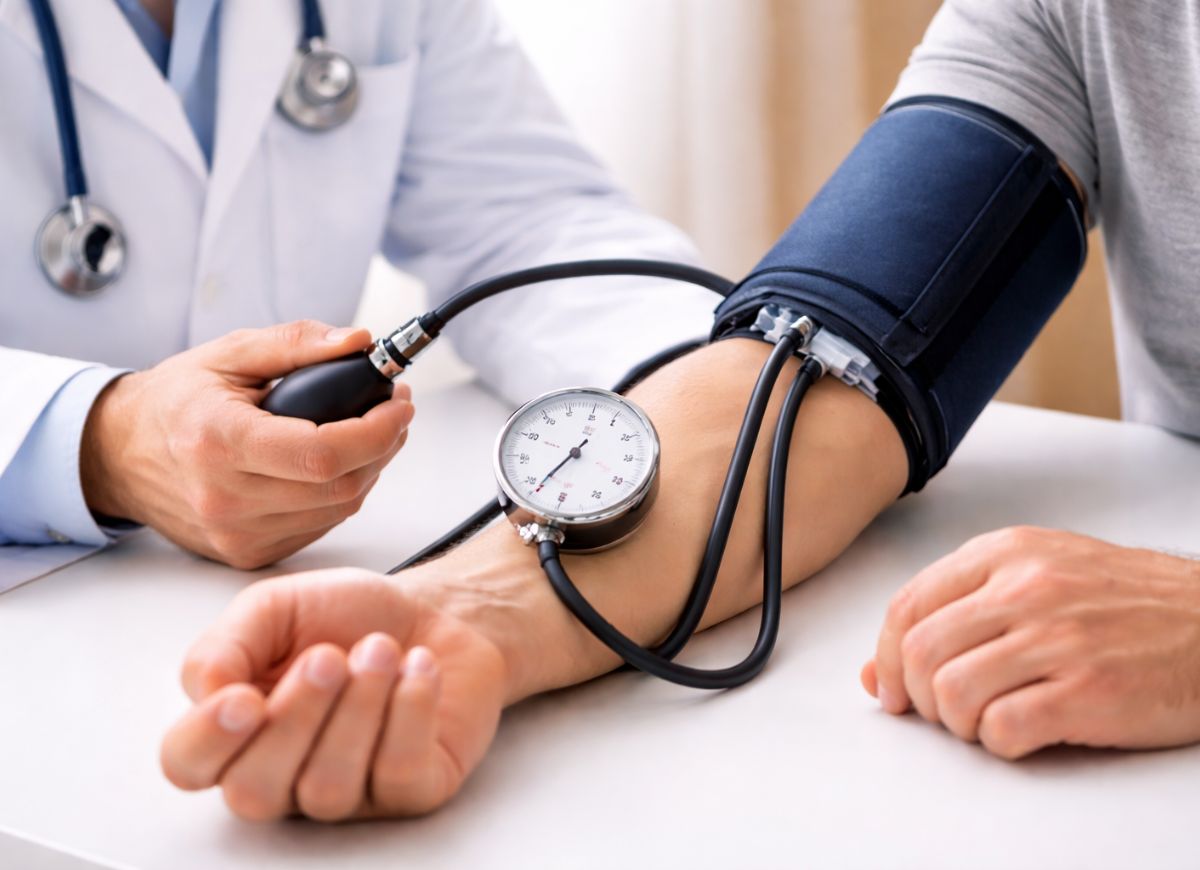
Blood pressure is measured using a blood pressure monitor, also called a sphygmomanometer. Healthcare professionals use established ranges to interpret readings and determine whether further monitoring or treatment is needed.
Under American Heart Association and American College of Cardiology guidelines, blood pressure is generally grouped into several categories.
A reading below 120/80 mmHg is considered normal.
An elevated reading generally means the systolic pressure is between 120 and 129 mmHg while the diastolic pressure remains below 80 mmHg.
Hypertension Stage 1 generally refers to systolic readings of 130 to 139 mmHg or diastolic readings of 80 to 89 mmHg.
Hypertension Stage 2 generally refers to systolic readings of 140 mmHg or higher or diastolic readings of 90 mmHg or higher.
A hypertensive crisis involves a reading above 180/120 mmHg. When a reading reaches this level, it should be repeated after a short rest. If it remains very high, particularly when accompanied by concerning symptoms, immediate medical evaluation is needed.
A single reading does not always establish a diagnosis of hypertension. Healthcare providers usually consider repeated measurements and the overall clinical situation.
High Blood Pressure Called The “Silent Killer”
High blood pressure is often called the “silent killer” because many people do not notice symptoms when their blood pressure is elevated.
Someone can have hypertension and feel completely normal while gradual damage is occurring to the blood vessels and organs.
Over time, persistent pressure can contribute to changes in the arteries, including stiffness and plaque buildup. These changes can reduce healthy blood flow and increase the workload placed on the heart.
Long-term uncontrolled hypertension can increase the risk of cardiovascular disease, heart failure, stroke, kidney disease, and certain eye problems.
Because symptoms are often absent, regular blood pressure checks are one of the most effective ways to detect hypertension early.
Early detection allows people and their healthcare providers to monitor the condition and determine whether lifestyle changes, medication, or additional testing is appropriate.
Primary Causes and Risk Factors for Developing Hypertension
High blood pressure can develop because of a combination of genetic, environmental, medical, and lifestyle factors.
Most cases are classified as primary or essential hypertension, meaning there is no single underlying condition responsible for the elevated blood pressure. Instead, several factors may contribute over time.
A smaller percentage of cases are classified as secondary hypertension, which occurs because of another medical condition or medication.
Non-modifiable Risk Factors For High Blood Pressure
Non-modifiable risk factors are characteristics that cannot be changed but can help identify people who may need more frequent blood pressure monitoring.
Family history is one important factor. People whose close relatives have hypertension may have a greater likelihood of developing the condition themselves.
Age also plays a role. Blood vessels tend to become less flexible and stiffer as people grow older, which can contribute to higher blood pressure.
Sex-related differences also occur across different age groups. Men tend to develop hypertension earlier in adulthood, while the risk increases for women as they age, particularly after menopause.
Certain racial and ethnic populations also experience higher rates of hypertension and related complications. These differences are influenced by a combination of genetic, social, environmental, healthcare, and lifestyle factors.
Understanding these risks can help people recognize the importance of regular screening.
Modifiable Lifestyle Factors
Modifiable risk factors are habits or health conditions that can often be changed or managed.
A diet high in sodium can contribute to increased blood pressure because excess sodium causes the body to retain fluid. This increases the amount of fluid circulating through the bloodstream.
A diet that provides too little potassium may also make blood pressure management more difficult.
Physical inactivity is another important risk factor. Regular exercise can strengthen the heart and improve cardiovascular fitness while supporting healthy body weight.
Excess body weight can increase the workload on the heart and contribute to higher blood pressure. Obesity is also associated with conditions such as sleep apnea, which can further affect blood pressure.
Excessive alcohol consumption can raise blood pressure and may contribute to weight gain and other cardiovascular problems.
Tobacco and nicotine can temporarily increase heart rate and narrow blood vessels. Long-term tobacco exposure can also damage the arteries and contribute to cardiovascular disease.
Making appropriate changes in these areas can help reduce cardiovascular risk and support blood pressure control.
Important Considerations and Types of Hypertension
Understanding the different types and patterns of high blood pressure is important because hypertension does not occur in exactly the same way in every person.
Healthcare professionals may distinguish between primary and secondary hypertension, as well as patterns such as white coat hypertension and masked hypertension.
There is also an important difference between chronic high blood pressure and a hypertensive crisis, which requires urgent attention.
The Difference Between Primary and Secondary Hypertension
Primary hypertension is the most common form of high blood pressure. It does not have one identifiable underlying cause and usually develops gradually over time.
A combination of genetics, age, diet, physical activity, body weight, alcohol consumption, and other environmental factors may contribute to primary hypertension.
Because it can develop without symptoms, regular blood pressure monitoring is important.
Secondary hypertension occurs when another condition, medication, or substance is responsible for raising blood pressure.
Possible causes include kidney disease, narrowing of the arteries supplying the kidneys, thyroid disorders, adrenal gland conditions, sleep apnea, and certain medications.
Some decongestants, hormonal medications, pain relievers, and recreational substances can also raise blood pressure in some people.
Treating the underlying cause may help improve secondary hypertension.
The Difference Between a Hypertensive Crisis and Regular High Blood Pressure
Regular hypertension is a chronic condition in which blood pressure remains elevated over time. A hypertensive crisis refers to a very high blood pressure reading that may require urgent assessment.
A reading of 180/120 mmHg or higher is considered severely elevated.
If a reading reaches this level, it should be repeated after resting quietly. If it remains very high, the presence or absence of symptoms helps determine how urgently medical care is needed.
A hypertensive emergency occurs when severely elevated blood pressure is accompanied by evidence of acute organ damage. Possible symptoms include chest pain, severe shortness of breath, confusion, weakness, vision changes, or other neurological problems.
This situation requires immediate medical treatment.
Very high blood pressure without evidence of acute organ damage may be handled differently, but medical advice is still important, particularly when the readings remain severely elevated.
The Difference Between “White Coat” and “Masked” Hypertension
White coat hypertension occurs when blood pressure is higher in a medical office but lower when measured outside the healthcare setting.
Stress or anxiety during a medical appointment may contribute to this temporary increase. However, people with white coat hypertension may still have an increased risk of developing sustained hypertension, so follow-up monitoring can be useful.
Masked hypertension is essentially the opposite pattern. Blood pressure may appear normal during a medical visit but become elevated at home or during everyday activities.
Because the condition can go unnoticed during routine appointments, home monitoring or ambulatory blood pressure monitoring may help identify it.
Both patterns demonstrate why blood pressure measurements taken in different settings can provide useful information.
How to Measure Blood Pressure Accurately At Home
Home blood pressure monitoring can provide valuable information about blood pressure patterns and may help healthcare providers make better treatment decisions.
An automatic, validated upper-arm blood pressure monitor is generally preferred over wrist or finger devices.
Before taking a reading, avoid exercise, caffeine, and smoking for at least 30 minutes. Empty your bladder and sit quietly for about five minutes.
Sit with your back supported and both feet flat on the floor. Keep your legs uncrossed and relax your arm on a table or other surface so the cuff is positioned around heart level.
Place the cuff directly against bare skin rather than over clothing. Make sure it fits properly and is positioned according to the monitor’s instructions.
Remain quiet and still while the monitor is measuring your pressure. Talking or moving can affect the result.
Take two readings, usually about one minute apart, and record the results. Your healthcare provider may recommend a particular schedule, such as checking your blood pressure in the morning and evening for several days.
Keeping a written or digital record of your readings can help your healthcare provider understand your blood pressure pattern over time.
FAQs
1. What are the 4 stages of hypertension?
Blood pressure is commonly described using categories such as normal, elevated, Stage 1 hypertension, and Stage 2 hypertension.
Normal – Systolic pressure is below 120 mmHg and diastolic pressure is below 80 mmHg.
Elevated – Systolic pressure is 120 to 129 mmHg while diastolic pressure remains below 80 mmHg.
Stage 1 Hypertension – Systolic pressure is 130 to 139 mmHg or diastolic pressure is 80 to 89 mmHg.
Stage 2 Hypertension – Systolic pressure is 140 mmHg or higher or diastolic pressure is 90 mmHg or higher.
A hypertensive crisis is a separate category involving very high readings, generally 180/120 mmHg or higher, especially when symptoms or organ damage are present.
2. Can you live normally with hypertension?
Many people with hypertension continue to live active and healthy lives when their blood pressure is properly monitored and managed.
Treatment may include lifestyle changes such as improving the diet, staying physically active, maintaining a healthy weight, limiting alcohol, and avoiding tobacco.
Some people also need blood pressure medication. Regular monitoring and follow-up appointments can help keep blood pressure within the range recommended by a healthcare professional.
Without appropriate management, however, persistent hypertension can increase the risk of heart, brain, kidney, and blood vessel problems.
3. Should I be worried if my blood pressure is 140/90?
A reading of 140/90 mmHg falls within the Stage 2 hypertension range under commonly used U.S. guidelines.
One isolated reading does not necessarily establish a diagnosis, since blood pressure can change throughout the day and can temporarily rise because of stress, activity, caffeine, or other factors.
If your readings repeatedly reach 140/90 mmHg or higher, discuss them with a healthcare professional. They can determine whether additional monitoring, lifestyle changes, or medication is appropriate.
4. How can I bring my BP down quickly?
If you get an unexpectedly high blood pressure reading, sit quietly and rest for several minutes before checking it again.
Make sure the cuff is positioned correctly and that you have not recently exercised, smoked, consumed caffeine, or been physically active.
If you have been prescribed blood pressure medication, take it exactly as directed. Do not take extra doses unless your healthcare professional has specifically instructed you to do so.
If your blood pressure is 180/120 mmHg or higher and remains elevated after repeating the measurement, seek medical advice promptly. If it is accompanied by chest pain, severe shortness of breath, confusion, weakness, vision changes, or other emergency symptoms, seek emergency care immediately.
5. What time of day is blood pressure the lowest?
For many people, blood pressure naturally decreases during sleep. It often begins rising again before or around the time a person wakes up.
This pattern is part of the body’s normal daily circadian rhythm, although it can differ between individuals.
Because blood pressure changes throughout the day, healthcare providers may recommend measuring it at consistent times rather than relying on a single reading.
6. Why do fit, healthy people have high blood pressure?
Being physically fit does not completely eliminate the possibility of developing hypertension.
Genetics and family history can increase a person’s risk even when they maintain a healthy weight and exercise regularly.
Other factors can also contribute, including high sodium intake, chronic stress, sleep problems, age, certain medications, alcohol consumption, and underlying medical conditions.
For this reason, regular blood pressure checks are useful even for people who feel healthy and maintain an active lifestyle.
7. What is the danger zone of high BP?
A blood pressure reading of 180/120 mmHg or higher is considered severely elevated and may represent a hypertensive crisis.
If the reading remains this high after repeating it, medical advice should be obtained promptly.
When very high blood pressure occurs with symptoms such as chest pain, severe shortness of breath, confusion, weakness, difficulty speaking, or sudden vision changes, emergency medical care is necessary.
8. How long can you have high blood pressure before it causes damage?
Hypertension can remain unnoticed for years because many people do not experience symptoms.
However, the absence of symptoms does not mean that high blood pressure is harmless. Persistent elevation can gradually affect the arteries and increase strain on the heart, kidneys, brain, and eyes.
The longer hypertension remains uncontrolled, the greater the potential for complications.
Regular screening and appropriate treatment can help reduce the risk of long-term organ damage.
Conclusion
High blood pressure often develops without obvious symptoms, which is why regular blood pressure checks are so important.
Although severe hypertension can sometimes cause symptoms such as intense headaches, dizziness, vision changes, chest pain, shortness of breath, or confusion, these symptoms can have many other causes as well.
Managing hypertension usually involves a combination of healthy lifestyle habits, regular monitoring, and medication when prescribed.
If you have repeatedly elevated readings or develop concerning symptoms, speak with a healthcare professional for proper evaluation. Taking action early can help protect the heart, brain, kidneys, eyes, and blood vessels from the effects of uncontrolled hypertension.