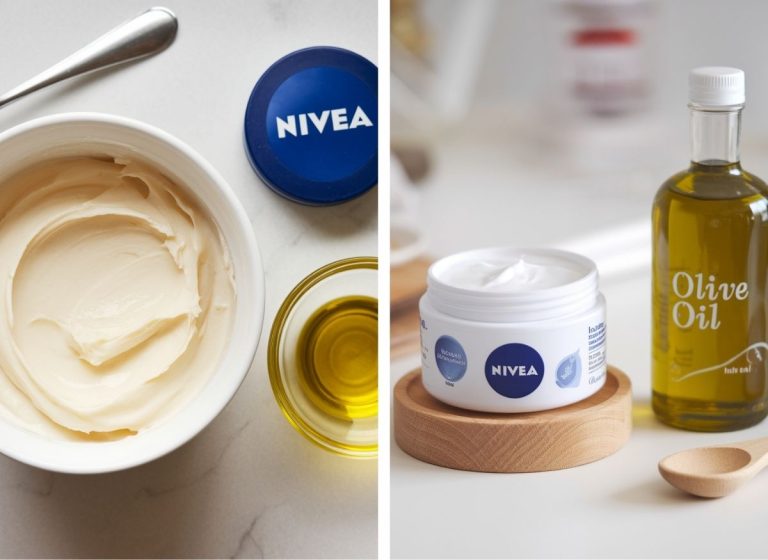

Wake Up to Glowing Skin With This Vitamin C Night Cream

If you want to wake up to brighter, smoother, healthier-looking skin, a vitamin C night cream might be worth adding to your routine. This ingredient helps combat dullness, hyperpigmentation, and early signs of aging.
Unlike a standard moisturizer, a night cream infused with vitamin C works while you sleep, helping repair skin and support collagen production overnight.
Skin naturally goes through repair and renewal at night, and a well-formulated vitamin C night cream can hydrate and protect against everyday environmental stress at the same time, helping you wake up with a healthier glow.
Let’s get into why this overnight treatment deserves a spot in your beauty routine.
The Skincare Benefits of Vitamin C Night Cream
Fights free radicals and slows aging
Vitamin C is one of the more potent antioxidants around, helping neutralize the free radicals caused by pollution, UV exposure, and stress, all of which contribute to fine lines and wrinkles over time. A vitamin C night cream helps counteract that damage, leaving skin looking more refreshed.
Brightens skin and fades dark spots
If you’re dealing with uneven tone, hyperpigmentation, or sunspots, vitamin C works by limiting melanin production, gradually lightening dark patches for a more even, luminous complexion. A nightly dose can make a real difference if you’re after that lit-from-within look.

Boosts collagen production
Collagen keeps skin firm and elastic, but production naturally slows with age, leading to sagging. Vitamin C plays a role in stimulating collagen synthesis, helping keep skin plump and youthful.
Hydrates and nourishes overnight
A good vitamin C night cream is often paired with hydrating ingredients like hyaluronic acid, shea butter, or natural oils, keeping skin moisturized while the vitamin C does its work, so you wake up with softer, dewier skin.
Reduces inflammation and redness
If your skin is prone to irritation or sensitivity, vitamin C’s anti-inflammatory properties can help calm flare-ups. Whether it’s acne scars or rosacea, consistent use can support a more balanced complexion.
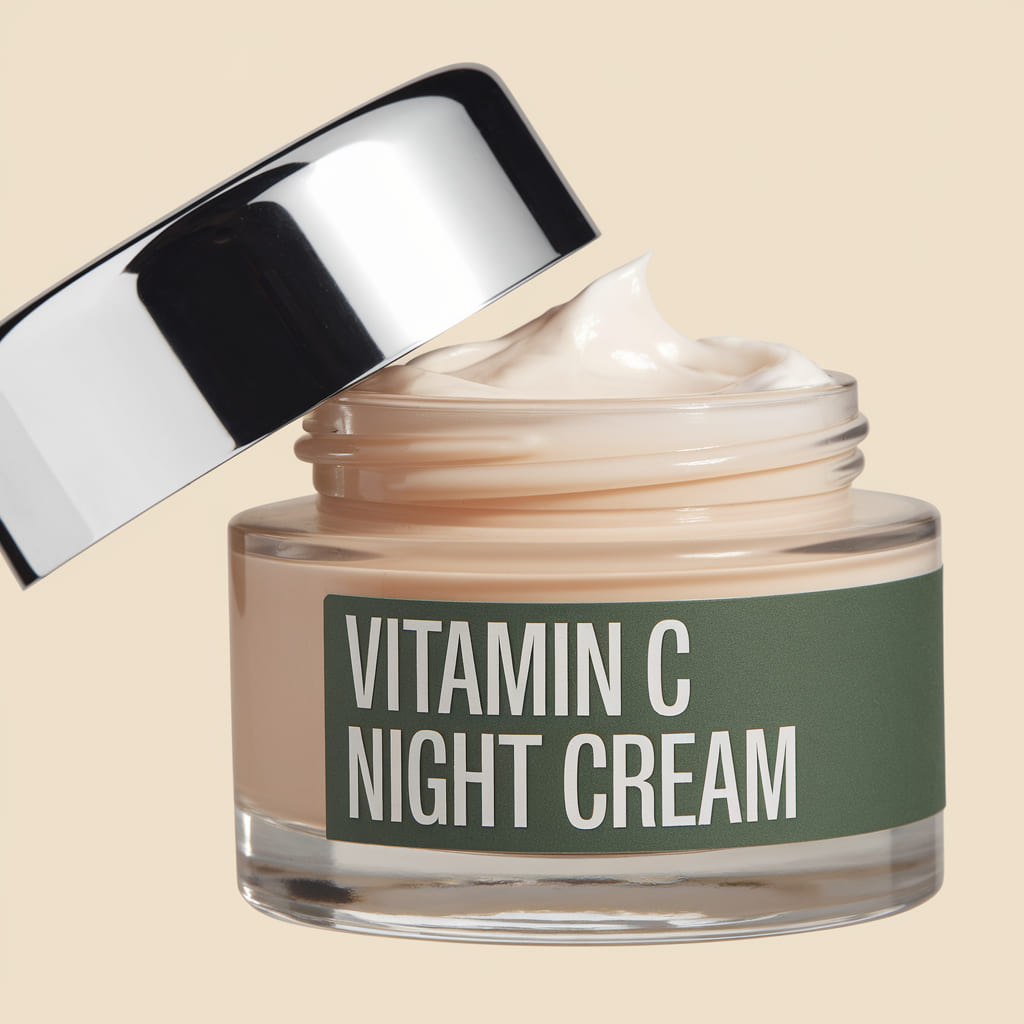
How to Choose the Best Vitamin C Night Cream
Look for a stable form of vitamin C
Not all forms are equal. L-ascorbic acid oxidizes quickly and loses potency fast, so stable derivatives like sodium ascorbyl phosphate or magnesium ascorbyl phosphate tend to hold up better over time.
Check for complementary ingredients
A solid night cream usually pairs vitamin C with a few other skin-friendly additions:
- Hyaluronic acid for deep hydration
- Vitamin E to boost antioxidant effects
- Niacinamide to soothe skin and refine pores
- Peptides for extra anti-aging support
Avoid harsh additives
Some formulas include alcohols, synthetic fragrances, or parabens that can irritate sensitive skin. Checking the ingredient list and opting for a cleaner formula is usually worth the extra effort.

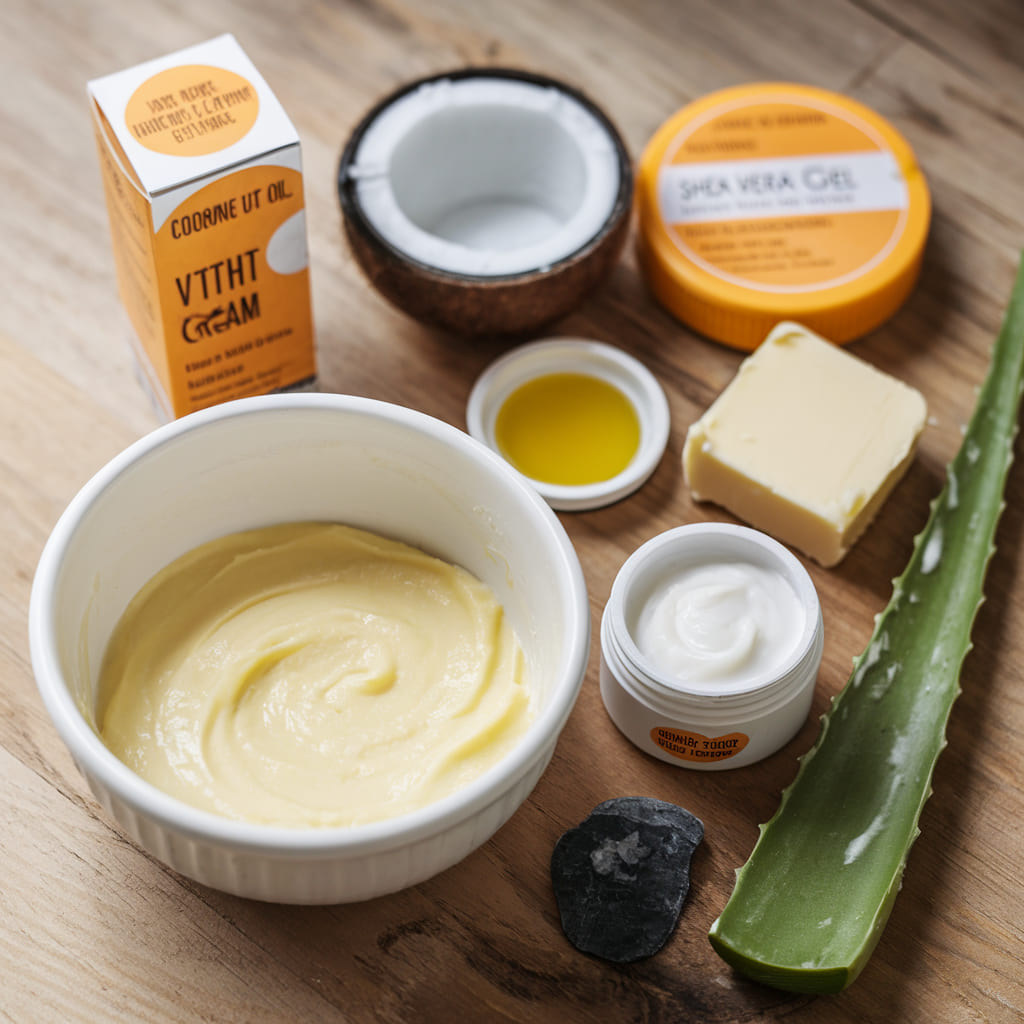
Make Your Own Vitamin C Night Cream
If you enjoy natural skincare, making your own vitamin C night cream can be a fun, rewarding project. Here’s a simple recipe to try.
Ingredients:
- 1 teaspoon L-ascorbic acid powder
- 2 tablespoons aloe vera gel
- 1 tablespoon rosehip oil
- 1/2 teaspoon vitamin E oil
- 2 teaspoons shea butter
- 5 drops lavender essential oil (optional)
Instructions:
- Melt the shea butter slightly in a double boiler.
- Mix the aloe vera gel and rosehip oil together in a small bowl.
- Add the vitamin C powder and vitamin E oil, stirring well.
- Once the shea butter has cooled slightly, blend it into the mixture.
- Store in an airtight container and apply nightly before bed.
This DIY cream is rich in antioxidants and deeply hydrating, making it a solid option for overnight repair.
How to Use Vitamin C Night Cream for Best Results
- Cleanse thoroughly. Remove makeup, dirt, and excess oil before applying anything else.
- Tone your skin. A gentle toner preps skin and helps with absorption.
- Apply serum first. If you use serums, they should go on before your night cream.
- Massage it in. Use gentle, upward strokes to help the cream absorb properly.
- Follow with facial oil, if needed. For dry skin, a light facial oil on top helps seal in moisture.
- Stay consistent. Nightly use tends to produce the best results over time.

Potential Side Effects and Precautions
Vitamin C night cream is generally safe for most skin types, but a few things are worth keeping in mind.
If you have sensitive skin, start with a lower concentration to avoid irritation. Store vitamin C creams in a cool, dark place to prevent them from oxidizing too quickly. If you’re using a strong vitamin C formula, avoid layering it with retinol or exfoliating acids on the same night. And since vitamin C can make skin more sensitive to sunlight, daytime sunscreen matters even more while using it.
Disclaimer :
This article is for informational purposes only and isn’t a substitute for professional dermatological advice. If you have sensitive skin or an existing condition, consult a dermatologist before introducing new skincare products.

A vitamin C night cream can be a simple way to support glowing, healthier-looking skin over time. Your skin is already doing repair work while you sleep, giving it good ingredients to work with just makes that process more effective. Consistency matters most, so give it time to show results.