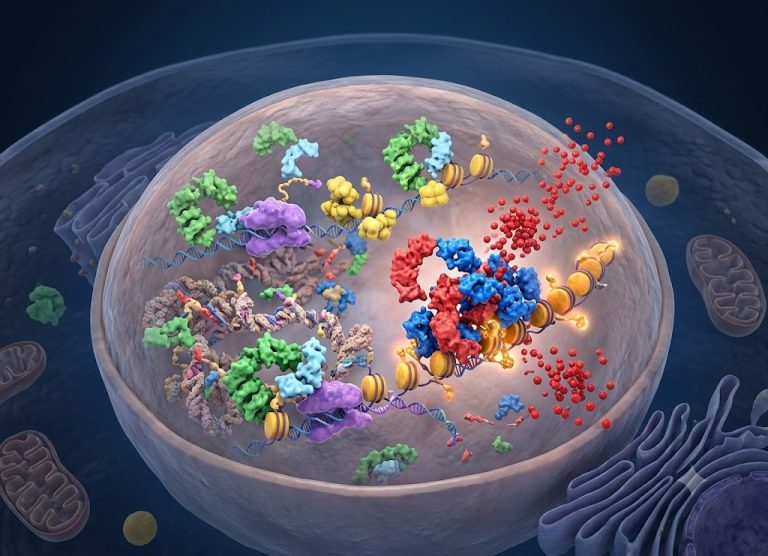

ALS Age of Onset and Recognizing Its First Signs
Time shapes the body in quiet ways, yet some conditions refuse to follow expected patterns. Amyotrophic Lateral Sclerosis (ALS) is one of them. It often emerges in the middle of an ordinary, active life, when routines are settled and plans are still taking shape. There is no obvious warning moment. The first signs arrive so subtly that they are easy to dismiss.
A hand that feels weaker than usual. A small stumble that seems harmless. Words that come out less clearly than before. These early changes rarely cause alarm, and many people put them down to stress, tiredness, or getting older. That is exactly what makes ALS so hard to spot in its earliest phase. It doesn’t announce itself. It blends into daily life until the pattern becomes difficult to ignore.
Knowing the typical age of onset helps show when such changes may deserve more attention. ALS most often develops between ages 40 and 70, but it can appear earlier or later, so awareness matters at every stage of adulthood. The disease keeps no strict schedule, and that unpredictability adds to people’s uncertainty.
Recognizing early signs isn’t about stoking fear. It’s about gaining clarity when small details count. The sooner these changes are understood, the sooner evaluation and support can begin. The sections below cover when ALS typically starts and which early signals deserve a closer look.
ALS Age of Onset
The Average Age of Onset
The average age of onset is roughly 60 to 65, and most people are diagnosed between 55 and 75. This span is commonly cited as the peak period, when the most new cases are diagnosed each year. The average gives a central point, but the actual distribution is wide, reflecting a complex mix of genetic and environmental influences. For sporadic ALS, the most common form, risk climbs steadily from around age 40 and peaks in the late 60s and early 70s.
The median age at diagnosis is closer to 65, meaning half of those diagnosed are older than 65 and half are younger. It is important to separate sporadic from familial ALS when talking about age. Familial ALS, caused by an inherited genetic mutation and making up 5 to 10% of cases, can sometimes begin earlier.
People with mutations in genes such as SOD1 or C9orf72, for instance, may develop symptoms in their late 40s or early 50s, a little earlier than the sporadic average. This is not a strict rule, though, and the ranges overlap considerably. Progression and presentation can also differ depending on the particular mutation, which further complicates the link between genetics and age of onset.
The Different Onset Age Groups
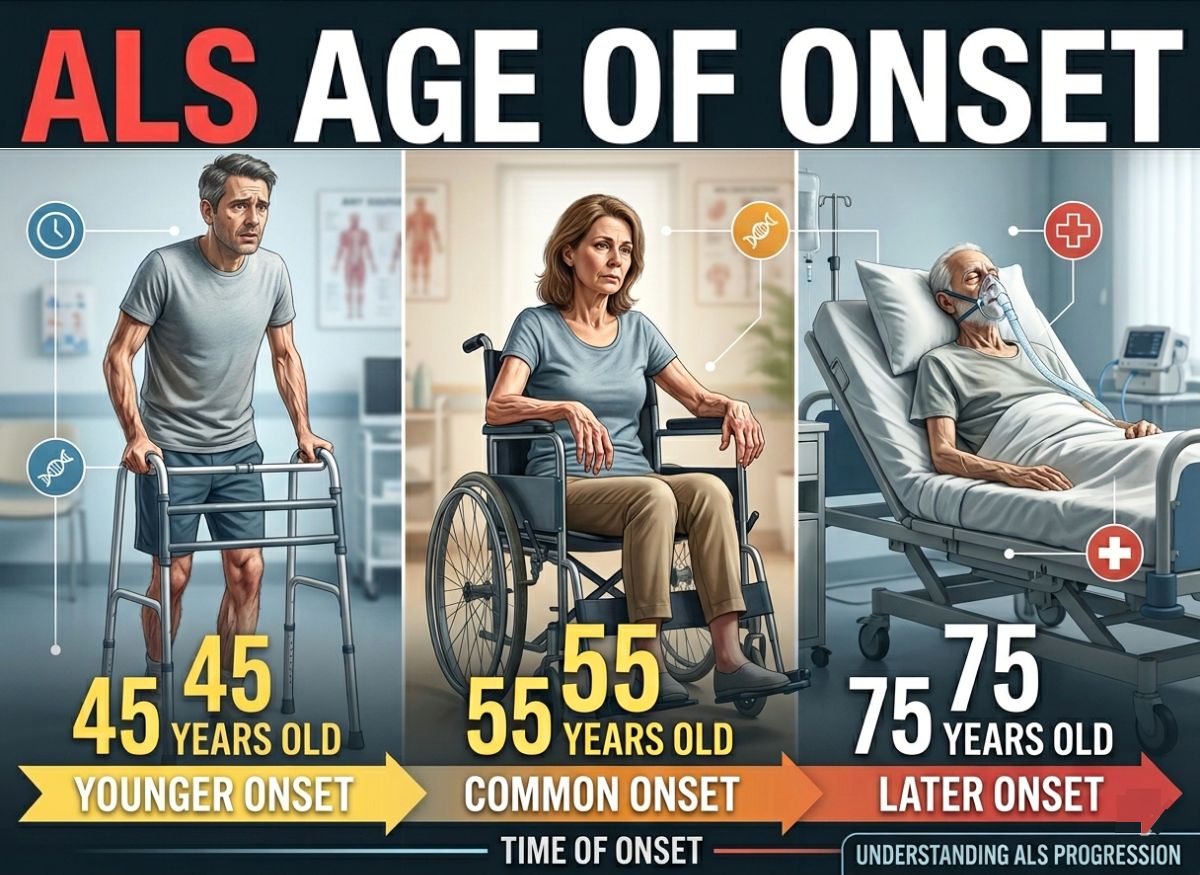
ALS is commonly sorted into four onset groups, defined by the age at which the first definitive symptoms appear: juvenile (under 25), young (under 45), typical (45 to 75), and late (over 75). This grouping helps clinicians and researchers understand demographic trends, possible genetic links, and differences in outlook. Each group has its own characteristics and prevalence, which shows how varied the disease’s timeline can be.
- Juvenile onset (under 25): The rarest form, accounting for a very small share of cases. It is almost always tied to specific genetic mutations, often with autosomal recessive inheritance. Progression and symptoms are highly variable and can differ markedly from the classic adult picture. Because it is so rare, it is hard to diagnose and is usually managed at specialized pediatric or genetic neurology centers.
- Young onset (under 45): Also called early-onset ALS, this group is a minority of cases but more common than the juvenile form. Diagnoses here often prompt extensive genetic testing, since a larger proportion are familial. Some studies suggest slower progression than in typical-onset ALS, though that is not universal and depends on several factors.
- Typical onset (45 to 75): By far the most common category, covering the vast majority of diagnoses. Peak incidence falls here, especially between 55 and 75. Most of these cases are sporadic, occurring with no known family history or genetic cause. Presentation and rate of progression vary widely within this large group.
- Late onset (over 75): A significant number of people are diagnosed in their late 70s and 80s. In this group, other age-related health conditions can mask or mimic ALS symptoms and complicate diagnosis. Some research suggests a faster disease course in late-onset ALS, particularly when it starts with bulbar symptoms affecting speech and swallowing.
Can ALS Develop in Younger or Older Adults?
Yes. ALS can develop in both younger and older adults, since the disease is not limited to the typical 45-to-75 range. It is statistically less common outside that range, but confirmed diagnoses span adulthood, from people in their early 20s to those well into their 80s and 90s.
This challenges the misconception that ALS affects only late middle age, and it underlines why the diagnosis should be considered in any adult with progressive motor neuron symptoms, whatever their age. That onset is possible at almost any adult age reflects the complexity of the underlying causes, thought to involve genetic susceptibility combined with environmental triggers that can converge at different points in life.
For younger adults, generally those under 45, an ALS diagnosis is considered early-onset. Cases in the 20s and 30s are rare but well documented. A familial link is more likely in these cases, and genetic testing often plays a bigger role in the workup. The emotional and social toll on this group is profound, since the diagnosis arrives during a stage focused on building a career, starting a family, and planning for the long term.
Late-onset ALS in adults over 75 or 80 is also well recognized. It can be hard to diagnose in older people because early symptoms such as weakness, fatigue, and balance trouble may be mistaken for normal aging or blamed on common conditions like arthritis, spinal stenosis, or stroke. Such misattribution can delay access to specialized care.
How Age of Onset Affects the Disease
Age of onset is an important prognostic factor. In general, a younger age at diagnosis is associated with slower progression and longer survival, while a later onset, particularly after 70, may be linked to faster functional decline and shorter survival.
This trend is well supported by clinical studies, but it is a statistical correlation, not a fixed rule. The pace of ALS is highly individual, and other factors, including where it starts (limb or bulbar), specific genetic mutations, and general health, also matter a great deal.
The biological reasons for the correlation aren’t fully understood and remain an active research area. One leading idea is that younger people have greater neurological reserve and stronger cellular repair mechanisms, which may let the nervous system compensate better for the gradual loss of motor neurons and delay clinical symptoms.
An aging nervous system, by contrast, may be less able to withstand the disease process, so decline is faster once it begins. Older adults are also more likely to have other conditions, such as cardiovascular disease or diabetes, which complicate management and may speed functional decline. Site of onset interacts with age as well: late-onset bulbar ALS is often especially fast-moving because of its immediate effect on breathing and nutrition.
First Signs of ALS
The first signs of ALS are typically a gradual, progressive, painless weakness in voluntary muscles, often beginning on one side in a single limb or in the muscles that control speech and swallowing. These early symptoms are frequently subtle and easily overlooked or mistaken for more common problems, which often contributes to delayed diagnosis.
To recognize them, it helps to know the two main onset patterns. The more common, affecting about two-thirds of patients, is limb-onset ALS, where symptoms first appear in the hands, arms, feet, or legs. The other is bulbar-onset ALS, affecting roughly one-third, where the first symptoms involve the muscles of the mouth, throat, and tongue. Knowing how each pattern shows up is key to spotting warning signs early.
Common Early Motor Symptoms
The most common early motor symptoms are muscle weakness, twitching (fasciculations), cramping, and stiffness (spasticity), usually starting in one specific area of the body.
These signs result directly from degeneration of motor neurons, the nerve cells that control voluntary movement. A hallmark of ALS onset is asymmetry: weakness may begin in just one hand or foot before spreading elsewhere. This focal, progressive pattern helps tell it apart from other conditions.
- Muscle weakness: Often the very first sign. It may appear as new clumsiness, such as trouble buttoning a shirt, turning a key, or writing. In the legs it may show up as tripping over rugs, stumbling, or foot drop, where the front of the foot drags while walking. The weakness is progressive, worsening over time and spreading to nearby muscles.
- Muscle twitching (fasciculations): Small, involuntary contractions or ripples visible under the skin. Many healthy people get occasional twitches, especially after exercise or caffeine, but in ALS they are persistent and usually accompanied by weakness and muscle wasting (atrophy). They can occur in any muscle group but are often noticed in the arms, legs, shoulders, or tongue.
- Cramping and stiffness (spasticity): Painful cramps, especially in the legs at night, can be an early indicator. As upper motor neurons (those in the brain) degenerate, muscles can become tight and stiff, known as spasticity. This can cause awkward or jerky movements and make tasks needing fine motor control difficult.
Initial Signs of Bulbar-Onset vs. Limb-Onset ALS
The first signs differ considerably between the two patterns because they involve different muscle groups from the start. Limb-onset ALS, the more common form, begins in the arms or legs, while bulbar-onset ALS begins with trouble in the muscles of the face, mouth, and throat. Identifying which muscles are affected first is a critical part of diagnosis.
Limb-onset ALS affects roughly 65 to 75% of patients and starts with weakness, clumsiness, or stiffness in a hand, arm, foot, or leg. The symptoms are almost always asymmetric.
- Upper limb onset: Early signs may include difficulty with fine tasks like buttoning clothes, using zippers, writing, or turning a key. A person might notice a weaker grip, frequently dropped objects, or trouble lifting an arm. Muscle wasting and twitching in the hand or forearm are also common early signs.
- Lower limb onset: The first symptom is often tripping, stumbling, or a sense of leg weakness or heaviness. Foot drop, where lifting the front of the foot becomes difficult, is a classic sign, causing the toes to drag while walking and often changing the person’s gait as they compensate.
Bulbar-onset ALS affects about 25 to 35% of patients and targets muscles controlled by cranial nerves from the bulbar region of the brainstem.
- Speech difficulties (dysarthria): Often the very first sign. Speech may become slurred, quiet, or nasal, as if talking with a stuffy nose. Words may be hard to articulate clearly, and speech may slow noticeably.
- Swallowing problems (dysphagia): These can start subtly, with coughing or choking on thin liquids or certain foods, or a feeling that food is sticking in the throat. They can lead to unintended weight loss and dehydration.
- Voice changes: Hoarseness, a strained voice, or reduced volume can also be early signs of bulbar muscle weakness.
Are Non-Motor Symptoms Among the First Signs?
Less commonly than motor symptoms, cognitive and behavioral changes or inappropriate emotional outbursts can be among the first signs of ALS for some people. For many years ALS was thought to affect only motor neurons, leaving thinking and emotional regulation untouched.
Modern research has shown a significant overlap between ALS and frontotemporal dementia (FTD), establishing ALS as part of a broader neurodegenerative spectrum. Motor weakness is still the classic presenting feature, but a notable minority of patients first notice, or first seek help for, non-motor problems.
One of the most important is cognitive or behavioral change of the kind seen in FTD. When these appear before or alongside motor weakness, the condition is often called ALS-FTD. Early signs can include apathy (loss of motivation), disinhibition (socially inappropriate remarks), personality change, loss of empathy, and impaired executive function, which affects planning, decision-making, and judgment. These changes can be subtle at first, and families may mistake them for depression or simple eccentricity before connecting them to a neurological disease.
Another prominent non-motor sign is pseudobulbar affect (PBA), a neurological condition marked by sudden, involuntary, exaggerated bouts of crying or laughing that are unrelated or out of proportion to the person’s real emotional state. Someone might laugh uncontrollably at something unfunny or cry during an emotionally neutral conversation. PBA can arise at any stage of ALS, but it can occasionally be one of the earliest and most puzzling symptoms, causing considerable embarrassment and distress before diagnosis.
The First Signs of ALS vs. Other Neurological Conditions
ALS is distinguished from other neurological conditions mainly by its unique combination of progressive, asymmetric muscle weakness involving both upper and lower motor neuron signs, without the sensory loss or relapsing-remitting course of other disorders. Many conditions cause weakness, but ALS’s specific pattern is a key diagnostic clue. Telling it apart from diseases like Multiple Sclerosis (MS) and Parkinson’s disease takes careful clinical examination.
ALS vs. Multiple Sclerosis (MS)
- Nature of symptoms: ALS is a purely motor neuron disease, with muscle weakness, twitching (fasciculations), and atrophy as its main symptoms. MS is an inflammatory demyelinating disease that can affect any part of the central nervous system, often causing sensory symptoms such as numbness, tingling, or vision problems (optic neuritis) alongside motor weakness. The absence of sensory deficits is a classic feature of ALS.
- Disease course: ALS is relentlessly progressive, with steady functional decline. MS, in its most common form, follows a relapsing-remitting course, with periods of new or worsening symptoms (relapses) followed by partial or complete recovery (remissions).
ALS vs. Parkinson’s Disease
- Primary motor features: Parkinson’s is defined by resting tremor (shaking most noticeable when the limb is at rest), bradykinesia (slowed movement), and rigidity (stiffness). ALS causes weakness and stiffness (spasticity) but does not typically cause a resting tremor. ALS weakness stems from motor neuron death, whereas Parkinson’s slowness relates to dopamine deficiency in the basal ganglia.
- Symmetry and progression: Parkinson’s symptoms often begin on one side but tend to affect movement control and speed broadly. ALS weakness also starts asymmetrically but spreads to adjacent muscles, leading to paralysis in the affected regions. The combination of upper motor neuron signs (spasticity, hyperreflexia) and lower motor neuron signs (weakness, atrophy, fasciculations) in the same limb is highly characteristic of ALS and is not a feature of Parkinson’s.
Diagnostic Processes for ALS
Diagnosing ALS rests on a thorough clinical evaluation that identifies progressive motor neuron degeneration, while a series of tests systematically rules out conditions that mimic its symptoms. Understanding the specific type of ALS, how it differs from other neurological diseases, and its rare variants is also important for a complete picture.
How ALS Is Diagnosed
Diagnosing ALS is a complex process of elimination, since no single test or biomarker can definitively confirm it. The journey begins with a detailed neurological exam by a specialist, who looks for signs of both upper motor neuron (UMN) and lower motor neuron (LMN) damage, such as muscle weakness, twitching (fasciculations), stiffness (spasticity), and exaggerated reflexes.
To support these findings and exclude other diseases, physicians use a series of tests. Electromyography (EMG) is critical: it measures the electrical activity of muscles and can detect nerve damage indicating LMN degeneration. A nerve conduction study (NCS) is often done alongside it to measure the speed and strength of electrical signals in the nerves, helping rule out peripheral neuropathies.
Magnetic Resonance Imaging (MRI) of the brain and spinal cord is used to exclude structural problems such as tumors, herniated discs, or inflammation that could produce similar symptoms. Blood and urine tests check for other conditions that can mimic ALS, including thyroid disorders, vitamin deficiencies, and infections. Ultimately, diagnosis depends on the presence of progressive motor neuron signs and the absence of evidence for any other disease process.
This multi-part approach is needed because so many conditions can look similar, and carefully ruling out these ALS mimics is essential for accuracy.
- Clinical observation: Monitoring over several months may be needed to see how symptoms progress, which is a hallmark of ALS.
- Genetic testing: If there is a family history of ALS, testing may be recommended to look for mutations in genes linked to familial ALS.
- Second opinions: Given the gravity of the diagnosis, a second opinion from a neurologist who specializes in neuromuscular disorders is often encouraged to make sure every other possibility has been thoroughly explored.
Types of ALS
ALS is broadly divided into two types by origin: sporadic and familial. The distinction is mainly genetic, since clinical symptoms and progression are often indistinguishable. Sporadic ALS (SALS) is by far the most common, accounting for 90 to 95% of diagnosed cases. As the name suggests, it appears to occur randomly, with no known associated risk factors or clear family history.
The exact cause of SALS is unknown, though researchers think it likely results from an interplay of genetic predisposition and environmental factors. Sporadic ALS typically begins between ages 55 and 75, and it affects people of all races and ethnic backgrounds. Familial ALS (FALS), by contrast, makes up the remaining 5 to 10% of cases and is defined by its hereditary nature, with the disease passed down through a family’s genetic line.
A person whose parent carries the FALS mutation has a 50% chance of inheriting the faulty gene and developing the condition. Scientists have identified more than a dozen genes associated with FALS, the most common mutations being in C9orf72, SOD1, TARDBP, and FUS. Understanding these classifications matters for both patient counseling and research into the disease’s underlying mechanisms, and distinguishing the forms helps guide clinical decisions and points to possible therapeutic targets.
- Genetic link: Sporadic ALS has no known genetic cause, but research continues to explore susceptibilities that might make some people more vulnerable to environmental triggers.
- Clinical presentation: Both forms show the same core symptoms of progressive muscle weakness, atrophy, and eventual paralysis. Rate of progression and specific symptoms vary widely between individuals regardless of type.
- Research implications: Studying the known mutations in FALS offers valuable clues about the cellular processes that go wrong in all forms of ALS, helping scientists develop treatments that could benefit everyone with the disease.
Juvenile ALS and How Rare It Is
Juvenile ALS is an extremely rare variant with an age of onset before 25. Typical adult-onset ALS emerges later in life, while the juvenile form is a distinct and uncommon clinical entity. Its rarity makes it hard to study, but it is understood to be strongly linked to specific genetic mutations.
Unlike most adult-onset cases, which are sporadic, juvenile ALS is almost always hereditary, caused by mutations in genes such as ALS2 (alsin), SETX (senataxin), and FUS. Its presentation can differ from the adult form, often beginning with symptoms in the upper limbs and facial muscles, including spasticity and dysarthria (difficulty speaking).
A key distinguishing feature is its speed of progression. Juvenile ALS typically advances much more slowly than the adult-onset form, and people often survive for decades after diagnosis. That contrasts sharply with the rapid decline seen in most adult patients, whose life expectancy is typically three to five years after diagnosis.
Because of this slow progression and its distinctive genetic basis, some researchers regard it as a separate disorder within the broader spectrum of motor neuron diseases. Diagnosing and managing it is challenging given its extreme rarity and the limited research available.
- Genetic basis: The mutations behind juvenile ALS often involve different pathological mechanisms than adult-onset familial or sporadic ALS. The ALS2 gene, for example, is involved in endosomal trafficking within cells, a process less commonly implicated in adult forms.
- Symptom profile: Upper motor neuron signs like spasticity are prominent, while lower motor neuron signs such as muscle wasting and fasciculations may be less pronounced at first than in adult-onset ALS.
- Diagnostic challenge: Its rarity means it is often not considered in the initial differential for a young person with neurological symptoms, which can cause significant delays in accurate diagnosis and call for specialized evaluation at a major neuromuscular center.
FAQs
1. What age does ALS usually start?
ALS most often begins between 40 and 70, with many cases diagnosed in the mid-50s. Age is one of the strongest risk factors, so the likelihood rises as you get older. But there is no strict rule: some people develop symptoms earlier, while others don’t notice signs until later in life. Because of this variation, awareness of early symptoms matters at any adult age.
2. How long can you live with ALS?
Life expectancy varies widely from person to person. On average, many people live 2 to 5 years after diagnosis, but some live much longer, especially with early care and supportive treatment. The speed of progression, overall health, and access to medical support all influence survival. Though the condition is serious, some people adapt and maintain quality of life for years.
3. Can a 30-year-old get ALS?
Yes, though it is rare. Cases beginning before age 40 are sometimes called early-onset ALS. They may be linked to genetic factors more often, but not always. Because it is uncommon, early symptoms in younger people are often overlooked or mistaken for less serious conditions.
4. Who is the youngest person with ALS?
ALS can affect people at very young ages, though such cases are extremely rare. One widely reported example is Kyle Sieniawski, recognized as one of the youngest known cases of motor neurone disease (MND) in the United Kingdom, diagnosed with an aggressive form of ALS at just 13. His condition advanced rapidly. Subtle symptoms such as weakness, coordination trouble, and changes in movement soon became a significant loss of muscle control. Within a short time, everyday activities grew increasingly difficult and he needed a wheelchair. As the disease progressed, his breathing muscles were affected, requiring respiratory support and assistive devices.
Despite medical care and support, ALS kept advancing quickly. Kyle died at 14, showing how aggressive and unpredictable the disease can be in rare early-onset cases. His story underscores the importance of awareness, early recognition of symptoms, and ongoing ALS research, especially for younger patients.
5. Can ALS be stopped if caught early?
At present, ALS cannot be stopped or cured, even when found early. Early diagnosis does allow earlier treatment, better symptom management, and improved quality of life. Medications, therapies, and supportive care can help slow progression in some cases and give people more time with better function.
Conclusion
ALS often begins quietly, blending into the background of daily life until the signs can no longer be ignored. That is why understanding the age of onset and the early symptoms matters so much. When you recognize subtle changes early, you gain time: time to seek evaluation, start supportive care, and make informed decisions.
ALS remains a complex and serious condition, but awareness provides a sense of direction in a situation that can otherwise feel uncertain. Knowing what to look for doesn’t create fear. It creates clarity, letting you respond instead of react. Every case of ALS is different, with its own pace and course. Paying attention to early signs lets you approach it with preparation rather than surprise, and sometimes that awareness can make a real difference in how the journey unfolds.



![Understanding BMI: How It Affects Health and Weight Management By Cara May 22, 2026 Body Mass Index (BMI) is a commonly used measurement for evaluating whether a person’s weight is appropriate for their height. It is calculated by dividing weight in kilograms by height in meters squared (kg/m²). Although BMI is simple and convenient, it does not directly measure body fat. Instead, it gives a general indication of whether someone falls into an underweight, healthy weight, overweight, or obese category. Understanding BMI is useful because it is linked with several health risks, including heart disease, diabetes, and some cancers, and can help guide weight-management efforts. BMI can also be affected by age, sex, muscle mass, bone density, and overall body composition. Someone with a large amount of muscle, such as an athlete, may have a higher BMI without having excess body fat. In this article, we will look at how BMI relates to health, its limitations, and practical approaches to maintaining a healthy weight and supporting long-term wellness. Table of Contents What is Body Mass Index (BMI) and How Is It Measured? To better understand body weight and physical composition, healthcare professionals often use a quick and standardized measurement called Body Mass Index. Instead of considering body weight alone, BMI compares weight with height and provides an initial indication of whether a person falls within a healthy range or a higher-risk category. The Formal Definition of Body Mass Index Body Mass Index is an anthropometric measurement that compares weight with height. It is generally expressed in kilograms per square meter (kg/m²). Historical Roots: BMI was originally developed in the 19th century by Belgian mathematician and statistician Adolphe Quetelet and was called the Quetelet Index. Quetelet did not develop it as a diagnostic tool for individual patients. Instead, he used mathematics to describe average characteristics across populations. A Proxy for Body Fatness: During the 20th century, researchers found that BMI had a moderate to strong relationship with more direct measurements of body fat, including DEXA scans and underwater weighing. The Clinical Role: Today, organizations such as the World Health Organization (WHO) use BMI as an inexpensive and convenient screening measurement. It can help identify possible metabolic and cardiovascular risks, but it should be viewed as a starting point rather than a complete measure of health. Standard Mathematical Formulas to Calculate Your BMI BMI can be calculated using either metric or imperial measurements. Both methods produce the same BMI value when the appropriate formula and units are used. Subscribe to Woman & Lifestyle! Receive the latest posts and updates from Woman & Lifestyle directly in your inbox. Subscribe We use your personal data for interest-based advertising, as explained in our Privacy Notice. The Metric Formula (kg and m) The metric BMI formula is used internationally. If you are calculating BMI using kilograms and meters, use the following equation: BMI = Weight (kg) ÷ Height (m)² Step 1: Measure your weight in kilograms, such as 70 kg. Step 2: Measure your height in meters and square the number. For someone who is 1.75 m tall: 1.75 × 1.75 = 3.0625 m² Step 3: Divide the weight by the squared height: 70 ÷ 3.0625 = 22.86 The resulting BMI is approximately 22.9. The Imperial Formula (lbs and in) When using pounds and inches, a conversion factor of 703 is needed to calculate BMI correctly. Step 1: Record your weight in pounds, such as 150 lbs. Step 2: Convert your complete height into inches. For someone who is 5 feet 9 inches tall: (5 × 12) + 9 = 69 inches Step 3: Square the height: 69 × 69 = 4,761 in² Step 4: Divide the weight by the squared height: 150 ÷ 4,761 = 0.031506 Step 5: Multiply the result by 703: 0.031506 × 703 = 22.14 The final BMI score is approximately 22.1. Evaluating Categories on the BMI Scale After calculating your BMI, the result can be compared with the standard weight categories. [THE BMI WEIGHT CLASSIFICATION] │ ┌───────────────────────────┼───────────────────────────┐ ▼ ▼ ▼ [UNDERWEIGHT ZONE] [HEALTHY ZONE] [OVERWEIGHT / OBESE] • BMI: Below 18.5. • BMI: 18.5 – 24.9. • Overweight BMI: 25.0 – 29.9. • Elevated health risks. • Optimal balance. • Obese BMI: 30.0 and Above. Underweight BMI (Below 18.5): A BMI below 18.5 may indicate that a person’s body weight is low for their height. It can sometimes be associated with nutritional deficiencies or concerns involving bone health. Healthy Weight (18.5 – 24.9): This range is generally associated with the lowest statistical risk of several chronic health conditions. Overweight (25.0 – 29.9): This range represents a higher weight relative to height and may encourage further evaluation of lifestyle and cardiovascular health. Obese (30.0 and Above): A BMI of 30 or higher falls within the obesity category. Healthcare professionals may use this as a reason to evaluate possible concerns such as type 2 diabetes, sleep apnea, and joint problems. Obesity can also be divided into Class I, II, and III. Biological Variations: Sex and Age Factors The BMI equation uses the same basic calculation for everyone, but its interpretation can vary depending on age, sex, and body composition. Adult Biological Sex Nuances: Men generally have greater amounts of lean muscle and bone mass, while women naturally have a higher proportion of essential body fat. Because muscle is denser than fat, a muscular athlete may have a high BMI while still having a relatively low body-fat percentage. Although the standard healthy BMI range for adults is generally 18.5 to 24.9, individual body composition should also be considered. Age-Based Metrics: BMI is interpreted differently in children and adolescents, where age- and sex-specific growth charts are used instead of adult cutoffs. In older adults, body composition changes with age, including possible muscle loss and changes in body fat, so BMI should be considered alongside other health measurements. What Do the BMI Categories Mean for Your Health? BMI is more than a number on a chart. It is commonly used as a screening measurement to identify possible long-term health concerns. Because body weight can affect the cardiovascular system, metabolism, and joints, healthcare professionals may consider BMI when evaluating overall health and disease risk. Standard BMI Categories and the Obesity Scale The World Health Organization (WHO) provides standard BMI ranges for adults aged 20 and older. These categories offer a general way to compare body weight with height. Category BMI Range Health Risk Level Underweight BMI Below 18.5 Elevated (Nutritional / Structural) Normal Weight 18.5 – 24.9 Lowest Statistical Risk Overweight 25.0 – 29.9 Increased Risk Obesity Class I 30.0 – 34.9 High Risk Obesity Class II 35.0 – 39.9 Very High Risk Obesity Class III 40.0 and above Extremely High (Severe) Risk Medical Risks Associated with a High BMI If a BMI calculation falls within the overweight or obesity ranges, it may indicate a higher amount of body fat. Fat stored deep within the abdomen, known as visceral fat, is particularly active metabolically and can influence several processes within the body. [HIGH BMI SYSTEMIC IMPACT] │ ┌────────────────────────┼────────────────────────┐ ▼ ▼ ▼ [CARDIOVASCULAR STRAIN] [METABOLIC DISRUPTION] [STRUCTURAL STRESS] • Increases blood pressure. • Triggers insulin resistance. • Accelerates joint wear. • Alters lipid profiles. • Affects blood sugar control. • Causes osteoarthritis. • Leads to atherosclerosis. • Raises diabetes risk. • Triggers sleep apnea. Cardiovascular Disease and Hypertension: Excess body weight can make the heart work harder and is associated with high blood pressure. Over time, high blood pressure together with unhealthy cholesterol and triglyceride levels can contribute to plaque buildup in the arteries, increasing cardiovascular risk. Type 2 Diabetes: Higher BMI is strongly associated with insulin resistance. Abdominal fat can interfere with the way the body responds to insulin, requiring the pancreas to produce more insulin to regulate blood glucose. Over time, this can contribute to type 2 diabetes. Oncology Risks: Public health research has associated obesity with a higher risk of several cancers, including colorectal, kidney, endometrial, esophageal, and postmenopausal breast cancer. Mechanical and Pulmonary Strain: Extra body weight can place additional pressure on the knees, hips, and other joints, contributing to osteoarthritis. Fat around the neck can also affect the airway during sleep and contribute to obstructive sleep apnea. Medical Risks Associated with a Low BMI Although much attention is given to obesity, being in the underweight BMI category can also be associated with important health concerns. Malnutrition and Nutritional Anemia: A low BMI may sometimes indicate inadequate calorie or nutrient intake. Insufficient iron, for example, can interfere with hemoglobin production and contribute to iron-deficiency anemia, fatigue, and dizziness. Osteoporosis and Bone Fractures: Inadequate amounts of nutrients such as calcium, magnesium, and vitamin D can negatively affect bone health. Reduced bone density may increase susceptibility to osteoporosis and fractures. Impaired Immune Function: The immune system needs sufficient energy, protein, and nutrients to produce immune cells and antibodies. Severe undernutrition can weaken immune defenses and may slow wound healing. Reproductive and Hormonal Shutdown: Very low body weight can interfere with reproductive hormone production in women. This may cause the menstrual cycle to stop, a condition known as amenorrhea, and can affect fertility. Clinical Context: One Tool Among Many Although a height-weight-BMI calculator can be useful for identifying possible health concerns, BMI is only a screening measurement and not a complete diagnosis. The BMI equation cannot distinguish between muscle and body fat. As a result, a highly muscular person may fall into an overweight or obese BMI category despite having relatively little body fat. For a more complete health assessment, healthcare professionals may consider BMI together with waist circumference, blood pressure, body composition, and metabolic laboratory results. The Limitations of BMI as a Health Indicator BMI is useful for quick population-level screening, but it has important limitations when applied to individuals. The calculation does not separate muscle, bone, body water, and fat tissue. Using BMI alone can therefore produce an incomplete picture. Some healthy people may be classified as overweight because of their muscle mass, while others with metabolic risks may have a BMI within the normal range. The Muscle vs. Fat Conundrum One of the biggest limitations of BMI is that the calculation cannot tell the difference between lean muscle and body fat. The Dense Tissue Problem: Muscle is denser than fat, meaning the same volume of muscle weighs more than the same volume of fat. The Athlete False Positive: Strength-trained people, bodybuilders, and athletes can have a high weight-to-height ratio because they carry substantial amounts of muscle. As a result, their BMI may fall within the overweight or obese category even when their actual body-fat percentage is relatively low. The Sarcopenic False Negative: An older or inactive person may have a BMI within the normal range while having reduced muscle mass and a higher proportion of body fat. This condition, sometimes described as sarcopenic obesity, may involve metabolic risks that a basic BMI measurement does not reveal. Demographic and Ethnic Disparities in BMI Accuracy Standard adult BMI thresholds do not fully reflect differences in body composition, age, sex, and ethnicity. [ETHNIC AND AGE BMI ADJUSTMENTS] │ ┌───────────────────────────┴───────────────────────────┐ ▼ ▼ [THE AGING TRANSLATION] [ETHNICITY CUTOFF SHIFTS] • Muscle declines; fat increases. • Asian populations may hold more visceral fat. • Same BMI can mean different body fat. • WHO Asian Overweight Threshold: 23.0. • Standard charts may miss some risks. • Higher diabetes risk at lower weights. Biological Sex and Aging Shifts Sex Differences: At the same BMI, women generally have a higher percentage of body fat than men because of natural differences in body composition. The standard BMI scale, however, uses the same adult categories for both sexes. The Aging Shift: Aging can lead to gradual muscle loss and increased body fat even when overall weight remains relatively stable. Therefore, the same BMI can represent different body compositions in younger and older adults. Ethnic-Specific Biomarkers Research indicates that the relationship between BMI, body fat, and metabolic disease risk can vary among ethnic groups. South Asian, Chinese, and Hispanic Populations: People from some of these populations may have a greater tendency to store fat around internal organs rather than beneath the skin. Visceral fat is associated with inflammation and insulin resistance. South Asian populations, in particular, can experience type 2 diabetes and cardiovascular disease at lower BMI levels than some other populations. Altered Clinical Cutoffs: Because standard BMI values may not capture the same level of metabolic risk across all populations, lower BMI thresholds are sometimes used for Asian populations. The overweight threshold may be set at 23.0 and the obesity threshold at 27.5. Conversely, differences in muscle and bone density among other populations can affect how accurately standard BMI categories represent body-fat levels. Metabolically Healthy Obesity (MHO) The concept of “metabolically healthy obesity” demonstrates why overall health cannot always be represented by one BMI number. A person may have a BMI within the obesity range while still having favorable blood sugar, cholesterol, and blood pressure measurements. Good blood sugar control and insulin sensitivity. A healthy lipid profile, including favorable triglyceride and HDL levels. Normal blood pressure. These characteristics may be influenced by genetics, dietary habits, physical activity, cardiovascular fitness, and how body fat is distributed. A Note of Clinical Caution: Metabolic health can change over time. Some people who initially appear metabolically healthy may develop metabolic problems as they age. In addition, higher body weight can continue to contribute to mechanical concerns such as osteoarthritis and sleep apnea. Comprehensive Metabolic Alternatives Because BMI has limitations, healthcare professionals can use additional measurements to gain a broader understanding of body composition and metabolic health. Waist-to-Hip Ratio (WHR): This measurement helps evaluate where body fat is distributed. A higher ratio may indicate greater abdominal and visceral fat. Direct Body Fat Percentage (DEXA / BIA): DEXA scans and Bioelectrical Impedance Analysis (BIA) can provide estimates of body fat, lean muscle mass, and bone density. Comprehensive Metabolic Panels: Measurements such as fasting blood glucose, HbA1c, blood pressure, and other laboratory markers can provide additional information about metabolic health. How should BMI be used for children and adolescents? BMI is interpreted differently in children and adolescents than it is in adults. Since young people are continuously growing and their muscle, bone, and body-fat levels change throughout development, adult BMI categories cannot simply be applied to children. Instead, pediatricians use age- and sex-specific BMI percentile charts to monitor growth patterns and changes over time. Why Static BMI Charts Fail for Growing Bodies For adults, a BMI of 26 falls into the overweight category regardless of whether the person is 25 or 75. For children, however, a single fixed cutoff does not work because body composition changes considerably during development. Fluctuating Adiposity Waves: Children naturally experience changes in body fat throughout development. Body fat may increase during infancy, decrease during early childhood, and rise again as adolescence approaches. The Biological Sex Divergence: Boys and girls develop muscle and body fat at different rates and at different stages of puberty. For this reason, pediatric BMI must be interpreted using age- and sex-specific growth charts rather than adult BMI tables. Deciphering the Pediatric Percentile System When a healthcare provider calculates a child’s BMI, the result is converted into a percentile. This percentile compares the child’s BMI with those of other children of the same age and sex. The CDC divides pediatric BMI results into four primary categories: Underweight BMI (Below the 5th Percentile): A BMI below the 5th percentile may indicate that a child weighs less relative to height than most peers of the same age and sex. A healthcare professional may evaluate nutrition, growth, and possible underlying concerns. Healthy Weight (5th Percentile up to the 85th Percentile): This range represents the standard healthy-weight category for children and adolescents and indicates that weight is generally proportionate to height and development. Overweight (85th Percentile up to the 95th Percentile): A BMI within this range may indicate a higher weight relative to height compared with peers. It can be a reason to review nutrition, physical activity, and overall health habits rather than automatically beginning restrictive dieting. Obesity (95th Percentile and Above): A BMI at or above the 95th percentile falls within the pediatric obesity category. This can prompt healthcare professionals to monitor factors such as blood pressure, insulin resistance, and joint health. The Power of Trend Tracking vs. Single Snapshots For children, the pattern of growth over time is often more informative than one BMI measurement. Ideally, children continue to follow a relatively consistent growth curve as they develop. Stable Growth vs. Sudden Spikes: If a child has consistently followed around the 80th percentile and is otherwise healthy and active, that pattern may simply reflect their individual growth. However, a rapid change from the 50th percentile to the 95th percentile within a short period may warrant further evaluation. A Screening Tool, Not a Diagnosis: Pediatric BMI cannot determine whether a child’s weight comes from muscle, bone, or body fat. A muscular teenager who participates in sports may have a high BMI percentile because of increased muscle mass. For this reason, pediatricians do not rely on BMI percentiles alone. They may also consider sleep, physical activity, screen time, blood pressure, growth history, and overall health when evaluating a child. Conclusion Understanding Body Mass Index can provide useful information about body weight and potential health risks. Staying within a generally healthy BMI range is associated with a lower risk of conditions such as cardiovascular disease, type 2 diabetes, joint problems, and other obesity-related concerns. However, BMI should not be viewed on its own. Measurements such as waist circumference, body-fat percentage, lifestyle habits, and metabolic health can provide a more complete picture. A balanced diet, regular physical activity, sufficient sleep, and effective stress management can support healthy weight management and overall wellness. Speaking with a healthcare professional can also help ensure BMI is interpreted appropriately within a person’s broader health picture. Understanding both the usefulness and limitations of BMI allows people to make informed choices that support long-term health. Read more: Blurry Vision Causes: 8 Reasons Eyes May Be Foggy FAQ What is Body Mass Index and how is it calculated? Body Mass Index (BMI) is a measurement that compares a person’s weight with their height. It is calculated by dividing weight in kilograms by height in meters squared (kg/m²). BMI is commonly used to place people into categories such as underweight, normal weight, overweight, or obese. However, it does not directly measure body fat or account for factors such as muscle mass and bone density. Why is Body Mass Index important for health? BMI is useful because it is associated with several chronic health risks. A BMI outside the standard healthy range may be linked with a greater risk of conditions such as heart disease, high blood pressure, type 2 diabetes, certain cancers, and joint problems. Healthcare professionals can use BMI as one screening measure when evaluating potential health concerns. What are the limitations of Body Mass Index? BMI does not account for muscle mass, body-fat distribution, age, sex, or bone density. For example, athletes and muscular individuals may have a high BMI despite having relatively little body fat. Similarly, an older adult may have a normal BMI while carrying a higher proportion of body fat. For a fuller assessment, BMI can be considered alongside measurements such as waist circumference, body-fat percentage, and metabolic health indicators. How can I maintain a healthy Body Mass Index? Maintaining a healthy BMI can involve balanced nutrition, regular exercise, sufficient sleep, and effective stress management. Eating a variety of fruits, vegetables, whole grains, lean proteins, and healthy fats can support overall nutrition. Limiting highly processed foods and sugary drinks while staying physically active can also support healthy weight management. When should I consult a healthcare professional about my Body Mass Index? Consider speaking with a healthcare professional if your BMI remains consistently above or below the standard healthy range or if you have additional concerns such as high blood pressure, blood sugar problems, or cardiovascular risk factors. A healthcare professional can assess your overall health, identify possible underlying concerns, and help develop an appropriate weight-management approach.](https://dubaiinfohub.com/wp-content/uploads/2026/09/ll-1-768x560.jpg)