
6 Signs You Might Have Vitamin D Toxicity and What to Do About It

Vitamin D is important for strong bones, healthy immune function, calcium absorption, and overall wellness. Often called the “sunshine vitamin,” it plays an essential role in several processes throughout the body. However, getting too much vitamin D can also create health problems. Excessive intake, particularly from supplements, may cause vitamin D toxicity and disturb the body’s normal calcium balance.
Vitamin D toxicity is uncommon, but the widespread use of high-dose supplements has made it an important concern. Symptoms such as nausea, tiredness, excessive thirst, and frequent urination can sometimes be mistaken for other conditions. If excessive vitamin D intake continues, it may cause high calcium levels, kidney complications, and other serious problems. Recognizing the warning signs early can help reduce the risk of lasting harm.
In this article, we’ll look at the 6 signs you might have vitamin D toxicity and what you can do about it. Understanding the causes, symptoms, risk factors, and treatment options can help you use vitamin D supplements more safely and responsibly.
Defining the Biological Mechanism of Vitamin D Toxicity
To understand why too much vitamin D can be harmful, it helps to know how the body handles this fat-soluble vitamin. Unlike water-soluble vitamins such as vitamin C and many B vitamins, vitamin D is stored in the body rather than being rapidly removed through urine.
Because vitamin D can remain in the body, excessive supplementation over time may cause levels to become unusually high. Vitamin D toxicity generally develops when prolonged excessive intake results in elevated vitamin D levels and, importantly, an abnormal rise in blood calcium.
The Role of Hypercalcemia in Vitamin D Intoxication
One of the main complications of vitamin D toxicity is hypercalcemia, which means having too much calcium in the bloodstream. Vitamin D normally helps the intestines absorb calcium so the body can support healthy bones and perform important cellular functions.
When vitamin D levels become excessively high, calcium absorption can increase significantly. The resulting hypercalcemia can affect several organs and may contribute to symptoms involving the digestive system, kidneys, nervous system, and heart.
Understanding D3 Toxicity and Cumulative Storage
When discussing D3 toxicity, it is useful to distinguish between vitamin D produced naturally through sunlight and the concentrated amounts found in supplements. Sun exposure does not normally cause vitamin D toxicity because the skin has natural mechanisms that limit vitamin D production.
Most cases of vitamin D toxicity are linked to excessive oral supplementation rather than sunlight. High doses taken repeatedly can gradually increase vitamin D levels, and symptoms may take time to appear. This slow development can make excessive intake difficult to recognize until calcium levels also become elevated.
The Systemic Impact of a Vitamin D Poison State
Severe vitamin D toxicity can affect multiple parts of the body, mainly because of the resulting hypercalcemia. High calcium levels may interfere with normal nervous system function and cause symptoms such as confusion, weakness, drowsiness, or significant fatigue.
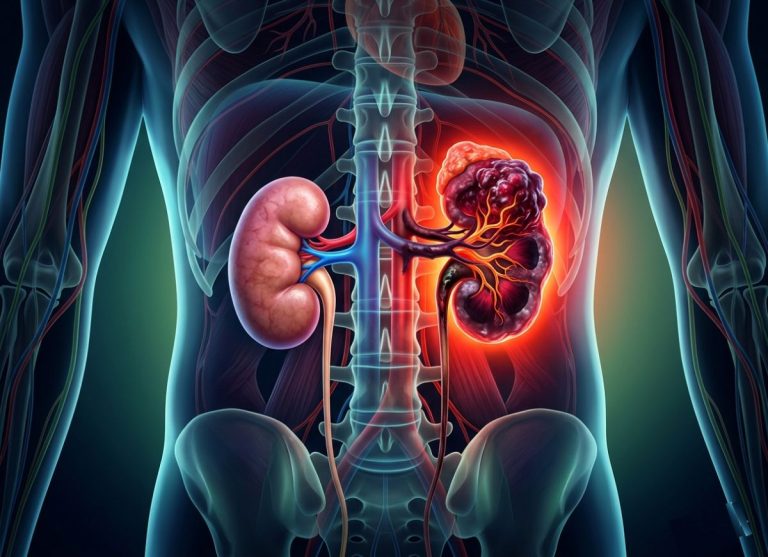
The kidneys are also particularly vulnerable because they must regulate calcium and fluid balance. In severe cases, abnormal calcium levels may contribute to kidney injury or calcium deposits. These potential complications demonstrate why excessive vitamin D supplementation should be taken seriously.
Monitoring the Level of Vitamin D Toxicity
The assessment of possible vitamin D toxicity generally involves blood testing. A healthcare professional may check 25-hydroxyvitamin D, along with calcium and kidney function, to determine whether excessive vitamin D intake has affected the body.
There is no single vitamin D blood level that should be used by itself to diagnose toxicity. Very high 25-hydroxyvitamin D levels are associated with increased risk, but symptoms and calcium levels are also important. Anyone taking large doses of vitamin D should discuss appropriate monitoring with a healthcare professional.
Primary Causes of Vitamin D Toxicity and Intoxication
Understanding what causes vitamin D toxicity can help prevent it. The body normally regulates vitamin D obtained through sunlight and ordinary foods effectively. Toxicity most often occurs when unusually large amounts are consumed through supplements.
When high doses are taken repeatedly without appropriate medical supervision, vitamin D can accumulate and eventually contribute to excessive calcium absorption and hypercalcemia.
Excessive Use of High-Dose Supplements
Long-term use of high-dose vitamin D supplements is one of the main causes of vitamin D toxicity. Some people take very large doses in an attempt to correct a suspected deficiency quickly or to improve general health.
The problem is that taking more vitamin D does not necessarily provide additional benefits. Repeatedly consuming amounts far above recommended levels can increase the risk of excessive vitamin D levels and related calcium problems.
Prescription and Manufacturing Errors
Vitamin D toxicity can also occur because of medication or supplement dosing errors. A person may accidentally take a higher dose than intended or misunderstand instructions for a high-potency prescription.
For example, a large vitamin D dose prescribed for periodic use should not automatically be taken every day. Mistakes involving concentrated vitamin D drops can also result in excessive intake, particularly in infants and young children.
Underlying Health Conditions and Hypersensitivity
Certain health conditions can increase the risk of abnormal calcium levels or alter vitamin D metabolism. Granulomatous diseases such as sarcoidosis and some infections can increase the body’s production of active vitamin D.
Conditions such as primary hyperparathyroidism can also affect calcium regulation. Certain rare genetic disorders may interfere with vitamin D breakdown. People with these conditions may require more careful monitoring when using vitamin D supplements.
The Cumulative Nature of Vitamin D Supplement Overdose Symptoms
Vitamin D toxicity generally develops gradually rather than immediately. A person may take excessive amounts for weeks or months before noticeable symptoms develop.
As vitamin D levels rise, calcium levels may also increase. Symptoms such as nausea, weakness, fatigue, excessive thirst, and frequent urination can appear as the condition progresses. This gradual pattern is why prolonged high-dose supplementation should be medically monitored when appropriate.
6 Major Signs of Vitamin D Toxicity in Adults
Vitamin D toxicity can initially resemble several common health problems. Fatigue, digestive symptoms, thirst, or changes in urination may have many possible causes. However, when these symptoms occur alongside a history of excessive vitamin D supplementation, toxicity should be considered.
The following six signs are particularly important because many are related to elevated calcium levels.
Hypercalcemia and Severe Digestive Distress
Digestive problems can be among the early signs associated with vitamin D toxicity and hypercalcemia. Excess calcium in the bloodstream can affect normal gastrointestinal function.
Possible symptoms include nausea, vomiting, constipation, reduced appetite, and abdominal discomfort. In more serious cases, persistent digestive symptoms may contribute to dehydration and unintended weight loss.
Altered Mental Status and Chronic Fatigue
High calcium levels can affect the nervous system and may cause significant tiredness, weakness, difficulty concentrating, or confusion.
Some people may experience unusual drowsiness or a feeling of mental fog. Severe hypercalcemia can cause more serious changes in mental status and requires prompt medical attention.
Excessive Thirst (Polydipsia) and Polyuria
Unusual thirst and frequent urination can occur when calcium levels become excessively high. Hypercalcemia can interfere with the kidneys’ ability to concentrate urine, causing increased fluid loss.
As a result, a person may feel unusually thirsty and need to urinate much more frequently than normal. Persistent symptoms can contribute to dehydration and may place additional stress on the kidneys.
Formation of Kidney Stones and Nephrocalcinosis
High calcium levels can increase the risk of calcium-containing kidney stones. In severe or prolonged cases, calcium can also accumulate within kidney tissue, a condition known as nephrocalcinosis.
These complications can affect kidney function and may become serious if the underlying vitamin D toxicity and hypercalcemia are not addressed.
Persistent Bone Pain and Pathological Fractures
Although vitamin D is essential for maintaining healthy bones, extremely excessive intake does not make bones stronger. Severe vitamin D toxicity primarily causes problems through abnormal calcium levels.
Prolonged disturbances in calcium metabolism can affect bone health and may contribute to bone discomfort or other skeletal complications. Severe cases require medical evaluation rather than additional vitamin D supplementation.
Cardiac Arrhythmia and Induced Hypertension
Significant hypercalcemia can interfere with the electrical activity of the heart. In severe cases, this may contribute to abnormal heart rhythms, palpitations, or other cardiovascular symptoms.
Serious disturbances in calcium levels can become medically urgent, especially when they occur with weakness, confusion, dehydration, or an irregular heartbeat. Immediate medical care may be necessary when severe symptoms develop.
Risk Factors for Vitamin D Toxicity
Knowing which situations increase the likelihood of vitamin D toxicity can help people use supplements more safely. Although toxicity is relatively rare, the risk increases substantially when very high doses are used for extended periods.
Who Is Most at Risk?
Individuals taking high-dose supplements without medical supervision: People who regularly take large amounts of vitamin D without professional guidance have a greater risk of excessive vitamin D levels. This is especially concerning when supplementation continues for long periods without appropriate monitoring.
Patients with granulomatous diseases such as sarcoidosis or tuberculosis: Some granulomatous conditions can alter vitamin D metabolism and increase active vitamin D production. This may contribute to elevated calcium levels and make careful monitoring important.
People with primary hyperparathyroidism: Primary hyperparathyroidism affects calcium regulation. Additional vitamin D may need to be used carefully in people with this condition because calcium levels can already be elevated.
Those with kidney disorders: Kidney disease can interfere with calcium and vitamin D regulation. People with impaired kidney function may therefore require individualized advice before using vitamin D supplements.
Infants and elderly individuals: Infants can be particularly vulnerable to dosing mistakes involving concentrated vitamin D drops. Older adults may also take several supplements or medications, increasing the possibility of accidentally receiving excessive amounts.
Individuals consuming excessive fortified products: Vitamin D may be present in fortified milk, cereals, nutritional drinks, and other foods. Consuming many fortified products together with supplements can increase total intake, so it is important to consider all sources.
Understanding these risk factors can help reduce the chances of vitamin D toxicity. Following recommended doses, avoiding unnecessary megadoses, and discussing high-dose supplementation with a healthcare professional are important preventive measures.
Clinical Protocols for Treating Vitamin D Toxicity
Treatment for vitamin D toxicity depends on how high the vitamin D and calcium levels are and whether complications have developed. Because excessive vitamin D can remain in the body for an extended period, symptoms may not disappear immediately after supplementation is stopped.
Medical treatment focuses on stopping the source of excess vitamin D, correcting high calcium levels, protecting kidney function, and monitoring the patient until the condition improves.
Immediate Cessation of Intake and Dietary Modification
The first step is generally to stop unnecessary vitamin D supplementation under medical guidance. A healthcare professional may also review other supplements and fortified products that could be contributing to excessive intake.
If hypercalcemia is present, dietary calcium intake may also be reviewed as part of the treatment plan. Any dietary restrictions should be individualized rather than followed without professional advice.
Aggressive Intravenous Hydration and Renal Protection
People with significant hypercalcemia may require intravenous fluids in a medical setting. IV saline can help correct dehydration and support the kidneys as they remove excess calcium.
Additional medications may sometimes be used when calcium levels are severely elevated or when hydration alone is not sufficient. Treatment should be determined by a medical professional based on laboratory results and the patient’s overall condition.
Monitoring and Long-Term Recovery
Blood tests are important during recovery from vitamin D toxicity. Doctors may monitor calcium, 25-hydroxyvitamin D, kidney function, and other relevant laboratory markers.
Recovery time varies from person to person. Because vitamin D is fat-soluble, elevated levels may remain for some time after supplementation has been stopped. Continued monitoring helps ensure that calcium and vitamin D levels return toward an appropriate range.
Hospitalization and Specialized Care
Severe vitamin D toxicity may require hospitalization, particularly when there is significant hypercalcemia, dehydration, kidney impairment, abnormal heart rhythm, or changes in mental status.
Hospital-based care allows medical professionals to monitor electrolytes, kidney function, heart activity, and fluid balance. Severe suspected toxicity should not be managed at home without medical guidance.
How to Prevent Vitamin D Toxicity
Vitamin D toxicity is generally preventable when supplements are used responsibly. Although vitamin D is essential for health, taking extremely high doses without a medical reason can create unnecessary risks.
The following measures can help reduce the likelihood of excessive intake.
Follow Recommended Dosage Guidelines
For most adults, the established tolerable upper intake level for vitamin D is 4,000 IU, or 100 micrograms, per day unless a healthcare professional recommends otherwise for a specific medical reason.
This upper limit is not the same as an individualized treatment dose. People being treated for a confirmed deficiency may temporarily receive different doses under medical supervision.
Avoid Self-Prescribing High-Dose Supplements
High-dose vitamin D should not be taken simply because a larger amount seems more effective. Megadoses can create health risks when used unnecessarily or for prolonged periods.
If you believe you have a vitamin D deficiency, testing and professional advice can help determine whether supplementation is actually needed and what dose is appropriate.
Monitor Vitamin Levels with Routine Blood Tests
Blood testing can help determine vitamin D status, particularly for people taking higher doses or those with conditions that affect vitamin D metabolism.
A 25-hydroxyvitamin D test is commonly used to assess vitamin D status. Depending on the situation, healthcare providers may also check calcium and kidney function.
Choose Reputable Supplement Brands
Choosing supplements from reputable manufacturers can reduce the risk of inaccurate dosing or poor-quality products. When available, independent quality testing or certification can provide additional reassurance about product contents.
It is also important to carefully read the serving size and concentration, especially when using liquid vitamin D products.
Consult Healthcare Providers Before Taking Megadoses
Anyone considering a high-dose vitamin D regimen should discuss it with a qualified healthcare professional. Your medical history, current medications, diet, laboratory results, and reason for supplementation can all influence the appropriate dose.
Professional guidance is especially important for people with kidney problems, calcium disorders, pregnancy, or conditions that affect vitamin D metabolism.
Balance Supplementation with Diet and Sunlight Exposure
Vitamin D can come from foods such as fatty fish, egg yolks, and fortified foods, as well as from sunlight exposure. Sensible sun exposure should be balanced with established skin-cancer prevention practices.
Combining dietary sources with an appropriate supplement, when one is needed, can help maintain adequate vitamin D without unnecessarily increasing intake.
By using supplements responsibly, following appropriate dosage recommendations, and seeking professional guidance when needed, you can reduce the risk of vitamin D toxicity while still supporting your body’s vitamin D needs.
Conclusion
Vitamin D is essential for healthy bones, calcium regulation, immune function, and many other processes in the body. However, excessive supplementation can cause vitamin D toxicity and may lead to dangerously high calcium levels.
Symptoms such as nausea, digestive problems, unusual thirst, frequent urination, fatigue, confusion, and heart rhythm changes should not be ignored when they occur alongside excessive vitamin D intake. Severe toxicity can affect the kidneys, heart, and nervous system.
The best way to prevent these complications is to avoid unnecessary high-dose supplementation, follow appropriate dosage recommendations, and seek medical advice when using larger doses. Blood testing can also help monitor vitamin D status and identify problems early.
Maintaining the right balance is more important than simply taking more vitamin D. If you suspect that you have taken too much vitamin D or are experiencing possible symptoms of toxicity, contact a healthcare professional promptly.
Frequently Asked Questions Regarding Vitamin D and Safety
Understanding vitamin D safety can help you recognize the difference between appropriate supplementation and excessive intake. Here are answers to some common questions about vitamin D toxicity.
Is it possible to experience vitamin D toxicity from the sun?
Vitamin D toxicity from ordinary sun exposure is not considered a typical concern. The skin has natural regulatory mechanisms that limit vitamin D production when exposed to sunlight.
Most documented cases of vitamin D toxicity result from excessive oral supplementation rather than sunlight. However, sun exposure should still be approached safely to reduce the risk of skin damage.
How long does it take for D3 vitamin overdose symptoms to disappear?
The recovery period depends on how much vitamin D was consumed, how long excessive intake continued, and whether hypercalcemia or kidney problems developed.
Some symptoms may improve after the excess intake is stopped and treatment begins, but elevated vitamin D levels can remain for weeks or months. Follow-up blood tests may therefore be necessary.
What is a safe daily limit to avoid excess intake of vitamin D?
For most adults, the tolerable upper intake level is 4,000 IU (100 mcg) per day. This does not mean that everyone should take this amount, and higher doses may sometimes be prescribed for specific medical reasons.
High-dose vitamin D should be taken only according to appropriate medical guidance, particularly when doses are substantially above the usual daily intake.
Can vitamin D toxicity cause permanent damage to the kidneys?
Severe or prolonged vitamin D toxicity can cause hypercalcemia, which may place significant stress on the kidneys. In serious cases, kidney stones, nephrocalcinosis, dehydration, or kidney injury can occur.
Whether permanent damage develops depends on the severity and duration of the condition and how quickly treatment is provided. Early medical evaluation can help reduce the risk of complications.
Why does an excess intake of vitamin D lead to bone loss instead of bone strength?
More vitamin D does not automatically mean stronger bones. Vitamin D helps regulate calcium and bone metabolism, but excessively high levels can disrupt normal calcium balance.
Severe toxicity is mainly associated with hypercalcemia and related complications rather than providing additional bone-strengthening benefits. Taking excessive vitamin D should therefore never be used as a strategy for improving bone health.
Are children more susceptible to symptoms of vitamin D poisoning?
Children, particularly infants, can be vulnerable to vitamin D toxicity when dosing mistakes occur. Concentrated drops can make it easy to accidentally give a much larger amount than intended.
Symptoms can include vomiting, poor appetite, excessive thirst, frequent urination, weakness, and other effects associated with high calcium levels. Parents and caregivers should follow pediatric dosing instructions carefully and consult a pediatrician before giving high-dose vitamin D products.