
7 Common Hemorrhoid Symptoms and Warning Signs
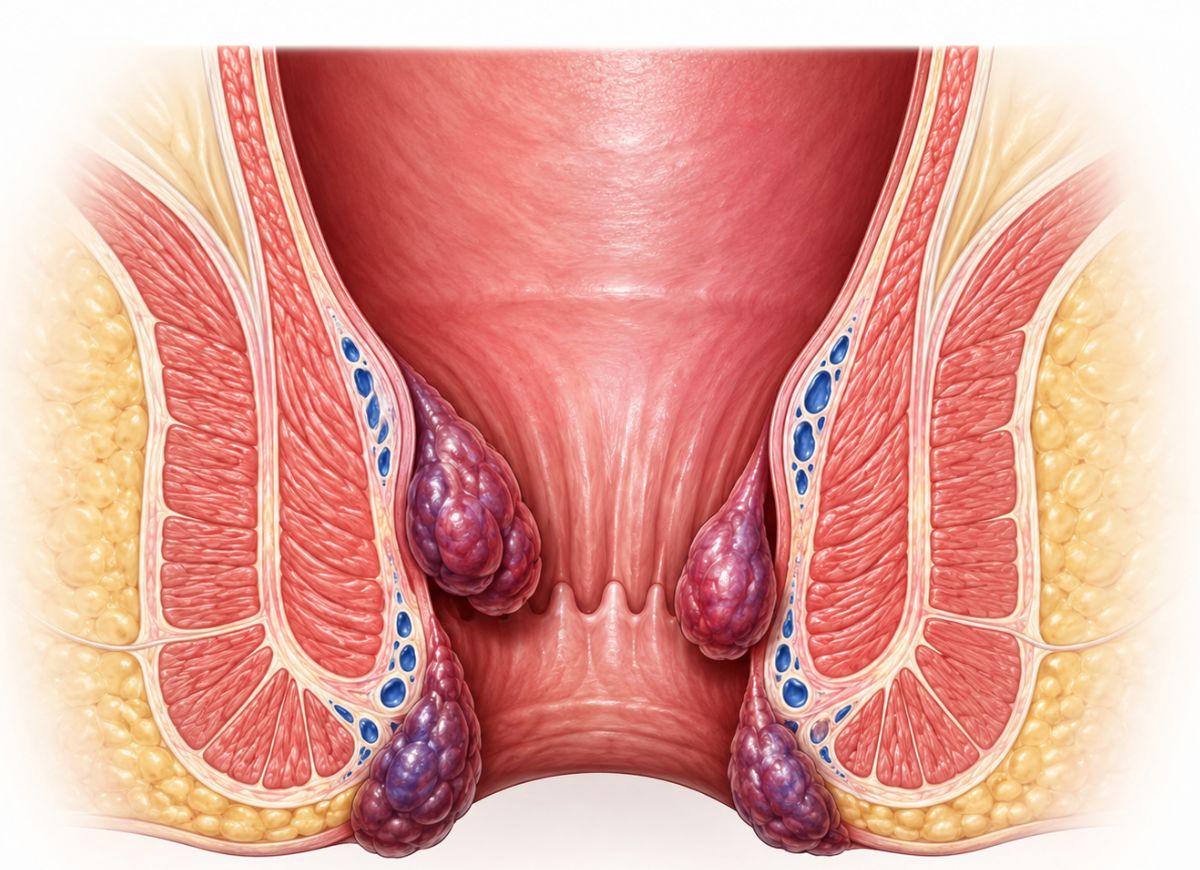
Hemorrhoids are a common health issue that many people experience but often prefer not to discuss. Symptoms may include itching, burning, swelling, bleeding, tenderness, or discomfort that can make sitting, walking, and bowel movements unpleasant. Because these symptoms occur around such a private part of the body, people may feel uncomfortable discussing them, even with a healthcare professional.
Despite the embarrassment they can cause, hemorrhoids are extremely common. They are swollen veins located around the anus or lower rectum and can affect adults at different stages of life. Around 1 in 20 people in the United States experience troublesome hemorrhoids, while more than half of adults over 50 may experience them. Factors such as constipation, repeated straining, prolonged sitting, pregnancy, and inadequate fiber intake can increase the likelihood of developing symptoms.
Being common does not make hemorrhoids pleasant. Seeing bright red blood on toilet paper can immediately cause concern, while a painful lump near the anus can make ordinary activities uncomfortable. Persistent itching, pressure, or irritation can also become distracting and difficult to manage. As a result, many people delay seeking help and quietly search for answers instead.
Although most hemorrhoids can be managed successfully, certain symptoms should not be ignored. Heavy bleeding, intense pain, increasing swelling, or symptoms that fail to improve may require medical evaluation.
This article discusses 7 common hemorrhoid symptoms and warning signs. Some may be relatively mild, while others can indicate a more serious hemorrhoid problem or another condition that needs to be ruled out.
What Exactly Are Hemorrhoids (Piles)?
Hemorrhoids, also known as piles, are swollen or inflamed veins in the tissues around the lower rectum and anus. They are extremely common and become more frequent for many people as they get older.
One way to understand hemorrhoids is to compare them with varicose veins. Just as veins in the legs can enlarge and become uncomfortable when pressure builds up, the veins in the anorectal region can also become swollen. Hemorrhoids develop from enlarged versions of the normal vascular structures, called hemorrhoidal cushions, that naturally exist inside the anal canal.
Everyone has hemorrhoidal tissue. These cushions contain blood vessels, connective tissue, and muscle and play an important role in bowel control. They help provide a seal within the anal canal, supporting continence and helping prevent leakage when stool passes through.
The problem begins when these normally functioning cushions become excessively enlarged, inflamed, displaced, or develop a blood clot. At that point, symptoms such as bleeding, itching, swelling, and pain may occur.
Hemorrhoids are generally divided into two main types according to their location in relation to the dentate line, an anatomical boundary within the anal canal.
Internal hemorrhoids develop inside the lower rectum above the dentate line. This region contains relatively few pain-sensitive nerves, so internal hemorrhoids are frequently painless even when they bleed. Bright red blood during or after a bowel movement is one of their most common symptoms. Problems may develop when an internal hemorrhoid prolapses and extends outside the anus. The exposed tissue can collect mucus or small amounts of stool, leading to itching and irritation. If the prolapsed tissue becomes trapped and its blood supply is restricted, severe pain can occur.
External hemorrhoids form underneath the sensitive skin surrounding the anus, below the dentate line. Because this area contains many pain-sensitive nerves, external hemorrhoids can cause considerable discomfort, itching, and irritation. One particularly painful complication is thrombosis, which occurs when a blood clot develops inside the hemorrhoid. This can produce a sudden, firm, extremely tender lump that may appear blue or purple. Pain is often strongest during the first couple of days and may gradually improve over the following one to two weeks.
7 Key Warning Signs and Symptoms of Hemorrhoids
Rectal Bleeding
Bleeding from hemorrhoids commonly appears as bright red blood on toilet paper, in the toilet water, or along the outside of the stool. With internal hemorrhoids, the bleeding is usually painless and is considered one of the most recognizable symptoms.
The bleeding can occur when a hard or large bowel movement rubs against the delicate surface of an enlarged internal hemorrhoid and causes it to bleed.
The color of the blood can provide a clue about where bleeding is occurring. Bright red blood generally indicates that the blood is coming from a location close to the anus or lower digestive tract because it has not undergone significant digestion.
This differs from bleeding higher in the digestive system. For example, bleeding from the stomach can produce black, tar-like stools known as melena because digestive processes alter the blood before it leaves the body.
The absence of pain is also characteristic of bleeding from internal hemorrhoids because the tissue above the dentate line has fewer nerves responsible for detecting sharp pain. Pressure or discomfort may still occur, but the bleeding itself is often painless. When bleeding is accompanied by significant pain, conditions such as an anal fissure or thrombosed external hemorrhoid may need to be considered.
Even though hemorrhoids are a common cause of rectal bleeding, any unexplained rectal bleeding should be evaluated by a healthcare professional. Bleeding can also occur with conditions such as inflammatory bowel disease, diverticulitis, polyps, or colorectal cancer. A proper examination is necessary to determine the actual cause.
Itching, Irritation, or Discomfort Around the Anus
Hemorrhoids can cause persistent itching, irritation, burning, and soreness around the anus. The sensation may be mild at first but can become extremely bothersome, particularly after bowel movements or during the night.
One reason for the itching is that enlarged or prolapsed internal hemorrhoids may interfere with the anal sphincter’s ability to form a complete seal. Small amounts of mucus or liquid stool can then leak onto the surrounding skin. Constant moisture can irritate the sensitive skin and trigger persistent itching.
External hemorrhoids can contribute to the problem in another way. Swollen tissue may make cleaning more difficult, allowing moisture or tiny traces of stool to remain around the area and cause irritation.
Unfortunately, scratching can create a cycle that makes the problem worse. Scratching may provide temporary relief, but it can create tiny breaks in the skin and increase inflammation. The irritated skin then becomes even more sensitive, leading to additional itching.
Repeated scratching over time may cause the skin to become thicker and more sensitive. Some people describe the resulting sensation as constant awareness of the area, burning after wiping, or feeling unclean even after careful hygiene. These symptoms can make hemorrhoids particularly frustrating.
Pain or Soreness, Especially When Sitting
Hemorrhoid-related pain may feel sharp, throbbing, or aching and is generally felt around the anus. Sitting, walking, movement, or passing stool may make the discomfort more noticeable.
Simple internal hemorrhoids are usually painless, so significant pain is more commonly associated with external hemorrhoids or complications involving internal hemorrhoids.
A thrombosed external hemorrhoid can cause some of the most intense hemorrhoid-related pain. A blood clot forms inside the swollen vein, creating a firm and highly tender lump. The pain may appear suddenly and can make sitting, walking, or moving extremely difficult.
The discomfort occurs because the clot stretches the sensitive skin surrounding the hemorrhoid while also triggering inflammation. People sometimes describe the sensation as intense pressure or as though they are sitting on a hard object.
Severe pain can also occur when a prolapsed internal hemorrhoid becomes strangulated. In this situation, the tissue remains outside the anus and the anal sphincter can restrict its blood supply. This can produce severe, throbbing pain and requires prompt medical attention.
Any persistent, severe, or unexplained anal pain should be assessed by a healthcare professional, particularly when it is associated with a lump, swelling, or other unusual symptoms.
Lump or Swelling Near the Anus
A lump around the anus may be caused by an external hemorrhoid or a thrombosed external hemorrhoid. A typical external hemorrhoid may feel like a soft or rubbery bump beneath the skin, while a thrombosed hemorrhoid is usually firmer, more painful, and may have a bluish or purplish appearance.
The characteristics of the lump can provide clues about what is happening. An ordinary external hemorrhoid may swell during periods of straining and then become smaller. After it heals, it may leave behind a small flap of extra skin called a skin tag.
A sudden, hard, painful, bluish lump is more consistent with a thrombosed external hemorrhoid because of the clot contained inside the vein.
A lump can also result from a prolapsed internal hemorrhoid. This occurs when an internal hemorrhoid becomes enlarged and moves downward until it protrudes through the anal opening. It may appear as soft, moist, pinkish tissue, especially during or shortly after a bowel movement.
Depending on its severity, a prolapsed hemorrhoid may return inside the anus by itself, need to be pushed back manually, or remain outside permanently. Because other problems, including abscesses, warts, and tumors, can also cause anal lumps, any new or unusual lump should be examined by a healthcare professional.
Sensation of Fullness or Incomplete Evacuation
Large or prolapsed internal hemorrhoids can sometimes create a persistent feeling that the bowel has not completely emptied. This happens because enlarged hemorrhoidal tissue can occupy space inside the rectum and put pressure against its walls.
Normally, the rectum expands as stool enters it, activating stretch receptors that send signals to the brain and create the urge to have a bowel movement. Enlarged hemorrhoidal tissue can create a similar sensation by continuously pressing against the rectal lining.
As a result, a person may feel as though more stool remains even after the rectum has emptied. This sensation is sometimes referred to as tenesmus.
The feeling can create an unhelpful cycle. A person may repeatedly return to the toilet and strain because they believe more stool needs to come out. When the rectum is already empty, this additional straining increases pressure on the hemorrhoids, causing them to swell further and making the sensation even stronger.
For this reason, persistent feelings of incomplete evacuation can be particularly relevant in people with larger or more advanced internal hemorrhoids.
Mucus Discharge
Mucus discharge occurs when clear, white, or slightly yellowish fluid leaks from the anus. The rectal lining naturally produces mucus to help stool pass smoothly, but enlarged or prolapsed internal hemorrhoids can allow this mucus to escape.
When an internal hemorrhoid protrudes outside the anal canal, some of the mucus-producing tissue is exposed. A large hemorrhoid may also prevent the anal sphincter from closing completely, creating an opening through which mucus can leak.
Small amounts of stool may occasionally accompany the discharge, resulting in what is sometimes described as fecal soiling. The discharge may be noticed on underwear or when wiping.
Continued exposure to moisture can irritate the skin surrounding the anus. This may result in redness, soreness, rawness, and significant itching.
Persistent mucus leakage may indicate that internal hemorrhoids are relatively large or prolapsed and should therefore be evaluated by a healthcare professional, particularly when symptoms affect hygiene or daily comfort.
Pain During Bowel Movements
Pain during a bowel movement can occur with inflamed external hemorrhoids, thrombosed hemorrhoids, or large prolapsed internal hemorrhoids. Passing stool can place pressure and friction on already swollen or irritated tissue, resulting in burning, sharp pain, or aching.
External hemorrhoids are covered by sensitive skin, so stretching the anal opening during a bowel movement can make them painful. Hard, dry stools can make matters worse by rubbing against inflamed tissue.
A thrombosed external hemorrhoid can cause especially intense pain because pressure from the bowel movement is applied to the clotted vein.
Although internal hemorrhoids are normally painless, a large internal hemorrhoid that prolapses during a bowel movement can become irritated as stool passes over the exposed tissue.
Pain should also be distinguished from the discomfort caused by an anal fissure. A fissure is a tear in the anal lining and often causes very sharp pain during bowel movements, sometimes followed by prolonged throbbing or muscle spasms.
Hemorrhoid pain is more often described as soreness, burning, or aching. Fear of painful bowel movements can also cause people to hold in stool, leading to constipation and harder stools that further aggravate the hemorrhoids.
The Difference Between Internal and External Hemorrhoids
The main difference between internal and external hemorrhoids is where they develop and how that location affects their symptoms.
Internal hemorrhoids occur inside the rectum, above the dentate line. Because this region contains fewer pain-sensitive nerves, internal hemorrhoids are often painless. Their most common symptom is bright red rectal bleeding. They generally cannot be seen or felt externally unless they become prolapsed.
When an internal hemorrhoid prolapses, it may cause irritation, discomfort, mucus discharge, or pain, particularly if it becomes trapped outside the anus.
External hemorrhoids form beneath the sensitive skin around the anus, below the dentate line. They are therefore more likely to produce noticeable symptoms such as pain, itching, swelling, and a palpable lump.
If a clot forms within an external hemorrhoid, it becomes thrombosed and may cause sudden, severe pain. Prompt medical evaluation may be appropriate, especially when the pain is intense.
What Causes the Symptoms of Hemorrhoids to Develop?
Hemorrhoid symptoms generally develop when pressure repeatedly increases within the veins of the lower rectum and anus. Over time, this pressure can cause the veins to enlarge, stretch, become irritated, and swell.
Blood may begin to pool within the hemorrhoidal veins instead of moving efficiently through the circulation. The supporting tissues that normally hold the hemorrhoidal cushions in position can also become weakened, allowing them to enlarge or move downward.
Several everyday habits and conditions can contribute to this increased pressure.
Straining During Bowel Movements
Straining is one of the major factors associated with hemorrhoids. Bearing down during a bowel movement increases pressure inside the abdomen and places additional force on the veins around the rectum and anus.
When someone struggles to pass a hard stool, the increased pressure can cause blood to collect within the hemorrhoidal veins. Repeated episodes can gradually stretch and weaken the vein walls.
Long-term straining may also weaken the supporting connective tissue that keeps internal hemorrhoids in their normal position. Eventually, the swollen tissue may move downward and protrude through the anus.
This is why avoiding unnecessary straining is an important part of both preventing and managing hemorrhoid symptoms.
Chronic Constipation or Diarrhea
Both ongoing constipation and frequent diarrhea can contribute to hemorrhoids, although they affect the area in different ways.
Constipation often causes hemorrhoids because hard, dry stools require greater effort to pass. People may strain for extended periods, increasing pressure within the rectal veins. Spending a long time on the toilet can add even more pressure.
Hard stool may also scrape against the anal lining and existing hemorrhoids, leading to irritation and bleeding.
Chronic diarrhea can cause problems as well. Frequent bowel movements involve repeated contractions and increased activity around the anorectal area. Liquid stool may also irritate the sensitive skin around the anus.
Repeated wiping during frequent bowel movements can further aggravate the area, making both chronic constipation and diarrhea potential contributors to hemorrhoid symptoms.
Sitting for Long Periods
Spending long periods sitting can contribute to hemorrhoid symptoms because prolonged sitting may increase pressure around the pelvic and anorectal region.
The problem can be particularly relevant when someone spends a long time sitting on the toilet. The position and pressure can encourage blood to pool within the hemorrhoidal veins.
Using the toilet for extended periods while reading, watching videos, or scrolling on a phone can therefore increase pressure in the area.
A sedentary lifestyle involving many hours at a desk or behind the wheel may also contribute to prolonged pressure and reduced movement. Taking regular breaks and avoiding unnecessary time on the toilet can help reduce these factors.
When to Seek Medical Help?
Medical advice is important if you experience rectal bleeding, severe or ongoing pain, a hard and painful lump near the anus, or symptoms that do not improve after about a week of appropriate home care.
Although hemorrhoids are often manageable, these symptoms may indicate a more significant hemorrhoid problem or another medical condition that needs professional assessment.
Rectal Bleeding
Rectal bleeding should not automatically be attributed to hemorrhoids. Although hemorrhoids are a common source of bright red blood, bleeding can also occur with anal fissures, inflammatory bowel disease, diverticulitis, polyps, and colorectal cancer.
It is not possible to determine the cause of bleeding simply by looking at the blood. Bright red, painless bleeding can be typical of internal hemorrhoids but may also occur with other conditions.
A healthcare professional may perform a physical examination, including a digital rectal examination. Depending on the individual’s age, symptoms, and risk factors, additional tests such as anoscopy, sigmoidoscopy, or colonoscopy may be recommended.
Getting persistent or unexplained rectal bleeding evaluated is an important step in identifying its actual cause.
Severe Pain or a Hard Lump Reasons to Seek Immediate Medical Attention?
Sudden severe anal pain accompanied by a hard, tender lump can be a sign of a thrombosed external hemorrhoid. This occurs when a blood clot develops inside an external hemorrhoid.
Although thrombosed hemorrhoids are not usually life-threatening, the pain can be extremely intense and interfere with walking, sitting, and sleeping.
Medical evaluation within the first 48 to 72 hours may be particularly useful. In selected cases, a healthcare professional may remove the clot through a small procedure to provide significant pain relief.
If treatment is not performed, the body can eventually break down the clot naturally, although recovery may take longer.
Severe anal pain can also have other causes, including a strangulated prolapsed hemorrhoid or an anal abscess. Both require prompt medical assessment.
Persist Symptoms Persist After a Week of Home Care
If hemorrhoid symptoms remain unchanged, become worse, or fail to improve after approximately one week of consistent home care, it is advisable to consult a healthcare professional.
Common home measures include increasing fiber and fluid intake, taking warm sitz baths, avoiding straining, and using appropriate over-the-counter hemorrhoid products.
Persistent symptoms may indicate that the hemorrhoids are more advanced and require a medical procedure. Treatments for problematic internal hemorrhoids can include rubber band ligation, sclerotherapy, or infrared coagulation.
There is also a possibility that the symptoms are being caused by something other than hemorrhoids. Anal fissures, skin conditions, and other disorders can produce similar symptoms. A professional assessment can help establish the correct diagnosis and treatment.
Hemorrhoids Diagnosis
Diagnosing hemorrhoids generally involves reviewing the patient’s symptoms and medical history along with a physical examination. A doctor may ask about bleeding, pain, bowel habits, diet, and any personal or family history of gastrointestinal problems.
External hemorrhoids can often be identified through a visual examination. The doctor may be able to see swollen or irritated tissue around the anus or recognize a thrombosed hemorrhoid.
When internal hemorrhoids are suspected, a digital rectal examination may be performed. During this examination, a lubricated, gloved finger is gently inserted into the rectum to check for abnormalities, masses, or swollen tissue.
An anoscope may also be used. This is a short, lighted instrument that allows the healthcare professional to view the lining of the anus and lower rectum and identify internal hemorrhoids or bleeding.
When symptoms are unusual or another condition is suspected, additional tests may be needed. A sigmoidoscopy can examine the lower portion of the colon, while a colonoscopy provides a view of the entire colon.
A colonoscopy may be recommended depending on the patient’s age, symptoms, medical history, and colorectal cancer risk factors. A complete assessment helps determine whether hemorrhoids are actually responsible for the symptoms.
How to Prevent Hemorrhoid from Recurring
Consistent lifestyle changes can reduce the likelihood of hemorrhoids returning. Since increased pressure in the lower rectum is a major contributor, daily habits that reduce straining and keep bowel movements regular can be especially helpful.
A high-fiber diet is one of the most important preventive measures. Fiber helps add bulk to stool while making it softer and easier to pass. Good sources include fruits, vegetables, whole grains, legumes, and nuts.
Aiming for approximately 25–35 grams of fiber each day, along with sufficient fluid intake, can support regular bowel movements. Drinking enough water is particularly important because dehydration can contribute to harder stools.
Regular physical activity can also support digestive health. Activities such as walking, swimming, and yoga can encourage normal bowel function and improve circulation.
Bathroom habits matter as well. Avoid holding your breath or pushing forcefully during bowel movements. Do not remain seated on the toilet longer than necessary, as prolonged toilet sitting can increase pressure in the anal area.
Responding to the urge to have a bowel movement instead of delaying it can also help prevent stool from becoming harder.
Foods such as beans, broccoli, apples, and whole-wheat bread can contribute useful amounts of fiber. If dietary fiber is insufficient, a fiber supplement such as psyllium may be considered.
Staying hydrated, remaining physically active, avoiding unnecessary toilet time, and preventing constipation can work together to lower the likelihood of future hemorrhoid flare-ups.
Hemorrhoid vs. Anal Fissures or Colorectal Cancer
Hemorrhoids, anal fissures, and colorectal cancer can all cause rectal bleeding, but they often produce different patterns of symptoms. Because there can be overlap, medical evaluation is important when symptoms are persistent or unusual.
An anal fissure is a small tear in the lining of the anus, often caused by passing a hard or large stool. Its characteristic symptom is intense, sharp pain during a bowel movement that may continue for minutes or hours afterward.
Fissure-related bleeding is generally small in amount and may appear as bright red blood on toilet paper or as a streak on the stool. The severity of pain often helps distinguish a fissure from painless bleeding associated with internal hemorrhoids.
Colorectal cancer can also cause rectal bleeding, although its symptoms may be more subtle. Blood may be darker or mixed throughout the stool rather than appearing only on its surface.
Other possible warning signs include a persistent change in bowel habits, ongoing constipation or diarrhea, a continuing sensation of incomplete bowel emptying, and stools that become narrower than usual.
Unexplained weight loss, persistent abdominal pain or cramping, fatigue, and weakness can also occur with colorectal cancer. These symptoms should not be automatically attributed to hemorrhoids and warrant medical evaluation.
FAQs
1. How to shrink hemorrhoids fast?
The quickest way to reduce hemorrhoid discomfort is generally to decrease pressure and irritation in the area. A warm sitz bath lasting around 10 to 15 minutes may help soothe itching, soreness, and tightness.
A cold compress wrapped in a soft cloth may also help with swelling and inflammation, particularly when an external hemorrhoid is painful.
Keeping stools soft is another important step. Eating fiber-rich foods, drinking enough water, and using a stool softener when appropriate can make bowel movements easier and reduce straining.
Over-the-counter creams or witch hazel products may provide temporary relief, but they should be used according to their directions. Severe pain, persistent bleeding, or a very painful lump should be evaluated by a healthcare professional.
2. Do hemorrhoids go away on their own?
Many hemorrhoids improve without medical procedures, particularly when they are small and symptoms are mild. Avoiding straining, keeping stools soft, and limiting time on the toilet can allow irritation and swelling to settle.
However, larger, painful, prolapsed, or repeatedly bleeding hemorrhoids may require medical treatment. If symptoms continue for more than a week, repeatedly return, or interfere significantly with everyday life, medical evaluation is appropriate.
Rectal bleeding should not automatically be assumed to be caused by hemorrhoids without determining its source.
3. How long do hemorrhoids usually last?
Small hemorrhoids may settle within several days, while larger or more irritated hemorrhoids can take one to two weeks or longer to improve.
A thrombosed external hemorrhoid may cause significant pain for several days, while the lump itself can take several weeks to completely resolve.
Recovery depends on factors such as the hemorrhoid’s size and location, bowel habits, diet, and ongoing irritation. Constipation, diarrhea, heavy lifting, straining, and prolonged toilet sitting can all delay improvement.
If symptoms continue or become more severe, professional medical advice should be sought.
4. Can I feel a hemorrhoid with my finger?
An external hemorrhoid may be noticeable as a soft or swollen lump near the anus. A thrombosed external hemorrhoid may feel harder and can be extremely tender.
Internal hemorrhoids are located inside the rectum and may not be easy to feel. They can become noticeable externally if they prolapse during or after a bowel movement.
Avoid squeezing, poking, or repeatedly touching a suspected hemorrhoid because this may increase irritation. Any painful, enlarging, bleeding, or persistent lump should be evaluated by a healthcare professional.
5. What does a stage 4 hemorrhoid look like?
A stage 4 hemorrhoid is generally a severely prolapsed internal hemorrhoid that remains outside the anus and cannot be pushed back inside.
It may appear as swollen, moist tissue around the anal opening and can cause heaviness, irritation, discomfort, or pain. Some people may also experience bleeding or mucus leakage.
Because advanced prolapsed hemorrhoids may not respond adequately to home care alone, medical evaluation is recommended rather than attempting to diagnose the stage based only on appearance.
6. Does walking make hemorrhoids worse?
Gentle walking generally does not worsen hemorrhoids and may actually be beneficial. Light physical activity can support digestion, encourage regular bowel movements, and reduce the amount of time spent sitting.
However, strenuous exercise, heavy lifting, cycling, or activities that increase pressure in the pelvic area may aggravate symptoms.
If walking causes significant pain, rubbing, or increased swelling, reduce the intensity and allow the area time to settle.
7. Can a hemorrhoid be cancerous?
Hemorrhoids themselves are not cancerous. They are enlarged or swollen veins rather than tumors.
The concern is that some symptoms associated with hemorrhoids, especially rectal bleeding and changes in bowel habits, can also occur with colorectal cancer or other medical conditions.
Bright red blood on toilet paper is often associated with hemorrhoids, but recurring bleeding should still be evaluated. Dark blood, blood mixed throughout the stool, unexplained weight loss, fatigue, abdominal pain, or persistent changes in bowel habits require medical attention.
8. What not to do when you have hemorrhoids?
Avoid straining during bowel movements and do not sit on the toilet for unnecessarily long periods. Both habits can increase pressure around the hemorrhoidal veins.
Harsh wiping, scented wipes, strong soaps, and scratching can also irritate the sensitive skin around the anus.
During a painful flare-up, heavy lifting may worsen symptoms. Never attempt to squeeze or pop a hemorrhoid, as doing so can cause additional bleeding, swelling, or infection.
If using a hemorrhoid cream or other medicated product, follow the package instructions and avoid prolonged use unless advised by a healthcare professional.
9. What is the biggest cause of hemorrhoids?
Hemorrhoids are primarily associated with increased pressure in the lower rectum and anus. Common contributors include straining during bowel movements, constipation, prolonged toilet sitting, pregnancy, excess body weight, heavy lifting, chronic diarrhea, and a diet low in fiber.
Constipation is particularly important because hard stools often require forceful pushing. Repeated pressure can stretch and irritate the veins surrounding the anus and rectum.
Keeping stools soft, consuming enough fiber and fluids, exercising regularly, and avoiding unnecessary straining can help reduce the likelihood of hemorrhoid flare-ups.
Conclusion
Hemorrhoids are extremely common and can cause symptoms that range from mild irritation to significant pain and bleeding. Itching, burning, swelling, soreness, rectal bleeding, and lumps around the anus can all be uncomfortable and sometimes alarming.
Fortunately, many hemorrhoids improve with straightforward lifestyle measures. Increasing dietary fiber, drinking enough water, taking warm sitz baths, maintaining gentle hygiene, avoiding straining, and limiting time on the toilet can all support recovery.
However, persistent bleeding, severe pain, worsening swelling, or recurring symptoms should not be ignored. These signs may indicate a more complicated hemorrhoid problem or another condition requiring medical attention.
There is no reason to feel ashamed about seeking help for hemorrhoids. They affect many people, and addressing symptoms early can make treatment easier and prevent unnecessary discomfort from continuing.