10 Symptoms of Preeclampsia You Should Never Ignore During Pregnancy
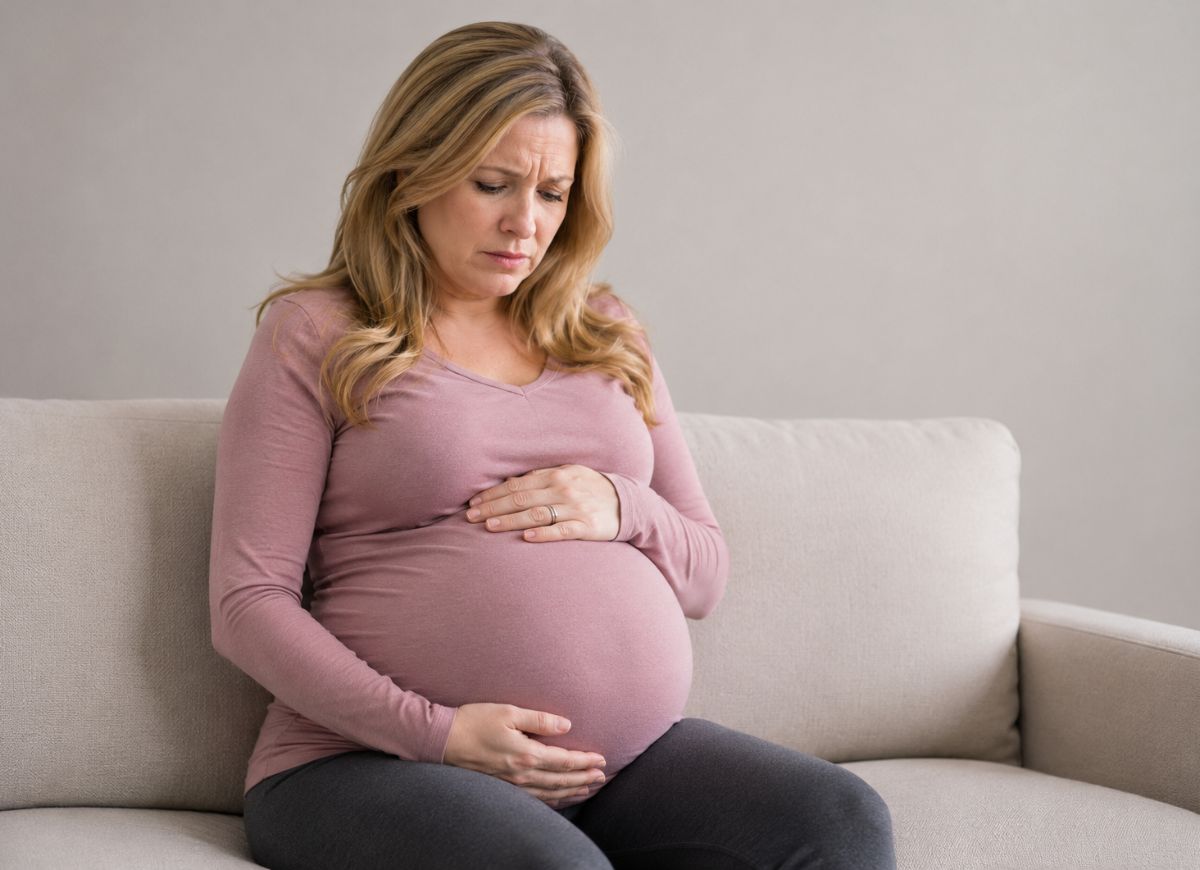
Pregnancy already comes with plenty to worry about. Every small change can give a mother pause a sudden headache, swollen feet by the end of the day. Some of that is just part of a normal pregnancy, but other symptoms can be warning signs that need medical attention right away. Preeclampsia is one condition many expecting mothers worry about, since it can develop quietly, progress fast, and affect both mother and baby.
It’s not rare, either. The American College of Obstetricians and Gynecologists estimates it affects roughly 2% to 8% of pregnancies worldwide, and the CDC puts the figure at 5% to 7% of all pregnancies in the U.S. making it one of the leading causes of serious maternal health complications. Globally, it’s linked to more than 70,000 maternal deaths and 500,000 fetal deaths each year.
Those numbers are heavy, but they’re exactly why awareness matters so much. Preeclampsia usually develops after 20 weeks of pregnancy, tied to high blood pressure and signs that organs especially the liver and kidneys are under stress. The symptoms can be subtle at first: a headache that feels like exhaustion, swelling that looks like ordinary fluid retention, blurry vision or nausea that gets brushed off until things get more serious.
Learning the warning signs isn’t about fear it’s about protection. Catching preeclampsia early means doctors can monitor blood pressure, run urine and blood tests, track the baby’s growth, and make the right call on next steps. This guide covers 10 symptoms of preeclampsia to never ignore during pregnancy. Some will feel familiar; others might surprise you. Knowing the difference means speaking up sooner and protecting both your health and your baby’s.
What is Preeclampsia?
Preeclampsia is a serious condition that develops during pregnancy or the postpartum period, marked by high blood pressure and signs of organ damage usually to the kidneys or liver. It typically shows up after the 20th week of pregnancy in women who previously had normal blood pressure. It’s progressive, meaning it can get worse over time, and if left unmanaged, it can lead to life-threatening complications for mother and baby, including seizures (eclampsia) and organ failure.
Preeclampsia Is a Common Pregnancy Complication
Preeclampsia affects roughly 5–8% of pregnancies worldwide, making it one of the leading causes of maternal and infant illness and death. “Common” doesn’t mean “not serious” here quite the opposite. Its prevalence is exactly why routine blood pressure and urine screening are a standard, non-negotiable part of prenatal care. The Preeclampsia Foundation estimates it’s responsible for around 76,000 maternal deaths and 500,000 infant deaths worldwide each year.
How often it shows up varies by geography, ethnicity, and existing risk factors rates run higher in first-time mothers and those with chronic hypertension, diabetes, or autoimmune conditions. Despite how common it is, many women aren’t familiar with the specific warning signs beyond general swelling or high blood pressure.
Because it can develop in any pregnant woman even those with no known risk factors broad awareness of the symptoms matters for everyone. No symptom should be brushed off as “just pregnancy” without checking with a healthcare provider first. Careful monitoring, early detection, and timely delivery are what prevent the worst outcomes.
Preeclampsia Can Affect the Mother and Baby
Preeclampsia affects both mother and baby significantly causing widespread organ strain in the mother and compromising the environment the baby depends on, raising risks of restricted growth and preterm birth. For the mother, it’s much more than elevated blood pressure it’s a systemic condition that can affect the brain, kidneys, liver, and cardiovascular system.
The high blood pressure reflects broader blood vessel dysfunction, which constricts vessels and reduces blood flow to vital organs. That can lead to kidney failure, liver rupture, or fluid buildup in the lungs (pulmonary edema). The most feared complication is eclampsia seizures in a woman with preeclampsia along with HELLP syndrome (Hemolysis, Elevated Liver enzymes, Low Platelets), a dangerous variant of the condition.
For the baby, the main risk comes from reduced placental function. The placenta is the baby’s lifeline for oxygen and nutrients, and in preeclampsia, the blood vessels supplying it don’t develop properly, cutting blood flow.
That reduced supply can slow the baby’s growth, leading to low birth weight. Since the only real cure for preeclampsia is delivering the baby and placenta, doctors sometimes have to induce labor before 37 weeks to protect the mother, which brings its own risks tied to prematurity, like respiratory distress or developmental delays.
In some cases, placental abruption where the placenta separates from the uterine wall before birth can occur, causing severe bleeding and cutting off the baby’s oxygen supply. Reduced blood flow can also lower the baby’s urine output, resulting in low amniotic fluid levels, which matters a great deal for healthy fetal development.
10 Key Preeclampsia Symptoms to Watch For
High Blood Pressure (Hypertension)
This is the defining sign of preeclampsia a blood pressure reading of 140/90 mmHg or higher on two separate occasions at least four hours apart, or a single reading of 160/110 mmHg or higher. It happens because preeclampsia causes blood vessels to constrict, forcing the heart to work harder to keep blood circulating.
Protein in Urine (Proteinuria)
When preeclampsia damages the kidneys, protein can leak from the blood into the urine. This is usually picked up through a simple dipstick test at a prenatal visit, or confirmed with a 24-hour urine collection. Worth knowing: preeclampsia can occur even without proteinuria.
Severe Headaches
These aren’t ordinary tension headaches. Preeclampsia headaches tend to be severe, persistent, and throbbing, and they typically don’t respond to over-the-counter pain relief. They’re a sign that elevated blood pressure is affecting the brain.
Vision Changes
Any change in vision should be taken seriously blurred vision, flashing lights or spots, light sensitivity, or even temporary blindness. These come from swelling in the brain or spasms in the blood vessels of the retina.
Upper Abdominal Pain
This pain usually shows up on the right side, just under the ribs a dull ache or sharp, stabbing sensation often mistaken for heartburn. It signals liver involvement and can point to liver swelling or inflammation, a key feature of severe preeclampsia or HELLP syndrome.
Nausea or Vomiting
Nausea is common early in pregnancy, but a sudden onset in the second or third trimester can be a preeclampsia symptom especially concerning if it shows up alongside abdominal pain or headache.
Decreased Urine Output
A noticeable drop in urine output (oliguria) suggests the kidneys aren’t functioning properly, pointing to reduced blood flow and worsening preeclampsia.
Shortness of Breath
Feeling breathless, gasping for air, or having a racing pulse can signal pulmonary edema fluid buildup in the lungs a dangerous complication that needs immediate attention.
Sudden Swelling (Edema)
Some swelling in the feet and ankles is normal during pregnancy, but sudden, excessive swelling especially in the hands, face, or around the eyes is a major warning sign. This is called pitting edema (where pressing on the skin leaves an indentation) and points to widespread fluid retention.
Rapid Weight Gain
Gaining more than two to five pounds in a single week is often a sign of excess fluid retention rather than baby growth or fat gain, and it’s a common symptom of preeclampsia.
Are Sudden Swelling and Rapid Weight Gain Always Signs of Preeclampsia?
Sudden swelling and rapid weight gain aren’t always signs of preeclampsia, but they’re significant enough to always warrant a prompt check-up. Many women experience some swelling, particularly in the feet and ankles, during a normal, healthy pregnancy usually caused by fluid retention and the growing uterus putting pressure on veins that return blood from the legs. This kind of swelling tends to worsen by the end of the day or in hot weather, and it improves with rest and elevation. It’s generally nothing to worry about.
Preeclampsia-related swelling looks different, though, and shouldn’t be dismissed. It tends to come on suddenly, often in the face (puffiness around the eyes) or hands (rings feeling tight), and can be more widespread and severe usually paired with rapid weight gain of more than a few pounds in a week.
This happens because preeclampsia damages the lining of blood vessels, letting fluid leak into surrounding tissue. It’s true that swelling can occur without being preeclampsia but there’s no way to tell at home. Any sudden or severe swelling, especially alongside headaches or vision changes, should be reported to a doctor or midwife right away.
What Causes Preeclampsia?
The exact cause isn’t fully understood, but it’s widely believed to originate in the placenta. Certain established risk factors raise a woman’s chances of developing it significantly. The leading theory is that preeclampsia begins early in pregnancy, when the blood vessels meant to supply the placenta don’t develop or function properly.
These abnormal vessels are narrower than usual and respond differently to hormonal signals, reducing blood flow to the placenta. This is thought to release certain proteins into the mother’s bloodstream that damage blood vessel linings throughout her body leading to high blood pressure and organ dysfunction.
Known Risk Factors for Developing Preeclampsia
Risk factors span a woman’s medical history, the current pregnancy, and overall health. While any pregnant woman can develop preeclampsia, having one or more of these factors raises the risk, helping healthcare providers tailor prenatal care accordingly.
History-related factors are among the strongest predictors. A personal history of preeclampsia in a prior pregnancy sharply raises the risk in future ones, and having a mother or sister with the condition increases genetic predisposition. Pre-existing high blood pressure, kidney disease, diabetes, or autoimmune conditions like lupus also raise the risk considerably.
Pregnancy-specific factors matter too. Preeclampsia is most common in first pregnancies, and a pregnancy with a new partner carries a higher risk than a subsequent pregnancy with the same partner suggesting an immunological component. Carrying twins or more raises placental strain and risk, and pregnancies conceived through IVF carry a somewhat higher associated risk.
A pre-pregnancy BMI of 30 or above is a significant risk factor, and women at the extremes of reproductive age teenagers and those over 35 face a higher risk as well.
Developing Preeclampsia Without Any Known Risk Factors
It’s entirely possible to develop preeclampsia with none of the known risk factors present one of the most challenging parts of the condition, and a big reason universal screening and symptom awareness matter for every pregnant person. Risk factors help identify who may need closer monitoring or preventive steps like low-dose aspirin, but their absence guarantees nothing. Many women who develop preeclampsia are healthy, first-time mothers with no prior conditions or family history.
This unpredictability is why regular prenatal care matters so much for every expectant mother those appointments are designed to catch rising blood pressure or protein in urine before things escalate.
It also underscores why self-monitoring and education matter. Every pregnant woman should know the warning signs severe headaches, vision changes, upper abdominal pain and feel comfortable reporting anything concerning to her provider without delay. That instinct can be life-saving.
When to Seek Medical Help?
Contact your healthcare provider, midwife, or local maternity unit immediately if you notice any key symptoms of preeclampsia. The condition can progress quickly, and what seems minor can become a serious emergency within hours.
There’s no symptom on this list worth waiting out until your next scheduled appointment. Early diagnosis and management remain the most effective way to prevent severe complications for both mother and baby never hesitate to call, even if you’re unsure.
Preeclampsia Symptoms to Require an Immediate Call to Your Doctor
Several symptoms are considered particularly dangerous and call for an immediate call to your doctor or a trip to the hospital, since they often signal that vital organs like the brain, liver, or lungs are affected.
A severe or persistent headache throbbing, unresponsive to standard pain relief, sometimes described as “the worst headache of your life” may signal dangerous swelling or pressure in the brain.
Any visual disturbance flashing lights, spots, blurred or double vision, or partial or total loss of sight points to central nervous system irritation and needs urgent evaluation.
Intense pain or tenderness under the right ribs can indicate a swollen, at-risk liver. This isn’t heartburn, and should be treated as an emergency.
Trouble catching your breath, gasping for air, or severe chest pain can point to pulmonary edema fluid in the lungs a life-threatening complication of severe preeclampsia.
A sudden, dramatic increase in swelling of the face, hands, or feet beyond the ordinary pregnancy swelling is a major red flag for fluid shifts caused by the disease.
What to Expect at the Doctor’s Office if Preeclampsia is Suspected
If preeclampsia is suspected, expect a thorough, immediate evaluation involving several diagnostic tests aimed at confirming the diagnosis, assessing its severity, and building a care plan for both mother and baby.
Your provider will start with multiple blood pressure checks to confirm consistently elevated readings, along with a urine sample tested for protein sometimes followed by a more precise 24-hour collection. Blood tests matter too a complete blood count checks platelet levels, and a metabolic panel checks liver enzymes and kidney function, both helping identify severe features of preeclampsia or HELLP syndrome.
At the same time, the baby’s health gets close attention through fetal monitoring, an ultrasound to check growth, amniotic fluid, and umbilical blood flow, and possibly a non-stress test or biophysical profile to assess heart rate and movement. Together, these results give your healthcare team a full picture, guiding whether close outpatient monitoring is enough or whether hospitalization and early delivery are needed.
Preeclampsia Diagnosis
An official diagnosis rests on specific clinical criteria after 20 weeks of pregnancy primarily elevated blood pressure paired with signs of organ involvement. It’s typically confirmed with a sustained blood pressure reading of 140/90 mmHg or higher on two occasions at least four hours apart, along with at least one additional sign of systemic involvement.
The most common additional sign is proteinuria 300 milligrams or more of protein in a 24-hour urine collection, or a protein-to-creatinine ratio of 0.3 or higher. But a diagnosis can also be made without proteinuria if high blood pressure comes with other signs of organ dysfunction low platelet count, elevated liver enzymes, new kidney impairment, pulmonary edema, or new headaches or vision changes.
Once diagnosed, both mother and baby need close monitoring to manage the condition and time delivery well. For the mother, that means frequent blood pressure checks, regular blood tests for platelets, liver enzymes, and kidney function, and ongoing urine testing along with being taught to watch for worsening symptoms herself.
For the baby, monitoring includes regular non-stress tests, biophysical profiles checking movement and amniotic fluid, and Doppler ultrasounds evaluating umbilical blood flow, along with growth scans since preeclampsia can restrict fetal growth.
The Differences Between Preeclampsia and Other Conditions
Mild Preeclampsia, Severe Preeclampsia, and HELLP Syndrome
The distinctions come down to symptom severity, specific measurements, and risk level. Mild preeclampsia involves blood pressure of 140/90 to just under 160/110 mmHg after 20 weeks, along with proteinuria. It’s still serious and needs close monitoring, but can often be managed with activity changes, diet adjustments, and sometimes medication until it’s safe to deliver.
Severe preeclampsia involves more dangerous indicators blood pressure consistently at or above 160/110 mmHg, or clear signs of organ damage like severe headaches, vision disturbances, severe upper abdominal pain, pulmonary edema, impaired liver function, or a very low platelet count. Risks are substantially higher and often require hospitalization and early delivery.
HELLP syndrome is a particularly dangerous, rare variant a true medical emergency. The name stands for Hemolysis (red blood cell breakdown), Elevated Liver enzymes, and Low Platelet count. Unlike typical preeclampsia, it can sometimes develop without extremely high blood pressure, making it harder to catch. Risks include liver rupture, stroke, placental abruption, and maternal or fetal death. The definitive treatment for severe preeclampsia and HELLP syndrome alike is delivery, regardless of gestational age, to stop the disease’s progression.
Gestational Hypertension vs. Preeclampsia
The key difference lies in whether other organ damage is present. Both conditions involve new-onset high blood pressure after 20 weeks in someone previously normal. Gestational hypertension means elevated blood pressure (≥140/90 mmHg) with no proteinuria or other systemic signs kidney, liver, or blood cell function all remain normal. It’s still monitored closely, but it’s considered less complex, and often resolves on its own within a few weeks after delivery.
Preeclampsia is more complex and systemic diagnosed when high blood pressure comes with proteinuria, or with other signs like low platelets, elevated liver enzymes, kidney problems, fluid in the lungs, or new headaches or vision changes. This broader organ involvement means a higher risk of complications like placental abruption, fetal growth restriction, and preterm birth.
Importantly, gestational hypertension can progress into preeclampsia a meaningful number of women initially diagnosed with gestational hypertension go on to develop the additional signs. That’s why they’re monitored closely, in case the care plan needs to shift quickly.
Preeclampsia After Delivery (Postpartum Preeclampsia)
Preeclampsia can develop after delivery too known as postpartum preeclampsia. While most people associate it purely with pregnancy, the risk doesn’t disappear once the baby arrives. It’s defined as new-onset high blood pressure and proteinuria (or other organ damage) after delivery, most commonly within the first 48 hours but possible up to six weeks postpartum.
Symptoms mirror those during pregnancy severe headaches, vision changes, swelling in the hands and face, nausea, and severe upper right abdominal pain. Because new mothers are often focused on their newborn and may chalk symptoms up to exhaustion or sleep deprivation, these signs can slip by unnoticed which is exactly why awareness matters.
Postpartum preeclampsia is a serious emergency requiring immediate treatment, carrying the same risks as during pregnancy seizures, stroke, and organ damage. The exact cause isn’t fully understood, but it’s believed to relate to the same underlying vascular issues.
Continued self-monitoring after leaving the hospital matters new mothers should take any red-flag symptoms seriously rather than dismissing them as normal postpartum discomfort, and should contact a provider or go to the ER immediately if anything comes up. Attending postpartum checkups, where blood pressure is routinely checked, is just as important as prenatal visits.
FAQs
1. How long can you stay pregnant with preeclampsia?
It depends on the severity, how far along the pregnancy is, and how the baby is doing. In mild cases, doctors closely monitor blood pressure, urine, blood tests, symptoms, and fetal growth to help the pregnancy continue safely as long as it’s reasonable. Treatment may mean managing the condition until the safest time to deliver, or delivering sooner if needed.
If preeclampsia becomes severe, doctors may recommend earlier delivery since the condition can worsen quickly. It usually develops after 20 weeks and can affect essentially every organ system, which is why close monitoring matters throughout.
2. Is preeclampsia life-threatening?
Yes, if it isn’t recognized and treated. It can affect the brain, liver, kidneys, blood clotting, placenta, and lungs, and in serious cases can lead to seizures, stroke, organ damage, placental abruption, premature birth, or death.
That sounds alarming, but early diagnosis changes the picture substantially. Regular prenatal visits help catch elevated blood pressure and other stress signals early symptoms like headache, abdominal pain, shortness of breath, nausea, and vomiting are all worth flagging to a provider right away.
3. What does preeclampsia pain feel like?
It typically shows up in the upper right abdomen, under the ribs, or in the upper stomach area described variously as sharp, burning, tight, or a deep pressure. Some women feel it in the shoulder, back, or chest, especially when the liver is affected.
This pain shouldn’t be brushed off as simple indigestion, particularly alongside headache, vision changes, nausea, vomiting, swelling, or elevated blood pressure all recognized possible symptoms worth reporting.
4. What color is pee with preeclampsia?
There’s no single distinctive urine color tied to preeclampsia many women notice no obvious change at all. What matters more is what a urine test shows, especially protein levels, which can point to kidney stress.
That said, some changes are worth reporting. Very dark urine can point to dehydration or other issues, and urinating much less than usual can signal the kidneys aren’t working well. Postpartum preeclampsia is also linked with high blood pressure and excess urine protein shortly after childbirth.
5. What foods reduce preeclampsia?
No food can cure preeclampsia once it develops medical monitoring, and medication or delivery when needed, is the real treatment plan. That said, a balanced pregnancy diet can support overall blood pressure and health vegetables, fruits, whole grains, beans, lean protein, nuts, seeds, and plenty of water.
Limiting ultra-processed foods, very salty snacks, sugary drinks, and frequent fast food may support healthier blood pressure, but this should never replace prenatal care. Preeclampsia isn’t caused by eating the wrong foods, so there’s no reason for mothers to blame themselves.
6. What is the most common week for preeclampsia?
It usually develops after 20 weeks, with many cases showing up in the third trimester. Some cases appear earlier, especially in higher-risk pregnancies, while others show up close to delivery and it can even develop after birth, which surprises many mothers. Because timing varies so much, regular blood pressure checks and prenatal visits from mid-pregnancy through the postpartum period matter a great deal.
7. When can I stop worrying about preeclampsia?
The risk doesn’t disappear immediately after delivery. Many cases improve once the baby is born, but postpartum preeclampsia can develop afterward, even in women who had normal blood pressure throughout pregnancy. Most postpartum cases show up within 48 hours of birth, but some can appear up to six weeks or later.
So the first six weeks after delivery still matter call a provider right away if severe headache, vision changes, chest pain, shortness of breath, upper belly pain, sudden swelling, or very high blood pressure shows up.
8. Can preeclampsia go away on its own?
It shouldn’t be treated as something that will simply resolve on its own. Symptoms might seem mild at first, but the condition can worsen without warning. The main cure is delivery of the baby and placenta, though doctors may monitor and manage it beforehand if giving the baby more time is safer.
Even after birth, blood pressure can stay elevated for days or weeks, and some women need medication or close follow-up which is why finishing postpartum checkups matters just as much as prenatal care.
Conclusion
Preeclampsia can feel frightening because it can start with symptoms that look like ordinary pregnancy discomfort a headache, some swelling, nausea, blurry vision, upper belly pain, or sudden weight gain. None of it seems alarming on its own, yet these signs can point to rising blood pressure and organs under real strain.
The safest approach is simple: don’t wait when something feels wrong. Regular prenatal visits, blood pressure checks, urine tests, and honest conversations with a healthcare provider help catch problems early. Preeclampsia is serious, but early care protects both mother and baby. Pregnancy already asks a lot of the body paying attention to warning signs isn’t overreacting. It’s one of the strongest ways a mother can advocate for herself and her baby.