DIY Yeast & Aloe Vera Mask for a Fresh, Glowing-Looking Complexion
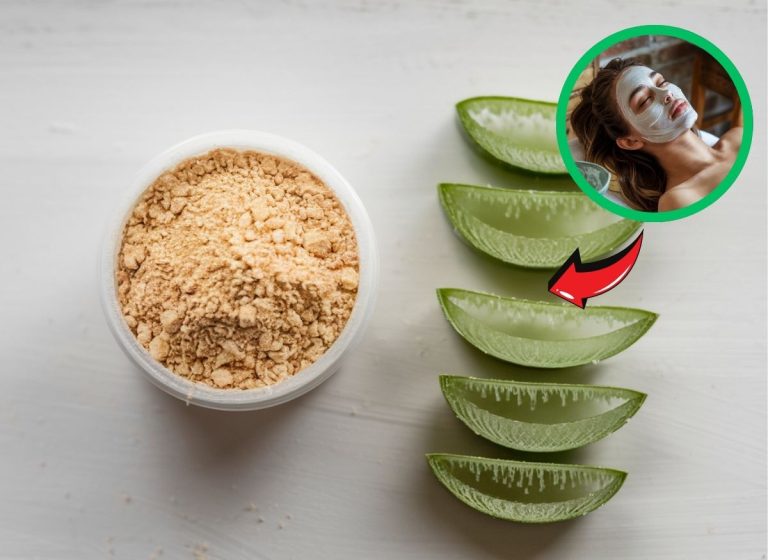
If you’re looking for a natural way to refresh your skin, you might be overlooking two ingredients that are probably already in your kitchen or bathroom, yeast and aloe vera.
It sounds like an unusual pairing, but together they make a genuinely useful combination for turning dull, tired skin into something that looks more hydrated and refreshed.
Here’s why this pairing works, along with a few DIY treatments to try.
Why Yeast and Aloe Vera Work So Well Together
Yeast: a natural skin revitalizer
Brewer’s or nutritional yeast is rich in B-complex vitamins, minerals, and antioxidants. These nutrients can help:
- Support collagen production, contributing to firmer-looking skin
- Improve texture and elasticity, softening the look of fine lines
- Strengthen the skin barrier, helping prevent moisture loss
- Help regulate oil production, useful for both dry and oily skin
- Help combat acne-causing bacteria, potentially reducing breakouts
Aloe vera: the ultimate skin soother
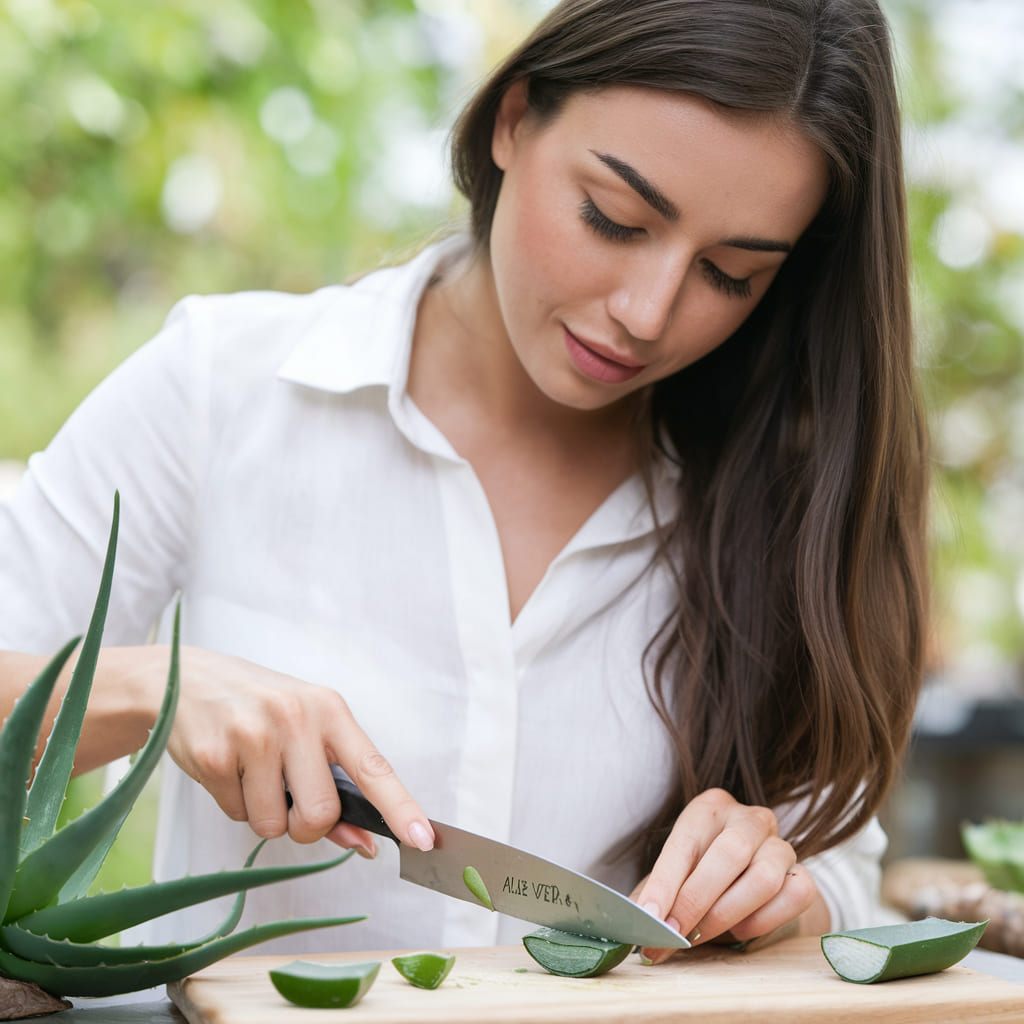
Aloe vera offers:
- Deep hydration without clogging pores
- Healing support for minor burns, cuts, and irritation
- Anti-inflammatory benefits that can reduce redness and swelling
- Antioxidants and vitamins A, C, and E that help protect against free radical damage
Why the combination works
Together, yeast and aloe vera can hydrate deeply, help balance oil production, support collagen, and calm inflammation, all while staying gentle enough for most skin types.
DIY Yeast and Aloe Vera Skincare Recipes
Hydrating Yeast and Aloe Vera Face Mask
Good for dry, dull, or tired-looking skin.
Ingredients:
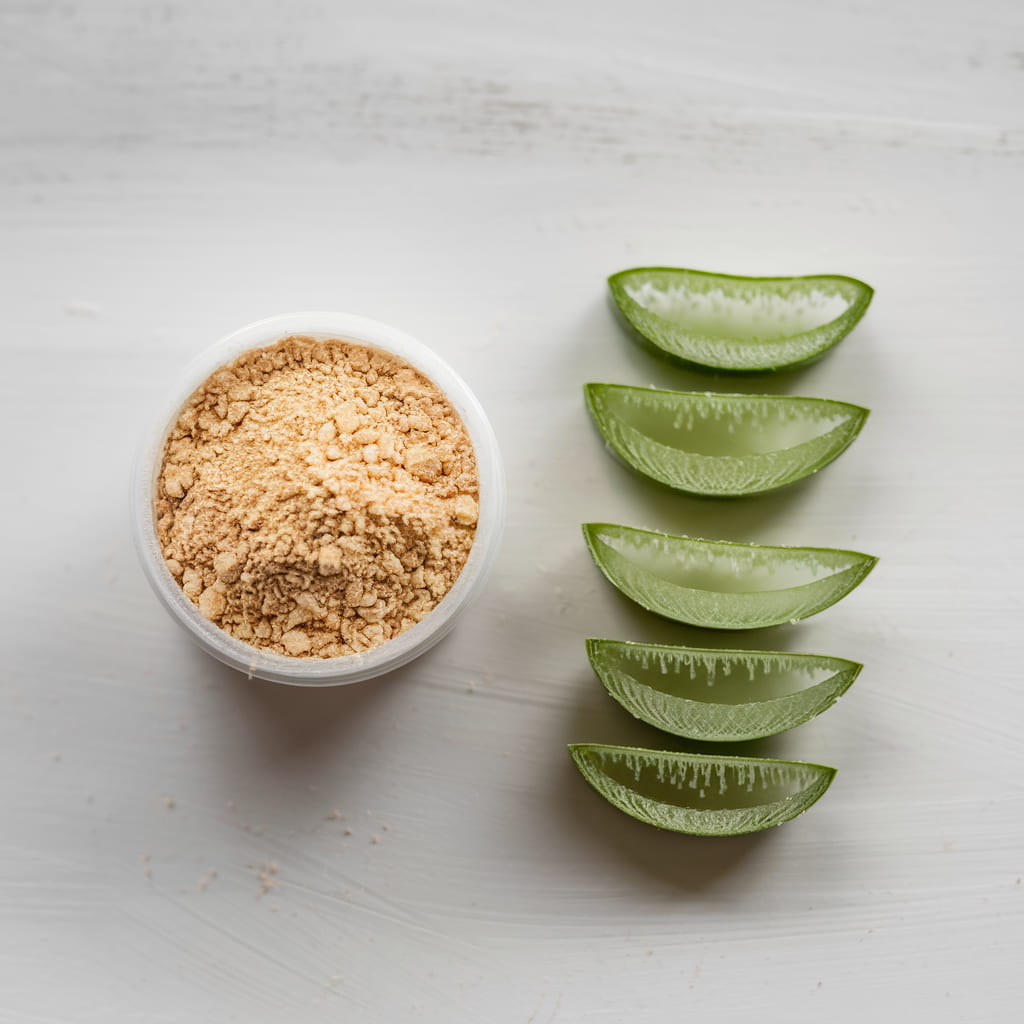
- 1 tablespoon fresh yeast or nutritional yeast
- 2 tablespoons pure aloe vera gel
- 1 teaspoon honey (optional, for extra moisture)
Instructions:
- Mix the yeast and aloe vera gel into a smooth paste.
- Add honey if using, and stir well.
- Apply to your face, avoiding the eye area.
- Leave on for 15 to 20 minutes before rinsing with lukewarm water.
Why it works
Helps lock in moisture and soothe irritation, leaving skin feeling softer.
Anti-Aging Yeast and Aloe Vera Firming Mask
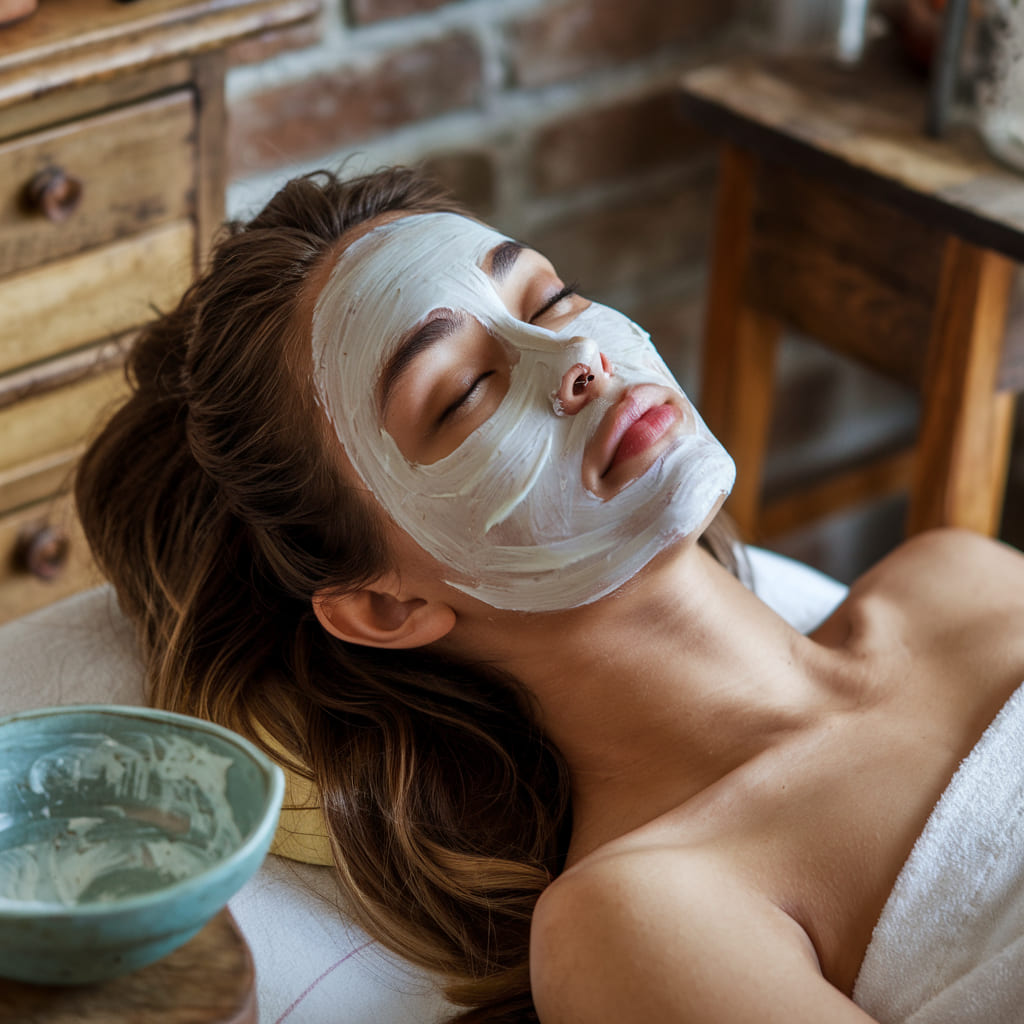
Aimed at softening fine lines and supporting elasticity.
Ingredients:
- 1 tablespoon yeast
- 2 tablespoons aloe vera gel
- 1 teaspoon yogurt
Instructons:
- Mix ingredients until smooth.
- Apply evenly to your face and neck.
- Leave on for 15 minutes, then rinse with cold water.
Why it works:
Yeast may support collagen production, while aloe vera hydrates and helps tighten the look of skin.
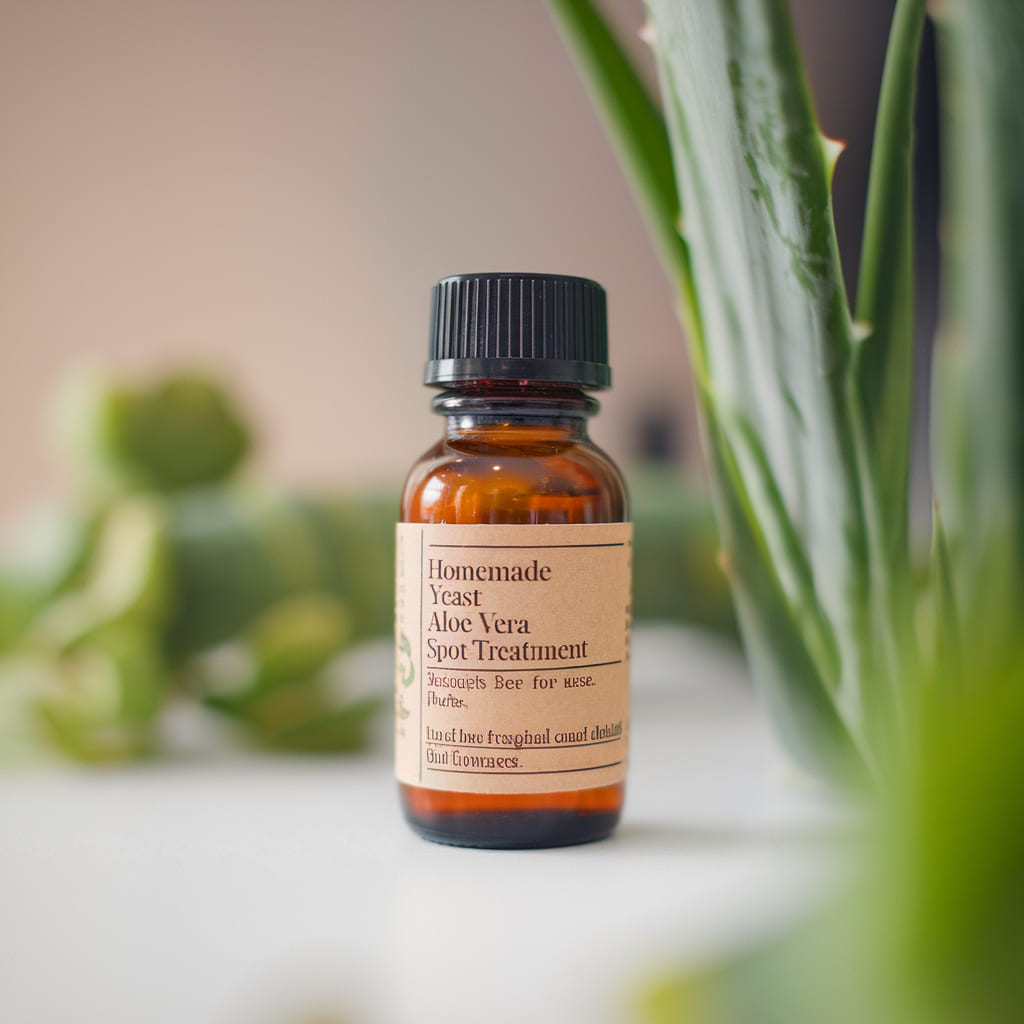
Yeast and Aloe Vera Spot Treatment for Acne
A targeted option for calming breakouts.
Ingredients:
- 1/2 teaspoon yeast
- 1 teaspoon aloe vera gel
- 1 drop tea tree oil (optional, for extra antibacterial support)
Instructions:
- Mix into a paste.
- Apply directly to blemishes and leave on for 10 to 15 minutes.
- Rinse with cold water and follow with a light moisturizer.
Why it works:
Yeast helps absorb excess oil and target bacteria, while aloe vera helps calm redness and support healing.
How Often Should You Use These Treatments?
- Hydrating masks: 2 to 3 times a week for dry or dehydrated skin.
- Firming treatments: Twice a week for noticeable results over time.
- Acne spot treatment: Use as needed on active breakouts.
Consistency is what tends to make the biggest difference here.
Can You Use Yeast and Aloe Vera Elsewhere on the Body?
Yes, these ingredients aren’t limited to facial skincare. You can also try them as:
- A hand or foot mask to soften rough skin
- A scalp treatment for dryness or dandruff
- A soothing after-sun gel for sunburn relief
Their versatility makes them a nice addition to a broader natural skincare routine.
Disclaimer :
This article is for informational purposes only and does not replace professional skincare advice. Always patch test before trying new treatments, and consult a dermatologist if you have concerns.
Yeast and aloe vera turn out to be a surprisingly effective pairing for skin. With regular use, many people notice brighter, more supported-looking skin, making these DIY treatments worth trying for anyone interested in a more natural approach.