
9 Warning Signs of Alcohol-Induced Hepatitis You Shouldn’t Ignore
The liver is one of the hardest-working organs in the body, quietly handling over 500 jobs that range from filtering out toxins to producing proteins, storing nutrients, and breaking down fats. But it’s also one of the most exposed when someone drinks heavily over a long stretch of time. The more alcohol the liver has to process, the more strain it’s under and eventually, that strain shows up as inflammation. Doctors call this alcohol-induced hepatitis.
It’s a bit of a confusing name, since “hepatitis” often makes people think of a virus. This form isn’t viral at all it happens when heavy alcohol use injures liver cells faster than the body can repair them. How bad it gets varies a lot from person to person. Some people barely notice anything is wrong; others end up with a life-threatening emergency. Alcohol-related liver disease is linked to thousands of deaths in the U.S. every year, and alcohol-induced hepatitis is among its most dangerous stages.
Part of what makes this condition tricky is how quietly it can build. In its early days, the symptoms are easy to write off tiredness, trouble sleeping, an upset stomach. It’s only as the inflammation deepens that the signs become impossible to ignore: yellowing skin, a swollen belly, ongoing nausea, confusion. Because the liver is so good at compensating for damage, many people don’t realize how much harm has already been done until things reach this point.
Below, we walk through nine warning signs of alcohol-induced hepatitis, why each one happens, and when they should prompt a trip to the doctor. Recognizing these symptoms early in yourself or someone you love can make a real difference.
What Exactly Is Alcohol-Induced Hepatitis?
Alcohol-induced hepatitis is inflammation and injury to the liver brought on directly by drinking too much alcohol for too long. It sits in the middle of the alcohol-related liver disease spectrum past simple fatty liver but before cirrhosis though in practice these stages often blur together.
Liver During Alcoholic Hepatitis
Inside the liver, alcoholic hepatitis plays out as a cycle of inflammation, cell death, and scarring, all driven by the toxic leftovers of alcohol breakdown.
The liver does most of the work of clearing alcohol from the body, and that process isn’t clean it produces acetaldehyde, a compound that’s actually more harmful to liver cells than alcohol itself, and one that’s recognized as a carcinogen. Once formed, acetaldehyde sets off a chain reaction of damage.
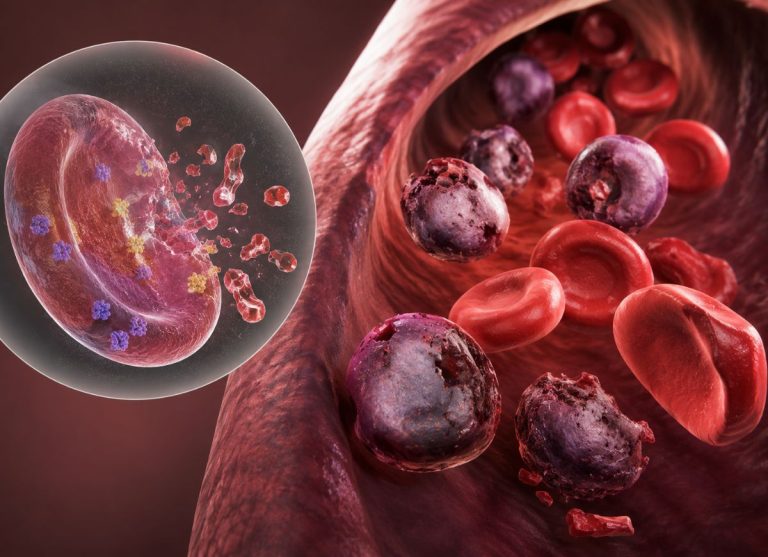
It starts with oxidative stress: the balance between harmful free radicals and the body’s antioxidants tips the wrong way, and that imbalance chips away at DNA, proteins, and cell membranes, eventually killing liver cells.
From there, acetaldehyde attaches itself to proteins inside liver cells, creating compounds the immune system treats as intruders. That draws in immune cells like neutrophils to fight what they perceive as a threat.
The trouble is, this immune response causes collateral damage. The chemical messengers it releases injure even more liver tissue and encourage scar tissue to form. Over time, this back-and-forth of injury, inflammation, and repair replaces healthy liver tissue with scar tissue fibrosis which can eventually harden into permanent cirrhosis.
Is Alcohol-induced Hepatitis a Reversible Condition?
It can be but whether it actually reverses depends heavily on how far the disease has progressed and, above all, on whether the person stops drinking completely. When the damage is still mostly inflammation without much scarring, the liver’s ability to regenerate is remarkable.
Given full abstinence, inflammation can ease and damaged cells can be replaced with healthy new ones over a matter of weeks or months. Nutritional support usually plays a big role here too, since heavy drinking often leaves people significantly malnourished.
That said, the further the disease progresses, the less reversible it becomes. In its most severe form, alcoholic hepatitis can trigger acute liver failure, which comes with a high risk of death in the short term.
And repeated flare-ups, or ongoing low-level inflammation, gradually build up scar tissue. Once that scarring reaches the point of cirrhosis widespread, permanent damage it can’t be undone. Quitting alcohol at that stage is still essential to stop things from getting worse and to lower the risk of complications like liver cancer, but it won’t repair the cirrhosis that’s already there.
In short: the earlier the disease is caught, the better the odds. Spotting symptoms early and quitting alcohol completely and permanently gives the liver its best shot at healing.
9 Symptoms of Alcohol-Induced Hepatitis
Jaundice (Yellowing of Skin and Eyes)
This is the sign most people associate with liver trouble. It happens because an inflamed liver can’t properly clear bilirubin, a yellow pigment left over from old red blood cells. Instead of being processed normally, bilirubin builds up in the blood and settles into the skin and the whites of the eyes, giving them a yellow cast. Dark urine and unusually pale stool often show up alongside it.
Abdominal Pain and Tenderness
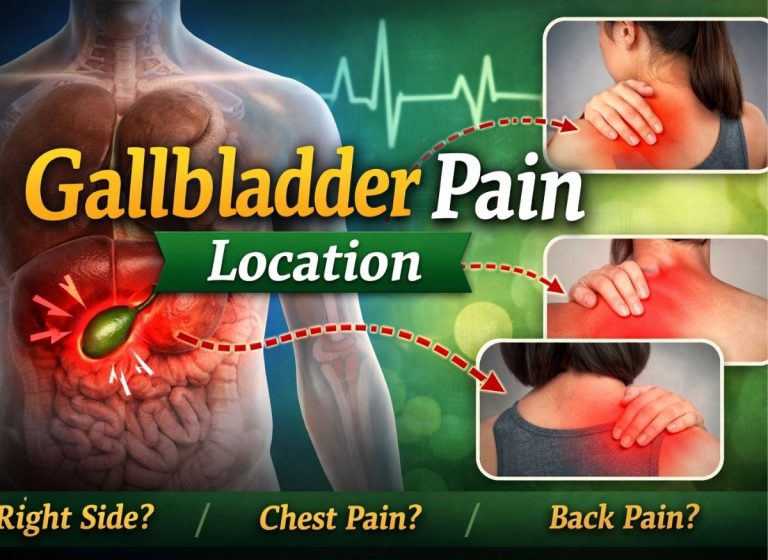
Many people with alcoholic hepatitis feel a dull ache or tenderness on the upper right side of the belly right where the liver sits. It comes from the liver’s outer capsule stretching as the organ swells with inflammation. The discomfort tends to linger and can get worse with movement or deep breathing.
Nausea and Vomiting
Once the liver struggles to detoxify the blood and produce the bile needed for digestion, nausea and vomiting often follow. This can spiral into poor nutrition and weight loss. In more severe cases, vomiting blood can occur if related complications, like swollen veins in the esophagus, develop.
Loss of Appetite and Unexplained Weight Loss
A sharp drop in appetite is extremely common. Between the inflammation itself and constant nausea, eating becomes difficult. On top of that, a struggling liver can’t manage metabolism and nutrient storage the way it should, which leads to malnutrition and muscle loss and often, fast, unintended weight loss.
Fluid Buildup (Ascites)
As the disease advances, fluid can start collecting in the abdomen, causing visible swelling and distension a condition called ascites. This tends to happen for two reasons: rising pressure in the veins that pass through the liver, and a drop in the liver’s production of albumin, a protein that normally keeps fluid inside blood vessels. Swelling in the legs and ankles often shows up too.
Persistent Fatigue and Weakness
This isn’t ordinary tiredness it’s an exhaustion that doesn’t improve with rest. The liver plays a big role in managing the body’s energy supply, including storing and releasing glucose. When it’s inflamed, that system breaks down, leaving the body in a near-constant state of fatigue and weakness.
Low-Grade Fever
A mild, ongoing fever is fairly typical with alcoholic hepatitis. It reflects the body’s broader inflammatory response to the injury happening in the liver. The fever usually isn’t dramatic, but it adds to an overall feeling of being unwell similar to fighting off a lingering infection.
Mental Confusion or Changes in Behavior (Hepatic Encephalopathy)
This is one of the more serious symptoms and points to significant liver dysfunction. Normally, the liver filters toxins like ammonia out of the bloodstream. When it can’t keep up, those toxins build up and reach the brain, where they interfere with normal function. This can show up as confusion, disorientation, personality shifts, slurred speech, extreme drowsiness, and, in the worst cases, coma. It’s considered a medical emergency.
Easy Bleeding or Bruising
The liver manufactures many of the clotting factors blood needs to stop bleeding properly. When liver function drops, so does the supply of those proteins. As a result, people may notice cuts that bleed longer than expected or bruises that appear without any real injury. Frequent nosebleeds and bleeding gums are also common.
Causes of Alcohol-Induced Hepatitis
Alcohol-induced hepatitis stems from the liver’s inflammatory reaction to the toxic byproducts of breaking down excessive, long-term alcohol use though not everyone who drinks heavily ends up with it, which points to a mix of behavioral, biological, and genetic factors at play.
Alcohol
The core damage comes from how the liver metabolizes alcohol, a process that generates toxic compounds like acetaldehyde and drives the body into oxidative stress. The main enzyme responsible, alcohol dehydrogenase, converts ethanol into acetaldehyde a substance far more damaging to liver cells than alcohol itself, and one that binds to proteins and DNA to form harmful compounds. These interfere with the mitochondria that power liver cells, draining their energy and eventually killing them.
Alcohol metabolism also floods the body with free radicals, overwhelming its natural antioxidant defenses. These free radicals attack cell membranes, proteins, and DNA, adding to the injury and triggering an inflammatory response. Immune cells rush in to clear the damage, releasing inflammatory chemicals that end up causing even more harm a cycle of toxicity, stress, and inflammation that’s at the heart of how alcohol destroys liver tissue.
Binge Drinking Patterns
How alcohol is consumed matters as much as how much. Binge drinking packing large amounts of alcohol into a short window overwhelms the liver’s ability to keep up, causing a sudden spike in acetaldehyde and oxidative stress. This tends to cause sharper, more acute liver injury than the same amount of alcohol spread out over time.
Gender
Women tend to be more vulnerable to alcoholic hepatitis and other alcohol-related liver conditions than men, even at lower levels of drinking. Part of the reason is biological: women generally produce less of the stomach enzyme that breaks down alcohol, so more of it reaches the liver. They also tend to have less body water and more body fat, which pushes blood alcohol levels higher for the same amount consumed.
Malnutrition
Malnutrition works both ways here it’s a cause and a result of chronic heavy drinking. Alcohol supplies calories with little nutritional value, crowding out real food, while also making it harder for the body to absorb and use key nutrients. Shortfalls in vitamins like folate and thiamine, along with antioxidants like vitamin E, weaken the liver’s natural defenses against oxidative damage.
Obesity
Carrying excess weight raises the risk of alcoholic hepatitis significantly. Obesity often goes hand-in-hand with fatty liver disease unrelated to alcohol, and that existing fat buildup makes the liver more vulnerable to the inflammation and scarring alcohol can cause sometimes described as a “two-hit” injury to the liver.
Co-existing Liver Conditions
Having another liver condition chronic hepatitis C in particular speeds up alcohol-related liver damage considerably. Together, alcohol and hepatitis C create a compounding effect, leading to worse inflammation, faster scarring, and a much higher chance of progressing to cirrhosis or liver cancer.
Genetics
Genes shape how efficiently someone metabolizes alcohol. Variations in the genes behind key enzymes like alcohol dehydrogenase and aldehyde dehydrogenase affect how quickly alcohol and its toxic byproducts are processed. Some genetic profiles lead to a faster buildup of acetaldehyde, raising the risk of liver injury.
Alcohol-Induced Hepatitis Diagnosis
Diagnosing alcoholic hepatitis usually involves a detailed conversation about symptoms and drinking history, a physical exam, blood work, imaging, and sometimes a liver biopsy together, these paint a full picture of what’s going on and help rule out other causes.
Honesty about how much and how long someone has been drinking is essential to getting this right. During the exam, doctors look for tell-tale signs: jaundice, a swollen belly, tenderness over the liver, and an enlarged liver or spleen.
Blood tests are central to the diagnosis. Liver function tests measure enzymes and proteins that reveal how the liver is doing. A classic pattern in alcoholic hepatitis is an AST level that’s notably higher than ALT often at least double.
Other useful markers include elevated bilirubin, elevated GGT, and slower blood clotting times, all of which help gauge how serious the damage is. A complete blood count can also flag anemia or other abnormalities.
Imaging ultrasound, CT, or MRI helps visualize the liver directly, showing whether it’s enlarged or has a texture suggesting inflammation or scarring, and ruling out other possible culprits like gallstones or tumors.
A liver biopsy remains the most definitive way to confirm the diagnosis and judge its severity. A small tissue sample is examined under a microscope for the hallmark signs of alcoholic hepatitis damaged, swollen cells, immune cell infiltration, and specific protein clumps called Mallory-Denk bodies and it can show exactly how much fibrosis or cirrhosis has developed.
Treatment for Alcohol-induced Hepatitis
Treating alcohol-induced hepatitis means stopping alcohol completely, supporting the body nutritionally, sometimes using medication to calm severe inflammation, and managing any complications that arise. For those with the most advanced disease, a liver transplant may eventually be the only option.
Nothing else matters more than quitting alcohol entirely and immediately no treatment works if drinking continues. Ongoing alcohol use keeps injuring the liver, blocks recovery, and worsens the long-term outlook. Because withdrawal itself can be dangerous, hospitalization is sometimes needed to manage it safely.
Most people with this condition are significantly malnourished, so correcting that is key to giving the liver a chance to heal. This often means a high-calorie, high-protein diet, sometimes delivered through a feeding tube, along with supplements for nutrients commonly lacking, like thiamine, folate, and zinc.
For severe cases, doctors may prescribe medication to dial down inflammation and improve short-term odds of survival. Corticosteroids like prednisolone are the go-to option; pentoxifylline is sometimes used as an alternative, though how well it works is still debated.
Managing complications is just as important diuretics for fluid buildup, lactulose for confusion caused by toxin buildup, and procedures to control bleeding from swollen veins in the esophagus.
When the disease has progressed to end-stage liver failure and other treatments haven’t worked, a transplant may be the only remaining option. Transplant programs typically require documented sobriety, often at least six months, before someone can be added to the waiting list, to help protect the new liver.
Long-Term Outlook and Related Liver Conditions
How things turn out long-term comes down largely to how severe the damage already is and whether the person can stay completely sober going forward.
For people with milder disease who stop drinking, inflammation often eases and the liver can regenerate impressively well, leading to a much better prognosis. Continuing to drink, on the other hand, speeds progression toward more severe, permanent damage.
Alcoholic hepatitis sits at a pivotal point in alcohol-related liver disease a bridge between the often-reversible fatty liver stage and the far more dangerous, irreversible cirrhosis stage.
Different Stages of Alcoholic Liver Disease
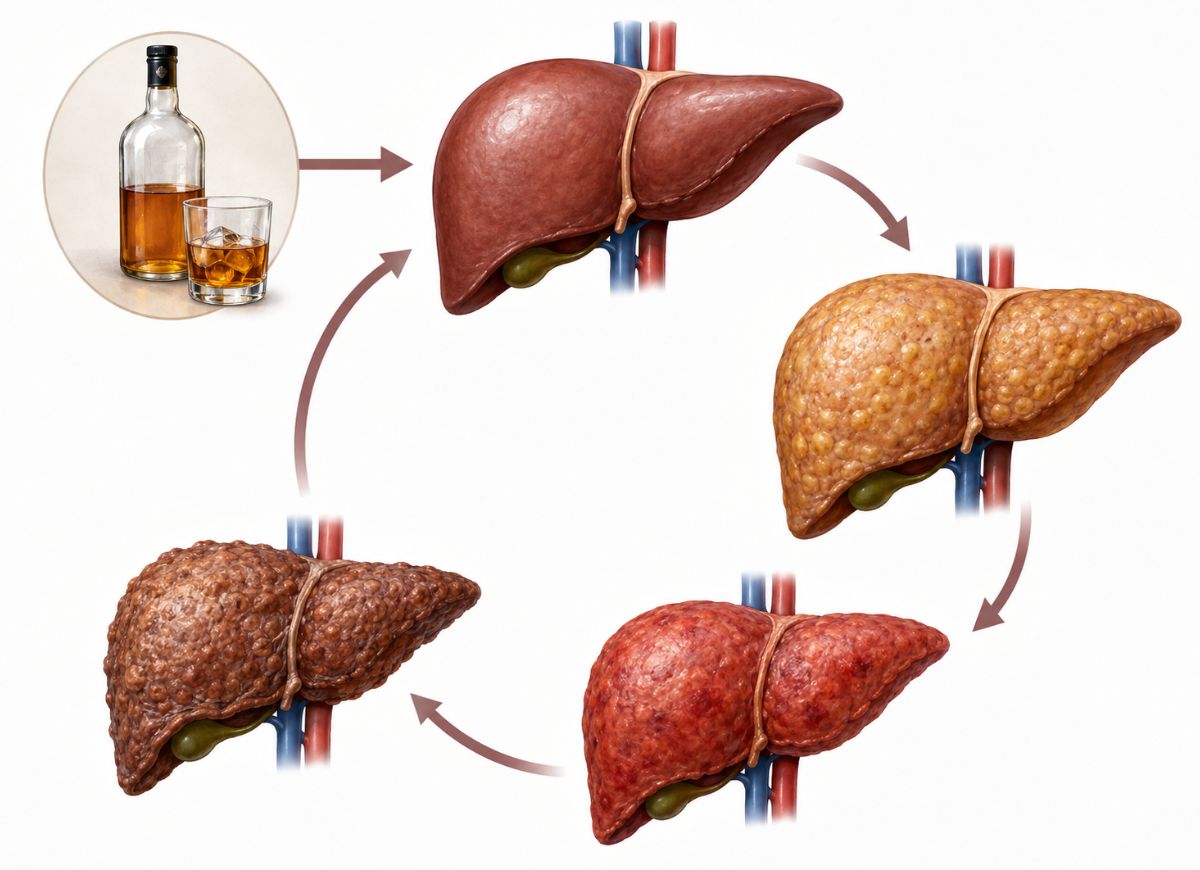
Alcohol-related liver disease usually moves through three overlapping stages, each more serious than the last.
The first is fatty liver, or steatosis, where fat starts accumulating inside liver cells. It often causes no symptoms at all and can appear even after relatively short periods of heavy drinking but importantly, it’s fully reversible if drinking stops.
The second stage is alcoholic hepatitis itself: an inflammatory condition marked by cell injury, swelling, and cell death, with symptoms ranging from mild fatigue and discomfort to severe jaundice, fever, and vomiting.
Recovery is possible here with complete abstinence and proper care, but severe cases carry a real risk of death in the short term, and repeated episodes drive ongoing scarring. The final stage is cirrhosis, where chronic inflammation permanently replaces healthy liver tissue with scar tissue, severely limiting how the liver can function.
Cirrhosis brings its own set of dangerous complications liver failure, high blood pressure in the liver’s blood vessels, and a higher risk of liver cancer. It’s worth noting that someone can have features of all three stages happening at once.
Alcoholic Hepatitis vs. Non-alcoholic Fatty Liver Disease (NAFLD)
Alcoholic hepatitis and NAFLD can both lead to similar liver damage, but their root cause is completely different and that distinction shapes how each is diagnosed and treated.
The key difference is the trigger: alcoholic hepatitis comes directly from heavy alcohol use, while NAFLD is tied to metabolic syndrome and isn’t caused by drinking at all. Its main risk factors are obesity, type 2 diabetes, high cholesterol, and insulin resistance.
In alcohol-related disease, toxic byproducts from metabolizing alcohol directly injure liver cells and drive inflammation and scarring. In NAFLD, insulin resistance causes fat to build up in the liver, which can eventually cause its own inflammatory condition, known as NASH essentially, NAFLD’s counterpart to alcoholic hepatitis.
Because the underlying causes differ, so does treatment. Alcoholic hepatitis is treated first and foremost by quitting alcohol entirely. NAFLD and NASH are managed instead through lifestyle changes weight loss, a healthier diet, regular exercise, and better control of blood sugar and cholesterol.
Specific Dietary Changes to Support Liver Recovery
After quitting alcohol, diet is the next most important piece of recovery. The goal is to give the liver what it needs to regenerate while avoiding anything that adds extra strain.
Because malnutrition is so common with this condition, getting proper nutrition matters a great deal. Managing sodium is one key piece a damaged liver has a harder time balancing fluids, so too much salt can worsen swelling and fluid buildup. That means cutting back on processed foods, canned goods, deli meats, fast food, and added salt.
Adequate protein is also essential, since it supports the repair and regeneration of liver tissue. Good sources include lean poultry, fish, eggs, dairy, legumes, and tofu. That said, in more advanced disease involving confusion from toxin buildup, protein intake may need to be carefully managed under a doctor’s guidance, since the liver struggles to clear the byproducts of protein breakdown.
Finally, a diet built around antioxidant-rich fruits, vegetables, and whole grains helps fight oxidative stress and inflammation, while cutting back on refined sugar and unhealthy fats helps prevent further fat buildup in the liver.
Most Severe Complications of Untreated Alcoholic Hepatitis
Left untreated, alcoholic hepatitis can lead to a series of severe complications as the liver’s function continues to decline, especially once chronic inflammation turns into permanent scarring.
One of the most feared outcomes is acute-on-chronic liver failure a sudden, severe decline in liver function in someone who already has chronic liver disease, often set off by heavy drinking or an infection, and carrying a very high risk of death.
As cirrhosis sets in, scar tissue blocks normal blood flow through the liver, raising pressure in nearby blood vessels a condition called portal hypertension. That pressure pushes blood into smaller, more fragile vessels, especially around the esophagus and stomach, causing them to swell into varices that are prone to rupturing and causing serious internal bleeding.
Hepatic encephalopathy is another major risk a decline in brain function caused by the liver’s inability to clear toxins like ammonia. This can lead to confusion, memory problems, personality changes, disorientation, and in severe cases, coma or death.
Advanced liver disease can also affect the kidneys, leading to a form of kidney failure known as hepatorenal syndrome. And over time, cirrhosis significantly raises the risk of developing liver cancer.
FAQs
1. Do all heavy drinkers get hepatitis?
No. Heavy drinking raises the risk substantially, but not everyone who drinks heavily develops alcoholic hepatitis. Genetics, nutrition, drinking patterns, body weight, sex, and other liver conditions all influence individual risk some people develop serious liver inflammation after years of drinking, while others show no obvious signs right away.
2. Will alcoholic hepatitis go away if I stop drinking?
Milder cases can improve with complete abstinence, medical care, and better nutrition. More severe cases, though, can leave lasting damage or progress to cirrhosis. Either way, stopping alcohol is the single most important step, since continuing to drink worsens the condition and raises the risk of liver failure.
3. Where is the pain with alcoholic hepatitis?
Most people feel it in the upper right side of the abdomen, under the ribs, where the liver sits. It’s often described as a dull ache or pressure, and some people also experience broader belly discomfort if fluid has built up.
4. What is the survival rate for alcoholic hepatitis?
It depends heavily on severity. Mild cases tend to have a much better outlook with abstinence and treatment. Severe cases are riskier, especially when complicated by jaundice, kidney issues, infection, or liver failure. Doctors typically use lab results and clinical scoring tools to estimate individual risk.
5. What organ does hepatitis hurt?
Hepatitis specifically refers to liver inflammation. As the liver swells, it can cause pain in the upper right abdomen, and liver damage more broadly can affect digestion, blood clotting, energy, brain function, and fluid balance.
6. What are the stages of alcoholic hepatitis?
Alcohol-related liver disease generally progresses through fatty liver, alcoholic hepatitis, fibrosis, cirrhosis, and in some cases liver failure. Alcoholic hepatitis can appear before or alongside cirrhosis, and its severity mild, moderate, or severe depends on symptoms, blood work, and how much liver function has already been lost.
Conclusion
Alcohol-induced hepatitis is a clear signal that the liver is under serious strain. Symptoms like yellowing skin, abdominal pain, swelling, nausea, fever, fatigue, confusion, and easy bleeding are never something to brush off, particularly in someone who drinks heavily.
The good news is that acting early can change the trajectory. Quitting alcohol, seeking medical evaluation, improving nutrition, and following treatment guidance can help calm inflammation and protect the liver function that remains. Catching these warning signs early and acting on them can make all the difference.