6 Symptoms of Pott’s Disease You Should Not Ignore
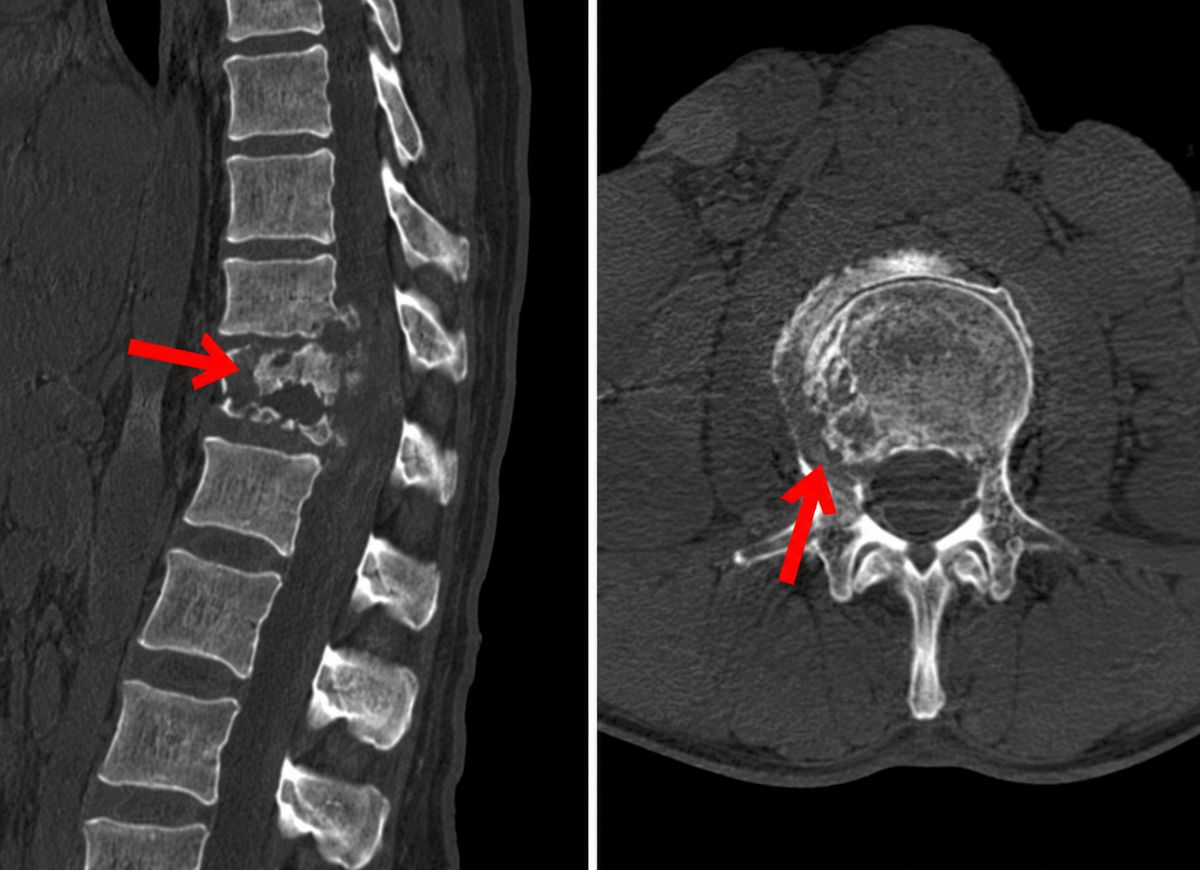
Pott’s disease often develops gradually, so its early symptoms can easily be mistaken for ordinary back pain, muscle strain, or other common problems. Some people may experience ongoing discomfort for weeks or months before discovering that an infection is affecting the spine. Recognizing the warning signs early may help reduce the risk of serious and lasting complications.
Also called spinal tuberculosis, Pott’s disease develops when tuberculosis bacteria spread from the lungs or another infected area to the bones of the spine. Although spinal TB is less common than tuberculosis of the lungs, it remains an important cause of spinal infection in many parts of the world. Without timely treatment, it can damage the vertebrae, cause spinal deformity, compress the spinal cord, and potentially result in permanent nerve damage or paralysis.
The symptoms may be subtle in the beginning. Persistent back pain, fatigue, a mild fever, or unexplained weight loss may appear before more serious symptoms develop. As the infection progresses, some people may experience weakness, numbness, difficulty walking, or changes in bladder and bowel function.
Because these symptoms can also occur with other spinal conditions, they should not be ignored, particularly in people who have risk factors for tuberculosis or a weakened immune system.This article explains six important symptoms of Pott’s disease, why they can occur, and when medical evaluation is necessary. Recognizing these warning signs can help people seek appropriate care sooner.
What is Pott’s Disease (Spinal Tuberculosis)?
Pott’s disease is a form of tuberculosis that affects the spine. It is caused by Mycobacterium tuberculosis and is classified as extrapulmonary tuberculosis because the infection occurs outside the lungs. The infection can damage the vertebrae, cause abscesses, and sometimes lead to neurological problems.
The condition is named after British surgeon Percivall Pott, who described it in the 18th century. While tuberculosis most commonly affects the lungs, the bacteria can travel to other parts of the body through the bloodstream or lymphatic system. The spine is one of the most common locations for tuberculosis involving the bones.
Pott’s disease usually develops slowly. The infection can gradually destroy portions of the vertebrae, eventually causing them to weaken and collapse. This may result in persistent pain, spinal deformity, instability, or pressure on the spinal cord and nearby nerves.
Affected Part of The Spine by Pott’s Disease
Pott’s disease most often affects the lower part of the thoracic spine and the upper lumbar spine. The area where these two sections meet, known as the thoracolumbar junction, is particularly vulnerable.
The infection generally begins when Mycobacterium tuberculosis reaches the vertebral bones through the bloodstream. The bacteria may settle in the front portion of a vertebral body, often close to the intervertebral disc.
The blood supply in this area can allow the bacteria to establish an infection. Over time, the infection causes inflammation and gradual destruction of the bone.
The bacteria can spread through the bloodstream from another site of tuberculosis. The Batson venous plexus, a network of veins surrounding the spine, may also provide another route for the infection to reach the vertebrae.
Once the infection becomes established, it can cause granulomatous inflammation and bone destruction. As the front portion of the vertebra weakens, it may eventually collapse under normal body weight, contributing to the characteristic spinal deformity associated with advanced Pott’s disease.
Is Pott’s Disease Contagious?
Pott’s disease itself is generally not considered directly contagious because the infection is located within the spinal bones and surrounding tissues. The spinal infection is not normally spread from person to person through ordinary contact, coughing, or sneezing.
However, a person with Pott’s disease may also have active tuberculosis in the lungs. Pulmonary tuberculosis can be contagious because bacteria can spread through the air when an infected person coughs, speaks, or sneezes.
For this reason, someone diagnosed with spinal tuberculosis may need an evaluation for tuberculosis elsewhere in the body, particularly in the lungs. Doctors may use chest imaging and sputum testing when appropriate to determine whether active pulmonary TB is present.
If contagious pulmonary tuberculosis is identified, appropriate infection-control measures are important to reduce the risk of transmission.
4 Primary Symptoms of Pott’s Disease
Constitutional Symptoms
Pott’s disease can cause general symptoms associated with a long-lasting infection. These may include a low-grade fever, night sweats, unexplained weight loss, reduced appetite, fatigue, and a general feeling of being unwell.
These symptoms are not unique to spinal tuberculosis. Many infections and inflammatory conditions can cause similar problems. They occur as the body’s immune system responds to Mycobacterium tuberculosis.
In some people, these general symptoms appear before significant back pain. The fever may be mild and more noticeable later in the day, while night sweats can sometimes become heavy enough to soak clothing or bedding.
Weight loss and loss of appetite may develop as the body responds to the ongoing infection. Because these symptoms are nonspecific, they can easily be attributed to other illnesses, which may contribute to delays in diagnosis.
Children may show different signs. They may become unusually irritable, have difficulty gaining weight, lose interest in playing, or become reluctant to walk. When these symptoms occur together with persistent back pain, further medical evaluation may be necessary.
Back Pain
Persistent back pain is one of the most common symptoms of Pott’s disease. The pain is often described as dull, aching, and continuous. It may gradually become worse and may not improve with normal rest.
This differs from many forms of mechanical back pain, which may improve when a person rests and become worse with certain activities. Spinal tuberculosis can produce pain that continues even when the person is inactive and may become more noticeable at night.
Several factors can contribute to this pain. Infection and inflammation within the vertebrae can irritate surrounding tissues, while damage to the bones can create instability. Nerve irritation may also cause pain that travels away from the spine.
As the disease progresses, some people may adopt a stiff or guarded posture because movement is uncomfortable. Children may wake during the night because of pain or muscle spasms.
If a nerve root becomes compressed, pain may radiate into areas such as the chest, abdomen, or legs, depending on which part of the spine is affected.
Persistent back pain that continues to worsen, particularly when accompanied by fever, weight loss, or neurological symptoms, deserves medical assessment.
Neurological Symptoms
Neurological symptoms can occur when spinal tuberculosis causes pressure on the spinal cord or nearby nerve roots. These symptoms may include shooting or radiating pain, numbness, tingling, weakness, difficulty walking, or changes in bladder and bowel control.
The severity of these symptoms depends on where and how much compression occurs. In advanced cases, spinal cord involvement can lead to paralysis, including paraplegia when the lower limbs are affected.
Several factors can place pressure on the spinal cord or nerves. These can include a tuberculous abscess, inflamed tissue, damaged bone fragments, or collapse and displacement of the vertebrae.
Spinal deformity can also contribute to neurological problems. As the vertebrae collapse, the spine may develop an abnormal forward curve that can place additional pressure on the spinal cord.
Early neurological symptoms may begin with numbness, tingling, or pain that follows a particular nerve pathway. With increasing compression, muscle weakness, poor coordination, difficulty walking, and bladder or bowel problems may develop.
Severe or rapidly worsening neurological symptoms require urgent medical attention because early treatment may improve the chances of preventing permanent damage.
Spinal Deformities
One of the most recognizable physical changes associated with advanced Pott’s disease is a sharp forward curve of the spine called kyphosis or a gibbus deformity. It develops when infection destroys and weakens the front portions of one or more vertebrae.
As the damaged vertebrae lose their strength, they may collapse into a wedge shape. When several adjacent vertebrae are affected, the spine can develop a pronounced forward angle that may become visible as a hump on the back.
Another possible complication is a tuberculous or “cold” abscess. Unlike many bacterial abscesses, these abscesses may not produce obvious redness, warmth, or severe tenderness.
A cold abscess can contain infected material, damaged tissue, and liquefied bone. It may extend beyond the spine by following natural tissue planes.
For example, an abscess near the lumbar spine can extend along the psoas muscle and cause swelling around the groin or thigh. An abscess originating in the thoracic spine may extend toward the chest wall.
A noticeable spinal deformity or a draining sinus associated with an abscess generally indicates more advanced disease and requires medical evaluation.
Causes of Pott’s Disease
Pott’s disease develops when Mycobacterium tuberculosis spreads from another site of tuberculosis to the vertebrae. The lungs are a common starting point, although TB can originate elsewhere in the body.
The bacteria usually reach the spine through the bloodstream, a process known as hematogenous dissemination. The infection therefore represents a spread of tuberculosis rather than a primary infection that begins in the spinal bone.
Tuberculosis generally begins when a person inhales airborne bacteria from someone with contagious pulmonary TB. In many people, the immune system controls the infection and keeps the bacteria inactive, resulting in latent tuberculosis.
If the immune system cannot adequately contain the bacteria, the infection may become active and spread to other parts of the body. The vertebrae can become involved because they have a substantial blood supply.
Once tuberculosis bacteria settle in the spinal bones, they can multiply slowly and cause the chronic inflammation and bone destruction associated with Pott’s disease.
Tuberculosis Bacteria
Tuberculosis bacteria can reach the vertebrae primarily through the bloodstream. Bacteria from an active or previously contained infection can enter the circulation and travel to other areas of the body.
The vertebral bodies receive a rich blood supply, making them a possible location for secondary TB infection. The bacteria may initially settle near the front portion of a vertebral body close to the endplate.
Another possible route involves the Batson venous plexus. This network of veins surrounds the spinal column and connects with veins from the abdomen, pelvis, and chest.
Because these veins do not contain valves, changes in pressure within the abdomen or chest can alter the direction of blood flow. This may provide another route through which bacteria can reach the spine.
After the infection becomes established, it may spread into nearby vertebrae. It can extend beneath the spinal ligaments or involve the intervertebral disc area.
Who is Most At Risk for Developing Pott’s Disease?
People with weakened immune systems have a greater risk of developing tuberculosis outside the lungs, including Pott’s disease. Higher-risk groups can include people living with HIV, individuals receiving immune-suppressing medications, and people with certain chronic illnesses.
Diabetes, advanced kidney disease, malnutrition, and other conditions that affect immune function may also increase the risk.
The immune system normally helps contain tuberculosis bacteria and prevent latent infection from becoming active. When immune defenses are weakened, the bacteria may reactivate and spread to other parts of the body.
People taking immunosuppressive medications may also have an increased risk. This can include some organ transplant recipients, people receiving certain treatments for autoimmune diseases, and some patients undergoing cancer treatment.
Living in areas where tuberculosis is common can also increase exposure risk. Crowded living conditions, poverty, and limited access to healthcare can contribute to TB transmission and delays in diagnosis and treatment.
How is Pott’s Disease Treated?
Treatment for Pott’s disease primarily involves multiple anti-tuberculosis medicines. Because the infection affects the spine and can cause structural damage, treatment may also involve spinal support, rehabilitation, or surgery in selected cases.
Anti-tuberculosis therapy is the main treatment used to eliminate the underlying infection. The exact combination and duration of medication depend on factors such as drug sensitivity, the extent of disease, and the patient’s response to treatment.
Treatment can last considerably longer than treatment for some uncomplicated forms of tuberculosis. The goals are to eliminate the infection, prevent further damage to the spine, protect neurological function, and manage any resulting deformity or instability.
A multidisciplinary medical team may be involved. Depending on the patient’s condition, care can include infectious disease specialists, orthopedic or neurosurgeons, radiologists, and physical therapists.
Following the prescribed treatment plan consistently is important. Early diagnosis and appropriate therapy can help reduce the risk of serious spinal and neurological complications.
Is Surgery Always Required for Pott’s Disease?
Surgery is not required in every case of Pott’s disease. Many patients, particularly those diagnosed before major spinal damage or neurological complications develop, can be treated primarily with anti-tuberculosis medication.
Surgery may become necessary when complications make medical treatment alone insufficient. Doctors consider factors such as neurological problems, spinal instability, significant deformity, large abscesses, and the patient’s response to medication.
Spinal cord compression accompanied by weakness, sensory changes, or paralysis can require urgent treatment. In appropriate cases, surgery may be used to relieve pressure on the spinal cord or nerves.
If extensive destruction has made the spine unstable, surgical stabilization may be considered. This can involve spinal fusion and instrumentation to help restore stability and prevent additional collapse.
Severe spinal deformity may also require corrective surgery, particularly when the deformity is progressing or significantly affecting function.
Large abscesses that cause compression or fail to improve with medical treatment may sometimes need drainage. Surgery can also provide tissue samples for laboratory testing when the diagnosis is uncertain or drug resistance is suspected.
The purpose of surgery is generally to decompress affected nerves, remove or drain problematic infected tissue when needed, and stabilize the spine. It is usually performed alongside appropriate anti-tuberculosis treatment.
Pott’s Disease Diagnosis
Diagnosing Pott’s disease usually involves a combination of symptoms, physical examination, imaging, and laboratory testing. Because its symptoms can resemble other spinal conditions, doctors may need several types of evidence before confirming the diagnosis.
A healthcare professional may suspect spinal tuberculosis when persistent back pain occurs alongside symptoms such as fever, night sweats, weight loss, or neurological changes, particularly in someone with TB risk factors.
Imaging is an important part of the evaluation. A plain X-ray may show changes such as narrowing of the disc space or destruction and collapse of nearby vertebrae, but early disease may not be visible on an X-ray.
MRI is especially useful for evaluating spinal infections because it can show bone destruction, disc involvement, soft tissue abnormalities, abscesses, and pressure on the spinal cord.
CT scans can provide detailed images of the bones and may help identify areas of bone destruction or calcification within an abscess.
Imaging alone cannot always confirm tuberculosis. When possible, doctors may collect tissue or fluid from the affected area for laboratory testing.
A CT-guided biopsy or aspiration can be used to obtain a sample from an abscess or affected vertebra. The sample may then be examined using microscopy, culture, and molecular testing.
Acid-fast bacilli testing can help identify tuberculosis bacteria, while culture can provide confirmation and information about drug sensitivity. Molecular tests such as GeneXpert MTB/RIF can detect tuberculosis DNA and can also identify certain forms of drug resistance.
Long-term Complications of Untreated Pott’s Disease
Without timely treatment, Pott’s disease can progressively damage the vertebrae and lead to serious complications. Because the infection often develops slowly, substantial spinal damage may occur before the symptoms become severe.
One major complication is spinal deformity. As infection destroys the front portions of the vertebral bodies, the weakened bones may collapse and create an abnormal forward curve called kyphosis.
Advanced collapse can produce a pronounced angular deformity known as a gibbus. Severe spinal changes can contribute to chronic pain, instability, and difficulties with physical function.
Neurological complications are another major concern. Infected tissue, abscesses, damaged bone fragments, or collapsed vertebrae can put pressure on the spinal cord or nerve roots.
This may begin with numbness, tingling, or weakness and can progress to difficulty walking or paralysis. If severe spinal cord compression is not treated promptly, neurological damage may become permanent.
Tuberculous abscesses can also grow and extend beyond the spine. For example, a psoas abscess may develop when infected material tracks along the psoas muscle toward the groin or thigh.
In some cases, an abscess can form a draining sinus through the skin or extend into nearby structures.
Even after the infection has been successfully treated, extensive bone destruction can leave lasting spinal instability or deformity. Some patients may therefore continue to experience pain or limitations in daily activities.
Pott’s Disease vs. Spinal Tumor
Pott’s disease and spinal tumors can produce similar symptoms, including persistent back pain, neurological problems, and general symptoms such as weight loss. This can make distinguishing between the two conditions challenging.
Imaging patterns can provide important clues. Pott’s disease often affects the front portion of the vertebral body and may involve the adjacent intervertebral disc. Infection can then extend into neighboring vertebrae.
The posterior parts of the vertebrae, including the pedicles, lamina, and spinous processes, may remain relatively preserved until later stages.
Spinal tumors, particularly metastatic tumors, can show a different pattern. They may involve the posterior elements of the vertebrae and can affect a vertebral pedicle. Tumors may also involve a single vertebral body without the same pattern of disc involvement seen with spinal infection.
MRI can provide additional information. Pott’s disease may produce a relatively well-defined abscess around the spine, while malignant tumors can appear as more invasive soft tissue masses.
Both conditions can cause constant pain, so symptoms alone are not enough to distinguish them. Fever and night sweats may point more toward chronic infection, but they are not exclusive to tuberculosis.
Ultimately, when the diagnosis remains uncertain, tissue sampling and laboratory or pathological examination may be necessary to distinguish tuberculosis from malignancy.
General Prognosis for Patients with Spinal Tuberculosis
The outlook for people with Pott’s disease can be favorable when the condition is diagnosed early and treated appropriately. Modern anti-tuberculosis therapy can control and eliminate the infection in many patients.
Treatment aims to eradicate the bacteria, prevent further spinal damage, protect neurological function, manage pain, and address deformity or instability when necessary.
Many patients experience improvement in symptoms after treatment begins. Pain, fever, fatigue, and other general symptoms may gradually improve as the infection comes under control.
Neurological recovery is also possible in some patients, particularly when spinal cord compression is recognized and treated before permanent damage develops.
The long-term outcome depends heavily on how advanced the disease is when it is diagnosed. People treated before major vertebral collapse or serious neurological complications generally have a better chance of recovering with fewer lasting problems.
When diagnosis is delayed, permanent complications may remain even after the tuberculosis infection has been successfully treated. These can include fixed spinal deformity, chronic pain, weakness, or persistent sensory problems.
Surgery may be needed in some patients to drain abscesses, decompress the spinal cord, or stabilize a damaged spine. When appropriate, combining surgery with anti-tuberculosis therapy can help address both the infection and its structural complications.
Following the prescribed treatment regimen and attending recommended follow-up appointments are important parts of recovery.
FAQs
1. How long after being exposed to TB will you test positive?
A TB skin test or blood test may not become positive immediately after exposure. It can take several weeks for the immune system to develop a detectable response.
If someone has recently been exposed and the initial test is negative, a healthcare provider may recommend repeat testing several weeks later. The exact timing depends on the type of test and the circumstances of the exposure.
If active tuberculosis is suspected, additional evaluation may include a chest X-ray, sputum testing, or other diagnostic tests.
2. What is the timeline of Pott’s disease?
Pott’s disease generally develops slowly rather than suddenly. Early symptoms such as persistent back pain, fatigue, mild fever, or weight loss may continue for weeks or months.
Without treatment, the infection can gradually destroy the vertebrae. Over time, this may lead to spinal deformity, nerve compression, weakness, walking difficulties, or paralysis.
Early diagnosis and treatment can help prevent or reduce these complications.
3. Which organ is mostly affected by tuberculosis?
The lungs are the organs most commonly affected by tuberculosis. Pulmonary TB can cause symptoms such as persistent coughing, chest discomfort, and sometimes coughing up blood.
However, tuberculosis can spread beyond the lungs and affect other parts of the body, including the lymph nodes, kidneys, brain, bones, and spine.
When tuberculosis affects the spine, it is called Pott’s disease or spinal tuberculosis.
4. Is Pott’s disease serious?
Yes. Pott’s disease is a serious form of tuberculosis because untreated infection can damage the vertebrae and surrounding spinal structures.
As the disease progresses, it can cause spinal instability, deformity, chronic pain, nerve compression, and neurological problems. In severe cases, paralysis can occur.
The condition can often be treated successfully with appropriate anti-tuberculosis medication. Surgery may also be needed when significant spinal or neurological complications are present.
5. Who is most at risk for Pott disease?
People with weakened immune systems have a higher risk of developing Pott’s disease. This can include individuals with HIV, diabetes, malnutrition, chronic kidney disease, or people taking medications that suppress immune activity.
People with active tuberculosis or close exposure to someone with TB may also have increased risk. Living in an area where tuberculosis is common can increase the likelihood of exposure as well.
For people with these risk factors, persistent back pain or other concerning symptoms should be evaluated by a healthcare professional.
Conclusion
Pott’s disease is a relatively uncommon but potentially serious form of tuberculosis that affects the spine. Because the condition often develops gradually, its early symptoms can easily be mistaken for ordinary back problems.
Persistent back pain, unexplained fever, weight loss, fatigue, neurological changes, or developing spinal deformity should not be ignored, especially when a person has known risk factors for tuberculosis.
The good news is that Pott’s disease can often be managed with appropriate anti-tuberculosis treatment. Depending on the severity of spinal damage, additional care such as surgery, rehabilitation, or spinal stabilization may be necessary.
Recognizing the warning signs and seeking medical evaluation early can help doctors diagnose the infection, begin appropriate treatment, protect spinal and neurological function, and reduce the risk of long-term complications.