
6 Key Symptoms of Cat Fever Disease and How to Prevent It
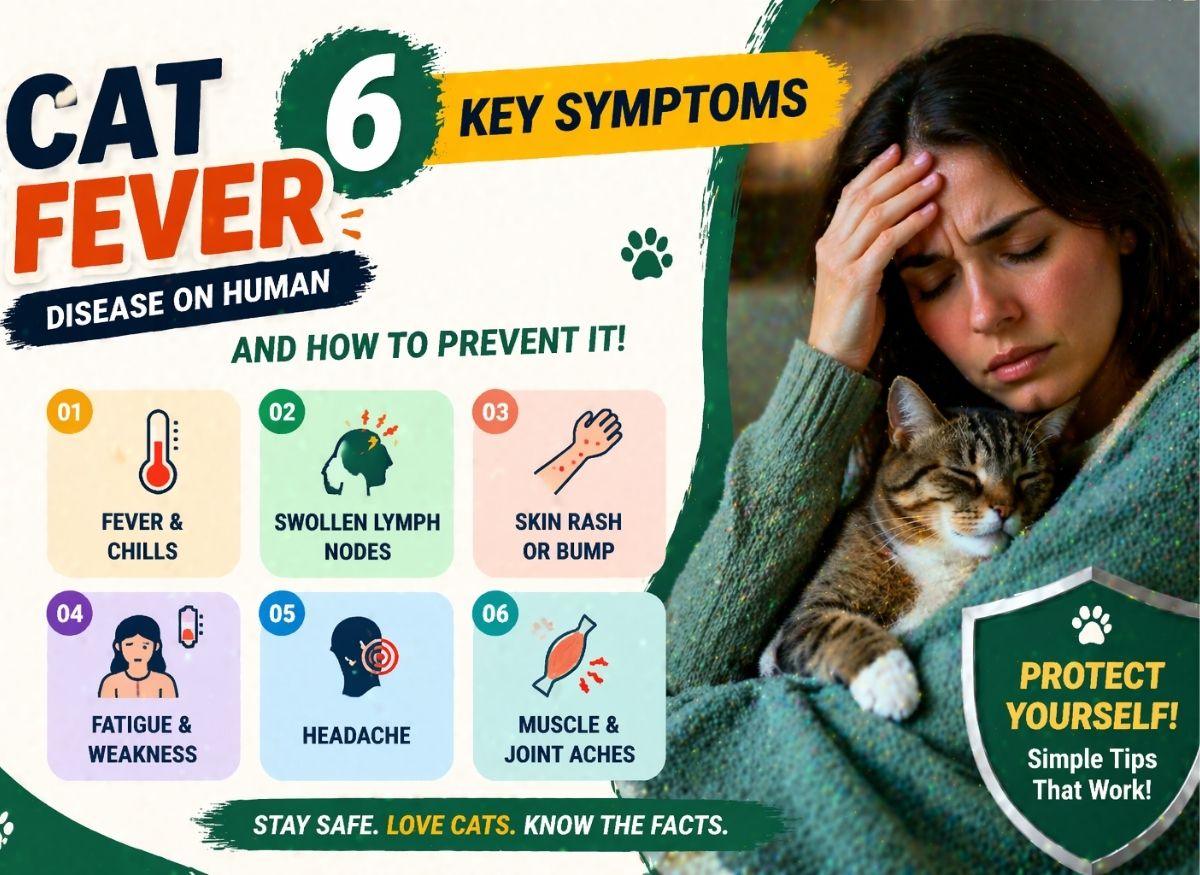
Cat fever disease, also called cat scratch disease, is a bacterial infection caused by Bartonella henselae. It’s typically passed on through scratches, bites, or even the saliva of infected cats. It’s often mild, especially in healthy people, but it can sometimes cause more serious problems if left untreated. Children, pet owners, and people with weakened immune systems face a higher risk of complications.
Many people don’t realize how easily it spreads or how much its early symptoms resemble common infections. Swollen lymph nodes, fever, and fatigue are often the first signs, so early recognition matters. Below, we cover the most common symptoms, how the infection spreads, and practical steps to protect yourself and your family.
The 6 Key Symptoms in Humans
Cat fever begins with a subtle skin reaction and escalates into a complex immune confrontation. Because Bartonella henselae is an intracellular pathogen that hides inside the host’s cells, the immune system has to mount a vigorous and often painful response. Understanding the timeline helps you recognize when a simple interaction with a cat has become a true case of the disease.
1. The inoculation lesion. The first sign is a small, raised bump (papule) that appears three to ten days after the scratch or bite, marking “ground zero” of the infection. It’s usually painless and not itchy, which is why many people never connect a small, crusting bump on the hand to the illness that follows weeks later. As bacteria multiply at this site, they reach the local lymphatic vessels and begin migrating deeper into the body.
2. Swollen lymph nodes. As the infection travels through the lymphatic system, it reaches the regional lymph nodes, the body’s “command centers.” The resulting swelling, called regional lymphadenopathy, is the most distinctive symptom. The nodes enlarge because they fill with proliferating white blood cells and inflammatory fluid as the body tries to trap the bacteria. A scratch on the arm typically swells the armpit or elbow nodes, while a facial scratch affects the neck nodes. They can stay enlarged and tender for several months, and in roughly 10% of cases they become suppurative, filling with pus and needing medical drainage.
3. Low-grade fever. Once the lymphatic system is engaged, the body launches a systemic defense. The fever is typically not high-grade but a persistent, low-level temperature elevation reflecting ongoing inflammation.
4. Fatigue and malaise. The fever is almost always accompanied by exhaustion out of proportion to the injury. Cytokines, the chemical messengers released during infection, induce malaise to force the body to rest while it fights the bacteria. This phase often mimics other viral illnesses, but localized, tender swelling is the key clue pointing to cat fever.
5. Headaches. In later stages of the acute infection, ongoing release of inflammatory mediators can cause dull, lingering headaches.
6. Loss of appetite. Reduced appetite can accompany the headaches and, for some people, leads to unintentional weight loss, as the body’s metabolic rate rises to fuel the immune system while the desire to eat drops. These symptoms stem from the bacteria’s affinity for the cells lining blood vessels, which can cause a generalized inflammatory state. Most people recover without complications, but recognizing these signs early helps ensure the infection doesn’t reach more sensitive organs like the liver, spleen, or eyes.
How to Prevent Cat Scratch Disease
Prevention isn’t just about avoiding scratches. It’s about disrupting the chain of transmission between fleas, cats, and humans. The bacteria essentially “hitchhike” from flea feces into cats’ claws and mouths, so a multi-layered defense works best. Combining behavior changes with consistent veterinary care can virtually eliminate the risk in your household.
Safe Play Boundaries
The most direct way to prevent infection is to keep the bacteria from ever reaching your bloodstream, starting with how you interact with cats, especially kittens, the most frequent carriers.
- Redirect their instincts. Never use your hands or feet as “prey.” Use toys that keep distance, like feather wands or laser pointers, to avoid accidental scratches when a cat gets overstimulated.
- Don’t let cats lick your face or open wounds. It may seem affectionate, but the bacteria can survive in cat saliva, and if it enters a break in the skin it bypasses your first barrier.
- Keep claws trimmed and blunt. This shortens the depth of any scratch, making it harder for the bacteria to reach the deeper skin layers where infection takes hold.
Handwashing
Handwashing is the unsung hero of prevention. Unlike hand sanitizer, which may not cut through the organic debris on a cat’s coat, soap and water physically lift and rinse away both the bacteria and the “flea dirt” (flea feces) that carries them.
- Wash right after petting, grooming, or being licked by a cat. This prevents self-inoculation, where you accidentally rub bacteria into your eyes or nose.
- Wash even after handling cats that look clean. Microscopic flea feces can cling to fur, and since this is the main reservoir for the bacteria, thorough washing matters even when there are no visible symptoms.
Veterinary Flea Control
The most effective long-term protection is proactive prevention through your vet. Fleas are the main drivers of the disease; without them, the bacteria can’t easily spread from cat to cat.
- Use year-round prescription-strength flea prevention. These medications kill fleas before they can defecate on the cat, breaking the link in the cycle.
- Don’t assume indoor cats are safe. Fleas can arrive on human clothing or other pets, so keeping every animal in the house on a consistent flea program is the only way to keep the bacteria from gaining a foothold.
First Aid for a Cat Scratch or Bite
Immediate, effective first aid is the most important barrier between a simple encounter and a systemic infection. Cat teeth and claws can deliver bacteria deep into the skin, so the goal is to mechanically flush the bacteria out and then neutralize what remains. A structured cleaning routine lowers the bacterial load before the pathogens can colonize the lymphatic system.
- Flush for five minutes. Hold the wound under warm running water and wash with soap for a full five minutes. The flow helps push out saliva and bacteria that may have been injected into a puncture, which is especially important for bites, since cat teeth can deposit bacteria deep in tissue where low oxygen favors certain pathogens.
- Apply antibiotic ointment. After drying with a sterile cloth, apply an over-the-counter antibiotic ointment to kill lingering bacteria at the wound’s edges.
- Cover it. A clean bandage keeps contaminants out and stops you from touching the wound and transferring bacteria to your eyes or nose.
Watch for Red Flags
Over the next 7 to 14 days, monitor for signs that the wound is becoming infected rather than healing normally:
- A small, painless, reddish-brown bump at the site, often the very first indicator of cat fever, suggesting the bacteria have colonized the area
- Spreading inflammation: red streaks radiating from the wound, or redness and warmth that expand instead of shrinking, may mean the infection is spreading into surrounding tissue (cellulitis)
- Systemic warning signs: fever, profound fatigue, or a lump (swollen lymph node) in the armpit or neck call for a visit to a healthcare provider
When to Skip Home Care
See a doctor right away if any of these apply:
- Deep puncture bites, which are notorious for causing deep-tissue infections that can affect tendons or bone
- A weakened immune system, which carries a much higher risk of severe complications
- Injuries near the eyes or over a joint, which need specialized care to prevent permanent damage
How Doctors Diagnose It
Diagnosis is a detective process that combines a patient’s history with the physical clues the bacteria leave behind. Because the symptoms can mimic more serious conditions like lymphoma or tuberculosis, doctors must carefully distinguish simple localized swelling from a true systemic infection.
Clinical diagnosis. Often the signs are distinct enough that a doctor can diagnose from a physical exam alone, looking for a “classic triad”: contact with a cat (especially a kitten), a primary inoculation papule, and regional lymph node swelling. A swollen armpit node plus a healing scratch on the hand from two weeks earlier is considered definitive.
Blood antibody testing. When the picture is unclear or symptoms are severe, doctors turn to serology, most commonly the Indirect Immunofluorescence Assay (IFA), which looks for two types of antibodies:
- IgM antibodies point to a very recent or acute infection
- IgG antibodies at high levels suggest a current infection or past exposure to the bacteria
A four-fold rise in IgG over several weeks is a strong confirmation of active disease.
Advanced testing. In complex cases, such as an immunocompromised patient or lymph nodes that won’t shrink, more invasive tests may be needed:
- PCR searches for the bacteria’s actual DNA in blood or tissue samples, the most accurate way to confirm the infection since it identifies the pathogen itself rather than the body’s reaction
- Lymph node biopsy, used to rule out cancer, shows under the microscope a characteristic pattern of “stellate necrosis” (star-shaped areas of dead tissue)
Imaging. If the infection is suspected to have spread beyond the lymph nodes, an ultrasound can evaluate the size and consistency of swollen glands and show whether they’ve filled with pus. In rare cases where internal organs are involved, CT or MRI can look for small inflammatory lesions on the liver or spleen so treatment covers systemic involvement.
Potential Complications
Cat fever is usually self-limiting, but the bacteria can occasionally escape the lymphatic system and become a disseminated disease affecting the eyes, brain, heart, and internal organs. This is more common in children and immunocompromised people, whose immune systems struggle to wall off the infection at the regional lymph nodes.
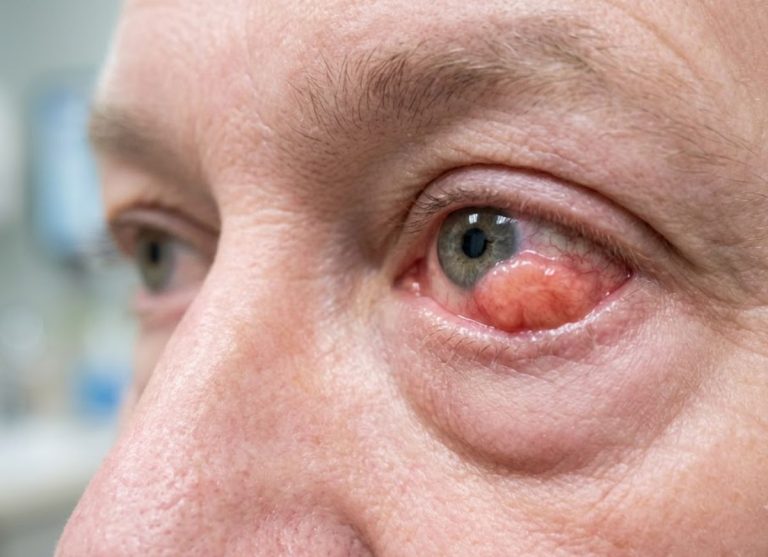
Eye complications. Parinaud’s oculoglandular syndrome often occurs when bacteria are introduced directly into the eye, for example by rubbing it after handling a cat. It causes a severe red-eye conjunctivitis with a visibly swollen lymph node just in front of the ear. More concerning is neuroretinitis, inflammation of the optic nerve and retina that can cause sudden, painless blurriness or vision loss. A doctor may see a “macular star,” a star-shaped pattern of fluid deposits on the retina. Vision usually returns with treatment, but it requires immediate specialist care.
Neurological effects. In rare cases, the infection can cross the blood-brain barrier and cause encephalopathy, inflammation of the brain itself, with sudden confusion, severe headaches, or seizures. Despite how alarming this is, the outlook is surprisingly good, and most patients recover fully without permanent damage once the infection is controlled. Other rare issues include transverse myelitis, spinal cord inflammation causing limb weakness or sensory changes.
Internal organs and the heart. When bacteria enter the bloodstream, they can colonize the liver and spleen, causing hepatosplenic disease with high, persistent fevers and abdominal pain, and imaging often shows small, grain-like inflammatory masses (granulomas). The most life-threatening complication is endocarditis, infection of the heart valves, which is especially dangerous for people with existing valve problems. It can be a slow, “smoldering” illness leading to heart failure if not caught early. Because Bartonella is hard to grow in standard lab cultures, it’s a notorious “culture-negative” infection requiring specialized testing.
Bone and joint involvement. Rarely, the bacteria settle in the skeleton, causing osteomyelitis (bone infection) with localized, intense bone pain and swelling, often in the spine or pelvis. This can be mistaken for more aggressive bone disease, making a clear history of cat contact a vital diagnostic clue.
Is It More Dangerous for Immunocompromised People?
Yes. For people with weakened immune systems, cat fever shifts from a manageable local infection to a potentially life-threatening systemic crisis. A healthy immune system walls off the bacteria in the lymph nodes, but an impaired one lets Bartonella henselae invade the cells lining blood vessels throughout the body, leading to uncontrolled bacterial growth and abnormal, diseased tissue replacing healthy structures.
Bacillary angiomatosis. The most distinctive and dangerous manifestation in these patients. The bacteria stimulate the body to produce an overabundance of new, fragile blood vessels, appearing as red or purple “tumor-like” skin nodules that can bleed heavily if bumped. These vascular lesions can also form on internal organs, in the respiratory tract lining, or in the bone marrow, causing organ obstruction or serious internal bleeding and making treatment an urgent priority.
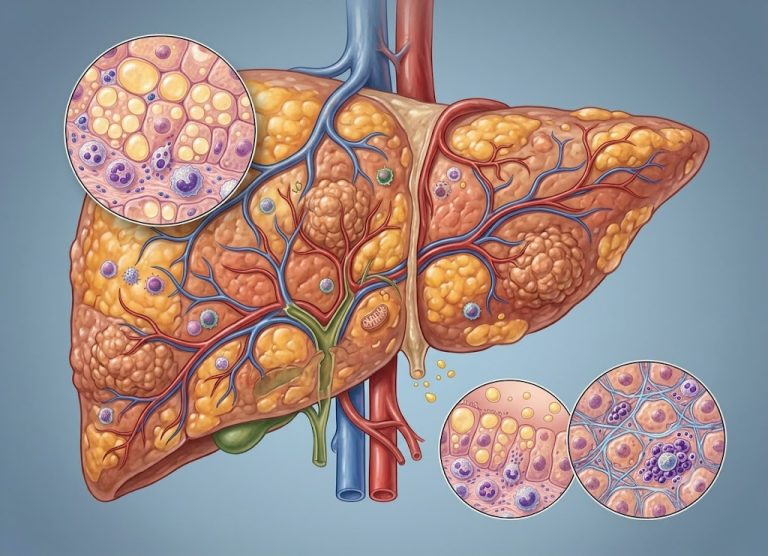
Bacillary peliosis. When the liver or spleen is targeted in a vulnerable host, it can develop into this rare but severe condition, in which the organs become riddled with blood-filled cysts. As these “blood lakes” expand, they destroy surrounding healthy tissue, leading to organ enlargement and a high risk of spontaneous rupture. Since the liver and spleen filter blood and support immune function, their failure can cause rapid decline, and the signs go well beyond swollen glands to intense abdominal pain, jaundice, and severe anemia.
Aggressive, prolonged treatment. Treatment for immunocompromised patients is far more intensive than the “wait and see” approach often used for healthy people. Because the body can’t help clear the bacteria, doctors rely entirely on medication.
- Extended antibiotic courses. A healthy person might need a five-day course of azithromycin, but an immunocompromised patient may need several months of dual antibiotic therapy (such as doxycycline with rifampin) to fully eradicate the bacteria.
- Relapse prevention. The risk of the infection returning is high if treatment stops too early, so ongoing monitoring with blood cultures and PCR is needed to confirm the infection has been cleared.
Protecting the vulnerable. For people with suppressed immunity, prevention must be absolute. Medical professionals often advise high-risk people to avoid adopting kittens, since the bacteria are far more prevalent in cats under one year old. If an immunocompromised person chooses to live with a cat, it should be an adult with a proven history of year-round flea control. Even with a gentle pet, any sign of infection from a scratch should be treated as a medical emergency, since the window for preventing disseminated disease is much smaller in this group.
Frequently Asked Questions
What is cat fever disease?
A bacterial infection caused by Bartonella henselae, commonly transmitted by scratches or bites from infected cats. It often starts with a small bump or blister at the injury site, followed by swollen lymph nodes nearby. Most cases are mild, though in rare situations the infection can spread elsewhere in the body. Early recognition helps prevent complications and ensures proper care.
What are the main symptoms?
Swollen lymph nodes, fever, fatigue, and headaches are most common, and some people also lose their appetite or feel generally unwell. Lymph nodes near the scratch or bite may become tender and enlarged over time. Symptoms typically appear within a few days to a couple of weeks of exposure.
How is it transmitted?
Usually when an infected cat scratches or bites, letting bacteria enter the skin. It can also spread if a cat licks an open wound or broken skin. Kittens are more likely to carry the bacteria, making them a common source. Good hygiene when handling pets significantly lowers the risk.
Is it dangerous?
In most healthy people it isn’t, and it often resolves without serious complications. People with weakened immune systems, such as those on certain medical treatments or with chronic illness, may have more severe symptoms. In rare cases the infection can affect the eyes, liver, or nervous system, so seek medical attention if symptoms worsen or don’t improve.
How is it treated?
It depends on severity. Mild cases may resolve with rest and supportive care, while more persistent or severe cases may need antibiotics to clear the infection. Pain relievers and warm compresses can ease the discomfort of swollen lymph nodes.
How can it be prevented?
Wash your hands after handling pets, avoid rough play that leads to scratches, and clean any wounds promptly. Keeping cats free of fleas is also important, since fleas can carry the bacteria. These simple precautions significantly reduce the risk of infection.
The Bottom Line
Cat fever disease is usually manageable, but understanding its symptoms and transmission is essential for early detection and prevention. Many cases resolve on their own, though some people need medical treatment, especially if symptoms become severe or persistent. Recognizing warning signs like swollen lymph nodes, fever, or unusual fatigue lets you act before complications arise.
Prevention starts with simple habits: good hygiene, avoiding rough play with cats, and cleaning scratches or bites promptly. If symptoms develop after contact with a cat, seeking medical advice ensures proper care. By staying informed and taking preventive measures, you can keep enjoying the companionship of your pets while lowering your risk of infection.