
10 Key Symptoms of Alcohol Poisoning and First Steps to Take

Alcohol is a familiar part of modern social life. It shows up at celebrations, business events, and casual gatherings, usually with little thought given to what it does to the body. That widespread acceptance can create a false sense of safety. Moderate drinking may cause no harm for many people, but the gap between safe use and dangerous overconsumption is narrower than it seems.
Alcohol poisoning remains a serious and often underestimated medical emergency. According to the CDC, excessive alcohol use causes thousands of deaths each year in the United States, and on average around six people die from alcohol poisoning every day.
Many of these cases involve binge drinking: consuming large amounts of alcohol in a short time, typically pushing blood alcohol concentration (BAC) to 0.08% or higher. As BAC approaches or exceeds 0.30%, the risk of life-threatening complications rises sharply.
The body processes alcohol at a fairly fixed rate, roughly one standard drink per hour. When intake outpaces that capacity, alcohol accumulates in the bloodstream and begins to suppress critical functions like breathing, heart rate, and temperature regulation.
This can continue even after someone stops drinking, which makes delayed symptoms especially dangerous. A person may look merely drunk while their condition quietly worsens toward toxicity.
A major problem is misreading the signs. Unconsciousness, slow breathing, or repeated vomiting are often written off as normal effects of heavy drinking, delaying urgent care and contributing to preventable complications like aspiration, severe dehydration, and neurological damage.
Recognizing early signs and responding quickly can greatly reduce the risk of death. Below are the most important symptoms and the immediate steps to take if alcohol poisoning is suspected.
The 10 Critical Symptoms
1. Confusion and disorientation. An early but serious sign. The person may not know where they are, who they’re with, or what’s happening, and may be unable to answer simple questions or follow basic instructions. This goes well beyond ordinary intoxication and shows alcohol is significantly affecting cognition.
2. Stupor. A more advanced state in which the person is technically conscious but almost entirely unresponsive. Their eyes may be open, yet they don’t react to sounds, touch, or other stimuli. It’s a critical warning that the brain’s communication pathways are severely depressed.
3. Inability to be awakened. Often mistaken for “sleeping it off,” this is fundamentally different and far more dangerous. The person has lost consciousness and can’t be roused no matter how loudly you call or how firmly you try to wake them. It’s an emergency because they’re at high risk of choking on vomit or ceasing to breathe.
4. Coma. The most severe state of unconsciousness: complete unresponsiveness and imminent risk of death. The brain’s control over breathing and heart rate is critically compromised, and a coma from alcohol poisoning can cause irreversible brain damage or death without immediate treatment.
5. Vomiting. Vomiting is common with heavy drinking, but in alcohol poisoning it becomes extremely dangerous. Alcohol irritates the stomach lining, and the body tries to expel it, yet alcohol also impairs the gag reflex that normally prevents choking. A person who is unconscious or in a stupor can easily inhale vomit into the lungs, leading to airway obstruction, asphyxiation, or severe infections like pneumonia.
6. Seizures. Dangerously high alcohol levels can disrupt the brain’s electrical activity, and alcohol can also cause a sharp drop in blood sugar (hypoglycemia), another common seizure trigger. A seizure is an unmistakable sign of severe brain distress and needs immediate medical intervention to prevent further neurological damage, injury, and progression to a more critical state.
7. Slow or irregular breathing. One of the most life-threatening symptoms. Alcohol strongly depresses the brainstem’s respiratory center. At toxic BAC levels, breathing can slow to fewer than eight breaths per minute or become irregular, with pauses of more than ten seconds. This respiratory depression starves the body and brain of oxygen and can quickly lead to irreversible brain damage and cardiac arrest.
8. Hypothermia (low body temperature). Alcohol dilates blood vessels near the skin, creating a misleading feeling of warmth while letting body heat escape rapidly. In someone unconscious or immobile, this can cause a severe drop in core temperature, which impairs brain function, slows the heart, and can end in cardiac arrest. The person may feel cold to the touch.
9. Pale or bluish skin (cyanosis). Poor circulation and low blood oxygen cause this color change. As poisoning progresses, slowed heart rate and breathing reduce oxygen delivery to tissues, and poorly oxygenated blood turns from bright red to a darker bluish-red, most visible in the lips and nail beds. Pale skin can signal the circulatory system shutting down and the body going into shock.
10. Clammy skin. Damp, cool, or clammy skin reflects the body’s stress response and failing systems, and often accompanies hypothermia, indicating severely impaired temperature regulation. Combined with pale or blue skin, it suggests the circulation is struggling and the person may be in shock, a life-threatening emergency.
What to Do If You Suspect Alcohol Poisoning
Never leave someone to “sleep it off”
Someone with suspected alcohol poisoning should never be left alone to sleep, because their condition can turn life-threatening while they’re unconscious and unable to help themselves. This is arguably the most dangerous and widespread myth about severe intoxication. The person isn’t simply sleeping; they’re unconscious because of a poison actively depressing their central nervous system.
- BAC keeps rising. Alcohol continues to be absorbed from the stomach and intestines even after someone stops drinking or passes out, so BAC can climb to a lethal level while they appear to be resting.
- Choking risk. Vomiting is common, and the gag reflex is impaired. An unconscious person can’t protect their airway, and if they vomit lying on their back, they can inhale it and asphyxiate within minutes. This is a leading cause of death in alcohol poisoning.
- Respiratory depression. As alcohol rises in the brain, the area controlling breathing can be suppressed, making breathing dangerously slow, irregular, or absent. An unconscious person can’t signal distress.
- Heat loss. Alcohol drains body heat quickly, and an unconscious person can’t shiver or move to generate warmth, leaving them highly vulnerable to hypothermia and cardiac arrest.
Steps to take while waiting for help
The goal is to address the most immediate threats, choking and respiratory failure, until professionals arrive. Avoid home remedies, which often do more harm than good.
- Call 911 immediately. This is the most important step. Don’t delay. Be ready to give your location and details of the situation.
- If they’re conscious, keep them talking and seated upright, which helps prevent loss of consciousness and eases breathing. Don’t walk them around.
- If they’re conscious and vomiting, help them lean forward so they don’t choke.
- If they’re unconscious, roll them carefully onto their side into the recovery position: top hand under the head for support, top knee bent to keep them from rolling onto their stomach. This lets gravity drain vomit and fluids from the mouth instead of the lungs. Do this immediately if they’re vomiting.
- Don’t give them anything. No coffee, food, water, or other substances. Coffee doesn’t sober anyone up and can worsen dehydration, and an unconscious person can’t swallow safely. Don’t try to induce vomiting either, as that causes more harm.
- Stay with them and continuously check breathing and consciousness until help arrives.
What to tell emergency responders
The patient likely can’t give their own history, so your information helps paramedics and doctors decide on treatment faster and more accurately.
- Be specific. Instead of “they’re really drunk,” describe what you see: “They’re unconscious and I can’t wake them,” “Their breathing is very slow, about six breaths a minute,” “Their skin is cold and pale,” or “They had a seizure a few minutes ago.”
- Share what you know about the drinking: the type of alcohol, the estimated amount (e.g., half a bottle of tequila, ten shots), and over what period, which helps estimate BAC.
- Mention any other substances, illicit, prescription, or over-the-counter. Combining alcohol with other depressants like opioids or sedatives dramatically raises the risk of respiratory failure.
- Provide personal details if you know them: name, age, approximate weight, and any medical conditions such as diabetes, epilepsy, or heart problems. Even if you don’t know the person, check for a medical alert bracelet or necklace.
What Causes Alcohol Poisoning
Alcohol poisoning results from drinking far faster than the liver can process alcohol, causing BAC to rise rapidly and dangerously and poison the central nervous system. The liver handles roughly one standard drink per hour. Drink heavily in a short window and it’s overwhelmed; unprocessed alcohol circulates and accumulates to toxic levels that begin shutting down brain areas responsible for breathing, heart rate, and temperature control.
Binge Drinking
Binge drinking is the single most common cause, because it floods the body with alcohol much faster than the liver can clear it. The NIAAA defines it as a pattern that brings BAC to 0.08% or higher, typically after four or more drinks for a woman or five or more for a man in about two hours.
Because the liver works at a constant rate of about one drink per hour, binge drinking means drinking ahead of its capacity. Five drinks in one hour, for example, leaves excess alcohol circulating through the body and brain for the next four hours as its concentration keeps climbing.
Alcohol also doesn’t need to be digested. It’s absorbed directly into the bloodstream through the stomach and small intestine, and binge drinking, especially on an empty stomach, speeds absorption and causes BAC to spike. As BAC rises, alcohol’s depressant effects move from areas governing judgment and coordination to the primitive brainstem regions that regulate life-sustaining functions. Binge drinking pushes BAC into dangerous territory (0.25% and above) quickly, triggering the loss of breathing, gag reflex, and consciousness that defines a life-threatening overdose.
BAC and Its Role
BAC measures the percentage of alcohol in the bloodstream and, in poisoning, effectively quantifies the dose of the toxin: a BAC of 0.10% means one-tenth of one percent of the blood by volume is alcohol. Higher levels mean greater impairment and higher risk of vital functions shutting down.
| BAC | Stage | What happens |
|---|---|---|
| 0.02%–0.05% | Mild impairment | Relaxation, some loss of judgment and coordination |
| 0.08%–0.10% | Legal intoxication | The U.S. legal driving limit; judgment, memory, and self-control significantly impaired; slowed reactions |
| 0.15%–0.25% | Severe impairment | Major loss of balance, blurred vision, nausea, vomiting, dysphoria; blackouts can occur |
| 0.25%–0.40% | Life-threatening | Likely loss of consciousness; stupor, inability to be awakened, slow breathing, hypothermia; impaired gag reflex; urgent medical care needed |
| Above 0.40% | Potentially fatal | Coma likely; extremely high risk of respiratory arrest and death as brain centers controlling heart and breathing can shut down entirely |
Very Drunk vs. Alcohol Poisoning
Telling these apart matters, because one calls for observation and the other for immediate emergency care.
Being very drunk means significant impairment of thinking and movement: slurred speech, stumbling, poor judgment, emotional swings. The person is still conscious, typically responds when shaken or spoken to loudly, and can control their breathing and basic functions, even if they vomit.
Alcohol poisoning (acute alcohol intoxication) means blood alcohol is high enough to suppress the central nervous system and the brain areas controlling basic life support. The person may be unconscious and unrousable, with dangerously slow breathing (fewer than eight breaths per minute), irregular breathing (gaps over 10 seconds), or none at all. Other critical signs include low body temperature, pale or bluish skin, and seizures, and a suppressed gag reflex means vomiting while unconscious can cause choking and asphyxiation.
Complications After Surviving
Surviving alcohol poisoning doesn’t guarantee a full return to previous health; it can leave lasting, sometimes irreversible damage.
- Hypoxic brain injury. Severe respiratory depression cuts oxygen to the brain, killing brain cells and leading to persistent problems: impaired memory, trouble concentrating and problem-solving, reduced executive function, and possibly permanent effects on motor skills and coordination. In severe cases, damage can be extensive enough to cause a permanent vegetative state.
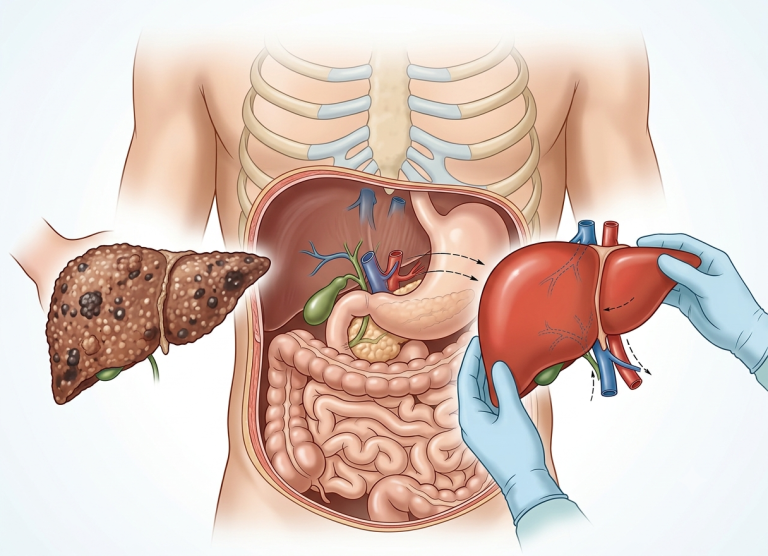
- Liver. Can develop acute alcoholic hepatitis or other severe inflammation.
- Heart. May develop arrhythmias or a weakened heart muscle (cardiomyopathy).
- Lungs. Aspirating vomit can cause severe lung damage, chronic respiratory problems, or aspiration pneumonia.
- Pancreas and kidneys. A single episode can cause pancreatitis or acute kidney injury, raising susceptibility to chronic disease later in life.
- Psychological effects. A near-fatal event can lead to post-traumatic stress disorder.
- Underlying alcohol use disorder. An episode of alcohol poisoning often signals high-risk drinking that may reflect an Alcohol Use Disorder needing professional help to prevent recurrence.
Diagnosis and Treatment
In hospital, alcohol poisoning is diagnosed mainly by clinical observation, with lab tests as support. Staff immediately check breathing rate, heart rate, blood pressure, and temperature. Unresponsiveness, slow or irregular breathing, and hypothermia are strong indicators of a toxic overdose. A blood test measures BAC, but treatment begins before results return, based on physical signs. Bloodwork also checks for complications like hypoglycemia, electrolyte imbalances, and liver or kidney damage.
Treatment is supportive, since alcohol’s effects can’t be reversed; the goal is keeping the patient alive while the body metabolizes it.
- Airway and breathing. The top priority. This may require intubation and mechanical ventilation, and staff will suction vomit from the airway to prevent aspiration.
- IV fluids. Saline, glucose, and vitamins like thiamine, which helps prevent Wernicke-Korsakoff syndrome, a serious neurological condition tied to alcohol abuse, to manage dehydration, low blood pressure, and low blood sugar.
- Monitoring. Vital signs are tracked continuously.
- Seizures and temperature. Anti-seizure medication is given if needed, and warming blankets if body temperature is dangerously low.
- Stomach pumping is rarely done, since it’s ineffective once alcohol is already absorbed and carries a high risk of aspiration.
Ethanol vs. Other Alcohols
“Alcohol poisoning” usually means ethanol, the alcohol in drinks, but poisoning from more toxic alcohols like methanol and isopropyl alcohol brings different and often worse dangers.
Ethanol mainly causes profound central nervous system and respiratory depression. The body converts it to acetaldehyde and then acetate, which are less toxic, but an overwhelming amount shuts down vital brain functions. Treatment is supportive until it clears the system.
Methanol, found in windshield washer fluid and some fuels, is converted by the liver into formaldehyde and then formic acid, which is extremely toxic. It causes severe metabolic acidosis (dangerous acid buildup in the blood) and targets the optic nerve, often causing permanent blindness even in survivors. Symptoms may be delayed 12 to 24 hours before rapid deterioration. Treatment requires an antidote like fomepizole (or sometimes ethanol, which competitively blocks the enzyme that metabolizes methanol) along with hemodialysis.
Isopropyl alcohol, or rubbing alcohol, is a much more potent central nervous system depressant than ethanol and is metabolized into acetone. It doesn’t cause blindness, but it leads to rapid, deep coma and is a strong gastric irritant causing severe abdominal pain and vomiting. Treatment is supportive, but its potency means a far smaller amount can be lethal.
Frequently Asked Questions
Do I have alcohol poisoning or a bad hangover? A hangover develops as blood alcohol falls, often the next morning, with headache, thirst, fatigue, nausea, and light or sound sensitivity. Alcohol poisoning occurs when levels stay dangerously high and suppress vital functions, with confusion, repeated or uncontrolled vomiting, slow or irregular breathing, pale or bluish skin, and difficulty waking. The key difference is responsiveness: someone with a hangover can be awakened and communicate; someone with alcohol poisoning may not. When in doubt, treat it as an emergency.
How do I deal with alcohol poisoning at home? You shouldn’t; it requires immediate medical care. While waiting for emergency services, keep the person awake if possible, place them on their side, monitor breathing, and keep the airway clear. Don’t leave them alone. Avoid coffee, energy drinks, or cold showers, which don’t lower blood alcohol and may stress the body, and don’t induce vomiting, which risks aspiration.
What are the three stages of alcohol poisoning? Toxicity tends to progress predictably, though speed varies. Stage one involves confusion, disorientation, and vomiting. Stage two brings central nervous system depression: slowed breathing, reduced heart rate, hypothermia, and decreased awareness. In stage three, severe toxicity can lead to coma, respiratory failure, and loss of protective reflexes like the gag reflex, and without prompt treatment can cause irreversible organ damage or death.
How soon after drinking can it happen? Symptoms can begin within 30 minutes to a few hours of heavy drinking. Since alcohol keeps being absorbed after drinking stops, the condition can worsen over time, and someone who seems stable at first may deteriorate later, so continuous observation matters.
How much alcohol does it take? There’s no universal amount, since tolerance varies widely with body weight, sex, metabolism, and drinking speed. Still, consuming a large quantity in a short period, such as 8 to 10 or more drinks within a few hours, significantly raises the risk, even for regular drinkers.
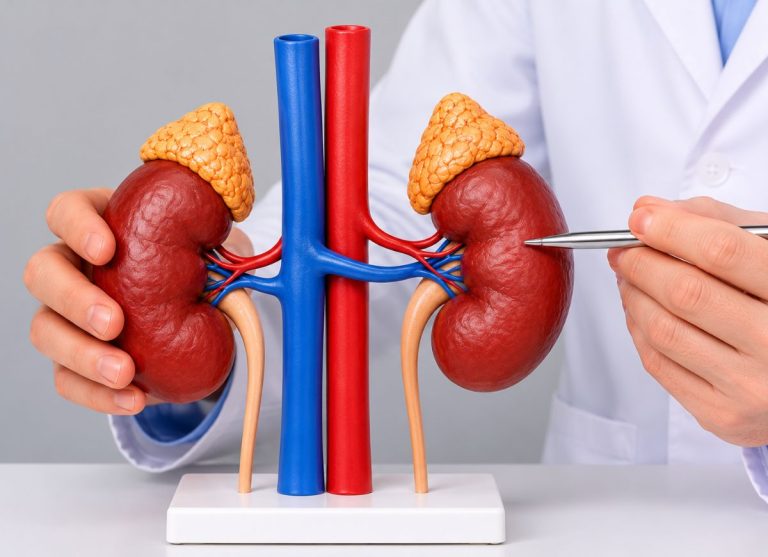
Which organs are affected? Mainly the brain, particularly areas controlling breathing, heart rate, and consciousness. The liver is heavily involved as it tries to metabolize the alcohol, the heart can develop rhythm disturbances, and the kidneys can suffer from dehydration and electrolyte imbalance. Vomiting also raises the risk of aspiration into the lungs.
Can it happen the day after? Less commonly, but symptoms can persist or become noticeable the next day, especially after very heavy drinking or with slower metabolism. Someone may seem to have a severe hangover while toxicity is still present, so persistent confusion, vomiting, or difficulty waking shouldn’t be ignored.
When should I go to the hospital? At the first sign of severe symptoms: confusion, repeated vomiting, seizures, slow or irregular breathing, bluish or pale skin, or inability to wake the person. If breathing drops below eight breaths per minute or pauses for more than a few seconds, immediate attention is critical. It’s always better to seek help early than wait for things to worsen.
The Bottom Line
Alcohol poisoning isn’t a rare or distant risk. It’s a preventable medical emergency that keeps occurring in everyday social settings where drinking is normalized and underestimated, and the line between moderate drinking and dangerous overuse can narrow quickly, especially during binge drinking.
Recognizing early warning signs is critical. Slowed breathing, unconsciousness, or repeated vomiting aren’t harmless effects of intoxication; they reflect toxicity that demands immediate medical intervention. Assuming the person will recover on their own can lead to brain injury, organ failure, or death.
Timely action makes a measurable difference: calling for emergency help, monitoring the person closely, and steering clear of common myths about handling intoxication all improve survival and recovery. Education is central to prevention, especially where drinking is frequent and socially encouraged. Knowing your limits, pacing your drinks, and looking out for others are essential ways to reduce risk. Alcohol may be a familiar presence in daily life, but its effects on the body deserve respect and informed decision-making.