
Liver Transplantation: Everything You Need to Know
For people living with advanced liver disease, a liver transplant can be much more than a surgical procedure. When other treatments are no longer effective, transplantation may provide an opportunity for a longer and healthier life. It may be considered when liver failure is caused by chronic hepatitis, cirrhosis, inherited liver conditions, or certain types of liver cancer.
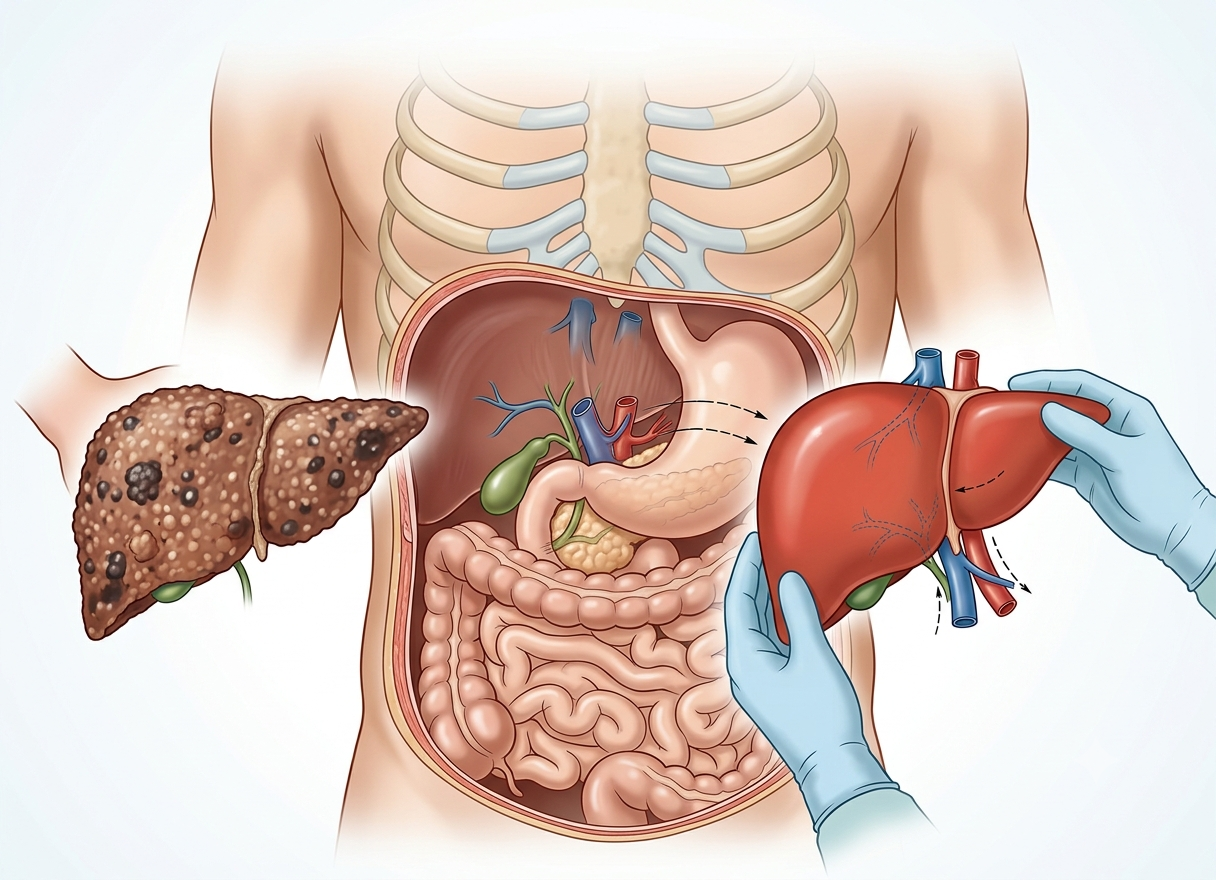
Liver transplantation is one of the most successful types of organ transplantation performed today. During the procedure, a diseased liver is removed and replaced with a healthy liver from either a deceased or living donor. Because the liver has a remarkable ability to regenerate, a living donor can donate part of their liver, which can grow back toward its normal size in both the donor and recipient over time.
More than 40,000 liver transplants are performed around the world each year. Thousands of these procedures take place annually in countries including the United States, countries across Europe, and parts of Asia. Improvements in surgical methods, organ preservation, and anti-rejection medicines have greatly improved transplant outcomes. In many transplant centers, more than 85% to 90% of recipients survive at least one year after transplantation, and many go on to live for decades with proper medical care.
If you or someone you love is considering a liver transplant, understanding the process can make the journey feel less uncertain. This guide explains who may need a transplant, how the procedure works, possible risks, recovery, and what life may look like afterward.
When is Liver Transplantation Necessary?
A liver transplant may become necessary when someone has irreversible end-stage liver disease or acute liver failure and other medical or surgical treatments are no longer able to control the condition. It is generally considered when liver damage has become so severe that it creates a serious threat to the person’s life.
Liver Transplantation
A liver transplant is a surgical procedure in which a diseased or non-functioning liver is removed and replaced with either a whole or partial healthy liver from a donor. It is considered when the liver can no longer carry out essential functions, such as processing nutrients, removing toxins from the blood, producing bile for fat digestion, and making important proteins such as albumin and clotting factors.
The main goals of liver transplantation are to prevent death caused by liver failure and improve quality of life. Replacing the damaged liver can help relieve serious symptoms of advanced liver disease, including jaundice, ascites, which is fluid buildup in the abdomen, and hepatic encephalopathy, which can cause changes in brain function.
The procedure is intended to address severe and irreversible loss of liver function. Cirrhosis, for example, causes the liver to become scarred and hardened. As the disease progresses, the liver may lose its ability to function properly, leading to potentially life-threatening complications.
Once a healthy liver is transplanted, it begins carrying out the metabolic functions the body needs. It processes nutrients and helps the body produce and use energy, which can help improve malnutrition and muscle loss associated with liver failure.
The new liver also helps remove toxins, ammonia, and bilirubin from the bloodstream. As liver function improves, symptoms such as confusion associated with hepatic encephalopathy and yellowing of the skin and eyes caused by jaundice may improve.
A functioning liver also restores the production of proteins needed for blood clotting and fluid balance. This can help reduce problems such as excessive bleeding, ascites, and swelling. In this way, a transplant does more than replace an organ. It restores many of the liver’s essential functions.
Primary Medical Conditions That Require a Liver Transplant
The main conditions that may lead to a liver transplant include chronic liver diseases that cause cirrhosis, acute liver failure, certain liver cancers, and some genetic or metabolic disorders. These conditions can cause permanent damage to liver cells and prevent the liver from carrying out its many essential functions.
Cirrhosis is the most common reason adults need a liver transplant. It involves advanced scarring of the liver and can develop as the final stage of several chronic liver diseases.
Chronic Hepatitis B and C can cause long-term inflammation in the liver. Over many years, this inflammation may progress to cirrhosis and liver failure. Although treatments for Hepatitis C have become highly effective, some people with long-standing untreated infections may already have permanent liver damage.
Long-term and excessive alcohol use is another major cause of cirrhosis. Alcohol can damage liver cells, leading to inflammation and eventually the formation of scar tissue.
Nonalcoholic Fatty Liver Disease (NAFLD) and Nonalcoholic Steatohepatitis (NASH) involve excess fat buildup in the liver and are often associated with obesity, type 2 diabetes, and high cholesterol. In some people, NASH causes inflammation and liver cell damage that can eventually progress to cirrhosis. NASH has become an increasingly common reason for liver transplantation.
Autoimmune Hepatitis, Primary Biliary Cholangitis (PBC), and Primary Sclerosing Cholangitis (PSC) are conditions in which the immune system attacks liver cells or bile ducts. Over time, this can cause chronic inflammation and scarring.
Acute liver failure is different from chronic liver disease. It can develop rapidly over days or weeks in someone who previously had a relatively healthy liver. This is a medical emergency that may require an urgent transplant. Possible causes include acetaminophen (Tylenol) overdose, reactions to certain medications, acute viral hepatitis such as Hepatitis A or B, and exposure to certain toxins.
Certain primary liver cancers, including hepatocellular carcinoma (HCC), may also be treated with transplantation when the cancer remains limited to the liver and meets specific criteria involving tumor size and number. The transplant removes both the cancer and the diseased liver.
Some genetic conditions, including Wilson’s disease and Alpha-1 antitrypsin deficiency, can also cause severe liver damage and eventually lead to the need for transplantation.
Patient’s Eligibility For a Liver Transplant
Eligibility for a liver transplant is determined through a detailed evaluation that looks at a person’s medical condition, ability to undergo major surgery, psychological readiness, and available social support. The purpose of this process is to determine whether transplantation is likely to provide a meaningful benefit and whether the patient can manage the demanding care required afterward.
A multidisciplinary transplant team may include hepatologists, transplant surgeons, anesthesiologists, psychiatrists, social workers, and financial coordinators. Together, they evaluate different aspects of the patient’s health and circumstances.
The medical and surgical evaluation is a major part of this process. It may include blood tests to assess liver and kidney function and blood counts. Imaging tests such as CT scans, MRIs, and ultrasounds may also be used to examine the liver, blood vessels, and possible signs of cancer.
Doctors also evaluate other major organs, particularly the heart and lungs, to determine whether the patient can safely undergo a major operation. Testing may include a cardiac stress test, echocardiogram, and pulmonary function tests.
A psychosocial assessment is also important. A transplant psychiatrist or psychologist may evaluate mental health, cognitive function, and the patient’s understanding of transplantation. Conditions such as depression or anxiety may need to be addressed before surgery. A social worker may also assess the patient’s support system because reliable help is often essential during recovery.
The transplant team may confirm that the patient has dependable caregivers, such as family members or friends, who can help with transportation, medications, appointments, and everyday needs. The team may also consider the patient’s history of following medical recommendations because lifelong treatment adherence is important after transplantation.
The patient’s history of alcohol and drug use is also reviewed. People with a history of substance use may be required to complete a rehabilitation program and demonstrate a documented period of sobriety before being considered for transplantation.
After all evaluations and consultations are completed, the transplant selection committee reviews the case. If the team determines that the patient meets the necessary criteria and the expected benefits outweigh the risks, the patient may be approved and placed on the national transplant waiting list managed by the United Network for Organ Sharing (UNOS).
Is it Possible for Anyone, Regardless of Lifestyle, to Receive a Transplant?
No. Liver transplantation is not available to everyone regardless of their circumstances. Candidates must meet specific medical and psychosocial requirements intended to improve the likelihood of a successful transplant and ensure that donated organs are used responsibly.
The decision to place someone on the transplant list considers both the severity of their illness and their ability to safely undergo surgery and follow the complex lifelong treatment plan afterward. Some conditions may prevent transplantation completely, while others may need to be addressed before a patient can be listed.
Absolute contraindications are conditions that can make transplantation too dangerous or unlikely to provide meaningful benefit at that time.
Active, ongoing alcohol misuse or illicit drug use may prevent a patient from being listed. Transplant centers commonly require documented sobriety and may require participation in a recovery program. This is because continued substance use can damage the new liver and make it more difficult to follow the required post-transplant care plan.
Severe and irreversible heart or lung disease may also make transplantation too risky because the patient may not tolerate the stress of surgery and anesthesia. Metastatic cancer that has spread beyond the liver can also prevent transplantation because replacing the liver would not cure cancer that has already spread elsewhere.
An untreated systemic infection is another major concern. Anti-rejection medications suppress the immune system, which could allow an uncontrolled infection to become life-threatening.
A consistent history of not following medical treatment, missing appointments, or being unable to understand and manage the post-transplant regimen may also be a significant barrier. The transplant team needs to be confident that the recipient can safely manage the donated organ and required treatment.
Relative contraindications are issues that may temporarily prevent listing but can sometimes be improved. Examples include severe obesity or poorly controlled diabetes. In these situations, the transplant team may work with the patient on goals such as weight management or better blood sugar control before activation on the waiting list.
Key Stages of The Liver Transplantation Procedure
The key stages of liver transplantation include a comprehensive evaluation, placement on a national waiting list, prioritization according to medical urgency using the MELD score, matching with an appropriate deceased or living donor, the transplant operation, and the initial recovery period.
The process requires close coordination between the patient, their family or caregivers, and a large multidisciplinary medical team.
Sequential Steps in the Transplant Process
The transplant process generally involves four major steps: being placed on the national waiting list, having medical urgency regularly assessed, receiving notification when a suitable donor becomes available, and undergoing the transplant operation.
The process can be unpredictable and emotionally challenging, so patients and their support systems need to be prepared for changes and delays.
Step 1: Placement on the UNOS Waiting List:
After completing the evaluation and receiving approval from the transplant selection committee, the patient is registered on the national transplant waiting list. The United Network for Organ Sharing (UNOS) manages this system in the United States.
Being listed means that the patient can receive an organ offer when a suitable donor liver becomes available.
Step 2: Waiting and the MELD/PELD Score:
A patient’s place on the waiting list is not simply based on how long they have been waiting. Medical urgency is an important factor.
For adults, urgency is assessed using the Model for End-Stage Liver Disease (MELD) score. Children are evaluated using the Pediatric End-Stage Liver Disease (PELD) score.
The MELD score is a numerical system that reflects the severity of liver disease and the risk of death in the short term. The source describes the score as ranging from 6 to 40 and being based on laboratory measurements including bilirubin, creatinine, and the International Normalized Ratio (INR).
A higher MELD score generally indicates more severe disease and greater urgency for transplantation. Patients on the waiting list have their laboratory results checked regularly so their score can be updated as their condition changes.
Step 3: Receiving “The Call”:
When a compatible donor liver becomes available, the organ allocation system identifies potential recipients using factors such as blood type, body size, medical urgency, and geographic considerations.
If the organ is accepted for the highest-ranking appropriate candidate, the transplant center contacts the patient. This call can happen at any time, including during the night.
The patient is usually instructed to come to the hospital immediately. Having a prepared bag and transportation plan can help make this process easier because the donor organ must be transplanted within a limited period.
Step 4: The Transplant Operation:
After arriving at the hospital, the patient undergoes final testing to confirm that they are ready for surgery.
The transplant operation is lengthy and complex and can take approximately 4 to 12 hours. Surgeons make an incision in the upper abdomen and carefully remove the diseased liver in a procedure called a hepatectomy.
The donor liver is then placed in the same location. Surgeons connect the major blood vessels, including the hepatic artery, portal vein, and vena cava, and connect the bile duct to allow normal blood flow and bile drainage.
The Difference Between a Deceased Donor and a Living Donor Transplant
The main difference between these two types of transplantation is where the donated liver comes from. A deceased donor transplant uses a liver from a person who has died and whose organs have been donated. A living donor transplant uses part of the liver from a healthy living person.
Both approaches can be effective, but they have different benefits, risks, waiting times, and logistical considerations for donors and recipients.
A deceased donor transplant is the most common form of liver transplantation. The liver generally comes from someone who has suffered an irreversible brain injury and has been declared legally brain dead while their organs are maintained through medical support. Organ donation requires consent according to applicable donation procedures.
The entire liver is usually transplanted into an adult. In certain circumstances, a deceased donor liver can be divided through a technique called split-liver transplantation and used for two recipients, often one adult and one child.
One advantage of a deceased donor transplant is that it does not expose a healthy living person to major surgery. However, the waiting period can be unpredictable and may last months or longer. During this time, the recipient’s condition may worsen.
A living donor transplant provides another option, particularly because deceased donor organs are limited. A healthy person, often a family member or close friend, may volunteer to donate part of their liver. In some cases, an unrelated altruistic donor may also be considered.
Living donors undergo extensive medical and psychological evaluations to make sure they are suitable and understand the potential risks.
Surgeons remove a specific portion of the donor’s liver, such as the right lobe for an adult recipient or the left lateral segment for a child. This portion is then transplanted into the recipient after their diseased liver has been removed.
A major advantage is that the transplant can usually be scheduled in advance. This can shorten the recipient’s waiting period and may allow transplantation before the patient becomes critically ill. The donated liver portion also typically comes from a healthy person and has limited time outside the body.
The main concern is the risk to the living donor. Donating part of the liver requires major abdominal surgery and can lead to complications, although the mortality risk is very low. The liver can regenerate, allowing both the donor’s remaining liver and the transplanted portion to grow toward normal size over time.
How is a Suitable Donor Liver Matched to a Recipient?
A donor liver is matched to a recipient using several important factors, including blood type compatibility, body size, and the recipient’s medical urgency as assessed by the MELD or PELD score.
Blood type is one of the first factors considered. As with blood transfusions, donor and recipient blood types need to be compatible.
A recipient with Type O blood generally receives a liver from a Type O donor. A person with Type A blood may receive from Type A or Type O donors. A person with Type B blood may receive from Type B or Type O donors. A person with Type AB blood can generally receive from any ABO blood type.
The donor liver must also be an appropriate size for the recipient. A liver that is too large may create physical problems within the abdominal cavity, while a liver that is too small may not provide enough functioning tissue for a larger recipient. This is why donor and recipient body size are also considered.
After compatibility factors are considered, the allocation system prioritizes recipients based on medical urgency. For deceased donor organs, the MELD or PELD score is a major factor.
Within a particular geographic distribution area, a compatible candidate with a higher score may receive priority because the score reflects a greater risk of dying without transplantation. Certain medical conditions, such as liver cancer, may qualify for exception points when the standard MELD score does not fully reflect the person’s transplant urgency.
Significant Risks Associated With Transplant Surgery
Liver transplant surgery carries significant risks, including bleeding, blood clots, infections, bile duct complications, problems with the transplanted liver, and organ rejection. Because transplantation is a highly complex procedure, these risks require careful monitoring and management.
The liver has a rich blood supply, and people with advanced liver disease may also have problems with blood clotting. Together, these factors can increase the risk of significant bleeding during or shortly after surgery. Blood transfusions may be needed.
Transplant recipients are also more vulnerable to infections. Surgery creates opportunities for infection, while anti-rejection medications intentionally weaken the immune system. This can increase the risk of bacterial, viral, and fungal infections, particularly during the early recovery period.
Major surgery and limited movement after surgery can increase the risk of blood clots in the legs or lungs. A serious complication called hepatic artery thrombosis can occur when a clot blocks the main artery supplying the new liver. This can cause graft failure and may require urgent treatment or another transplant.
The transplanted liver can also develop bile duct complications. The connection between the donor and recipient bile ducts may leak or become narrowed. A bile leak can cause abdominal pain and infection, while a narrowed bile duct can interfere with bile flow and lead to jaundice or liver damage. Treatment may involve procedures such as stent placement or additional surgery.
In rare cases, the transplanted liver may fail to function properly immediately after surgery. This is known as primary non-function (PNF) and is a serious emergency that may require urgent retransplantation.
Rejection is another important risk. It can occur when the recipient’s immune system attacks the transplanted liver. Anti-rejection medications are used to reduce this risk.
Life After Liver Transplantation
Life after liver transplantation involves an intensive recovery period followed by lifelong medical care. Recipients generally need anti-rejection medications, regular medical appointments, lifestyle changes, and ongoing monitoring to protect the new liver.
The post-transplant period is a long-term partnership between the patient and their medical team. The goal is to prevent complications, protect the transplanted organ, and help the recipient return to an active life.
Immediate Post-surgery Recovery in the Hospital
The first stage of recovery focuses on stabilizing the patient, monitoring the new liver, preventing complications, and beginning education about medications and care after discharge.
Recovery typically begins in the Intensive Care Unit (ICU) before the patient moves to a specialized transplant unit as their condition improves. The total hospital stay may last around one to three weeks, although recovery varies from person to person.
The first 24 to 72 hours are often spent in the ICU. During this time, the patient receives close nursing care and continuous monitoring. A ventilator may initially be used to assist breathing.
Heart rate, blood pressure, oxygen levels, and other vital signs are closely monitored. Tubes and drains may be used to remove excess fluid, monitor output, and deliver medications or nutrition. Frequent blood tests help doctors monitor liver enzymes, bilirubin, clotting factors, kidney function, and electrolyte levels.
Once the patient becomes stable and no longer needs intensive monitoring, they are transferred to a transplant step-down unit. The focus then shifts toward active recovery. Doctors and nurses manage pain, transition medications from intravenous to oral forms, and remove drains and catheters when appropriate.
Education and rehabilitation are important parts of preparing for discharge. Pharmacists explain the new medication schedule, including the purpose, dose, and possible side effects of anti-rejection medicines. Dietitians provide guidance about nutrition, including food safety and dietary changes.
Physical and occupational therapists help patients regain strength and independence. This may include getting out of bed, walking, and performing basic daily activities.
Anti-rejection Medications (Immunosuppressants)
Anti-rejection medicines, also called immunosuppressants, are essential after transplantation. They reduce the risk that the immune system will identify the new liver as foreign and attack it.
The immune system is designed to distinguish the body’s own cells from foreign substances. Because a donor liver comes from another person, its cells have different surface markers.
The recipient’s immune system, including T-cells, can recognize these differences and launch an immune response against the transplanted organ. Without treatment, this response could damage the new liver and eventually cause it to fail.
Immunosuppressant medications reduce the activity of the immune system rather than eliminating it completely. Patients may receive a combination of medications that work in different ways. Some reduce T-cell activation, while others affect antibody production.
Doctors must carefully balance the level of immunosuppression. Too little can increase the risk of rejection, while too much can leave the patient vulnerable to infections and other long-term side effects, including kidney problems and certain cancers.
Regular blood tests are therefore important. They help the transplant team monitor medication levels and adjust doses when necessary.
Taking anti-rejection medications exactly as prescribed is one of the most important parts of protecting a transplanted liver. Missing doses can increase the risk of rejection.
Common Lifestyle Adjustments After a Liver Transplant
After a liver transplant, lifestyle changes generally focus on four main areas: taking medications correctly, maintaining good nutrition, staying physically active, and preventing infections.
These changes are long-term commitments designed to protect the transplanted liver, manage medication side effects, and support overall health.
Medication adherence is especially important. Recipients may need to take several medications at specific times every day for the rest of their lives.
Pill organizers, alarms, and consistent daily routines can help prevent missed doses. Patients should also attend all follow-up appointments and complete regular blood tests to monitor liver function and medication levels. Any side effects or missed doses should be discussed with the transplant team.
Nutrition after transplantation focuses on supporting health and managing medication-related effects. A heart-healthy diet that is lower in salt may help control blood pressure and fluid retention. Maintaining a healthy weight can also help reduce the risk of fatty liver disease in the transplanted organ.
Food safety is particularly important because immunosuppressants weaken the immune system. Patients are generally advised to avoid raw or undercooked meats, fish, and eggs, as well as unpasteurized dairy products, to reduce the risk of foodborne infections.
Regular moderate exercise is also encouraged. Activities such as walking, swimming, and cycling can help rebuild muscle, manage weight, support cardiovascular health, and improve overall well-being.
Recipients are also advised to avoid alcohol and tobacco products, particularly because of their potential effects on the liver and overall health.
Preventing infections is another priority. Good hand hygiene, avoiding close contact with people who are sick, staying current with approved vaccinations, and maintaining good dental hygiene can all help reduce infection risks.
Any possible sign of infection, including fever, should be reported to the transplant team promptly.
Can a Person Live a Full and Active Life After a Liver Transplant?
A person can often return to a full and active life after a successful liver transplant. The purpose of transplantation is not only to extend life but also to improve quality of life by relieving the symptoms and limitations caused by severe liver disease.
Many recipients return to work or school, enjoy hobbies, travel, and spend time with family. Symptoms such as severe fatigue, mental confusion, fluid retention, and jaundice may improve significantly after successful transplantation.
Modern surgical techniques and anti-rejection treatments have contributed to strong long-term outcomes. According to the source, data from the Scientific Registry of Transplant Recipients (SRTR) show that one-year survival for adult liver transplant recipients in the United States is above 90%, while five-year survival is above 75%.
Many recipients live for decades with a transplanted liver. Some return to demanding physical activities, build careers, travel, and participate in activities that were difficult or impossible before transplantation.
Life after transplantation does involve a new routine, including daily medications and regular medical appointments. However, many people are able to regain a high level of independence and activity.
Advanced Considerations and Alternatives in Liver Transplantation
Advanced considerations in liver transplantation include patient prioritization systems, specialized transplant procedures, financial planning, and treatments designed to keep patients stable while they wait for an available organ.
Understanding these areas can help patients and families prepare for the medical, practical, and financial challenges involved in the transplant journey.
MELD Score
The Model for End-Stage Liver Disease, known as the MELD score, is a numerical system used to assess the severity of chronic liver disease and help prioritize patients on the transplant waiting list.
The score estimates the risk of death within a specific period without transplantation. It is calculated using laboratory measurements that include bilirubin, creatinine, and the International Normalized Ratio (INR).
In some situations, sodium levels are also incorporated into the MELD-Na score to provide additional information about disease severity.
The source describes MELD scores as generally ranging from 6 to 40. A higher score reflects more severe illness and greater urgency for transplantation. The system provides an objective method for prioritizing patients who are at greater risk while waiting for an organ.
Domino Liver Transplant vs. Standard Procedure
A domino liver transplant is a rare and specialized procedure involving two recipients.
In a standard liver transplant, a diseased liver is removed and replaced with a healthy liver from a deceased or living donor. In a domino transplant, the first recipient, known as Recipient A, receives a healthy donor liver.
Recipient A’s original liver may then be transplanted into another person, Recipient B. This is possible in certain metabolic disorders where the liver is structurally healthy but produces an abnormal protein.
One example is Familial Amyloidotic Polyneuropathy (FAP), a genetic condition in which the liver produces an abnormal protein that gradually deposits in tissues and damages other organs.
After Recipient A receives a healthy liver, their original liver may be used for an older recipient. Because the disease can progress slowly, the second recipient may have enough expected lifespan for the transplanted liver to provide meaningful benefit.
Financial Support Options for Covering Transplant Costs
A liver transplant can be extremely expensive. Costs may include evaluation, surgery, hospitalization, medications, and lifelong follow-up care. In some cases, the total cost can reach hundreds of thousands of dollars.
Private health insurance is one common source of coverage, although benefits vary between plans. Patients may need to obtain pre-authorization and understand their deductibles, co-payments, and co-insurance responsibilities.
Government programs can also provide assistance. Medicare may cover certain eligible individuals, including people aged 65 or older and some younger people with qualifying disabilities or end-stage liver disease. Medicaid can provide assistance to eligible low-income individuals and families, although requirements and benefits vary by state.
Many transplant centers have financial coordinators who help patients understand their coverage and identify possible sources of financial assistance.
Some nonprofit hospitals offer financial assistance or charity care programs for eligible patients. Nonprofit organizations may also provide grants or fundraising support to help with expenses such as medications, transportation, and lodging.
Some pharmaceutical companies offer patient assistance programs that may reduce the cost of immunosuppressant medications for people who qualify.
Bridge-to-transplant Therapies
Bridge-to-transplant therapies are treatments used to keep patients with advanced liver disease stable while they wait for a transplant.
The waiting period for a donor organ can be unpredictable. During this time, a patient’s condition may worsen and potentially make them too sick for surgery or lead to complications that affect transplant eligibility.
The purpose of bridging treatment is to control symptoms and complications of liver failure or slow the progression of certain diseases, particularly liver cancer, until transplantation becomes possible.
For patients with hepatocellular carcinoma (HCC), these treatments can be particularly important. Transarterial Chemoembolization (TACE) delivers chemotherapy directly to a tumor while reducing its blood supply. Radiofrequency Ablation (RFA) uses heat to destroy cancer cells.
These treatments may help control tumor growth and keep the cancer within the criteria required for transplantation.
Other possible treatments for liver cancer may include stereotactic body radiation therapy (SBRT) and transarterial radioembolization (TARE), which uses radioactive particles to target tumors.
For patients without cancer, bridging treatment may focus on managing complications such as bleeding from esophageal varices, ascites, and hepatic encephalopathy.
In cases of acute liver failure or acute-on-chronic liver failure, advanced treatments may temporarily provide some liver-support functions. Technologies such as the Molecular Adsorbent Recirculating System (MARS) and therapeutic plasma exchange may help stabilize critically ill patients while they wait for a suitable organ.
FAQs
1. Can you live a normal life after a liver transplant?
Yes. Many people are able to return to full and active lives after recovering from a liver transplant. Regular follow-up appointments, lifelong anti-rejection medications, a healthy diet, regular exercise, and avoiding harmful habits such as smoking or excessive alcohol use are important for long-term health.
Many recipients are able to work, travel, and enjoy everyday activities. Long-term outcomes depend on factors such as overall health, medication adherence, and monitoring for complications or rejection.
2. What is the success rate of liver transplants?
Liver transplantation has a high rate of success, although outcomes vary between patients. In many experienced transplant centers, the one-year survival rate is above 85% to 90%.
Long-term outcomes depend on factors such as the patient’s overall health, the reason for transplantation, complications, and adherence to post-transplant care.
3. What is the life expectancy of a transplanted liver?
A transplanted liver can function for many years. The source notes that many transplanted livers continue working for 20 years or longer, while some recipients live for several decades after transplantation.
Individual outcomes vary, and taking medications as prescribed and attending regular follow-up appointments are important for protecting the transplanted organ.
4. How painful is a liver transplant?
A liver transplant is a major abdominal operation, so pain and discomfort are expected during the early recovery period. Doctors use pain medications to help manage these symptoms while the patient is in the hospital.
Pain usually improves as healing progresses. Although many people experience significant improvement within the first several weeks, complete recovery can take longer.
5. How serious is a liver transplant?
A liver transplant is one of the most complex types of surgery and carries risks such as bleeding, infection, blood clots, rejection, and complications related to anesthesia.
For people with end-stage liver disease or acute liver failure, however, transplantation may be a life-saving treatment and can provide an opportunity for long-term survival.
6. Can you ever drink again after a liver transplant?
Most transplant specialists recommend avoiding alcohol after liver transplantation, particularly when alcohol-related liver disease contributed to the need for the transplant.
Alcohol can damage the new liver, interact with medications, and contribute to other health problems. Patients should follow the specific recommendations of their transplant team regarding alcohol use.
Conclusion
Liver transplantation is a life-saving treatment that has significantly changed the outlook for people with end-stage liver disease, acute liver failure, and certain liver cancers. Although it is a major surgical procedure, advances in transplant surgery and medical care have contributed to strong survival outcomes and improved quality of life for many recipients.
Understanding how liver transplantation works, who may qualify, what risks are involved, and what recovery requires can help patients and their families prepare for the journey. From the initial evaluation and waiting list to surgery and lifelong follow-up, each stage plays an important role in the overall outcome.
If you or someone you love has been told that a liver transplant may be an option, discussing the situation with a transplant specialist is essential. With appropriate medical care, healthy lifestyle choices, and ongoing support, many transplant recipients are able to live active and fulfilling lives for many years.