
9 Prion Disease Symptoms to Recognize
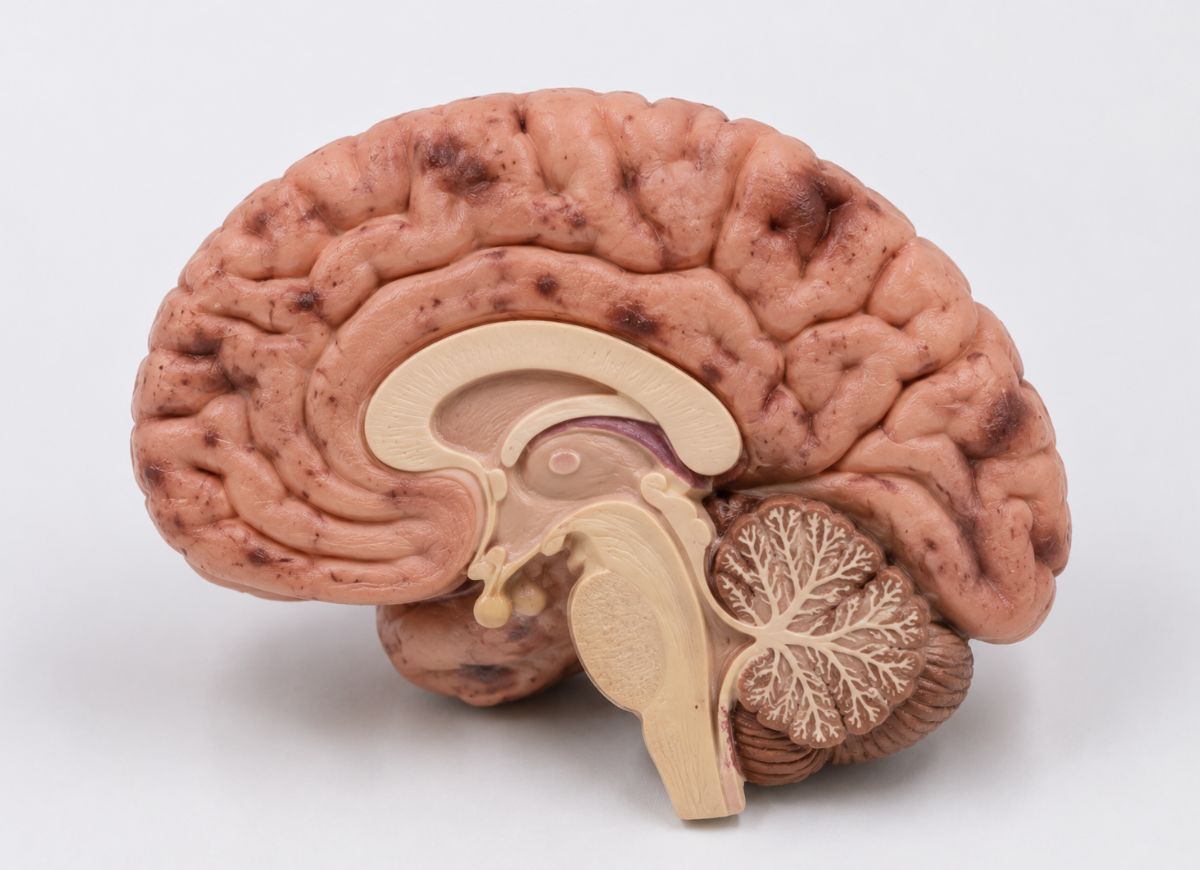
What if changes that seem like ordinary memory problems or coordination issues were actually early signs of a rare and rapidly progressing brain disorder? Prion diseases are uncommon, but they are serious neurological conditions that can cause severe brain damage and progress quickly. Recognizing possible prion disease symptoms can help families understand what may be happening and seek appropriate medical evaluation.
Prion diseases are a group of rare neurodegenerative disorders caused by abnormal prion proteins. These proteins can cause normally functioning proteins in the brain to fold incorrectly. As the abnormal proteins build up, they damage brain tissue and interfere with normal neurological function. Unlike bacteria and viruses, prions are infectious proteins, which makes these diseases different from most other neurological disorders.
Prion diseases are extremely rare, affecting about 1 to 2 people per million worldwide each year. The most common form, sporadic Creutzfeldt-Jakob disease (sCJD), accounts for most cases. It is most often diagnosed in people between 55 and 75 years old, although inherited and acquired forms can affect people at different ages.
One of the main challenges is that early symptoms can look similar to those of more common neurological conditions. A person may initially experience memory problems, personality changes, difficulty concentrating, poor coordination, or vision changes. As the disease progresses, these problems can become much more severe, affecting movement, speech, thinking, and everyday activities.
In this article, we’ll look at 9 prion disease symptoms, explain how they may affect the body, and discuss when medical evaluation may be important. Understanding these warning signs can help families recognize changes that should not be overlooked.
9 Early Symptoms of Prion Disease
Rapidly Developing Dementia
Rapidly developing dementia involves a fast decline in memory, thinking, reasoning, judgment, and other cognitive abilities. Unlike many common forms of dementia that progress gradually over years, prion-related dementia can worsen over weeks or months. This rapid decline is one of the most important warning signs associated with prion diseases, especially sporadic Creutzfeldt-Jakob disease (sCJD).
A person who was functioning normally only a few months earlier may suddenly struggle with everyday responsibilities. Managing money, preparing meals, following instructions, or completing familiar tasks can become increasingly difficult.
The cognitive changes are usually broader than simple forgetfulness. A person may have trouble planning, organizing, solving problems, or completing tasks that require several steps. These changes can reflect a decline in executive function, which affects the ability to manage everyday activities.
Memory problems may also become noticeable. Short-term memory can be affected, causing repetitive questions or difficulty remembering new information. As the condition progresses, older memories may also become harder to access.
Changes in judgment can occur as well. A person may make unusual decisions involving personal safety or finances and have difficulty understanding the consequences of their actions. The rapid pace of this cognitive decline is an important clue that can help doctors distinguish prion disease from more slowly progressing forms of dementia.
Ataxia
Ataxia refers to a loss of coordination and balance that can make walking and other voluntary movements difficult. In prion disease, this problem can develop when abnormal prion proteins damage the cerebellum, the area of the brain that helps coordinate movement.
A person with ataxia may develop an unsteady or wide-based gait. They may stumble, have trouble walking in a straight line, or need to hold onto furniture or walls for support. In some cases, coordination can deteriorate rapidly over weeks or months.
Ataxia can also affect the hands and arms. Everyday activities such as writing, buttoning clothing, using utensils, or reaching for an object may become increasingly difficult. A person may have trouble controlling the distance or direction of a movement, a problem known as dysmetria.
Coordination problems can also involve speech and eye movements. Speech may become slow, irregular, or slurred, while eye movements may become jerky or difficult to control. These changes can contribute to dizziness and visual difficulties.
Myoclonus
Myoclonus refers to sudden, brief, involuntary muscle jerks or twitches. These movements can affect one muscle, several muscles, or larger areas of the body. In prion diseases, particularly CJD, myoclonus is a common and characteristic symptom.
The jerks may occur without warning or may be triggered by things such as a sudden sound, touch, or bright light. When myoclonus occurs together with rapidly progressing dementia, it can be an important clue for doctors evaluating a possible prion disease.
The movements may vary from subtle finger or facial twitches to larger, more forceful jerks that affect the whole body. They can be rhythmic or irregular and may occur on one or both sides of the body. As the disease progresses, these movements may become more noticeable and frequent.
Other involuntary movements can also occur. These may include chorea, which causes rapid and irregular movements, dystonia, which causes sustained muscle contractions and abnormal postures, or athetosis, which produces slow, twisting movements.
Neurologists may use tests such as an electroencephalogram (EEG) when evaluating these symptoms. An EEG can sometimes reveal characteristic electrical patterns associated with CJD.
Behavioral Changes
Prion disease can cause noticeable changes in personality, mood, and behavior. These changes may include apathy, agitation, anxiety, depression, paranoia, or sudden mood swings. They can be particularly difficult for families because the person’s behavior may seem very different from what is normal for them.
One possible early change is a significant loss of interest or motivation. A person may withdraw from family members, stop participating in activities they previously enjoyed, or appear emotionally distant. These changes can sometimes resemble depression.
Other people may become unusually irritable, restless, or aggressive. They may have emotional outbursts or become frustrated more easily than before. These changes can occur as neurological damage affects areas of the brain involved in emotional regulation and impulse control.
Prion disease can also produce psychiatric-like symptoms. Some people may develop paranoia, delusions, or hallucinations. Because these symptoms can appear before more obvious neurological problems, prion disease may initially be mistaken for a primary psychiatric condition.
Confusion
Confusion and disorientation can develop as prion disease causes widespread damage to the brain. The person may have increasing difficulty processing information, understanding their surroundings, or keeping track of time and place.
An early sign may be confusion about dates, days, or seasons. The person may then become disoriented about where they are, even in familiar surroundings. They may get lost easily or struggle to follow routes they previously knew well.
As the disease progresses, recognizing familiar people can also become difficult. Some individuals may have trouble identifying close family members or friends because of damage to brain areas involved in facial recognition and memory.
General confusion may become increasingly severe. A person may struggle to follow a conversation, understand simple instructions, or make sense of what is happening around them. This widespread cognitive dysfunction reflects the progressive effects of prion-related brain damage.
Vision Problems
Vision problems associated with prion disease can include blurred or double vision, changes in visual perception, visual hallucinations, and, in severe cases, cortical blindness. These symptoms can occur when prion-related damage affects the brain’s visual processing areas.
Some people with CJD develop a form known as the Heidenhain variant, in which visual problems are among the first noticeable symptoms. In these cases, the problem is not necessarily with the eyes themselves. Instead, the brain has difficulty processing the information it receives from the eyes.
A person may experience blurry vision that does not improve with corrective lenses. Double vision or difficulty judging distances may also occur. Some people develop problems with parts of their visual field or have difficulty recognizing objects or colors.
Visual hallucinations are another possible symptom. A person may see flashes, patterns, colors, people, animals, or other images that are not actually present. These experiences can be confusing or frightening.
In severe cases, damage to the brain’s visual processing centers can lead to cortical blindness. The eyes may remain physically healthy, but the brain can no longer properly interpret incoming visual information.
Insomnia
Severe insomnia is a defining feature of a rare hereditary prion disease called Fatal Familial Insomnia (FFI). Unlike ordinary sleep problems, the insomnia associated with FFI becomes progressively worse and can eventually cause a major breakdown in the normal sleep-wake cycle.
Sleep difficulties may begin with trouble falling asleep or staying asleep. Over time, sleep can become increasingly brief and fragmented, leaving the person without enough restorative rest.
The condition is associated with damage to the thalamus, a brain region involved in sleep and consciousness. As this area becomes affected, the body’s ability to regulate sleep can become severely disrupted.
FFI can also affect the autonomic nervous system, which controls involuntary functions such as heart rate, blood pressure, sweating, and body temperature. A person may develop increased heart rate, high blood pressure, excessive sweating, or fever.
Other neurological symptoms can eventually appear, including coordination problems, involuntary movements, and cognitive decline. Severe sleep disruption combined with progressive neurological damage can lead to a rapid decline in overall health.
Significant sleep disturbances may also occur in other forms of prion disease, although severe progressive insomnia is particularly associated with FFI.
Dysphasia
Dysphasia, also called aphasia, is a language disorder that can affect speaking, understanding speech, reading, or writing. In prion disease, it can develop when neurological damage affects brain regions responsible for language.
A person may know what they want to say but struggle to find the right words. This is sometimes called anomia. Speech may become slower, hesitant, fragmented, or difficult to understand.
Problems with understanding language can also occur. A person may hear what someone is saying but have difficulty understanding the meaning. In some cases, speech may remain fluent but contain incorrect or made-up words.
As neurological damage becomes more widespread, both speaking and understanding can be severely affected. This is known as global dysphasia and can make communication extremely difficult.
These changes can be frustrating for both the individual and their caregivers. As communication becomes more challenging, additional support may be needed to help the person express basic needs and understand others.
Dysphagia
Dysphagia means difficulty swallowing. In prion disease, it is generally more common during the middle or later stages as neurological damage affects the brain regions and nerves responsible for controlling swallowing.
Swallowing requires the coordinated action of many muscles in the mouth, throat, and esophagus. Damage to the brainstem and motor areas can interfere with this process, resulting in a weak or delayed swallowing response.
Warning signs may include coughing or choking while eating or drinking, frequent throat clearing, drooling, or a wet or gurgling voice after swallowing. A person may also take much longer to finish meals or feel as though food is stuck in the throat.
Dysphagia can become a serious health concern because food, liquids, or saliva can accidentally enter the airway. This is called aspiration and can lead to aspiration pneumonia.
Healthcare professionals may recommend changes to food textures or liquid consistency to make swallowing safer. In advanced cases, when eating and drinking by mouth are no longer safe, a feeding tube may be considered to provide nutrition and hydration.
What is Prion Disease?
Prion disease is a group of rare, progressive neurodegenerative disorders caused by abnormal proteins called prions. These diseases primarily affect the brain and can lead to severe neurological decline.
Prion diseases are also known as transmissible spongiform encephalopathies (TSEs). They can occur sporadically, through inherited genetic changes, or through rare acquired exposures.
The disease process involves a normal cellular prion protein, known as PrP^C, changing into an abnormal form called PrP^Sc. The abnormal protein can then cause other normal prion proteins to change their shape as well.
As these abnormal proteins accumulate, they can damage and destroy neurons. The resulting brain tissue changes can create the characteristic sponge-like appearance associated with prion diseases.
How do Prions Cause Brain Damage?
Prions cause brain damage through a self-perpetuating process in which abnormal prion proteins cause normally shaped proteins to become misfolded. Over time, this leads to abnormal protein accumulation, neuronal damage, and progressive loss of brain function.
The normal prion protein, PrP^C, is found on the surface of cells, including neurons. Its exact normal function is not fully understood.
The abnormal form, PrP^Sc, has the same basic amino acid sequence but a different three-dimensional structure. This altered structure makes it unusually stable and resistant to processes that normally break down proteins.
When an abnormal PrP^Sc protein comes into contact with a normal PrP^C protein, it can encourage the normal protein to adopt the abnormal shape. The newly misfolded protein can then affect additional normal proteins, allowing the process to continue.
Over time, abnormal proteins can accumulate and form aggregates within brain tissue. These aggregates interfere with normal cellular processes and contribute to neuronal injury and death.
As neurons are lost, small spaces called vacuoles can develop in brain tissue. Under a microscope, these changes can create the sponge-like appearance that gives transmissible spongiform encephalopathies their name.
Other brain cells, including astrocytes and microglia, also respond to the damage. Their activation can contribute to gliosis and further changes within the affected brain tissue.
Different Types of Human Prion Diseases
There are several types of human prion diseases. They can be classified according to how they develop, including sporadic, hereditary, and acquired forms. The main diseases include Creutzfeldt-Jakob Disease (CJD), Variant CJD (vCJD), Kuru, Gerstmann-Sträussler-Scheinker Syndrome (GSS), and Fatal Familial Insomnia (FFI).
Creutzfeldt-Jakob Disease (CJD) is the most common human prion disease. It includes sporadic, familial, and iatrogenic forms. Sporadic CJD is the most common and occurs without an identified cause. CJD is commonly associated with rapidly progressing dementia, ataxia, and myoclonus.
Variant Creutzfeldt-Jakob Disease (vCJD) is an acquired form that has been linked to consuming beef from cattle affected by bovine spongiform encephalopathy (BSE), also known as mad cow disease. It generally affects younger people than classic CJD and may initially cause psychiatric symptoms before neurological problems develop.
Kuru was identified among the Fore people of Papua New Guinea and was associated with ritualistic funerary practices involving consumption of human brain tissue. Severe coordination problems were a major feature. After these practices stopped, new cases became extremely rare.
Gerstmann-Sträussler-Scheinker Syndrome (GSS) is a very rare inherited prion disease. It usually develops at a younger age than sporadic CJD and tends to progress more slowly. Ataxia is often a prominent feature, while dementia may develop later.
Fatal Familial Insomnia (FFI) is another rare inherited prion disease. Severe progressive insomnia is its defining feature, along with changes involving the autonomic nervous system. Cognitive and motor problems may develop as the condition advances. A much rarer sporadic form called Sporadic Fatal Insomnia (sFI) can also occur.
The Causes of Prion Disease
Prion diseases generally fall into three categories: sporadic, hereditary, and acquired. Sporadic disease develops without a known cause, hereditary disease results from an inherited mutation, and acquired disease occurs after exposure to infectious prions from an external source.
Although the same basic protein-misfolding process occurs in these diseases, the initial trigger can differ.
Most prion disease cases are sporadic. Hereditary cases make up a smaller proportion, while acquired cases are extremely rare.
Sporadic Prion Disease
Sporadic prion disease occurs when a normal prion protein appears to misfold for reasons that are not fully understood. There is usually no known genetic cause or identifiable exposure responsible for the initial change.
Sporadic Creutzfeldt-Jakob Disease (sCJD) is the main example. It accounts for most human prion disease cases and has a worldwide incidence of approximately one to two cases per million people each year.
One theory is that the initial protein misfolding happens as a rare random event. Normally, cellular quality-control systems may identify and remove abnormal proteins. If that process fails, the misfolded protein can begin converting additional normal proteins.
Another proposed explanation involves somatic mutations, which are genetic changes that occur during a person’s lifetime rather than being inherited. A mutation in the PRNP gene within a brain cell could potentially make the protein more likely to misfold.
Sporadic prion disease does not appear to be linked to specific lifestyle factors, occupations, or diets. It can affect both men and women, and it is more commonly diagnosed in older adults.
Hereditary Prion Disease
Hereditary prion disease, also called genetic or familial prion disease, results from an inherited mutation in the PRNP gene. This gene provides instructions for producing the normal prion protein.
Certain mutations can make the protein more likely to change into its abnormal form. Hereditary prion diseases are generally inherited in an autosomal dominant pattern, meaning a person who carries the mutation has a 50% chance of passing it to each child.
Different PRNP mutations can lead to different forms of prion disease. They may also influence the age when symptoms begin, how quickly the disease progresses, and which symptoms are most prominent.
For example, certain combinations involving the D178N mutation are associated with Fatal Familial Insomnia or familial Creutzfeldt-Jakob disease. The P102L mutation is commonly associated with Gerstmann-Sträussler-Scheinker Syndrome.
Genetic testing can help identify disease-causing mutations in people with symptoms or in some individuals from families with a known genetic risk. Because predictive testing can have major emotional and family implications, genetic counseling is an important part of the process.
Acquired Prion Disease
Acquired prion disease develops after exposure to infectious prions from an external source. It is the rarest major category of prion disease.
Prions are not spread through ordinary casual contact such as touching, coughing, or sneezing. Known transmission routes have involved specific medical exposures or, in rare cases, contaminated food.
Iatrogenic transmission has historically occurred through certain medical procedures. Reported routes have included contaminated neurosurgical instruments, dura mater grafts, corneal transplants, and human-derived growth hormone or other products obtained from cadaveric tissue.
Improved medical screening, sterilization procedures, and the use of synthetic products have greatly reduced these risks.
Kuru was transmitted through ritualistic consumption of infected brain tissue among the Fore people of Papua New Guinea. The practice was eventually stopped, bringing transmission to an end.
Variant CJD was associated with exposure to beef from cattle infected with BSE. A small number of vCJD cases have also been linked to blood transfusions from infected donors.
Prion Diseases Diagnosis
Diagnosing prion disease during a person’s lifetime can be challenging because many of its symptoms overlap with other neurological disorders. Doctors usually combine the person’s medical history, neurological examination, brain imaging, and specialized laboratory testing.
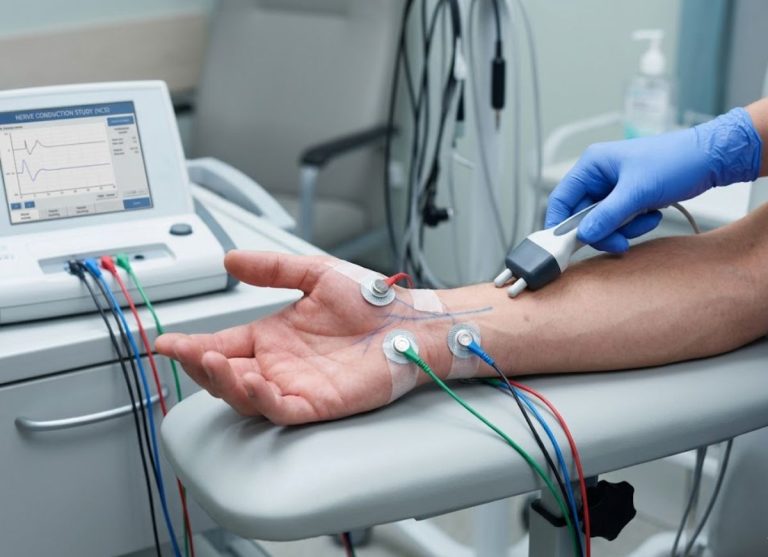
An electroencephalogram (EEG) measures electrical activity in the brain. In some people with CJD, it can show characteristic patterns called periodic sharp wave complexes.
Magnetic resonance imaging (MRI) is also an important part of the evaluation. MRI may show changes involving areas such as the caudate nucleus, putamen, or cerebral cortex. A pattern sometimes called cortical ribboning can support the diagnosis.
Cerebrospinal fluid (CSF) testing can provide additional evidence. The 14-3-3 protein may be detected in some cases, although it is not specific to prion disease.
Another important test is real-time quaking-induced conversion (RT-QuIC). This test can detect abnormal prion-related activity in cerebrospinal fluid and is highly useful when evaluating suspected sporadic CJD.
A definitive diagnosis may require examination of brain tissue obtained through biopsy or autopsy, although doctors can often make a probable or clinical diagnosis using the available findings.
Prion Disease vs. Alzheimer’s Disease
Prion disease and Alzheimer’s disease can both cause cognitive decline, but they differ in important ways. One of the clearest differences is the speed at which symptoms progress.
Prion diseases such as CJD often cause a very rapid decline, with significant neurological deterioration occurring over months. Alzheimer’s disease generally develops much more gradually over several years.
The underlying disease processes are also different. Prion diseases involve abnormal folding and accumulation of prion proteins, which can lead to widespread neuronal damage and the characteristic sponge-like changes in brain tissue.
Alzheimer’s disease involves different abnormal proteins, particularly beta-amyloid plaques and tau tangles. These proteins contribute to progressive damage in the brain through mechanisms that differ from those seen in prion disease.
The symptoms can overlap, but the combination of rapidly progressing cognitive decline with problems such as ataxia and myoclonus can provide important clues when doctors are determining the possible cause.
How to Prevent Prion Disease
Preventing prion disease depends largely on the type of disease involved. There is currently no established way to prevent sporadic prion disease because it develops without a known cause.
Hereditary prion diseases also cannot currently be prevented in people who carry a disease-causing PRNP mutation. However, genetic counseling can help families understand inheritance patterns, testing options, and reproductive considerations.
Acquired prion diseases are extremely rare and are the main forms for which prevention strategies are available.
Healthcare systems use strict safety measures to reduce the risk of medical transmission. These measures include specialized sterilization procedures for potentially contaminated instruments, careful screening of certain donated tissues, and the use of synthetic alternatives to older human-derived medical products.
Prevention of variant CJD has also involved food safety measures. These include surveillance for BSE in cattle, restrictions on cattle feed, and removing high-risk tissues from the food supply.
Some countries have also introduced blood donation restrictions for people who lived in or traveled to areas with a history of BSE exposure during specific periods.
Prognosis for Someone With Prion Disease
Prion diseases are serious, progressive conditions for which there is currently no cure. Once symptoms begin, neurological function can decline rapidly, although the exact course depends on the specific type of prion disease.
For sporadic Creutzfeldt-Jakob disease, survival is often measured in months rather than years. Many patients die within the first year after symptoms begin, although the course can vary between individuals.
Other forms, including hereditary conditions such as Fatal Familial Insomnia and Gerstmann-Sträussler-Scheinker Syndrome, may progress at different rates. Even when the disease lasts longer, it remains a progressive neurological condition.
During advanced stages, patients may become unable to walk or communicate and may require complete assistance with daily activities. Complications such as infections and pneumonia can occur as mobility and swallowing become increasingly impaired.
Because there is currently no treatment that can stop or reverse the underlying disease process, care focuses mainly on symptom management, comfort, safety, and quality of life. Supportive and palliative care can help patients and families manage the challenges associated with advanced disease.
FAQs
1. How can you protect yourself from prion diseases?
There is no guaranteed way to prevent every type of prion disease because most cases develop spontaneously without a known cause. However, acquired prion diseases are extremely rare, and public health measures have greatly reduced known transmission risks.
These measures include careful screening of certain blood donations, specialized sterilization of medical instruments, and food safety regulations designed to reduce exposure to BSE. People with a family history of inherited prion disease may also benefit from genetic counseling.
2. Is prion disease 100% fatal?
Prion diseases are currently considered fatal conditions. Supportive treatments can help control symptoms and improve comfort, but there is currently no proven cure that can stop or reverse the disease.
Researchers continue to investigate possible treatments, but no therapy has yet been shown to cure prion disease.
3. What meat do prions come from?
Variant Creutzfeldt-Jakob disease has been linked to eating beef products from cattle affected by bovine spongiform encephalopathy (BSE), also called mad cow disease.
Today, strict food safety regulations and surveillance programs have made this route of transmission extremely rare in many countries.
4. What celebrities have prion disease?
Confirmed public cases of prion disease are uncommon because these conditions are extremely rare.
Some well-known individuals have been incorrectly associated with prion diseases. For example, Robin Bush, the daughter of George H. W. Bush, died from leukemia and was not a prion disease case. Terry Pratchett had posterior cortical atrophy, which was not a prion disease.
One documented public figure who died from Creutzfeldt-Jakob disease was José Baselga in 2021.
5. How long can you live with prion disease?
Survival depends on the specific type of prion disease and how quickly symptoms progress. For sporadic Creutzfeldt-Jakob disease, many people survive for several months after symptoms begin, although some live for a shorter or longer period.
Other types of prion disease can have different courses and may progress more slowly.
6. How rare is getting prion disease?
Prion diseases are extremely rare neurological disorders. They affect approximately 1 to 2 people per million worldwide each year.
Although these conditions can be severe and progress quickly, the overall chance of developing a prion disease is very low for the general population.
Conclusion
Prion diseases are rare but serious neurological disorders that can rapidly affect memory, thinking, movement, coordination, speech, and everyday functioning. Because their early symptoms can resemble other neurological conditions, recognizing possible prion disease symptoms can help prompt appropriate medical evaluation.
There is currently no cure for these conditions, but an early evaluation can help doctors rule out other potentially treatable causes, perform appropriate diagnostic testing, and provide supportive care. Rapidly worsening memory problems, personality or behavioral changes, coordination difficulties, involuntary muscle jerks, or problems with speech and walking should receive medical attention.
Although prion diseases are extremely uncommon, persistent or rapidly progressing neurological changes should not be ignored. If you or someone close to you develops these types of symptoms, a healthcare professional can help determine the underlying cause and recommend appropriate care and support.