
5 Signs Your Angular Cheilitis Is Linked to Vitamin Deficiency
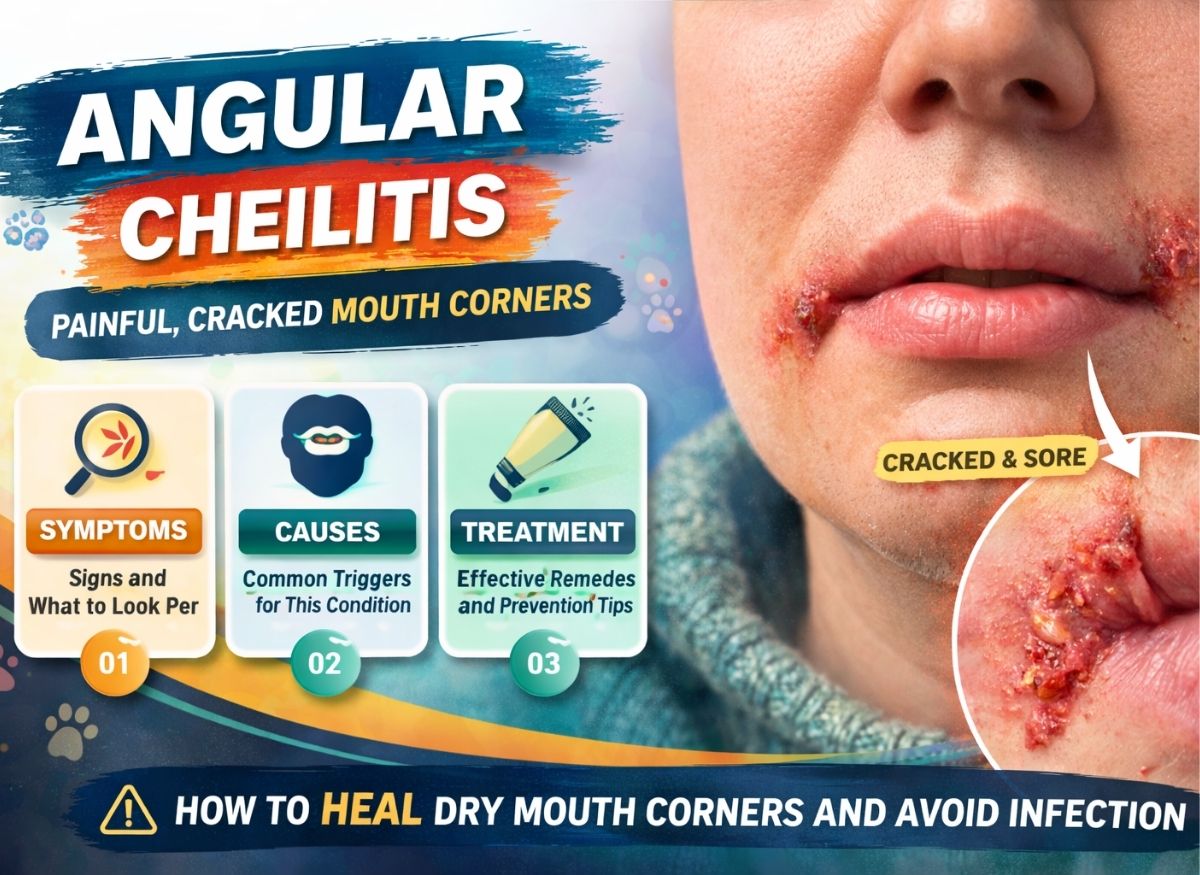
Angular cheilitis is a common condition that causes painful cracks, redness, and irritation at the corners of the mouth. It is often mistaken for simple dry lips or minor irritation, but in some cases, it may be connected to an underlying nutritional deficiency. Low levels of certain nutrients, especially iron and B vitamins, can affect the skin’s ability to repair itself and may increase the risk of inflammation or infection.
Many people focus only on treating the visible cracks without finding out why they keep returning. Recognizing when angular cheilitis may be related to a nutrient deficiency can help address the underlying problem. In this article, “5 Signs Your Angular Cheilitis Is Linked to Vitamin Deficiency,” we’ll look at possible warning signs, the vitamins and minerals involved, and ways to support healthier skin and overall nutrition.
What is Angular Cheilitis Caused by Vitamin Deficiency?
Although many cases of angular cheilitis, also called perleche, are related to moisture collecting around the mouth, nutritional deficiencies can also contribute. When the body does not get enough B vitamins, iron, or zinc, the skin around the corners of the mouth may become weaker and more likely to crack.
Looking at angular stomatitis causes from a nutritional perspective shows that the problem may involve more than surface irritation. The body needs certain nutrients to maintain healthy skin and repair damaged tissue, and the corners of the mouth can sometimes reveal when those nutrients are lacking.
The Clinical Presentation: What the “Split” Signals
Angular cheilitis caused or worsened by nutritional deficiencies may initially look like mild redness or a dry corner of the lip. Over time, however, it can develop into a persistent split that does not heal easily.
When the skin is fragile, normal movements such as eating and talking can repeatedly reopen the crack. This can create a cycle in which the corner of the mouth keeps splitting and may eventually develop into an ulcer or become covered with a thin white or yellowish coating.
Identifying the Internal “Engine” Failure: The Cause of Cheilitis
Nutritional causes of cheilitis can include low levels of vitamin B2 (riboflavin), B3 (niacin), B6 (pyridoxine), or B12 (cobalamin). These nutrients play important roles in cellular metabolism and maintaining healthy skin and mucous membranes.
Iron and zinc are also important for normal tissue health. Iron deficiency anemia, for example, may be associated with changes such as a smooth or sore tongue and fragile oral tissues. This can make the corners of the mouth more vulnerable to irritation.
Unlike a cold sore, which is caused by a virus and typically produces fluid-filled blisters, deficiency-related angular cheilitis usually appears as a crack or fissure rather than a cluster of blisters.
Distinguishing Deficiency from Infection
A crack at the corner of the mouth is not always caused by an infection. Saliva can collect in the affected area and create a moist environment where yeast or bacteria can grow, meaning an infection may develop secondarily.
If a nutritional deficiency is contributing to the problem, antifungal treatment alone may not prevent the cracks from returning. The underlying nutrient deficiency still needs to be identified and addressed.
A vitamin deficiency itself is not contagious. However, an infection that develops in the damaged skin may require separate treatment.
Addressing the Root: Strategic Intervention
The most useful approach is to determine which nutritional or other factor is contributing to the condition.
- B-Complex Replenishment: Foods such as leafy greens, eggs, dairy products, and lean meats can help provide important B vitamins. The appropriate treatment depends on whether a deficiency is actually present.
- Iron and Zinc Support: People with restricted diets or nutrient-absorption problems may need additional evaluation for iron or zinc deficiency. Supplements should ideally be taken when a deficiency has been confirmed or recommended by a healthcare professional.
- Barrier Protection: Applying a thick protective emollient such as petroleum jelly can help shield the corners of the mouth from saliva and further irritation while the underlying cause is addressed.
5 Signs Your Angular Cheilitis is Linked To a Vitamin Deficiency
Diagnosing angular cheilitis often requires determining whether it is caused by irritation, infection, nutritional deficiency, or another underlying condition. When a deficiency is involved, there may be additional clues beyond the cracks themselves.
If the corners of your mouth continue to hurt or reopen despite basic care, it may be worth discussing possible nutritional causes with a healthcare professional.
Persistent Failures: When Topicals Aren’t Enough
One possible sign of a nutritional problem is angular cheilitis that repeatedly returns despite standard topical care.
Many people initially assume that a crack at the side of the mouth is caused by yeast and use over-the-counter products. However, if the corners continue to split, another underlying factor may be involved.
Antifungal products can address yeast, but they cannot correct deficiencies in nutrients such as riboflavin, iron, B12, or zinc. Persistent symptoms may therefore indicate that further evaluation is needed.
Systemic Clues: The Context of Deficiency
When angular cheilitis is related to nutrition, other symptoms may sometimes occur at the same time. Since B vitamins and iron are involved in energy production and red blood cell formation, deficiencies can affect several parts of the body.
- Glossitis: A swollen, smooth, unusually red, or sore tongue can sometimes occur with certain nutritional deficiencies.
- Koilonychia: Spoon-shaped or brittle nails may be associated with iron deficiency.
- Fatigue and Pallor: Ongoing tiredness or unusually pale skin may occur with anemia or other nutritional problems.
These symptoms do not prove that angular cheilitis is caused by a deficiency, but they can provide useful clues for further evaluation.
The Bilateral Rule and Dietary Context
Angular cheilitis can affect one or both corners of the mouth. When both sides are repeatedly affected, a systemic factor such as nutritional deficiency or another underlying condition may be considered.
Dietary history can also provide important information. Restrictive diets, poorly planned vegan diets, or diets lacking a variety of nutrient-rich foods may increase the risk of certain deficiencies.
For example, people following a vegan diet need reliable sources of vitamin B12 because natural plant foods do not provide adequate B12.
The Diagnostic Response: Healing Through Nutrition
If testing confirms a nutritional deficiency, correcting it may help the affected skin heal and reduce future flare-ups.
However, improvement after changing the diet or taking a supplement does not by itself prove that a deficiency was the original cause. Other factors, including irritation, yeast, bacteria, dental problems, and saliva exposure, can also contribute to angular cheilitis.
For this reason, recurring or persistent symptoms should be evaluated rather than relying only on home remedies.
Some Vitamin and Mineral Deficiencies are Known to Cause Angular Cheilitis
The skin and mucous membranes around the lips require adequate nutrition to remain strong and repair everyday damage. Because the corners of the mouth experience frequent movement and moisture exposure, they can become particularly vulnerable when nutritional deficiencies are present.
Several vitamins and minerals have been associated with angular cheilitis and related oral changes.
The “Triple Threat” of B-Vitamin Depletion
B vitamins are involved in many processes that support healthy skin and tissue repair. Deficiencies in certain B vitamins may contribute to changes around the mouth.
Riboflavin (B2) and the Energy Crisis: Riboflavin helps cells produce and use energy. When levels are too low, tissues may have difficulty maintaining normal function. Riboflavin deficiency can also be associated with changes involving the mouth, including cracks at the corners and a sore or altered-looking tongue.
Folate (B9) and B12 (The DNA Duplicators): Folate and vitamin B12 are important for DNA production and the formation of healthy blood cells. Deficiency in either nutrient can contribute to changes in the mouth, including soreness or inflammation, and may make tissue repair more difficult.
Iron Deficiency: Oxygen Starvation at the Surface
Iron is essential for hemoglobin, which carries oxygen throughout the body. When iron levels are low, the body may not deliver oxygen as efficiently to tissues.
Iron deficiency can be associated with oral changes such as a sore tongue and cracks around the mouth. It may also contribute to fatigue, weakness, and pale skin.
If angular cheilitis repeatedly occurs along with symptoms of anemia, checking iron status may be appropriate.
Zinc: The Guardian of the Wound
Zinc supports immune function, skin health, and wound healing. Low zinc levels can interfere with the body’s ability to repair damaged tissue.
The Healing Stall: When zinc is deficient, wounds may take longer to heal. Cracks and irritation around the mouth may therefore persist.
Secondary Invasion: Damaged skin can provide an opportunity for organisms such as Candida to grow. Zinc deficiency can also affect normal immune function, potentially making it more difficult for the body to respond to infections.
Distinguishing Deficiency from Common Irritants
It is easy to confuse nutritional angular cheilitis with other common problems.
Vs. Cold Sores: A cold sore is caused by herpes simplex virus and commonly starts with tingling before small, fluid-filled blisters appear. Angular cheilitis usually produces a fissure or crack at the corner of the mouth rather than a group of blisters.
Vs. Simple Chapping: Weather-related dry or chapped skin often improves with moisturization and protection. If cracks continue for more than a week, repeatedly return, or occur alongside other symptoms, another cause may need to be investigated.
Foods To Correct These Deficiencies
If testing shows that a nutritional deficiency is contributing to angular cheilitis, improving dietary intake can help restore the nutrients needed for healthy tissue.
A varied diet containing B vitamins, iron, zinc, protein, and other essential nutrients can support normal skin and oral health.
The B-Vitamin Restoration: Fueling the Repair Crew
To support healthy tissue, include foods that naturally provide B vitamins.
The Riboflavin (B2) Boost: Dairy products, eggs, lean meats, almonds, and mushrooms can provide riboflavin. People following plant-based diets can choose fortified foods and other plant sources to help meet their needs.
The Folate (B9) and B12 Repair: Spinach, kale, beans, and other leafy green vegetables are good sources of folate. Vitamin B12 is naturally found mainly in animal-based foods such as fish, meat, eggs, and dairy products. Vegans should use reliable fortified foods or a B12 supplement to meet their needs.
Iron and Zinc: Strengthening the Structural Barrier
Iron and zinc both contribute to normal tissue health and repair.
Heme vs. Non-Heme Iron: Heme iron, found in foods such as meat and seafood, is generally absorbed more efficiently than non-heme iron from plant foods. Plant sources include beans, lentils, tofu, and leafy greens. Eating plant sources of iron together with vitamin C-rich foods can improve non-heme iron absorption.
Zinc for Wound Closure: Oysters are particularly rich in zinc, while meat, dairy products, beans, nuts, and pumpkin seeds can also provide this mineral. Food preparation methods such as soaking or sprouting can reduce phytates in some plant foods and may improve mineral availability.
Strategic Home Remedies: The “Inside-Out” Approach
Dietary changes can address nutritional deficiencies, but protecting the affected skin can also make the area more comfortable while it heals.
A thick barrier such as petroleum jelly can help protect the crack from saliva and repeated irritation. However, topical protection alone will not correct an underlying vitamin or mineral deficiency.
If the corner of the mouth continues to split, it is important to investigate the cause instead of relying only on repeated topical treatments.
What Other Conditions Can Be Confused With or Contribute to Angular Cheilitis?
Identifying the cause of angular cheilitis often requires considering several possibilities. Similar symptoms can occur with infections, nutritional deficiencies, mechanical irritation, dental problems, and certain medical conditions.
Because the corner of the mouth may hurt for many different reasons, persistent symptoms should not automatically be assumed to result from a vitamin deficiency.
The Viral Imposter: Angular Cheilitis vs. Cold Sores
Cold sores are one of the most common conditions confused with angular cheilitis. They are caused by herpes simplex virus and often begin with tingling before developing into small, fluid-filled blisters.
Angular cheilitis usually appears as a crack, fissure, redness, or irritation at the corner of the mouth. It is commonly associated with moisture, saliva, irritation, infection, or nutritional factors.
Because the treatments are different, identifying the correct condition is important.
The Gut-Skin Connection: Celiac and Crohn’s Disease
If the corners of the mouth continue to crack despite a balanced diet and good oral care, an absorption problem may sometimes be involved.
Conditions such as celiac disease and Crohn’s disease can interfere with nutrient absorption and may contribute to deficiencies in iron, zinc, folate, or B vitamins. In these situations, treating the mouth alone may not resolve the underlying issue.
Persistent angular cheilitis combined with digestive symptoms, unexplained weight changes, anemia, or other nutritional concerns may require medical evaluation.
Mechanical and Environmental Triggers
Not every case of angular cheilitis is caused by nutrition or infection. Physical factors can also contribute.
Poorly fitting dentures, dental appliances, changes in the shape of the mouth, or deep folds around the lips can allow saliva to collect at the corners. Constant moisture can weaken the skin and make cracking more likely.
Cold, dry weather and frequent lip licking can also increase irritation. Identifying and reducing these triggers can be an important part of treatment.
Differential Diagnosis and Summary
When evaluating a persistent crack at the corner of the mouth, a healthcare professional may consider its location, appearance, duration, recurrence, and possible triggers.
Both sides being affected may suggest a systemic or nutritional factor, but bilateral involvement does not prove a deficiency. One-sided symptoms can occur with local irritation or trauma, although infections and other conditions can also affect one side.
A proper evaluation helps determine whether treatment should focus on nutrition, infection, dental factors, skin protection, or another underlying condition.
Are Vegans More At Risk For Deficiency-Related Angular Cheilitis?
A well-planned vegan diet can provide many essential nutrients, but certain nutrients require particular attention because reliable plant sources are limited or less readily absorbed.
Vitamin B12 is especially important because natural plant foods do not provide a dependable source of this vitamin.
The Vitamin B12 Bottleneck
Vitamin B12 supports DNA production and healthy red blood cells. A long-term deficiency can cause anemia and neurological problems, as well as changes involving the mouth.
Because the body stores B12 for a long time, deficiency may take years to develop. This means someone can follow a vegan diet for an extended period before symptoms become noticeable.
Using fortified foods or a reliable B12 supplement is therefore an important part of a well-planned vegan diet.
The Iron and Zinc Bioavailability Gap
Plant foods can provide iron and zinc, but the body does not always absorb these minerals as efficiently as their animal-based counterparts.
Iron Absorption: Plant foods contain non-heme iron. Eating foods rich in vitamin C, such as bell peppers, citrus fruits, or tomatoes, alongside plant sources of iron can improve absorption. Tea and coffee consumed with meals can reduce non-heme iron absorption.
The Zinc-Phytate Struggle: Whole grains, beans, seeds, and nuts contain phytates that can reduce zinc absorption. Soaking, sprouting, fermenting, or other preparation methods can help reduce phytate levels.
Proactive Nutritional Defense for Vegans
People following vegan diets can take several steps to maintain adequate nutrient intake.
- The Vitamin C “Key”: Combine plant-based iron sources such as lentils, beans, or spinach with vitamin C-rich foods to support iron absorption.
- Strategic Preparation: Soaking, sprouting, and fermenting certain foods can reduce phytates and improve mineral availability.
- Supplementation: Reliable vitamin B12 supplementation or fortified foods are essential for most people following a vegan diet.
How is Angular Cheilitis Diagnosed By a Doctor?
Diagnosing angular cheilitis generally begins with examining the affected area and identifying possible causes. A healthcare professional may need to determine whether the condition is related to irritation, infection, dental factors, or an underlying nutritional or medical problem.
The Visual and Physical Assessment
A doctor or dermatologist will examine the corners of the mouth for redness, cracking, swelling, crusting, and moisture-related skin changes.
They may also look inside the mouth for signs such as a sore or smooth tongue, which can provide clues about nutritional deficiencies.
The appearance of the lesion can also help distinguish angular cheilitis from conditions such as cold sores, which typically produce clusters of blisters.
Microbiological Swabbing: Identifying the “Squatters”
If an infection is suspected, a healthcare professional may take a sample from the affected area.
Fungal KOH Test: A sample may be examined to determine whether Candida or another fungal organism is present.
Bacterial Culture: If the area is producing significant discharge or appears infected, a bacterial culture may be used to identify organisms such as Staphylococcus aureus.
Identifying the organism can help determine whether an antifungal or antibacterial treatment is appropriate.
The Systemic Investigation: Blood Work
When angular cheilitis is persistent or recurrent, blood tests may be recommended to look for possible nutritional or medical causes.
Depending on the person’s symptoms and medical history, testing may include:
- Ferritin and Hemoglobin: These can help evaluate iron stores and possible anemia.
- B-Complex Levels: Testing may focus on nutrients such as vitamin B12 and folate when clinically appropriate.
- Zinc and Glucose: Zinc may be evaluated when deficiency is suspected, while blood glucose testing may be considered when recurrent infections or diabetes are concerns.
Mechanical and Dental Review
A healthcare professional may also examine the mouth for dental or mechanical factors that encourage saliva to collect around the corners.
Dentures, tooth loss, changes in the bite, or poorly fitting dental appliances can create folds where moisture remains trapped. Correcting these problems may help prevent the skin from repeatedly breaking down.
Conclusion
Angular cheilitis can be a minor irritation, but recurring or persistent symptoms may sometimes point to an underlying nutritional deficiency or another health issue. Signs such as repeated cracking, slow healing, or inflammation that does not respond to basic care deserve attention.
Nutrients including iron, vitamin B2, B12, folate, and zinc play important roles in maintaining healthy tissues. If a deficiency is confirmed, improving dietary intake or using appropriate supplementation may help support recovery.
If angular cheilitis continues to return, it is better to identify the underlying cause rather than repeatedly treating the surface symptoms. A healthcare professional can determine whether nutrition, infection, dental factors, irritation, or another condition is contributing to the problem.
Frequently Asked Questions (FAQ) About Angular Cheilitis
What is angular cheilitis?
Angular cheilitis is inflammation and cracking that develops at one or both corners of the mouth. The area may become red, sore, swollen, or crusted and can hurt when opening the mouth. Causes may include saliva exposure, irritation, fungal or bacterial infection, nutritional deficiencies, or other underlying conditions.
Which vitamin deficiencies cause angular cheilitis?
Angular cheilitis may be associated with deficiencies in nutrients such as iron, vitamin B2 (riboflavin), vitamin B12, and folate. Zinc deficiency may also contribute in some cases. These nutrients support healthy skin, blood cells, immune function, and tissue repair.
How can I tell if my angular cheilitis is caused by a vitamin deficiency?
Recurring angular cheilitis that does not improve with basic care may warrant an evaluation for nutritional deficiencies. Other symptoms, including fatigue, pale skin, changes in the tongue, or brittle nails, may provide additional clues. Blood tests can help determine whether certain vitamin or mineral levels are low.
How is angular cheilitis treated?
Treatment depends on the underlying cause. Nutritional deficiencies may be addressed through dietary changes or supplements, while fungal or bacterial infections may require specific medications. Protecting the corners of the mouth from saliva and irritation can also support healing.
Can angular cheilitis go away on its own?
Mild cases may improve once the irritating factor is removed. However, angular cheilitis caused by infection, nutritional deficiency, dental problems, or another underlying condition may continue or return without appropriate treatment. Persistent or recurring symptoms should be evaluated.
How can I prevent angular cheilitis?
Good oral hygiene, a balanced diet, adequate nutrient intake, and protecting the corners of the mouth from excessive moisture can help reduce the risk. Avoiding frequent lip licking and protecting the lips from harsh weather may also be useful. If angular cheilitis keeps returning, identifying and treating the underlying cause is important.