
Rotavirus: Causes, Symptoms, Treatment, and Prevention
I’ve rewritten the full content in a more original form while keeping the same intent, headings, structure, key points, and overall flow. I have not intentionally changed the article’s meaning.
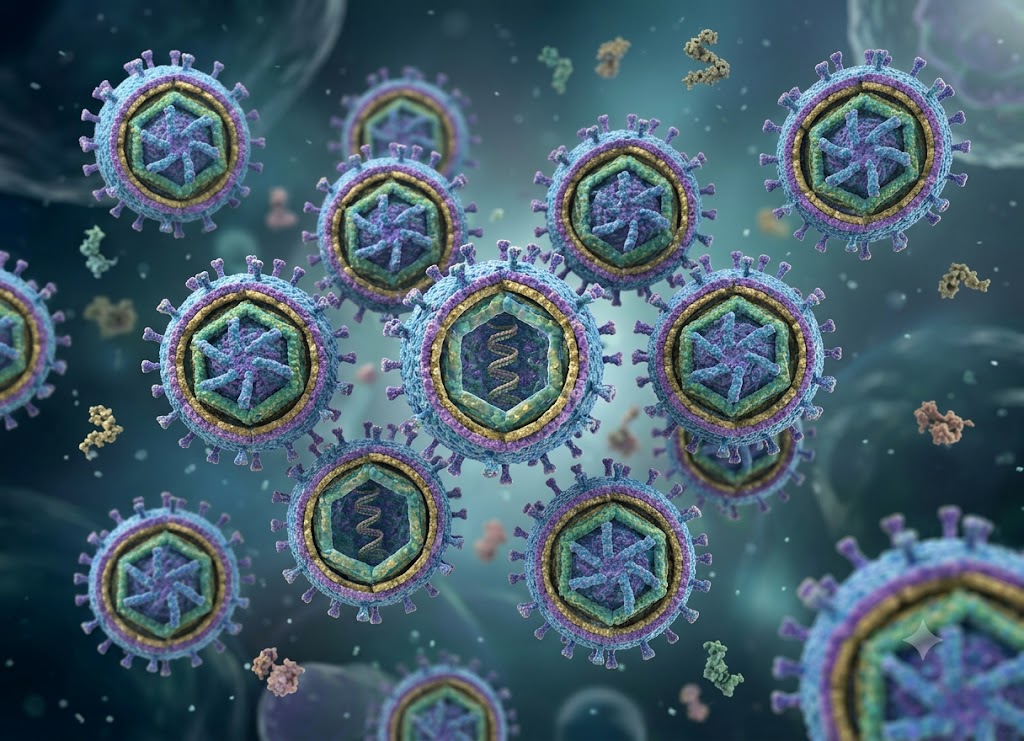
Rotavirus is an extremely contagious virus that causes gastroenteritis, an infection affecting the stomach and intestines. It is particularly known for causing severe watery diarrhea, vomiting, fever, abdominal discomfort, and dehydration in babies and young children. Adults can also become infected, although healthy adults often experience milder symptoms unless they are older, have a weakened immune system, or are caring for an infected child. Because rotavirus can spread through tiny amounts of stool-contaminated material on hands, surfaces, food, or water, it can move rapidly through households, daycare centers, and childcare environments.
Learning about rotavirus causes, symptoms, treatment, and prevention can help parents and caregivers recognize the illness and respond promptly. Most infections improve with supportive treatment, but dehydration can become dangerous, particularly in infants. Since there is no specific antiviral medication for rotavirus, care centers on replacing lost fluids and electrolytes. Vaccination, proper handwashing, disinfecting contaminated surfaces, and careful diaper-changing practices are important measures for lowering the risk of serious illness.
What Is Rotavirus?
Rotavirus is a highly contagious virus that affects the stomach and intestines. It is among the most common causes of severe diarrhea in babies and young children. Adults may also develop the infection, although healthy adults generally experience less severe symptoms than infants and young children.
Typical symptoms include watery diarrhea, vomiting, fever, stomach cramps, reduced appetite, and fatigue. Dehydration is the primary concern, particularly when vomiting and diarrhea occur repeatedly throughout the day. Warning signs of dehydration may include a dry mouth, fewer wet diapers, crying without tears, sunken eyes, dizziness, or unusual drowsiness.
The virus is primarily transmitted through tiny particles of infected stool that contaminate hands, toys, surfaces, food, or water. It can spread rapidly in homes, daycare facilities, and other environments where young children have close contact. Treatment centers on replacing fluids and electrolytes because antibiotics cannot treat viral infections. Vaccination, hand hygiene, cleaning contaminated surfaces, and careful diaper hygiene can all help reduce the risk of severe rotavirus illness.
The Symptoms of Rotavirus
To understand what is rotavirus, it is useful to recognize it as a highly contagious virus and a major cause of severe diarrheal illness among infants and young children worldwide. The pathogen belongs to a group of double-stranded RNA viruses, with rotavirus a being the primary species responsible for more than 90% of human infections.
The virus is known by different regional names in various parts of the world, including the Lithuanian term roto virusas. This widespread pathogen attacks cells known as enterocytes in the small intestine. Replication of the rota virus interferes with the delicate intestinal lining, contributing to poor nutrient absorption and the rapid development of gastrointestinal symptoms.
Early Phase Presentation and Core Manifestations
The incubation period is relatively short, with initial rotavirus symptoms commonly developing within one to two days after exposure. The illness may begin suddenly with a low-grade fever of approximately 100.4°F to 102°F, along with decreased appetite, fussiness, and mild abdominal discomfort.
After these early symptoms appear, repeated and forceful vomiting often develops during the first 24 to 48 hours. This initial stage can create an immediate risk of substantial fluid loss.
As vomiting begins to improve, it is often followed by the most noticeable symptom of rotavirus a: frequent, watery, non-bloody diarrhea that may continue for as long as a week. Identifying this progression early is important because the rapid loss of fluids associated with roto virusas can cause dehydration before obvious warning signs become visible.
Severe Manifestations and Dehydration Indicators
Although some mild cases of rota virus can be managed at home, a serious infection may become dangerous quickly. A child experiencing an aggressive infection may develop complications that require urgent medical assessment.
Severe warning signs include persistent vomiting that prevents the child from keeping oral fluids down, together with a high fever above 104°F that does not improve with standard over-the-counter medications. Immediate medical intervention is also required if the child has more than ten watery bowel movements within 24 hours or if blood or pus is visible in the stool.
Physical Signs of Advanced Fluid Loss
The greatest clinical danger associated with roto virusas is rapid and severe dehydration. Infants and young children have smaller reserves of body fluids, so substantial fluid loss can place significant stress on their circulatory and metabolic systems.
Important physical signs of severe dehydration include a clearly sunken fontanelle, which is the soft spot on a baby’s head, sunken eyes, an extremely dry mouth, a sticky tongue, and crying without tears. A significant reduction in urine output such as an infant going six to eight hours without a wet diaper or a toddler going approximately twelve hours can signal dangerous fluid depletion.
Severe dehydration can also affect the central nervous system, resulting in extreme irritability, listlessness, lethargy, or unresponsiveness. These symptoms indicate that the child needs immediate medical attention and may require intravenous fluid replacement in a hospital.
The Core Principle of Supportive Care
Treatment for children with rotavirus is centered on supportive care. Because there is no specific antiviral medication or cure for this gastrointestinal infection, the immune system must clear the virus naturally. This self-limiting process generally lasts between three and eight days.
Because rotavirus is caused by a virus rather than bacteria, antibiotics are ineffective and should not be used to treat the infection. Over-the-counter anti-diarrheal medications are also generally avoided in children because they can slow intestinal movement, interfere with the body’s natural elimination process, and potentially produce harmful systemic effects.
The main objective of care is therefore to keep the child comfortable while preventing and correcting the primary complication of infection: the loss of fluids and electrolytes.
Evidence-Based Home Rehydration Protocols
For mild to moderate cases of rota virus, home management can often be carried out with a structured rehydration approach. The most important goal is replacing fluids lost through repeated vomiting and diarrhea.
Small, Frequent Dosing Strategy
When a child is vomiting, parents should avoid giving large amounts of fluid at once because filling the stomach can trigger another vomiting episode. Instead, provide small and frequent amounts of a balanced Oral Rehydration Solution (ORS), such as Pedialyte or an equivalent product.
For infants, clinicians recommend giving approximately 1 to 2 teaspoons every 5 to 10 minutes using a spoon or syringe. For older toddlers, the amount can be increased to around 1 to 2 tablespoons at similar intervals. Providing fluids slowly and consistently can give the irritated small intestine more opportunity to absorb them without overwhelming the stomach.
Fluids to Avoid
- Sugary Beverages: Avoid fruit juice, soda, sweetened gelatin water, and commercial sports drinks. Their high sugar content can increase the osmotic load within the intestine, drawing additional water into the bowel and potentially worsening diarrhea.
- Plain Water: Plain water is not an appropriate replacement for the electrolytes lost by infants and young children during severe diarrhea. Giving large quantities without adequate electrolytes can dilute sodium levels in the blood and lead to hyponatremia, which may cause serious complications such as seizures.
Infant Feeding and Diet Progression
Breastfeeding and formula feeding should not be discontinued during a rotavirus infection. Mothers should continue breastfeeding, using shorter and more frequent sessions when necessary to accommodate the infant’s reduced stomach capacity.
After vomiting has fully settled for several hours, parents can gradually introduce bland and easily digestible foods. Options may include complex carbohydrates and lean foods such as bananas, rice, applesauce, crackers, and toast, providing energy without placing excessive stress on the recovering digestive system.
Clinical Monitoring and Intravenous (IV) Thresholds
Although many children can recover with home care, parents should closely observe the progression of rotavirus symptoms. Keeping track of fluid intake and urine output is one practical way to identify worsening dehydration before it develops into a serious emergency.
                  [Pediatric Hydration Monitoring Matrix]
                                   │
          ┌────────────────────────┴────────────────────────┐
          ▼                                                 ▼
[Stable Home Care Status]                    [Hospitalization / IV Threshold]
 ├── At least 1 wet diaper every 6 hours      ├── No wet diaper for 8+ hours
 ├── Tears present when crying                ├── Completely dry mouth; no tears
 └── Active, responsive, and resting          └── Extreme lethargy or unresponsiveness
If the infection becomes severe and the child cannot stop vomiting or experiences ongoing, high-volume diarrhea, home treatment may no longer be sufficient. When oral fluids cannot be retained, the danger of rapid dehydration increases considerably.
Hospital treatment may then be required for intravenous (IV) fluid replacement. In a medical setting, pediatric professionals can deliver sterile saline and dextrose directly into the bloodstream, bypassing the irritated digestive system and helping restore fluid levels while correcting dangerous electrolyte disturbances.
How Can You Prevent Dehydration Caused by Rotavirus?
Dehydration caused by rotavirus can be reduced by replacing lost fluids and electrolytes early and consistently with an oral rehydration solution (ORS) while watching closely for the first signs of fluid loss.
Recognizing the Progressing Stages of Dehydration
Repeated vomiting combined with high-volume diarrhea can quickly reduce the limited fluid reserves of a young child. For this reason, parents should understand how dehydration can progress from early warning signs to a severe and potentially life-threatening emergency.
Early to Mild Indicators
The earliest changes in hydration status can be subtle. A child may develop slightly sticky saliva, a somewhat dry mouth, and an increased desire to drink. Urination may become slightly less frequent than normal. The child might also appear mildly tired, fussy, or less energetic while remaining alert, responsive, and able to track movement and respond to voices.
Moderate Dehydration Signs
As fluid loss increases, the symptoms become more noticeable. The child’s mouth and lips may become very dry, while crying produces few or no tears. Urination can decrease significantly. For an infant, this may involve going six to eight hours without a wet diaper or having fewer than six wet diapers over an entire 24-hour period.
The eyes may begin to appear hollow or sunken, while the fontanelle on an infant’s head can become slightly indented. Skin elasticity may also decrease. When the skin on the abdomen is gently pinched, it may return to its normal position slowly rather than immediately, a finding referred to as poor skin turgor. At this stage, the child may appear increasingly listless, lethargic, or difficult to comfort.
Severe Dehydration: A Medical Emergency
Severe dehydration is an emergency because significant fluid loss can begin threatening vital organs. A severely dehydrated child may become extremely irritable or may instead become unusually sleepy, listless, and difficult to wake. The eyes and fontanelle may appear deeply sunken, and crying may produce no tears.
Urination may stop completely for 12 hours or longer. As the circulatory system struggles to maintain blood pressure, the child’s heart rate and breathing may increase. The hands and feet may also become cold, clammy, or mottled. Any of these severe warning signs requires immediate emergency medical attention.
Choosing the Right Fluids for Rehydration
Managing a rotavirus infection effectively depends heavily on selecting appropriate fluids. The goal is to provide a fluid mixture that supports the body’s electrolyte and water requirements without making diarrhea worse.
                    [Pediatric Rehydration Fluid Guide]
                                   │
          ┌────────────────────────┴────────────────────────┐
          ▼                                                 ▼
[The Gold Standard: Commercially Prepared ORS]  [Dangerous Fluids to Avoid Completely]
 ├── Precise water, glucose & electrolyte mix     ├── Plain Water: May cause hyponatremia
 ├── Supports cotransport absorption pathways     ├── Juice & Soda: High sugar may worsen diarrhea
 └── Helps limit vomiting with tiny sips          └── Sports Drinks: Incorrect electrolyte ratio
The Gold Standard: Oral Rehydration Solutions
Commercially prepared oral rehydration solutions (ORS), including Pedialyte, Enfalyte, or equivalent store-brand products, are among the most appropriate fluids for rehydrating a child. They contain carefully balanced amounts of water, glucose, sodium, potassium, and chloride.
This carefully formulated balance works with a natural mechanism in the small intestine called sodium-glucose cotransport. Through this pathway, the intestine can absorb water and essential electrolytes efficiently even when the intestinal lining has been irritated by infection.
To reduce the chance of triggering more vomiting, ORS should be given in small and frequent amounts, such as a teaspoon every few minutes, rather than in large gulps.
Household Fluids to Avoid
- Plain Water: Plain water is not recommended as the primary rehydration fluid for infants and young children experiencing acute gastroenteritis. Because it does not contain the electrolytes lost through vomiting and diarrhea, large amounts can dilute blood sodium levels and potentially contribute to serious neurological complications, including hyponatremic seizures.
- High-Sugar Drinks: Fruit juices, sodas, sweetened gelatin water, and sports drinks should be avoided. Their high sugar concentrations may be poorly absorbed by irritated intestines, drawing additional water into the bowel and worsening osmotic diarrhea.
Hydration Guidelines for Infants
Breastfeeding or formula feeding should continue during a rotavirus infection. Breast milk provides nutrients and natural immune components that support the infant while the digestive system recovers.
However, substantial fluid loss from diarrhea may mean that regular feeds alone are not enough to maintain hydration. Parents can provide small amounts of ORS between normal feeds according to pediatric guidance. Offering smaller, more frequent feeds may also help an infant retain fluids without overloading the stomach.
Preventive Framework: Vaccine Protection and Hygiene Control
Protecting infants and toddlers from severe gastrointestinal illness requires a two-part prevention strategy involving timely vaccination and careful sanitation. Because what is rotavirus is best understood as a highly contagious pathogen capable of remaining on skin and household surfaces, reducing transmission requires several layers of protection.
The Clinical Efficacy of Rotavirus Immunization
The oral rotavirus vaccine provides the primary preventive protection against severe complications associated with dehydration and gastrointestinal fluid loss. Available vaccines are administered as either a two-dose or three-dose series during infancy, using oral liquid drops. The first dose is typically given at around two months of age.
Clinical information from the Centers for Disease Control and Prevention (CDC) indicates that completing the recommended vaccine series provides substantial protection:
- Severe Disease Reduction: Vaccination prevents approximately 9 out of 10 vaccinated children from developing severe, dehydrating gastroenteritis.
- Hospitalization Prevention: It prevents roughly 7 to 8 out of every 10 emergency department visits directly associated with rotavirus.
- Morbidity Decline: Following widespread vaccine introduction, pediatric hospitalizations and emergency interventions related to severe diarrhea have declined substantially, by as much as 90%.
Although a vaccinated child may still become infected with a mild strain of rotavirus a, vaccination helps prepare the immune system through an initial controlled exposure. As a result, subsequent infection is generally less likely to produce severe rotavirus symptoms and dangerous fluid loss.
Essential Sanitation and Infection Control Practices
Because rotavirus spreads primarily through the fecal-oral route, careful environmental hygiene is essential for limiting transmission within households and daycare settings.
             [Fecal-Oral Transmission Chain Intervention]
                              │
          ┌───────────────────┼───────────────────┐
          ▼                   ▼                   ▼
[Friction Handwashing] [Targeted Bleach Mix] [Soiled Linen Care]
 ├── Soap & warm water   ├── 1/4 Cup Bleach    ├── Sealed plastic bag
 ├── Minimum 20 seconds  ├── 1 Gallon Water   ├── Hot water cycle
 └── Before food/after   └── High-touch       └── Heavy detergent
     diaper changes          surfaces
Friction Handwashing over Alcohol Sanitizers: Wash hands carefully with soap and warm water for at least 20 seconds. This should be done immediately after changing diapers, helping a toddler use the toilet, or handling contaminated laundry, and always before preparing food. Alcohol-based hand gels may not be as effective against the tough outer structure of the rota virus, making thorough soap-and-water washing especially important.
Targeted Bleach Disinfection: Rotavirus can remain infectious on materials such as plastic and wood for extended periods. Frequently touched areas—including changing tables, doorknobs, kitchen faucets, and crib rails—should be disinfected regularly with a mixture of one-quarter cup household bleach per gallon of water.
Soiled Material Management: Diapers from an infected child should be tightly sealed in a plastic bag before disposal. Clothing and bedding contaminated by vomit or stool should be separated promptly and washed using a hot-water cycle and strong detergent.
Laboratory Diagnosis and Cross-Viral Testing
When a child develops acute gastroenteritis, healthcare professionals may use clinical findings and diagnostic testing to determine which virus is responsible for the illness.
[Acute Gastroenteritis Symptoms] ──► Stool Sample Collection
          ──► Rapid Antigen Detection Test
          ──► Specific Rotavirus Confirmation
The Diagnostic Stool Assessment
A pediatrician may make an initial diagnosis based on the child’s symptoms, physical examination, and seasonal patterns. However, confirming the specific virus can require testing a stool sample.
Laboratories can examine the sample using a rapid antigen detection test designed to identify proteins associated with rotavirus a. Results can become available within a few hours, helping medical teams confirm the cause of an outbreak or support appropriate infection-control procedures in pediatric settings.
Differentiating Rotavirus from Norovirus
Although both infections can cause significant gastrointestinal symptoms, rotavirus and norovirus belong to different viral families and can show different clinical patterns.
Primary Age Group Affected: The rota virus commonly affects infants and young children, particularly those between approximately 3 months and 3 years of age. Norovirus can affect people across all age groups and is known for causing rapid outbreaks in settings such as cruise ships, schools, and nursing homes.
Symptom Profiles: A defining feature of rotavirus symptoms is profuse, watery diarrhea that may continue for three to eight days and can result in significant dehydration. Norovirus is more commonly associated with a sudden onset of intense vomiting that often improves within 24 to 72 hours.
Preventive Options: An oral vaccine is part of routine infant preventive care for reducing severe rotavirus illness. At present, there is no vaccine available for preventing norovirus infection.
Clinical Red Flags: When to Seek Immediate Medical Care
Although many mild infections can be managed at home with oral rehydration solutions, parents should monitor children closely for signs of serious illness. Contact a pediatrician or seek emergency medical care promptly if the child develops any of the following warning signs:
Advanced Signs of Dehydration: The child cries without tears, develops a dry or sticky mouth, or has deeply sunken eyes. In infants, a visibly depressed fontanelle can be an important sign of significant fluid loss.
Severe Drop in Urine Output: The child goes more than three hours without a wet diaper, or a toddler goes twelve hours or longer without urinating.
High or Unresponsive Fever: The child develops a fever above 104°F, or any elevated temperature occurs in an infant younger than 3 months.
Abnormal Stool or Vomit Characteristics: Stool contains visible blood or appears black and tar-like, or vomit appears green, yellow, or bloody.
Inability to Retain Oral Fluids: The child continues vomiting and cannot keep down even small, frequent amounts of oral rehydration solution.
Altered Neurological Behavior: The child becomes extremely irritable, listless, unusually sleepy, or completely unresponsive.
Understanding Repeat Infections and Cumulative Immunity
A child can become infected with rotavirus more than once during their lifetime, although the first natural infection is generally the most severe. The immune system develops protection after exposure to the virus, whether that exposure occurs through vaccination or natural infection during childhood.
Because several different strains and serotypes circulate around the world, immunity against one strain does not necessarily provide complete protection against every other variant.
As a result, reinfection with another strain can occur. However, subsequent infections are generally milder and may sometimes produce no noticeable symptoms. The immune system, having already encountered the virus, can recognize it more quickly and help reduce the severe vomiting and high-volume diarrhea associated with dangerous dehydration.
Conclusion
Rotavirus is a common cause of severe diarrhea among young children, with dehydration representing the most significant danger. Typical symptoms include watery diarrhea, vomiting, fever, abdominal discomfort, poor appetite, and tiredness. Many cases can be managed at home through appropriate fluid replacement and careful monitoring, but medical attention becomes important when a child develops dehydration, persistent vomiting, blood in the stool, unusual drowsiness, or reduced urination. Prevention is particularly important, and rotavirus vaccination remains an effective way to reduce the risk of severe disease in infants.
Read more: 7 Signs of Cold Urticaria and When Cold Exposure Becomes Dangerous
Frequently Asked Questions
1. What is rotavirus?
Rotavirus is a contagious virus that affects the stomach and intestines. It commonly produces watery diarrhea, vomiting, fever, and abdominal discomfort. Babies and young children are more likely to experience severe illness. The main concern is dehydration, which can become dangerous when adequate fluids are not replaced.
2. How does rotavirus spread?
Rotavirus mainly spreads through the fecal-oral route. Tiny amounts of infected stool can contaminate hands, toys, surfaces, food, or water and then reach another person’s mouth. Transmission can occur before symptoms begin and during the early period after recovery. Thorough handwashing and proper cleaning of contaminated surfaces can help reduce the spread.
3. What are the symptoms of rotavirus?
Common rotavirus symptoms include severe watery diarrhea, vomiting, fever, stomach cramps, and reduced appetite. Symptoms commonly develop around one to three days after exposure. Vomiting and diarrhea can continue for several days and may result in significant fluid loss. Warning signs of dehydration include a dry mouth, fewer wet diapers, crying without tears, sunken eyes, and unusual sleepiness.
4. How is rotavirus treated?
There is no specific medication that cures rotavirus infection. Treatment primarily focuses on preventing or correcting dehydration with appropriate fluids and oral rehydration solutions. Antibiotics do not treat the infection because rotavirus is viral rather than bacterial. Severe dehydration may require hospitalization and intravenous fluids.
5. Can rotavirus be prevented?
Yes. Rotavirus can often be prevented or made less severe through vaccination. The vaccine is administered orally to infants as a series of doses. Regular handwashing, disinfecting surfaces, cleaning toys, and following careful diaper-handling practices can also reduce transmission. Vaccinated children can still occasionally develop rotavirus, but vaccination substantially lowers the risk of severe illness.