
Toxic Shock Syndrome: Causes, Symptoms, and Prevention
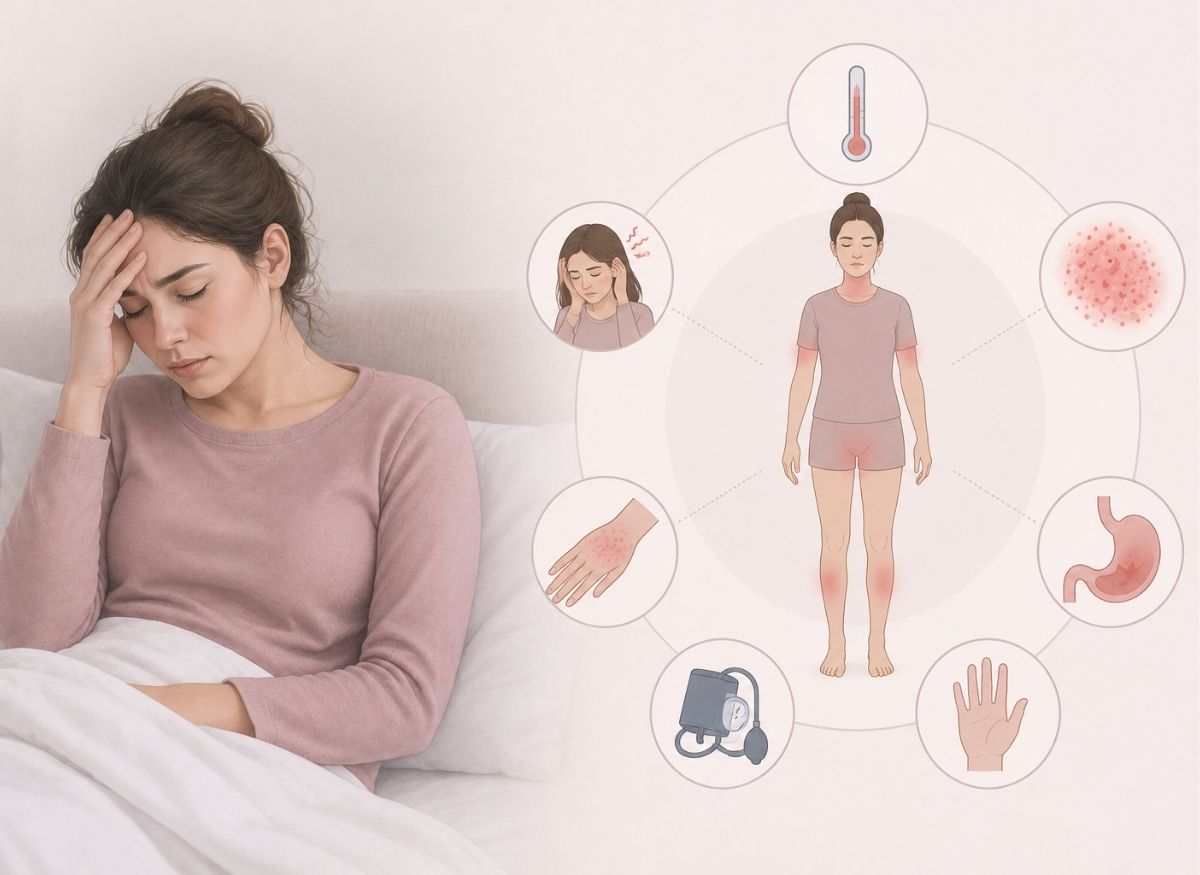
Toxic Shock Syndrome (TSS) is a rare but potentially life-threatening condition caused by toxins produced by certain bacteria, most commonly Staphylococcus aureus and Streptococcus pyogenes. The condition can develop quickly and may cause symptoms such as a high fever, dangerously low blood pressure, rash, and serious organ complications if treatment is delayed.
TSS has historically been associated with tampon use, but it can also develop from infected wounds, surgical sites, burns, and other situations that allow toxin-producing bacteria to enter the body. Recognizing the warning signs, understanding the causes, and following preventive measures can help reduce the risk of this serious illness.
TSS can affect people of any age. Although tampon use can increase the risk among menstruating individuals, non-menstrual cases can occur in people of all ages and genders. Because the condition can progress rapidly, recognizing symptoms early and seeking immediate medical care are essential. Treatment generally requires hospitalization, antibiotics, and supportive care.
What is Toxic Shock Syndrome?
Toxic Shock Syndrome (TSS) is a rare and serious medical condition caused by toxins released by certain strains of bacteria. These toxins can trigger an unusually strong immune response throughout the body.
If the condition is not treated quickly, the resulting inflammatory response can cause a severe drop in blood pressure, shock, and dysfunction of multiple organs. Two bacteria are particularly associated with TSS: Staphylococcus aureus and Streptococcus pyogenes.
The Cellular Drivers: Staph vs. Strep Toxins
TSS is primarily associated with toxin-producing strains of Staphylococcus aureus and Streptococcus pyogenes. These bacteria can normally live on the skin or mucous membranes without causing illness. Certain strains, however, can produce powerful toxins that trigger the severe immune response associated with toxic shock.
                           [THE TWO BIOLOGICAL FACETS OF TSS]
                                      │
         ┌────────────────────────────┴────────────────────────────┐
         ▼                                                         ▼
  [STAPHYLOCOCCAL TSS]                                      [STREPTOCYCCAL TSS]
• Driven by S. aureus and TSST-1.                         • Driven by S. pyogenes invasive strains.
• Historically linked to tampon environments.             • Stems from deep tissue cuts, burns, or wounds.
• Manifests with sudden high fever and sunburn rash.      • Characterized by localized, excruciating pain.
Staphylococcal TSS (The Superantigen Loop)
Staphylococcal TSS is well known for its historical connection with highly absorbent tampons, although it can also develop from infected surgical wounds, burns, or nasal packing.
One important toxin involved is Toxic Shock Syndrome Toxin-1 (TSST-1). This toxin can act as a superantigen, causing an unusually large number of immune cells to become activated at the same time.
This exaggerated immune response can lead to a large release of inflammatory chemicals, which may cause blood vessels to widen and leak fluid. As a result, blood pressure can fall dramatically and circulation can become unstable.
Streptococcal TSS (STSS)
Streptococcal Toxic Shock Syndrome (STSS) is associated with Streptococcus pyogenes, also known as Group A Strep.
Unlike some cases of staphylococcal TSS, STSS is usually linked to an invasive infection in which bacteria penetrate deeper tissues. This can occur after a cut, scrape, burn, surgical incision, or another type of tissue injury.
STSS can be extremely aggressive. Severe, localized pain at the site of the underlying infection may occur before more widespread symptoms develop.
Clarifying Transmission: Why Toxic Shock Syndrome is Not Contagious
Toxic Shock Syndrome itself is not considered a contagious illness. A person cannot simply “catch” TSS from someone who has it in the same way they might catch a cold or flu.
TSS develops when particular bacteria produce toxins and specific conditions allow those toxins to trigger a severe systemic reaction. Several factors may contribute, including:
- Colonization by a Toxin-Producing Strain: The person must carry a strain of staph or strep capable of producing the toxins associated with TSS.
- A Favorable Incubation Environment: Certain environments can allow toxin-producing bacteria to multiply, including prolonged use of some internal menstrual products or infected wounds.
- Bloodstream Access: Bacterial toxins must gain access beyond the body’s normal protective tissue barriers.
- A Lack of Natural Immunity: A person’s immune protection against particular toxins can also influence susceptibility.
Although staph and strep bacteria themselves can spread between people, developing TSS requires a much more specific combination of circumstances.
Recognizing the Progression: Symptoms to Watch For
TSS can progress quickly, sometimes within hours. Recognizing the earliest symptoms is important because prompt treatment can be lifesaving.
- The First Signs of TSS: Symptoms may begin suddenly and resemble a severe flu-like illness. Early signs can include a high fever, chills, headache, and significant muscle aches.
- The Hallmark TSS Rash: A widespread, flat, red rash may develop and can resemble a severe sunburn. The palms of the hands and soles of the feet may also be affected. Skin peeling can occur later during recovery.
- Circulatory Shock: A major drop in blood pressure can cause dizziness, confusion, fainting, weakness, and a rapid heartbeat.
- Gastrointestinal and Mucosal Signs: Vomiting and watery diarrhea can occur and may contribute to severe dehydration. Redness of the eyes, throat, or other mucous membranes may also develop.
Clinical Intervention and Preventive Action
If symptoms suggest TSS, treat the situation as a medical emergency and seek immediate care at a hospital.
                 [EMERGENCY TSS INTERVENTION MATRIX]
                                      │
         ┌────────────────────────────┼────────────────────────────┐
         ▼                            ▼                            ▼
 [REMOVE THE SOURCE]         [FLUID RESUSCITATION]         [TARGETED ANTIBIOTICS]
 Instantly extract tampons   Deliver high-volume       Administer intravenous drugs
 or open and clean wounds    fluids to stabilize crashing  to kill bacteria and halt
 to halt toxin production.   blood pressure and protect    ongoing toxin creation.
                             vital organs.
Immediate Source Control: A major part of TSS treatment is identifying and addressing the source of the bacterial infection. If an internal menstrual product is involved, it should be removed. An infected surgical site or wound may need professional drainage, cleaning, or other treatment.
Intensive Care Support: Severe cases may require treatment in an intensive care unit. Hospital teams may provide intravenous fluids, antibiotics, blood-pressure support, and other treatments to protect organ function and stabilize the patient.
Proactive Menstrual Safety Habits
The risk of tampon-associated TSS can be reduced by following safe menstrual hygiene practices:
- Change tampons regularly, generally every 4 to 8 hours, and avoid leaving one in place longer than recommended.
- Choose the lowest absorbency that adequately manages your menstrual flow.
- Wash your hands thoroughly before handling or inserting an internal menstrual product.
The Key Causes and Risk Factors for Toxic Shock Syndrome
Toxic Shock Syndrome is caused by toxins produced by certain strains of Staphylococcus aureus or Streptococcus pyogenes. These bacteria can normally exist on the skin or mucous membranes without causing illness, but under certain conditions they may multiply and produce toxins.
The resulting immune response can lead to widespread inflammation, dangerously low blood pressure, and organ dysfunction.
Understanding both menstrual and non-menstrual risk factors can help people recognize situations in which extra care is needed.
Menstrual Risk Factors: The Intravaginal Incubator
The historical relationship between tampon use and TSS is linked to the environment created when an internal menstrual product remains in place for an extended period.
The risk is not simply the presence of a menstrual product. Factors such as absorbency and how long the product remains in place can also matter.
The Biological Breeding Ground
When a highly absorbent menstrual product remains in place for too long, blood and other fluids can provide an environment in which bacteria may multiply.
Extended use can therefore increase the opportunity for toxin-producing bacteria to grow and produce harmful toxins.
Material Dynamics and Toxin Up-Regulation
Highly absorbent synthetic materials used in some menstrual products during the late 1970s and early 1980s were associated with increased cases of tampon-related TSS.
Research suggested that these materials could change the local vaginal environment and potentially promote conditions favorable to toxin production by S. aureus.
Micro-Abrasions and Bloodstream Access
For bacterial toxins to contribute to systemic illness, they must pass through the body’s protective tissue barriers.
Highly absorbent tampons can reduce natural moisture, particularly when used during lighter menstrual flow. Removing a dry tampon may cause irritation or microscopic injury to the vaginal lining, potentially creating an opportunity for bacterial toxins to enter deeper tissues.
Other Intravaginal Devices
The concern is not limited exclusively to tampons. Other internal menstrual or contraceptive devices may also create conditions that allow bacteria to multiply if they are used incorrectly or left in place longer than recommended.
- Menstrual Cups: They should be emptied, cleaned, and reinserted according to the manufacturer’s recommended schedule.
- Contraceptive Barriers: Devices such as diaphragms and contraceptive sponges should be used and removed according to their instructions.
Non-Menstrual Causes: A Universal Threat
TSS is not exclusively related to menstruation. Non-menstrual cases can affect men, women, and children.
These cases may occur when toxin-producing bacteria infect damaged skin, surgical wounds, burns, or deeper tissues.
Surgical and Postpartum Vulnerabilities
Surgical wounds can become infected with Staphylococcus or Streptococcus bacteria. Infections associated with childbirth, miscarriage, or abortion can also create circumstances in which bacterial toxins may enter the bloodstream.
Traumatic Skin and Soft Tissue Infections
Damage to the skin can create an entry point for bacteria. Possible risk situations include:
- Severe burns, deep puncture wounds, cuts, and scrapes.
- Abscesses, boils, or serious skin infections such as cellulitis.
- Poorly cared-for tattoos or body piercings.
- Secondary bacterial infections involving open or irritated skin lesions.
Retained Internal Medical Packing
Medical packing can occasionally create an environment where bacteria multiply if it remains in place for too long or becomes infected.
For example, nasal packing used to control severe nosebleeds can retain blood in the nasal passages, where bacteria such as staph may be present. Surgical wound dressings also need to be monitored and changed according to medical instructions.
Deep Invasive Streptococcal Infections
Streptococcal Toxic Shock Syndrome is generally associated with serious invasive Group A Strep infections.
It may occur alongside severe infections involving deep tissues, including necrotizing fasciitis or serious streptococcal pneumonia. Because these infections can progress quickly, immediate medical care is essential.
Warning Signs and Symptoms of Toxic Shock Syndrome
Toxic Shock Syndrome is a rapidly progressing medical emergency. Unlike many routine infections that develop gradually, TSS can cause severe symptoms within a short period.
Bacterial toxins can trigger a powerful immune response that affects circulation and multiple organs. Recognizing the warning signs early is therefore extremely important.
The Early, Sudden-Onset Symptoms of TSS
The initial symptoms may resemble severe flu or a stomach infection. However, the combination of symptoms and their rapid progression should raise concern, particularly in someone who recently used an internal menstrual product, had surgery, or has an infected wound.
A Sudden, Sky-High Fever
A sudden high fever is one of the classic early signs of TSS. The fever may develop abruptly rather than gradually.
Hypotension (Dangerously Low Blood Pressure)
A severe drop in blood pressure is a major feature of TSS. It may result in dizziness, lightheadedness, weakness, or fainting, especially when standing.
The Diffuse Sunburn-Like Rash
TSS can cause a widespread, flat, red rash that resembles sunburn. The rash may affect different areas of the body, including the palms and soles. The affected skin may temporarily become lighter when pressed.
Severe Gastrointestinal Distress
Persistent vomiting and watery diarrhea can occur during TSS. Significant fluid loss can contribute to dehydration and make low blood pressure worse.
Systemic Flu-Like Toxicity
Other symptoms may include:
- Severe headaches and muscle aches.
- Red or irritated eyes, a bright red throat, or other mucous membrane changes.
- Confusion, disorientation, or extreme tiredness.
Severe Complications of Untreated TSS
When TSS is not treated promptly, severe low blood pressure and widespread inflammation can damage vital organs.
Acute Kidney Failure
The kidneys depend on adequate blood flow to remove waste products from the body. Severe circulatory shock can reduce kidney function and, in serious cases, lead to acute kidney failure requiring temporary or ongoing dialysis.
Acute Respiratory Distress Syndrome (ARDS)
The intense inflammatory response can damage blood vessels in the lungs and allow fluid to accumulate in the air sacs. This can make breathing extremely difficult and may require mechanical ventilation.
Cardiovascular and Liver Collapse
Severe TSS can place substantial stress on the heart and circulation. Reduced blood flow can also injure the liver and interfere with its normal functions.
Post-Acute Desquamation
Some people who survive TSS develop skin peeling one to two weeks after the initial illness. This may be particularly noticeable on the palms and soles.
Fatal Systemic Sepsis
Without rapid treatment, TSS can progress to severe shock, multiple-organ failure, and death. Because the condition can worsen quickly, immediate medical evaluation is essential.
Essential Emergency Intervention Checklist
If someone suddenly develops a high fever, a sunburn-like rash, dizziness, vomiting, or other concerning symptoms especially after using an internal menstrual product or while recovering from a wound or surgery seek emergency medical care immediately.
- Go Directly to the Emergency Room: Do not delay evaluation when TSS is suspected.
- Execute Immediate Source Control: If an internal menstrual product may be involved, remove it. Do not attempt to surgically open or clean an infected wound yourself; wound treatment should be performed by medical professionals.
- State Your Risk Factors Clearly: Tell emergency staff about recent tampon or internal menstrual product use, surgery, wounds, burns, or other possible infection sources.
- Prepare for Intensive Clinical Care: Severe TSS may require intravenous fluids, antibiotics, blood-pressure support, and intensive monitoring in a hospital or ICU.
Best Practices for Preventing Menstrual-Related Toxic Shock Syndrome
Reducing the risk of menstrual-related TSS largely involves following recommended hygiene and product-use practices.
Although TSS is rare, using internal menstrual products correctly can help minimize circumstances that may allow toxin-producing bacteria to multiply.
The Essential Prevention Toolkit
Change Tampons and Internal Devices Frequently
Tampons should be changed according to the product’s instructions and should not be left in place longer than recommended.
- The Risk: Leaving a tampon in place for an extended period can provide an environment in which bacteria may multiply.
- Pro-Tip: If you tend to forget when you inserted a tampon, setting a reminder can help you remember to change it on time.
Optimize for the Lowest Absorbency Rating Needed
Choose the lowest absorbency that effectively manages your menstrual flow.
- The Risk: Using a highly absorbent tampon when your flow is light may contribute to dryness and irritation.
- The Guide: Select absorbency based on your actual flow and change the product according to the manufacturer’s recommendations.
Alternate Between Tampons and External Sanitary Pads
Some people may choose to alternate between internal and external menstrual products. Using pads or period underwear overnight can also help avoid leaving an internal product in place for longer than recommended.
Practice Meticulous Hand Hygiene
Wash your hands thoroughly with soap and water before and after inserting or removing a tampon or menstrual cup. Good hand hygiene helps reduce the transfer of bacteria.
Maintain Menstrual Cups Accurately
Reusable menstrual cups should be emptied, cleaned, and reinserted according to the manufacturer’s instructions. They should also be sanitized between menstrual cycles as directed.
Crucial Lifetime Medical Exception
People who have previously experienced Toxic Shock Syndrome should discuss future menstrual product choices with a healthcare professional.
Because another episode may be possible, a healthcare provider may recommend avoiding internal menstrual products and using external alternatives instead.
Recognizing When to Take Emergency Action
Even when practicing good menstrual hygiene, it is important to recognize possible symptoms of TSS.
If you suddenly develop a high fever, severe muscle aches, vomiting, diarrhea, dizziness, or a widespread red rash particularly during or shortly after menstruation seek emergency medical care.
If you are using an internal menstrual product and develop concerning symptoms, remove the product and seek immediate medical attention. Tell healthcare professionals that you are menstruating and that you are concerned about possible TSS.
Broader Medical Aspects and Related Conditions of Toxic Shock Syndrome
Toxic Shock Syndrome is a serious condition that can affect multiple body systems. Although it has historically been associated with menstruation and tampon use, it can affect people of different ages and genders through a variety of infection sources.
Because TSS involves bacterial toxins and a widespread immune response, recognizing the possible causes, diagnostic challenges, and complications is important.
The Clinical Puzzle: How Doctors Diagnose Toxic Shock Syndrome
Diagnosing TSS can be challenging because there is no single test that immediately confirms the condition.
Doctors rely on the patient’s symptoms, physical findings, medical history, and laboratory testing. Because TSS can progress rapidly, treatment may need to begin before all test results are available.
The Core Diagnostic Triad
Important clinical features associated with TSS include:
- Sudden High Fever: An abrupt increase in body temperature.
- Diffuse Sunburn Rash: A widespread red rash that may involve the palms and soles and can later peel.
- Severe Hypotension: A dangerous drop in blood pressure that may cause dizziness, fainting, or shock.
Multi-System Organ Involvement
Doctors may also look for evidence that multiple organ systems are being affected.
| Affected Organ System | Common Clinical and Laboratory Markers |
|---|---|
| Gastrointestinal | Severe vomiting or watery diarrhea. |
| Renal (Kidneys) | Increased BUN or creatinine and reduced urine output. |
| Hepatic (Liver) | Increased bilirubin, AST, or ALT levels. |
| Hematologic (Blood) | A significant decrease in platelet levels. |
| Central Nervous System | Confusion, disorientation, or altered consciousness. |
| Muscular | Severe muscle pain and elevated muscle enzymes such as CPK. |
Diagnostic Support Testing
While doctors stabilize the patient, additional testing may help identify the source of infection.
- Microbiological Cultures: Samples may be collected from potential infection sites, such as wounds, the throat, or other affected areas, to identify bacteria such as Staphylococcus aureus or Streptococcus pyogenes.
- Advanced Imaging: When the infection source is unclear, imaging such as chest X-rays or CT scans may be used to look for deeper infections or abscesses.
Breaking the Myth: TSS in Men and Children
Toxic Shock Syndrome is not limited to menstruating women. Men, children, and postmenopausal individuals can also develop TSS.
The underlying mechanism is similar: toxin-producing bacteria can infect a wound or another vulnerable area and produce toxins that trigger a severe systemic response.
Traumatic and Decorative Skin Breaches
Any break in the skin can provide an opportunity for bacteria to enter. This includes cuts, scrapes, burns, insect bites, tattoos, and body piercings.
In children, TSS can sometimes develop as a complication of infected skin conditions, including scratched or infected chickenpox lesions or impetigo.
Post-Surgical and Medical Encounters
Surgical wounds can become infected after an operation. Certain medical devices or packing materials can also create environments in which bacteria may grow if they become contaminated or remain in place longer than recommended.
After the Storm: Potential Long-Term Effects
Recovering from TSS can take time, especially after severe illness involving shock or organ damage. Some survivors may experience physical, cognitive, or emotional effects during recovery.
Physical Complications
- Tissue Damage: Severe circulatory problems can reduce blood flow to the extremities and, in the most serious cases, cause permanent tissue damage.
- Alopecia and Nail Shedding: Some survivors may experience temporary hair loss or nail shedding after severe illness. These changes can improve over time.
- Chronic Organ Impairment: Significant kidney or liver injury may result in long-term monitoring or treatment.
Cognitive and Neurological Issues
Some TSS survivors may experience lingering problems such as memory difficulties, trouble concentrating, or persistent mental fatigue after hospitalization.
The Psychological Footprint
Surviving a sudden and severe medical emergency can also affect emotional well-being. Some people may experience anxiety, depression, or symptoms associated with post-traumatic stress after a serious illness or intensive-care stay. Appropriate professional support can be helpful during recovery.
Conclusion
Although Toxic Shock Syndrome is rare, it can progress rapidly and become life-threatening without prompt treatment. Recognizing warning signs such as sudden high fever, rash, dizziness, vomiting, diarrhea, or low blood pressure can help ensure that medical care is sought quickly.
Preventive habits, including appropriate tampon use, regular product changes, proper wound care, and good hygiene, can help reduce the risk of TSS. It is also important to remember that the condition can occur outside of menstruation, including after surgery or with infected wounds.
Understanding the causes and symptoms of TSS can help people recognize a potential emergency and seek appropriate care without delay.
FAQ
What is toxic shock syndrome?
Toxic Shock Syndrome (TSS) is a rare but serious condition caused by toxins produced by bacteria such as Staphylococcus aureus or Streptococcus pyogenes. These toxins can trigger widespread inflammation, dangerously low blood pressure, and organ dysfunction. TSS can develop quickly and requires immediate medical attention.
What are the early signs of TSS?
Early symptoms can include sudden high fever, low blood pressure, vomiting, diarrhea, dizziness, and a widespread sunburn-like rash. Muscle aches, confusion, red eyes, and severe weakness may also occur.
How does toxic shock syndrome occur?
TSS occurs when certain bacteria produce toxins that trigger an intense immune response. Risk factors can include prolonged use of some internal menstrual products, infected wounds, surgical sites, burns, or other bacterial infections. Prompt medical evaluation and treatment are essential when TSS is suspected.
How is toxic shock syndrome treated?
Treatment usually requires hospitalization and may include antibiotics, intravenous fluids, blood-pressure support, and other supportive care. Severe cases may require intensive care and treatment for complications involving the kidneys, lungs, heart, or other organs.
How can TSS be prevented?
Prevention includes changing tampons and other internal menstrual products according to recommended schedules, choosing appropriate absorbency, maintaining good hand hygiene, and properly caring for wounds and surgical sites. Recognizing possible symptoms early and seeking immediate medical attention can also help reduce the risk of severe complications.