
8 Symptoms of Severe Alcohol Withdrawal and Delirium Tremens Explained
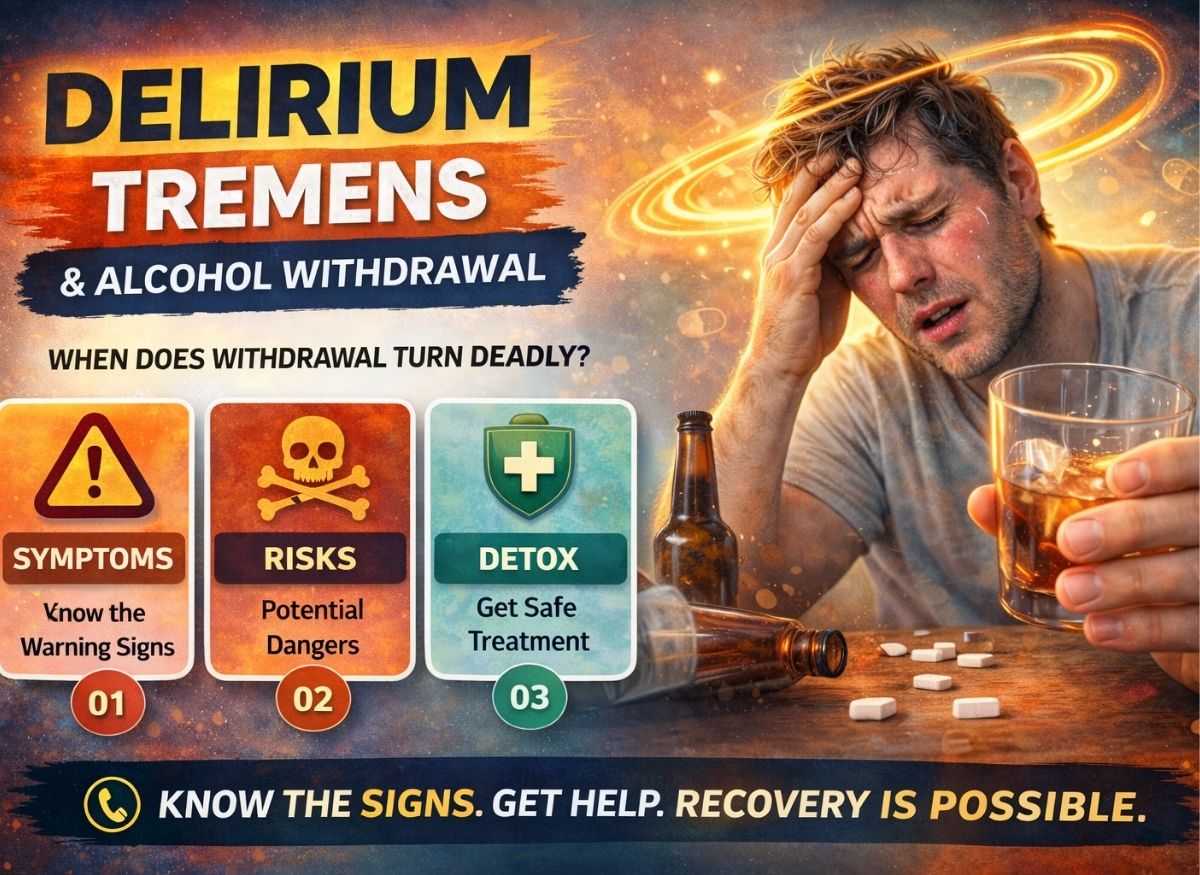
Delirium tremens is the most dangerous form of alcohol withdrawal and can become life-threatening without prompt medical treatment. It generally develops in people who have been consuming large amounts of alcohol for a long time and suddenly stop drinking or sharply reduce their intake. Mild withdrawal may cause symptoms such as anxiety, sweating, or shaking, but delirium tremens is much more severe and can affect the brain, nervous system, heart, and other parts of the body.
Recognizing the symptoms of delirium tremens is extremely important because early treatment can reduce the risk of serious complications. Symptoms commonly appear within 48 to 72 hours after the last drink and may include severe confusion, agitation, hallucinations, tremors, and a very fast heart rate. In this article, “8 Symptoms of Severe Alcohol Withdrawal and Delirium Tremens Explained,” we’ll discuss the major warning signs, explain how they develop, and describe when emergency medical care is needed.
What Defines Delirium Tremens and Its Position In The Alcohol Withdrawal Timeline?
To understand delirium tremens, it helps to understand how long-term alcohol use changes the brain. Alcohol slows activity in the central nervous system by increasing the effects of the calming neurotransmitter GABA and reducing the activity of the excitatory neurotransmitter glutamate.
When someone who is physically dependent on alcohol suddenly stops drinking, the brain can become excessively active because it has adapted to the continued presence of alcohol. Instead of gradually returning to normal, the nervous system may enter a state of extreme overactivity. This is the basis of delirium tremens, a severe form of alcohol withdrawal that can affect both mental and physical function.
The Autonomic Storm: Alcoholic DT Meaning
The alcoholic dt meaning involves much more than ordinary shaking or nervousness. In severe withdrawal, the autonomic nervous system can become highly activated, creating an intense fight-or-flight response.
As a result, heart rate and blood pressure may rise, sweating can become excessive, and body temperature may increase. This severe physiological stress can place significant strain on the heart and other organs. Without appropriate medical treatment, the condition can become life-threatening.
The Evolution of Alcohol Withdrawal and Delirium Tremens
Alcohol withdrawal and delirium tremens can develop in stages. Early withdrawal symptoms may begin only a few hours after the last drink. These can include mild tremors, anxiety, sweating, nausea, restlessness, and difficulty sleeping.
As withdrawal progresses, some people may develop hallucinations or seizures. These symptoms indicate that the nervous system is becoming increasingly unstable and that medical assessment may be necessary.
Defining the Peak: Delirium Tremens DT
When delirium tremens develops, the symptoms become much more severe. A person may become extremely confused and lose awareness of where they are, what is happening, or who is around them.
Hallucinations can become vivid and frightening, and the person may believe that what they are seeing or hearing is real. This loss of orientation, combined with severe physical symptoms such as shaking, sweating, rapid heartbeat, and fever, makes delirium tremens a medical emergency.
The Progressive Stages of Alcohol Withdrawal
Alcohol withdrawal can be understood as a rebound effect within the nervous system. Long-term alcohol exposure suppresses brain activity, so the brain adapts by increasing excitatory signals. When alcohol is suddenly removed, these signals may become excessive.
Understanding the delirium tremens meaning involves recognizing that severe withdrawal can progress from relatively mild symptoms to seizures and, in some people, full delirium tremens.
Stage 1: The Emergence of Alcohol Tremens (6–12 Hours)
The first stage usually begins as the alcohol level in the blood starts falling. The central nervous system becomes more active, which can cause early signs of delirium tremens.
Common symptoms include alcohol tremens, or shaking of the hands, along with anxiety, sweating, nausea, increased heart rate, and restlessness. A person who is physically dependent on alcohol may mistake these symptoms for a severe hangover, but they can represent the beginning of alcohol withdrawal.
Stage 2: Alcoholic Hallucinosis and Sensory Distortion (12–24 Hours)
As alcohol withdrawal continues, changes in sensory perception may develop. During alcoholic hallucinosis, a person may see, hear, or feel things that are not actually present.
One important difference between alcoholic hallucinosis and full delirium tremens is that the person may still understand that the hallucinations are not real. Although the brain is becoming increasingly overstimulated, the person may remain relatively aware of their surroundings.
Stage 3: The Peak of Irritability and Seizures (24–48 Hours)
Some people experience withdrawal seizures during this stage. These seizures, sometimes called “rum fits,” can involve sudden and uncontrolled electrical activity in the brain.
A seizure during alcohol withdrawal is a serious warning sign. It indicates significant nervous system instability and increases concern about progression to more severe withdrawal complications, including delirium tremens.
Stage 4: Defining Delirium Tremens (48–72+ Hours)
Delirium tremens dt represents the most severe stage of alcohol withdrawal. At this point, confusion can become profound, and the person may no longer be able to distinguish reality from hallucinations.
Physical symptoms can also become dangerous. The person may develop a very fast heart rate, high blood pressure, heavy sweating, and a high body temperature. Because these changes can place severe stress on the body, delirium tremens requires immediate medical treatment and close monitoring.
8 Critical Warning Signs of Severe Alcohol Withdrawal and Delirium Tremens
Recognizing the signs and symptoms of dts is important because severe alcohol withdrawal can progress quickly. Delirium tremens affects both the brain and the body’s automatic functions, so symptoms may involve mental changes as well as major physical abnormalities.
These warning signs should not be treated as ordinary discomfort from stopping alcohol. Severe symptoms require urgent medical evaluation.
Neurological and Cognitive Crisis: Defining the “Delirium”
The cognitive changes associated with delirium and alcohol withdrawal can be among the most noticeable symptoms. During alcohol delirium, the brain may struggle to process information normally.
Global Confusion and Disorientation: Unlike the mild mental fog associated with a hangover, the delirium tremens meaning involves severe confusion and disorientation. A person may not know where they are, what time it is, or who the people around them are. They may also have difficulty following simple instructions.
Vivid Hallucinations and Formication: Symptoms of dts may include hallucinations involving sight, sound, or touch. Formication is a type of tactile hallucination in which a person feels as though insects are crawling on or underneath the skin. These experiences can cause intense fear, agitation, or paranoia.
Withdrawal Seizures: Seizures are among the most serious signs and symptoms of dts. They can involve generalized tonic-clonic movements and may happen during the first few days after stopping alcohol. A withdrawal seizure requires urgent medical evaluation because severe complications can occur.
Autonomic Instability: The “Tremens” and Physical Collapse
While the “delirium” refers to the severe mental changes, the “tremens” refers to the shaking and other physical manifestations of severe withdrawal. The alcoholic dt meaning includes major disruption of the body’s normal automatic functions.
Severe Uncontrollable Tremors: Shaking can occur during early alcohol withdrawal, but severe withdrawal may produce much stronger and more widespread tremors. Significant shaking can contribute to exhaustion and may occur alongside sweating, anxiety, and an elevated heart rate.
The Autonomic Storm (Tachycardia and Hyperthermia): The dts alcohol meaning can include a rapid heart rate, high blood pressure, excessive sweating, and elevated body temperature. These symptoms reflect intense activation of the autonomic nervous system and can become dangerous when severe.
Altered Consciousness: In the most serious cases of alcohol withdrawal and delirium tremens, consciousness may become significantly impaired. A person may become extremely drowsy, difficult to wake, or unconscious. This is a medical emergency requiring immediate treatment.
Is Delirium Tremens a Condition Requiring Immediate Medical Intervention?
The alcoholic dt meaning is associated with a serious medical emergency. Delirium tremens is not simply an uncomfortable form of alcohol withdrawal. It can cause severe changes in brain function, heart rate, blood pressure, body temperature, and hydration.
Trying to manage severe delirium tremens without professional medical supervision can be dangerous. Hospital care allows doctors to monitor vital signs, control symptoms, prevent complications, and provide medications and supportive treatment when necessary.
Why Delirium Tremens is Often Fatal Without Care
Untreated delirium tremens can lead to serious and potentially fatal complications. Modern medical treatment has greatly improved outcomes, but the dts alcohol meaning remains associated with significant risks.
Death can occur because several body systems become severely stressed at the same time.
Cardiac Arrest and Stroke: Severe activation of the nervous system can cause very rapid heart rates, dangerous heart rhythms, and major increases in blood pressure. These changes can place substantial stress on the cardiovascular system.
Hyperthermia and Dehydration: Heavy sweating, elevated body temperature, vomiting, and poor fluid intake can lead to significant dehydration. Changes in electrolytes can further increase the risk of seizures, heart rhythm problems, and kidney complications.
Aspiration Pneumonia: During a seizure or a period of severely reduced consciousness, a person may lose the ability to protect their airway. Vomit or other material can enter the lungs, increasing the risk of aspiration pneumonia.
Critical Emergency Protocol: Immediate Actions
When early signs of delirium tremens, such as severe shaking, confusion, hallucinations, or rapidly worsening withdrawal symptoms, appear, emergency medical help should be obtained.
Call Emergency Services: Tell emergency responders that the person has a history of heavy alcohol use and may be experiencing severe alcohol withdrawal or delirium tremens. This information can help medical personnel prepare for possible seizures, confusion, or cardiovascular problems.
The Recovery Position: If a person is unconscious but breathing normally, place them on their side when possible to help keep the airway clear. If they have a seizure, protect them from nearby objects and do not put anything inside their mouth. Seek emergency medical assistance.
Environmental Management: Keep the surroundings calm and reduce unnecessary noise and bright lights. A quiet environment may help limit additional agitation in someone experiencing severe confusion or hallucinations.
Avoid Physical Restraint: Do not attempt to physically restrain the person unless it is necessary to prevent immediate harm. Physical struggles can increase stress and may worsen cardiovascular strain. Instead, focus on keeping the person and others nearby safe while waiting for professional help.
The Role of Hospital Intervention
Hospital treatment focuses on controlling the excessive activity of the nervous system and preventing complications. Doctors commonly use medications such as benzodiazepines to reduce severe withdrawal symptoms and lower the risk of seizures.
Medical teams may also provide fluids, vitamins, electrolyte replacement, oxygen, and other supportive treatments depending on the person’s condition. Continuous monitoring allows healthcare professionals to respond quickly if heart rate, blood pressure, temperature, breathing, or consciousness changes.
People At The Highest Risk for Developing Delirium Tremens
Not everyone who drinks alcohol will develop delirium tremens. The risk is much higher among people with long-term heavy alcohol use and physical dependence.
Previous severe withdrawal episodes, certain medical conditions, poor nutrition, and repeated attempts to stop drinking can also increase the risk of complications.
The Impact of Chronic Heavy Consumption and “Kindling”
Long-term heavy alcohol consumption is one of the most important risk factors for severe withdrawal. Over time, the brain adapts to the ongoing effects of alcohol by changing the balance between inhibitory and excitatory signals.
Repeated withdrawal episodes may also contribute to a process known as kindling. With repeated episodes, withdrawal symptoms may become more severe and the nervous system may become increasingly sensitive to the effects of stopping alcohol.
This means someone with a history of severe withdrawal should not assume that a future attempt to stop drinking will produce the same symptoms as before.
Physiological Vulnerabilities and Co-occurring Conditions
Other health problems can make severe withdrawal more complicated. Long-term alcohol use may also be associated with nutritional deficiencies, liver disease, electrolyte abnormalities, and other medical problems.
Advanced Liver Disease: Liver conditions such as cirrhosis can interfere with normal metabolism and may complicate treatment during severe withdrawal.
Nutritional Depletion (Thiamine Deficiency): People with long-term heavy alcohol use may have poor nutrition and low levels of thiamine, or vitamin B1. Severe thiamine deficiency can contribute to neurological complications, including Wernicke encephalopathy and Wernicke-Korsakoff syndrome.
Concurrent Illnesses: Infections, electrolyte abnormalities, head injuries, and other acute illnesses can make alcohol withdrawal more difficult to manage. These conditions may also contribute to confusion or other symptoms that require careful medical evaluation.
Age and the Physiological Reserve
Older adults may have less physiological reserve and may also have underlying cardiovascular or other medical conditions. Severe alcohol withdrawal can place additional stress on these systems.
For someone at increased risk, early signs of dt’s from alcohol should be taken seriously. Medical professionals can monitor the person’s condition and provide treatment before symptoms become more severe.
How does Delirium Tremens Differ From Mild or Moderate Alcohol Withdrawal?
The difference between mild or moderate alcohol withdrawal and delirium tremens is primarily based on the severity and type of symptoms. Early withdrawal can cause anxiety, sweating, insomnia, nausea, and tremors, while severe withdrawal can involve seizures, profound confusion, hallucinations, and significant changes in vital signs.
Understanding these differences is important because delirium tremens requires urgent medical treatment.
Cognitive Clarity vs. Global Delirium
In mild withdrawal, a person generally remains aware of their surroundings and understands what is happening. Even when alcoholic hallucinosis occurs, the person may recognize that the hallucinations are not real.
The delirium tremens meaning is different because severe confusion and disorientation become central features. A person may lose awareness of their surroundings and may believe that hallucinations are actually happening.
Autonomic Stability vs. The Sympathetic Storm
Moderate withdrawal may cause sweating, shaking, anxiety, and an increased heart rate, but vital signs may remain relatively stable.
In delirium tremens dts, the autonomic nervous system can become severely overactive. This may cause marked increases in heart rate, blood pressure, body temperature, and sweating. These changes can place substantial strain on the cardiovascular and nervous systems.
Timeline and Mortality Risk
Withdrawal symptoms can begin within several hours after the last drink. Seizures commonly occur during the first one to two days, while delirium tremens often develops later, commonly around 48 to 72 hours after the last drink, although the timing can vary.
This delay means that a person should not assume they are safe simply because the first day of withdrawal has passed. Severe symptoms can still develop later. Unlike uncomplicated mild withdrawal, delirium tremens can become life-threatening and requires immediate medical care.
What are The Potential Long-term Complications After Surviving Delirium Tremens?
Recovering from delirium tremens does not always mean that every effect of severe alcohol withdrawal disappears immediately. Recovery can involve addressing both the consequences of the acute illness and the underlying alcohol dependence.
Some people may experience ongoing physical or cognitive problems, particularly when complications occurred during the acute episode.
Cognitive and Neurological “Aftershocks”
After severe withdrawal, some people may experience temporary problems with concentration, memory, sleep, or mental processing. Recovery can take time as the nervous system adjusts following the acute withdrawal episode.
Repeated severe withdrawal episodes may also increase the risk of future complications. The kindling process can make later withdrawal episodes more difficult and potentially more dangerous.
Psychological Trauma and PTSD
A severe episode of alcohol delirium can be frightening for both the person experiencing it and those around them. Confusion, hallucinations, seizures, and loss of control can contribute to emotional distress after recovery.
Some people may experience anxiety, sleep difficulties, or distressing memories after the episode. If these problems continue, professional mental health support can be helpful.
Lasting Physical and Organ Damage
Severe delirium tremens can sometimes lead to complications involving multiple organs. Some complications may resolve after treatment, while serious episodes can result in longer-term health problems.
- Cardiovascular Strain: Severe withdrawal can place significant stress on the heart and may contribute to dangerous heart rhythm changes.
- Respiratory Issues: Aspiration pneumonia during a seizure or period of altered consciousness can cause serious lung complications.
- Muscle Breakdown: Severe or prolonged muscle activity can sometimes cause rhabdomyolysis, in which damaged muscle releases substances into the bloodstream that may harm the kidneys.
Conclusion
Delirium tremens is a severe and potentially life-threatening form of alcohol withdrawal that requires prompt medical attention. Warning signs can include severe confusion, hallucinations, intense agitation, uncontrolled tremors, seizures, rapid heartbeat, fever, and major changes in consciousness.
Alcohol withdrawal can become more serious over time, particularly in people with long-term heavy alcohol use or a history of severe withdrawal. If you or someone else may be experiencing delirium tremens, seeking emergency medical care is essential.
Treatment generally involves close monitoring, medications to control withdrawal symptoms, fluid and nutritional support, and management of any complications. With appropriate medical treatment, severe withdrawal can be managed safely and recovery is possible.
Frequently Asked Questions (FAQ) About Delirium Tremens
What is delirium tremens?
Delirium tremens is the most severe form of alcohol withdrawal and can become life-threatening. It usually occurs in people who have developed physical dependence on alcohol and then suddenly stop drinking or significantly reduce their intake. Symptoms may include severe confusion, hallucinations, agitation, tremors, seizures, fever, and rapid heart rate. Immediate medical care is necessary.
When does delirium tremens start?
Delirium tremens most commonly develops within about 48 to 72 hours after the last drink, although the exact timing varies between individuals. Other alcohol withdrawal symptoms can begin much earlier, sometimes within several hours. Because severe symptoms can develop after a delay, people at risk should be medically monitored.
What are the main symptoms of delirium tremens?
The main symptoms can include severe confusion, disorientation, hallucinations, intense agitation, heavy sweating, tremors, rapid heartbeat, elevated blood pressure, fever, and changes in consciousness. Withdrawal seizures may also occur during severe alcohol withdrawal. These symptoms require urgent medical attention.
Is delirium tremens life-threatening?
Yes. Delirium tremens can become life-threatening without appropriate treatment. Potential complications include seizures, dangerous heart rhythms, severe dehydration, high body temperature, aspiration pneumonia, and other organ complications. Prompt hospital treatment can significantly reduce these risks.
How is delirium tremens treated?
Delirium tremens is generally treated in a hospital where the person can be closely monitored. Medications such as benzodiazepines are commonly used to control severe withdrawal symptoms and reduce seizure risk. Healthcare professionals may also provide fluids, vitamins, electrolyte replacement, oxygen, and other supportive care based on the person’s needs.
Who is at risk for delirium tremens?
People with long-term heavy alcohol use and physical dependence are at the greatest risk. A previous history of severe alcohol withdrawal, repeated withdrawal episodes, poor nutrition, liver disease, and other medical problems can increase the risk. Anyone with a history of severe withdrawal should seek professional medical guidance before attempting to stop heavy alcohol use.