
8 Warning Signs of Ascites You Should Never Ignore
Have you noticed that your abdomen seems unusually swollen or that you feel uncomfortable and overly full? Occasional bloating can happen because of gas, certain foods, or digestive problems. However, persistent abdominal enlargement can sometimes point to a more serious condition called ascites.
Ascites occurs when excess fluid collects inside the abdominal cavity. Liver disease is one of its most common causes, but heart disease, kidney problems, cancer, and other medical conditions can also lead to fluid buildup.
If ascites is not treated, it can cause significant discomfort and potentially serious complications. That is why recognizing the warning signs is important.
Ascites is particularly common in people with advanced liver disease. Research has found that it can affect up to half of people with cirrhosis as the disease progresses.
Recognizing symptoms early can help people receive appropriate medical care and may improve comfort and quality of life. But what does ascites actually feel like, and which symptoms should prompt concern?
A growing waistline, abdominal pressure, unexplained weight gain, or breathing difficulties may all be warning signs. In more advanced cases, people can also experience digestive problems and swelling in the legs or ankles.
In this article, we’ll look at 8 important signs of ascites, explain why they occur, and discuss the conditions that can cause abdominal fluid buildup.
Whether the underlying problem involves the liver, heart, kidneys, or another condition, understanding these symptoms can help you recognize when medical evaluation may be needed.
8 Key Signs of Ascites to Watch For
1. Abdominal Swelling and a Feeling of Tightness
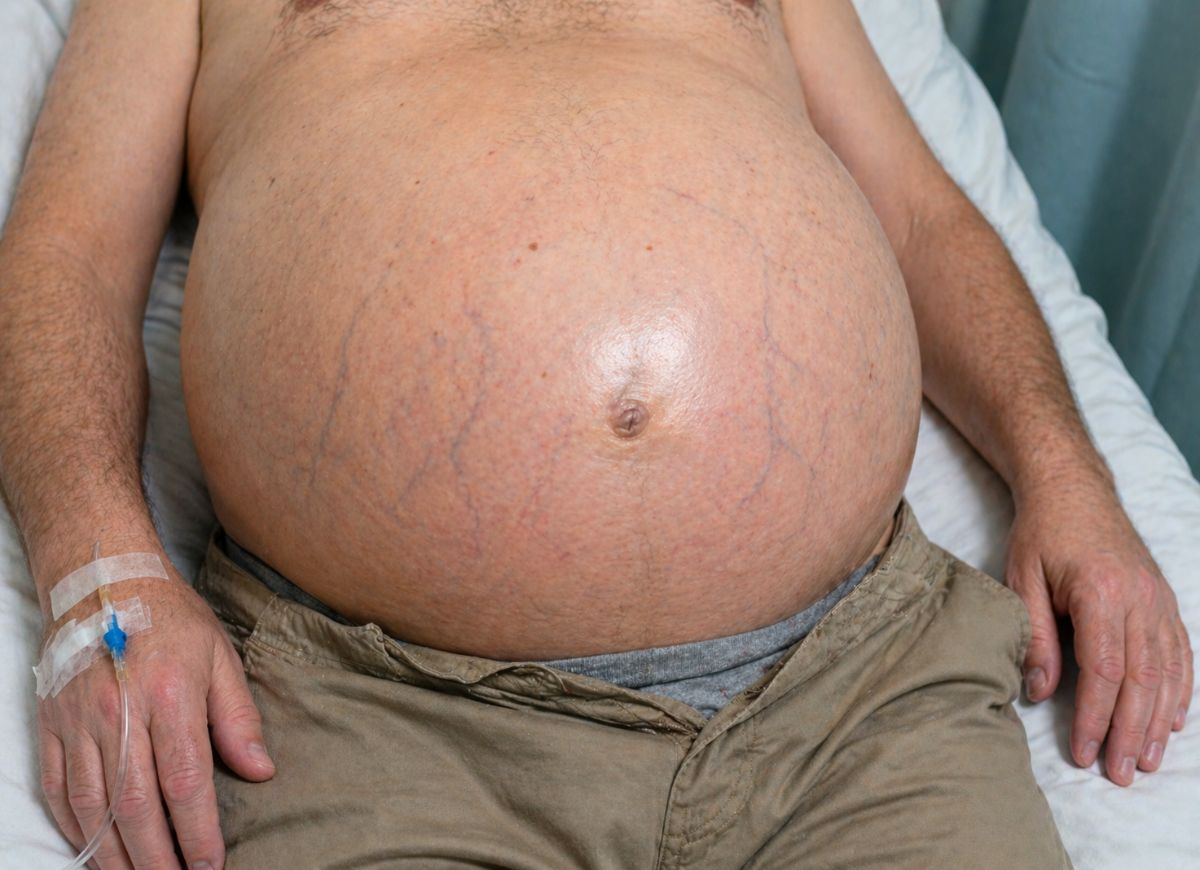
One of the most noticeable signs of ascites is abdominal swelling, also called abdominal distention. As fluid gradually accumulates inside the abdominal cavity, the abdomen can become increasingly enlarged, rounded, and tight.
Normally, the peritoneal cavity contains only a small amount of fluid to help the abdominal organs move smoothly. With ascites, however, a much larger amount of fluid collects in this space.
Unlike ordinary bloating caused by gas, ascites-related swelling tends to persist and may continue getting worse as more fluid accumulates.
The abdomen may eventually become noticeably rounded, and the skin can feel stretched, firm, or unusually tight. In some people, the pressure can cause the belly button to move outward rather than remaining inward.
At first, the change may be subtle. A person might assume they have gained weight or are simply experiencing bloating. But as fluid accumulation increases, the waistline can change noticeably over days or weeks.
You may notice that clothes that normally fit comfortably have become tight around the abdomen. Some people describe a constant sensation of pressure, fullness, or heaviness.
A combination of persistent abdominal enlargement, tightness, and a protruding belly button can be an important clue that the swelling may be caused by fluid rather than ordinary gas or body fat.
2. Sudden and Unexplained Weight Gain
Rapid weight gain without an obvious change in diet or activity can be another important sign of ascites.
In this situation, the additional weight comes primarily from fluid rather than an increase in body fat. Because fluid is relatively heavy, even a few liters can add several pounds to a person’s body weight.
One liter of fluid weighs approximately 2.2 pounds, or 1 kilogram.
Because the abdomen can hold several liters of excess fluid, moderate or severe ascites can sometimes result in a substantial increase on the scale over a relatively short period.
This differs from ordinary weight gain, which generally develops more gradually and tends to affect the body more broadly.
With ascites, the abdomen may become noticeably larger while the arms and legs remain comparatively thin. A rapidly increasing waistline combined with unexplained weight gain can therefore be an important warning sign.
This type of fluid accumulation may occur because of advanced liver disease, heart failure, or other conditions that interfere with the body’s ability to maintain normal fluid balance.
If your weight is rising quickly and your abdomen is becoming increasingly swollen at the same time, it is important to discuss these changes with a healthcare professional.
3. Shortness of Breath
Ascites can sometimes make breathing more difficult, particularly when a large amount of fluid has accumulated.
The reason is mechanical. As fluid fills the abdominal cavity, it increases pressure beneath the diaphragm, the large muscle that helps the lungs expand during breathing.
When the diaphragm cannot move downward as freely, the lungs may have less room to fully expand. As a result, you may feel as though you cannot take a deep enough breath.
Breathlessness may become noticeable during everyday activities, particularly when ascites is severe.
Some people also find that breathing becomes more difficult when lying flat. When you lie down, the abdominal fluid can shift and place additional pressure against the diaphragm.
Because of this, a person may feel more comfortable sleeping with several pillows or resting in a more upright position.
Severe or tense ascites can cause considerable abdominal pressure and interfere substantially with breathing.
New or worsening shortness of breath should not be ignored, particularly when it occurs together with significant abdominal swelling.
4. Abdominal Pain or Discomfort
Ascites does not always cause severe pain, but it can create persistent abdominal discomfort, pressure, or a dull aching sensation.
As fluid accumulates, it stretches the abdominal wall and places pressure on the tissues and organs inside the abdomen. This can create a feeling of heaviness, fullness, or tightness.
With mild ascites, the sensation may be relatively subtle. You might simply feel unusually full or uncomfortable.
As more fluid accumulates, however, the pressure can become increasingly noticeable. Some people may also experience discomfort in the lower back because the additional abdominal weight can alter posture and place extra stress on the back.
The type of pain is important.
A dull feeling of pressure can occur with fluid accumulation, but sudden, severe, or sharply worsening abdominal pain is different.
If abdominal pain becomes intense or is accompanied by fever, chills, or significant tenderness, it may indicate a serious complication called spontaneous bacterial peritonitis (SBP).
SBP is an infection of the ascitic fluid and requires urgent medical attention.
5. Loss of Appetite and Feeling Full Quickly
Ascites can make it difficult to eat normally because the accumulated fluid takes up space inside the abdomen.
As the abdominal cavity becomes more crowded, the stomach may have less room to expand during meals. This can cause early satiety, meaning you feel full after eating only a small amount.
For example, you may normally be able to eat a full meal but suddenly feel completely satisfied after only a few bites.
This does not necessarily mean your body has received enough nutrition. Instead, physical pressure may be preventing the stomach from comfortably accommodating a normal amount of food.
Increased abdominal pressure can also interfere with normal digestive movement, which may contribute to prolonged fullness and reduced appetite.
Over time, eating less can lead to inadequate nutrition and loss of muscle mass, particularly in people who already have advanced liver disease or another serious underlying condition.
For this reason, a persistent loss of appetite or feeling full unusually quickly should not simply be dismissed as a minor digestive problem when it occurs alongside abdominal swelling.
6. Indigestion and Heartburn
Ascites can also contribute to indigestion and heartburn because excess abdominal fluid increases pressure around the stomach.
The stomach is separated from the esophagus by the lower esophageal sphincter (LES), a muscular valve that normally helps prevent stomach contents from flowing backward.
When pressure inside the abdomen increases, stomach contents can be pushed upward through the esophagus. This can contribute to acid reflux and heartburn.
Symptoms may include:
- A burning sensation in the chest
- Burping
- Bloating
- A sour or acidic taste
- General indigestion
These symptoms may become more noticeable when lying down or bending over because these positions can increase pressure on the stomach.
If new or persistent heartburn develops together with significant abdominal swelling, it is worth discussing the symptoms with a healthcare professional.
7. Nausea and Vomiting
Nausea and vomiting can occur when abdominal fluid buildup places pressure on the stomach and intestines.
As pressure increases, normal digestive movement may become less efficient. Food and fluids may move through the digestive system more slowly, contributing to nausea and prolonged fullness.
In severe cases, the pressure can contribute to vomiting.
The underlying condition responsible for the ascites may also play a role. For example, advanced liver disease can cause substances that would normally be processed by the liver to accumulate in the bloodstream, potentially contributing to nausea and other symptoms.
As a result, nausea in someone with ascites may have more than one contributing factor.
Persistent nausea can also make it difficult to eat and drink enough. If vomiting develops, the risk of dehydration and electrolyte disturbances can increase.
This can be particularly concerning in people who already have serious liver, heart, or kidney problems.
8. Swelling in the Legs and Ankles
Swelling of the legs, ankles, and feet known as peripheral edema can occur alongside ascites.
The same underlying conditions that cause fluid to collect in the abdomen can also interfere with fluid balance throughout the body.
For example, advanced liver disease can result in low levels of albumin, a protein that helps keep fluid inside blood vessels. When albumin levels become low, fluid can move from the bloodstream into surrounding tissues.
Gravity then causes some of that fluid to collect in the lower parts of the body, particularly the ankles, feet, and legs.
Heart and kidney conditions can produce similar problems with fluid regulation.
Swollen legs may sometimes have a characteristic feature called pitting edema. If you press on the swollen area, an indentation may remain briefly after your finger is removed.
When significant leg or ankle swelling occurs together with abdominal distention, it may suggest that the body is experiencing a broader problem with fluid balance.
What Causes Ascites?
Ascites can develop for several reasons. Although liver disease is the most common cause, heart disease, kidney disease, cancer, and other conditions can also lead to fluid accumulation.
Liver Cirrhosis
Cirrhosis is the most common cause of ascites and is responsible for a large proportion of cases.
Cirrhosis occurs when long-term liver damage causes permanent scarring of liver tissue. Causes can include chronic alcohol-related liver disease, viral hepatitis, and non-alcoholic fatty liver disease.
The development of ascites in someone with cirrhosis is an important sign that the liver disease has progressed.
One major factor is portal hypertension. Scarring in the liver interferes with normal blood flow through the organ, increasing pressure in the portal venous system.
This increased pressure can encourage fluid to move out of blood vessels and into the abdominal cavity.
Another contributing factor is reduced production of albumin. A severely damaged liver may not produce enough of this important blood protein.
When albumin levels fall, the body’s ability to keep fluid inside blood vessels decreases, making fluid accumulation more likely.
Together, portal hypertension and low albumin levels can contribute significantly to the development and progression of ascites.
Congestive Heart Failure and Kidney Disease
Severe heart failure can also cause ascites, particularly when the right side of the heart is affected.
When the heart cannot effectively move blood through the circulation, pressure can build up in the veins. This increased venous pressure can encourage fluid to leave the blood vessels and accumulate in areas such as the abdomen.
This form of fluid accumulation is sometimes referred to as cardiac ascites.
Kidney disease can contribute to ascites in a different way.
Certain kidney conditions, including nephrotic syndrome, can cause large amounts of protein especially albumin to be lost through the urine.
When blood albumin levels become very low, fluid can move out of blood vessels and into surrounding tissues and body cavities.
As a result, kidney disease can lead to generalized swelling, including swelling in the legs and fluid accumulation in the abdomen.
Certain Cancers
Cancer can also cause malignant ascites.
This may occur when cancer cells spread to the peritoneum, the thin membrane lining the abdominal cavity and covering many abdominal organs. This spread is known as peritoneal carcinomatosis.
Cancer can irritate the peritoneum and cause it to produce excess fluid. Tumors can also interfere with the lymphatic system, which normally helps drain excess fluid.
Several types of cancer can cause malignant ascites, including cancers of the ovary, pancreas, colon, stomach, liver, and endometrium.
Cancers that begin outside the abdomen, such as breast or lung cancer, can also spread to the peritoneum in some cases.
Malignant ascites can contain high levels of protein and may contain cancer cells. When it occurs, treatment generally focuses on addressing the underlying cancer as well as controlling symptoms such as abdominal pressure and breathing difficulties.
How Is Ascites Diagnosed?
Diagnosing ascites usually begins with a medical history and physical examination.
During the examination, a healthcare professional may look for abdominal enlargement and signs of fluid accumulation.
Two traditional physical examination techniques include the fluid wave test and shifting dullness.
With the fluid wave test, the clinician taps one side of the abdomen and checks whether movement of fluid can be detected on the opposite side.
Shifting dullness involves listening to changes in the sound produced by tapping the abdomen as the person’s position changes.
Although these techniques can suggest the presence of fluid, imaging is often used to confirm the diagnosis.
An abdominal ultrasound is commonly used because it can detect relatively small amounts of fluid and does not require invasive procedures.
A CT scan can provide more detailed images of the abdomen and may help identify an underlying cause, such as tumors or advanced liver disease.
Another important diagnostic procedure is paracentesis. During this procedure, a healthcare professional uses a needle to remove a sample of ascitic fluid from the abdomen for laboratory testing.
The fluid may be tested for several characteristics, including its protein and albumin levels.
One important measurement is the serum-ascites albumin gradient (SAAG). A SAAG of 1.1 g/dL or higher generally suggests that portal hypertension is contributing to the ascites. A lower value may point toward other causes, such as infection, cancer, or pancreatitis.
The fluid may also be tested for white blood cells and bacteria to check for infection. Cytology can be performed when cancer is suspected.
How Is Ascites Treated?
Treatment depends on the underlying cause, the amount of fluid present, and the severity of the condition.
One of the most important measures for ascites related to liver disease is reducing sodium intake. A low-sodium diet, often limited to less than 2,000 milligrams of sodium per day, may help reduce fluid retention.
Medications called diuretics, sometimes known as water pills, may also be prescribed. They help the kidneys remove additional sodium and water through urine.
For ascites associated with liver disease, a common combination includes spironolactone and furosemide. Healthcare professionals adjust these medications according to factors such as body weight, kidney function, and electrolyte levels.
When dietary changes and medication are not enough, or when fluid buildup causes significant discomfort or breathing problems, therapeutic paracentesis may be performed.
During large-volume paracentesis, a healthcare professional uses a needle and catheter to drain a substantial amount of fluid from the abdomen. This can quickly reduce abdominal pressure and may improve symptoms such as shortness of breath and early fullness.
When a large volume of fluid is removed, intravenous albumin may be administered to help maintain circulation and reduce the risk of complications related to the sudden loss of fluid.
For people with ascites that does not respond adequately to standard treatment, additional options may include a transjugular intrahepatic portosystemic shunt (TIPS) or, in appropriate candidates, liver transplantation.
What Is Spontaneous Bacterial Peritonitis (SBP)?
Spontaneous bacterial peritonitis (SBP) is a potentially life-threatening infection of ascitic fluid.
It can occur in people with advanced liver disease and ascites even when there is no obvious source of infection, such as a perforated intestine.
One proposed mechanism is that bacteria normally found in the intestines, including organisms such as E. coli and Klebsiella pneumoniae, cross the intestinal wall and enter the abdominal cavity.
People with advanced cirrhosis may have impaired immune defenses, making it more difficult for the body to eliminate these bacteria.
SBP can progress rapidly and may lead to sepsis and organ failure, so prompt recognition is important.
Symptoms can vary. They may include:
- Fever
- Chills
- Increasing abdominal pain
- Abdominal tenderness
- Confusion
- Worsening hepatic encephalopathy
Diagnosis generally requires diagnostic paracentesis. A sample of ascitic fluid is tested for an increased number of polymorphonuclear white blood cells. A count of 250 cells/mm³ or higher is commonly used as the threshold for suspected SBP.
The fluid may also be cultured to identify the responsible bacteria.
Treatment involves prompt administration of appropriate intravenous antibiotics. Some people who have experienced SBP may also require long-term antibiotic prevention because the condition can recur.
Ascites vs. Bloating and Edema: What’s the Difference?
Ascites, ordinary bloating, and edema can all involve swelling or a sensation of fullness, but they are not the same condition.
Ascites refers specifically to excess fluid inside the abdominal cavity. It is commonly associated with advanced liver disease but can also result from heart disease, kidney disease, cancer, and other conditions.
The abdomen may become firm, rounded, and increasingly tense.
Bloating, in contrast, usually refers to a feeling of abdominal fullness or enlargement associated with gas, digestion, food intake, or gastrointestinal conditions such as irritable bowel syndrome.
Bloating can come and go, whereas ascites tends to persist and gradually worsen when the underlying problem remains untreated.
Edema refers to fluid collecting within the body’s tissues rather than inside a body cavity.
Peripheral edema commonly affects the feet, ankles, and legs. It can also occur in areas such as the hands or face.
One common feature of peripheral edema is pitting. Pressing a finger into swollen tissue may leave a temporary indentation.
Ascites and edema can occur at the same time. For example, someone with advanced liver disease or heart failure may develop both abdominal fluid accumulation and swelling in the legs.
Understanding where the fluid is located and what is causing it is important for determining the appropriate treatment.
FAQs
1. Should I Be Concerned About Polyps in the Colon?
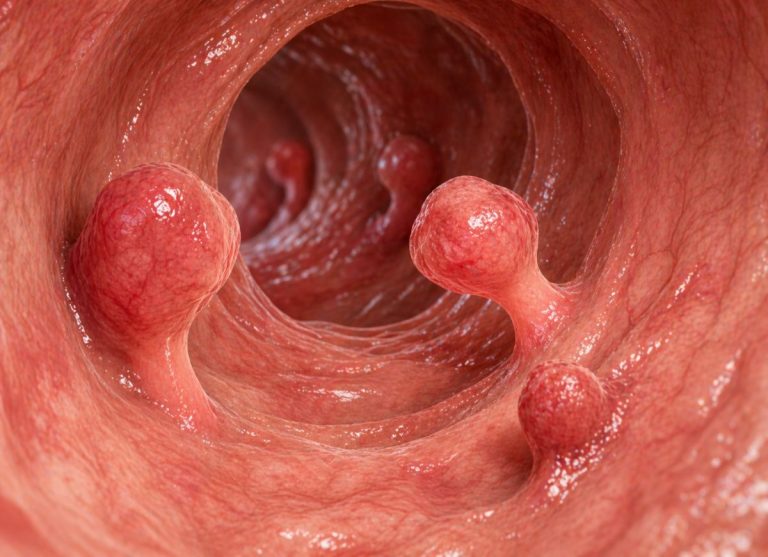
Colon polyps are common, and many are non-cancerous. However, some types can develop into colon cancer over time.
Adenomatous polyps are particularly important because they can have a greater potential to become cancerous. The risk may be higher when polyps are large, numerous, or have certain abnormal features.
This is why recommended colon cancer screening is important, particularly for people who are at increased risk because of age, family history, or other factors.
When polyps are found during a colonoscopy, they can often be removed during the same procedure.
If you have been diagnosed with colon polyps, your healthcare provider can recommend an appropriate follow-up schedule based on the number, size, and type of polyps found.
2. Can You Reduce Colon Polyps Naturally?
There is no natural treatment that can reliably make existing colon polyps disappear.
However, certain lifestyle habits may help support colon health and may reduce the risk of developing polyps.
Eating more fruits, vegetables, whole grains, and other high-fiber foods can support healthy digestion. Regular physical activity, avoiding smoking, maintaining a healthy weight, and limiting alcohol may also contribute to overall health.
Reducing consumption of red and processed meats may also be beneficial.
If polyps have already been identified, lifestyle changes should not replace medical follow-up. Existing polyps generally need to be evaluated and, when appropriate, removed by a healthcare professional.
3. Can Colon Polyps Go Away on Their Own?
Colon polyps generally do not disappear on their own.
If a polyp is found, it is usually removed during a colonoscopy so it can be examined and so potential future problems can be prevented.
Even when a polyp is currently benign, monitoring and follow-up are important because new polyps can develop later.
Anyone who has previously had colon polyps should follow the screening schedule recommended by their healthcare provider.
4. What Do Bowel Polyps Feel Like?
Most colon polyps do not cause noticeable symptoms. Many are discovered only during routine screening.
Larger or certain types of polyps can sometimes cause symptoms such as:
- Blood in the stool
- Changes in bowel habits
- Diarrhea
- Constipation
- Abdominal discomfort
- Bloating
Very large polyps can occasionally interfere with the bowel and cause cramping, nausea, or vomiting.
Because polyps often cause no symptoms, routine screening remains important.
5. What Foods Trigger Polyps?
There is no single food that directly causes colon polyps in everyone. However, certain dietary patterns have been associated with a higher risk of developing them.
Diets high in red meat, processed meats, unhealthy fats, and highly processed foods may be associated with increased risk.
On the other hand, diets containing plenty of fiber, vegetables, fruits, and whole grains can support digestive and colon health.
Limiting alcohol and maintaining a balanced diet can also contribute to overall health.
If you are concerned about colon polyps, focus on a varied, nutrient-rich diet rather than relying on a particular food or supplement.
6. What Vitamins Get Rid of Colon Polyps?
No vitamin or supplement has been proven to directly eliminate existing colon polyps.
Some research has examined nutrients such as vitamin D and calcium for their possible relationship with colon health. Vitamins A, C, and E also provide antioxidant functions that support normal cellular health.
However, supplements should not be considered a substitute for colonoscopy or removal of identified polyps.
If you are considering vitamin or mineral supplements, discuss them with your healthcare provider, particularly if you have an existing medical condition or take medications.
7. How Long Does It Take Colon Polyps to Become Cancerous?
The time it takes for a colon polyp to develop into cancer varies.
Some adenomatous polyps can take many years to undergo cancerous changes, and estimates often place the average progression at around 10 to 15 years. However, this is not a fixed timeline.
Some polyps may never become cancerous, while others can progress more quickly depending on their size, type, cellular characteristics, and other risk factors.
This is one reason screening is so important. Detecting and removing potentially precancerous polyps can help prevent them from progressing to colon cancer.
8. Can Stress Cause Colon Polyps?
Stress by itself has not been established as a direct cause of colon polyps.
However, chronic stress can influence behaviors and lifestyle habits that may affect overall health. For example, ongoing stress may contribute to poor eating habits, physical inactivity, or increased alcohol consumption.
Stress can also worsen digestive symptoms in people with conditions such as irritable bowel syndrome.
Managing stress through regular activity, healthy eating, adequate sleep, and relaxation techniques can support general health, but stress management alone cannot prevent or remove colon polyps.
9. Why Are Female Colonoscopies Sometimes More Challenging?
Colonoscopy can sometimes be technically more challenging in women because of differences in abdominal and pelvic anatomy.
The position of the uterus, the shape and length of the colon, and previous abdominal or pelvic surgeries can affect how easily the colonoscope moves through the bowel.
Previous pregnancies or other anatomical changes may also influence the procedure in some individuals.
Despite these considerations, colonoscopy remains an effective screening and diagnostic procedure for women. Healthcare professionals are trained to account for anatomical differences and adjust their technique when necessary.
Conclusion
Ascites is the buildup of excess fluid inside the abdominal cavity and can be a sign of a significant underlying medical condition.Persistent abdominal swelling, rapid unexplained weight gain, shortness of breath, abdominal discomfort, early fullness, heartburn, nausea, and swelling in the legs or ankles can all occur with ascites.
Liver cirrhosis is the most common cause, but heart failure, kidney disease, cancer, and other conditions can also lead to abdominal fluid accumulation.Because ascites can sometimes signal advanced disease or lead to serious complications, persistent or worsening symptoms should not be ignored.
Diagnosis may involve a physical examination, ultrasound or CT imaging, and analysis of the abdominal fluid through paracentesis. Treatment depends on the underlying cause and may include sodium restriction, diuretics, fluid drainage, or more advanced procedures.
It is also important to recognize symptoms of spontaneous bacterial peritonitis, such as fever, chills, worsening abdominal pain, tenderness, or confusion, because this complication requires urgent medical treatment.
If you notice persistent abdominal enlargement, rapid unexplained weight gain, breathing difficulties, or other concerning symptoms, speak with a healthcare professional. Early evaluation can help identify the underlying cause and guide appropriate treatment.