

5 Types of Diarrhea and What They Mean for Your Health
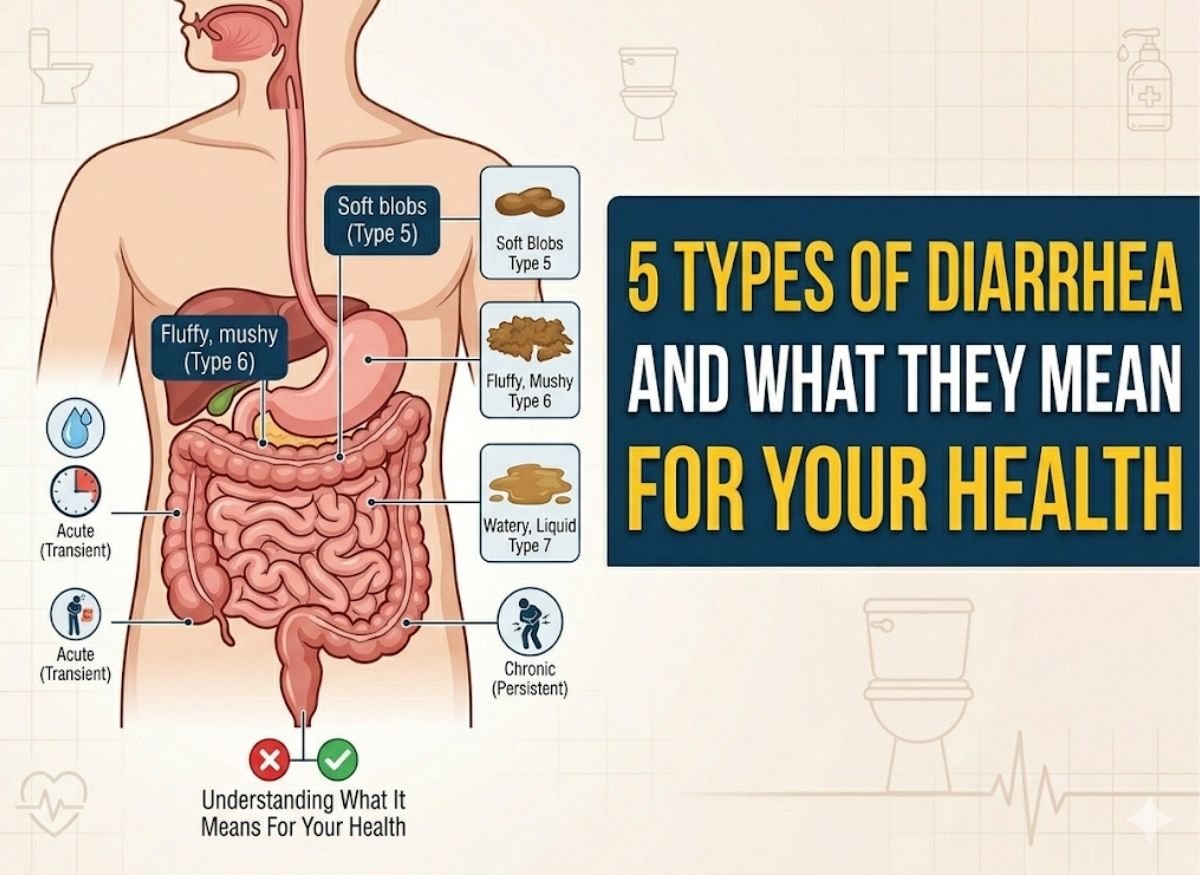
Diarrhea is a common digestive problem that can affect almost anyone at some point. It generally involves frequent, loose, or watery bowel movements and may last for only a short time or continue for much longer. Temporary diarrhea is often associated with infections, dietary changes, or food intolerances, but certain patterns can also provide clues about an underlying health problem.
Knowing how different forms of diarrhea develop can make it easier to understand what may be happening in the digestive system. Some cases improve without treatment, while others require medical evaluation. In this guide, we’ll explore five major types of diarrhea, their possible causes, the characteristics of the stool they produce, and the situations in which professional medical care may be necessary.
5 Main Types of Diarrhea
Diarrhea can develop through several different physiological mechanisms. Identifying the underlying mechanism can help explain why stools become loose or watery and what type of treatment may be appropriate. The five major categories include osmotic, secretory, exudative, malabsorptive, and dysmotility-related diarrhea.
Osmotic and Secretory: The Fluid Balance Disruptors
Osmotic diarrhea happens when substances that have not been properly absorbed remain inside the intestines and draw additional water into the digestive tract. Lactose intolerance is one example, as undigested lactose can pull water into the bowel. Certain medications and poorly absorbed substances can have a similar effect. Bloating and watery or yellowish stools may occur. One characteristic of osmotic diarrhea is that it often improves once the triggering food or substance is no longer consumed.
Secretory diarrhea works differently. Instead of simply retaining unabsorbed substances, the intestines actively release water and electrolytes into the bowel. Certain bacterial toxins can trigger this process, including those associated with travelers’ diarrhea. Because the secretion continues independently of food intake, diarrhea may persist even when a person stops eating. Maintaining adequate fluid and electrolyte intake is therefore particularly important.
Exudative and Malabsorptive: Inflammation and Nutrient Failure
Exudative diarrhea develops when inflammation or physical injury damages the intestinal lining. It may occur with inflammatory bowel disease or serious intestinal infections. Because the intestinal tissue is inflamed, stools may contain mucus or blood. Rapid intestinal movement can also influence stool color, sometimes producing green or orange-colored stools.
Malabsorptive diarrhea occurs when the digestive system cannot properly absorb nutrients, particularly dietary fats. Conditions such as celiac disease and pancreatic insufficiency can interfere with normal nutrient processing. The resulting stool may be bulky, greasy, unusually foul-smelling, or foamy. Pale or whitish stools can also occur when bile or fat digestion is disrupted.
Dysmotility and Color Indicators: The Speed of Digestion
Dysmotility-related diarrhea occurs when food and waste move through the digestive tract too quickly. When intestinal transit is accelerated, the bowel may not have enough time to absorb water effectively. Stress and diarrhea or diarrhea-predominant IBS can sometimes be associated with this pattern.
Rapid movement through the intestines can also change stool color. Bile naturally begins with a green color and usually changes as it moves through the digestive tract. If transit is unusually fast, bile may remain green, resulting in green or dark-green stools.
Green stool can be normal in infants, but sudden bright-green diarrhea in an adult may reflect rapid intestinal transit. Bile-related diarrhea can also cause irritation. Black diarrhea is more concerning when it cannot be explained by substances such as iron supplements or bismuth-containing medications, as it may indicate bleeding in the upper digestive tract and requires prompt medical attention.
Specific Contexts: Pregnancy and Medications
Changes in bowel habits can occur during periods of hormonal fluctuation. Diarrhea during pregnancy, including diarrhea in early pregnancy, may be associated with hormonal changes, dietary adjustments, infections, or other factors. Managing diarrhea during pregnancy requires extra attention to hydration and overall health.
Medications can also contribute to diarrhea. Antibiotics, for example, may disturb the normal balance of intestinal bacteria and sometimes lead to diarrhea or a secondary infection. Identifying whether symptoms are related to pregnancy, medication use, food, infection, or another condition is important when deciding how to manage them safely.
What The Characteristics of Your Stool Reveal About The Cause of Diarrhea
The appearance and consistency of stool can provide useful clues about what may be causing diarrhea. Color, texture, frequency, and duration can help distinguish a temporary digestive disturbance from a condition requiring further investigation.
Decoding Color: From Bile to Blood
Stool color is influenced by bile and the speed at which food moves through the digestive tract. Green stool is common in babies, while green or dark-green stool in adults can sometimes indicate rapid transit, meaning bile did not have enough time to change from green to its usual brown color.
Pale or white stool may indicate reduced bile reaching the intestine and can sometimes be associated with problems involving the liver, gallbladder, or bile ducts.
Black stool can be a warning sign of bleeding higher in the gastrointestinal tract, particularly when it is tar-like and cannot be explained by iron supplements or bismuth-containing products.
Yellow stool can have many causes. When it is greasy, bulky, and foul-smelling, it may suggest problems absorbing fat. Orange stool, meanwhile, is often associated with diet or certain medications and is not necessarily a sign of serious disease.
Consistency and Content: Watery vs. Foamy
The texture and contents of loose stool can offer additional information about the underlying process:
- Watery Diarrhea: Large amounts of watery stool are often associated with secretory diarrhea, including some forms of travelers’ diarrhea, where the intestines release substantial amounts of fluid.
- Foamy Stool: Foamy bowel movements may occur when excess gas or fat is present. They can be associated with malabsorption or infections such as Giardia.
- Bloody Mucus in Stool: Blood or mucus in diarrhea is an important warning sign because it may indicate inflammation or injury to the intestinal lining. Conditions such as inflammatory bowel disease can produce this pattern.
Timing and Triggers: Acute vs. Chronic
How long diarrhea continues is an important part of determining its possible cause. Acute diarrhea generally lasts less than two weeks and is frequently caused by infections or temporary digestive disturbances. Hydration and rest are often important parts of managing uncomplicated cases.
Chronic diarrhea lasts more than four weeks and may point toward an underlying medical condition that requires evaluation.
The timing of symptoms can also provide clues. Lactose intolerance may cause diarrhea within roughly 30 minutes to two hours after consuming dairy products. Diarrhea that repeatedly wakes someone from sleep is more concerning because it may suggest an underlying physical condition rather than a functional trigger such as stress.
Diarrhea in Specific Populations
Certain groups require additional caution when experiencing diarrhea. Infants can become dehydrated much more quickly than adults, so managing diarrhea in newborns and young children requires particular attention to fluid loss.
Diarrhea during pregnancy should also be monitored carefully because substantial fluid and electrolyte loss can create complications. Medication-related diarrhea, including diarrhea associated with metformin or antibiotics, may require a healthcare professional to review the medication rather than simply treating the symptom.
When Should You See a Doctor for Diarrhea?
Determining when diarrhea requires medical care depends on its severity, duration, associated symptoms, and the person’s overall health. Dehydration is one of the most immediate concerns because repeated watery bowel movements can cause significant fluid and electrolyte loss.
Extreme thirst, very dark urine, reduced urination, dizziness, weakness, or other dehydration symptoms indicate that the body may be losing more fluid than it can replace.
Infants, older adults, and people with certain medical conditions can become dehydrated more quickly and may need medical attention sooner than otherwise healthy adults.
Alarming Stool Characteristics and Pain
Changes in stool appearance can sometimes indicate a serious problem. Green or orange stool is often related to diet or intestinal transit, but black stool or visible blood and mucus deserves greater attention.
Black, tarry stool may indicate bleeding in the upper digestive tract, while bright-red blood may originate lower in the gastrointestinal tract.
Severe or localized abdominal or rectal pain is also concerning, particularly when it occurs alongside diarrhea. Significant pain may occur with conditions such as bowel obstruction, perforation, or severe intestinal inflammation.
Systemic Warning Signs: Fever and Weight Loss
A high fever, particularly a temperature above 102°F (38.9°C), may indicate a significant infection or inflammatory process.
Chronic diarrhea accompanied by unexplained weight loss also deserves medical evaluation. Poor absorption of nutrients, such as in celiac disease or pancreatic disorders, can prevent the body from receiving adequate nutrition even when food intake appears normal.
These situations may require laboratory testing, imaging, stool studies, or other diagnostic procedures rather than relying solely on home treatment.
Special Considerations: Pregnancy and Travel
Certain circumstances can change how diarrhea should be evaluated. During pregnancy, severe diarrhea can result in significant fluid and electrolyte loss and should be monitored carefully.
Travel history is also important. Persistent diarrhea after international travel may be associated with an infection or parasite such as Giardia, which may require specific treatment.
Medication history matters as well. Symptoms may be related to metformin, antibiotics, or another medication, and identifying the trigger can help guide appropriate treatment.
When to Seek Emergency Care
Some symptoms require immediate medical attention rather than waiting for a routine appointment. Seek emergency care if diarrhea is accompanied by:
- Confusion or extreme lethargy: These can indicate a serious electrolyte imbalance or severe dehydration.
- Inability to keep liquids down: Persistent vomiting can prevent adequate oral rehydration and may make IV fluids necessary.
- Rapid heartbeat or sunken eyes: These may be signs of advanced dehydration.
- Vomiting blood: When this occurs with black, tar-like stool, it may indicate a potentially life-threatening gastrointestinal bleed.
How Is The Underlying Cause Of Chronic Diarrhea Diagnosed?
When diarrhea continues for more than four weeks, doctors generally investigate the underlying cause rather than treating it as a simple temporary infection. The goal is to determine whether the problem is functional, inflammatory, infectious, or related to nutrient absorption.
The evaluation usually begins with a detailed medical history. Doctors may ask about diet, medications such as metformin, recent antibiotic use, stress, travel, and the timing of symptoms. This information can help narrow down possible causes.
The First Line: Stool and Blood Analysis
Stool testing can provide direct information about what is happening in the digestive tract. Testing for fecal fat, for example, can help identify fat-malabsorption problems associated with conditions such as pancreatic insufficiency.
Blood or mucus in stool, along with elevated calprotectin levels, may point toward intestinal inflammation such as inflammatory bowel disease.
Blood tests can provide additional information. A high white blood cell count may suggest infection or inflammation, while specific antibody testing can help identify conditions such as celiac disease.
Blood work can also reveal complications associated with prolonged diarrhea, including anemia or electrolyte abnormalities.
Breath Testing and Malabsorption
When diarrhea repeatedly occurs after meals, doctors may investigate whether certain foods or nutrients are not being properly digested or absorbed.
A hydrogen breath test can help identify lactose intolerance by measuring gases produced when intestinal bacteria ferment undigested lactose. Similar testing can also help identify small intestinal bacterial overgrowth, which may contribute to bloating, diarrhea, and abnormal stool consistency.
Endoscopy: The Visual Verdict
If initial testing does not reveal the cause, a gastroenterologist may recommend procedures such as a colonoscopy or upper endoscopy. These examinations allow doctors to directly inspect the gastrointestinal lining for inflammation, ulcers, bleeding, or other structural abnormalities.
Biopsies may also be collected during the procedure. This is particularly useful for detecting microscopic colitis, in which the colon can appear normal during visual examination but show inflammation when examined under a microscope.
Navigating Specific Life Stages
The diagnostic approach may change depending on a person’s age or physiological condition. During pregnancy, doctors generally consider the safety of both mother and baby when selecting tests and treatments.
For infants, evaluation may focus on causes such as milk-protein allergies, infection, or anatomical problems. Preventing dehydration is especially important because babies can lose fluid quickly.
Diarrhea from Irritable Bowel Syndrome (IBS) is different from Inflammatory Bowel Disease (IBD)
Although IBS and IBD can both cause diarrhea and changes in bowel habits, they are fundamentally different conditions.
IBS is considered a functional gastrointestinal disorder. The digestive tract may appear structurally normal, but communication between the gut and brain and the movement of the intestines can be altered. In diarrhea-predominant IBS, rapid intestinal transit may contribute to urgent and frequent bowel movements.
IBD, which includes conditions such as Crohn’s disease and ulcerative colitis, involves actual inflammation and structural damage within the digestive tract. This inflammation can produce symptoms such as blood or mucus in stool.
The Symptom Divide: When Diarrhea Turns Destructive
People with IBS-D may experience sudden urgency, frequent bowel movements, and symptoms that become worse after meals or during periods of stress. However, significant bleeding, persistent fever, substantial weight loss, and repeated nighttime diarrhea are less typical and should prompt further evaluation.
IBD can produce more systemic effects because inflammation affects the tissues directly. Persistent diarrhea accompanied by fever, unexplained weight loss, or blood in the stool may require investigation for an inflammatory condition.
Diagnostic Criteria: The Visual Verdict
The diagnostic process differs between IBS and IBD. In IBS, examinations such as colonoscopy may appear normal because the condition does not typically cause visible structural damage. Doctors diagnose IBS using established symptom-based criteria while ruling out other diseases.
IBD, on the other hand, may produce visible ulcers, bleeding, swelling, or other changes in the intestinal lining. Additional testing and biopsies can help determine the specific type and severity of inflammation.
Management Strategies: Symptom Control vs. Immune Suppression
Because the underlying mechanisms differ, treatment also differs.
IBS management often focuses on identifying dietary triggers, adjusting eating patterns, reducing stress, and using strategies designed to regulate bowel function. Some people may benefit from approaches such as a low-FODMAP diet under appropriate guidance.
IBD generally requires treatment directed at controlling inflammation. Depending on the condition and severity, doctors may use anti-inflammatory medications, immunosuppressive therapies, biologic medicines, or other treatments.
Overlapping Triggers and Shared Symptoms
Despite their differences, IBS and IBD can sometimes be affected by similar triggers. Antibiotic use can alter the gut microbiome and may contribute to digestive symptoms.
Travel-related intestinal infections can also temporarily worsen bowel symptoms or trigger longer-lasting problems. Pregnancy-related hormonal changes may influence digestive symptoms as well.
Regardless of the underlying diagnosis, identifying the cause of diarrhea is important for developing an effective management strategy.
What is The BRAT Diet and Is It Effective?
The BRAT diet is one of the most familiar approaches for managing an upset stomach. The name refers to bananas, rice, applesauce, and toast. These foods are relatively bland and low in fiber, making them easy for many people to tolerate during a short episode of diarrhea.
However, the BRAT diet is no longer considered an ideal long-term eating plan because it does not provide enough protein, fat, and other nutrients needed for complete recovery.
The Mechanics of Binding: Why BRAT “Works”
The foods included in the BRAT diet are selected because they are generally gentle on the digestive system.
Bananas are particularly useful because they provide soluble fiber, including pectin, which can help absorb excess fluid in the intestines. They also provide potassium, an electrolyte that may be lost during repeated diarrhea.
Rice and toast provide easily digested carbohydrates and generally place less stress on the digestive system. Applesauce offers another relatively mild source of carbohydrates.
Together, these foods can provide a temporary transition from liquid stools toward a more normal diet.
The Shift Toward “BRATY” and Balanced Recovery
Modern approaches place greater emphasis on nutritional balance rather than following the BRAT diet strictly for an extended period.
Some recommendations have incorporated yogurt, creating the term “BRATY.” Yogurt containing probiotics may help support healthy intestinal bacteria, although individual tolerance can vary.
Returning to a more complete diet sooner can also provide the protein and nutrients required for intestinal recovery. Foods such as lean chicken or soft-cooked eggs may be gradually introduced when tolerated.
Risks of Prolonged Restriction
Following the BRAT diet for too long can result in inadequate nutrition. The diet lacks sufficient protein, healthy fats, and several vitamins and minerals needed for recovery.
This concern is especially important for infants and young children because they have greater nutritional requirements and can become dehydrated or malnourished more quickly.
The priority during significant diarrhea should be replacing lost fluids and electrolytes with appropriate oral rehydration solutions, followed by a gradual return to a varied and nutritious diet.
When BRAT is Not Enough
The BRAT diet cannot treat serious underlying causes of diarrhea. If diarrhea is accompanied by blood or mucus in the stool, black stool, a high fever, severe pain, or significant dehydration, medical evaluation may be necessary.
Likewise, if symptoms are caused by medication such as metformin or by lactose intolerance, bland foods may provide temporary relief but will not address the underlying trigger.
The BRAT diet should therefore be viewed as a short-term dietary strategy rather than a permanent solution for ongoing digestive problems.
Conclusion
Diarrhea can result from many different processes, and understanding its characteristics can provide useful clues about what may be happening in the digestive system. Some episodes are short-lived and resolve on their own, while persistent or severe diarrhea may indicate an underlying condition that requires medical attention.
Paying attention to how long the diarrhea lasts, how frequently it occurs, what the stool looks like, and whether symptoms such as fever, severe pain, dehydration, or blood are present can help determine when further evaluation is needed.
If symptoms continue, become more severe, or are accompanied by warning signs, consulting a healthcare professional is the safest approach. Understanding the different forms of diarrhea can help you recognize potential problems and respond appropriately.
Frequently Asked Questions (FAQ)
What is diarrhea?
Diarrhea refers to frequent bowel movements that are loose or watery. It can happen when the digestive system becomes irritated or when the intestines cannot properly absorb fluids and nutrients.
Infections, food-related problems, medications, and chronic digestive conditions can all cause diarrhea. Many cases are temporary, but diarrhea that continues for an extended period may require medical evaluation.
What are the most common causes?
Common causes include viral or bacterial infections, food poisoning, and food intolerances such as lactose intolerance.
Certain medications, particularly antibiotics, can also disturb the normal balance of bacteria in the digestive tract and cause diarrhea. Stress and functional disorders such as IBS may contribute as well.
Determining the underlying cause is important because treatment depends on what is triggering the symptoms.
When should I be concerned?
Diarrhea deserves medical attention when it persists for several days, becomes severe, or occurs alongside fever, significant abdominal pain, dehydration, or blood in the stool.
Infants, older adults, and people with weakened immune systems may be more vulnerable to complications and may need medical care sooner.
How can I treat diarrhea at home?
Mild diarrhea can often be managed by replacing lost fluids and electrolytes. Water, oral rehydration solutions, and clear broths can help maintain hydration.
When tolerated, bland foods such as bananas, rice, and toast may be easier on the digestive system. Fatty, spicy, or heavily dairy-based foods may worsen symptoms for some people and can be avoided temporarily.
If symptoms continue or become more severe, medical advice should be sought.
Can it cause dehydration?
Yes. Frequent diarrhea can cause substantial loss of water and electrolytes, particularly when the stools are very watery or the condition lasts for several days.
Weakness, dizziness, dry mouth, extreme thirst, dark urine, and reduced urination can indicate dehydration. Young children and older adults are particularly susceptible.
Regular fluid intake and oral rehydration solutions can help replace both water and essential electrolytes.
How can diarrhea be prevented?
Good hygiene is one of the most effective ways to reduce the risk of infectious diarrhea. Wash your hands regularly, prepare food safely, store food at appropriate temperatures, and drink clean water.
Avoiding contaminated foods and managing known food intolerances can also help. Maintaining a balanced diet and using medications appropriately may further support healthy digestion.