
Groin Muscle Pain: Common Causes, Symptoms, and Effective Treatments
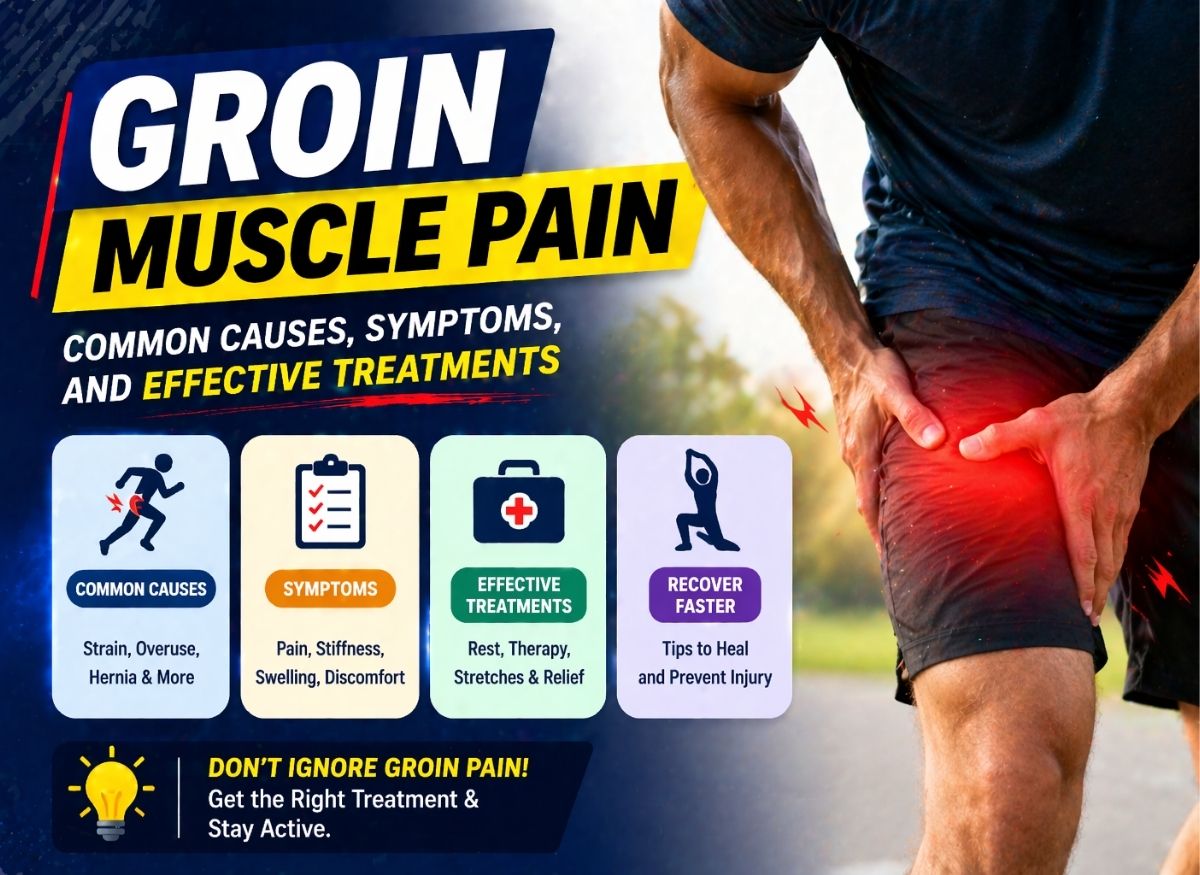
Groin muscle pain is a common problem, particularly among people who participate in sports or activities that involve running, jumping, kicking, or sudden changes in direction. The groin muscles are located along the inner thigh and help with important movements such as walking, running, lifting, and bringing the legs together.
When these muscles are overstretched, strained, or injured, the resulting pain can range from a mild ache to severe discomfort that makes normal movement difficult.
A groin injury can happen during a workout, while playing sports such as soccer or hockey, or because of repeated overuse. Some people experience a sudden sharp pain, while others notice tightness, weakness, or a gradually worsening ache.
In this guide, we’ll look at the common causes and symptoms of groin muscle pain, explain how it can be treated, and discuss ways to reduce the risk of future injuries.
What Is Groin Muscle Pain?
Groin muscle pain refers to discomfort in the area where the inner thigh meets the pelvis. It commonly involves the adductor muscles, a group of muscles responsible for pulling the legs toward the center of the body.
These muscles are heavily involved in activities such as walking, running, jumping, kicking, and changing direction. A sudden or excessive force can overstretch the muscle fibers and result in a strain or tear.
Pain may appear suddenly or develop gradually. Depending on the injury, it can feel sharp, aching, tight, or tender and may become worse when bending, twisting, running, lifting, or bringing the legs together.
Groin injuries are particularly common in sports that require rapid movements, including soccer, basketball, hockey, and running. However, they can happen to anyone.
Common causes include:
- Muscle strains or tears
- Overuse
- Sudden changes in direction
- Ligament injuries
- Inadequate warm-up
- Reduced flexibility
- Certain hip problems
- Hernias
Mild injuries often improve with appropriate rest and gradual rehabilitation. More significant injuries may require physical therapy or further medical evaluation.
Common Causes of Groin Muscle Pain
A groin pull, also called an adductor strain, usually affects one or more of the muscles on the inner side of the thigh. These muscles help stabilize the pelvis and control leg movement.
A strain can happen when the muscles are suddenly forced to stretch or contract beyond what they can tolerate. This is common during activities such as sprinting, kicking, jumping, or making a quick lateral movement.
The severity can range from a minor strain to a complete muscle tear.
Understanding the Grades of an Adductor Strain
Healthcare professionals generally classify muscle strains according to their severity.
Grade 1:
A mild strain involving a relatively small amount of muscle damage. You may notice mild pain or tightness, but strength and movement are usually only slightly affected.
Grade 2:
A moderate injury involving a greater number of damaged muscle fibers. Pain, swelling, weakness, and difficulty with normal movement are more noticeable. Some people may feel or hear a popping sensation when the injury occurs.
Grade 3:
A severe or complete muscle tear. Pain can be intense, and there may be significant weakness, swelling, bruising, or difficulty using the affected leg. A complete rupture may require specialist evaluation and, in some cases, surgical treatment.
Knowing the severity of the injury helps determine the appropriate recovery and rehabilitation plan.
Distinguishing a Groin Strain From Other Conditions
Not every instance of groin pain is caused by a pulled muscle.
A condition known as athletic pubalgia, sometimes called a sports hernia, can cause pain around the lower abdomen and groin. Symptoms may become worse with coughing, twisting, sprinting, or other activities that increase abdominal pressure.
Another possibility is femoroacetabular impingement (FAI), a hip condition that can produce deep pain in the groin, particularly during deep squats, hip rotation, or prolonged sitting.
Because several conditions can produce similar symptoms, an accurate diagnosis is important when pain does not improve.
Inguinal Hernia and Groin Pain
An inguinal hernia is different from a muscle strain because it involves a weakness in the abdominal wall rather than an injury to the inner-thigh muscles.
One of the most recognizable signs is a lump or bulge in the groin that may become more noticeable when coughing, lifting, or straining.
Hernia-related pain may feel like an ache, pressure, or burning sensation. If groin pain is accompanied by a noticeable bulge, medical evaluation is recommended rather than assuming it is simply a pulled muscle.
Groin Injuries in Women
Groin injuries can affect anyone, but the mechanics of the hips and pelvis may differ between individuals.
Women experiencing a groin strain may have pain or tenderness along the inner thigh, near the pelvis, or around the hip. In some cases, symptoms can overlap with other hip or pelvic conditions.
Pain may also cause the body to compensate, leading to discomfort in nearby areas such as the hip flexors or lower back.
Persistent or recurring groin pain should be evaluated so that other possible causes can be ruled out.
Symptoms of a Groin Muscle Injury
Groin strain symptoms can vary depending on how the injury happened and how severe it is.
Some injuries cause immediate pain during a specific movement, while others develop slowly after repeated activity.
Acute Groin Strain: Sudden Pain and Possible Popping
An acute groin strain usually happens during a sudden or forceful movement.
You may experience:
- Sudden sharp pain in the inner thigh or groin
- A popping or snapping sensation
- Tenderness when touching the area
- Swelling
- Bruising
- Muscle weakness
- Pain when bringing the legs together
- Difficulty walking or running
- Limping
Bruising may become more visible over the following day or two and can sometimes extend down the inner thigh.
A more severe injury may make it difficult to continue the activity or put normal weight on the affected leg.
Chronic Groin Injuries: Persistent or Recurring Pain
Not every groin injury begins with a dramatic event.
Some people develop a gradual, dull ache that becomes noticeable during exercise. The discomfort may improve temporarily after warming up but return afterward or become worse with continued activity.
Chronic groin problems may also cause:
- Inner-thigh stiffness
- Reduced flexibility
- Muscle weakness
- Reduced power during kicking or running
- Pain after prolonged sitting
- Discomfort when returning to sports
Repeatedly resting until the pain improves and then returning to activity too quickly can create a cycle of reinjury.
If symptoms continue to return, a proper assessment and rehabilitation program can help identify the underlying problem.
Groin Strain Symptoms in Women
Women can experience the same core symptoms of an adductor strain, including inner-thigh pain, tenderness, weakness, and discomfort when bringing the legs together.
Depending on the cause, however, pain may also extend toward the pelvic area or hip. Other pelvic or hip conditions can produce similar symptoms, making a proper evaluation important when the discomfort persists.
Fast Relief for Groin Muscle Pain
The first goal after an acute groin injury is to protect the area and prevent further damage.
Treatment should be based on the severity of the injury. For a mild strain, initial care may include rest from painful activities, cold therapy, gentle movement, and gradual rehabilitation.
Early Care After a Groin Injury
For the first few days, avoid activities that increase pain.
Rest does not necessarily mean remaining completely immobile. Instead, it means reducing or stopping activities that place excessive stress on the injured muscle.
Cold therapy may help reduce pain and swelling during the early stage. If you use an ice pack, wrap it in a cloth rather than placing ice directly against the skin.
Compression may also help control swelling, although wrapping the inner thigh too tightly can cause discomfort or circulation problems.
Elevation can be useful when swelling is present, although it may be less practical for groin injuries than for injuries to the lower leg.
The traditional RICE approach can be a useful starting point, but recovery generally requires more than rest and ice. Gradual movement and strengthening become important as the injury begins to heal.
Managing Pain and Inflammation
Over-the-counter pain relievers, including nonsteroidal anti-inflammatory drugs (NSAIDs) such as ibuprofen or naproxen, may help some people manage pain.
These medications are not appropriate for everyone and can cause side effects or interact with other medications. They should be taken according to the product directions or advice from a healthcare professional.
If you have kidney disease, stomach ulcers, take blood thinners, or have other medical conditions, ask a healthcare professional before using NSAIDs.
Gentle Movement and Range of Motion
Once severe pain has settled, gentle movement can help prevent unnecessary stiffness.
Simple movements may include slowly bending and straightening the knee while lying down or performing comfortable hip movements.
The key is to stay within a comfortable range. Sharp or increasing pain is a sign that the exercise may be too aggressive.
The early goal is not to force flexibility. Instead, gentle movement helps maintain mobility while the injured tissue begins to recover.
What Is the Difference Between Groin Pain and Hip Pain?
Groin and hip pain can feel similar because the structures are located close together. However, the source of the pain can be very different.
Groin pain commonly involves the adductor muscles, while hip pain may originate from the joint itself.
Location of the Pain
A groin strain is generally felt along the inner thigh or where the thigh meets the pelvis.
Pain from the hip joint is often felt deeper in the groin and may spread toward the front of the thigh, side of the hip, or buttocks.
Some people with hip problems describe a deep sensation that is difficult to pinpoint.
Movement That Triggers the Pain
An adductor strain often hurts when the muscles are actively used, particularly when:
- Bringing the legs together
- Kicking
- Sprinting
- Changing direction
- Stretching the inner thigh
Hip joint problems may instead cause pain with weight-bearing, prolonged sitting, deep squatting, or certain hip movements.
Clicking, catching, or locking sensations can also occur with some hip conditions.
Hernias and Referred Pain
A hernia can produce pain in the groin without involving the adductor muscles.
Pain can also be referred from other parts of the body, including the lower back.
If pain is persistent, keeps returning, or does not clearly relate to a muscle movement, professional assessment can help determine the cause.
How Is Groin Pain Diagnosed and Prevented?
Diagnosing groin pain begins with understanding how the injury occurred, where the pain is located, and which movements make it worse.
A healthcare professional may also examine the strength and flexibility of the hip and inner-thigh muscles.
Getting an Accurate Diagnosis
During an examination, a healthcare provider may ask you to move the hip or squeeze the legs together against resistance. Pain or weakness during these movements can provide useful information about the adductor muscles.
The doctor may also examine the abdomen, hip, and pubic area to look for other potential causes of groin pain.
Imaging is not always necessary for a mild strain. However, it may be recommended when the injury is severe, symptoms do not improve, or another condition is suspected.
An X-ray can help identify certain bone injuries, including fractures or avulsion injuries.
An MRI provides a detailed view of muscles, tendons, and other soft tissues and may be used when a significant muscle tear or another structural problem is suspected.
When to Seek Urgent Medical Attention
Most mild groin strains can be managed without emergency treatment, but certain symptoms require prompt evaluation.
Seek medical care if you experience:
- Severe or rapidly worsening pain
- A noticeable groin bulge
- Inability to bear weight on the affected leg
- Significant swelling or bruising
- Fever or unexplained nausea
- Severe weakness
- Pain that does not improve with appropriate rest
A painful groin bulge may indicate a hernia, while an inability to bear weight could indicate a more significant injury.
Persistent pain should also be evaluated rather than repeatedly treating it as a simple muscle strain.
Strengthening for Long-Term Prevention
Once the acute injury has improved, strengthening the muscles around the hip and groin can help restore function and reduce the risk of future problems.
One exercise commonly used in groin rehabilitation is the Copenhagen plank, which strengthens the adductor muscles while challenging hip and pelvic stability.
Another option is an adductor squeeze, where a ball or similar object is gently squeezed between the knees.
Exercises should be introduced gradually and adjusted according to the injury and recovery stage. A physical therapist can create an individualized program when needed.
Flexibility and Dynamic Warm-Ups
Strength is only one part of injury prevention. Maintaining comfortable hip and groin mobility can also be helpful.
Gentle exercises such as controlled side lunges or other mobility drills can improve movement. Before sports or intense exercise, dynamic movements such as leg swings can prepare the muscles for activity.
A good warm-up should gradually increase intensity rather than immediately placing the muscles under maximum stress.
Combining strength, mobility, proper technique, and a gradual increase in training intensity can help reduce the risk of future groin injuries.
Conclusion
Groin muscle pain can make everyday movement and physical activity uncomfortable, but many groin strains improve with appropriate care and rehabilitation.
Common causes include sudden movements, sports-related injuries, overuse, reduced flexibility, and inadequate preparation before exercise. Symptoms can range from mild tenderness and tightness to severe pain, swelling, bruising, and significant weakness.
Early care may include reducing painful activities, managing swelling, and using gentle movement as symptoms improve. As recovery progresses, targeted strengthening and mobility exercises can help restore function and reduce the chance of reinjury.
However, persistent or severe groin pain should not be ignored. A healthcare professional can determine whether the problem is a muscle strain or another condition such as a hernia, hip disorder, or more serious injury.
Listening to your body, allowing adequate recovery time, and gradually rebuilding strength can help you return to normal activities safely.
Frequently Asked Questions (FAQ)
What causes groin muscle pain?
Groin muscle pain is often caused by a strain or tear involving the adductor muscles of the inner thigh. Sudden movements such as sprinting, kicking, jumping, or changing direction can place excessive stress on these muscles. Overuse, limited flexibility, inadequate warm-up, and poor movement technique may also contribute. Other conditions, including hernias and hip problems, can cause similar pain.
How do I know if I have a groin strain or just soreness?
A groin strain often causes localized pain that becomes worse with movement, stretching, or bringing the legs together. A more significant strain may cause sudden pain, swelling, bruising, or weakness.
Normal muscle soreness after exercise is usually more gradual and tends to improve with rest. If pain is severe, persistent, or accompanied by swelling or bruising, a healthcare professional should evaluate it.
How long does it take to recover from a groin muscle strain?
Recovery time depends on the severity of the injury.
A mild strain may improve within several days to a few weeks. Moderate injuries can take several weeks, while severe muscle tears may require a much longer period of rehabilitation.
Returning to sports too quickly can increase the risk of reinjury, so recovery should be based on symptoms, strength, mobility, and function rather than a specific number of days alone.
Can I continue to exercise with groin pain?
It is generally best to avoid activities that increase your pain.
If symptoms are mild, some low-impact activities that do not aggravate the injury may be possible. However, running, jumping, kicking, or other movements that place significant stress on the groin should be reduced until the injury improves.
For moderate or severe pain, professional guidance can help determine when and how to safely return to exercise.
How can I prevent groin muscle pain?
Prevention involves preparing the muscles for activity and gradually building strength.
Helpful strategies include:
- Warming up before exercise
- Maintaining hip and groin mobility
- Strengthening the adductor muscles
- Improving overall hip and core strength
- Increasing training intensity gradually
- Using proper exercise and sports technique
- Allowing adequate recovery between demanding sessions
Should I see a doctor for groin muscle pain?
Medical evaluation is recommended if the pain is severe, keeps returning, or does not improve with appropriate rest.
You should also seek medical attention if you have significant swelling or bruising, difficulty walking or bearing weight, a painful groin lump or bulge, fever, or other unusual symptoms.
A healthcare professional can determine whether the problem is a simple muscle strain or another condition and recommend appropriate treatment or physical therapy when necessary.