
Managing Lactose Intolerance: What to Avoid and How to Live Comfortably with It

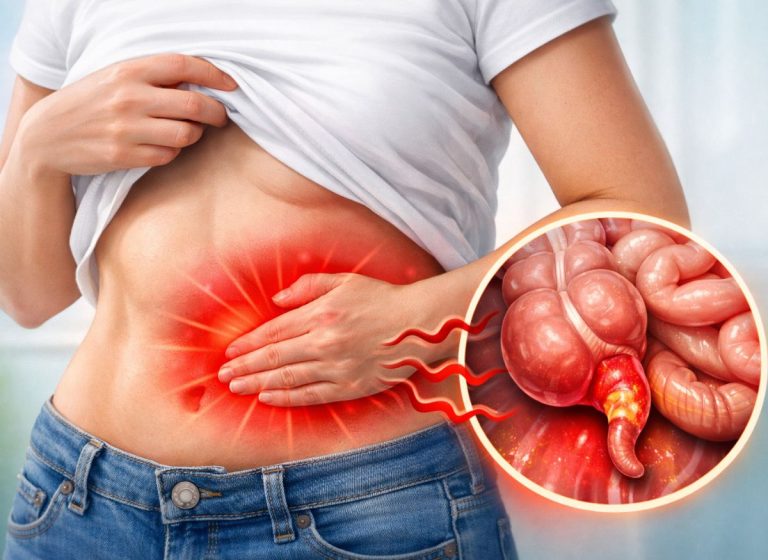
Lactose intolerance happens when the body can’t properly break down lactose, the sugar naturally found in milk and dairy. The root cause is a shortage of lactase, the enzyme responsible for splitting this sugar during digestion. When lactase levels run low, eating dairy can lead to bloating, gas, loose stools, cramping, and nausea. Knowing your personal triggers and how to work around them makes a real difference in day-to-day comfort.
The good news: having lactose intolerance doesn’t mean cutting dairy out completely or missing out on calcium and vitamin D. With a bit of label-reading and some smart substitutions, you can eat well without the discomfort. Below is a practical rundown of what causes the symptoms, what to eat, what to skip, and how to manage it long-term.
What is Lactose Intolerance?
At its core, lactose intolerance is a digestive issue your body simply doesn’t make enough lactase to fully process the sugar in dairy. That shortage sets off an unpleasant series of gut reactions whenever milk products are consumed.
It’s worth being clear that this is not the same thing as a milk allergy. A milk allergy involves the immune system reacting to dairy proteins and can be dangerous. Lactose intolerance, by contrast, is purely a digestive shortfall no immune response involved which is why it’s inaccurate to describe it as a “disease.”
How bad the symptoms get depends on two things: how much dairy you eat and how much lactase your body still makes. Either way, it’s a condition you can manage well with the right food choices.
The Four Types of Lactose Intolerance
There are four distinct forms, each with its own cause some are lifelong and genetic, others are temporary.
Primary Lactose Intolerance (the genetic decline)
This is the most common type worldwide. Babies produce plenty of lactase to digest breast milk, but as most people move to solid food, the body naturally scales back enzyme production. This is a normal genetic pattern seen especially in people of African, Asian, and Hispanic descent, and it’s permanent.
Secondary Lactose Intolerance (collateral damage from illness)
This kind shows up when an infection or illness like a stomach bug, food poisoning, or a flare of celiac or Crohn’s disease damages the lining of the small intestine where lactase is made. If dairy suddenly starts bothering you after years of no issues, this is often why. It usually clears up once the gut lining heals.
Congenital Lactose Intolerance (present from birth)
An extremely rare inherited condition where a baby is born unable to produce any lactase at all. It causes severe diarrhea from the very first feeding and requires a lifelong switch to lactose-free formula.
Developmental Lactose Intolerance (a premature gut)
Seen only in babies born early, since lactase production doesn’t fully switch on until late pregnancy. It causes digestive upset at first, but resolves naturally within a few weeks as the gut matures.
Navigating Your Options for Daily Relief
Whatever type you’re dealing with, you don’t need to accept ongoing stomach pain or bloating as normal. A few practical shifts can help:
- Rework your diet: Cut back on high-lactose foods like skim milk and soft ice cream, and watch for lactose hiding in processed items like baking mixes.
- Try lactose-free products: Pre-treated dairy is widely available, and naturally aged cheeses like Parmigiano-Reggiano lose most of their sugar during production.
- Use enzyme supplements: Taking an over-the-counter lactase pill with your first bite of a dairy meal can prevent symptoms before they start.
- Be cautious with goat milk: It’s often seen as a gentler alternative, but goat milk does still contain lactose. Some people tolerate it slightly better due to its different protein structure, but it’s not lactose-free.
Matching the right combination of these strategies to your specific type of intolerance can make a big difference in comfort.
Causes of The Uncomfortable Symptoms of Lactose Intolerance
The discomfort comes down to one thing: undigested lactose reaching your large intestine, where gut bacteria ferment it. Normally, lactase splits lactose into glucose and galactose, simple sugars your body absorbs easily. Without enough lactase, that sugar passes through undigested and triggers three distinct problems in the colon.
Gas buildup (behind the bloating)
Bacteria feeding on the sugar release hydrogen, carbon dioxide, and methane. As these gases build up, the intestines stretch, causing the bloating, gurgling, and flatulence people associate with a dairy-heavy meal. More dairy consumed generally means more gas produced.
Fluid pull (behind the diarrhea)
Undigested lactose draws water into the bowel through osmosis. This extra fluid overwhelms the colon’s ability to absorb it, resulting in loose, watery stools.
Acid production (behind the cramping)
Bacterial fermentation also produces short-chain fatty acids. In small, steady amounts these are healthy, but a sudden burst lowers the colon’s pH, irritating the gut lining and triggering strong, sometimes painful contractions along with occasional nausea or vomiting.
Because a single enzyme shortfall drives this whole chain reaction, at-home treatments that address the enzyme gap tend to work well.
Key Symptoms of Lactose Intolerance
Symptoms typically appear 30 minutes to two hours after eating dairy, and how severe they are depends on your remaining lactase levels versus how much lactose you consumed.
- Bloating and gas: Bacterial fermentation produces gas that stretches the intestines, leaving the stomach feeling tight and full, followed by flatulence.
- Cramping and pain: Stretched intestinal walls press on nerves, while the acidic fermentation byproducts irritate the gut lining, causing spasms.
- Watery diarrhea: Osmotic pull from undigested sugar floods the bowel with water, preventing solid stool from forming.
- Nausea, occasionally vomiting: Large amounts of gas and bloating can trigger queasiness, especially after eating dairy on an empty stomach.
Can it cause symptoms outside the gut?
Some people report headaches, fatigue, brain fog, joint pain, or skin issues after eating dairy. The scientific evidence linking these to lactose intolerance specifically is weaker than for digestive symptoms, but two explanations are commonly proposed:
- Circulating byproducts: Fermentation creates compounds like acetaldehyde, which may enter the bloodstream and contribute to inflammation or brain fog in some people.
- Overlapping conditions: Symptoms like fatigue and joint pain might actually point to something else a true milk allergy, celiac disease, or SIBO conditions that can also damage lactase production, causing secondary intolerance.
What Foods Can You Enjoy with Lactose Intolerance?
Having lactose intolerance doesn’t mean a boring diet. Fruits, vegetables, meat, poultry, seafood, eggs, legumes, grains, and nuts are all naturally free of lactose, since it’s a sugar found only in mammal milk.
Low-Lactose Dairy Products Often Well-Tolerated
Many people assume that a lactose intolerance reason requires cutting out all traditional dairy. However, the manufacturing, straining, and aging processes of certain dairy items naturally remove or break down the vast majority of their milk sugars, allowing you to enjoy them without a lactose intolerance stomach ache.
               [THE LOW-LACTOSE DAIRY OPTION WHEEL]
                                     │
         ┌───────────────────────────┼───────────────────────────┐
         ▼                           ▼                           ▼
 [AGED HARD CHEESES]        [YOGURT & KEFIR]             [BUTTER & GHEE]
• Whey is drained away.     • Live cultures make native • Composed almost entirely
• Bacteria consume sugars.    lactase enzymes.            of pure milk fat.
• Safe: Cheddar & Parmesan. • Straining cuts whey down. • Solids/Sugars are trace.
Aged hard cheeses:
Cheesemaking drains away the whey (where lactose dissolves), and aging further breaks down what’s left. Cheddar, Parmesan, Swiss, and Provolone are generally safe bets the harder and older, the better.
Yogurt and kefir:
Live bacterial cultures partially digest the lactose before it reaches your colon. Greek yogurt is strained further, making it even lower in lactose. Look for “live and active cultures” on the label.
Butter and ghee:
Butter is mostly fat, with only trace lactose in the small amount of milk solids. Ghee removes those solids entirely, making it essentially lactose-free.
Plant-based alternatives
| Category | Options | Notes |
|---|---|---|
| Milk | Almond, soy, oat | Often fortified with calcium and vitamin D |
| Cheese | Nutritional yeast, cashew/tapioca-based vegan cheese | Great for melting, sprinkling, and cooking |
| Dessert/yogurt | Coconut or cashew ice cream, plant yogurts | Rich texture without digestive fallout |
A few habits to keep in mind: read labels for hidden dairy, stock up on lactose-free dairy, and keep lactase supplements on hand for flexibility. And remember goat milk still contains lactose, so it’s not a true workaround for sensitivity.
What Foods Should You Avoid with Lactose Intolerance?
Managing intolerance means avoiding both obvious high-lactose dairy and lactose hidden in processed foods.
Foods with the most lactose
- Fresh milk (any mammal): An 8-ounce glass has roughly 12–13 grams of lactose. Fat content doesn’t matter skim, whole, and everything between carry the same lactose load. Goat milk is no exception; it contains nearly as much lactose as cow’s milk.
- Cream and half-and-half: Used in coffee, sauces, and soups, even small amounts can add up.
- Ice cream and milk-based desserts: Concentrated dairy bases make these especially likely to trigger symptoms.
- Soft, fresh cheeses: Cottage cheese, ricotta, cream cheese, feta, and fresh mozzarella retain a lot of whey since they’re not aged.
Where lactose hides
- Instant potatoes, some frozen fries, and flavored chips (sour cream, cheese, barbecue)
- Bread, buns, biscuits, pancakes, cookies, and crackers (often contain milk solids or whey for texture and browning)
- Salad dressings, gravies, canned soups, and even some marinades or barbecue sauces
- Processed meats like hot dogs, sausages, bacon, salami, and deli cuts
Beyond food
- Whey protein powders: Whey protein concentrate is high in lactose; isolate or plant-based powders are safer choices.
- Medications: Lactose is a common filler in pills, including birth control, blood pressure medication, and vitamins. If you’re highly sensitive, ask your pharmacist about lactose-free options.
To stay ahead of it: scan labels for whey, milk solids, curds, or milk powder; swap in lactose-free dairy; and keep lactase tablets handy for unexpected exposure.
How do Doctors Officially Diagnose Lactose Intolerance?
While your own symptom patterns are a strong clue, doctors use specific tests to confirm the diagnosis and rule out look-alike conditions like IBS or celiac disease.
[THE BREATH TEST LIFECYCLE]

Step 1: Baseline Breath ──► Step 2: Lactose Drink ──► Step 3: Interval Swabs/Breaths
                                                                   │
    ┌──────────────────────────────────────────────────────────────┴──────────────────────────────┐
    ▼                                                                                             ▼
[NORMAL DIGESTION]                                                                       [LACTOSE INTOLERANCE]
Lactase splits sugars cleanly in the small intestine.                              Undigested sugar reaches the colon.
No excess hydrogen gas is created or exhaled.                                      Bacteria ferment it, producing hydrogen.
                                                                                   Gas enters blood ──► Exhaled via lungs ──► [POSITIVE DIAGNOSIS]
The hydrogen breath test
This is the standard, non-invasive method. After an overnight fast, you give a baseline breath sample, drink a lactose solution, then provide breath samples every 15–30 minutes for a few hours. If lactase is lacking, gut bacteria ferment the undigested sugar and release hydrogen, which shows up in your breath. A clear spike confirms the diagnosis.
Other diagnostic options
| Test | How it works | Best for |
|---|---|---|
| Lactose tolerance test | Tracks blood sugar after a lactose drink | Adults without breath-test access |
| Stool acidity test | Checks stool pH for lactic acid buildup | Infants and toddlers |
| Elimination diet | Removes dairy for 2–3 weeks, then reintroduces it | People wanting a simple at-home check |
A confirmed diagnosis helps tailor your treatment whether that’s a long-term low-lactose diet for primary intolerance, or a temporary approach while your gut heals from a secondary cause like a stomach bug.
How Can You Manage Lactose Intolerance?
Managing this condition well comes down to understanding your limits, using supplements correctly, and reading labels with confidence.
The Critical Divide: Intolerance vs. Milk Allergy
              [THE MEDICAL SPECTRUM]
                            │
       ┌────────────────────┴────────────────────┐
       ▼                                         ▼
[LACTOSE INTOLERANCE]                     [MILK ALLERGY]
• System: Localized Digestive.            • System: Systemic Immune.
• Trigger: Milk *Sugars* (Lactose).       • Trigger: Milk *Proteins* (Casein/Whey).
• Result: Fermentation, gas, cramps.      • Result: Hives, swelling, anaphylaxis.
• Risk: Uncomfortable, never fatal.       • Risk: Potentially life-threatening.
Getting the most from lactase supplements
- Take it with your first bite of dairy not before or after for it to work.
- Dosage (measured in FCC units) varies by person and meal size, so some trial and error helps.
- Available as chewables, pills, or drops you can mix into milk ahead of time.
Lactose-free vs. dairy-free they’re not the same
| Label | What it contains | Safe for allergy? |
|---|---|---|
| Lactose-free | Real milk, pre-treated to remove lactose | No still has milk proteins |
| Dairy-free | 100% plant-based | Yes no animal protein at all |
Putting it together: swap high-lactose foods for aged cheeses and lactose-free dairy, check labels on processed foods for hidden dairy, and treat goat milk as a mild variation rather than a lactose-free fix.
Conclusion
Living well with lactose intolerance comes down to balance avoiding your triggers while still getting the nutrients you need. With lactose-free products, careful label reading, and dairy alternatives like almond, soy, or oat milk, plus tolerant options like yogurt and aged cheese, you can eat a varied, satisfying diet without the digestive downside. A little awareness goes a long way toward comfortable, worry-free meals.
FAQ
What is lactose intolerance?
It’s the inability to fully digest lactose, the sugar in dairy, due to low lactase enzyme levels. Undigested lactose ferments in the gut, causing bloating, gas, cramps, and diarrhea. Severity depends on how much dairy is eaten and individual enzyme levels.
What foods should people with lactose intolerance avoid?
Milk, cream, soft cheeses, ice cream, and many processed foods with hidden milk solids. Checking labels closely helps catch lactose you wouldn’t expect, and lactose-free swaps can fill the gap nutritionally.
Are there dairy products that people with lactose intolerance can eat?
Yes hard cheeses and fermented products like yogurt and kefir tend to be easier to digest. Lactose-free milk and plant-based alternatives are also solid choices. Introducing them gradually helps you find what works for your body.
Can enzyme supplements help with lactose intolerance?
Yes. Taking a lactase supplement right before eating dairy can reduce bloating and diarrhea. They’re available over the counter in several forms, but they manage symptoms rather than cure the underlying condition.
How can people with lactose intolerance maintain proper nutrition?
Focus on calcium and vitamin D through lactose-free dairy, fortified plant milks, leafy greens, nuts, and fish. A varied diet with different protein and nutrient sources keeps you well-nourished without triggering symptoms.