
Signs of Hypoglycemia vs Panic Attack: How to Tell the Difference
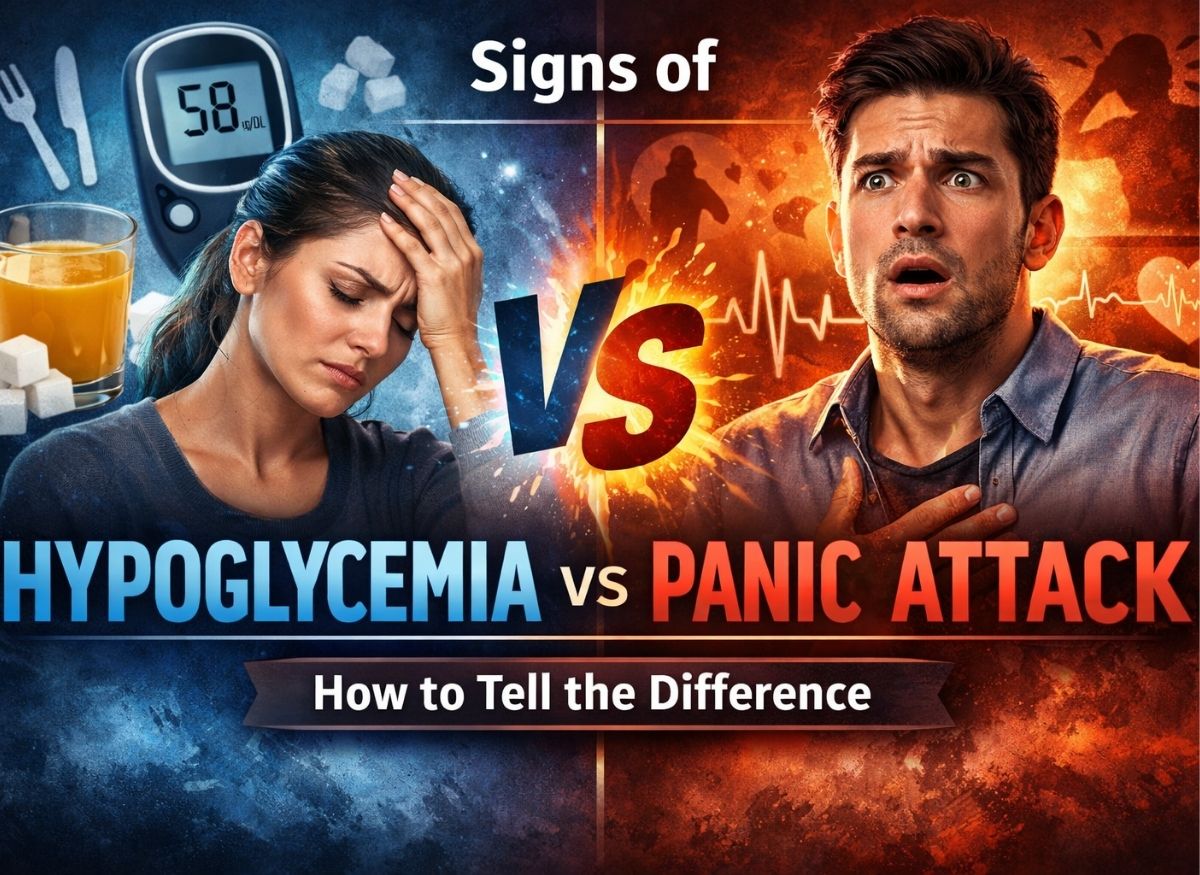
A pounding heart, sudden sweating, lightheadedness, and a wave of dread can hit within minutes, and it is often impossible to say whether your blood sugar has dropped or your mind is reacting to fear. The signs of hypoglycemia can look so much like a panic attack that many people misread what their body is telling them. Getting it right matters, because the correct response depends on the cause.
Hypoglycemia happens when blood glucose falls below the level the body needs to work properly. A panic attack comes from the nervous system, while hypoglycemia is a metabolic problem, yet both can produce almost the same physical sensations. That overlap often leads to wrong conclusions, late treatment, or episodes that seem to come out of nowhere.
What separates them is the trigger and the way symptoms play out afterward. The signs of hypoglycemia usually ease soon after you eat, whereas panic symptoms tend to follow emotional or situational stress. Spotting these patterns early can spare you needless worry and help you respond in a way that settles things quickly.
This article explains how to tell the signs of hypoglycemia from a panic attack, what causes each, and how to respond safely.
Where the Two Overlap
Both panic attacks and the signs of hypoglycemia switch on the body’s acute stress response. That response releases a burst of adrenaline, which produces nearly identical early warning signals. Symptoms alone often can’t tell you which one you are experiencing.
The autonomic nervous system, which governs automatic functions like heartbeat and breathing, reacts in much the same way whatever the cause. Whether the brain’s fear center is set off by emotional stress or by falling glucose, the body enters “fight-or-flight” mode. This survival reaction produces strong sensations that appear in both conditions, so understanding what they share is the first step toward seeing how they differ.
Shared Physical Symptoms
The most common overlapping symptoms are a fast heartbeat, sweating, trembling, breathlessness, dizziness, and nausea. Most of these stem from adrenaline preparing the body to face a threat or correct an imbalance.
- Racing or pounding heart: Adrenaline makes the heart beat faster and harder, sending more blood to vital organs and muscles. The pounding can be frightening whether it comes from stress or from dropping blood sugar.
- Sweating and clamminess: Sympathetic nervous system activation prompts the sweat glands to work, often producing a sudden cold sweat. This is among the quick-onset signs of hypoglycemia and is just as typical in panic.
- Shaking or trembling: Adrenaline readies the muscles, which can cause involuntary tremors in the hands, legs, or whole body. These are often some of the first signs of hypoglycemia people notice, and they also occur in panic attacks.
- Breathlessness and dizziness: Rapid, shallow breathing can leave you feeling short of air. Shifts in oxygen and carbon dioxide may then cause lightheadedness or tingling, which adds to the distress.
- Nausea and stomach discomfort: When blood is diverted to vital organs and muscles, digestion slows, which can cause queasiness in either situation.
Shared Mental and Emotional Symptoms
Both conditions can bring anxiety, a feeling that something terrible is about to happen, confusion, and irritability. This is because the brain is very sensitive to shifts in stress hormones and glucose, and when either is out of balance, mood control and clear thinking suffer first.
The body’s stress signals, such as a racing pulse, sweating, and shaking, are read by the brain as danger no matter what caused them. That reading magnifies the fear and makes the whole experience feel overwhelming.
- Sense of impending doom: A strong conviction that something serious is about to happen is well known in panic, but it is also a frequent sign of hypoglycemia. When glucose drops, the brain triggers survival responses that can be felt as fear.
- Overwhelming anxiety: Adrenaline directly contributes to anxious feelings during low blood sugar, so the experience resembles panic. A loop can form in which physical sensations raise anxiety and anxiety strengthens the physical reaction.
- Confusion and poor concentration: The brain relies on a steady glucose supply. When it dips, thinking becomes foggy and slow, a group of effects called neuroglycopenic symptoms. In panic, stress hormones and fast breathing can also disrupt focus and create a similar mental haze.
- Irritability and mood swings: Whether the stress comes from low glucose or from perceived danger, emotional control becomes harder. Irritability is often an early signal that blood sugar is falling.
Why They Feel So Alike
Both conditions activate the same stress pathways. Adrenaline drives anxiety, fear, and heightened alertness, while low glucose simultaneously weakens normal brain function. Recognizing this shared mechanism explains the frequent mix-ups and shows why identifying patterns and triggers is so important.
Key Differences
The main differences lie in what triggers the episode, what causes it, and how it resolves. A panic attack is mainly a psychological event powered by the brain’s fear response, whereas the signs of hypoglycemia come from a physical imbalance in blood glucose. That is why similar sensations call for very different responses.
Triggers and Onset
Panic attacks are usually tied to emotional or psychological factors such as stress, anxiety, specific fears, or overwhelming situations. Sometimes they strike with no obvious cause, which makes them feel sudden and unpredictable. They typically begin abruptly and peak within minutes.
Hypoglycemia has physical triggers linked to habits or metabolism, including:
- Skipping or delaying meals
- A high-carbohydrate meal followed by a fast drop in blood sugar
- Extra physical activity without enough food
- Drinking alcohol, especially on an empty stomach
- Medications or underlying metabolic conditions
Unlike panic, hypoglycemia is often preceded by subtle warnings such as hunger, mild tiredness, or slight shakiness. These cues give you a chance to act before symptoms worsen.
Core Symptoms
Panic attacks lean toward intense psychological distress, like fear of losing control or a powerful sense of danger, and this emotional element often has nothing to do with physical needs such as food.
Hypoglycemia leans toward cues of energy shortage. Hunger, visual disturbances, and growing weakness are more typical, and as it progresses, thinking may decline because the brain is getting less glucose.
Resolution and Response
Panic attacks generally pass with time, calming techniques, or leaving the stressful situation. Breathing exercises, relaxation, or reassurance help as the nervous system settles.
The signs of hypoglycemia typically improve quickly once you consume carbohydrates. Something sugary to eat or drink often brings noticeable relief in a short time, a strong clue that low blood sugar was the cause.
Telling Them Apart by Distinctive Features
Each condition has characteristics that rarely show up in the other. Focusing on the psychological features of panic and the neurological features of low blood sugar can reveal whether stress or glucose is behind your symptoms.
Features Specific to Panic Attacks
These are not typical signs of hypoglycemia and usually point to a psychological origin:
- Fear of dying or losing control: An overwhelming belief that something catastrophic is happening, sometimes resembling a heart attack, is central to panic and not a defining trait of hypoglycemia.
- Derealization and depersonalization: The surroundings feel unreal or dreamlike, or you feel detached from your own body or thoughts. These perceptual shifts are strongly tied to panic.
- Choking sensation or chest discomfort: Throat tightness, trouble swallowing, or sharp chest pain is more characteristic of panic, although both conditions can involve some chest discomfort.
Features Specific to Hypoglycemia
These come from reduced glucose reaching the brain (neuroglycopenia) and indicate a physical cause:
- Intense hunger: A sudden, strong urge to eat is one of the most recognizable signs of hypoglycemia and is rarely present in panic.
- Vision and speech changes: Blurred vision, trouble focusing, or slurred speech can occur when low glucose affects the brain regions for vision and communication.
- Clumsiness and poor coordination: Unsteady movements and difficulty with simple tasks reflect the brain’s lowered energy supply.
- Headache: A persistent or throbbing headache often accompanies falling blood sugar and is not a main feature of panic.
How Each One Resolves
The most dependable way to tell them apart is to see how symptoms resolve. The signs of hypoglycemia fade quickly after sugar, while panic symptoms taper off gradually and don’t respond to food.
Hypoglycemia: The body needs glucose, and symptoms improve once it arrives. Fast-acting carbohydrates such as fruit juice, regular soda, glucose tablets, or candy are the usual choice. Shaking, sweating, and weakness often begin to ease within 5 to 10 minutes. If needed, you can repeat the dose until symptoms clear. Afterward, a balanced snack with carbohydrates and protein helps keep levels steady and prevents another dip.
Panic attack: Because low glucose isn’t the cause, sugar won’t help. The body has to work through the surge of stress hormones. Symptoms usually peak within several minutes, then slowly decline, and relief can take 20 to 30 minutes or more, with lingering tiredness or unease afterward. Management focuses on calming the nervous system through slow breathing, grounding exercises, and mindful awareness.
Can Low Blood Sugar Trigger a Panic Attack?
Yes. The body’s reaction to falling glucose mirrors the stress response behind panic. The racing heart, trembling, sweating, and confusion of hypoglycemia come from an adrenaline surge, and these sensations can feel so sudden and intense that the brain treats them as a life-threatening event and activates the fear response.
This is more than a simple mix-up between two conditions. It is a direct chain reaction. In people who are prone to anxiety, the abrupt onset of hypoglycemia symptoms can act as a strong internal trigger, leading to thoughts of losing control or facing a medical emergency and escalating into a full panic episode. Physical symptoms then feed fear, and fear intensifies those same symptoms.
How the Body’s Reaction Mimics Anxiety
Low blood sugar prompts the release of stress hormones like adrenaline and cortisol. They are meant to restore glucose, but they also produce the sensations of anxiety or panic.
- Heart effects: Adrenaline raises heart rate and the force of each beat, causing palpitations that feel identical to panic and often prompt worry about the heart.
- Nervous system and muscles: The body becomes highly alert, muscles tense and tremble, and sweat glands produce cold sweats.
- Breathing changes: Fast, shallow breathing can cause dizziness, breathlessness, or tingling in the hands and feet.
Since the same hormones drive these responses, the brain can’t easily tell whether the trigger is emotional or metabolic.
The Physiological Link
The connection comes from the brain’s reliance on glucose. When levels fall, neuroglycopenia sets in, meaning the brain lacks the fuel to function well. The body releases hormones to restore balance, producing the first signs of hypoglycemia, while the brain begins to struggle with confusion and difficulty processing information.
Together, these can be read as a serious internal threat, which activates the brain’s fear center and creates panic-like emotions. If it continues, a loop develops:
- Physical signals appear: Shaking and a rapid heartbeat begin.
- Danger is perceived: The brain interprets these signals as a threat.
- Fear intensifies: More adrenaline is released, worsening both physical and emotional symptoms.
This cycle can turn a physical event into a full panic experience, and it happens more readily in people whose threat response is already sensitive. Addressing low blood sugar early can stop the escalation, and recognizing the emotional side can reduce fear and break the loop.
Next Steps: Diagnosis and Management
The next step is to get a clear medical diagnosis and build a long-term plan aimed at the root cause. When the signs of hypoglycemia overlap with anxiety or panic, finding out what is actually driving the episodes is essential, and a structured evaluation reduces uncertainty and allows better-targeted management.
How Hypoglycemia Is Diagnosed
Symptoms alone don’t establish hypoglycemia. Doctors use a framework called Whipple’s triad, which confirms that symptoms are linked to low glucose. It requires having the symptoms, a measured low glucose level at that time, and relief once blood sugar is raised.
You may be asked to keep a detailed log of when symptoms occur, what you ate, and how active you were, which can reveal patterns a single visit would miss. A doctor may check your glucose during an episode, or ask you to monitor it at home with a meter if episodes are infrequent. For symptoms that follow meals, an Oral Glucose Tolerance Test or a Mixed-Meal Tolerance Test can show how your body responds to glucose over time and whether hypoglycemia develops.
Long-Term Strategies for Anxiety and Panic
Managing panic or anxiety usually combines professional support with daily habits. Because hypoglycemia can mimic or even trigger panic, treatment often needs to cover both physical and emotional factors.
Cognitive-behavioral therapy is among the most effective approaches, helping you recognize thought patterns that amplify fear and respond to them differently, which over time reduces both the frequency and strength of panic episodes. Medication may sometimes be recommended to help regulate mood and stabilize symptoms.
Daily practices matter too. Slow breathing and mindfulness can calm the body during an episode and lower overall stress, while steady routines for sleep, meals, and activity support stability and cut down on surprise triggers.
Dietary Changes to Prevent Hypoglycemia
The aim of dietary changes is to keep blood glucose steady throughout the day, through both food choices and eating patterns. Regular, balanced meals are essential, and skipping meals, particularly breakfast, raises the risk of sudden drops. Eating small meals or snacks every three to four hours provides a steady glucose supply.
Food composition matters as well. Favor complex carbohydrates over simple sugars, since they release energy more slowly. Whole grains such as oats and quinoa help avoid the rapid swings that lead to symptoms.
Adding protein and fiber to meals improves stability further, because they slow digestion and the rate at which glucose enters the bloodstream. Pairing fruit with nuts, or grains with lean protein, produces a gentler response than carbohydrates alone. Lean meats, fish, beans, and legumes are dependable protein sources.
Avoid sugary foods and drinks, especially on an empty stomach, since they cause a quick spike followed by a sharp drop. It also helps to moderate alcohol and caffeine. Alcohol can interfere with the liver’s ability to produce glucose, and caffeine may intensify sensations resembling hypoglycemia or affect how the body regulates energy.
When to See a Doctor
Seek medical advice when symptoms are new, frequent, severe, or hard to explain. Occasional episodes may come from a missed meal or passing stress, but repeated symptoms need a proper evaluation to determine whether hypoglycemia, anxiety, or another condition is responsible.
Consultation is especially important when symptoms grow more intense or start to interfere with daily life. Because the signs of hypoglycemia and panic attacks feel so alike, self-diagnosis can lead to the wrong management. A healthcare provider can use tools such as blood glucose monitoring or a cardiac evaluation to find the real cause.
Some situations need prompt attention. People with diabetes who experience hypoglycemia symptoms may need changes to their medication or insulin. If symptoms don’t improve within 15 to 20 minutes of consuming sugar, low blood sugar may not be the cause and further assessment is needed.
When symptoms begin to affect work, routines, or personal well-being, professional guidance becomes essential. A doctor can set up a structured management plan or refer you to a specialist.
Conclusion
The signs of hypoglycemia are easy to confuse with panic attacks, especially when they strike suddenly and intensely. Knowing the difference helps you choose the right response and avoid unnecessary distress.
By watching patterns, triggers, and how symptoms resolve, you can work out whether your body is reacting to low blood sugar or to emotional stress. Hypoglycemia tends to follow changes in eating, activity, or long gaps between meals, while panic is more closely tied to psychological or environmental factors.
A brief pause to assess the situation can make a real difference. Ask yourself about recent meals, activity, and how symptoms have progressed. If you feel better after eating, hypoglycemia may be the cause. If symptoms persist or are linked to stress, a different approach may be needed.
If the signs of hypoglycemia occur often, feel severe, or remain unclear, see a medical professional to rule out underlying causes and get proper management. With better awareness, you can respond with more confidence and protect both your physical and emotional balance.
FAQs
Can the signs of hypoglycemia occur without diabetes?
Yes. This is called non-diabetic hypoglycemia. It can happen when the body releases too much insulin after a meal and blood sugar falls further than expected, or it may be linked to irregular eating, prolonged fasting, or certain lifestyle factors. Even healthy people can have these symptoms if blood sugar regulation is temporarily thrown off.
How fast do the signs of hypoglycemia appear compared with panic attacks?
Hypoglycemia often gives some warning, such as hunger, fatigue, or mild shakiness, before becoming stronger, and it is often tied to timing, like a few hours after a meal or a long gap between meals. Panic attacks tend to start abruptly and escalate fast, sometimes with no clear physical trigger.
Does eating always help?
In most cases, symptoms improve quickly after fast-acting carbohydrates such as juice, glucose tablets, or candy, with relief often starting within minutes. If symptoms don’t improve or keep getting worse, low blood sugar may not be the cause, and further evaluation may be needed.
Can the signs of hypoglycemia wake you at night?
Yes. Blood sugar can drop during sleep, particularly after long fasting periods, extra activity earlier in the day, or because of certain metabolic factors. Symptoms can include night sweats, restlessness, vivid dreams, or waking up weak or confused. Recognizing the pattern can guide diet or lifestyle changes.
Are they more common after high-sugar meals?
Yes. Meals rich in refined carbohydrates or sugar can raise the likelihood of hypoglycemia. They cause a quick rise in blood sugar followed by a strong insulin response that lowers glucose too fast. This “sugar crash” typically occurs a few hours after eating and is a common trigger in people with reactive hypoglycemia.
When should they be considered serious?
Take them seriously if they occur often, grow more intense, or interfere with daily life. Confusion, difficulty speaking, loss of coordination, or fainting signal a more severe episode and need prompt attention. Recurrent or unexplained symptoms should be evaluated by a healthcare professional.
Disclaimer
This article is for educational and informational purposes only. It draws on general medical knowledge and publicly available sources, but it does not replace professional medical advice, diagnosis, or treatment. Health conditions differ from person to person, and only a qualified healthcare provider can assess your individual situation.
If you have any unusual health concerns, consult a licensed doctor or medical professional promptly. Never ignore professional advice or delay treatment because of something you read online. The authors and publishers are not responsible for outcomes resulting from the use of this content.