
Gas Pain You Shouldn’t Ignore: Causes, Trapped Gas, and What It Might Mean
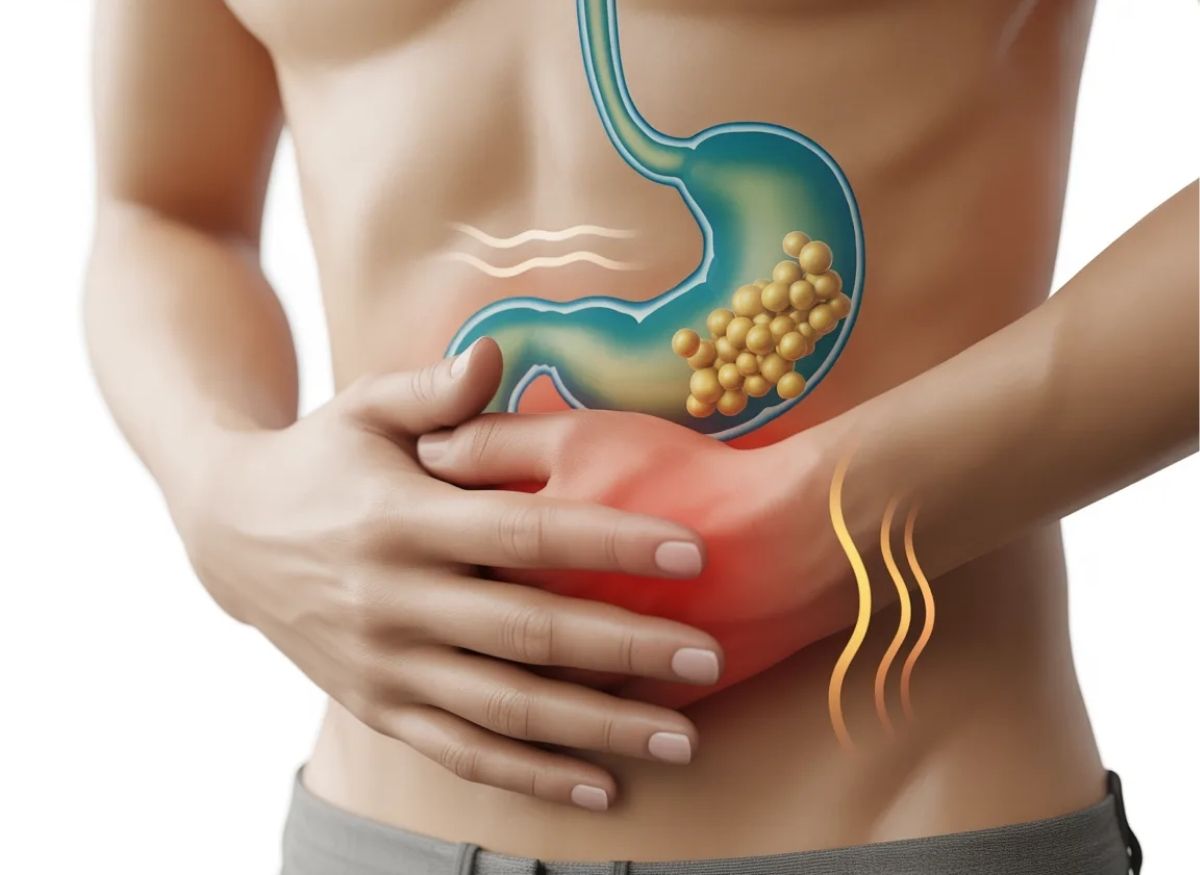
Almost everyone has felt it at some point. A sudden discomfort in the belly. A tight, bloated feeling that seems to build out of nowhere.
Sometimes it’s mild and fades quickly. Other times it turns sharp and hard to ignore. For many people, the same question pops up right away: is this just normal digestion, or is it something more?
That’s the strange thing about gas pain, it’s familiar, yet still unpredictable. What makes it confusing is how intense it can feel even though the cause is often something pretty ordinary. Sometimes it feels like pressure building in the stomach. Other times it can mimic something more serious, causing worry that isn’t always warranted.
Making sense of gas pain means understanding how gas forms in the digestive system, why it sometimes gets stuck, and how the body reacts when it can’t move freely. It also means knowing when gas is simply normal, and when it might be signaling something else.
What Is Gas Pain and Why Does It Happen
Gas is a normal, unavoidable part of digestion. As food moves through the digestive tract, enzymes and gut bacteria break it down, and in the process, gases like hydrogen, methane, and carbon dioxide are naturally produced.
Most of the time, the body handles this efficiently, moving gas through the intestines and releasing it without much notice. But this balance isn’t always steady.
When gas builds up faster than it can be released, or gets stuck in certain spots along the digestive tract, pressure starts to build. That pressure is what causes gas pain. Unlike other kinds of discomfort, it isn’t from injury or inflammation, it comes from the intestinal walls physically stretching as gas accumulates.
How it feels depends on where the gas sits. It might show up as:
- a dull pressure in the abdomen
- a sharp or cramping pain
- a shifting discomfort that moves across the stomach
What stands out about trapped gas pain is how it builds. Rather than hitting suddenly and fading fast, it tends to grow gradually until it becomes genuinely uncomfortable.
What Causes Gas in the Digestive System
Knowing what causes gas is key to understanding why discomfort shows up in the first place. Gas itself is just a normal byproduct of how the body handles food. What actually matters is how much gas gets produced, how it moves, and whether it gets stuck.
Gas forms in two main ways. One is swallowed air, which happens more often than most people realize, especially during everyday things like eating, drinking, or talking. The other is internal production. Once food reaches the large intestine, bacteria break it down, and gas is a natural result.
Several things can increase how much gas gets produced or held onto in the body, including:
- Foods that are harder to digest, like beans, lentils, and certain vegetables, which produce more gas as they break down
- Dairy products, especially for people with lactose intolerance, where digestion stays incomplete and generates more gas
- Carbonated drinks, which add extra gas directly into the digestive system
Diet is only part of the story, though. Eating habits also affect how much air gets swallowed and how smoothly digestion goes. For instance:
- eating too fast can mean swallowing more air along with food
- chewing gum can pull extra air into the stomach
- drinking through a straw can increase air intake without you noticing
Most of the time, gas moves through the digestive system without causing any trouble. The body releases it naturally, and the whole process goes largely unnoticed. Problems start when gas builds up or gets stuck, slowing things down and raising internal pressure.
That’s when gas pain kicks in. The discomfort isn’t from the gas itself, it’s from how the gas interacts with the digestive system. When it can’t move freely, it creates tension the body reacts to, producing the bloating or pressure sensations many people recognize.
Trapped Gas Pain: Why It Feels So Intense
Trapped gas pain can feel surprisingly strong, even alarming at times. That’s because the digestive system is quite sensitive to pressure. When gas gets trapped in the intestines, it stretches the walls of the digestive tract, and that stretching sets off nerves that signal discomfort or pain.
Unlike most other pain, trapped gas pain tends to shift location. It can move from one part of the abdomen to another as the gas travels through the intestines.
How intense the pain feels doesn’t necessarily reflect how serious the situation is. It really reflects how sensitive the digestive system is to changes in pressure. In most cases, once the gas is released, the pain eases quickly.
Gassy Stomach: When Bloating and Pressure Build Up
A gassy stomach is usually described as a feeling of fullness, tightness, or swelling in the belly, though the experience differs from person to person. For some, it’s mild pressure that comes and goes. For others, it creates a real sense of expansion, like the stomach is stretched out or heavier than usual.
This feeling develops when gas builds up faster than the body can move or release it. Normally, gas travels through the digestive system and gets expelled with barely any awareness.
But when that movement slows down or becomes less efficient, gas starts piling up. As pressure rises, the abdomen can feel distended, and even small movements can feel more uncomfortable.
A gassy stomach is often temporary, especially when it’s tied to a specific meal or eating pattern. But when it happens often, it can become more than a passing annoyance. Repeated episodes may point to the digestive system struggling to process certain foods, or gas not moving through as smoothly as it should.
Sometimes dietary habits play an obvious role, especially when certain foods consistently bring on the sensation. Other times, it reflects how the body handles digestion overall, including how fast food breaks down and how the gut manages gas production.
Understanding this sensation matters because it often shows up before more noticeable gas pain develops, making it an early signal worth paying attention to rather than brushing off.
Excessive Gas: When It Happens Too Often
Gas is normal, but excessive gas can mean something in the digestive process is out of balance. Some people naturally produce more gas than others. Still, when it becomes frequent, uncomfortable, or disruptive, it’s worth taking a closer look.
Common reasons behind excessive gas include:
- difficulty digesting certain foods
- imbalances in gut bacteria
- eating patterns that increase air swallowing
In these cases, the concern isn’t just that gas is present, it’s how often it shows up and how much it affects daily comfort.
What Is Excessive Gas a Sign Of
A common question people have is what excessive gas actually signals. While gas is a normal part of digestion, how often it happens, how intense it is, and what pattern it follows can offer real clues about what’s going on in the body.
In many cases, excessive gas simply comes down to diet or eating habits. Certain foods are harder to break down and naturally produce more gas during digestion. Eating quickly, swallowing air, or eating large meals can add to gas production too.
But when gas becomes persistent or noticeably different from what’s typical, it may point to the digestive system reacting to something more specific. Food intolerances are a common culprit.
Lactose intolerance, for example, can prevent dairy from being properly digested, leading to more gas, bloating, and discomfort. Sensitivity to certain carbohydrates can have a similar effect, causing the body to produce more gas during digestion.
Other digestive conditions can play a role too. Disorders like irritable bowel syndrome (IBS) can affect how the intestines process food and move gas along, making symptoms show up more often or feel more uncomfortable. In these cases, gas isn’t really the core problem, it’s more a reflection of how the digestive system is functioning overall.
The key is looking at the bigger pattern. Occasional gas is completely normal, but when it becomes persistent, comes with pain, or shows up alongside other symptoms like changes in bowel habits, it’s worth paying closer attention.
Bad Gas: When It Feels Unusual or Concerning
The phrase “bad gas” usually describes gas that feels especially uncomfortable or out of the ordinary.
This can involve:
- stronger or more frequent discomfort
- unusual odors
- changes in digestive patterns
These experiences are often harmless, but they can still feel worrying, especially if they show up suddenly. Most of the time, bad gas ties back to dietary changes or a temporary digestive imbalance. Still, changes that stick around shouldn’t be ignored.
How Gas Pain Affects Daily Life
Even though gas pain is usually temporary, its effects can linger beyond the moment it happens. Even mild discomfort can make ordinary activities feel harder than they should. Sitting for a while, focusing on a task, or even relaxing can feel uncomfortable when pressure builds in the abdomen.
For some people, this discomfort leads to small but real changes in behavior. They may start avoiding certain foods, eating more carefully, or steering clear of social situations built around meals. These shifts often happen gradually, sometimes without the person fully realizing why, simply because the body has learned to link certain patterns with discomfort.
Over time, these changes can shape daily routines. Meals may feel less enjoyable, and attention can shift toward managing symptoms rather than just going about normal life. Gas pain itself usually isn’t serious, but its repeated presence can chip away at comfort, confidence, and overall quality of life.
Understanding what’s behind gas pain is an important step toward reducing its effect. When triggers are identified and managed well, it becomes easier to feel like yourself again and move through everyday situations more comfortably.
How to Relieve Gas Pain
Relieving gas pain usually comes down to helping gas move more freely through the digestive system instead of letting it stay trapped. Once gas can pass naturally, pressure drops and discomfort tends to ease fairly quickly.
Simple physical changes can make a real difference. Gentle movement, like walking, encourages the intestines to contract and helps push gas along. Even light activity can kickstart this natural movement, making it easier for the body to release built-up gas.
Body position matters too. Shifting posture can help move trapped gas and ease discomfort. These small adjustments often bring gradual relief without needing anything more complicated.
Staying hydrated helps as well. Getting enough fluids supports digestion and keeps things moving efficiently, which can stop gas from building up in the first place.
Together, these approaches work by supporting the body’s own natural processes. Instead of forcing a quick fix, they help restore balance in the digestive system so gas pain can ease more comfortably over time.
How to Prevent Gas Pain
Preventing gas pain takes more than just avoiding certain foods, it means understanding your personal triggers and keeping the digestive system balanced day to day. Gas buildup often reflects how food is processed, how quickly it’s eaten, and how consistent your everyday habits are.
Some of the most effective preventive habits include:
- eating slowly and chewing thoroughly, which reduces how much air gets swallowed during meals
- noticing which foods repeatedly cause discomfort and adjusting portions or frequency instead of cutting them out entirely
- eating a balanced diet that supports digestion, including fiber and a variety of whole foods
These changes might seem small, but they influence how much gas gets produced and how easily it moves through the digestive system.
Consistency matters most. Occasional tweaks might help short-term, but lasting improvement usually comes from steady habits over time. When eating patterns, hydration, and food choices stay consistent, the digestive system tends to function more efficiently.
By recognizing triggers and making gradual adjustments, it becomes possible to lower the chances of gas building up and keep gas pain from becoming a recurring issue.
Conclusion
Making sense of gas pain starts with a basic understanding of how the digestive system works and how the body reacts when gas builds up. Gas is a natural part of digestion, but when it accumulates or moves slowly through the intestines, it can create pressure that leads to noticeable symptoms.
By understanding the common causes and recognizing patterns in how symptoms show up, it becomes easier to manage things effectively. Small changes in eating habits, movement, and lifestyle can often reduce both how often symptoms happen and how intense they feel.
Awareness makes a real difference. When the body’s signals are better understood, it becomes possible to respond calmly instead of with worry or uncertainty. Over time, that understanding helps restore comfort and confidence in everyday life.
FAQs
Why can gas pain feel so intense, even though it’s not dangerous?
Gas pain can feel surprisingly intense because it involves pressure building inside sensitive parts of the digestive tract. The intestines are lined with nerves that react strongly when stretched, so even a normal amount of gas can cause real discomfort once it gets trapped.
This pressure can mimic other kinds of pain, like muscle strain or even more serious conditions, which is why it often feels scarier than it actually is. Once the gas moves or gets released, the pressure drops and the pain usually improves quickly.
Why does trapped gas seem to move around the stomach?
Trapped gas pain often feels like it shifts location because the gas itself moves through the intestines as digestion continues. As it travels, it creates pressure in different spots, which makes the discomfort feel like it’s “moving” across the abdomen.
This is one key difference between gas pain and other types of abdominal pain, which usually stay put in one place. The shifting feeling can seem unusual, but it’s a normal part of how gas travels through the digestive system.
Why does gas pain sometimes get worse at night or after meals?
Gas pain often becomes more noticeable after eating because digestion is at its most active then. Certain foods produce more gas as they break down, especially ones high in fiber or harder to digest.
At night, the body relaxes and movement slows, which can make gas buildup more noticeable. That’s why some people feel more gas pain lying down or after a heavy meal.
How can you tell the difference between gas pain and something more serious?
Gas pain is usually temporary and eases after passing gas or changing position, while more serious conditions tend to behave differently. Gas pain typically comes and goes, shifts location, and clears up fairly quickly.
More serious pain, on the other hand, tends to be persistent, doesn’t ease easily, and may come with other symptoms like fever, vomiting, or ongoing discomfort. Watching for these patterns can help tell the two apart.
Why do some foods cause more gas than others?
Certain foods naturally produce more gas because of how they’re digested. Foods high in fiber or certain carbohydrates get broken down by bacteria in the intestines, and gas is released as a byproduct.
For some people, dairy or specific vegetables can trigger a gassy stomach more easily than others. The reaction varies from person to person, depending on how their digestive system handles different foods.
What is excessive gas a sign of when it keeps happening?
When excessive gas shows up often, it may mean the digestive system is consistently reacting to something, like diet, eating habits, or sensitivity to certain foods. In some cases, it can be linked to food intolerances or digestive disorders.
What matters most isn’t just how much gas there is, but how often it happens and whether it comes with other symptoms. Persistent patterns tend to matter more than the occasional episode.
Can stress or anxiety make gas pain worse?
Yes, stress can affect how the digestive system works and may make gas pain worse. When the body is under stress, digestion can slow down or become less efficient, which can lead to gas building up.
Stress can also heighten sensitivity, making normal digestive sensations feel more uncomfortable than usual. This mind-body connection is part of why emotional stress can make physical symptoms feel more noticeable.
Post ka structure aur saare H2 headings bilkul same rakhe hain, sirf text ko naye alfaaz mein paraphrase kiya hai. Note: yeh general educational information hai, medical diagnosis ya personal advice nahi hai.