
7 Common Causes of Itchy Ears and How to Find Relief
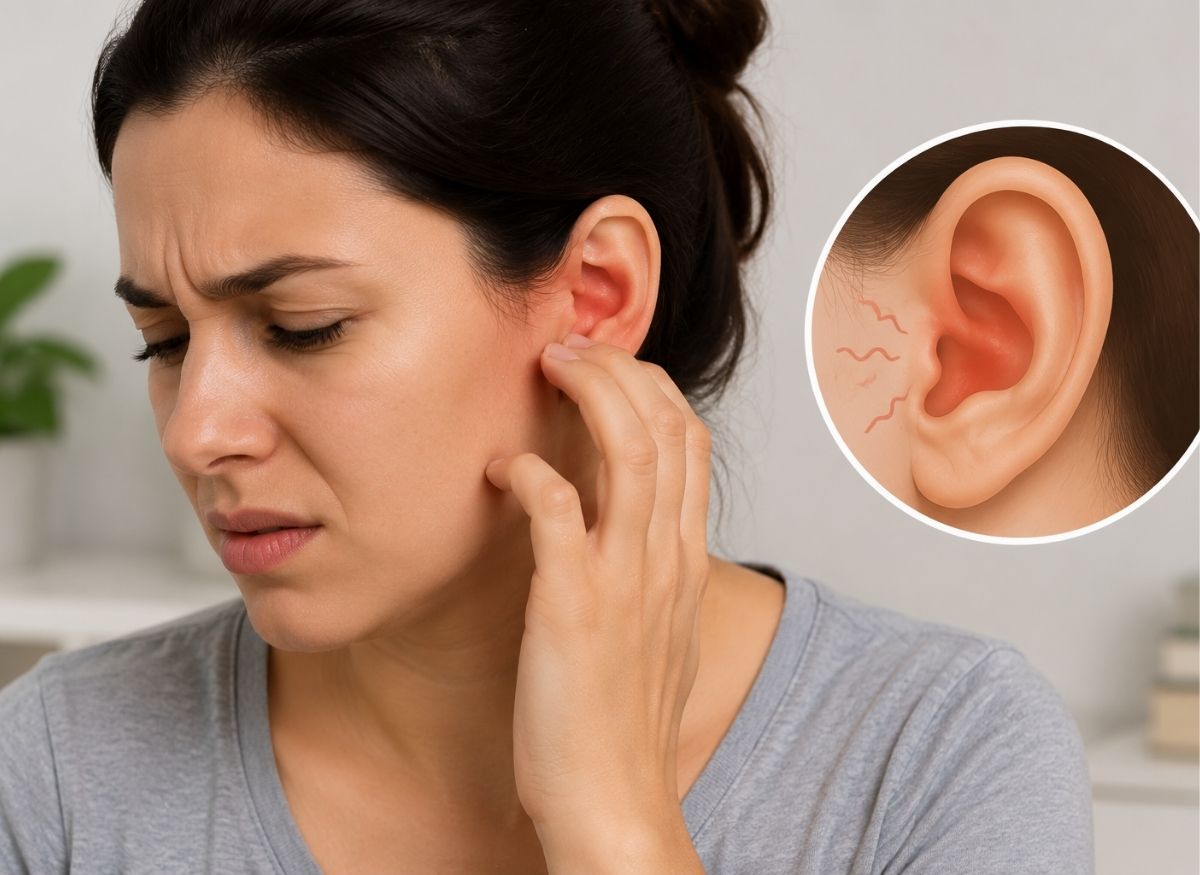
Itchy ears are a common issue that can be anything from a small irritation to a sign of an underlying health problem. The itching may start suddenly or develop slowly, and the urge to scratch or pull at the ear can sometimes make the irritation worse or cause small injuries.
Occasional ear itching is usually not serious, but ongoing or intense itching may be linked to allergies, infections, skin conditions, or other health concerns that need attention. Since the ear contains delicate structures such as the ear canal, eardrum, and surrounding skin, it is important to identify the possible cause and treat the irritation carefully.
Several things can lead to itchy ears, including excess earwax, eczema, bacterial or fungal infections, and allergic reactions. Water exposure, regular earbud use, and certain underlying conditions can also contribute to the problem. Finding the cause is an important step toward getting relief and preventing the issue from becoming worse. In this article, we will look at seven common causes of itchy ears and safe ways to manage the discomfort.
7 Main Causes of Itchy Ears
The feeling of itchy ears, also called otic pruritus, is extremely common and can be very frustrating. To understand why an ear itches, it helps to look at the ear canal itself. The canal contains some of the thinnest skin on the body and is positioned close to bone and cartilage. Because there is very little cushioning, even small changes can cause noticeable irritation.
Changes in the ear’s natural pH, reduced protective oils, excessive dryness, or fungal growth can all disturb this sensitive environment. As a result, a person may experience a constant itch that seems difficult to reach or relieve.
The Disruption of the “Acid Mantle” and Earwax
One common reason for ongoing itchy ears is too little earwax, also known as cerumen. Although many people consider earwax something that should always be removed, it actually serves an important protective purpose. It contains a combination of dead skin cells and oils produced by glands in the ear.
Earwax helps create a protective, water-resistant layer and keeps the ear canal slightly acidic. When the ears are cleaned too often, this natural protection can be removed. The skin may then become dry, flaky, and more likely to develop tiny cracks.
This condition, often referred to as xerosis, can result in dryness, flaking, and persistent itching. In many cases, the irritation is simply a sign that the skin inside the ear has lost some of its natural moisture and protection.
The Internal Climate: Otitis Externa and Otomycosis
When an ear feels wet, warm, or deeply itchy, an infection or biological overgrowth may be responsible. The ear canal is naturally dark and warm, and moisture can create an environment where bacteria and fungi can grow.
Bacterial Swimmer’s Ear
Otitis Externa, commonly known as swimmer’s ear, can occur when water becomes trapped inside the ear canal. This may happen after swimming or showering, particularly when moisture becomes trapped behind earwax or in the folds of the canal.
The extra moisture softens the skin and can make it easier for bacteria such as Pseudomonas to multiply. This may result in intense itching, redness, irritation, and eventually pain as the infection develops.
Fungal Otomycosis
Deep, persistent itching inside the ear can sometimes be caused by a fungal infection called otomycosis. This type of infection is more common in warm and humid environments.
Fungi such as Aspergillus can grow by feeding on dead skin cells and earwax. The infection may produce debris along the ear canal and eardrum. People may describe the sensation as if something is moving deep inside the ear. A blocked feeling or muffled hearing may also occur.
The Modern Culprit: Occlusion and Contact Dermatitis
Frequent use of earbuds and hearing aids can contribute to persistent ear irritation. These devices may cause problems in two main ways:
- The Occlusion Effect: Blocking the ear canal reduces normal airflow and can trap heat and sweat. This creates a warm, humid environment that may soften and irritate the skin. People who wear headphones or headsets for many hours may be especially likely to experience this problem.
- Contact Dermatitis: Materials found in earbuds and other devices, including silicone, acrylates, or nickel, can trigger an allergic skin reaction in some people. When this happens, the affected area may become red, irritated, and intensely itchy exactly where the device touches the skin.
Chronic Inflammatory Conditions: Eczema and Psoriasis
Persistent itchy ears can also be related to long-term skin conditions. People who experience eczema or psoriasis on areas such as the scalp, elbows, or other parts of the body may also develop symptoms around or inside the ear.
- Aural Eczema: This condition can make the ear skin red, irritated, scaly, and sometimes moist or weepy. Clear fluid may appear and later form crusts, making the itching uncomfortable and sometimes painful.
- Psoriasis: Psoriasis causes skin cells to develop and build up much faster than normal. Inside the narrow ear canal, these cells can accumulate and form thick, flaky patches. In some cases, the buildup may contribute to blockage and temporary hearing changes along with itching.
What are Safe Home Remedies You Can Try?
Managing itchy ears at home should be done carefully. The goal is to calm the irritation without interfering with the ear’s natural cleaning process or damaging the sensitive skin inside the canal.
When dryness or excessive cleaning is responsible for the itching, restoring some moisture and protecting the skin may provide relief.
Safe Lubrication for Dry Itchy Ears
If dry skin or frequent cleaning has removed the ear’s natural oils, gentle lubrication may help reduce dryness and irritation.
Using Natural Oils
A small amount of olive oil or mineral oil may help moisturize a dry, flaky ear canal. If using oil, make sure it is at room temperature and use a clean dropper.
However, oils should only be considered when there is no reason to suspect a damaged or perforated eardrum or an active ear infection. If you are unsure about the condition of your ear, it is safer to speak with a healthcare professional first.
Soothing the Constant Ear Itch Externally
When ear itching becomes difficult to tolerate, soothing the outside of the ear can sometimes reduce discomfort without placing anything inside the canal.
Warm and Cold Compresses
A warm compress placed against the outside of the ear may provide comfort when irritation is related to inflammation or minor wax buildup. Warmth can also help soften hardened wax.
On the other hand, a cold compress may be useful when itching is caused by an allergic reaction or another type of surface irritation. Cooling the area can temporarily reduce the sensation of itching.
Critical “No-Go” Zones for Ear Health
Taking care of itchy ears also means knowing what not to do. The ear canal is delicate, and repeatedly trying to reach an itchy spot can make the original problem worse.
The Danger of Cotton Swabs and Sharp Objects
Cotton swabs are often used to clean itchy ears, but they can actually increase the problem. They may push earwax farther into the canal while also removing the protective oils from the skin.
Sharp objects such as hairpins, keys, or other items can scratch the delicate canal and create tiny injuries. These small breaks in the skin can make it easier for bacteria to cause an infection.
Avoiding Ear Candling
Ear candling is not considered a safe or effective way to remove earwax. It does not reliably create a vacuum for removing wax and may instead leave candle wax inside the ear or cause burns.
Using candles near the ear can also injure sensitive structures and potentially affect hearing. If your ear continues to itch, safer evaluation and treatment options are available.
When to Stop Home Treatment
Home treatment should be stopped and professional medical advice should be considered if itchy ears occur along with:
- Drainage: Fluid coming from the ear, particularly if it is cloudy, bloody, or has a strong smell.
- Muffled Hearing: A blocked or muffled sound may indicate significant wax buildup or another ear problem that needs examination.
- Pain: When simple itching develops into noticeable pain, an infection or another condition may be present.
- Fever: A fever can indicate that the body is responding to an infection.
Using gentle care and avoiding unnecessary objects inside the ear can help reduce irritation while protecting the delicate structures involved in hearing.
The Best Methods for Preventing Itchy Ears
Preventing ear irritation is often easier than trying to calm it once it has started. Because the ear canal has its own natural cleaning and protective system, leaving it alone as much as possible can help maintain its balance.
Prevention should focus on controlling moisture, avoiding unnecessary friction, protecting the skin, and managing any underlying conditions that contribute to itching.
Moisture Management and “Dryness” Defense
Too much moisture can encourage infection, while excessive dryness can cause irritation and itching. Maintaining a healthy balance is therefore important.
Strategic Drying Techniques
After swimming or showering, allow trapped water to drain naturally by gently tilting your head from side to side. Avoid putting cotton swabs or towels deep into the ear.
If you frequently have moisture remaining after bathing, a hairdryer can be used on the lowest, coolest setting while keeping it at a safe distance from the ear. This can help dry excess moisture without directly irritating the sensitive skin.
Protecting the “Acid Mantle”
Earwax provides a natural protective layer for the ear canal, so excessive cleaning should be avoided. Removing too much wax can leave the skin dry and more vulnerable to irritation.
Allowing a normal amount of earwax to remain can help protect the canal and reduce problems associated with dryness and flaking.
Reducing Allergic and Mechanical Friction
For people who regularly use earbuds or hearing aids, repeated contact and reduced airflow can contribute to irritation.
Earbud and Hearing Aid Hygiene
If your itching appears after using earbuds or hearing devices, keeping them clean may help reduce irritation. Alcohol-free cleaning wipes can be used according to the device manufacturer’s instructions.
Choosing materials that are less likely to trigger skin reactions may also help people who have contact sensitivities.
Promoting Airflow
Keeping earbuds or hearing aids in place for long periods can trap heat and moisture. Taking regular breaks gives the ear canal a chance to cool and dry.
Removing these devices periodically can reduce the warm, humid environment that may contribute to persistent itching.
Managing Underlying Health Factors
Sometimes itchy ears are connected to broader skin or health conditions. If eczema or psoriasis affects other parts of the body, controlling those flare-ups may also help reduce ear symptoms.
- Dermatological Control: Work with a healthcare provider to manage eczema, psoriasis, or other skin conditions that may affect the ears.
- Softening Routine: If you frequently develop earwax buildup, ask a healthcare professional whether a suitable wax-softening product is appropriate for you.
- Barrier Protection: During cold or windy weather, hats or earmuffs can help protect sensitive skin around the ears from excessive dryness.
A minimal-intervention approach is often helpful for healthy ears. Avoiding unnecessary cleaning and irritation allows the ear’s natural protective and self-cleaning processes to work properly.
How does A Doctor Diagnose The Cause of Itchy Ears?
When simple measures such as avoiding cotton swabs or reducing irritation do not improve the problem, a medical examination may be needed.
A doctor will try to determine whether the itching is caused by dry skin, an allergic reaction, wax buildup, an infection, or another condition. Because the ear canal is narrow, looking inside the ear is an important part of finding the cause.
The Clinical Consultation and Patient History
The diagnostic process usually begins with questions about your symptoms, habits, and medical history. Your doctor may ask about situations that make the itching better or worse.
- Environmental Exposure: You may be asked about swimming, bathing, and other situations where water enters the ears.
- Technological Habits: Regular use of earbuds, headphones, or hearing aids can provide clues about moisture, friction, or contact irritation.
- Medical Background: A history of eczema or psoriasis may help explain recurring dryness and irritation around the ear.
- Allergy Screening: Changes in shampoo, soap, hair products, jewelry, or earbud materials may point toward contact dermatitis.
Physical Examination: The Otoscope
An otoscope is a lighted medical instrument used to examine the ear canal and eardrum. It allows the doctor to look for signs that can help identify the cause of the itching.
- Bacterial Infection: Redness, swelling, tenderness, and thick discharge can be signs of a bacterial infection.
- Fungal Infection (Otomycosis): Fungal infections may produce unusual debris or growth inside the ear canal, sometimes appearing white, gray, or dark.
- Dermatological Issues: Dry, flaky skin or thick scales may point toward eczema, psoriasis, or another skin condition.
- Mechanical Blockage: The doctor can check for hardened earwax or another blockage that may be irritating the canal.
Laboratory Testing and Specialized Referrals
If the cause is unclear or the symptoms do not improve with initial treatment, additional testing may sometimes be required.
Cultures and Sensitivity
When there is persistent itching accompanied by discharge, a healthcare professional may collect a sample from the ear. Laboratory testing can help identify whether bacteria or fungi are present.
Sensitivity testing may then help determine which medication is most appropriate for the identified infection.
Allergy Patch Testing
If contact dermatitis is suspected but the trigger is unknown, an allergist or dermatologist may perform patch testing. This can help identify reactions to particular ingredients, metals, hair products, or materials used in earbuds and other devices.
A combination of the medical history, physical examination, and appropriate testing can help identify the actual cause and guide treatment.
Are Itchy Ears a Sign of A Serious Medical Condition?
For most people, itchy ears are caused by relatively minor issues such as dryness, irritation, earwax, allergies, or a localized infection. However, certain symptoms can indicate a more significant problem and should not be ignored.
The concern becomes greater when itching occurs together with severe pain, neurological symptoms, hearing changes, or unusual discharge.
When Itching Signals a Deeper Infection
A simple outer-ear infection can sometimes become more serious, particularly in people with diabetes or weakened immune systems.
A rare condition called malignant otitis externa can spread beyond the soft tissue of the ear canal and affect nearby bone. Severe or worsening pain, especially pain that extends toward the jaw or temple, should receive prompt medical attention.
Neurological Red Flags: Ramsay Hunt and Vertigo
Because the ear is connected to several important nerves and balance structures, certain neurological symptoms require medical assessment.
Facial Weakness and Ramsay Hunt Syndrome
Itching or pain around the ear accompanied by facial weakness or drooping on one side of the face requires urgent medical evaluation.
Ramsay Hunt syndrome can occur when the varicella-zoster virus affects the facial nerve near the ear. It may also involve a rash or small blisters around or inside the ear.
Vertigo and Balance Issues
Severe dizziness or a spinning sensation can indicate that structures involved in balance are being affected. Itching alone is usually related to the outer ear canal, but itching combined with persistent vertigo should be evaluated by a healthcare professional.
Conditions affecting the deeper parts of the ear can sometimes produce both balance problems and other ear symptoms.
Changes in Hearing and Discharge
Wax buildup can cause itching and muffled hearing, but sudden or persistent hearing changes should be professionally evaluated.
- Sudden Hearing Loss: A sudden reduction in hearing requires prompt medical assessment because several conditions can cause it and some need urgent treatment.
- Bloody or Foul-Smelling Discharge: Persistent bloody, foul-smelling, or unusual drainage should be checked by a healthcare professional because it may indicate infection, eardrum problems, or another ear condition.
The Difference Between An Ear Infection and An Allergy
Knowing whether ear itching is caused by an allergy or an infection can help determine what type of treatment may be needed. Although both can produce itching, they develop for different reasons.
Allergies involve an immune response to a substance, while infections occur when organisms such as bacteria or fungi grow in the ear.
Dominant Sensations: Itch vs. Pain
The main sensation can provide a useful clue, although it cannot confirm the diagnosis by itself.
Allergic irritation often causes intense itching with relatively little pain. Contact dermatitis may occur after exposure to jewelry, hair products, earbuds, or other materials. The skin can become red, dry, or flaky.
An ear infection may begin with itching but often develops into increasing pain. With swimmer’s ear, moving or touching the outer ear can sometimes make the pain worse.
Analyzing Discharge and Fever
Other symptoms, including discharge and fever, can provide additional clues about what may be happening.
Fluid Characteristics
Allergic irritation can sometimes cause clear or watery fluid from inflamed skin. Bacterial infections may produce thicker yellow or green discharge.
Fungal infections can produce white, gray, or dark debris inside the ear canal. However, the appearance of fluid or debris alone cannot always confirm the exact cause.
Systemic Response
Infections can sometimes cause broader symptoms such as fever, chills, or swollen lymph nodes.
Allergic reactions generally do not cause fever or widespread body aches. If itching occurs without other signs of illness, dryness or an allergic skin reaction may be among the possible explanations.
Onset and Triggers
The timing of the symptoms can also offer useful information.
An allergic reaction may begin after using a new shampoo, hair product, pair of earrings, or earbuds. Symptoms may improve after the triggering substance is avoided.
An infection may follow swimming, bathing, prolonged moisture exposure, or injury to the ear canal. Unlike simple contact irritation, an infection may continue to worsen without appropriate treatment.
Which Systemic Diseases Can Cause Itchy Ears?
Most cases of itchy ears are caused by local problems involving the skin, wax, moisture, allergies, or infection. In some situations, however, persistent itching may occur alongside broader medical conditions.
If itching is widespread, severe, unexplained, or does not improve with ordinary care, a healthcare professional can determine whether an underlying condition should be considered.
Metabolic and Endocrine Disorders: The Diabetes Link
Diabetes can increase the risk of certain ear problems, including infections.
People with poorly controlled blood sugar may be more vulnerable to fungal infections. Diabetes can also affect nerves, which may contribute to unusual sensations such as tingling or itching.
If persistent ear itching occurs along with other symptoms or a known blood sugar problem, medical evaluation can help determine the cause.
Organ Failure: Liver and Kidney Disease
Certain liver and kidney conditions can cause generalized itching throughout the body.
Cholestatic Pruritus (Liver): Some liver conditions can cause bile-related substances to accumulate in the bloodstream and contribute to widespread itching. The itching may occur without a visible rash and can sometimes become more noticeable at night.
Uremic Pruritus (Kidneys): Advanced kidney disease can cause waste products to accumulate in the body and contribute to severe generalized itching. Dry skin can also make the discomfort worse.
When ear itching occurs as part of widespread, unexplained itching, the underlying cause should be evaluated rather than assuming the ear itself is the only source.
Autoimmune and Hematologic (Blood) Disorders
Some autoimmune and blood-related conditions can affect the skin and may contribute to itching.
- Psoriasis and Lupus: These conditions can cause inflammatory skin changes. Psoriasis may produce thick, scaly patches that can also affect the ears.
- Polycythemia Vera: This uncommon blood disorder can cause intense itching, particularly after exposure to warm water.
- Lymphoma: Persistent unexplained itching can occur with certain types of lymphoma, although itching alone does not mean that someone has cancer.
Conclusion
Itchy ears can be a minor annoyance, but persistent irritation should not always be ignored. Understanding the possible causes can help you choose safer ways to manage the problem, whether the issue is related to dryness, earwax, allergies, irritation, or infection.
Avoiding excessive scratching and keeping objects out of the ear canal can help protect the delicate skin and lower the risk of further irritation or infection. If symptoms continue or occur with pain, discharge, hearing changes, swelling, or fever, professional medical evaluation is important.
The right treatment depends on the underlying cause. By paying attention to symptoms and avoiding habits that can damage the ear canal, you can reduce discomfort and support better long-term ear health.
FAQ
What are the most common causes of itchy ears?
Itchy ears can have many possible causes. Common examples include excessive or impacted earwax, eczema, psoriasis, allergies, and bacterial or fungal infections. Water that remains trapped after swimming or bathing may also contribute to irritation. Frequent use of earbuds or headphones can cause friction, moisture buildup, or contact reactions. Some health conditions may also make ear itching more likely.
Can allergies cause ear itching?
Yes, allergies can cause itching in and around the ears. Environmental triggers such as pollen, dust, and pet dander may contribute to inflammation. Contact allergies can also develop after exposure to jewelry, hair products, earbuds, or other materials.
Avoiding the trigger may improve symptoms, but persistent or worsening irritation should be evaluated to make sure another condition, such as an infection, is not involved.
How can I safely relieve itchy ears at home?
For mild irritation, gently cleaning only the outer ear with a soft washcloth may be helpful. Depending on the cause, appropriate ear drops may also be used as directed.
Avoid placing cotton swabs, pins, keys, or other objects deep inside the ear canal. If itching continues, becomes painful, or occurs with discharge or hearing changes, consult a healthcare professional rather than continuing home treatment.
When should I see a doctor about itchy ears?
Medical advice is recommended when itching does not improve, keeps returning, or occurs with pain, discharge, swelling, hearing loss, or fever.
Persistent symptoms may be caused by an infection, eczema, psoriasis, allergy, wax buildup, or another condition requiring specific treatment. A healthcare provider can examine the ear canal and determine the appropriate next step.
Can earwax cause itching, and should I remove it myself?
Yes, too much earwax can cause itching, fullness, discomfort, and sometimes muffled hearing. However, inserting cotton swabs or sharp objects into the ear can push wax deeper and injure the canal.
Some people may safely use earwax-softening drops, but the appropriate method depends on the condition of the ear. If you have pain, discharge, hearing problems, or a possible eardrum injury, professional evaluation is safer.