
10 Causes of Claw Toes and What They May Reveal
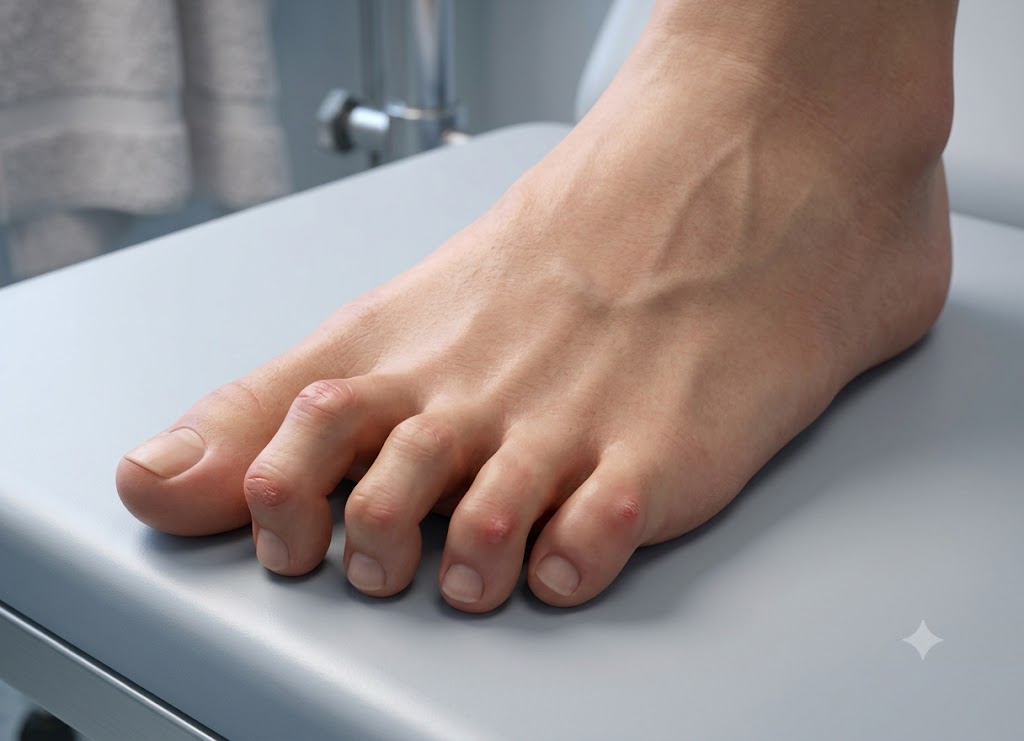
Claw toes develop when the toes curl into an unusual position, with the joint closest to the foot often bending upward while the middle and end joints point downward. This creates a claw-like appearance and may lead to pain, pressure, corns, calluses, rubbing against shoes, and difficulty walking.
In the early stages, claw toes may remain flexible, allowing the toes to be straightened by hand. In other cases, they gradually become stiff and fixed. Because this deformity can be associated with problems involving the nerves, muscles, joints, or footwear, it may sometimes point to an underlying health issue rather than being only a foot problem.
Learning about the possible causes of claw toes can help people recognize when changes in the feet deserve medical attention. Possible causes include tight footwear, high arches, arthritis, diabetes, nerve damage, stroke, spinal cord conditions, injuries, and inherited nerve disorders such as Charcot-Marie-Tooth disease.
Sometimes no clear cause can be identified. However, ongoing curling, pain, numbness, sores, or changes in balance should not be overlooked. This article covers 10 causes of claw toes and explains what they may indicate about nerve health, muscle function, foot structure, and mobility.
What Are Claw Toes?
Claw toes are a foot deformity in which the smaller toes curl into a shape that resembles a claw. Typically, the joint where the toe connects to the foot bends upward, while the middle and end joints bend downward. This positioning can cause the toes to rub against shoes and may result in pain, corns, calluses, blisters, and discomfort while walking.
At first, claw toes may still be flexible, meaning they can be manually straightened. As the condition progresses, the tendons may tighten and the joints can become stiff, causing the toes to remain permanently curled. One toe, several toes, or all of the toes on one or both feet may be affected.
A variety of factors can contribute to claw toes, including narrow shoes, high arches, arthritis, diabetes-related nerve damage, injuries, stroke, spinal cord conditions, and inherited neurological disorders. In some cases, the deformity reflects an imbalance between the muscles and nerves controlling the foot. A healthcare professional or foot specialist can determine the likely cause and recommend appropriate care, which may include wider footwear, toe pads, exercises, orthotics, or surgery for advanced cases.
10 Primary Underlying Causes of Claw Toes
The 10 primary causes of claw toes include neurological disorders, nerve damage associated with metabolic disease, inflammatory arthritis, muscle imbalance, trauma, poorly fitting footwear, circulation problems, spinal cord disorders, inherited or congenital conditions, and complications following a stroke.
Although claw toes are sometimes blamed on uncomfortable shoes alone, the deformity can also develop because of changes involving the nerves, muscles, tendons, and joints. These systems normally work together to keep the toes properly aligned.
The causes can also overlap. For example, diabetes may cause peripheral nerve damage, which can weaken the small muscles of the foot. This muscle imbalance can then cause the toes to gradually curl. Identifying the underlying cause is important because treatment depends on what is driving the deformity.
Pathological Overview: Anatomy of a Claw Toe Deformity
A claw toe is a structural deformity in which one or more smaller toes develop a curved, claw-like appearance. The abnormal position results from changes at three different toe joints:
- Metatarsophalangeal (MTP) Joint: This is the joint at the base of the toe, where the toe connects to the foot. With a claw toe, it becomes hyperextended, causing the toe to bend upward.
- Proximal Interphalangeal (PIP) Joint: This is the middle joint of the toe. It becomes flexed downward, creating much of the visible claw-like curve.
- Distal Interphalangeal (DIP) Joint: This is the joint closest to the end of the toe. It also bends downward, which can cause the tip of the toe to press into the sole or inside of a shoe.
Neurological Disorders and Neuromuscular Imbalance
Neurological and neuromuscular disorders are important causes of claw toes. When these conditions interfere with communication between the brain, spinal cord, nerves, and muscles, the normal balance of muscle activity can change.
Charcot-Marie-Tooth (CMT) Disease
Charcot-Marie-Tooth disease is a group of inherited peripheral nerve disorders that gradually affect the nerves supplying the lower legs and feet. As the condition progresses, the small muscles located within the feet may become weak and eventually waste away.
When these stabilizing muscles lose strength, the larger muscles of the lower leg can pull more strongly on the foot and toes. This may contribute to the development of a high arch, known as pes cavus, along with clawing of the smaller toes.
Cerebral Palsy (CP) and Complications from Stroke
Cerebral palsy and stroke can affect the nervous system pathways responsible for controlling movement. One possible result is muscle spasticity, in which muscles become unusually tight or remain contracted for extended periods.
When spasticity involves the long muscles that control the toes, they may overpower the smaller muscles of the foot. Over time, this imbalance can contribute to a rigid clawed position. In people with significant neurological impairment, clawing may occur alongside other foot deformities, such as an equinovarus position in which the foot turns inward and downward.
Metabolic Disease: Diabetic Peripheral Neuropathy
Nerve damage caused by metabolic conditions, especially diabetes, can contribute significantly to the development of claw toes.
The Pathological Progression to an “Intrinsic Minus” Foot
Development of Diabetic Neuropathy: Long-term elevated blood sugar can damage nerves throughout the body. In the feet, diabetic peripheral neuropathy may affect both sensory nerves, causing reduced sensation or numbness, and motor nerves that control muscle activity.
Intrinsic Muscle Atrophy: When the nerves supplying the small intrinsic muscles of the foot become damaged, these muscles may weaken and shrink. These muscles normally help stabilize the toes and maintain proper alignment during movement.
Extrinsic Muscle Overpull: The larger muscles that begin in the lower leg and reach the toes through long tendons may remain stronger for longer. Without the balancing effect of the intrinsic muscles, these tendons can pull the toes into an abnormal position. The extensor tendons may lift the base of the toe upward while the flexor tendons pull the tip downward. This combination is often described as an “intrinsic minus” foot.
Inflammatory Conditions: Rheumatoid Arthritis
Inflammatory disorders can also contribute to claw toes. In rheumatoid arthritis, the problem is not primarily caused by nerve damage. Instead, chronic inflammation can damage the joints and supporting tissues of the forefoot.
Synovitis and Joint Destruction
Rheumatoid arthritis (RA) is a chronic autoimmune disease in which the immune system attacks the synovium, the lining surrounding joints. When RA affects the feet, ongoing inflammation can develop in the MTP joints at the base of the toes.
Persistent inflammation may gradually damage cartilage, bone, ligaments, and other structures that help keep the joints stable.
Plantar Plate Degradation and Dislocation
The plantar plate is a strong structure located beneath the MTP joint that helps prevent excessive upward movement of the toe. In rheumatoid arthritis, inflammation can weaken, stretch, or damage this structure.
As the joint becomes less stable, the base of the toe may move upward and shift out of its normal position, a process known as subluxation. The remaining joints can then bend downward, creating pronounced and painful clawing. Bunions and loss of the protective fat pad under the foot may occur at the same time.
Biomechanical Summary of Toe Muscle Imbalances
Normal toe alignment depends on a balance between the muscles located within the foot and the larger muscles that originate in the lower leg. When this balance is disturbed, claw toes can develop.
| Muscle Classification | Anatomical Origin & Insertion | Primary Healthy Function | Pathological Role in Claw Toe |
|---|---|---|---|
| Intrinsic Muscles (Lumbricals & Interossei) | Begin and end within the foot. | Help stabilize the MTP joints and control movement of the smaller toe joints while walking. | Weakness or atrophy reduces their ability to balance the toe and stabilize its base. |
| Extrinsic Muscles (Flexor & Extensor Digitorum Longus) | Begin in the lower leg and reach the toes through long tendons. | Produce powerful movements involving the ankle and toes. | Can pull without sufficient opposition, lifting the MTP joint and bending the PIP and DIP joints downward. |
Serious Health Issues Can Claw Toes Signal
Claw toes can sometimes be associated with health conditions that affect more than the feet. Potential underlying issues include neurological disorders, diabetes-related neuropathy, inflammatory arthritis, and circulation problems.
Footwear and other mechanical factors can certainly contribute to clawing. However, deformities that are rigid, affect both feet, or appear alongside neurological or systemic symptoms may require a broader medical evaluation.
The appearance of the toes can provide useful information about the condition of the nerves, muscles, joints, and blood vessels in the lower limbs. For this reason, claw toes should not always be viewed as an isolated cosmetic concern.
Claw Toes as a Diagnostic Red Flag
Although claw toes are often associated with tight shoes, they can sometimes be an outward sign of an underlying medical condition. Toe position depends on the coordinated function of nerves, muscles, tendons, and joints.
When clawing develops on both feet, progresses quickly, or becomes fixed and rigid, it may be important to look for an underlying neurological, metabolic, inflammatory, or structural cause.
Differentiating Footwear-Induced vs. Systemic Pathology
To understand whether claw toes are primarily caused by footwear or another health problem, clinicians consider several features, including flexibility, symmetry, and other symptoms.
Flexibility and Joint Mobility
Claw toes caused mainly by narrow or restrictive footwear may initially remain flexible. In other words, the toes can often be straightened manually.
When the deformity is associated with neurological or inflammatory disease, it may gradually become rigid. Tightened tendons, shortened soft tissues, and changes within the joints can make the toes increasingly difficult to straighten.
Bilateral Symmetry
Conditions that affect the nervous system or metabolism, including diabetic neuropathy and inherited nerve disorders, can affect both feet. As a result, clawing may develop on both sides.
Footwear-related deformities may be more uneven, particularly when the structure or pressure points of the two feet differ.
Accompanying Clinical Signs
Clawing caused by footwear may mainly produce local symptoms such as corns, calluses, or areas of rubbing. When an underlying disease is involved, other symptoms may also be present, including:
- Burning, numbness, or tingling in the feet or lower legs.
- Progressive weakness in the legs or changes such as foot drop.
- Joint swelling and stiffness affecting the hands, wrists, or other areas, which may occur with rheumatoid arthritis.
Vascular Implications: Peripheral Artery Disease (PAD)
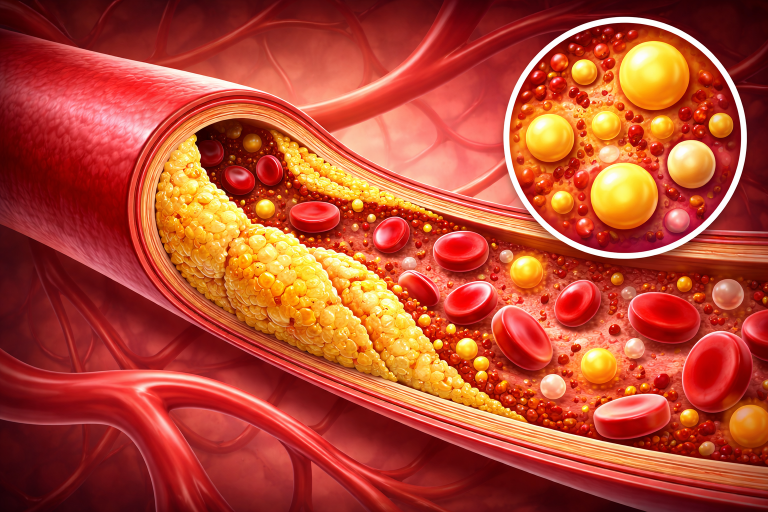
Another circulation-related condition that may affect foot health is Peripheral Artery Disease (PAD). PAD occurs when narrowed arteries reduce blood flow to the legs and feet, often as a result of atherosclerosis.
Poor circulation can interfere with the delivery of oxygen and nutrients needed by muscles, nerves, and skin tissues.
The Ischemic Cascade
When blood flow becomes significantly restricted, tissues can experience chronic ischemia, meaning they receive less oxygen and nutrients than they need.
Muscles and nerves can become damaged when this continues for a long time. Weakness or wasting of the small foot muscles may contribute to changes in toe alignment and foot function.
Associated Signs of Severe PAD
When poor circulation is affecting the feet, clawing is unlikely to be the only symptom. Other possible signs include:
- Intermittent Claudication: Cramping, aching, or fatigue in the calves during walking that improves after resting.
- Ischemic Trophic Changes: Skin may appear shiny or hairless, toenails may grow slowly or become brittle, and one foot may feel noticeably colder than the other.
- Arterial Ulcerations: Painful sores can develop on the toes or heels and may take a long time to heal because of inadequate blood flow.
Central Nervous System and Spinal Cord Pathology
The nerves controlling toe movement receive signals that travel from the brain through the spinal cord. Problems involving the spinal cord can therefore interfere with muscle control in the lower limbs.
Traumatic Spinal Cord Injury (SCI): A spinal cord injury can interrupt communication between the brain and muscles. Depending on the location and severity of the injury, this may cause an upper motor neuron pattern involving muscle spasticity and increased reflexes. Persistent muscle tightness can contribute to a fixed clawed toe position.
Spinal Cord Tumors: Tumors inside or near the spinal canal can place pressure on the spinal cord or nearby nerve structures. Depending on their location, they may interfere with signals controlling the legs and feet, potentially leading to weakness, altered muscle tone, or other movement problems.
Syringomyelia: Syringomyelia involves the development of a fluid-filled cavity called a syrinx within the spinal cord. As the cavity enlarges, it can damage nearby nerve pathways. The resulting changes in muscle control and sensation may contribute to abnormal foot positioning, including claw toes in some cases.
Comparative Summary: What Your Toes Are Signaling
| Underlying Etiology | Biological Trigger | Structural Result | Key Diagnostic Markers |
|---|---|---|---|
| Constrictive Footwear | Repeated pressure and friction from restrictive shoes. | Often begins as flexible, localized, or uneven clawing. | Corns or pressure points with no major neurological findings. |
| Diabetic Neuropathy | Long-term high blood sugar damages peripheral nerves. | Muscle imbalance can produce bilateral clawing and an “intrinsic minus” foot. | Numbness, burning, reduced sensation, and abnormal blood sugar markers may occur. |
| Peripheral Artery Disease | Reduced arterial blood flow limits oxygen delivery to tissues. | Muscle and tissue changes may contribute to altered toe structure. | Reduced pulses, cool skin, and slow-healing wounds may be present. |
| Spinal Cord Pathology | Injury or compression interferes with central nervous system signals. | Spastic or rigid clawing may occur alongside other gait or foot changes. | Abnormal reflexes, gait changes, and imaging findings may help identify the cause. |
How Are Claw Toes Diagnosed, Managed, and Differentiated from Similar Conditions?
Claw toes are evaluated through a combination of medical history, physical examination, and, when necessary, imaging or other diagnostic tests. Treatment depends on the severity of the deformity, whether the toes remain flexible, and the condition responsible for the changes.
A podiatrist, orthopedic specialist, or other healthcare professional may evaluate the toe structure while also looking for neurological, metabolic, inflammatory, or mechanical factors that could be contributing to the problem.
Clinical Diagnosis and Evaluation Protocols
A healthcare professional evaluates claw toes by examining the toes, feet, walking pattern, and overall medical history. Because clawing can result from either a local foot problem or an underlying condition, additional testing may sometimes be needed.
Physical and Biomechanical Assessment
The evaluation usually begins with a physical examination of the affected toes. The specialist checks whether the deformity is flexible and can be manually corrected or rigid and fixed.
The skin is also examined for corns, calluses, blisters, pressure points, or open sores. A gait assessment may help identify problems with foot mechanics, high arches, abnormal pressure distribution, or other factors that could be contributing to the deformity.
Advanced Diagnostic Tools
Weight-Bearing X-Rays: X-rays taken while standing can show how the bones and joints are aligned under normal body weight. They can help identify joint deformity, arthritis, bone spurs, and other structural changes.
Nerve Conduction Studies (NCS) and Electromyography (EMG): When nerve damage or another neurological condition is suspected, these tests can provide information about how well electrical signals travel through the nerves and how the muscles respond.
Serological Laboratory Profiling: Blood tests may be used when diabetes, rheumatoid arthritis, or another systemic condition is suspected. Testing may include hemoglobin A1c (HbA1c) for blood sugar control and rheumatoid factor (RF) or anti-cyclic citrullinated peptide (anti-CCP) antibodies when rheumatoid arthritis is being evaluated.
Differential Diagnosis: Claw Toe vs. Hammertoe vs. Mallet Toe
Claw toe, hammertoe, and mallet toe can look similar because all three involve abnormal bending of the smaller toes. However, they differ based on which joints are affected.
Anatomical Mapping of Digital Deformities
Claw Toe: This deformity involves all three main toe joints. The MTP joint at the base of the toe becomes hyperextended, while the PIP and DIP joints bend downward. The result is a more pronounced claw-like curve, often involving multiple toes.
Hammertoe: Hammertoe primarily affects the middle PIP joint. The PIP joint bends downward while the MTP and DIP joints may remain relatively straight or become slightly extended. The second toe is commonly affected.
Mallet Toe: Mallet toe mainly affects the DIP joint closest to the tip of the toe. The end of the toe bends downward while the MTP and PIP joints generally remain in a more normal position.
Comprehensive Management Options
Treatment for claw toes depends on whether the deformity is flexible or rigid, how severe the symptoms are, and what caused the condition.
Non-Surgical, Conservative Interventions
Conservative treatment is generally aimed at reducing pressure, protecting the skin, improving comfort, and maintaining flexibility when possible.
Footwear Modification: Wearing supportive shoes with a wide and sufficiently high toe box gives curled toes more space. High heels and narrow, pointed shoes can increase pressure and should generally be avoided when they worsen symptoms.
Custom Orthotics and Offloading Pads: Orthotics may help support the arches and redistribute pressure across the foot. Metatarsal pads can reduce pressure around the ball of the foot, while gel cushions and silicone sleeves may protect prominent joints from shoe friction.
Splinting and Kinematic Taping: Toe splints, aligners, or appropriate medical taping can sometimes help maintain a straighter position when the deformity is still flexible. These options may reduce strain on the surrounding tendons during daily activities.
Surgical Intervention Options
If conservative measures do not relieve significant symptoms, or if the deformity becomes rigid and fixed, surgery may be considered.
Tendon Release or Lengthening (Tenotomy): For some flexible claw toes, a procedure can release or lengthen a tight flexor tendon. Reducing excessive tendon tension can help the toe move toward a straighter position.
Joint Arthroplasty: This procedure may be considered for certain semi-rigid deformities. A small section of bone may be removed from the affected joint to reduce tension and allow the toe to be repositioned.
Arthrodesis (Joint Fusion): Severe rigid deformities may sometimes require joint fusion. During the procedure, damaged cartilage is removed and the joint is positioned in a corrected alignment. Pins, screws, or other fixation devices may hold the bones in place while they heal together. The fused joint no longer moves normally, but the procedure can provide a stable correction.
Preventative Strategies and Home Care
Reducing the risk of claw toes or preventing an existing deformity from worsening involves proper footwear, regular movement, foot conditioning, and management of underlying health conditions.
Structural Preservation and Exercise Conditioning
Regular foot exercises may help maintain flexibility and support muscle balance. Common exercises include:
- Towel Scrunches: Place a small towel on the floor and use the toes to gather it toward you. This works the small muscles in the foot and encourages toe movement.
- Marble Pickups: Use the toes to pick up small objects such as marbles and move them into a container. This can help with toe coordination and control.
- Manual Flexor Stretching: While seated, gently use your hands to straighten a curled toe and hold the position for around 20 to 30 seconds. Stretching should be gentle and should not cause significant pain.
Systemic Disease Management
When an underlying medical condition is responsible for claw toes, managing that condition is an important part of prevention.
For people with diabetes, maintaining appropriate blood sugar levels and receiving regular foot checks can help reduce the risk of complications associated with diabetic neuropathy.
People with inflammatory conditions such as rheumatoid arthritis should work with their healthcare team to control inflammation and protect the joints of the feet.
Conclusion
Claw toes can develop for many different reasons, from repeated pressure caused by footwear to changes in the nerves, muscles, joints, or foot structure. Possible causes include tight shoes, high arches, arthritis, diabetes-related nerve damage, injuries, stroke, spinal cord disorders, inherited nerve conditions, age-related changes, and other factors affecting foot mechanics.
Claw toes are not always a sign of a serious condition, but they can sometimes be associated with an underlying neurological, metabolic, inflammatory, or musculoskeletal problem. If the deformity becomes painful, rigid, rapidly progresses, or occurs with numbness, sores, weakness, balance problems, or difficulty walking, it is important to have the feet evaluated by a healthcare professional.
Frequently Asked Questions
1. What are claw toes?
Claw toes are deformities in which the toes curl into a claw-like position. The joint closest to the foot may bend upward while the middle and end joints bend downward. This can cause the toes to rub against footwear and lead to pain, corns, calluses, or skin irritation. The condition may affect a single toe, several toes, or multiple toes on one or both feet.
2. What causes claw toes?
Claw toes can result from muscle imbalance, nerve disorders, arthritis, diabetes, injuries, restrictive footwear, or inherited neurological conditions. They may also develop after a stroke or because of spinal cord problems that affect muscle control. In some cases, the exact cause remains unknown. A medical examination can help determine whether the deformity is mainly mechanical, neurological, inflammatory, or related to another condition.
3. Are claw toes related to diabetes?
Yes. Claw toes can occur in people with diabetes, particularly when diabetes has caused peripheral nerve damage. Neuropathy can weaken the small muscles of the foot and disturb the normal balance of forces controlling the toes. This can increase pressure on certain areas and contribute to corns, calluses, blisters, and foot ulcers. People with diabetes should have new clawing or other foot changes evaluated because wounds may become more difficult to heal.
4. Can claw toes get worse over time?
Yes, claw toes can progress, particularly when the underlying cause is not addressed. A deformity that is initially flexible may become stiff as tendons and surrounding tissues tighten. Continued pressure from footwear can also increase pain, corns, and calluses. Early evaluation and appropriate treatment may help manage symptoms and limit progression.
5. How are claw toes treated?
Treatment depends on the severity of the deformity, whether the toes can still be straightened, and the underlying cause. Flexible claw toes may be managed with roomier footwear, toe exercises, splints, protective pads, orthotics, and treatment of any underlying nerve or joint condition. If the toes become rigid or continue to cause significant pain, pressure sores, or walking difficulties despite conservative care, surgical treatment may be considered.