
Gallstone Symptoms: 7 Warning Signs of Gallstones and When to Seek Medical Care
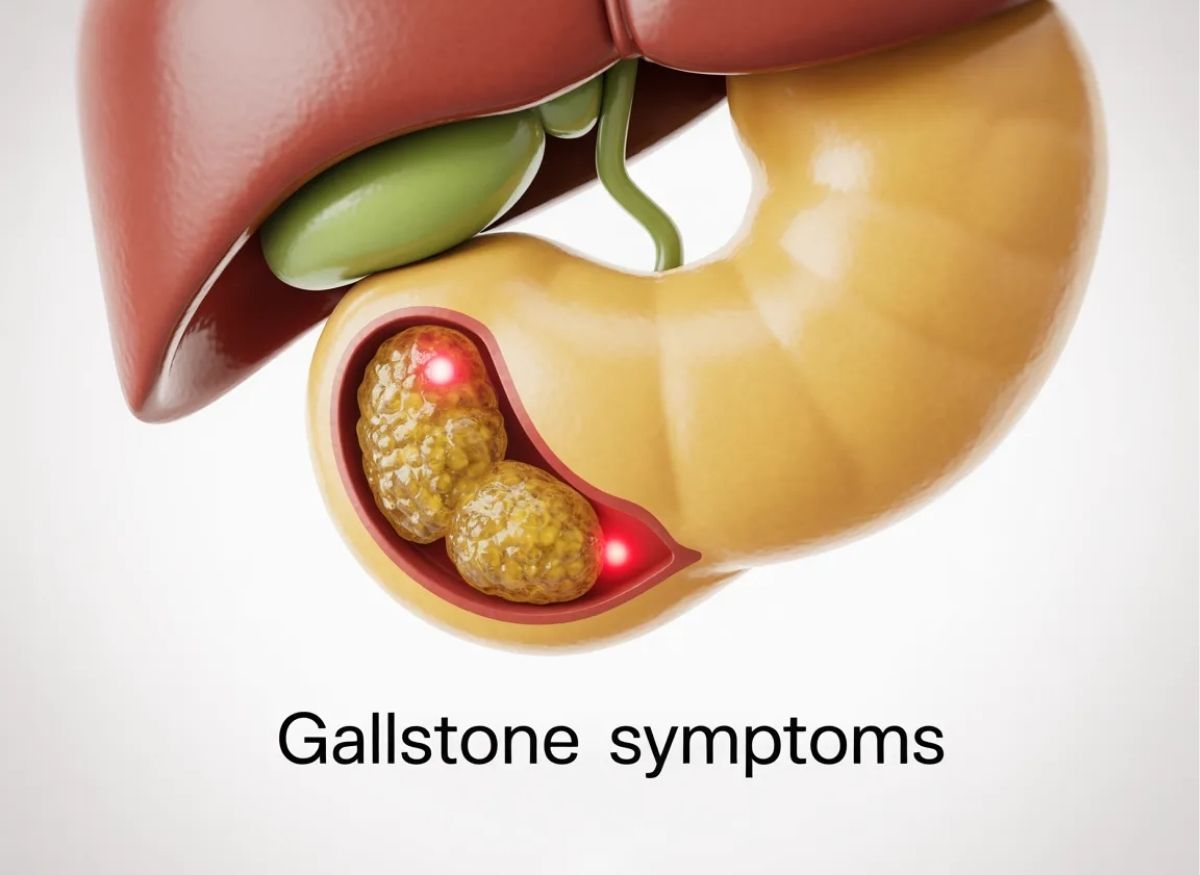
It often starts in a way that’s easy to brush off. A bit of discomfort after eating. A sense of pressure in the upper abdomen. A feeling that something’s slightly off, but not enough to interrupt your day. These sensations are common enough that they rarely raise alarm at first.
Over time, though, something shifts. The discomfort starts repeating. It shows up after certain meals, lingers longer than expected, and gradually becomes harder to ignore. What once felt like a random digestive hiccup starts to feel connected, forming a pattern that’s harder to dismiss.
That’s usually when the question comes up: could these be gallstone symptoms, and is something more specific going on inside the body?
Recognizing these signs early matters, not because every symptom is serious, but because patterns often reveal what a single moment can’t.
1. Sudden, intense, and unceasing abdominal pain
Sudden, intense, and unceasing abdominal pain is a major red flag for a gallstone emergency, often pointing to a condition called acute cholecystitis. This kind of pain is clearly different from the more common biliary colic, a typical gallbladder attack. Biliary colic is painful, sure, but it’s usually intermittent and eases up within a few hours as the gallstone shifts and the blockage temporarily clears. The pain of a real emergency, on the other hand, stays constant and keeps getting worse.
Is sudden, intense, and unceasing abdominal pain a gallstone emergency?
To illustrate the difference, it helps to look at the specific traits of this emergency-level pain. It’s most often felt in the upper right part of the abdomen, just below the rib cage, though it can also show up in the center. The intensity makes it hard to get comfortable, breathe deeply, or even move much. Unlike the cramping quality of biliary colic, this pain is sharp, steady, and lasts more than six hours without letting up. That unrelenting duration is a critical clue that something more serious is happening.
This kind of pain happens when a gallstone gets firmly lodged in the cystic duct, the tube that drains bile from the gallbladder, causing a complete, persistent blockage. That prevents bile from leaving the gallbladder, leading to a buildup of pressure, severe inflammation, and potential infection of the gallbladder wall, known as acute cholecystitis. Left untreated, acute cholecystitis can lead to serious complications, including gallbladder rupture, abscess formation, or tissue death (gangrene), all of which are life-threatening. So pain that’s severe, constant, and lasts several hours should never be brushed off, it warrants an immediate trip to the emergency room.
2. Having a fever and chills with gallbladder pain
Fever and chills showing up alongside gallbladder pain is one of the most serious gallstone symptoms and a clear red flag for infection. These are body-wide responses, meaning they don’t stay localized, and they signal the condition has moved past a simple blockage. When these warning signs appear together, it means bacteria may be present and the body is actively fighting an infection.
Fever and chills most often point to two dangerous complications: acute cholecystitis or cholangitis. In acute cholecystitis, a prolonged blockage of the cystic duct causes inflammation of the gallbladder wall. That inflamed tissue becomes vulnerable to bacterial infection, especially since stagnant bile creates an ideal environment for bacteria to grow. As the infection develops, the body responds with elevated temperature and chills, key symptoms that shouldn’t be ignored.
An even more severe condition is acute cholangitis, an infection of the bile ducts. This happens when a gallstone blocks the common bile duct, causing bile to back up into the liver and bloodstream. That buildup lets infection spread rapidly through the biliary system. At this point, symptoms become more intense and dangerous, often affecting the whole body.
Because the liver has such a rich blood supply, bacteria from an infected bile duct can quickly enter the bloodstream and trigger sepsis, a life-threatening condition. This is exactly why worsening symptoms, especially combined with fever, need immediate attention.
Any combination of gallbladder pain with fever, particularly a high fever above 100.4°F (38°C), should be treated as an emergency. These advanced symptoms require urgent medical care, including diagnosis, IV antibiotics, and possibly procedures to relieve the blockage and control the infection.
3. Yellowing of the skin or eyes (jaundice)
Yellowing of the skin or the whites of the eyes, known as jaundice, is a critical warning sign with gallstones because it gives clear evidence of a blockage in the common bile duct. Jaundice itself isn’t a disease, it’s a visible symptom of an underlying problem with the liver or biliary system. It happens when bilirubin, a yellow pigment created from the breakdown of old red blood cells, builds up in the bloodstream. Normally, the liver processes bilirubin and sends it into bile, which flows through the bile ducts into the small intestine to eventually leave the body in stool.
When a gallstone moves out of the gallbladder and gets lodged in the common bile duct (called choledocholithiasis), it acts like a dam, blocking the normal flow of bile. As a result, bile, and the bilirubin inside it, backs up into the liver and spills into the bloodstream. As bilirubin levels rise in the blood, it deposits into tissue throughout the body, most visibly in the skin and the sclera (the whites of the eyes), giving them that yellowish tint. Jaundice showing up is a major red flag for a few reasons.
First, it confirms a significant, persistent obstruction that won’t resolve on its own. Second, the backup of bile creates real pressure within the biliary tree and liver, which can lead to liver damage. Third, and most dangerously, stagnant bile is highly prone to infection, leading to acute cholangitis, a life-threatening condition marked by what’s known as Charcot’s triad: fever, right upper quadrant pain, and jaundice. Jaundice combined with abdominal pain is a clear sign the problem extends beyond just the gallbladder and involves the entire biliary system, requiring urgent medical treatment to clear the obstruction, often through a procedure like ERCP, along with treating any infection present.
4. Persistent nausea and vomiting
Persistent nausea and vomiting alongside gallbladder pain need urgent attention when they’re severe, prolonged, and keep you from keeping down any fluids. Mild nausea can be a normal part of a typical, uncomplicated gallbladder attack (biliary colic), but unrelenting vomiting signals a more serious complication. This kind of escalation means the body is reacting to intense inflammation, a significant blockage in the ducts, or involvement of other nearby organs.
There are several reasons persistent vomiting is a red flag. First, it can be a primary symptom of acute cholecystitis. The intense inflammation of the gallbladder can irritate the surrounding digestive system and trigger a strong vomiting reflex. Second, severe, repeated vomiting may point to a more extensive blockage in the biliary system. When the common bile duct is fully obstructed, it doesn’t just cause jaundice, it can also significantly disrupt digestion, leading to severe nausea. Third, and maybe most critically, it can signal gallstone pancreatitis.
This dangerous condition happens when a gallstone travels down the common bile duct and blocks the opening where the pancreatic duct drains, called the ampulla of Vater. That blockage traps digestive enzymes inside the pancreas, causing them to activate prematurely and start digesting the pancreas itself. Gallstone pancreatitis brings severe abdominal pain, often radiating to the back, and it’s almost always accompanied by persistent nausea and vomiting. Beyond being a symptom of something serious, persistent vomiting is dangerous on its own. It can quickly lead to dehydration and significant electrolyte imbalances, which can cause weakness, dizziness, cardiac arrhythmias, and kidney problems.
So if vomiting is severe enough that you can’t stay hydrated, it’s important to get to an emergency room right away, where you can receive IV fluids to correct dehydration and undergo tests to figure out what’s causing it.
5. Dark-colored urine or pale, clay-colored stools
Changes in urine and stool color, specifically dark or tea-colored urine and pale, clay-colored stools, are among the most serious gallstone symptoms. These signs often point to a medical emergency caused by a significant blockage in the common bile duct. Recognizing these advanced symptoms gives a clearer picture of what’s happening inside the biliary system and why urgent care matters. The normal brown color of stool comes from stercobilin, a pigment made from bilirubin that gets delivered to the intestines through bile.
When a gallstone blocks the common bile duct, it prevents bile from reaching the small intestine. Without bile pigments, stool loses its normal color and turns pale, light-colored, grey, or chalky. This condition, called acholic stool, is one of the most alarming symptoms tied to bile duct obstruction.
At the same time, bilirubin that can’t flow into the intestine starts building up in the liver and gets reabsorbed into the bloodstream. The kidneys then filter this excess bilirubin and remove it through urine. Since bilirubin is yellow-orange, this buildup turns urine dark brown or tea-colored, a condition called bilirubinuria. This is another key indicator among serious gallstone symptoms.
The combination of pale stools and dark urine is a highly specific sign of obstructive jaundice. These symptoms signal that the problem isn’t the liver’s ability to process bilirubin, but a blockage in the bile ducts themselves. In most cases, this comes from a gallstone lodged in the common bile duct, a condition called choledocholithiasis.
When these symptoms appear together, they should never be ignored. They call for immediate medical evaluation to prevent serious complications like cholangitis, infection, or long-term liver damage.
6. A rapid heart rate, or low blood pressure
Gallstones can indirectly cause confusion, a rapid heart rate (tachycardia), and low blood pressure (hypotension), and these symptoms represent the most severe, life-threatening red flags of all. These aren’t direct gallstone symptoms themselves, but classic signs of a body-wide crisis known as sepsis or septic shock. Sepsis is a medical emergency that happens when the body mounts an overwhelming, dysregulated response to infection.
This cascade starts when a localized gallbladder infection, severe acute cholecystitis or, more commonly, acute cholangitis (infection of the bile ducts), goes untreated. Bacteria from the infected bile can escape into the bloodstream, a condition called bacteremia. In response, the immune system floods the body with inflammatory chemicals to fight the infection. But that massive inflammatory response can cause widespread damage to tissue and organs. It leads to leaky blood vessels, causing a dangerous drop in blood pressure (hypotension).
To compensate for low blood pressure and keep vital organs supplied with oxygen, the heart starts beating much faster (tachycardia). The most alarming symptom is confusion or a change in mental state. This happens when the brain isn’t getting enough oxygen and nutrients due to poor blood flow, or when it’s directly affected by inflammatory toxins circulating in the blood.
The combination of hypotension, altered mental status, and a rapid breathing rate is known as the “qSOFA” score, a tool used to identify sepsis patients at high risk of death. Any of these symptoms showing up alongside abdominal pain is an absolute emergency, signaling the infection has overwhelmed the body’s defenses and is leading toward organ failure. This requires immediate admission to an ICU for aggressive treatment with IV fluids, powerful antibiotics, and support for organ function.
7. Pain radiating to the back or right shoulder blade
Severe, persistent pain radiating to the back or right shoulder blade is one of the more concerning gallstone symptoms, especially when it points to a serious complication like gallstone pancreatitis. Some radiating pain can happen during a typical gallbladder attack, but the intensity and pattern of these symptoms help tell a routine episode apart from a medical emergency.
During a standard biliary colic episode, pain may spread to the tip of the right shoulder blade. This is a common presentation among milder gallstone symptoms and is explained by something called Kehr’s sign. The phrenic nerve, which supplies the diaphragm, shares nerve pathways with the shoulder area. When the gallbladder becomes inflamed, irritation of the diaphragm makes the brain perceive pain in the shoulder.
A more dangerous pattern of pain, though, signals a shift in severity. When pain becomes intense, constant, and feels like it’s drilling through the abdomen into the mid-back, it’s often a sign of acute pancreatitis. This develops when a gallstone travels through the bile duct and gets stuck at the ampulla of Vater, blocking both the bile duct and the pancreatic duct.
That blockage prevents pancreatic enzymes from flowing into the intestine, causing them to build up and start damaging the pancreas itself. Inflammation escalates quickly as a result, leading to severe, persistent pain that stands apart from typical gallstone symptoms.
Gallstone pancreatitis is a life-threatening condition requiring urgent medical care. Complications can include pancreatic tissue death, abscess formation, and systemic inflammatory response syndrome. These advanced symptoms call for immediate hospitalization, with treatment potentially including pain management, IV fluids, and procedures to remove the obstruction.
In short, while mild shoulder discomfort can happen in less severe cases, intense, persistent pain radiating to the back is one of the most critical gallstone symptoms. It should never be ignored and always calls for immediate evaluation in an emergency setting.
When should you seek urgent care versus scheduling a doctor’s appointment for gallstone symptoms?
Seek immediate emergency care for any of the 7 red flag symptoms above, and schedule a doctor’s appointment for manageable, intermittent pain that resolves on its own. The decision comes down to severity, duration, and the type of symptoms you’re dealing with; red flags like unrelenting pain, fever, or jaundice signal a medical emergency requiring hospital-level care, while less severe attacks call for a visit to your primary care doctor or a gastroenterologist for diagnosis and long-term management. To make this clearer, it helps to directly compare a typical gallbladder attack with a true medical emergency, and to clarify what an ER offers versus an urgent care clinic.
What is the difference between a typical gallbladder attack and a medical emergency?
The difference between a typical gallbladder attack (biliary colic) and a medical emergency comes down to intensity, duration, and accompanying symptoms. Understanding these clearly matters for deciding when and where to seek care.
A typical gallbladder attack is a mechanical event. It usually happens after a fatty meal, which stimulates the gallbladder to contract and release bile. If a gallstone temporarily blocks the cystic duct during that contraction, it causes a buildup of pressure and pain, one of the most common gallstone symptoms people experience.
Pain Character: The pain is often described as a steady, intense ache or pressure in the upper right abdomen. It can radiate to the right shoulder blade or between the shoulder blades. This pattern is considered a classic sign among early gallstone symptoms.
Duration: The key feature is that the pain is self-limiting. It typically lasts 30 minutes to a few hours, then subsides completely as the stone shifts and the duct clears. Pain that’s this short-lived is typical of mild gallstone symptoms rather than a serious complication.
Associated Symptoms: You might feel some nausea or even have a single episode of vomiting, but there’s no fever, chills, or jaundice. Once the attack passes, you feel relatively normal again. These mild, temporary symptoms often don’t require emergency care.
A gallstone medical emergency means a complication has developed, a severe infection or a complete, prolonged blockage among them. In these cases, symptoms become more intense and persistent, signaling a more serious condition.
In short, a typical attack is a temporary, painful episode that resolves. A medical emergency is a sustained crisis where the body shows signs of infection, major organ obstruction, or systemic distress. Recognizing worsening symptoms early can help prevent serious complications and ensure timely treatment.
Should you go to the ER or an urgent care clinic for severe gallstone symptoms?
If you’re experiencing severe gallstone symptoms, particularly any of the 7 red flags, go directly to a hospital’s Emergency Room and skip urgent care. Urgent care centers are great for minor illnesses and injuries, but they’re fundamentally not equipped to diagnose or manage potentially life-threatening gallstone complications. The choice to go to the ER comes down to the level of diagnostic and treatment capability required.
Urgent care clinics typically fall short in several key areas:
Diagnostic Imaging: They often lack the advanced imaging needed to accurately diagnose gallstone emergencies. Ultrasound is the primary tool, but severe cases may need a CT scan to check for complications like perforation or an abscess, or a HIDA scan to assess gallbladder function and blockages. These are standard in an ER but rare in urgent care.
Laboratory Services: While they can run basic blood tests, an ER has an on-site lab that can rapidly process a complete blood count (to check for infection), liver function tests (to check for duct blockage and liver stress), and lipase levels (to check for pancreatitis).
Treatment Capabilities: Gallstone emergencies often require immediate treatment with IV fluids to combat dehydration from vomiting, IV antibiotics to fight infection, and strong IV pain medication. These are central to ER care but not standard in most urgent care settings.
Specialist Access: In the ER, physicians can get an immediate consultation from a surgeon or gastroenterologist to determine if an emergency procedure is needed, like a cholecystectomy (gallbladder removal) or an ERCP (to remove a stone from the bile duct). This access isn’t available at an urgent care clinic.
Ultimately, going to urgent care with symptoms of a gallstone emergency will almost certainly result in a transfer to a nearby ER anyway, which just delays critical, time-sensitive treatment. The ER is the right entry point for any condition that may need immediate advanced diagnostics, IV medications, or surgery. For your safety, and the most efficient path to proper care, any suspected gallstone emergency warrants a trip straight to the ER.
Frequently Asked Questions About Gallstone Symptoms
How can you tell the difference between gallstone pain and normal indigestion? Gallstone pain has distinct clinical features that set it apart from typical indigestion. It usually shows up in the upper right abdomen and may radiate to the back or right shoulder blade. The pain often builds quickly and can last several hours.
Indigestion, by contrast, tends to be milder, more diffuse, and usually improves with antacids. Gallstone pain typically doesn’t respond to those treatments. Clinical reviews indexed in PubMed describe biliary colic as a steady, severe pain caused by temporary obstruction of the cystic duct, which helps explain why it feels more intense and localized than indigestion.
Why does gallstone pain often happen after eating fatty foods? The gallbladder stores bile, which helps digest fat. When you eat fatty foods, the gallbladder contracts to release bile into the small intestine. If a gallstone blocks the bile duct during this process, pressure builds inside the gallbladder, leading to pain. This mechanism is well documented in digestive disease research.
The National Institute of Diabetes and Digestive and Kidney Diseases explains that fatty meals are one of the most common triggers for gallbladder attacks because they stimulate stronger contractions. That’s why cutting back on dietary fat is often recommended as a first step in managing gallstone symptoms.
Can gallstones cause pain without any digestive symptoms? Yes, gallstones can sometimes cause pain that feels unrelated to digestion. This comes from referred pain, where discomfort is felt in a different part of the body than its actual source. Pain may radiate to the right shoulder blade or upper back because of shared nerve pathways involving the diaphragm. This is recognized in anatomical and clinical studies. As noted in medical literature indexed by PubMed, referred pain patterns are common in gallbladder disease and can lead to delayed diagnosis.
Is it dangerous if gallstone pain suddenly stops? Pain from gallstones often stops when the stone moves away from the bile duct, allowing bile to flow again, typical of biliary colic. That doesn’t mean the condition has resolved, though. The stone remains in the gallbladder and can cause future episodes. The Mayo Clinic emphasizes that recurring pain is a sign medical evaluation is needed, even if symptoms temporarily disappear.
Can you have gallstones for years without knowing? Yes, many people have gallstones without ever experiencing symptoms, known as silent gallstones. Large-scale studies referenced in PubMed show most gallstones remain asymptomatic and are often discovered incidentally during imaging tests. That said, silent gallstones can become symptomatic over time, especially if risk factors change.
Why do gallstone symptoms feel worse at night? Symptoms often show up at night due to a combination of factors. Evening meals tend to be larger and higher in fat, which triggers stronger gallbladder contractions. Lying down after eating can also make discomfort more noticeable. The Mayo Clinic notes that gallbladder attacks commonly occur after meals, particularly in the evening.
Can rapid weight loss trigger gallstone symptoms? Yes, rapid weight loss is a well-known risk factor for gallstone formation. When the body breaks down fat quickly, it releases more cholesterol into bile, raising the likelihood of stone formation.
The National Institute of Diabetes and Digestive and Kidney Diseases confirms that people who lose weight rapidly, including those on very low-calorie diets or after surgery, face a higher risk of developing gallstones.
Gradual weight loss is generally recommended to reduce this risk.
Conclusion
Understanding gallstone symptoms isn’t about spotting one dramatic sign. It’s about recognizing patterns that build over time. From subtle digestive discomfort to more defined pain, each symptom reflects how the body responds when bile flow gets disrupted. The progression can be gradual, but it becomes clearer as the pattern repeats.
Paying attention to these patterns makes it easier to understand what the body’s signaling, and when it might be time to seek further evaluation. Clarity doesn’t come from a single moment. It comes from seeing how those moments connect.