
12 Atherosclerosis Warning Signs You Should Never Ignore
Have you ever felt chest tightness, leg pain while walking, shortness of breath, or unusual fatigue and brushed it off as stress, aging, or being out of shape? That’s what makes atherosclerosis so dangerous. It often builds silently for years before symptoms become noticeable enough to interrupt daily life.
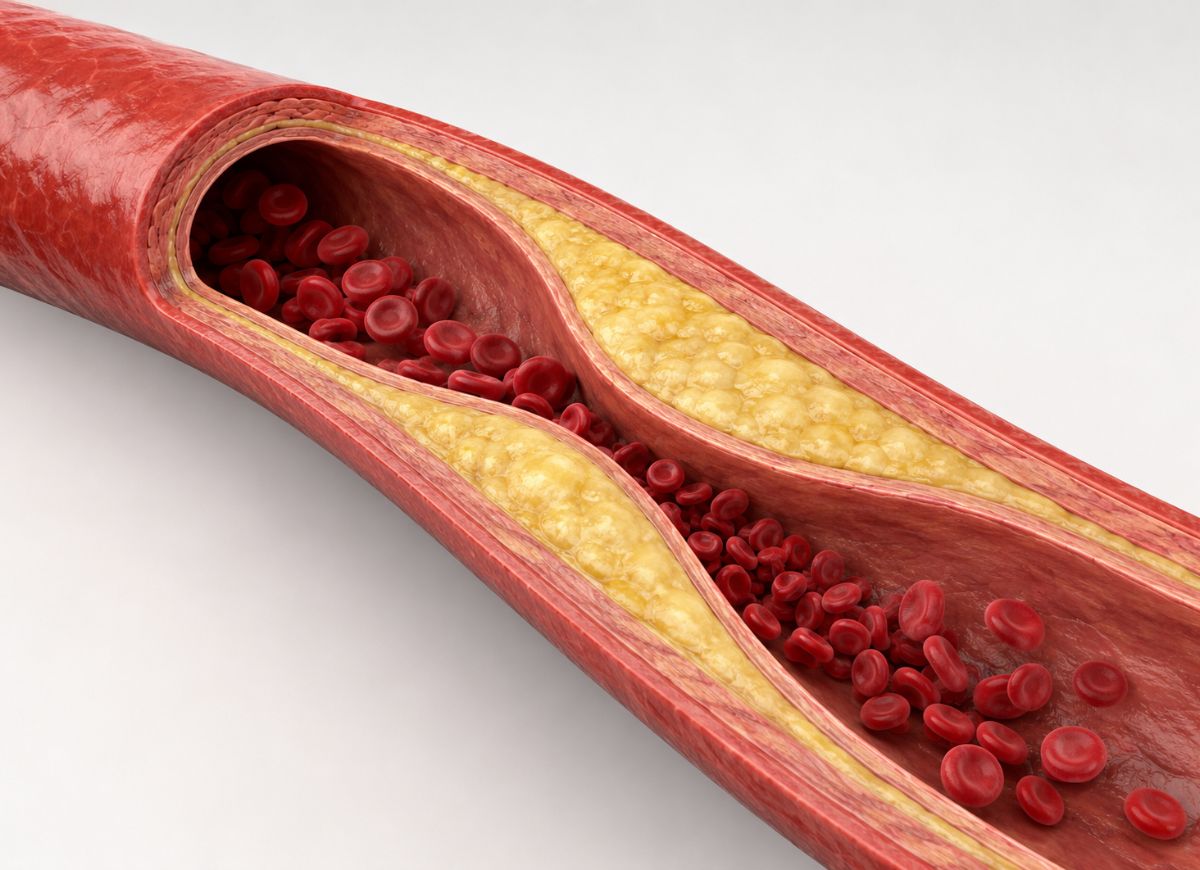
Atherosclerosis happens when plaque, made of fat, cholesterol, calcium, and other substances, collects inside the arteries. Over time, arteries can become narrow, stiff, and less able to carry oxygen-rich blood to the heart, brain, legs, kidneys, and other organs. Many people feel nothing in the early stages. The first obvious warning may be chest pain, a mini-stroke, leg cramping, or even a heart attack.
This isn’t a rare problem. Cardiovascular disease is the leading cause of death worldwide, responsible for an estimated 19.8 million deaths in 2022, about 32% of all deaths globally. Of those, 85% were due to heart attack and stroke, two major events often linked to narrowed or blocked blood vessels. In the U.S., cardiovascular disease caused 919,032 deaths in 2023, roughly 1 in every 3 deaths, with someone dying from it every 34 seconds.
Atherosclerosis doesn’t usually appear overnight. It grows quietly through years of high cholesterol, high blood pressure, smoking, diabetes, inflammation, poor diet, inactivity, and family history. Below are 12 warning signs worth knowing, so you can act earlier and take your heart and circulation seriously before a crisis happens.
The 12 Key Symptoms
1. Chest pain (angina). The most classic symptom of coronary artery disease, often described as pressure, squeezing, tightness, or heaviness in the center of the chest rather than sharp pain. It can radiate to the shoulders, arms (especially the left), neck, jaw, or back. Stable angina typically appears during exertion or stress and eases with rest; unstable angina occurs with minimal activity or even at rest, and signals a higher risk of an impending heart attack.
2. Shortness of breath. Feeling winded after minor exertion, or even while lying down, can signal that the heart isn’t pumping efficiently. Blood can back up in the lungs, causing fluid buildup that interferes with oxygen exchange, and this can happen with or without chest pain.
3. Fatigue and general weakness. Unexplained, persistent tiredness that isn’t relieved by rest can result from the heart working harder to push blood through narrowed arteries. This is especially common in women and can be one of the earliest, most subtle signs of coronary atherosclerosis.
4. Sudden numbness or weakness. Usually on one side of the body, affecting the face, arm, or leg, this is a hallmark sign of a stroke or TIA (mini-stroke), reflecting a loss of blood flow to the part of the brain controlling those functions.
5. Difficulty speaking or understanding speech. Sudden confusion, trouble finding words, or slurred speech can mean the brain’s language centers are affected by reduced blood flow. The person may sound intoxicated or struggle to repeat a simple sentence.
6. Sudden vision problems. Blurred or blackened vision in one or both eyes, or a sudden vision loss that can feel like a curtain being drawn, is another stroke warning sign.
7. Facial drooping. One side of the face may sag or feel numb, often noticeable when the person tries to smile. Combined with arm weakness and speech trouble, this forms the basis of the F.A.S.T. (Face, Arms, Speech, Time) stroke recognition method. A TIA produces the same symptoms but they typically resolve within minutes to 24 hours; it’s still a strong predictor of a future major stroke and needs emergency evaluation.
8. Intermittent claudication. The most common symptom of peripheral artery disease (PAD): muscle pain or cramping in the legs or arms triggered by activity like walking, which eases after a few minutes of rest. It’s most often felt in the calf, but can occur in the thigh or buttock, caused by muscles not getting enough oxygen during exertion.
9. Non-healing wounds or ulcers. Sores on the toes, feet, or legs that heal very slowly or not at all are a serious sign of advanced PAD. Poor circulation means less oxygen and fewer immune cells reach an injury site, so even minor cuts can become chronic wounds prone to infection or gangrene.
10. Other physical changes in the limbs. These include a weak or absent pulse in the legs or feet, one limb feeling noticeably colder, poor toenail growth or leg hair loss, and pale or bluish skin. In severe cases, men may experience erectile dysfunction if pelvic arteries are affected.
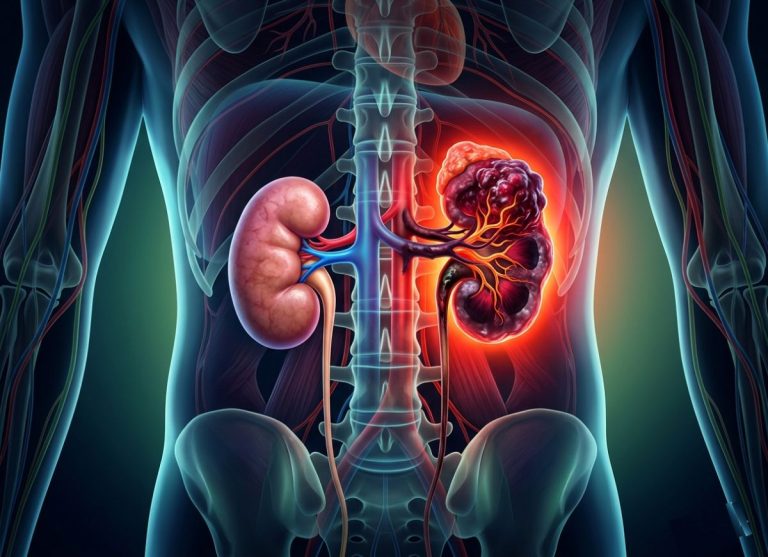
11. Resistant or hard-to-control high blood pressure. When atherosclerosis affects the kidneys’ arteries, the kidneys release hormones that raise blood pressure by encouraging sodium and water retention and constricting blood vessels. This form, called renovascular hypertension, often doesn’t respond well to standard medications and may cause a sudden spike in blood pressure in someone previously healthy.
12. Signs of chronic kidney disease. Ongoing arterial narrowing can starve the kidneys of blood flow, a condition called ischemic nephropathy, which can progress to chronic kidney disease. Early signs include fatigue, poor appetite, nausea, unexplained weight loss, swelling in the ankles and feet, and changes in urination. Blood and urine tests showing elevated creatinine or protein confirm kidney involvement.
What Atherosclerosis Actually Is
Atherosclerosis is a specific, and the most common, type of arteriosclerosis, a broader term for the hardening and thickening of artery walls. It begins when the artery’s inner lining, the endothelium, is damaged, often by high blood pressure, smoking, or high cholesterol. This triggers an inflammatory response that, paradoxically, contributes to plaque formation.
Plaque is a mix of LDL cholesterol, calcium, cellular waste, and a clotting protein called fibrin. As it builds up, it narrows the artery. Over years, plaques can grow steadily, or become unstable and rupture, triggering sudden, life-threatening events.
Atherosclerosis vs. High Cholesterol
These aren’t the same thing, though they’re closely linked. High cholesterol means an excess of cholesterol, particularly LDL, circulating in the blood. Atherosclerosis is what can happen as a result: when the artery wall is damaged, LDL particles seep in and become oxidized. Immune cells called macrophages try to clean this up but become engorged, turning into “foam cells” that form the core of plaque.
Think of high LDL cholesterol as the raw material and atherosclerosis as the resulting disease. It’s possible to have high cholesterol without significant atherosclerosis, especially early on, but sustained high cholesterol dramatically raises the risk of developing it.
How Plaque Buildup Causes Harm
Plaque leads to serious problems in two ways: by growing large enough to severely narrow an artery (stenosis), or by rupturing and triggering a blood clot that blocks the artery entirely (thrombosis).
Slow, steady narrowing may cause no symptoms until the blockage reaches a critical point, often 70% or more, at which point predictable symptoms like angina or leg pain during exertion appear as the body signals oxygen starvation.
Plaque rupture is more sudden and dangerous. Some plaques have a thin, fragile cap over a soft, fat-rich core. If that cap tears, the body’s clotting system reacts as if to an injury, rapidly forming a clot that can completely block the artery. In a coronary artery, this causes a heart attack; in a carotid or brain artery, it causes an ischemic stroke. This sudden event is often the very first symptom someone experiences from underlying atherosclerosis they didn’t know they had.
What Causes Atherosclerosis
Lifestyle factors include a diet high in saturated and trans fats, physical inactivity, smoking, and being overweight or obese. A diet high in red meat, fried and processed foods raises LDL cholesterol, while high sodium intake drives up blood pressure. A sedentary lifestyle worsens weight, blood pressure, and cholesterol, while exercise protects the arteries’ lining. Smoking directly damages the endothelium, raises blood pressure, lowers protective HDL cholesterol, and increases clotting tendency. Excess weight, especially abdominal fat, is linked to insulin resistance, diabetes, and chronic inflammation, all of which accelerate the disease.
Medical conditions that raise risk include high blood pressure, high cholesterol, diabetes, and a family history of early cardiovascular disease. Chronic high blood pressure physically stresses and injures artery walls. Excess LDL cholesterol overwhelms the body’s ability to clear it, while low HDL cholesterol (which normally helps remove excess cholesterol) compounds the problem. Diabetes, especially type 2, damages the endothelium through high blood sugar and worsens cholesterol profiles. A strong family history, particularly a father or brother with a heart attack before 55, or a mother or sister before 65, signals a substantially higher genetic risk. Age itself also raises risk over time.
How It’s Diagnosed
Diagnosis starts with a review of medical history, family history, and risk factors, followed by a physical exam where a doctor may listen for an abnormal “whooshing” sound (a bruit) indicating turbulent blood flow. A lipid panel measures cholesterol and triglycerides. A Doppler ultrasound visualizes blood flow and blockages in the neck, legs, or abdomen. An ankle-brachial index (ABI) test compares blood pressure in the ankle and arm to detect PAD. An ECG can reveal evidence of a past heart attack or poor blood flow. In advanced cases, a coronary angiogram, using dye and a catheter, maps blockages directly.
Treatment Options
Lifestyle changes are the foundation: a heart-healthy diet low in saturated fat, trans fat, and sodium; at least 150 minutes of moderate exercise weekly; and quitting smoking.
Medications are prescribed to manage underlying risk factors like cholesterol and blood pressure.
Procedures become necessary for severe blockages. Angioplasty and stenting widen a narrowed artery using a balloon and a mesh tube to keep it open. Coronary artery bypass grafting (CABG) reroutes blood flow around blocked coronary arteries using a vessel taken from elsewhere in the body.
Can Atherosclerosis Be Reversed?
Fully reversing hardened, established plaque is very difficult and often not fully possible, but progression can be prevented, halted, and sometimes partially reversed. The key is dramatically lowering LDL cholesterol, typically through high-intensity statin therapy combined with significant dietary change, such as a strict plant-based or Mediterranean diet.
When LDL drops to very low levels, the body can slowly remove cholesterol from the soft core of plaques, shrinking them and making them more stable and less likely to rupture, which is what triggers most heart attacks. However, the harder, calcified parts of older plaques typically don’t shrink. So the realistic goal of treatment is often to stop the disease from worsening and stabilize existing plaque, rather than a full cure.
Atherosclerosis vs. Arteriosclerosis
Arteriosclerosis is the broad umbrella term for any hardening or stiffening of the arteries. Atherosclerosis is the most common specific type, caused by fatty plaque buildup. Other forms exist too, like Mönckeberg’s medial calcific sclerosis (calcium deposits in the artery’s middle layer) or arteriolosclerosis (affecting very small arteries, linked to high blood pressure and diabetes). All atherosclerosis is a form of arteriosclerosis, but not all arteriosclerosis is atherosclerosis.
Frequently Asked Questions
Can you recover from atherosclerosis?
It can often be managed, slowed, and sometimes slightly improved, though full recovery depends on how advanced the plaque is. The goal is to halt progression, improve blood flow, and lower the risk of heart attack or stroke through quitting smoking, lowering LDL, controlling blood pressure and diabetes, and following a heart-healthy lifestyle.
Can I live a long life with atherosclerosis?
Yes, especially with early detection and consistent management of risk factors like blood pressure, cholesterol, blood sugar, smoking, weight, and diet. It becomes more dangerous when ignored or when plaque severely restricts blood flow.
At what age does atherosclerosis start?
Earlier than most people think. Fatty streaks can begin forming in childhood or adolescence and build slowly over decades, with symptoms often not appearing until middle age or later.
What foods should you avoid?
Fried foods, processed meats, fatty cuts of meat, high-salt snacks, sugary drinks, pastries, and foods high in saturated or trans fat. A better pattern emphasizes vegetables, fruits, legumes, whole grains, nuts, fish, olive oil, and lean protein.
Should I worry about it?
It’s worth taking seriously, particularly with risk factors like high cholesterol, high blood pressure, diabetes, smoking history, obesity, kidney disease, or family history of early heart disease, but many risks can be meaningfully reduced with the right plan.
What’s the number one cause?
There’s no single cause for everyone, but high LDL cholesterol is one of the biggest drivers, along with high blood pressure, smoking, diabetes, inflammation, poor diet, inactivity, obesity, age, and family history.
What’s the final stage?
When plaque severely blocks an artery or ruptures and causes a clot, dangerously reducing blood flow, this can lead to heart attack, stroke, critical limb ischemia, or kidney failure depending on location. These situations require urgent care.
Is walking good for blocked arteries?
Yes, especially for PAD, walking improves circulation and supports heart health, blood pressure, cholesterol, and blood sugar control, though anyone with chest pain, severe shortness of breath, or leg pain at rest should get medical guidance before starting.
How does it affect the legs?
Reduced blood flow to leg muscles, known as PAD, commonly causes cramping or aching during walking that eases with rest. As it worsens, it can cause cold feet, numbness, weak pulses, slow-healing wounds, or pain even at rest, symptoms that shouldn’t be dismissed as normal aging.
The Bottom Line
Atherosclerosis is serious because it can build quietly for years before symptoms appear. Chest discomfort, shortness of breath, leg pain while walking, dizziness, fatigue, numbness, or stroke-like symptoms can all point to reduced blood flow that needs attention. The encouraging part is that artery health can often be improved with steady action: quitting smoking, eating better, walking regularly, lowering cholesterol, controlling blood pressure, managing diabetes, and following medical advice can all reduce future risk. Atherosclerosis may be silent, but daily habits and early checkups can speak loudly for long-term health.