
5 Telltale Symptoms of Diverticulitis You Shouldn’t Ignore
Diverticulitis affects an estimated 200,000 people in the United States each year, yet many don’t know the symptoms until the condition becomes serious. This common digestive problem occurs when small pouches called diverticula form in the wall of the colon and become inflamed or infected. It can be silent early on, but symptoms can turn severe if it goes untreated. Recognizing the signs early is essential to prevent complications such as abscesses, perforations and potentially fatal infections.
The danger is how easily symptoms are confused with milder problems and dismissed. What looks like an occasional stomachache or mild bloating could be the start of an infection. By the time obvious symptoms like intense abdominal pain appear, the condition may already be advancing and risking permanent damage to the colon.
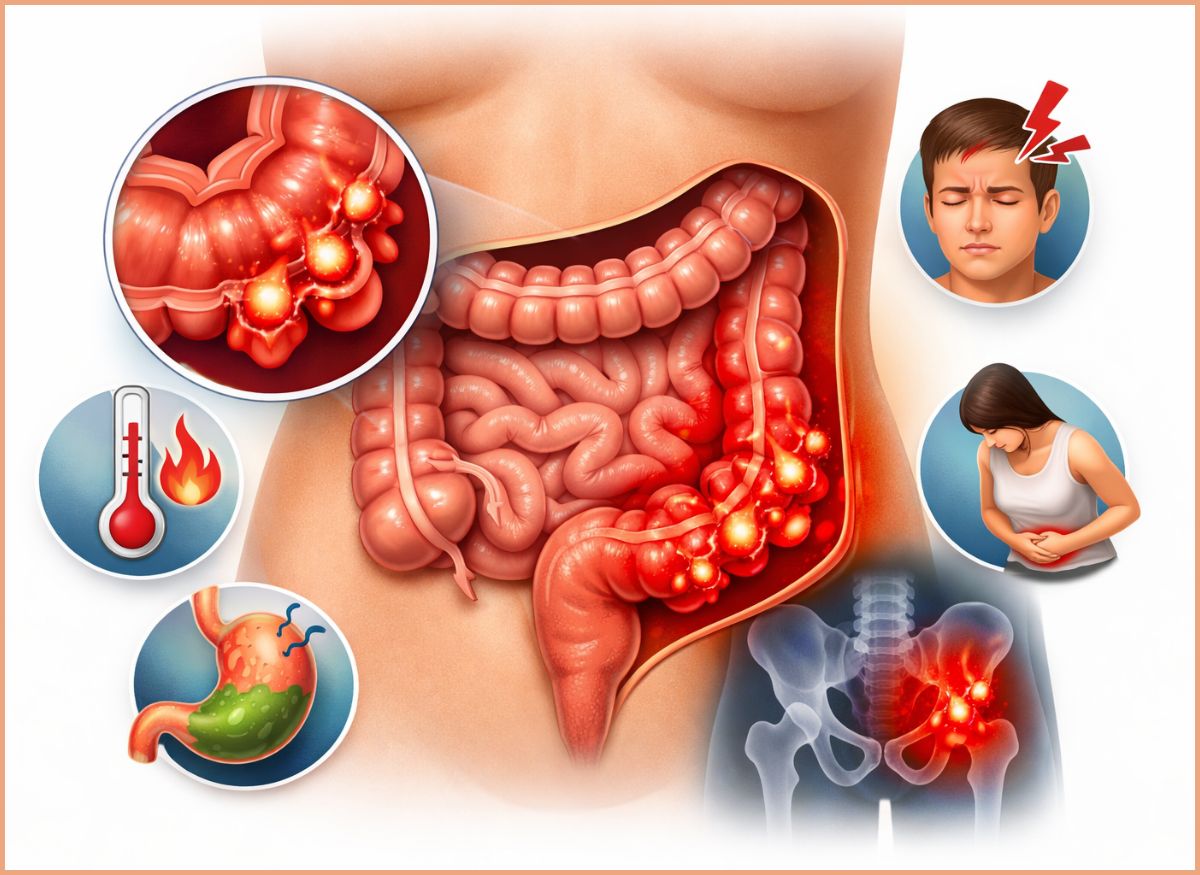
Abdominal pain, fever, nausea and changes in bowel movements are often the first indicators. The pain, usually in the lower left abdomen, can range from mild discomfort to sharp, debilitating pain needing immediate medical attention. Left unchecked, diverticulitis can lead to serious complications that may require hospitalization or surgery.
Knowing these telltale symptoms is key to early diagnosis and effective treatment. This article looks at the specific signs you shouldn’t ignore, so you can protect your digestive health before complications arise.
5 Common Symptoms of Diverticulitis
The most common signs form a classic triad: persistent lower abdominal pain, abdominal tenderness and fever. They are often joined by other digestive symptoms such as nausea, vomiting and altered bowel function (constipation or diarrhea). Together they reflect the body’s response to infection and inflammation in the colon.
Intensity varies, but having them together strongly suggests an inflammatory process that needs medical evaluation. They develop as the infection inside the diverticula worsens, causing local swelling and irritation of surrounding tissue and nerves.
1. Persistent Abdominal Pain
This is the cornerstone symptom. Unlike the fleeting cramps of indigestion, diverticulitis pain is constant and lasts several days. It is most often in the lower-left abdomen, where the sigmoid colon sits, the most common place for diverticula to form. In some people, particularly those of Asian descent, the pain may be on the right side. It usually starts as a mild ache and intensifies over a day or two.
2. Tenderness Upon Touch
The affected area feels sore when pressed. This tenderness comes from inflammation irritating the peritoneum, the lining of the abdominal cavity. A doctor can often locate the inflammation just by gently pressing on the abdomen. The sensitivity can be so pronounced that even clothing pressure causes discomfort.
3. Fever and Chills
As the body fights the bacterial infection in the diverticula, it often produces a fever. A temperature above 100.4°F (38°C) is common and may come with chills or shivering. This whole-body response shows the infection is significant, and it is a key sign separating diverticulitis from milder problems like simple gas pain.
4. Nausea and Vomiting
Colon inflammation can disrupt the normal movement of the digestive tract, causing nausea and sometimes vomiting. Loss of appetite is also very common. The digestive system becomes sluggish and irritated, signaling the brain to reject food.
5. Change in Bowel Habits
Inflammation and swelling can interfere with the passage of stool. The result may be constipation, when the narrowed, inflamed bowel makes passing stool difficult, or diarrhea, when the irritated lining secretes more fluid and contracts irregularly. Some people also have bloating and extra gas.
How Does Diverticulitis Pain Feel Like?
Diverticulitis pain feels like a constant, localized ache or sharp, cramping sensation. It is typically severe, worsens progressively over a few days, is not intermittent, and often gets worse with movement, coughing or pressure on the area.
The character can change, often starting as a dull, gnawing discomfort and sharpening as inflammation peaks. Unlike the colicky pain of a bowel obstruction, which comes in waves, diverticulitis pain is persistent. People often describe a steady, focused pain they can point to with one finger.
It also differs from other common abdominal problems. It lacks the widespread, burning quality of heartburn and the wave-like, gripping cramps of gastroenteritis. Instead it is a focused, unrelenting pain in one area, coming from stretching and irritation of the colon wall around the inflamed, swollen diverticula.
As inflammation progresses, it may irritate the peritoneum, making anything that jostles the organs, such as walking, coughing or riding over bumps in a car, intensely painful.
Intensity ranges from moderate to severe and can disrupt daily activities and sleep. Many people first mistake it for severe gas or constipation, but the failure to resolve and the steady intensification are key clues. It is often described as stabbing or piercing, especially when the abdomen is touched, and this sharp response to pressure is a critical diagnostic sign for doctors.
Because the inflammation is centered in one part of the colon, the pain typically doesn’t radiate to the back or other areas, though severe inflammation can cause more generalized discomfort over time.
Causes and Risk Factors for Diverticulitis
Causes of Diverticulitis
Diverticula become inflamed or infected when their opening is blocked, typically by a small, hard piece of stool (a fecalith) or undigested food. This traps bacteria inside the pouch, where they multiply unchecked and trigger infection and the body’s inflammatory response.
This turns the otherwise harmless diverticulosis (the mere presence of pouches) into painful and potentially dangerous diverticulitis. The mechanism resembles other infections that develop when a natural drainage pathway is blocked.
It starts with the formation of diverticula. Pouches develop in naturally weak areas of the colon wall where blood vessels pass through the muscle layer. Over years, high pressure in the colon, often from straining due to a low-fiber diet, pushes the inner lining out through these weak spots. Once formed, a pouch’s narrow neck is easily blocked, and when a fecalith lodges in the opening, it seals the pouch off from the colon.
Sealed in, the stagnant material becomes a perfect breeding ground for the bacteria that normally live in the colon. They multiply, release toxins and trigger an immune response. White blood cells rush in, causing inflammation, swelling and pus.
This process erodes the thin wall of the diverticulum and can cause a small tear (microperforation). Bacteria and stool leaking into the abdominal cavity cause the intense pain, fever and tenderness. If the tear is large, it can lead to peritonitis, a widespread infection and severe medical emergency.
Who Is Most At Risk For Developing Diverticulitis?
Those most at risk are older adults (especially over 60), people who eat a Western diet low in fiber and high in red meat, people with obesity, smokers, people with sedentary lifestyles, and users of certain medications such as nonsteroidal anti-inflammatory drugs (NSAIDs).
Diverticulosis is extremely common with age, affecting about half of people over 60, but only a smaller percentage develop diverticulitis. These risk factors raise that likelihood by promoting either the formation of diverticula or inflammation within them.
- Age: Risk rises significantly with age as the colon wall’s connective tissue weakens and forms pouches more easily under pressure. It can occur in younger people but is far more common after 40.
- Low-fiber diet: One of the most widely accepted risk factors. Too little fiber (found in fruits, vegetables and whole grains) leads to harder, smaller stools that are difficult to pass, causing constipation and straining that raises colon pressure and promotes diverticula. Diets high in red meat and processed foods are also linked to higher risk.
- Obesity: A higher body mass index and larger waist circumference significantly raise the risk of diverticulitis and its complications. Obesity involves chronic low-grade inflammation, which may make the colon more prone to infection, and extra abdominal fat increases pressure inside the abdomen.
- Smoking: Smokers are more likely to develop diverticulitis. The exact reasons aren’t fully understood, but smoking is believed to affect blood flow to the colon and weaken the immune system, making infections more likely and more severe.
- Lack of physical activity: A sedentary lifestyle is strongly associated with higher risk. Regular activity promotes normal bowel function, shortens stool transit time and lowers pressure in the colon, reducing the risk of both diverticula formation and inflammation.
- Certain medications: Regular use of NSAIDs (such as ibuprofen and naproxen), steroids and opioids is associated with higher risk of diverticulitis and complications, particularly perforation. These drugs may damage the colon lining or mask early warning signs, delaying diagnosis and treatment.
Diagnosis and Treatment of Diverticulitis
How to Diagnose Diverticulitis
The primary tests are a physical exam, blood tests for inflammatory markers and a computed tomography (CT) scan of the abdomen and pelvis, considered the gold standard for its accuracy. Used together, they build a complete picture, confirm inflamed diverticula, assess severity and rule out other causes of abdominal pain.
A definitive diagnosis is critical for starting the right treatment and avoiding complications. The workup typically goes like this:
- Physical exam and medical history: The doctor takes a detailed history of your symptoms, including the location, nature and duration of the pain. During the exam they gently press on the abdomen to check for tenderness, rigidity or a palpable mass. In diverticulitis, tenderness is most often in the lower-left quadrant.
- Blood tests: A complete blood count (CBC) looks for signs of infection. A raised white blood cell count (leukocytosis) is common and shows the immune system is fighting infection. Tests may also include C-reactive protein (CRP), another inflammation marker.
- Computed tomography (CT) scan: The most reliable imaging test for acute diverticulitis. A CT with oral and IV contrast clearly shows the colon and surrounding tissue, confirming the diagnosis by revealing thickened colon walls and inflammation in the surrounding fat. Crucially, it can also identify complications such as an abscess (a collection of pus), a perforation (a hole in the colon), a fistula (an abnormal connection between the colon and another organ) or a bowel obstruction.
- Other tests: A urinalysis may rule out a urinary tract infection, which can cause similar pain. Women of childbearing age often get a pregnancy test to rule out ectopic pregnancy. A colonoscopy is generally avoided during an acute attack because of the risk of perforating the inflamed colon, but it is often recommended about six to eight weeks after recovery to evaluate the full extent of diverticulosis and rule out other conditions, including colorectal cancer, which can sometimes mimic diverticulitis.
Typical Treatment Plans for Diverticulitis
Treatment depends on severity. Uncomplicated cases are usually managed at home with bowel rest on a liquid diet, oral antibiotics and pain medication, while complicated cases need hospitalization for intravenous antibiotics, hydration and possibly abscess drainage or surgery.
The goal is to clear the infection, let the inflamed colon heal and prevent serious complications, with the approach tailored to each patient.
1. Treatment for Uncomplicated Diverticulitis
This covers most cases, where inflammation is mild and there are no complications such as a large abscess or perforation. Management is usually outpatient and includes:
- Bowel rest: A clear liquid diet for a few days (broth, water, clear juices, gelatin) lets the colon rest and heal. As symptoms improve, the diet advances slowly to low-fiber foods, then fiber is gradually restored to normal after full recovery.
- Oral antibiotics: A course of broad-spectrum antibiotics, typically 7 to 10 days, is prescribed to eliminate the bacterial infection, chosen according to the patient’s needs.
- Pain relief: Acetaminophen (Tylenol) is often recommended. NSAIDs like ibuprofen are generally avoided because they may raise the risk of complications.
2. Treatment for Complicated Diverticulitis
Needed for a severe attack or complications such as a large abscess, perforation, fistula or obstruction. It requires hospitalization and more aggressive care:
- Hospitalization: Patients are admitted for close monitoring.
- Intravenous (IV) antibiotics and fluids: Antibiotics go directly into the bloodstream for a faster, more potent effect, and IV fluids prevent dehydration, especially with vomiting or inability to eat or drink.
- Bowel rest: The patient is kept NPO (nothing by mouth) for complete bowel rest.
- Abscess drainage: If a CT scan shows a large abscess, a radiologist may perform percutaneous drainage, guiding a needle through the skin to drain the pus.
- Surgery: Emergency surgery is needed for a perforation with peritonitis or a large abscess that can’t be drained. It may also be recommended for recurrent episodes, a fistula or an obstruction. The most common procedure is a bowel resection, removing the diseased segment of colon and reconnecting the healthy ends. In some emergencies a temporary colostomy may be necessary.
When Should You Seek Medical Attention?
See a doctor for any new, severe or persistent lower abdominal pain, particularly if it lasts more than a day or two and comes with fever, persistent nausea or vomiting, a significant change in bowel habits or rectal bleeding. Minor aches are common, but this combination suggests an underlying condition like diverticulitis that needs professional diagnosis and treatment.
Self-diagnosis is risky because the symptoms overlap with many other serious conditions, and delaying care can let a manageable condition become an emergency. Erring on the side of caution and getting a medical opinion is always safest.
Is Lower Abdominal Pain From Diverticulitis Always An Emergency?
No, it isn’t always an emergency, but it always needs prompt medical evaluation to determine severity and start treatment before it becomes one. Many cases are mild and uncomplicated and can be safely managed at home with antibiotics and dietary changes under a doctor’s supervision.
The key distinction is severity and complications. A mild, steady ache with a low-grade fever is very different from severe, unrelenting pain with a high fever, which is a medical emergency.
The non-emergency scenario is an uncomplicated attack: the inflammation is contained, there is no large abscess or perforation, and the patient can tolerate oral fluids and medication. A primary care physician or urgent care center can often manage this with oral antibiotics and a clear liquid diet. Pain should start improving within two to three days of treatment.
The danger lies in assuming the pain isn’t serious without a diagnosis. What feels manageable could be an early sign of a brewing complication. Untreated or undertreated diverticulitis can progress to an abscess (a walled-off collection of pus), a perforation (a hole in the colon causing the severe abdominal infection peritonitis), a fistula (an abnormal tunnel between the colon and another organ such as the bladder) or a bowel obstruction.
Each is a serious issue, and peritonitis is a life-threatening emergency. So while the initial pain may not be an emergency, its potential to become one is why medical consultation is never optional.
Symptoms Combined With Abdominal Pain Warrant an Immediate ER Visit
Go to the ER immediately if abdominal pain comes with a high fever (above 100.4°F or 38°C), severe and progressively worsening pain, a rigid or board-like abdomen, persistent vomiting with inability to keep any fluids down, or significant rectal bleeding.
This combination of red flags suggests a severe infection or serious complication such as colon perforation, which needs immediate medical and often surgical intervention to prevent sepsis and peritonitis. Each symptom points to a specific danger:
- High fever and chills: A fever that is high or doesn’t respond to fever reducers means the body is fighting a severe, possibly systemic infection that isn’t well contained and may be spreading.
- Severe and worsening abdominal pain: Excruciating pain, described as the “worst pain of your life,” or pain that steadily worsens despite home care is a major warning sign. It often signals a complication such as a ruptured abscess or perforated bowel wall, and it differs from the dull, steady ache of a mild attack.
- Rigid or distended abdomen: A hard, board-like or significantly swollen abdomen is a classic sign of peritonitis, inflammation of the abdominal lining caused by stool and bacteria leaking from a hole in the colon. It is a surgical emergency with a high mortality rate if not treated immediately.
- Persistent vomiting or inability to tolerate fluids: If you vomit repeatedly and can’t keep even sips of water down, you risk severe dehydration and electrolyte imbalance. It can also signal a bowel obstruction, where the inflamed colon is so swollen nothing can pass. This requires hospitalization for IV fluids and bowel rest.
- Significant rectal bleeding: Diverticular disease can cause some bleeding, but large amounts of bright red or dark, clotted blood in the stool with severe pain is an emergency. It may indicate a severe bleeding source needing immediate attention to prevent major blood loss.
Long-term Complications of Diverticulitis
Most cases respond well to conservative treatment like antibiotics and dietary changes, but severe or recurrent episodes can cause serious, sometimes life-threatening long-term complications. They arise when inflammation becomes intense enough to damage the colon wall and affect surrounding tissues and organs.
One of the most common serious complications is an abscess, a pocket of pus walled off near the infected diverticulum. A small abscess may be treatable with antibiotics alone, but a larger one often needs drainage, in which a needle or catheter is inserted through the skin to remove the infected fluid.
Another significant complication is a fistula, an abnormal channel that forms between the colon and another organ when constant inflammation erodes through the colon wall into an adjacent structure.
The most common type is a colovesical fistula, connecting the colon to the bladder, which can cause recurrent urinary tract infections and passing of gas or stool during urination. Others include fistulas to the small intestine, vagina (colovaginal fistula) or skin. Fistulas almost always require surgery to repair the connection and remove the diseased bowel.
Besides infections and abnormal connections, chronic inflammation can cause structural damage inside the colon itself:
- Bowel obstruction: Repeated cycles of inflammation and healing can build up scar tissue (stricture) that narrows the intestinal passage, leading to partial or complete blockage. Stool can’t pass, causing severe pain, bloating and vomiting, and requiring urgent medical care.
- Perforation and peritonitis: The most dangerous complication. An inflamed diverticulum ruptures and spills intestinal contents into the abdominal cavity, causing peritonitis, a widespread, severe infection of the peritoneum (the abdominal lining). It brings excruciating pain, a rigid abdomen and signs of sepsis, and needs immediate surgery to clean the abdominal cavity and repair or remove the damaged colon.
How to Differentiate Between Diverticulosis And Diverticulitis?
The fundamental difference is the presence of inflammation and symptoms. Diverticulosis is a common anatomical condition in which small, bulging pouches (diverticula) form in the lining of the digestive system, most often in the lower large intestine (colon).
For the vast majority of people it causes no symptoms and is found incidentally during procedures like a colonoscopy. It is essentially a structural change in the colon wall, thought to result from long-term high pressure on weak spots, often related to a low-fiber diet. The pouches simply exist without causing trouble.
Diverticulitis, by contrast, is the clinical condition that occurs when one or more pouches become inflamed or infected. This shift from a benign state to an acute illness produces the recognizable symptoms. Inflammation can be triggered by a small tear in the pouch wall that lets colon bacteria seep out, or by stool trapped in a pouch causing infection.
The result is sudden abdominal pain (typically lower left), fever, nausea and bowel habit changes. Diverticulosis is a chronic underlying condition, while diverticulitis is an acute flare-up that needs medical treatment.
- Presence vs. condition: Diverticulosis is simply the presence of diverticula and affects a large share of people over 60. Diverticulitis is active inflammation or infection in those pouches and affects a much smaller percentage of people with diverticulosis.
- Symptoms: Diverticulosis is usually symptom-free, though some people have mild cramping or bloating. Diverticulitis is defined by persistent, severe abdominal pain, fever, chills and tenderness.
- Treatment: Asymptomatic diverticulosis is managed through prevention with a high-fiber diet and good hydration. Acute diverticulitis needs antibiotics, a temporary liquid or low-fiber diet to rest the colon and, in severe cases, hospitalization.
How to Distinguish Diverticulitis Pain From Appendicitis Pain
Telling these apart is critical, since both are serious and need prompt attention, yet treatment differs significantly. The main differentiator is pain location. Diverticulitis classically causes pain in the lower-left abdomen.
That’s because the sigmoid colon, the most common site for diverticula, is located there. The pain is often constant and severe, with tenderness when that specific area is pressed. Because of its location, doctors sometimes call it “left-sided appendicitis.”
Appendicitis, inflammation of the appendix, typically starts elsewhere and follows a distinct migration pattern. It often begins as a vague, dull ache around the navel (periumbilical area). Over several hours to a day, the pain intensifies and moves to the lower-right abdomen, settling at McBurney’s point.
The pain becomes sharp, localized and constant, often worse with movement, coughing or deep breaths. This classic move from the center to the lower right is a key clue for appendicitis. Beyond location, other factors help tell them apart:
- Patient demographics: Diverticulitis is more common in older adults, typically over 40, with risk rising with age. Appendicitis can occur at any age but is most common in children, teenagers and young adults aged 10 to 30.
- Associated symptoms: Both can cause nausea, vomiting, fever and loss of appetite. Diverticulitis is more likely to involve bowel habit changes such as constipation or diarrhea, while appendicitis symptoms tend to progress more rapidly.
- Diagnostic imaging: Ultimately a definitive diagnosis often needs imaging. A CT scan of the abdomen and pelvis effectively shows either the inflamed diverticula of diverticulitis or the swollen, inflamed appendix of appendicitis.
How to Prevent Diverticulitis
For people with diverticulosis, specific dietary strategies are the cornerstone of preventing a painful flare-up. The main goal is to reduce pressure inside the colon, which helps prevent inflammation in existing diverticula.
The most important recommendation is to increase dietary fiber. Fiber adds bulk to stool and absorbs water, making it softer and easier to pass, which reduces strain and pressure on the colon wall. Increase fiber gradually over several weeks so the digestive system can adapt, since a sudden jump can cause gas and bloating.
Good fiber sources include a wide variety of plant foods. Soluble fiber, in oats, beans, apples and carrots, helps soften stool, while insoluble fiber, in whole-wheat flour, nuts and vegetables like cauliflower and green beans, adds bulk. Combining both is ideal for gut health.
Alongside a high-fiber diet, adequate hydration is non-negotiable. Drinking plenty of water, typically eight glasses a day, is vital for fiber to work properly. Without enough fluid, a high-fiber diet can worsen constipation and raise colon pressure.
Besides what to add, there are foods that may be worth limiting:
- Increasing fiber intake: Aim for 25 to 35 grams of fiber daily by eating more fruits (berries, pears), vegetables (broccoli, spinach), legumes (lentils, chickpeas) and whole grains (quinoa, brown rice, whole-wheat bread).
- Maintaining hydration: Drink water consistently through the day. It helps fiber create soft, bulky stool that moves easily through the colon, preventing the high pressure that can cause flare-ups.
- Reducing red and processed meats: Some studies link high consumption to a greater risk of diverticulitis. Swapping some servings for poultry, fish or plant-based proteins may help. Also worth noting: the old advice to avoid nuts, seeds and popcorn has largely been debunked, and current research suggests these foods aren’t harmful and may even be protective because of their fiber.
FAQs
1. How to treat a diverticulitis attack at home?
Mild diverticulitis can sometimes be managed at home, but only if symptoms aren’t severe and a doctor has confirmed it is safe. First, give the digestive system a break. A short clear liquid diet of broth, water or electrolyte drinks reduces colon irritation. As symptoms improve, soft, low-fiber foods like rice, yogurt or eggs can gradually be reintroduced.
Rest matters more than people expect, since the body needs energy to reduce inflammation. Staying hydrated supports recovery and prevents constipation. Over-the-counter pain relief may help, but avoid medications that irritate the stomach. If symptoms worsen, especially fever or severe pain, don’t delay medical care.
2. What foods should you avoid if you have diverticulitis?
During a flare-up, avoid foods that are hard to digest or increase irritation. High-fiber foods, though healthy in general, can worsen symptoms in the acute phase. Raw vegetables, nuts, seeds, popcorn and whole grains may put extra strain on the inflamed colon.
Greasy, fried and highly processed foods can also aggravate symptoms and slow recovery, and sugary drinks and alcohol may increase inflammation and discomfort. After recovery, fiber can be slowly reintroduced, but during active symptoms a simple, gentle diet supports healing best.
3. What can cause a diverticulitis flare-up?
A flare-up often happens when one of the small pouches in the colon becomes blocked or irritated. Long-term low fiber intake can raise colon pressure and make the pouches more vulnerable. Constipation is a common trigger because it causes straining during bowel movements.
Dehydration can worsen this by hardening stools. Sudden dietary changes, high intake of processed foods and lack of physical activity can also play a role. In some cases stress and underlying inflammation may contribute, although the exact cause isn’t always clear.
4. How long does it take your gut to heal from diverticulitis?
It depends on severity. In mild cases, symptoms may begin improving within a few days, with noticeable recovery in about one to two weeks.
The colon, however, may take longer to fully stabilize. In more severe cases, healing can take several weeks, especially if antibiotics or hospitalization are needed. Even after symptoms fade, the digestive system stays sensitive for a while. Gradually reintroducing fiber and staying consistently hydrated support long-term recovery and lower the risk of another flare.
Conclusion
Diverticulitis rarely starts with dramatic signs, which is exactly why it gets overlooked. A subtle ache, a shift in bowel habits or a low-grade fever can seem harmless at first, yet these early signals often mean more. Ignoring them lets inflammation progress and raises the risk of complications that are much harder to manage.
Pay attention to changes that feel unusual, especially when they persist. Acting early isn’t overreacting; it reflects an understanding of how quickly this condition can evolve. A careful response now can spare you more serious consequences later, and that awareness makes all the difference.