Basophil Count Explained: What High or Low Levels Mean for Your Health
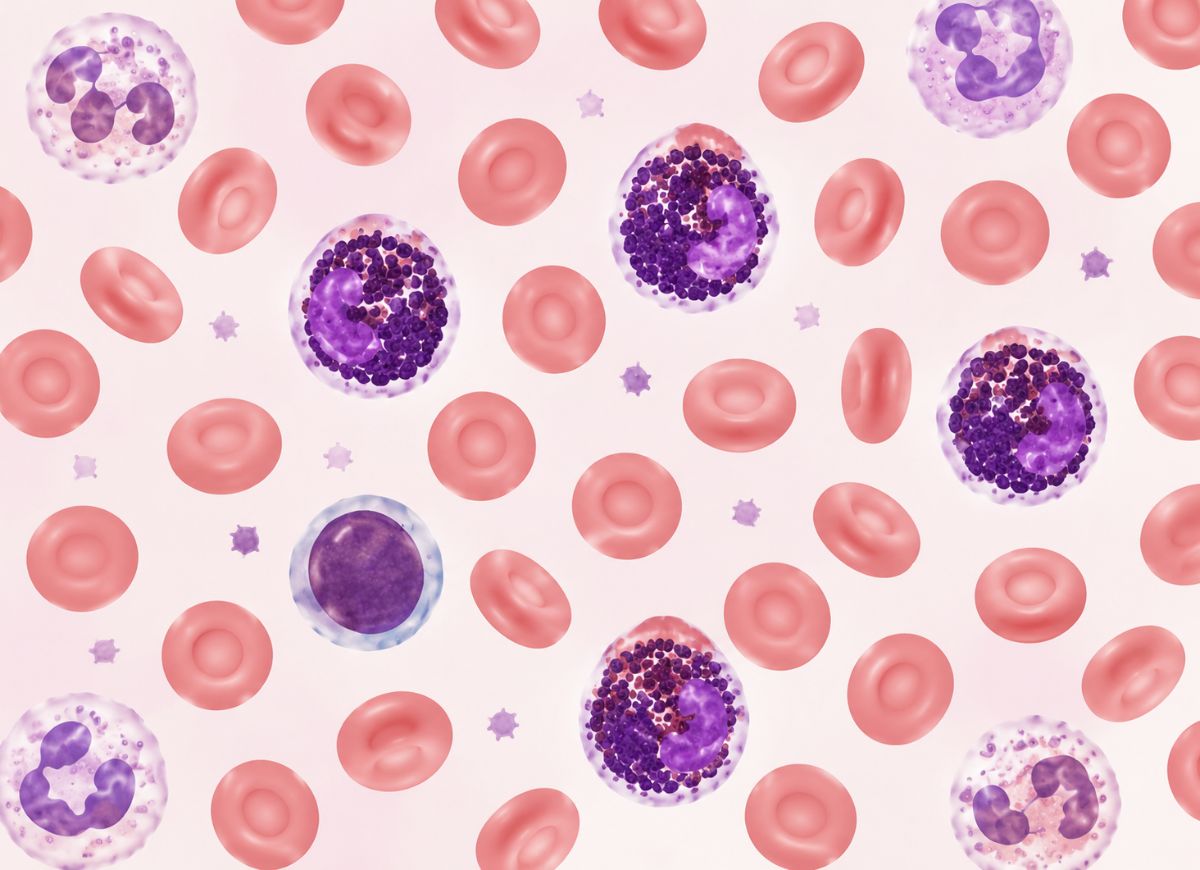
Blood tests can provide valuable insight into what is happening inside the body, including how the immune system is functioning and whether certain health problems may be developing. Basophils are one type of blood cell that may receive little attention, but they have an important role in the body’s immune response.
These uncommon white blood cells help the body respond to allergens, inflammation, and some infections. Understanding your basophil count, including what elevated or reduced levels may indicate, can make blood test results easier to understand and help healthcare professionals determine whether additional evaluation is needed.
Basophils usually account for less than 1% of the white blood cells circulating in the blood. Even so, changes in their numbers can sometimes provide useful clues. High basophil levels may be associated with allergies, ongoing inflammation, or certain blood disorders, while low levels can occur during stress, acute infections, or other health conditions.
Although they are present in very small numbers, basophils are important immune cells. They release substances such as histamine during allergic reactions and contribute to the body’s defense against certain harmful organisms.
A routine blood test can sometimes identify changes in basophil levels before a person notices obvious symptoms. Monitoring these results may help doctors recognize immune-related changes, follow certain medical conditions, and make treatment decisions. However, basophils are only one part of a complete blood evaluation, so their levels are generally considered together with other blood results and symptoms.
In this article, we’ll look at what high and low basophil counts may mean, the possible reasons behind abnormal levels, and why these cells matter. Learning more about basophils can help you better understand blood test results and recognize when professional medical advice may be appropriate.
What is a Normal Basophil Count?
A normal basophil count is generally around 0.5% to 1% of the total white blood cell count. These cells help coordinate allergic and inflammatory reactions by releasing substances such as histamine and heparin. Basophils belong to a group of white blood cells called granulocytes because their cytoplasm contains small granules filled with active chemicals.
They are the least common type of granulocyte in circulating blood, but their contribution to immune activity can be significant. Basophils are particularly involved in allergic reactions and responses to certain parasites.
What are Basophils?
Basophils are white blood cells produced in the bone marrow that participate in immediate allergic and inflammatory reactions. Their granules contain substances such as histamine and heparin, which are released when the cells become activated.
These cells circulate through the bloodstream and can move toward areas where inflammation or an allergic response is occurring. Their surfaces contain receptors for Immunoglobulin E, commonly called IgE.
When the immune system first encounters an allergen such as pollen or dust mites, it may produce specific IgE antibodies. These antibodies attach to basophils and mast cells. If the same allergen is encountered again, it can interact with the attached IgE and activate the basophils. This process, known as degranulation, causes the cells to release the substances stored inside their granules.
The substances released during degranulation have different effects throughout the body and contribute to many familiar allergy symptoms.
Histamine is one of the main chemicals responsible for allergic symptoms. It widens blood vessels and makes them more permeable, allowing fluid and immune cells to move into surrounding tissues. This can result in swelling, redness, and warmth. Histamine can also stimulate nerve endings, causing itching, while affecting smooth muscles in the airways and contributing to bronchoconstriction.
Heparin acts as a natural anticoagulant, helping prevent blood from clotting. Although its exact contribution to allergic reactions is less clearly understood than that of histamine, it may help regulate inflammation and support continued blood flow to affected tissues.
Basophils also produce signaling substances known as cytokines and leukotrienes. These chemicals can strengthen inflammation and attract other immune cells, including eosinophils and neutrophils. This coordinated response can help the body fight certain parasitic infections, especially worms, although it can also contribute to tissue damage in long-term allergic conditions.
Normal, High, and Low Reference Ranges for a Basophil Count
A typical basophil reference range is about 0.5% to 1% of total white blood cells or an absolute count of approximately 0 to 300 cells per microliter (cells/mcL) of blood. However, the exact range may vary between laboratories. A complete blood count (CBC) with differential usually reports basophils both as a percentage and as an absolute number.
The absolute basophil count can be particularly useful because it measures the actual number of basophils present rather than showing their proportion compared with other white blood cells. For example, when the overall white blood cell count is low, the percentage of basophils may appear normal or elevated even though the actual number of basophils is reduced.
An absolute basophil count between 0 and 300 cells/mcL is commonly considered within the normal range. A result of zero can also occur in healthy people because basophils are naturally present in very small numbers. For the relative measurement, approximately 0.5% to 1% is commonly used as a reference range.
A persistent absolute count above 300 cells/mcL may be described as basophilia. Depending on the laboratory, a percentage above 1% or 2% may also be considered elevated. Higher levels can occur with allergic or inflammatory conditions and certain disorders affecting blood-cell production.
Low basophil levels can be more difficult to define because the normal range may already include zero. Basopenia is generally described as an absolute count below about 20 cells/mcL. However, an isolated low or zero result is often not considered concerning unless other blood abnormalities or symptoms are present.
Reference ranges can differ depending on the laboratory, testing equipment, and patient population. For this reason, blood results should always be compared with the reference range supplied by the laboratory and discussed with a healthcare professional when necessary.
What Causes a High Basophil Count (Basophilia)?
A high basophil count, known as basophilia, can develop when conditions stimulate the immune system or increase inflammatory activity. Possible causes include allergies, certain infections, chronic inflammatory diseases, hypothyroidism, and myeloproliferative neoplasms.
Basophilia is a laboratory finding rather than a disease by itself. It can indicate that the body is reacting to an underlying condition or physiological change. When the immune system continues sending signals that stimulate the bone marrow, the number of basophils entering the bloodstream may increase.
Common Medical Conditions
Several medical conditions can be associated with basophilia. These include myeloproliferative disorders such as chronic myeloid leukemia (CML), allergic reactions, chronic inflammatory diseases such as ulcerative colitis, and endocrine problems such as hypothyroidism.
A mild increase can occur with common allergies, while a persistent or substantial elevation may require additional testing to identify the underlying cause.
Myeloproliferative neoplasms (MPNs) are among the more important causes of marked basophilia. These are blood disorders in which the bone marrow produces excessive numbers of certain blood cells. Chronic myeloid leukemia (CML), in particular, can be associated with significantly increased basophil levels.
Other MPNs, including polycythemia vera, essential thrombocythemia, and primary myelofibrosis, may also be associated with elevated basophils. These conditions involve abnormal changes in blood-forming stem cells that can lead to excessive production of blood cells.
Allergic reactions can also increase basophil activity. When the immune system reacts excessively to substances such as pollen, pet dander, or certain foods, IgE antibodies can activate basophils and mast cells. Conditions such as allergic rhinitis, asthma, atopic dermatitis, and food allergies may therefore be associated with mild or moderate basophilia.
Long-term inflammatory conditions can also keep the immune system activated and contribute to higher basophil levels. Autoimmune diseases occur when the immune system mistakenly attacks the body’s own tissues. Examples include rheumatoid arthritis, inflammatory bowel disease such as ulcerative colitis and Crohn’s disease, and psoriasis.
Hypothyroidism, or an underactive thyroid, has also been associated with elevated basophil levels. Although the exact mechanism is not completely understood, changes related to low thyroid hormone levels may affect blood-cell production. Treating the thyroid condition may help bring the basophil count back toward normal.
Some infections may also be linked with basophilia, although this is less common. Certain viral and parasitic infections have been associated with increased basophil levels.
Symptoms Accompanied a High Basophil Count
The symptoms associated with a high basophil count usually come from the underlying condition rather than from the increased basophils themselves. As a result, symptoms can vary considerably depending on the cause.
Someone with allergies may experience mild to moderate symptoms, while a person with an underlying blood disorder may have more widespread symptoms.
When allergies are responsible, possible symptoms include sneezing, a blocked or runny nose, itchy or watery eyes, skin rashes, hives, wheezing, or shortness of breath in people with asthma.
Myeloproliferative neoplasms such as CML can produce more generalized symptoms. These may include significant tiredness, unexplained weight loss, night sweats, and discomfort or fullness in the upper-left part of the abdomen. This abdominal sensation can occur when the spleen becomes enlarged. Some people with MPNs may also experience intense generalized itching.
Inflammatory disorders can produce symptoms related to the affected part of the body. Rheumatoid arthritis, for example, may cause joint pain, stiffness, and swelling. Ulcerative colitis can lead to abdominal discomfort, persistent diarrhea, sometimes with blood, and weight loss.
An underactive thyroid may cause tiredness, low energy, weight gain, constipation, dry skin, hair loss, and sensitivity to cold.
In some cases, basophilia is discovered during routine blood testing before noticeable symptoms appear. This is one reason laboratory testing can be useful when evaluating a person’s overall health.
What Causes a Low Basophil Count (Basopenia)?
A low basophil count, called basopenia, can occur when the body is responding to acute stress, severe infection, trauma, or a major allergic reaction such as anaphylaxis. Other possible causes include hyperthyroidism and medications such as corticosteroids.
Unlike basophilia, basopenia is not usually strongly associated with one specific disease. It may instead reflect the rapid movement of basophils out of the bloodstream, increased use of these cells, or reduced production.
Because basophils are naturally present in very small amounts, sometimes approaching zero, an isolated low result is often not considered clinically important. Its meaning is usually determined by looking at the person’s symptoms, overall health, and other blood test results.
Potential Causes of Basopenia
During the early stages of a bacterial or viral infection, the immune system becomes highly active. Basophils and other immune cells may move from the bloodstream into affected tissues, temporarily reducing the number measured in a blood sample.
Although ordinary allergies may be associated with higher basophil levels, severe allergic reactions such as anaphylaxis can have the opposite effect. During anaphylaxis, basophils and mast cells can rapidly release large amounts of histamine and other substances. This extensive activation may temporarily reduce the number of circulating basophils.
Hyperthyroidism, which occurs when the thyroid gland is overactive, has also been associated with lower basophil levels. Higher thyroid hormone activity may influence basophil levels, with counts potentially returning toward normal after the thyroid condition is treated.
Corticosteroid medicines such as prednisone can also reduce basophil levels. These medications suppress inflammation and immune activity, which can lower the number and activity of several types of immune cells.
Major physical stress, including surgery, severe injury, or intense emotional stress, can cause the body to release hormones such as cortisol. These natural corticosteroids can have effects similar to steroid medications and may temporarily reduce basophil levels.
Hormonal changes associated with ovulation and pregnancy may also cause temporary changes in basophil numbers.
Overall, low basophil levels can occur because cells move into tissues, are rapidly activated and depleted, or because their production is temporarily reduced. The body’s response to illness, stress, medication, and hormonal changes can all influence these immune cells.
Is a Low Basophil Count Typically a Cause for Concern?
An isolated low basophil count is generally not considered a major concern, particularly because the normal reference range can extend to zero. A result of 0 cells/mcL can be seen in healthy people and may simply represent normal variation.
The importance of basopenia depends on the person’s symptoms and the results of the other blood cell counts, including red blood cells, platelets, and other white blood cells. Healthcare professionals generally pay more attention to a pattern of abnormal results than to one isolated low basophil measurement.
If someone has a low or zero basophil count while the rest of the CBC is normal and they have no concerning symptoms, the finding is often considered insignificant. In such cases, additional testing or treatment may not be necessary.
However, the situation can be different when basopenia appears alongside other abnormal blood counts. Low neutrophils, lymphocytes, or several other blood-cell types could indicate a broader problem with blood-cell production. Conditions such as aplastic anemia, certain cancers, or chemotherapy-related bone marrow suppression can affect multiple blood-cell lines.
Basopenia may also become more relevant when symptoms point toward an underlying condition. For example, symptoms such as weight loss, a rapid heartbeat, or heat intolerance may occur with hyperthyroidism, while symptoms of a severe allergic reaction require urgent medical attention.
Overall, a low basophil count has limited diagnostic value when considered alone. Its significance becomes clearer when it is evaluated alongside a person’s medical history, symptoms, physical examination, and complete blood test results.
Abnormal Basophil Levels Diagnosis
The main starting point for evaluating an abnormal basophil count is usually a Complete Blood Count (CBC) with differential. This test measures the amounts and proportions of different blood cells, including red blood cells, platelets, and the major types of white blood cells.
The differential provides information about the percentage and number of basophils. If the result shows basophilia or basopenia, further evaluation may be needed to determine why the count is abnormal. A healthcare professional will consider the basophil result together with the other blood counts and the person’s overall clinical picture.
A peripheral blood smear may be performed as a follow-up test. During this examination, a blood sample is placed on a slide and reviewed under a microscope. This allows specialists to examine blood cells for changes in their appearance, size, shape, and maturity. Such findings can provide clues about disorders affecting blood-cell production.
If a blood-related cancer is suspected, a bone marrow aspiration and biopsy may be recommended. This involves collecting a small sample of bone marrow, often from the hip area, so that blood-cell production can be examined directly.
When a myeloproliferative disorder is suspected, genetic or molecular testing may also be performed. These tests can look for specific genetic or chromosomal changes, such as the BCR-ABL gene fusion associated with CML or JAK2 mutations associated with certain other blood disorders.
Basophils vs. Eosinophils
Basophils and eosinophils are both granulocytes, meaning they contain granules within their cytoplasm. However, they have different roles, appearances, and functions in the immune system.
Basophils are especially involved in immediate allergic reactions and inflammatory responses. Eosinophils are strongly associated with protection against parasitic infections and also contribute to longer-lasting allergic and inflammatory reactions.
Basophils are important in immediate hypersensitivity reactions such as those involved in asthma and anaphylaxis. Their granules contain substances including histamine and heparin. Histamine contributes to increased blood-vessel permeability and many common allergy symptoms.
Eosinophils are particularly involved in defending the body against larger parasites such as helminths. Their granules contain proteins and enzymes capable of damaging these organisms.
During allergic reactions, basophils can release histamine, leading to symptoms such as itching, swelling, and narrowing of the airways. Eosinophils may also become involved in allergies, particularly when inflammation continues over a longer period. Their accumulation in tissues can contribute to ongoing inflammation and tissue damage.
Appearance: Basophils have relatively large, coarse granules that typically stain dark blue or purple and can partly or almost completely cover their nucleus. Eosinophils generally have a bilobed nucleus and larger pinkish or reddish granules that make them easier to distinguish under a microscope.
Abundance: Basophils are the least common circulating white blood cells and generally make up less than 1% of the total white blood cell count. Eosinophils are more common and typically represent around 1% to 4% of circulating white blood cells.
How to Treat Underlying Causes of Abnormal Basophil Counts
Treatment for an abnormal basophil count focuses on the condition responsible for the change rather than treating the basophils themselves. Basophil levels are usually considered a marker of an underlying process, so treatment depends on identifying and managing that cause.
When allergies are responsible for basophilia, treatment may include antihistamines to reduce the effects of histamine, corticosteroids to control inflammation, and avoiding the allergen responsible for the reaction. Once the allergic condition is brought under control, basophil levels may return toward normal.
If hypothyroidism is contributing to elevated basophils, thyroid hormone replacement therapy, such as levothyroxine, may be used to restore normal thyroid hormone levels. Treating the thyroid condition may also help correct related blood abnormalities.
Blood disorders such as chronic myeloid leukemia or polycythemia vera require specialized treatment. CML may be treated with targeted medicines called tyrosine kinase inhibitors, including drugs such as imatinib. Other myeloproliferative disorders may be managed with approaches such as therapeutic phlebotomy, medicines that reduce blood-cell production, or targeted treatments.
When chronic inflammatory diseases such as rheumatoid arthritis or ulcerative colitis are responsible for basophilia, treatment is directed at controlling the inflammation. Depending on the condition, this can include immunosuppressive medicines or biologic therapies.
As the underlying condition improves, the basophil count may also move back toward the expected range.
Can Diet or Lifestyle Changes Influence Your Basophil Count?
Diet and lifestyle choices generally do not directly control basophil levels in the same way that treatment for an underlying medical condition can. However, healthy habits may support normal immune function and help reduce factors associated with chronic inflammation.
There is no particular food or supplement known to reliably raise or lower basophil levels directly. Instead, maintaining a balanced diet and healthy lifestyle can support overall health and may be helpful when basophil changes are associated with inflammatory or allergic conditions.
A balanced eating pattern can include foods containing omega-3 fatty acids, such as salmon, flaxseeds, and walnuts, along with colorful fruits, vegetables, and whole grains. Limiting highly processed foods, excessive added sugars, refined carbohydrates, and unhealthy fats may also support a healthier inflammatory balance.
For people whose elevated basophil levels are connected to allergies, reducing exposure to known triggers can be particularly useful. Depending on the individual, these may include certain foods, pollen, dust mites, pet dander, or other allergens.
Stress can also influence immune function. Activities such as mindfulness, meditation, yoga, and regular physical activity may help support healthy stress management. Getting enough sleep and maintaining a healthy weight are also important parts of overall health and normal immune function.
FAQs
1. When to worry about basophils?
Basophil levels deserve attention when they remain outside the laboratory’s reference range, particularly when abnormal results occur alongside other symptoms or blood-count changes. High basophils, known as basophilia, can occur with allergies, chronic inflammation, thyroid conditions, and certain blood disorders. Low basophils, or basopenia, can occur with acute infections, significant stress, hyperthyroidism, or certain medications.
Persistent abnormal results should be discussed with a healthcare professional. Depending on the overall picture, they may recommend additional blood testing or other evaluations to identify the underlying cause. Looking at changes over time can be more informative than focusing on one isolated result.
2. What does basophil count tell you?
A basophil count provides information about activity within the immune and inflammatory systems. Basophils release substances such as histamine and heparin and contribute to allergic responses and defense against certain parasites.
An elevated or reduced count can sometimes provide clues about what is happening in the body. High levels may be associated with allergies, inflammation, infections, or certain blood disorders, while low levels may occur with stress, acute illness, hyperthyroidism, or reduced blood-cell production.
However, basophil results are only one part of a CBC and are usually interpreted alongside other blood markers and clinical symptoms.
3. What to do if your basophils are high?
When basophils are elevated, the main goal is to determine why the count is high. Depending on the suspected cause, a healthcare professional may recommend allergy testing, additional blood tests, treatment for inflammation, or monitoring over time.
Reducing exposure to known allergens, managing stress, eating a balanced diet, and maintaining healthy habits can support overall immune health. If the elevation is connected to a chronic inflammatory disease or blood disorder, additional diagnostic testing and condition-specific treatment may be necessary.
4. What is a basophil level in leukemia?
Some leukemias, particularly chronic myeloid leukemia (CML), can be associated with significantly elevated basophil levels. This happens because abnormal blood-cell production in the bone marrow can lead to an increase in several types of circulating cells, including basophils.
People with leukemia may also have other abnormal blood findings, such as an elevated total white blood cell count, anemia, or immature blood cells. Confirming leukemia requires specialized evaluation, which may include blood smears, bone marrow testing, and genetic or molecular studies.
5. Can stress cause low basophils?
Yes, significant physical or emotional stress can temporarily lower basophil levels. Stress activates hormonal responses, including the release of cortisol, which can affect the production and circulation of immune cells.
Managing ongoing stress through adequate sleep, physical activity, relaxation techniques, and mindfulness may support overall immune health. However, persistent abnormal blood results should still be evaluated in their broader medical context.
6. What vitamin deficiency causes low white blood cells?
Deficiencies involving vitamin B12, folate, or copper can interfere with normal blood-cell production and may contribute to low white blood cell counts.
Because these nutrients are important for healthy bone marrow function, significant deficiencies can sometimes result in symptoms such as fatigue or increased susceptibility to infections. If a deficiency is suspected, testing and supplementation should be guided by a healthcare professional.
7. Can COVID increase basophils?
COVID-19 can affect white blood cell patterns, and changes in basophil levels may occur in some people. These changes can reflect the immune system’s response to infection and inflammation.
Basophil levels may vary depending on factors such as the severity and stage of the infection and the individual’s immune response. For this reason, basophil results are generally considered together with other laboratory findings rather than interpreted by themselves.
8. Is 0.1 basophils high?
A basophil result of 0.1 ×10⁹/L, or 0.1%, is generally within commonly used adult reference ranges. Basophils normally account for a very small percentage of circulating white blood cells, often ranging from 0.0% to 1.0%.
A small variation by itself is usually not enough to indicate a health problem. The result should be interpreted according to the laboratory’s reference range and considered alongside other blood counts, symptoms, and medical history.
9. What food causes high basophils?
Foods do not generally increase basophil counts directly. However, foods that trigger an allergic reaction, such as shellfish, peanuts, eggs, or dairy products, may activate basophils in people who are sensitive to them.
Highly processed foods may also contribute to inflammatory activity in some individuals. A balanced diet containing fruits, vegetables, whole grains, and sources of omega-3 fatty acids can support overall immune health.
Conclusion
Basophils represent only a small portion of the body’s white blood cells, but they have an important role in allergies, inflammation, and immune defense. Changes in their levels can sometimes provide clues about underlying health conditions, ranging from allergic reactions and infections to thyroid disorders and certain blood diseases.
Factors such as stress, infections, allergies, medications, and nutritional deficiencies can influence blood-cell levels. While minor changes may occur without serious significance, persistent or unexplained abnormalities should be discussed with a healthcare professional.
Understanding basophil results as part of the complete blood count, rather than looking at the number alone, provides a more useful picture of overall health. With appropriate evaluation and treatment of any underlying condition, abnormal basophil levels can often be better understood and managed