
9 Symptoms of Toxoplasmosis That Could Be Easy to Miss
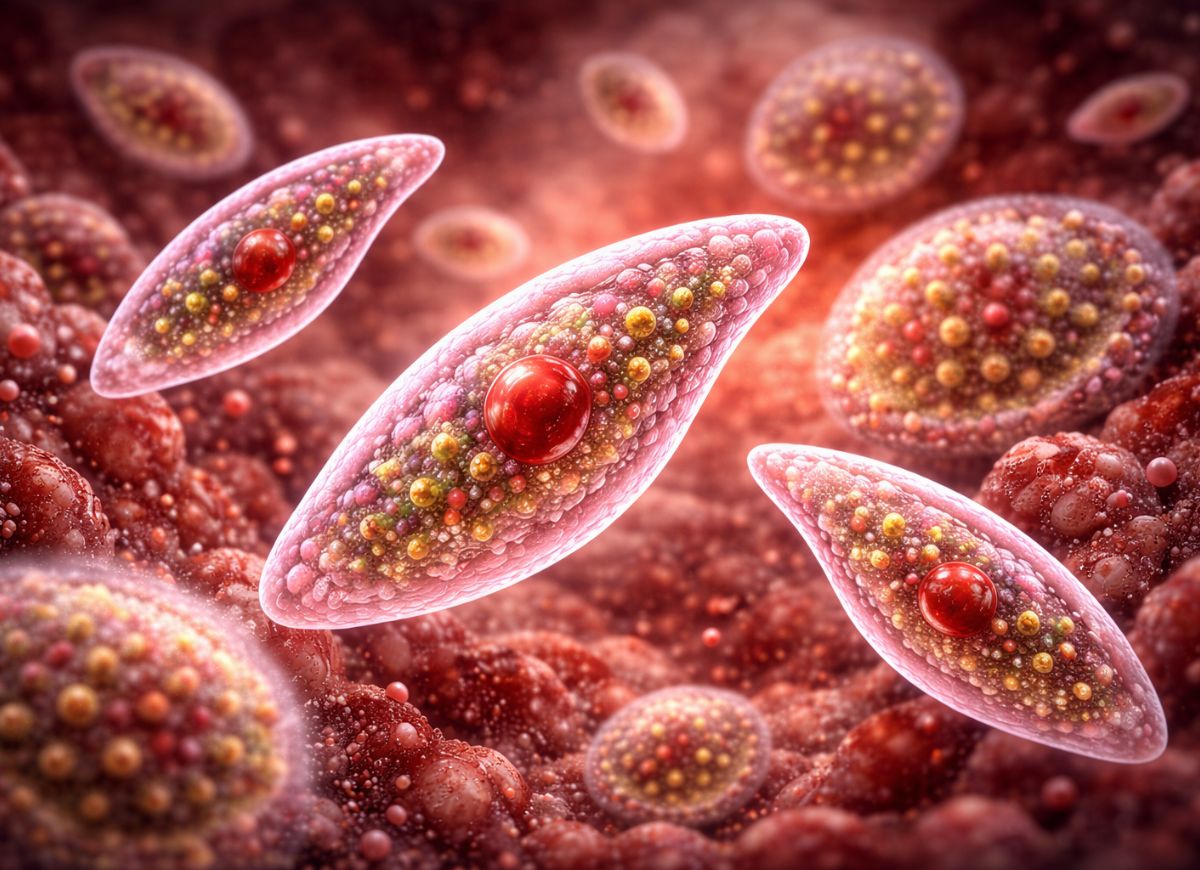
Toxoplasmosis is a common parasitic infection that often goes unnoticed, yet it affects a large share of the world’s population. It is caused by the parasite Toxoplasma gondii, which spreads through contaminated food, undercooked meat, soil, or contact with infected animal feces.
The Centers for Disease Control and Prevention estimates that more than 40 million people in the United States may carry the parasite, often without knowing it. Exposure rates are even higher in some parts of the world, which shows how easily the organism spreads in everyday settings.
What makes toxoplasmosis tricky is how subtle it is. In many people the immune system keeps the infection under control, so there are no obvious symptoms. A person can carry the parasite for years without any clear sign of illness.
When symptoms do appear, they are usually mild and easy to mistake for the flu or general tiredness. That overlap makes early recognition hard, especially in otherwise healthy people.
Even though it is often silent, toxoplasmosis can be serious in some situations. Pregnant women can pass the infection to the developing baby, and people with weakened immune systems can develop severe complications. Even in mild cases, the body may give subtle signals that something is off.
Knowing these overlooked symptoms helps you get care at the right time. This article covers nine symptoms of toxoplasmosis that are easy to miss and explains when a seemingly minor problem deserves a closer look.
9 Key Symptoms of Toxoplasmosis
Swollen Lymph Nodes (Lymphadenopathy)
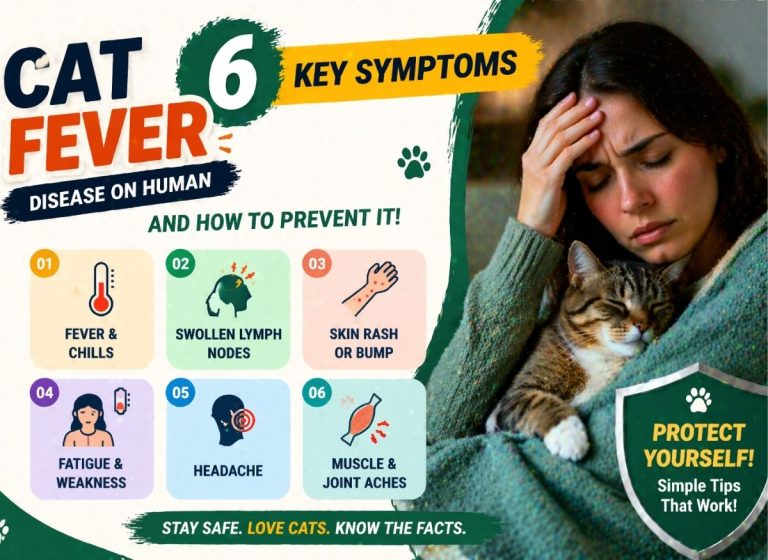
This is one of the classic signs of an acute toxoplasmosis infection. Lymph nodes in the neck, under the chin, in the armpits, or in the groin may swell as the immune system fights the parasite. Unlike in many other infections, the swelling is typically not painful.
Muscle Aches and Pains
Body aches (myalgia) like those you get with the flu are a frequent complaint. They come from the inflammatory response the parasite triggers as it spreads through the body.
Headache, Fever, and Fatigue
A lingering low-grade fever, a persistent headache, and deep fatigue often occur together.
This group of symptoms can last weeks or even months before clearing on its own. The immune system brings the infection under control and pushes the parasite into a dormant, cyst-like stage inside body tissues. In most healthy people the infection then stays latent and causes no further trouble.
Confusion
The brain is the most common site when toxoplasmosis reactivates. Symptoms of toxoplasmic encephalitis can include a sudden, severe headache, confusion or delirium, personality changes, and trouble speaking or understanding language. Movement can also be affected, causing poor coordination (ataxia), weakness on one side of the body, or tremors.
Seizures
The parasite can cause inflammation and abscesses in the brain, which disrupt normal electrical activity and lead to seizures. New seizures in someone with a weakened immune system should always prompt testing for toxoplasmosis.
Lung Problems
Lung involvement is less common than brain involvement, but toxoplasmosis can cause a condition that looks like Pneumocystis pneumonia (PCP), another common opportunistic infection in people with AIDS, or like tuberculosis.
Symptoms include a persistent cough, shortness of breath, chest pain, and fever. This can progress quickly and lead to respiratory failure if it isn’t diagnosed and treated promptly.
Blurred Vision and Floaters
Inflammation and cell debris in the vitreous humor, the gel-like substance that fills the eye, are the main causes of blurred vision and floaters. Vision loss can range from a slight haze to a major loss of clarity, depending on where the retinal lesion is and how large it is.
Eye Pain, Redness, and Photophobia
Pain in the affected eye, often with visible redness, is common. The inflammation can make the eye extremely sensitive to bright light, so people may need sunglasses or a dimly lit room to get through the day.
Risk of Permanent Damage
Each episode of active inflammation can leave a scar on the retina. If a scar forms on or near the macula, the central part of the retina that gives sharp, detailed vision, it can cause permanent loss of central vision. Prompt diagnosis and treatment with anti-parasitic medication and steroids are crucial to reduce inflammation, limit scarring, and protect eyesight.
Can Toxoplasmosis Cause Complications During Pregnancy?
Yes. If a woman is infected for the first time during pregnancy, the parasite can pass to the baby and cause congenital toxoplasmosis. The mother may have mild symptoms or none at all, but the effect on the baby can be severe, including miscarriage, stillbirth, or serious birth defects.
The risk of passing the infection on, and how severe the damage is, depend heavily on when the mother is infected. First-trimester infections are less likely to be transmitted but can have the worst outcomes. Third-trimester infections are more likely to be transmitted but usually cause milder disease in the newborn.
A baby born with congenital toxoplasmosis may have jaundice (yellowing of the skin and eyes), an enlarged liver and spleen (hepatosplenomegaly), a skin rash, and low platelet counts. More severe cases show the classic triad of symptoms:
- Chorioretinitis: inflammation of the retina that can lead to blindness
- Hydrocephalus: a buildup of fluid in the brain that enlarges the head
- Intracranial calcifications: calcium deposits in the brain
Many infected babies look healthy at birth but develop serious problems later, such as vision loss or blindness, intellectual or learning disabilities, hearing loss, and seizures. For this reason, many countries screen pregnant women, and prevention is strongly stressed for expectant mothers, including avoiding raw meat and cat litter.
What Causes a Toxoplasmosis Infection?
Toxoplasmosis is caused by the single-celled parasite Toxoplasma gondii. People mainly catch it by eating or drinking contaminated food or water, or by accidentally swallowing parasite oocysts from cat feces. The parasite has a complex life cycle in which cats are the definitive host, and other warm-blooded animals, including humans, are intermediate hosts.
Toxoplasmosis Transmitted From Cats and Their Litter
A person gets toxoplasmosis from cats by accidentally swallowing the microscopic oocysts (eggs) of T. gondii that an infected cat sheds in its feces.
Cats, both domestic and wild, are the only animals in which the parasite can complete its sexual reproductive cycle and make oocysts. The cycle starts when a cat eats an infected animal, such as a rodent or bird, that carries parasite cysts in its tissues.
Inside the cat’s intestines the parasites multiply and produce millions of oocysts over about one to three weeks, which are passed in the feces.
Freshly shed oocysts are not yet infectious. They must go through a process called sporulation, which takes about one to five days depending on temperature and humidity. This is why cleaning the litter box every day is such an effective precaution: it removes the feces before the oocysts become a threat.
People become infected by swallowing sporulated oocysts. This can happen when you:
- Clean a contaminated litter box and touch your mouth without washing your hands well
- Garden or play in soil contaminated with cat feces
- Eat unwashed fruits or vegetables from a contaminated garden
Children are especially at risk in sandboxes that neighborhood cats may have used as a litter box. You cannot get toxoplasmosis just by petting a cat, since oocysts are not found on the fur unless it has been directly contaminated with feces.
Toxoplasmosis From Contaminated Food and Water
Yes, and this is the most common route of infection worldwide. It happens in two main ways: eating raw or undercooked meat that contains dormant parasite cysts, or consuming food or water contaminated with oocysts shed by cats.
The parasite can infect almost any warm-blooded animal. When pigs, sheep, and deer graze on land contaminated with oocysts, the parasite forms tissue cysts in their muscles and organs. People are infected when they eat that meat without cooking it to a safe internal temperature.
Raw, rare, or undercooked meat is a major risk factor. Pork, lamb, and venison are common sources, but meat from any infected animal can carry tissue cysts.
Freezing meat for several days at sub-zero temperatures greatly reduces the number of viable cysts. Cooking meat thoroughly to the temperatures food safety agencies recommend kills the parasite: 145°F (63°C) for whole cuts and 160°F (71°C) for ground meat.
Fruits, vegetables, and drinking water can also pick up oocysts from soil or water polluted with cat feces. That is why all fresh produce should be washed thoroughly, especially anything eaten raw.
Good kitchen hygiene matters too. Wash cutting boards, utensils, and hands with soap and water after contact with raw meat to prevent cross-contamination of other foods.
When to Seek Medical Help?
See a doctor about suspected toxoplasmosis if you are pregnant, have a weakened immune system, or have severe symptoms such as blurred vision, confusion, or seizures.
In healthy people the infection is usually mild and clears on its own. In these high-risk groups, though, it can lead to severe and even life-threatening complications that need prompt diagnosis and treatment.
Who Are At High Risk for Severe Toxoplasmosis?
You are at high risk for severe toxoplasmosis if you are pregnant or have a significantly weakened immune system. These two groups are especially vulnerable to the parasite, though for different reasons.
In healthy people the immune system is very good at controlling the infection and forcing the parasite into a dormant state. When the body’s defenses are weakened or still developing, the parasite can cause widespread, severe disease.
Pregnancy. The main danger during pregnancy is not to the mother, who will likely have mild symptoms or none, but to her unborn child. If a woman is infected for the first time just before or during pregnancy, the parasite can cross the placenta and infect the baby. Congenital toxoplasmosis can cause miscarriage, stillbirth, or serious long-term problems including blindness, intellectual disability, and brain damage.
The risk and severity depend on the timing of the infection. Women who are pregnant or trying to conceive are strongly advised to take preventive steps and should be tested if they suspect exposure.
Weakened immune system. This group includes:
- People living with HIV/AIDS, particularly those with a low CD4 count
- Patients undergoing chemotherapy for cancer
- People who have had an organ or stem cell transplant and take immunosuppressive drugs
For them, the greatest danger often comes from reactivation of a latent infection they may have carried for years without problems. When the immune system weakens, the dormant parasite can wake up and multiply uncontrollably. This most often causes toxoplasmic encephalitis, a severe brain infection that can be fatal without aggressive treatment.
Symptoms Warranting Immediate Medical Attention
Any symptom that suggests severe neurological or eye involvement needs immediate medical attention, especially in a high-risk person. These red flags mean the infection is no longer a mild, self-limiting illness and has reached a dangerous stage that could cause permanent damage or threaten life.
Delay can have dire consequences, including irreversible vision loss, lasting neurological damage, or death. Urgent care allows prompt diagnosis, often with blood tests and brain imaging, and the start of specific anti-parasitic treatment.
Severe neurological symptoms are the most critical. These signs could indicate toxoplasmic encephalitis:
- A sudden, severe headache unlike any you have had before
- New-onset seizures
- Sudden confusion or disorientation
- Personality changes
- A sudden loss of coordination or balance
They suggest the parasite is actively causing inflammation and lesions in the brain and need emergency neurological assessment.
Eye symptoms should be checked urgently by an ophthalmologist. These include sudden blurred vision, severe eye pain, extreme sensitivity to light (photophobia), or a shower of new floaters. They are hallmark signs of active ocular toxoplasmosis, and immediate treatment is needed to control inflammation, prevent retinal scarring, and protect your sight.
Symptoms in immunocompromised people that seem less specific, such as a high, persistent fever, a stiff neck, or worsening shortness of breath, should be treated as an emergency. They may point to disseminated toxoplasmosis affecting several organs, including the brain, lungs, or heart, which requires hospitalization and aggressive treatment.
Toxoplasmosis Diagnosis
Toxoplasmosis is mainly diagnosed with serological tests, which are blood tests that detect antibodies the immune system makes in response to the parasite.
A doctor will usually order them if a patient has suggestive symptoms or belongs to a high-risk group, such as pregnant women or people with weakened immune systems. Two types of antibodies are measured: Immunoglobulin G (IgG) and Immunoglobulin M (IgM).
- IgG indicates a past infection. The person was exposed at some point and probably has immunity.
- IgM suggests a recent or active infection, since it is the first antibody the body produces after exposure.
Results can be hard to interpret. IgM can linger for months or even years, and it can also be a false positive.
To pin down the timing of an infection, especially in pregnant women, doctors may do an IgG avidity test. It measures how strongly IgG antibodies bind to the parasite. High-avidity antibodies suggest an infection several months ago, while low-avidity antibodies point to a more recent one.
If a pregnant woman is confirmed to have a recent infection, the next step is to find out whether the baby is infected. This is done with amniocentesis, in which a small sample of amniotic fluid is removed and tested for the parasite’s DNA using a Polymerase Chain Reaction (PCR) test.
The test is highly accurate but carries a small risk of complications, so the decision is made after careful discussion between the patient and her healthcare provider.
How to Prevent a Toxoplasmosis Infection
Prevention comes down to food safety, personal hygiene, and environmental precautions that keep you from swallowing the parasite’s infectious forms.
The parasite can be found in undercooked meat, contaminated soil, and cat feces, so a multi-pronged approach works best. It matters most for pregnant women and people with weakened immune systems, for whom infection can have severe consequences.
These habits lower your risk:
- Cook meat to safe temperatures. Use 145°F (63°C) for whole cuts, with a three-minute rest, and 160°F (71°C) for ground meat.
- Freeze meat. Freezing for several days at sub-zero temperatures also greatly reduces the chance of infection.
- Clean kitchen surfaces. Wash cutting boards, countertops, and utensils with hot, soapy water after contact with raw meat, poultry, or seafood.
- Wash produce. Rinse all raw fruits and vegetables thoroughly, since they can carry contaminated soil.
- Wash your hands. Use soap and water after handling raw meat or unwashed produce.
- Protect yourself in the garden. Wear gloves for gardening or any work with soil or sand, and wash your hands afterward.
- Handle cat litter carefully. If you have a cat, have someone who is not pregnant or immunocompromised change the litter box every day. The oocysts in cat feces only become infectious one to five days after they are passed. If you must do it yourself, wear disposable gloves and wash your hands right away.
- Look after your cat. Keeping cats indoors and feeding them commercial dry or canned food instead of raw meat helps stop them from picking up the parasite.
Toxoplasmosis Treatment
Treatment depends on the person’s health and on whether the infection is acute. Healthy, non-pregnant people with a strong immune system often need no treatment. Their bodies can control the parasite, which then goes dormant (latent).
Any mild, flu-like symptoms usually go away on their own. The parasite stays in the body for life in tissue cysts, but it generally causes no further illness unless the immune system is badly weakened later on.
For vulnerable groups, however, treatment is essential to prevent severe complications. The standard approach combines medications that kill the active parasite. The most common regimen is pyrimethamine, an antiparasitic drug, plus sulfadiazine, an antibiotic.
Because pyrimethamine can interfere with folic acid absorption and suppress the bone marrow, it is given together with folinic acid (leucovorin). This combination is the frontline treatment in the following situations:
- Pregnancy: A woman who acquires toxoplasmosis during pregnancy may be given the antibiotic spiramycin to help reduce the risk of passing the infection to her baby. If testing confirms the baby is infected, the pyrimethamine-sulfadiazine regimen is often started after the first trimester.
- Newborns: Babies diagnosed with congenital toxoplasmosis are typically treated with this combination for at least a year to limit long-term damage, especially to the eyes and brain.
- Weakened immune systems: People with HIV/AIDS, cancer patients on chemotherapy, and organ transplant recipients need aggressive treatment for active toxoplasmosis, since it can be life-threatening and often causes toxoplasmic encephalitis. Once the infection is controlled, they may need lower-dose maintenance therapy to prevent a latent infection from reactivating.
The Difference Between Congenital and Acquired Toxoplasmosis
The main difference is when and how the infection happens, which directly affects how severe the symptoms are and what the long-term outlook is.
Acquired toxoplasmosis is contracted after birth, usually by swallowing infectious oocysts from contaminated food, water, or soil, or by eating tissue cysts in undercooked meat. In the vast majority of healthy children and adults, it causes no symptoms or a mild, self-limiting illness with flu-like signs such as swollen lymph nodes, muscle aches, and fatigue. The immune system contains the parasite, which then stays dormant and usually causes no further problems.
Congenital toxoplasmosis happens when the parasite passes from a newly infected mother to her baby across the placenta during pregnancy. It is far more serious because the fetus has an immature immune system and is highly vulnerable. The effects can be devastating and vary with when the mother was infected.
Some infants with congenital toxoplasmosis have no symptoms at birth but develop serious problems months or years later. Possible long-term effects include vision loss or blindness from chorioretinitis (retinal inflammation), intellectual disability, seizures, and hearing loss.
The classic triad of severe congenital toxoplasmosis is chorioretinitis, hydrocephalus (fluid buildup in the brain), and intracranial calcifications. In short, acquired toxoplasmosis is generally harmless in healthy people, while congenital toxoplasmosis is a serious condition that needs prompt diagnosis and long-term management.
FAQs
1. How is toxoplasmosis transmitted?
Toxoplasmosis spreads when the parasite Toxoplasma gondii enters the body, most often by ingestion. The most common way is eating raw or undercooked meat that contains tissue cysts, especially pork, lamb, or venison.
Another major route is eating or drinking anything contaminated with the parasite, including unwashed fruits and vegetables exposed to soil. Contact with contaminated soil while gardening, or handling cat litter without good hygiene, can also cause infection if you touch your mouth before washing your hands.
Less often, it can pass from a pregnant woman to her baby, or through organ transplants and blood transfusions, although these routes are rare.
2. What does toxoplasmosis do to humans?
In many healthy people it causes no noticeable symptoms because the immune system keeps the parasite under control. When symptoms do occur, they are usually mild, such as fatigue, swollen lymph nodes, muscle aches, or a low-grade fever. In people with weakened immune systems, the infection can become more aggressive and affect the brain, lungs, or eyes.
That can lead to serious complications such as encephalitis or vision problems. During pregnancy, the infection can pass to the baby and cause developmental problems, which is why early awareness and prevention are so important.
3. How likely is it to get toxoplasmosis from a cat?
The risk of getting toxoplasmosis directly from a cat is lower than many people think. Cats shed the parasite in their feces only for a short time after they first become infected. The parasite in feces also needs one to several days to become infectious, so fresh litter is less risky than older, contaminated litter.
Most human infections are linked to food rather than cats. Good hygiene, such as washing your hands after cleaning the litter box and avoiding direct contact with feces, greatly reduces an already low risk.
4. Can 100% indoor cats have toxoplasmosis?
Indoor cats are much less likely to carry toxoplasmosis, especially if they eat commercial cat food and don’t hunt prey. It is still possible if the cat was infected earlier in life or eats raw meat.
Even so, the likelihood is low compared with outdoor cats that hunt rodents or birds. Keeping to indoor feeding, avoiding raw diets, and scheduling regular vet care help keep any risk to a minimum.
5. What kills toxoplasmosis in humans?
In healthy people, the immune system often controls the infection without treatment and keeps the parasite inactive in the body. In more serious cases, especially in pregnant women or people with weak immunity, doctors may prescribe antiparasitic drugs combined with antibiotics to limit the spread of the parasite.
These treatments don’t always clear the parasite completely, but they reduce its activity and help prevent complications. Early diagnosis makes management more effective.
6. Where do most people get toxoplasmosis?
Most infections come from food. Eating undercooked or badly handled meat is one of the leading causes worldwide. Contaminated water, unwashed produce, and contact with soil while gardening are also common sources.
Cats play a part in the parasite’s life cycle, but direct transmission from cats to humans is less common than people believe. Knowing the main sources helps focus prevention on the biggest risks.
7. What food is Toxoplasma gondii found in?
The parasite is most often found in raw or undercooked meat, particularly pork, lamb, and venison. It can also be present on fruits and vegetables contaminated by soil or water that carries the parasite.
Cross-contamination in the kitchen, such as using the same utensils for raw meat and other foods without cleaning them, can spread it too. Cooking food thoroughly, handling it properly, and washing produce carefully are the key steps to reduce exposure.
8. Can you have toxoplasmosis without knowing?
Yes. It is very common to have toxoplasmosis with no clear symptoms. Many people are infected at some point in their lives without ever realizing it, because the immune system usually keeps the parasite inactive.
Even without symptoms, though, the parasite can stay in the body in a dormant state. That is why awareness matters, especially for people who are pregnant or have weakened immunity, since the infection can become more significant for them.
Conclusion
Toxoplasmosis is far more common than many people realize, yet it often hides behind mild or unremarkable symptoms. That quiet nature is what makes it easy to overlook. Many people carry the infection without ever noticing, while others have subtle signs that are easily mistaken for everyday tiredness or a minor illness.
The challenge is spotting these early clues. Small changes in energy, mild discomfort, or symptoms that linger may not seem worrying, but they can reflect the body’s response to infection. For most healthy people the condition stays manageable, but some groups, particularly those with weakened immunity and women who are pregnant, face higher risks.
Understanding how toxoplasmosis spreads and recognizing its less obvious symptoms can make a real difference. Awareness encourages better habits, such as safe food handling and good hygiene, and supports earlier medical evaluation when it is needed.
The infection is often not severe, but ignoring its signs can mean missing the chance for timely care. Paying attention to subtle symptoms and thinking about possible exposure helps you get a clearer picture of your health.
In the end, knowledge is the most effective tool. Toxoplasmosis may not always show dramatic symptoms, but knowing what is easy to miss means it won’t go unnoticed when it matters most.