15 Hashimoto’s Disease Symptoms That Affect Your Whole Body
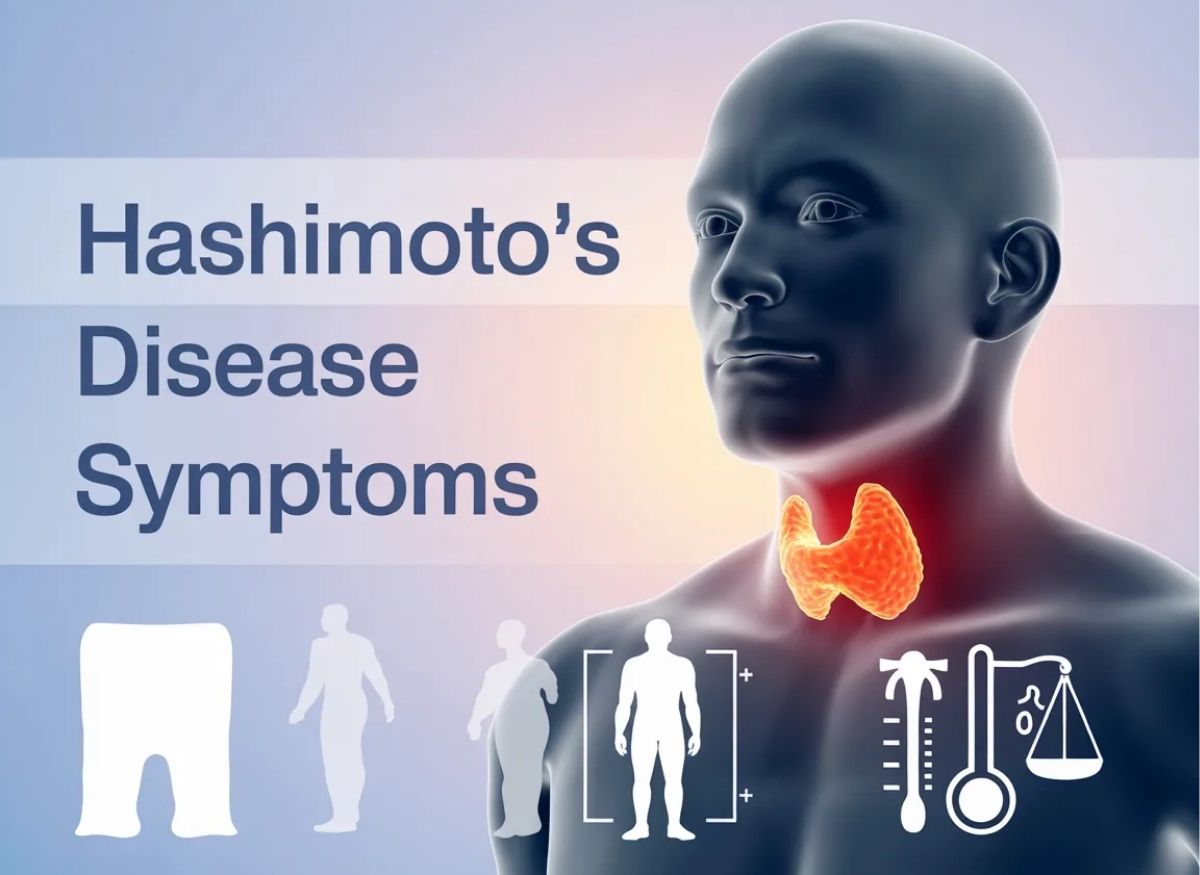
Constant tiredness. Weight gain you can’t explain. A mental fog that hurts your focus and performance. These are easy to blame on stress or lifestyle, but they can point to a thyroid disorder. Hashimoto’s disease is one of the most common causes of hypothyroidism, and its early signs are often missed because they build slowly and look so general.
Knowing the symptoms matters because the condition develops gradually and can go on for years before it is diagnosed. It happens when the immune system attacks the thyroid gland, disrupting hormone production and slowing key body functions such as metabolism, temperature control and energy balance.
The challenge is how easily the symptoms blend into normal life. Fatigue feels routine, feeling cold seems minor, and changes in skin, hair or mood get written off as ordinary variation. But when they appear together or last, they can signal a deeper imbalance that needs medical attention. Catching them early means timely evaluation, the right treatment and better long-term health.
General Knowledge about Hashimoto’s Disease
To understand the symptoms, start with the condition itself. Hashimoto’s disease is an autoimmune disorder in which the immune system mistakenly attacks the thyroid, causing chronic inflammation and, over time, an underactive thyroid (hypothyroidism).
Normally the immune system protects you from bacteria and viruses. In autoimmune disorders it becomes misdirected and attacks healthy tissue. In Hashimoto’s, it produces antibodies that target thyroid cells and gradually damage the gland, a process called chronic lymphocytic thyroiditis.
The thyroid is a small, butterfly-shaped gland at the base of the neck. Despite its size, it is central to regulating metabolism. It makes two essential hormones, thyroxine (T4) and triiodothyronine (T3), which travel in the blood and influence nearly every organ system. They control how the body uses energy, affecting heart rate, body temperature, digestion, brain function and mood.
As the immune attack continues, the thyroid produces less T3 and T4. This drop causes hypothyroidism and explains many common symptoms, including fatigue, weight gain and sensitivity to cold. Because thyroid hormones affect so many functions, symptoms are wide-ranging and can be hard to connect at first.
In regions with enough iodine in the diet, such as the United States, Hashimoto’s is the most common cause of hypothyroidism. It usually progresses slowly over several years, which is a main reason its early symptoms get overlooked and why awareness matters.
15 Hashimoto’s Disease Symptoms You Should Know
Recognizing Hashimoto’s means looking at patterns across the whole body rather than one isolated problem. The thyroid regulates metabolism, energy and hormonal balance, so when it declines the effects show up in the brain, skin, digestive system and even reproductive health.
There are at least 15 common symptoms. They are often grouped by the body systems they affect: neurological changes, visible physical signs, metabolic shifts and internal imbalances. A head-to-toe approach shows how widespread they can become, especially as the condition moves toward hypothyroidism.
Neurological and Psychological Symptoms
These symptoms often appear early and can seriously affect daily life. They are driven by low thyroid hormone, which directly affects brain metabolism, neurotransmitter activity and cognitive performance. Because the brain depends on a steady energy supply, even small hormonal imbalances can noticeably change mental clarity, mood and energy.
1. Fatigue (Persistent Exhaustion)
One of the most common and earliest symptoms. This isn’t ordinary tiredness; it is a deep exhaustion that rest and sleep don’t fix. Low thyroid hormone disrupts mitochondria, the parts of cells that produce energy, so the body struggles to keep up normal activity. People often feel physically drained, mentally slow and unable to stay focused through the day. Even routine tasks feel overwhelming, and the need for frequent rest becomes obvious.
2. Brain Fog and Memory Problems
“Brain fog” is a widely reported symptom of thyroid-related cognitive impairment. It includes trouble concentrating, slowed thinking, forgetfulness and reduced mental clarity.
Thyroid hormones are vital for healthy brain function, including neurotransmission and blood flow to the brain. When levels fall, thinking slows. People may struggle to recall information, follow conversations or finish tasks that need sustained attention. This can hurt work performance and everyday decisions, often leading to frustration and lower confidence.
3. Depression and Anxiety
Mood changes are another key category, including depression, anxiety, irritability and emotional instability. Thyroid hormones help regulate neurotransmitters such as serotonin and dopamine, which keep mood balanced. When hormone levels are too low, that balance is disrupted. Some people have persistent low mood, lack of motivation and loss of interest in daily activities. Others develop anxiety, with restlessness, nervousness or panic episodes.
These changes are often mistaken for primary mental health conditions, which can delay diagnosis. When they occur alongside other Hashimoto’s symptoms, though, they may point to a thyroid imbalance that needs medical evaluation.
The Visible Signs on the Face, Neck, and Hair
Some of the most noticeable symptoms show on the face, neck and hair. They develop gradually but can become clear indicators of thyroid dysfunction. Hashimoto’s affects hormone production and triggers inflammation, which directly impacts skin texture, facial structure and hair growth.
These aren’t just cosmetic concerns. They reflect deeper metabolic and hormonal imbalances tied to hypothyroidism, and for many people they are the first reason to seek medical evaluation.
4. Puffy Face (Myxedema)
A puffy, swollen face is one of the more distinctive symptoms in advanced cases. Called myxedema, it results from a buildup of substances called glycosaminoglycans in the skin.
These compounds attract water and cause a kind of swelling different from ordinary fluid retention. The skin may feel thickened or doughy rather than soft or pitting. Puffiness is often most obvious around the eyes, giving a tired, heavy look. The lips may look fuller and facial features broader or less defined. Over time this can create a dull or flattened expression reflecting the underlying metabolic slowing.
5. Goiter (Enlarged Thyroid)
A goiter is visible swelling at the front of the neck and a key physical sign. It develops as the thyroid enlarges from ongoing inflammation and hormonal imbalance.
Early on, immune activity makes the thyroid tissue swell. As hormone levels drop, the pituitary gland increases thyroid-stimulating hormone (TSH) to prod the thyroid, and this constant signal can enlarge the gland further. Depending on its size, a goiter can cause a tight feeling in the throat. If it progresses, some people notice difficulty swallowing, a hoarse voice or mild breathing discomfort.
6. Hair Loss and Thinning (Alopecia)
Hair changes are common and often distressing. Thyroid hormones play a critical role in the hair growth cycle, particularly the shift between growth and resting phases.
When hormone levels are too low, more follicles enter the resting phase too early. This disrupts normal renewal and causes noticeable thinning across the scalp rather than in isolated patches. Hair may also become dry, coarse and prone to breakage. A classic clinical sign is thinning of the outer third of the eyebrows (madarosis), a subtle change that is often overlooked but can be a valuable clue to thyroid dysfunction.
How Does Hashimoto’s Affect the Body’s Core Systems?
Many of the most disruptive symptoms come from its effect on core body systems. Hashimoto’s interferes with the thyroid’s ability to regulate metabolism, temperature and musculoskeletal function. As hormone levels fall, these basic processes slow, causing widespread physical changes that affect daily comfort and long-term health.
Because the thyroid controls basal metabolic rate, even a small imbalance can have noticeable body-wide effects. These symptoms usually develop gradually and become more persistent over time, especially as the condition moves toward hypothyroidism.
7. Unexplained Weight Gain
One of the most recognized symptoms, typically occurring without major changes in diet or activity. Thyroid hormones control how efficiently the body burns calories at rest. When they drop, basal metabolic rate slows and fewer calories are used, so more are stored as fat. Fluid and salt retention add to the gain, often creating a bloated, heavy feeling. The weight gain is usually gradual but persistent, and hard to reverse without addressing the thyroid imbalance.
8. Cold Intolerance
A hallmark symptom reflecting reduced heat production. Metabolism generates internal heat, so when it slows, the body makes less warmth and becomes more sensitive to cold. People may feel chilled even in moderate temperatures, and hands and feet often feel especially cold from reduced circulation and heat distribution. It affects daily comfort, leading to a constant need for extra layers or avoiding cooler places.
9. Muscle Aches and Joint Pain
Common but often overlooked, these come from metabolic changes and fluid retention in tissues. Low thyroid hormone can cause muscle weakness, stiffness and cramping, sometimes called hypothyroid myopathy.
Large muscle groups such as the shoulders and hips are often affected. Fluid buildup can also cause joint swelling and stiffness that feels like arthritis. Some people develop nerve compression problems such as carpal tunnel syndrome, because tissue swelling crowds tight spaces like the wrist.
What Are the Symptoms Related to Digestion and Reproduction?
Digestive and reproductive changes are often overlooked yet can seriously affect quality of life. Hashimoto’s disrupts hormonal balance and slows metabolism, which directly affects gut function and the reproductive system. The thyroid interacts closely with both, so even mild hormone deficiency can cause noticeable, persistent symptoms.
These effects are typically tied to progression toward hypothyroidism, where low hormone levels interfere with normal rhythms including digestion, ovulation and hormonal regulation.
10. Constipation
One of the most common digestive symptoms, often developing gradually. Thyroid hormones stimulate peristalsis, the coordinated muscle contractions that move food through the gut.
With low hormone levels, contractions become slower and less effective. Stool stays in the colon longer and more water is absorbed, producing hard, dry stools and infrequent bowel movements, often fewer than three per week. Many people also report persistent bloating, abdominal discomfort and a sense of incomplete digestion.
11. Heavy or Irregular Menstrual Periods
Menstrual irregularities are an important symptom group, particularly in women of reproductive age. The thyroid works closely with the pituitary gland and ovaries to regulate the cycle.
When thyroid hormone drops, this balance is disrupted. Some women have menorrhagia, unusually heavy or prolonged bleeding. Others notice shorter cycles, infrequent periods or no periods at all. These irregularities reflect changes in ovulation and hormone production, showing the reproductive system is affected by thyroid dysfunction.
12. Fertility Problems
Fertility challenges can result directly from the hormonal imbalance. Regular ovulation is essential for conception, and hypothyroidism can interfere with it. Sometimes ovulation doesn’t happen consistently, lowering the chance of pregnancy. Even when fertilization occurs, low thyroid hormone can affect implantation and early pregnancy stability. Untreated thyroid dysfunction is also linked to higher risks in pregnancy, including miscarriage, preterm birth and developmental concerns for the child.
What Changes Occur in the Skin, Nails, and Extremities?
Changes in the skin, nails and extremities are often subtle but telling. Hashimoto’s affects circulation, cell regeneration and gland function, which directly influence skin health, nail strength and cardiovascular stability.
As hormone levels fall, the body enters a low-metabolism state typical of hypothyroidism. This limits blood flow to the skin, decreases oil and sweat production and alters tissue repair. Over time the changes become visible and serve as important clinical clues.
13. Dry, Pale Skin
One of the most noticeable symptoms for appearance and comfort. Thyroid hormones support regular skin cell turnover and stimulate sweat and oil glands, so when levels are low, these processes slow considerably.
Dead skin cells build up on the surface, making skin rough, thick or scaly, while reduced gland activity causes dryness and flaking. Blood vessels near the surface may also constrict as the body tries to conserve heat, giving a pale or dull complexion. Associated anemia can add to the pale look.
14. Brittle Nails
Nail changes are common yet often overlooked. Low thyroid hormone interferes with keratin production, the protein that gives nails strength and structure. Nails may grow more slowly and become thin, fragile and prone to breaking. You might notice vertical ridges, peeling layers or frequent splitting from minimal impact. These changes reflect thyroid dysfunction’s broader effect on tissue growth and maintenance.
15. Slow Heart Rate (Bradycardia)
A slow heart rate is a significant body-wide sign. Thyroid hormones are critical for regulating heart rhythm and cardiac output. When levels are low, the heart beats more slowly and with less force. A resting rate below 60 beats per minute can occur, reducing circulation efficiency and contributing to fatigue, dizziness and lower exercise tolerance. In advanced cases, prolonged hypothyroidism can strain the cardiovascular system and raise the risk of complications if untreated.
The Causes and Risk Factors for Hashimoto’s Disease Symptoms
Understanding the causes explains why the condition develops and why it varies so much between people. Hashimoto’s has no single defined cause. It arises from a mix of genetic susceptibility, hormonal influences and environmental triggers that together set off an abnormal immune response against the thyroid.
Because the origin is multifactorial, many people carry risk factors without developing the disease, while others develop symptoms after exposure to specific triggers. Knowing the risk factors helps with early awareness when subtle symptoms begin to appear.
Genetic Predisposition
Genetics is one of the biggest risk factors. Hashimoto’s often runs in families, and having a first-degree relative with a thyroid or autoimmune condition raises your likelihood. Specific genes, particularly in the human leukocyte antigen (HLA) system, are linked to immune regulation. When they function differently, the immune system may struggle to tell healthy thyroid tissue from invaders, raising the risk of autoimmune attack.
Gender and Hormonal Influence
Gender plays a major role. Women are significantly more likely to develop Hashimoto’s than men, with estimates of a 7 to 10 times higher risk. Hormonal fluctuations, especially in estrogen, are believed to influence immune activity.
These shifts can trigger or worsen symptoms at key life stages such as puberty, pregnancy and menopause. The postpartum period is especially sensitive, and some women develop postpartum thyroiditis, which may be an early phase of underlying Hashimoto’s.
Presence of Other Autoimmune Diseases
Autoimmune conditions often don’t occur alone. People with other autoimmune disorders have a higher risk because of shared immune dysregulation. Celiac disease, type 1 diabetes, rheumatoid arthritis, lupus and vitiligo are commonly associated. This overlap reflects a broader immune imbalance in which the body is more prone to targeting its own tissues, including the thyroid.
Environmental Triggers
In people who are genetically susceptible, environmental factors can act as catalysts that start or worsen the disease.
- Infections: Certain viral and bacterial infections are linked to autoimmune activation. Pathogens such as Epstein-Barr virus or hepatitis C may trigger immune responses through molecular mimicry, where the immune system mistakenly attacks thyroid tissue because it resembles the invader.
- Excessive iodine intake: Iodine is essential for thyroid hormone production, but too much can disrupt thyroid function. In susceptible people, high iodine may trigger or worsen autoimmune inflammation.
- Chronic stress: Long-term physical or emotional stress can alter immune regulation, increasing vulnerability to autoimmune reactions and possibly speeding up onset or progression.
- Radiation exposure: Radiation, particularly to the head and neck, is a known risk factor for thyroid disorders. It can damage thyroid cells and may raise the chance of autoimmune responses over time.
These factors don’t act independently. They interact in complex ways, gradually shaping immune behavior and thyroid function. For at-risk people, noticing early symptoms alongside these factors supports earlier diagnosis and better management, especially with a family history or existing autoimmune conditions.
Can Specific Foods Trigger Hashimoto’s Flare-Ups?
Diet doesn’t cause Hashimoto’s, but certain foods may affect how symptoms feel and fluctuate. Medical treatment, especially thyroid hormone replacement, remains the foundation of care. Still, many people report that specific foods worsen fatigue, joint discomfort and digestive issues, particularly during flare-ups.
These reactions are often linked to inflammation and intestinal permeability, sometimes called “leaky gut.” In autoimmune conditions the immune system is already overactive, and some foods may stimulate it further and intensify symptoms.
Gluten Sensitivity
Gluten is one of the most commonly reported dietary triggers. It contains a protein called gliadin, whose molecular structure resembles components of the thyroid.
This can lead to molecular mimicry, where the immune system mistakenly targets thyroid tissue after reacting to gluten. Some people with Hashimoto’s notice improvement in brain fog, bloating and joint pain on a gluten-free diet. The link is especially relevant for those with celiac disease, since the two conditions can coexist and share immune pathways.
Other Common Food Triggers
Dairy and soy are also commonly reported to influence symptoms in some people. Dairy contains casein, a protein that may promote inflammation or sensitivity in some individuals. Soy can interfere with thyroid hormone absorption and may affect how the body uses medication.
Not everyone is sensitive, but some people improve after reducing or eliminating these foods. An elimination diet guided by a healthcare professional can identify personal triggers without needlessly restricting nutrition.
Goitrogens and Iodine Balance
Goitrogens are natural compounds in foods such as broccoli, cauliflower and kale. They can interfere with iodine uptake in the thyroid and may influence hormone production.
These vegetables are highly nutritious and shouldn’t be avoided entirely. Steaming or sautéing greatly reduces goitrogenic activity, making them safe for most people. Balanced iodine intake also matters, since both deficiency and excess can worsen symptoms, which is why moderation is key.
A Balanced Perspective on Diet
Diet changes can support symptom management but are no replacement for medical treatment. The food-symptom relationship varies widely: what triggers symptoms in one person may have no effect in another. A personalized, sustainable approach tends to work best. Noticing how your body responds to certain foods, while keeping overall nutrition balanced, can reduce symptom swings and improve daily well-being.
The Treatment Options for Hashimoto’s Disease
The primary treatment is lifelong thyroid hormone replacement, taking a synthetic thyroid hormone daily to make up for the underactive gland and restore normal metabolism. This addresses the resulting hypothyroidism, aiming to relieve symptoms, normalize TSH levels and prevent long-term complications. Management also involves regular monitoring and possible lifestyle adjustments to support overall well-being.
The treatment plan is comprehensive and personalized:
- Thyroid hormone replacement therapy: The cornerstone is levothyroxine (brands include Synthroid, Levoxyl and Tirosint), a synthetic form of thyroxine (T4), the main hormone the thyroid makes. It is identical to the body’s own T4, which is converted into active T3 as needed, effectively replacing the failing gland’s function. For most patients, T4-only therapy is enough to resolve symptoms. If someone doesn’t feel well on levothyroxine alone, doctors may consider adding synthetic T3 (liothyronine) or desiccated thyroid extract (DTE), derived from animal thyroid glands and containing both T4 and T3.
- Regular monitoring and dosage adjustment: Treatment is not one-size-fits-all. The goal is the precise levothyroxine dose that brings TSH into the optimal range. After starting or changing a dose, blood tests are usually done every 6 to 8 weeks until TSH stabilizes, then typically once a year. Doses often need adjusting through life because of changes in weight, pregnancy, menopause, aging and other medications (such as calcium or iron supplements) that interfere with absorption.
- Symptom management and lifestyle considerations: Hormone replacement is the main treatment, but it may not resolve every symptom in every patient, so a holistic approach helps. That includes a nutrient-dense, anti-inflammatory diet. Nutrients like selenium, zinc and iron matter for thyroid health, though supplements should only be taken under medical guidance. Managing stress with meditation or yoga, getting enough sleep and exercising moderately regularly can improve energy, mood and quality of life. These strategies complement medical treatment but don’t replace it.
When to See a Doctor for Hashimoto’s Disease Symptoms
Knowing when to seek care is a critical step. Hashimoto’s develops gradually, so early warning signs are easy to overlook. But delaying evaluation lets the condition progress and raises the risk of hypothyroidism-related complications.
Persistent Symptoms That Should Not Be Ignored
Evaluation matters when symptoms are ongoing rather than occasional. Fatigue that doesn’t improve with rest, steady weight gain without lifestyle changes and persistent brain fog are among the most common early signals. They may seem mild at first, but when they last weeks or months they often point to a hormonal imbalance rather than temporary stress or poor sleep. A pattern of low energy, reduced focus and slowed physical function shouldn’t be dismissed, especially when it starts interfering with daily activities.
Red Flags That Require Prompt Attention
Some symptoms are more serious and should be assessed without delay. Visible neck swelling (a goiter) may signal significant thyroid inflammation or enlargement. A noticeably slow heart rate (bradycardia) can affect circulation and cardiovascular function. Severe mood changes, including persistent depression or heightened anxiety, may reflect advanced thyroid dysfunction.
When Multiple Symptoms Appear Together
One isolated symptom may not raise concern, but a combination tells a different story. Fatigue with weight gain, dry skin, cold intolerance and hair thinning forms a recognizable pattern. When several symptoms develop together, the thyroid is more likely involved, and this clustering is often what prompts providers to recommend further testing.
Why Early Testing Matters
Early diagnosis can significantly improve long-term outcomes. Simple blood tests measure thyroid hormone levels and detect antibodies that confirm an autoimmune process. Identifying the condition early allows timely treatment, which can stabilize metabolism, improve energy and keep symptoms from worsening. Watching your symptoms and getting evaluated at the right time lowers the risk of complications and supports better overall health.
Conclusion
Recognizing Hashimoto’s means paying attention to patterns rather than isolated changes. One symptom alone may not raise concern, but the combination of persistent fatigue, weight changes, mood disturbances and physical changes can signal a thyroid problem. That pattern is often the key to identifying the condition before it progresses.
Hashimoto’s can’t be cured, but it can be managed effectively. With early diagnosis and proper treatment, people can regain stable energy, metabolism and well-being. Ongoing monitoring and following medical guidance are central to reducing symptoms and preventing complications.
If several of the symptoms described here are present, seeing a healthcare professional is an important step. Early recognition and intervention can greatly improve quality of life, and paying attention to these signs helps ensure problems are addressed before they become more serious.
FAQs About Hashimoto’s Disease Symptoms
Can Hashimoto’s disease go away?
It typically doesn’t, because it is a chronic autoimmune condition. The immune system continues to treat the thyroid as a target, so the underlying process stays active.
However, symptoms can be managed effectively. With proper treatment, including thyroid hormone replacement and supportive lifestyle changes, many people see major improvement in energy, metabolism and overall well-being. The goal is not a cure but long-term control and stability.
What is the first symptom of Hashimoto’s disease?
One of the earliest and most commonly reported symptoms is persistent fatigue. It feels different from normal tiredness, lingers even after adequate rest and may gradually worsen. Other early signs can include mild weight gain, sensitivity to cold and subtle cognitive changes such as trouble concentrating. Because these develop slowly and are nonspecific, they are often overlooked early on.
Can you have Hashimoto’s disease with normal TSH levels?
Yes. In the early phase, thyroid hormone production may still be adequate, which keeps TSH stable. But the immune system may already be producing antibodies that attack the thyroid. Specific blood tests can detect these antibodies even before TSH changes significantly. That’s why people can have early symptoms despite normal standard thyroid test results.
Is Hashimoto’s disease serious if untreated?
Yes, it can be. Untreated, it can lead to progressive hypothyroidism and a wide range of complications as worsening hormone deficiency affects multiple body systems. This may mean severe fatigue, cardiovascular problems, infertility and mental health challenges. In rare, advanced cases, untreated hypothyroidism can cause myxedema, a life-threatening condition. Early recognition and treatment greatly reduce these risks.
Can Hashimoto’s disease symptoms come and go?
Yes. Many people have periods when symptoms improve, followed by phases when they worsen. Stress, hormonal changes, diet and overall health can all influence these swings. The pattern can make the condition feel unpredictable, which is why consistent monitoring and management matter.
What triggers Hashimoto’s disease symptoms to worsen?
Several factors can contribute to flare-ups, including chronic stress, poor sleep, dietary sensitivities and hormonal shifts. Sometimes infections or excessive iodine intake play a role. These can increase inflammation or disrupt immune balance, causing a temporary worsening. Identifying your personal triggers and keeping a stable routine can reduce how often and how severely flare-ups occur.