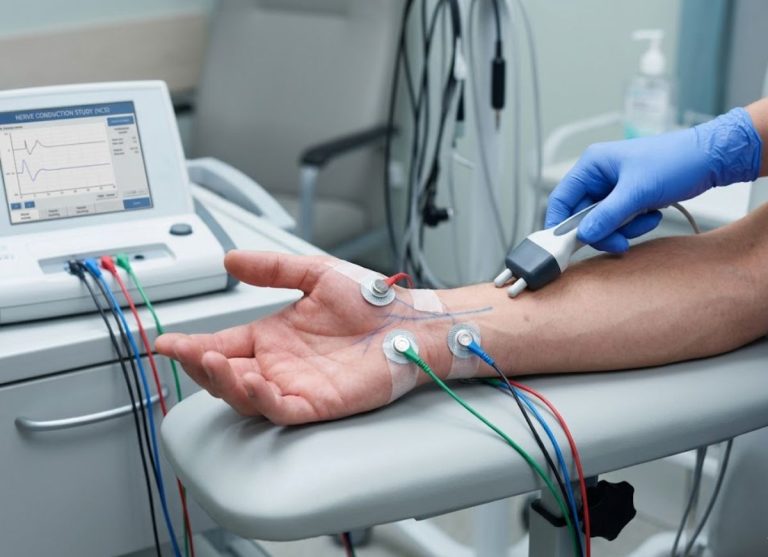

10 Symptoms of Atrophic Gastritis You Should Know
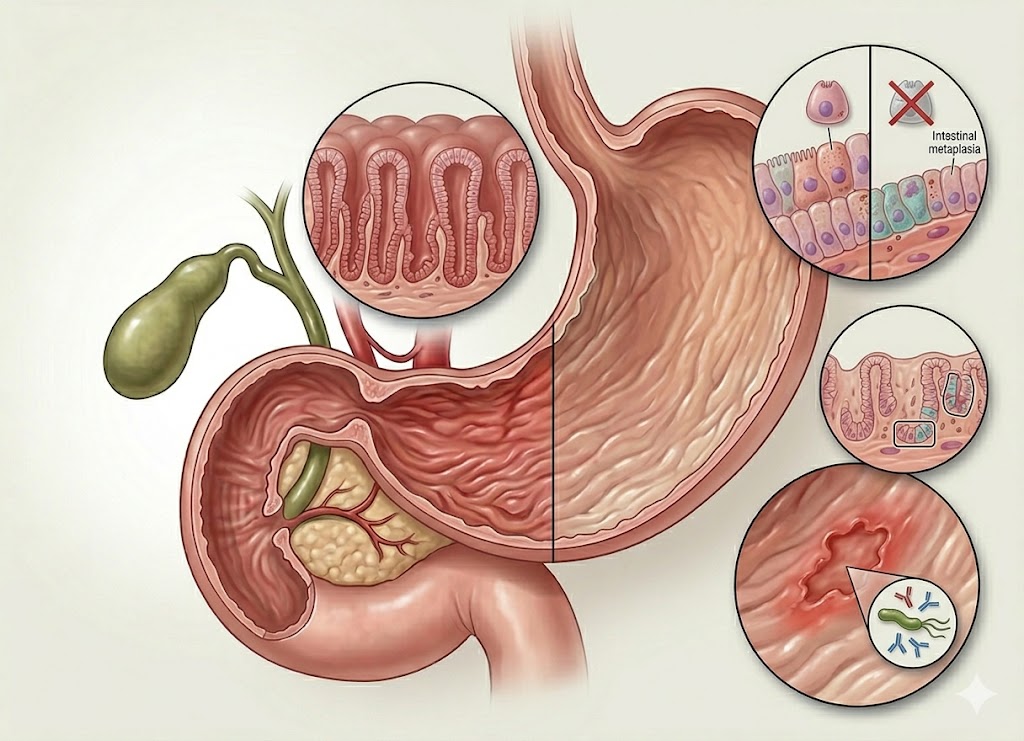
Atrophic gastritis is a long-term condition that causes inflammation and gradual damage to the lining of the stomach. As the stomach lining loses its normal glandular cells, it may produce less stomach acid and fewer substances needed for digestion. Some people have few noticeable symptoms in the early stages, while others may eventually develop digestive problems, nutrient deficiencies, and other complications.
Because the symptoms can develop slowly and may look similar to those of other digestive conditions, atrophic gastritis can go unnoticed for a long time. In some cases, it is only discovered during medical testing. Knowing the possible warning signs can help you recognize when it may be time to speak with a healthcare professional.
In this article, we look at 10 symptoms of atrophic gastritis and explain how this condition can affect digestion, nutrient absorption, and overall health.
What Exactly Is Atrophic Gastritis?
Atrophic gastritis is a chronic inflammatory condition in which the stomach lining becomes damaged, thinner, and gradually loses its normal glandular structure. It usually develops over many years rather than appearing suddenly.
One of the main features of atrophic gastritis is the gradual loss of specialized stomach cells. These cells produce important substances such as hydrochloric acid, digestive enzymes including pepsin, and intrinsic factor, a protein needed for vitamin B12 absorption.
When these cells are damaged or destroyed, the stomach may produce much less acid or no acid at all. This is known as hypochlorhydria or achlorhydria. The resulting changes can interfere with normal digestion and increase the risk of nutritional deficiencies and other long-term complications, including an increased risk of stomach cancer.
What Happens to the Stomach Lining?
Atrophic gastritis develops as long-term inflammation gradually damages the stomach lining. Two major causes are chronic Helicobacter pylori (H. pylori) infection and an autoimmune reaction in which the immune system mistakenly attacks the stomach’s own cells.
As inflammation continues, important secretory cells become damaged. These include parietal cells, which produce stomach acid and intrinsic factor, and chief cells, which produce pepsinogen, a precursor to the digestive enzyme pepsin.
As these cells are lost, the normal glandular lining becomes thinner and less functional. In some cases, the stomach may replace damaged tissue with cells that resemble those found in the intestines.
This change is called intestinal metaplasia. It is considered a precancerous change and may require regular medical monitoring because it can be associated with an increased risk of stomach cancer.
How the Damage Affects Digestion and Nutrient Absorption
Damage to the stomach lining can interfere with both digestion and nutrient absorption. The loss of parietal cells reduces the production of hydrochloric acid, which plays an important role in digestion.
Lower stomach acid can affect the breakdown of proteins and the activation of pepsin. It can also reduce the stomach’s normal defense against certain bacteria, potentially contributing to bacterial overgrowth and symptoms such as bloating and gas.
Low stomach acid may also make it harder for the body to obtain certain minerals, including iron, calcium, and magnesium, from food.
Another major concern is the loss of intrinsic factor. Without enough intrinsic factor, the body cannot properly absorb vitamin B12 in the small intestine. Severe or prolonged vitamin B12 deficiency can contribute to pernicious anemia and neurological problems if it is not treated.
The 10 Key Symptoms of Atrophic Gastritis
Atrophic gastritis can cause both digestive symptoms and problems related to nutritional deficiencies. The symptoms may vary depending on how advanced the condition is and whether complications such as iron or vitamin B12 deficiency have developed.
The ten symptoms commonly associated with atrophic gastritis include:
- Chronic indigestion (dyspepsia)
- Persistent upper abdominal pain
- Bloating and excessive gas
- Early satiety, or feeling full unusually quickly
- Frequent nausea
- Occasional vomiting
- Unexplained, unintentional weight loss
- Loss of appetite
- Fatigue and muscle weakness
- Numbness and tingling in the hands or feet
These symptoms can be easier to understand when they are grouped according to how atrophic gastritis affects digestion, nutrient levels, and the nervous system.
Direct Digestive Symptoms and Gastric Distress
Many of the earliest noticeable symptoms involve the upper digestive system. Changes to the stomach lining and reduced stomach acid can affect how food is processed and how the stomach functions.
Chronic Bloating and Indigestion
Reduced stomach acid can interfere with normal digestion and may contribute to bloating, gas, belching, and indigestion after meals.
When food is not processed normally, some people may experience a feeling of fullness or discomfort that lasts longer than expected after eating. These symptoms can vary from mild to persistent depending on the severity of the underlying stomach changes.
Abdominal Pain and Early Satiety
Atrophic gastritis may cause discomfort or pain in the upper abdomen. Some people describe the sensation as dull, burning, or gnawing.
Another possible symptom is early satiety, which means feeling full after eating only a small amount of food. Ongoing inflammation and changes to the stomach lining may contribute to this uncomfortable sensation.
Nutritional Deficiencies: Fatigue and Weakness
Atrophic gastritis can interfere with the body’s ability to absorb important nutrients, particularly iron and vitamin B12. Over time, these deficiencies may contribute to anemia, fatigue, weakness, and other symptoms.
Iron-Deficiency Anemia
Stomach acid helps prepare dietary iron for absorption in the small intestine. When stomach acid levels are reduced, iron absorption may become less efficient.
Over time, iron deficiency can lead to iron-deficiency anemia. This may cause symptoms such as persistent fatigue, weakness, pale skin, dizziness, and shortness of breath.
Pernicious Anemia
Parietal cells produce intrinsic factor, which is necessary for vitamin B12 absorption. When these cells are damaged, intrinsic factor production can decrease.
Without enough intrinsic factor, the body may struggle to absorb vitamin B12. Severe vitamin B12 deficiency can contribute to pernicious anemia, which may cause fatigue and weakness as well as neurological symptoms.
Unexplained Weight Loss and Loss of Appetite
Unintentional weight loss can occur in people with atrophic gastritis, particularly when digestive symptoms affect eating habits.
Abdominal discomfort, bloating, nausea, and early satiety may make it difficult to eat normal portions. A reduced appetite can then contribute to lower calorie intake and gradual weight loss.
Unexplained weight loss should always be discussed with a healthcare professional because it can have many possible causes.
Neurological Symptoms of Atrophic Gastritis
Neurological symptoms may develop when atrophic gastritis leads to prolonged vitamin B12 deficiency. Vitamin B12 is important for maintaining healthy nerves and supporting normal nervous system function.
A deficiency can cause symptoms such as numbness, tingling, or burning sensations, often beginning in the hands or feet. Some people may also experience problems with balance or coordination.
More severe or prolonged deficiency may contribute to memory problems, confusion, mood changes, irritability, and difficulty concentrating. If vitamin B12 deficiency remains untreated for a long time, some neurological damage may become permanent, making early evaluation and treatment important.
The Two Primary Pathways of Atrophic Gastritis
Atrophic gastritis can develop through two main pathways: chronic H. pylori infection or an autoimmune process. Both can damage the stomach lining and cause glandular loss, but they affect the stomach in different ways.
Identifying the underlying cause can help doctors determine appropriate treatment and long-term monitoring.
1. Environmental Driver: Chronic H. pylori Infection
Helicobacter pylori (H. pylori) infection is a major cause of atrophic gastritis. This bacterium can survive in the stomach and establish a long-term infection that causes ongoing inflammation.
Mechanism of Infection and Colonization
H. pylori produces an enzyme called urease, which helps the bacteria survive in the acidic environment of the stomach. The bacteria can also move through the stomach’s protective mucus layer and attach to cells lining the stomach.
Once established, the infection can trigger a prolonged immune response. Continued inflammation may gradually damage the stomach’s glandular cells.
Relentless Collateral Damage
Long-term inflammation caused by H. pylori can progressively damage the stomach lining. Over many years, specialized cells may be lost and replaced by less functional tissue or intestinal-type cells.
This form of atrophic gastritis often begins in the lower portion of the stomach, known as the antrum, and may progress toward the body of the stomach.
When H. pylori infection is identified, treating the infection with appropriate antibiotics can help eliminate the bacteria and may reduce further inflammation and damage.
Internal Driver: Autoimmune Atrophic Gastritis (AAG)
Autoimmune atrophic gastritis develops when the immune system mistakenly attacks cells and proteins in the stomach. Instead of being caused by an infection, this form results from an abnormal autoimmune response.
Targeted Cellular Destruction
In autoimmune atrophic gastritis, the immune system may produce antibodies that target parietal cells and components involved in stomach acid production.
The immune response can damage parietal cells, reducing the stomach’s ability to produce hydrochloric acid and intrinsic factor.
Unlike H. pylori-related disease, autoimmune atrophic gastritis typically affects the body and fundus of the stomach, where parietal cells are concentrated.
Complete Achlorhydria and Pernicious Anemia
As parietal cells are progressively damaged, stomach acid production can become very low or disappear completely. This condition is known as achlorhydria.
The loss of intrinsic factor can also interfere with vitamin B12 absorption, increasing the risk of vitamin B12 deficiency and pernicious anemia.
Autoimmune atrophic gastritis may occur alongside other autoimmune conditions, including Hashimoto’s thyroiditis, vitiligo, or type 1 diabetes. Blood tests for anti-parietal cell and anti-intrinsic factor antibodies may help support the diagnosis.
How Doctors Confirm a Diagnosis of Atrophic Gastritis
Diagnosing atrophic gastritis usually involves a combination of symptoms, medical history, laboratory testing, and examination of the stomach lining.
The Gold Standard: Upper Endoscopy with Biopsy
An upper endoscopy with biopsy is an important diagnostic method for evaluating suspected atrophic gastritis. During the procedure, a doctor uses a thin, flexible tube with a camera to examine the stomach lining.
The lining may appear thinner or paler than normal, with the underlying blood vessels becoming more visible.
Because visual examination alone cannot confirm the cellular changes associated with atrophic gastritis, doctors may take tissue samples from different areas of the stomach. A pathologist then examines these samples under a microscope for glandular loss, atrophy, and changes such as intestinal metaplasia.
Supporting Clinical Tests
Antibody and Pathogen Serology: Blood tests may help identify the underlying cause. Testing can be used to assess for H. pylori infection, while anti-parietal cell antibodies and anti-intrinsic factor antibodies may support a diagnosis of autoimmune atrophic gastritis.
Functional Gastric Markers: Blood tests can also evaluate markers associated with stomach function. Pepsinogen levels and the pepsinogen I/II ratio may provide information about gastric gland loss. Gastrin levels may also become elevated when stomach acid production is significantly reduced.
Nutritional Status Evaluation: Doctors may check vitamin B12 levels, iron stores such as ferritin, and complete blood counts to identify anemia or other nutritional deficiencies associated with atrophic gastritis.
Atrophic vs. Non-Atrophic Gastritis: The Structural Divide
The main difference between atrophic and non-atrophic gastritis is the extent of structural damage to the stomach lining.
Non-atrophic gastritis involves inflammation without significant destruction of the stomach’s glandular structure. The lining may be irritated and contain inflammatory cells, but the glands remain largely intact. It can be associated with factors such as NSAID use, alcohol consumption, or H. pylori infection.
Atrophic gastritis involves more advanced structural changes. Chronic inflammation can damage and destroy the stomach’s glandular cells, resulting in a thinner, less functional lining. Intestinal metaplasia may also develop in some cases.
Because atrophic gastritis involves structural glandular loss, it can have longer-term effects on stomach function and nutrient absorption.
Potential Long-Term Health Risks
If atrophic gastritis is not properly managed, ongoing damage to the stomach lining can increase the risk of several complications.
Pernicious Anemia and Neurological Decline
Loss of parietal cells can reduce intrinsic factor production, making it difficult for the body to absorb vitamin B12. Prolonged vitamin B12 deficiency may contribute to pernicious anemia, fatigue, weakness, numbness, balance problems, and other neurological symptoms.
The Correa Precancerous Cascade
Atrophic gastritis can be associated with a sequence of stomach lining changes sometimes referred to as the Correa cascade. These changes may progress from chronic inflammation and atrophy to intestinal metaplasia, dysplasia, and, in some cases, gastric adenocarcinoma.
Reduced stomach acid can also cause gastrin levels to rise. Long-term changes in gastrin levels may contribute to the development of certain gastric neuroendocrine tumors.
Bone Disease and Severe Mineral Malabsorption
Reduced stomach acid can interfere with the absorption of certain nutrients, including iron. This may contribute to iron-deficiency anemia.
Changes in nutrient absorption may also affect bone health. Inadequate calcium and vitamin D intake or absorption over time can contribute to reduced bone density and increase the risk of osteoporosis and fractures.
Targeted Dietary and Supplementation Guidelines
Diet alone cannot reverse the loss of stomach glands caused by atrophic gastritis. However, dietary adjustments and appropriate supplementation may help manage symptoms and address nutritional deficiencies.
Modifying Meal Structure and Avoiding Irritants
Some people find that eating smaller, more frequent meals is easier to tolerate than consuming large meals at once.
Foods that trigger discomfort should also be limited. Depending on individual tolerance, this may include spicy foods, highly acidic foods, and heavy or fried meals.
A balanced diet can include easily tolerated sources of lean protein, along with fruits and well-cooked vegetables. Dietary choices should be adjusted based on individual symptoms and guidance from a healthcare professional or registered dietitian.
Mandatory Medical Supplementation
Nutritional deficiencies associated with atrophic gastritis may require medical treatment rather than diet alone.
- Vitamin B12: People with significant vitamin B12 malabsorption may need medically supervised B12 replacement. Depending on the cause and severity of the deficiency, treatment may involve injections or high-dose oral supplementation.
- Iron and Vitamin C: Iron supplements may be recommended when iron deficiency or iron-deficiency anemia is present. Vitamin C may help improve iron absorption in some situations.
- Calcium and Vitamin D: Adequate calcium and vitamin D are important for maintaining bone health. Supplements may be recommended when dietary intake or absorption is insufficient.
Conclusion
The symptoms of atrophic gastritis can range from mild digestive discomfort to signs of nutrient deficiencies and neurological problems. Because the condition often develops gradually, its early symptoms may be overlooked or mistaken for other digestive disorders.
Recognizing symptoms such as persistent indigestion, upper abdominal discomfort, bloating, early fullness, unexplained weight loss, fatigue, or numbness and tingling can help you know when to seek medical advice. Early diagnosis can help identify the underlying cause, address nutritional deficiencies, manage symptoms, and reduce the risk of complications linked to long-term stomach lining damage.
Frequently Asked Questions
1. What is atrophic gastritis?
Atrophic gastritis is a chronic condition that causes inflammation and gradual loss of the stomach’s normal glands. This can reduce the production of stomach acid and other substances needed for digestion. Common causes include long-term Helicobacter pylori infection and autoimmune gastritis. Over time, the condition may affect digestion and nutrient absorption.
2. What causes atrophic gastritis?
The two main causes are chronic Helicobacter pylori infection and autoimmune gastritis. With autoimmune gastritis, the immune system mistakenly attacks healthy cells in the stomach. Long-term inflammation can gradually damage the stomach lining. Genetic and environmental factors may also play a role.
3. Can atrophic gastritis cause vitamin deficiencies?
Yes. Atrophic gastritis can interfere with the absorption of several important nutrients, especially vitamin B12 and iron. Reduced production of intrinsic factor can make it difficult for the body to absorb vitamin B12. Deficiencies may lead to symptoms such as fatigue, weakness, anemia, numbness, and tingling.
4. How is atrophic gastritis diagnosed?
Doctors may use a combination of medical history, physical examination, blood tests, and upper endoscopy. During an endoscopy, tissue samples can be collected from the stomach lining and examined under a microscope. Blood tests may also check for vitamin deficiencies, autoimmune antibodies, and evidence of H. pylori infection.
5. Is atrophic gastritis treatable?
Treatment depends on the underlying cause and the individual’s symptoms and nutritional status. If H. pylori infection is present, antibiotics may be used to eliminate the bacteria. Vitamin B12, iron, or other supplements may be recommended when deficiencies are present. Regular medical monitoring may also be needed to manage the condition and reduce the risk of complications.