
8 Signs an Ovarian Cyst May Have Ruptured
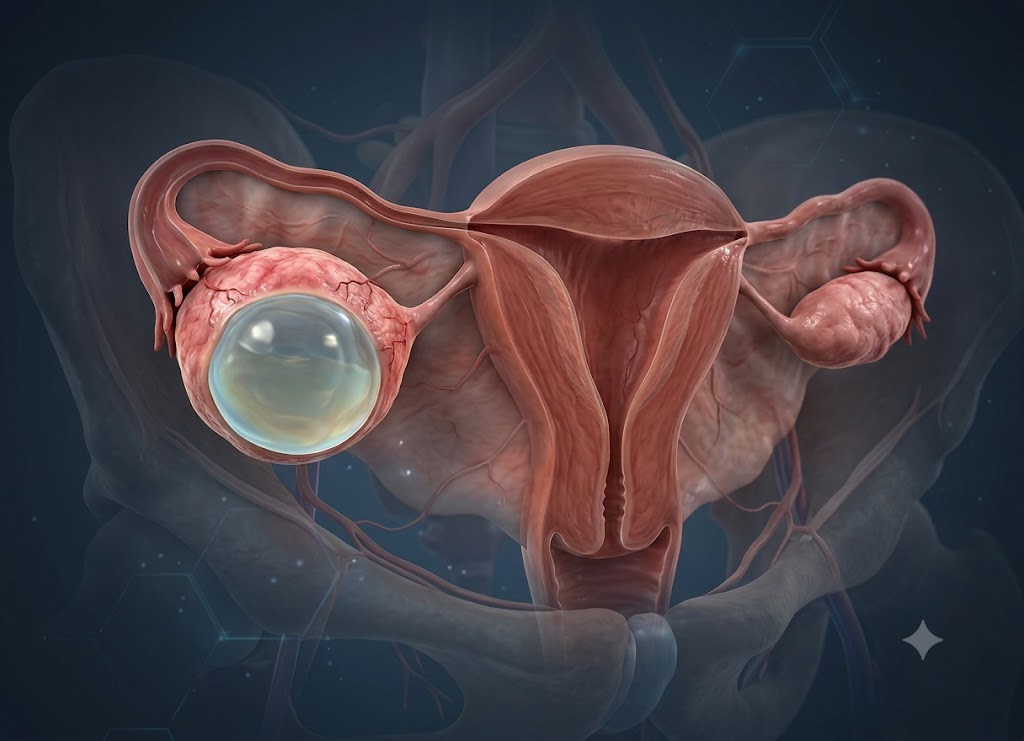
An ovarian cyst is a fluid-filled sac that develops on or inside an ovary. Many cysts are harmless and disappear naturally, especially those associated with the normal menstrual cycle. However, a cyst can sometimes rupture, meaning its outer wall breaks and releases fluid or blood into the pelvic area. Depending on the situation, this may cause anything from mild discomfort to sudden, severe pain that requires urgent medical attention.
Knowing the possible signs of a ruptured ovarian cyst can help you recognize when pelvic pain may be more serious than ordinary menstrual cramps. A rupture may cause sudden pain on one side of the pelvis, abdominal swelling, nausea, vomiting, dizziness, vaginal bleeding, fever, or discomfort that becomes worse with movement. Some ruptured cysts only require observation and pain control, while others can lead to significant bleeding or infection and need emergency treatment. This article explains eight possible warning signs of a ruptured ovarian cyst and when medical care may be necessary.
Pathological Overview: What is an Ovarian Cyst?
An ovarian cyst is a fluid-filled sac or pocket that can form on the surface or within one of the ovaries. These cysts are common and often develop as part of the normal reproductive cycle.
                          [Ovarian Cyst Classification]
                                        │
         ┌──────────────────────────────┴──────────────────────────────┐
         ▼                                                             ▼
 [Functional Cysts (Cyclical)]                               [Non-Functional Cysts (Structural)]
  ├── Follicular Cyst (Egg not released)                     ├── Dermoid Cyst (Contains hair/tissue cells)
  └── Corpus Luteum Cyst (Fluid fills empty sac)             └── Endometrioma (Filled with endometrial tissue)
Most ovarian cysts are functional cysts, which means they are generally non-cancerous and connected to the normal menstrual cycle. The two primary types include:
- Follicular Cysts: During a normal cycle, an ovary develops a follicle that contains a growing egg. If the follicle does not open and release the egg during ovulation, it can continue filling with fluid and become a follicular cyst.
- Corpus Luteum Cysts: After ovulation, the follicle that released the egg changes into the corpus luteum. This structure produces hormones that help prepare the body for pregnancy. If the opening closes and fluid collects inside, a corpus luteum cyst can develop.
Functional cysts are usually small and may not cause any symptoms. Many disappear naturally within two or three menstrual cycles. However, understanding what causes ovarian cysts to enlarge or develop into non-functional types, such as dermoid cysts or endometriomas, is important because some of these cysts have a greater risk of complications.
The Internal Mechanics of a Cyst Rupture
When an ovarian cyst ruptures, the thin wall surrounding the sac tears open. This allows the fluid or blood inside the cyst to escape into the surrounding pelvic or abdominal space.
[Cyst Wall Stretches/Thins] ──► [Tissue Breach/Tear] ──► [Fluid Spills into Cavity] ──► [Peritoneal Irritation]The body’s response depends largely on the size of the cyst and what is contained inside it:
Chemical Peritonitis: The peritoneum, which lines the inside of the abdomen, is highly sensitive to irritation. When clear fluid from a simple functional cyst leaks into the pelvic area, it can irritate this lining. The resulting inflammation may cause sudden, sharp pain in the lower abdomen.
Internal Bleeding (Hemoperitoneum): A complex or hemorrhagic cyst may contain blood. If the rupture also damages a blood vessel on the ovary, blood can collect inside the abdominal cavity. Significant internal bleeding may cause dizziness, low blood pressure, weakness, and potentially dangerous shock.
What Causes an Ovarian Cyst to Rupture?
Although many ovarian cysts disappear without causing problems, certain physical activities, injuries, and hormonal changes can make a cyst more likely to break.
- Vigorous Physical Strain: Intense exercise, demanding athletic activity, or heavy lifting can suddenly increase pressure inside the abdomen. This added pressure may place stress on a thin-walled cyst and cause it to rupture.
- Sexual Intercourse: Vigorous sexual activity can sometimes contribute to cyst rupture. Movement and pressure within the pelvic region may put stress on an ovarian cyst and cause its wall to tear.
- Abdominal Trauma: A direct blow to the lower abdomen, such as from a fall, vehicle accident, or sports injury, may cause a cyst to break because of the sudden force.
- Natural Hormonal Shifts: Hormonal changes during the menstrual cycle, including rises in luteinizing hormone (LH), can cause a functional cyst to enlarge. Rapid growth may make the cyst wall more vulnerable to tearing.
- Structural Size: Larger cysts generally have more stretched and thinner walls. As the cyst increases in size, the chance of rupture may rise even without a direct physical trigger.
Clinical Guidance: What Happens if I Have an Ovarian Cyst?
If an ovarian cyst is discovered, the recommended approach depends on its size, appearance, symptoms, and overall risk of complications.
                    [Clinical Management Options]
                                  │
    ┌─────────────────────────────┼─────────────────────────────┐
    ▼                             ▼                             ▼
[Watchful Waiting]        [Medical Monitoring]        [Surgical Intervention]
- Small, simple cysts     - Track changes by ultrasound - Large or complex cysts
- Reassessed over cycles  - Check for growth/bleeding  - Used if torsion risk is high
If you are wondering what happens if i have an ovarian cyst, treatment often starts with watchful waiting. Since many functional cysts disappear naturally, a doctor may recommend follow-up pelvic ultrasounds over several months instead of immediate treatment.
The approach may change if the cyst becomes unusually large, has a complex appearance on imaging, or causes ongoing pain. In some situations, hormonal birth control may be recommended to reduce the development of future functional cysts. If there is concern about ovarian torsion or a severe rupture, surgery to remove the cyst, known as a cystectomy, may be considered.
8 Warning Signs of a Ruptured Ovarian Cyst
The eight main warning signs of a ruptured ovarian cyst include sudden one-sided pelvic pain, ongoing dull discomfort, pain during certain activities, abdominal bloating, unexpected vaginal spotting, dizziness, fever with nausea, and emergency symptoms such as a rapid pulse.
These symptoms can be divided into pain-related symptoms, signs involving fluid or bleeding, and whole-body symptoms that may point to a more serious complication. The severity and timing can vary depending on the cyst’s size, what it contains, how much fluid is released, and whether internal bleeding occurs.
Group 1: Pain-Related Indicators
Pain is usually the most noticeable symptom when an ovarian cyst ruptures. The timing and type of pain can help distinguish a rupture from typical menstrual discomfort.
                           [The Evolution of Rupture Pain]
                                          │
         ┌────────────────────────────────┴────────────────────────────────┐
         ▼                                                                 ▼
 [Sign 1: Sudden, Sharp, One-Sided Pain]                    [Sign 2: Lingering Dull Ache]
 - Onset: Abrupt, piercing, stabbing                       - Onset: Persistent after rupture
 - Cause: Tissue tear & fluid leakage                      - Cause: Peritoneal inflammation
Sign 1: Sudden, Sharp, and One-Sided Pelvic Pain: This is one of the most common signs of a ruptured cyst. The pain can begin suddenly and may feel sharp, stabbing, or piercing. It is often concentrated on the side where the affected ovary is located. The discomfort may become severe enough to make it difficult to stand or move normally.
Sign 2: A Persistent, Lingering Dull Ache: Once the initial sharp pain decreases, a constant or throbbing ache may remain. This ongoing discomfort can result from inflammation as the body begins absorbing the leaked fluid. The pain may continue for several hours or even a few days and can sometimes extend toward the lower back or thigh.
Sign 3: Pain During Bowel Movements or Intercourse: Fluid released by the rupture can irritate tissues throughout the pelvis. Because the rectum is located close to the ovaries, bowel movements can increase pressure on the inflamed area and cause pain. Sexual activity may also produce deep pelvic discomfort because of movement and irritation of the surrounding tissues.
Group 2: Internal Fluid and Bleeding Signs
When fluid or blood collects in the pelvic cavity, it can create additional pressure and affect normal abdominal and hormonal function.
Sign 4: Abdominal Bloating, Pressure, or Fullness: Fluid released from a ruptured cyst can create a feeling of pressure or fullness in the lower abdomen. Inflammation may also temporarily slow intestinal movement, allowing gas to build up. As a result, the abdomen can feel tight, swollen, or uncomfortable.
Sign 5: Unexpected Vaginal Spotting or Light Bleeding: If you are wondering what happens if i have an ovarian cyst that ruptures, light spotting can sometimes occur, particularly with corpus luteum cysts. Because these cysts are involved in hormone production, a rupture may cause a sudden change in hormone levels that affects the uterine lining and results in pink or brown spotting outside the normal period.
Group 3: Systemic and Emergency Warning Signs
Symptoms affecting the entire body can indicate a more serious complication, including significant blood loss or infection.
| Systemic Sign | Biological Driver | Clinical Classification |
|---|---|---|
| Sign 6: Dizziness, Lightheadedness, or Fainting | Internal bleeding may reduce blood flow and oxygen delivery to the brain. | Medical Emergency |
| Sign 7: Fever and Nausea or Vomiting | Pelvic inflammation or a possible infection may produce these symptoms. | Urgent Evaluation |
| Sign 8: Rapid Breathing and a Weak Pulse | Severe blood loss can lead to hypovolemic shock. | Life-Threatening Emergency |
Emergency Notice: If sudden, severe lower abdominal pain occurs with dizziness, fainting, cold or clammy skin, or a very rapid heartbeat, seek emergency medical care immediately. These symptoms can indicate significant internal bleeding.
Clinical Context: What Causes Ovarian Cysts to Complicate?
Understanding what causes ovarian cysts to become dangerous can help explain why some ruptures cause only temporary discomfort while others result in a medical emergency.
[Simple Fluid Sac]      ──► Dissolves or ruptures with mild clear fluid leak ──► Watchful Waiting
[Large/Hemorrhagic Sac] ──► Tears a surface blood vessel upon bursting       ──► Emergency Surgery
Simple functional cysts containing clear fluid may produce temporary pain that gradually settles. Larger or hemorrhagic cysts, however, may contain blood and have a greater risk of damaging nearby blood vessels when they rupture.
If a complex cyst tears and causes significant bleeding, blood may accumulate inside the abdominal cavity. This can lead to severe pain, dizziness, low blood pressure, and, in serious cases, shock.
When to Seek Medical Evaluation vs. Emergency Care
A ruptured ovarian cyst does not automatically mean an emergency room visit is necessary. However, it can be difficult to determine the severity of a rupture without medical assessment, so sudden or significant pelvic pain should be evaluated by a healthcare professional.
                       [Clinical Decision Protocol]
                                    │
       ┌────────────────────────────┴────────────────────────────┐
       ▼                                                         ▼
 [Standard Medical Evaluation]                             [Immediate Emergency Care]
 - Action: Call OB/GYN or visit Urgent Care                - Action: Go to the nearest ER or call 911
 - Criteria: Sudden lower abdominal pain                   - Criteria: Pain paired with "Red-Flag" signs
 - Status: Manageable pain, stable vitals                  - Status: Unstable vitals, internal bleeding risk
If you suddenly develop sharp, one-sided lower abdominal pain, contact your gynecologist or another healthcare provider for evaluation.
If the pain occurs together with dizziness, fainting, weakness, heavy bleeding, fever, or other warning signs, the possibility of internal bleeding or infection becomes more concerning and emergency medical care may be required.
When a Ruptured Cyst Becomes a True Emergency
The seriousness of a ruptured cyst depends on the type of cyst and whether the rupture causes significant bleeding or another complication.
[Uncomplicated Functional Rupture] ──► Releases clear fluid ──► Naturally reabsorbed ──► Non-Emergency
[Complicated Hemorrhagic Rupture]  ──► Tears blood vessel  ──► Internal bleeding   ──► True Emergency
A small, uncomplicated functional cyst containing clear fluid may cause sudden pain, but the body can generally absorb the leaked fluid naturally. Rest, appropriate pain relief, and medical monitoring may be enough when there are no signs of serious complications.
A more serious situation can occur when a complex or hemorrhagic cyst ruptures and damages an ovarian blood vessel. Continuous bleeding into the abdominal cavity can cause hemoperitoneum and, if severe, life-threatening hypovolemic shock.
In less common cases, material released from a complex cyst, such as a dermoid cyst, may cause significant inflammation or infection in the pelvic area. Severe complications require prompt medical treatment.
Critical Red-Flag Symptoms Requiring Immediate ER Evaluation
If you are wondering what happens if i have an ovarian cyst that has ruptured, certain symptoms should be treated as emergency warning signs.
Go to the nearest emergency department immediately if pelvic pain occurs with any of the following:
Unrelenting, Severe Pelvic Pain: Severe localized pain that prevents you from standing, walking, or carrying out normal activities, especially when it does not improve with appropriate over-the-counter pain relief.
Signs of Significant Blood Loss: Sudden dizziness, lightheadedness, extreme weakness, or fainting can indicate significant internal bleeding and falling blood pressure.
Clinical Indicators of Shock: A racing heartbeat, fast or shallow breathing, cold and clammy skin, pale skin, confusion, or disorientation can be signs of serious blood loss and require immediate treatment.
High Fever and Severe Chills: A temperature above 100.4°F (38°C) along with acute pelvic pain may indicate an infection or another serious complication, particularly when accompanied by ongoing nausea and vomiting.
Heavy or Continuous Vaginal Bleeding: Light spotting can sometimes occur after a cyst rupture, but heavy or persistent bleeding requires urgent medical evaluation to determine whether significant blood loss or another complication is occurring.
How Is a Ruptured Ovarian Cyst Diagnosed and Treated?
A ruptured ovarian cyst is usually assessed using a combination of a pelvic examination, transvaginal ultrasound, and blood testing. Treatment depends on the severity of the rupture and may range from observation and pain management to emergency surgery.
The diagnostic process aims to confirm the likely cause of the symptoms, determine whether internal bleeding is present, and rule out other serious conditions such as appendicitis or ectopic pregnancy. Treatment is based on factors including the person’s vital signs, pain level, and evidence of bleeding or infection.
Clinical Diagnostic Methods for a Cyst Rupture
A ruptured ovarian cyst is evaluated through several methods because its symptoms can overlap with conditions such as appendicitis, diverticulitis, kidney stones, and ectopic pregnancy.
                         [Diagnostic Screening Cascade]
                                       │
       ┌───────────────────────────────┼───────────────────────────────┐
       ▼                               ▼                               ▼
 [Pelvic Evaluation]         [Transvaginal Ultrasound]         [Laboratory Assays]
 - Assesses tenderness       - Visualizes ovary structures     - CBC tracking (blood loss)
 - Locates palpable mass     - Detects free pelvic fluid      - Beta-hCG (rules out ectopic)
The Pelvic Examination
The evaluation generally begins with an abdominal and pelvic examination. A healthcare professional checks where the tenderness is located and how severe it is. They may also look for an enlarged or palpable mass near the reproductive organs and determine whether the pain appears to be concentrated around one ovary.
This information can help guide the next diagnostic steps.
Transvaginal Ultrasound: The Primary Imaging Standard
A transvaginal ultrasound is an important imaging test when a ruptured ovarian cyst is suspected. A small ultrasound probe is placed inside the vagina to provide detailed images of the uterus, ovaries, and surrounding pelvic structures.
The scan may reveal several clues:
- Structural Changes: The cyst may appear collapsed, irregular, or partially deflated instead of maintaining its original smooth, round shape.
- Free Fluid Accumulation: Fluid or blood may be visible within the pelvis, including behind the uterus in an area known as the cul-de-sac or pouch of Douglas. The amount of fluid can help doctors assess the seriousness of the situation.
Laboratory and Blood Analysis
Blood tests may be performed to evaluate overall stability and exclude other urgent causes of pelvic pain:
- Complete Blood Count (CBC): Hemoglobin and hematocrit levels can help doctors assess possible blood loss. The white blood cell count may also provide information about inflammation or infection.
- Beta-hCG Pregnancy Test: Pregnancy testing is important for people of childbearing age who develop sudden pelvic pain. It helps rule out ectopic pregnancy, which can produce symptoms similar to a ruptured ovarian cyst.
- Computed Tomography (CT) Scan: If ultrasound does not provide enough information or another abdominal condition is suspected, a CT scan may be used to evaluate the abdomen and pelvis more broadly. It can help investigate conditions such as appendicitis, kidney stones, or diverticulitis.
Typical Treatment Approaches: Conservative vs. Surgical
Treatment for a ruptured ovarian cyst depends on the person’s condition, pain severity, and whether there is active internal bleeding or infection.
                  [Therapeutic Pathway Decision Tree]
                                   │
     ┌─────────────────────────────┴─────────────────────────────┐
     ▼                                                           ▼
[Hemodynamically Stable Patient]           [Hemodynamically Unstable Patient]
 - Diagnosis: Uncomplicated Rupture         - Diagnosis: Complicated Rupture
 - Pathway: Conservative Care               - Pathway: Surgical Intervention
 - Methods: Pain relief, rest, tracking     - Methods: Laparoscopy or Laparotomy
Conservative Management for Uncomplicated Ruptures
When a rupture is uncomplicated, vital signs are stable, pain is manageable, and imaging does not show significant active bleeding, conservative treatment may be recommended.
This approach allows the body to recover naturally and may include:
- Targeted Pain Relief: Over-the-counter anti-inflammatory medicines such as ibuprofen, or prescribed pain medication when appropriate, may be used to control discomfort.
- Physical Rest: Avoiding strenuous exercise, heavy lifting, and high-impact activities can reduce additional stress on the pelvic area while the inflammation settles.
- Clinical Monitoring: Some patients may be monitored for several hours to make sure their vital signs remain stable. After returning home, they may receive instructions to watch for symptoms such as worsening pain, dizziness, or fever. Follow-up imaging may also be recommended to confirm that the fluid has been absorbed and the ovary has recovered.
Surgical Intervention for Complicated Ruptures
Surgery may be necessary when a ruptured cyst causes significant or ongoing internal bleeding, severe symptoms that cannot be controlled, or other serious complications.
- Laparoscopic Reconstructive Surgery: Laparoscopy is a minimally invasive surgical method performed under general anesthesia. The surgeon makes small abdominal incisions and uses a laparoscope and specialized instruments to examine the pelvic cavity, control bleeding, and remove blood clots or damaged cyst tissue. Depending on the amount of damage, the surgeon may remove the cyst while preserving the ovary or, in severe cases, remove the affected ovary.
- Open Laparotomy Surgery: In rare situations involving severe, life-threatening bleeding or difficult access caused by extensive adhesions, an open laparotomy may be performed. This involves a larger abdominal incision that allows the surgeon to reach the pelvic organs quickly and control major bleeding.
Understanding What Causes Ovarian Cysts to Complicate Treatment
The type and structure of an ovarian cyst can influence what causes ovarian cysts to rupture severely and whether surgery becomes necessary.
| Feature | Low-Risk Simple Cysts | High-Risk Complex Cysts |
|---|---|---|
| Internal Contents | Clear, thin fluid | Blood, hair, or endometrial tissue |
| Vascular Network | Limited surface blood vessels | More highly vascularized tissue |
| Treatment Path | Monitoring, rest, and symptom control | Greater possibility of surgical treatment |
Simple functional cysts may rupture with relatively little tissue damage, allowing the body to absorb the released fluid. Complex cysts, including hemorrhagic cysts, larger dermoid cysts, or endometriomas, can contain blood or solid material. Their rupture may produce more inflammation or damage nearby blood vessels, increasing the chance of complications and possible surgery.
Clinical Prognosis: What Happens if I Have an Ovarian Cyst Rupture?
If you are asking what happens if i have an ovarian cyst that has ruptured, the long-term outlook for an uncomplicated rupture is generally favorable.
[Uncomplicated Cyst Rupture] ──► [Fluid Reabsorption (Days to Weeks)] ──► [Full Tissue Recovery]For many people, one uncomplicated rupture does not cause lasting damage to reproductive health. The body generally absorbs the leaked fluid over the following days or weeks, allowing the affected tissues to recover.
A ruptured cyst does not normally cause permanent infertility or directly increase the risk of ovarian cancer. However, people who are prone to functional cysts may develop additional cysts during future menstrual cycles. In some cases, a gynecologist may discuss hormonal contraception as an option to reduce ovulation and lower the chance of developing new functional cysts.
Broader Implications and Related Conditions of Ovarian Cysts
The broader effects of ovarian cysts are closely connected to hormonal health and other reproductive conditions. One important concern is distinguishing cyst-related symptoms from other urgent gynecological problems, including ectopic pregnancy and ovarian torsion.
Understanding the types of cysts and factors that increase the likelihood of complications can help with timely diagnosis and treatment. Since several reproductive conditions can cause similar symptoms, accurate medical evaluation is essential.
Risk Factors for Developing Ovarian Cysts
Ovarian cysts can develop because of normal reproductive hormone changes, certain medical treatments, or underlying gynecological conditions.
                          [Cyst Susceptibility Matrix]
                                        │
         ┌──────────────────────────────┴──────────────────────────────┐
         ▼                                                             ▼
 [Hormonal Dynamics]                                           [Structural & Inflammatory]
  ├── PCOS (Unruptured follicles)                              ├── Endometriosis (Endometriomas)
  ├── Fertility Drugs (Ovarian hyperstimulation)               ├── Pelvic Inflammatory Disease (Abscesses)
  └── Pregnancy (Persistent corpus luteum)                     └── Hypothyroidism (Altered LH/FSH ratios)
Hormonal Dysregulation: Polycystic Ovary Syndrome (PCOS) can interfere with normal ovulation and cause multiple follicles to remain underdeveloped. Hypothyroidism may also affect reproductive hormone signaling involving luteinizing hormone (LH) and follicle-stimulating hormone (FSH), potentially contributing to cyst development.
Ovulation-Inducing Medications: Fertility medicines such as clomiphene and gonadotropins stimulate the ovaries to produce follicles. In some cases, this stimulation can increase the chance of developing functional cysts.
Pregnancy: During early pregnancy, the corpus luteum produces progesterone to support the pregnancy. Sometimes it does not disappear as expected and can remain enlarged as a cyst during the first trimester.
Endometriosis: Endometriosis occurs when tissue similar to the uterine lining develops outside the uterus. When this tissue affects an ovary, repeated bleeding can occur inside the ovarian tissue and form an endometrioma, often called a “chocolate cyst.”
Severe Pelvic Infections: Untreated Pelvic Inflammatory Disease (PID) can spread to the reproductive organs and lead to a collection of infected fluid called a tubo-ovarian abscess.
Prior History: Having ovarian cysts in the past may increase the chance of developing them again, particularly when the cysts are related to normal ovulation and hormonal cycles.
Differential Diagnosis: Ruptured Cyst vs. Ectopic Pregnancy
Distinguishing a ruptured ovarian cyst from an ectopic pregnancy is extremely important because both conditions can cause sudden one-sided pelvic pain and internal bleeding.
                  [First-Line Clinical Differentiation]
                                    │
       ┌────────────────────────────┴────────────────────────────┐
       ▼                                                         ▼
 [Ruptured Ovarian Cyst]                                   [Ruptured Ectopic Pregnancy]
 - Beta-hCG Assay: Usually negative                        - Beta-hCG Assay: Positive
 - Early Pregnancy Signs: None                             - Early Pregnancy Signs: Missed period, breast changes
 - Ultrasound: Collapsed cyst, pelvic fluid                - Ultrasound: Empty uterus, possible tubal mass
The Role of Beta-hCG Testing
A quantitative beta-hCG blood or urine test is a key tool for distinguishing an ovarian cyst rupture from an ectopic pregnancy.
An ectopic pregnancy occurs when a fertilized egg implants outside the uterus, most commonly within a fallopian tube. Because pregnancy tissue produces human chorionic gonadotropin (hCG), a person with an ectopic pregnancy will generally have detectable hCG.
Someone with an isolated ruptured ovarian cyst will generally have a negative pregnancy test unless a separate pregnancy is present.
Symptom Overlap and Key Distinctions
Early Gestational Symptoms: An ectopic pregnancy may be preceded by a missed period, breast tenderness, or nausea. A ruptured cyst does not require pregnancy-related symptoms.
Shoulder Tip Pain: A ruptured ectopic pregnancy can cause internal bleeding beneath the diaphragm, irritating the phrenic nerve and producing referred pain near the shoulder. Severe internal bleeding from other causes can sometimes produce similar symptoms, so shoulder pain alone cannot confirm the diagnosis.
Ultrasound Characteristics: Transvaginal ultrasound can provide important clues. In ectopic pregnancy, doctors may see an empty uterus despite positive hCG levels and may identify a mass near a fallopian tube. With a ruptured cyst, imaging may show an irregular or collapsed ovarian cyst along with free pelvic fluid.
Differential Diagnosis: Ruptured Cyst vs. Ovarian Torsion
Both ruptured cysts and ovarian torsion can cause sudden and severe pelvic pain, but they occur through different mechanisms and require different treatments.
[Ruptured Cyst]    ──► Wall tear; fluid release ──► Pelvic irritation ──► Observation or treatment
[Ovarian Torsion] ──► Ovary twists on ligament ──► Reduced blood flow ──► Surgical emergency
Pathological Mechanisms
A ruptured cyst occurs when the cyst wall breaks and releases its contents, irritating nearby tissues. Ovarian torsion, by contrast, occurs when the ovary twists around its supporting ligaments and blood vessels. This twisting can restrict blood flow and deprive the ovary of oxygen.
Without rapid treatment, prolonged loss of blood supply can damage or destroy ovarian tissue. The main treatment goal in torsion is to untwist the ovary and restore circulation as quickly as possible.
Distinguishing Clinical Signs
- Pain Progression: Ruptured cyst pain often begins suddenly and may remain constant after the rupture. Torsion may cause intermittent or cramping pain when the ovary twists and partially untwists.
- Nausea and Vomiting: Mild nausea can occur with a ruptured cyst, but severe or persistent nausea and vomiting are particularly concerning for ovarian torsion.
- Cystic Pivot Points: Ovarian torsion is more likely when an ovary is enlarged by a mass, such as a dermoid cyst or benign cystadenoma. A larger mass can make the ovary more likely to twist.
- Doppler Ultrasound Evaluation: Doppler ultrasound can assess blood flow in the ovary. Reduced or absent blood flow may support a diagnosis of torsion, although blood flow findings must be interpreted along with the examination and other imaging results.
Rupture Susceptibility by Cyst Type
Different ovarian cysts have different structures and contents, so their likelihood of rupture and the complications they can cause are not identical.
Functional Cysts: High Rupture Frequency
Functional cysts can be more likely to rupture because they are generally thin-walled and develop during the menstrual cycle.
- Follicular Cysts: These cysts usually contain clear fluid and have thin walls. When they rupture, they often cause little bleeding and may produce only brief discomfort or no noticeable symptoms.
- Corpus Luteum Cysts: These cysts have a rich blood supply because the corpus luteum produces hormones. If one ruptures, it can damage a blood vessel and cause a hemorrhagic rupture, leading to pelvic bleeding, significant pain, and dizziness.
Structural Cysts: Lower Rupture Frequency, Alternative Risks
| Cyst Type | Structural Composition | Rupture Probability | Primary Clinical Risk |
|---|---|---|---|
| Dermoid Cyst (Teratoma) | Thick-walled and may contain hair, teeth, and skin cells | Low because of its relatively durable structure | Ovarian Torsion: Its weight can increase the chance of the ovary twisting. |
| Cystadenoma | Benign cystic growth containing watery or mucous fluid | Low; spontaneous rupture is uncommon | Mass Effect: Large cysts can put pressure on nearby organs such as the bladder or bowel. |
| Endometrioma (“Chocolate Cyst”) | Thick walls containing old, dark blood | Low; often associated with dense pelvic adhesions | Chemical Peritonitis: If it ruptures, its contents can cause substantial pelvic irritation and inflammation. |
Conclusion
A ruptured ovarian cyst may produce only mild discomfort in some cases, but it can also cause sudden severe pain or significant internal bleeding. Symptoms such as sharp pelvic pain, nausea, vomiting, dizziness, unusual vaginal bleeding, fever, or increasing abdominal tenderness should not be ignored.
Because these symptoms can also occur with conditions such as ovarian torsion, ectopic pregnancy, appendicitis, or pelvic infection, proper medical evaluation is important. Severe or sudden pain accompanied by fainting, heavy bleeding, fever, extreme weakness, or other emergency symptoms requires prompt medical attention.
Frequently Asked Questions
1. What does a ruptured ovarian cyst feel like?
A ruptured ovarian cyst can cause sudden, sharp pain in the lower abdomen or pelvic region. The discomfort is often stronger on one side, depending on which ovary is affected. Bloating, pressure, nausea, and tenderness may also occur. Severe, persistent, or worsening pain should be medically evaluated because it may indicate bleeding or another complication.
2. Is a ruptured ovarian cyst dangerous?
Not every ruptured ovarian cyst is dangerous. Some cause mild symptoms and resolve with observation and pain management. However, a rupture can become serious when it causes significant bleeding, infection, or severe uncontrolled pain. Dizziness, fainting, weakness, fever, vomiting, or worsening symptoms should prompt urgent medical evaluation.
3. Can a ruptured ovarian cyst cause bleeding?
Yes. A ruptured cyst can cause bleeding inside the pelvis and may sometimes lead to abnormal vaginal bleeding. While light spotting can occur, heavy bleeding or symptoms such as dizziness, weakness, pale skin, a rapid heartbeat, or fainting may indicate significant blood loss and require emergency care.
4. How is a ruptured ovarian cyst diagnosed?
Doctors may use the symptoms, pelvic examination, pregnancy testing, blood tests, and imaging studies to determine whether an ovarian cyst has ruptured. Ultrasound is commonly used to identify free fluid, bleeding, or changes involving the cyst and ovary. Other tests may be needed to rule out ectopic pregnancy, ovarian torsion, appendicitis, or other causes of pelvic pain.
5. How is a ruptured ovarian cyst treated?
Treatment depends on the severity of the rupture and whether there is significant bleeding or infection. Mild cases may be treated with pain relief, rest, and observation. More serious cases may require hospital monitoring, intravenous fluids, or surgery when bleeding is severe or symptoms continue to worsen. A healthcare professional can determine the safest treatment after evaluating the patient.