
Cardiac Bypass Surgery Recovery Timeline and Possible Side Effects
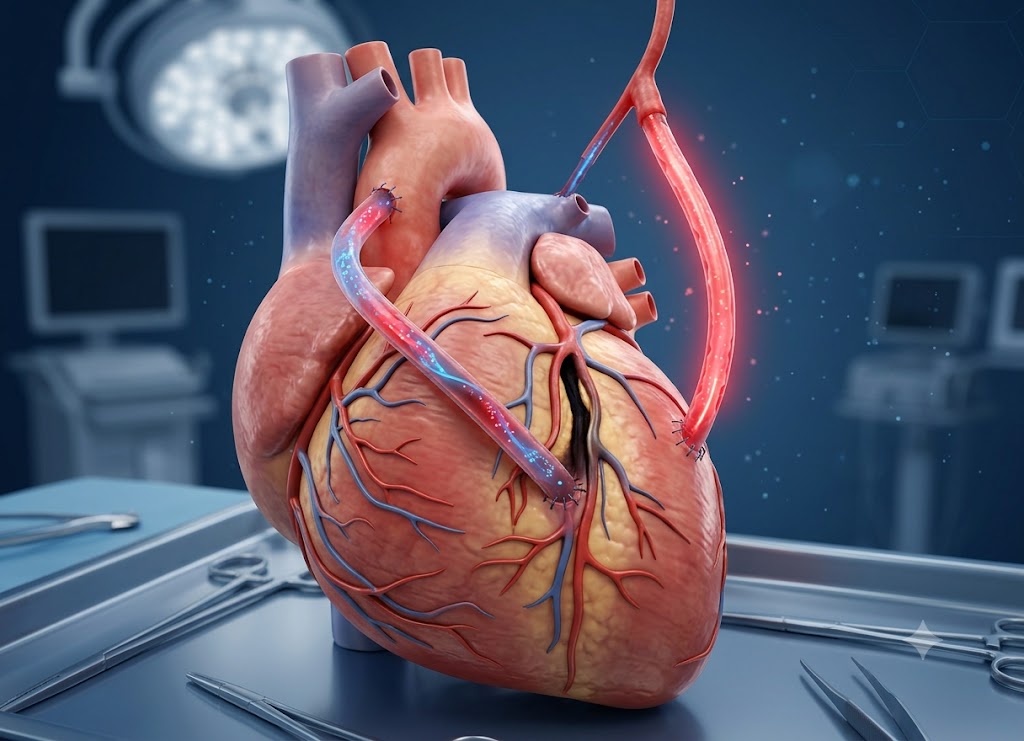
Cardiac bypass surgery is a major procedure performed to improve blood flow when one or more coronary arteries are narrowed or blocked. Also known as coronary artery bypass grafting (CABG), the surgery uses a healthy blood vessel from another part of the body to create a new route around the blockage. This can improve blood flow to the heart, reduce chest pain, and lower the risk of certain heart-related complications in appropriate patients.
Knowing what to expect during recovery and understanding possible side effects can help patients and their families prepare for the healing process. Recovery generally starts with close monitoring in the intensive care unit, continues during the hospital stay, and then progresses through several weeks or months of recovery at home.
Many people begin to regain strength within a few weeks, although complete recovery can take longer, especially while the breastbone heals. This guide explains the expected recovery timeline, common side effects, and symptoms that may require medical attention.
What Is Cardiac Bypass Surgery?
Cardiac bypass surgery is an operation designed to improve blood flow when the coronary arteries become narrowed or blocked. These arteries supply oxygen-rich blood to the heart muscle. When plaque builds up inside them, the heart may not receive enough blood, which can contribute to chest pain, shortness of breath, and an increased risk of a heart attack.
During the operation, the surgeon takes a healthy blood vessel from another area of the body, such as the chest, leg, or arm. The vessel is connected above and below the blocked section of the coronary artery, creating a new pathway for blood. This allows blood to travel around the blockage and reach the heart muscle.
The procedure is also called coronary artery bypass grafting, or CABG. While it does not remove the underlying cause of coronary artery disease, it can relieve symptoms, improve blood supply to the heart, and reduce the risk of certain complications. Recovery generally involves hospital observation, wound care, gradually increasing activity, prescribed medications, and long-term heart-healthy habits.
Recovery Timeline for Cardiac Bypass Surgery: What Should You Expect Week by Week?
Recovery after cardiac bypass surgery happens gradually, beginning with closely monitored hospital care and continuing with rehabilitation and healing at home. Many people approach a more complete recovery within three to six months, although the exact timeline can vary from person to person.
Each stage of recovery has different goals, activity limits, and milestones. The process usually begins with intensive medical monitoring and then moves toward greater independence, physical conditioning, and a return to everyday activities.
Phase 1: Week 1 (Inpatient Stabilization)
The first week after coronary artery bypass graft surgery is usually the most closely monitored period. It takes place in the hospital, starting in the Intensive Care Unit (ICU) before progressing to a cardiovascular step-down unit.
Immediately after surgery, you will wake up in the ICU while connected to monitors that continuously track your vital signs. A breathing tube may remain in place for several hours until you can breathe safely without assistance. Chest tubes may also be used to drain fluid from around the heart and lungs.
Once your condition becomes stable, the tubes and monitoring lines are gradually removed, and you may move to a cardiovascular step-down unit. At this stage, care focuses more on pain control, medication adjustments, breathing exercises, and gradually increasing movement.
To help prevent complications such as pneumonia and atelectasis, your medical team will encourage breathing exercises and physical activity. You may be asked to use an incentive spirometer regularly to help expand your lungs. Physical therapists may also help you sit up, get into a chair, and begin taking short walks within the first few days.
Phase 2: Weeks 2–4 (Home Transition & Initial Bone Healing)
Weeks 2 through 4 generally focus on adjusting to life at home, caring for surgical wounds, and protecting the healing breastbone, or sternum.
At home, one of the most important responsibilities is keeping your surgical wounds clean and dry. Check the chest incision and any leg or arm areas used to obtain the graft for signs of infection. Because the breastbone was opened during surgery and repaired with surgical wires, you will need to follow your surgeon’s instructions regarding sternal precautions while the bone heals.
These precautions may include avoiding heavy lifting, pushing, or pulling. Your medical team may also tell you not to use your arms to push yourself out of a chair or reach in ways that put strain on the chest.
Fatigue is common because the body uses significant energy to repair tissues and bone. Plan regular rest periods while slowly increasing your activity. Walking is an important part of recovery, so you may begin with short, gentle walks around the home several times a day and gradually increase the duration as tolerated.
Good nutrition also supports healing. Try to eat small, nutritious meals containing adequate protein while following your healthcare provider’s recommendations regarding sodium, saturated fat, and other dietary factors.
Phase 3: Weeks 5–8 (Rebuilding Strength & Cardiovascular Conditioning)
During weeks 5 through 8, many people begin to notice that their energy is gradually returning. Swelling and discomfort may decrease, and pain medication may be reduced as healing progresses.
Around the six-week point, your surgeon may assess how well your sternum is healing. Depending on your recovery, you may eventually receive clearance to drive again. Light household activities, such as folding laundry, dusting, or preparing simple meals, may also be gradually introduced when your healthcare team says they are safe.
This period can also be a good time to begin a formal cardiac rehabilitation program if your doctor recommends it. Cardiac rehabilitation provides supervised exercise along with education about heart-healthy nutrition, stress management, medications, and other lifestyle changes. It can help you rebuild strength in a controlled and supportive environment.
Phase 4: Month 3 and Beyond (The Long-Term “New Normal”)
By around three months, many patients have made substantial progress in physical recovery, although the exact timing varies. People with desk-based jobs may return to work earlier, while those whose jobs involve heavy physical activity may need additional healing time and clearance from their surgeon.
As the sternum becomes stronger and activity restrictions are gradually lifted, you may be able to return to more normal personal care, household activities, exercise, and recreational activities according to your medical team’s advice.
Even when you feel physically better, it can take many more months to feel completely like yourself. Continued exercise and healthy habits can help rebuild stamina and strength.
It is important to remember that bypass surgery improves blood flow but does not permanently eliminate coronary artery disease. Protecting the bypass grafts requires ongoing attention to diet, physical activity, stress, blood pressure, cholesterol, and prescribed medications.
Side Effects of Cardiac Bypass Surgery Recovery: What Are the Common Physical and Emotional Challenges?
Recovery from cardiac bypass surgery can involve several physical and emotional changes. Common experiences include incision soreness, fatigue, swelling, temporary concentration problems, anxiety, mood changes, and periods of sadness.
Many of these effects can occur as the body responds to major surgery and the stress associated with a serious heart condition. However, patients should also know which symptoms are expected and which ones may indicate a complication requiring medical attention.
Physical Side Effects and Physiological Origins
Physical side effects after CABG can result from the surgical procedure itself, anesthesia, medication, and the body’s efforts to repair damaged tissues.
Incision Pain and Structural Healing
Recovery involves healing both the main chest incision and the areas on the leg or arm where blood vessels may have been taken for the bypass grafts. Soreness, aching, tightness, itching, and temporary numbness around the incision areas can occur during healing.
Chest discomfort may become more noticeable when coughing, sneezing, or making sudden movements because the breastbone has been opened and repaired during surgery.
Post-Operative Edema (Swelling)
Swelling can occur in the leg where a vein was harvested for the bypass. Removing a vein can temporarily affect local fluid drainage, which may cause fluid to collect around the foot, ankle, or calf.
This swelling can sometimes continue for several weeks or longer as the body adjusts and alternative circulation pathways develop.
Systemic Fatigue and Metabolic Adjustments
Significant tiredness is common because the body directs a large amount of energy toward repairing the sternum, skin, and internal tissues. As a result, everyday tasks may feel unusually tiring.
Appetite may also decrease temporarily, especially during the first few weeks at home. Anesthesia, pain medicines, and reduced physical activity can also contribute to digestive issues such as constipation.
Psychological Transitions: The “Post-Cardiac Blues”
Emotional changes such as anxiety, sadness, irritability, and mood swings can occur during recovery. These feelings may be related to the physical stress of surgery, changes in daily independence, disrupted sleep, medications, and concerns about having a major heart condition.
Triggers of Emotional Flux
Some patients experience what is often described as the “post-cardiac blues.” This may involve feeling more emotional, frustrated, worried, or tearful than usual.
Being temporarily dependent on others, dealing with physical discomfort, sleeping poorly in the hospital, and adjusting to medication can all contribute to these temporary emotional changes.
Differentiating Normal Blues from Clinical Depression
Temporary emotional changes can be part of recovery, but persistent or severe symptoms should not be ignored. If sadness, hopelessness, anxiety, or other emotional difficulties continue or interfere significantly with daily life, speak with a healthcare professional.
| Emotional State | Typical Characteristics | Clinical Action Required |
|---|---|---|
| Expected Post-Cardiac Blues | Mild anxiety, occasional tearfulness, frustration, and emotional ups and downs that gradually improve as strength and independence return. | Emotional support from family, reassurance, and continued recovery may help. |
| Clinical Depression / Anxiety | Persistent hopelessness, worthlessness, or severe anxiety that continues for more than two weeks. | Discuss symptoms with a healthcare professional for appropriate screening and treatment. |
Recognizing Red-Flag Complications and Infections
Some discomfort is expected after surgery, but certain symptoms can indicate serious complications. Patients and caregivers should pay attention to changes that could suggest an infection, lung problem, heart rhythm issue, or worsening heart function.
                         [Critical Post-CABG Red Flags]
                                      │
          ┌───────────────────────────┼───────────────────────────┐
          ▼                           ▼                           ▼
 [Incision Infection]         [Pulmonary Distress]        [Cardiovascular Crisis]
  ├── Fever                    ├── Severe shortness        ├── Sudden weight gain
  ├── Pus or foul drainage     │   of breath at rest      ├── Rapid or irregular heartbeat
  └── Sternal movement         ├── Worsening cough         └── Severe chest pain
                               └── Pain with breathing
Signs of Incision Infection and Sternal Instability
An infection may develop around the chest incision or the leg and arm areas used to obtain a graft. Warning signs can include fever, increasing redness, warmth, swelling, worsening pain, or drainage from the incision.
Thick yellow or green discharge can be a sign of infection and should be medically evaluated.
Any clicking, popping, or unusual movement in the breastbone should also be reported to the surgical team because it may indicate that the sternum is not healing properly.
Pulmonary Warning Signs
Some shortness of breath can occur during early activity, but sudden breathing difficulty at rest or sharp chest pain that becomes worse when taking a deep breath requires prompt medical evaluation.
These symptoms can occur with serious conditions such as pneumonia or a blood clot in the lungs. A persistent cough producing thick yellow or green mucus can also suggest a respiratory infection.
Cardiovascular Red Flags
A rapid, fluttering, or irregular heartbeat may occur after surgery and can sometimes be related to atrial fibrillation. Medical attention is especially important when an irregular heartbeat occurs with dizziness, fainting, or significant weakness.
Daily weight monitoring may also help identify fluid retention. Rapid weight gain together with increasing swelling in the legs, ankles, or abdomen should be reported to a healthcare provider.
Sudden severe or crushing chest pain, especially pain similar to symptoms experienced before surgery, requires emergency medical attention.
Strategies for Effective Pain and Discomfort Management
Managing pain effectively is an important part of recovery. Keeping discomfort under control can make it easier to perform breathing exercises, cough when needed, walk, and gradually increase activity.
Medication Compliance
Pain medicines are often adjusted as recovery progresses, beginning with stronger medication and eventually moving toward less medication or over-the-counter options when appropriate.
Take medications exactly as prescribed by your healthcare provider. Keeping pain controlled can make movement and deep breathing easier and may help reduce the risk of complications associated with avoiding activity because of discomfort.
Sternal Splinting with a Cardiac Pillow
Coughing and sneezing can put pressure on a healing breastbone. A firm cardiac pillow can be held against the chest when coughing or sneezing to provide support and reduce discomfort.
Hold the pillow securely against the breastbone while coughing or sneezing, following the technique recommended by your healthcare team.
Sleep Positioning and Support
Finding a comfortable sleeping position can be difficult during the first few weeks. Some patients find that resting in a semi-upright position, such as in a recliner, reduces pressure on the chest.
If you sleep in a regular bed, using pillows to elevate your upper body may improve comfort. Additional support beneath the knees or alongside the body may also help reduce strain and prevent accidental rolling into uncomfortable positions.
Key Activities for Cardiac Bypass Surgery Recovery: What Should You Do to Promote Healing?
Supporting recovery after cardiac bypass surgery involves careful incision care, good hygiene, breathing exercises, gradually increasing walking, and following activity restrictions.
These measures can help reduce the risk of complications while supporting physical strength and proper healing of the sternum.
The following sections explain the main recovery activities and why they are important.
Incision Care, Daily Hygiene, and Infection Prevention
Careful wound management after CABG is important for reducing the risk of surgical infections. Infection can delay recovery and interfere with proper healing of the breastbone.
Both the central chest incision and any leg or arm incision used for graft harvesting should be cared for according to the instructions provided by the surgical team.
Daily Inspection Guidelines
You or a caregiver should check the incision areas every day in good lighting. Mild bruising, slight swelling, or tightness can occur during early healing and should generally improve with time.
Watch for increasing redness, warmth, swelling, worsening pain, or drainage. Thick yellow or green discharge or an incision that appears to be opening requires prompt medical evaluation.
Bathing and Cleansing Protocols
Your surgeon will tell you when showering is safe, often after drainage tubes have been removed and the wounds are sufficiently healed. When approved, allow warm water and mild, unscented soap to gently run over the wounds.
Do not scrub or rub the incision. After showering, gently pat the area dry with a clean towel.
Avoid soaking the wounds in a bathtub, hot tub, or swimming pool until your surgeon confirms that the incisions have healed sufficiently. Submerging healing wounds can increase the risk of infection.
Topical Restrictions and Clothing Selection
Do not apply lotions, moisturizers, antibiotic creams, scar products, or powders to your incisions unless your healthcare team specifically recommends them.
Loose, comfortable, breathable clothing can help reduce friction and irritation around the healing chest incision.
Pulmonary Care and Progressive Mobility Protocols
After heart surgery, pain and the effects of anesthesia can cause people to take shallow breaths. This may prevent the lungs from fully expanding and increase the risk of atelectasis and pneumonia.
Breathing exercises and gradually increasing physical activity are important parts of recovery.
Maximizing Lung Inflation with the Incentive Spirometer
An incentive spirometer is a handheld device used to encourage slow, deep breathing. Sit upright, place your lips securely around the mouthpiece, and inhale slowly so the indicator rises. Hold the breath briefly before breathing out normally.
Your healthcare team will tell you how often to use the device. Regular deep-breathing exercises can help expand the lungs and support normal oxygen exchange.
The Home-Based Progressive Walking Program
Walking is an important way to gradually rebuild stamina, support circulation, and reduce the risk of blood clots. Your healthcare team can help determine how quickly you should increase your walking time.
[Weeks 1-2: 5-10 Mins Multiple Times/Day]
                 │
                 ▼
[Weeks 3-4: 15-20 Mins Twice/Day]
                 │
                 ▼
[Weeks 5-8: 30 Mins Daily]
Choose safe, level walking surfaces and increase the duration gradually. If you experience chest pain, significant dizziness, severe shortness of breath, or a sudden irregular heartbeat while exercising, stop and seek medical advice.
Post-Operative Activity Timelines and Sternal Precautions
Because the breastbone is divided during traditional bypass surgery, it needs time to heal. Following your surgeon’s activity restrictions can help protect the sternum while it fuses.
| Daily Activity | Standard Recovery Timeline | Required Clinical Criteria for Clearance |
|---|---|---|
| Operating a Vehicle | 4 to 6 Weeks Restriction | Must be off prescription narcotic pain medicines and able to control the steering wheel without chest pain. |
| Sedentary / Office Work | 6 to 8 Weeks Restriction | Must be able to sit comfortably and have appropriate clearance at follow-up. |
| Strenuous / Manual Labor | 3 Months Minimum Restriction | Requires adequate sternal healing and clearance from the surgeon. |
| Intimate Sexual Activity | 4 to 6 Weeks Restriction | Resume only when medically cleared and able to tolerate moderate activity without concerning symptoms. |
Strict Sternal Restrictions
During the early healing period, avoid activities that place excessive pulling, pushing, twisting, or lifting forces on the breastbone.
                     [Sternal Modification Protocols]
                                   │
          ┌────────────────────────┼────────────────────────┐
          ▼                        ▼                        ▼
 [Weight Restrictions]     [Push/Pull Avoidance]     [Alternative Mobility]
  └── Follow surgeon's      └── Avoid heavy chores     └── Use core and legs
      weight limit          └── Avoid strenuous work   └── Avoid pushing with arms
When getting out of bed or a chair, follow the movement technique provided by your medical team rather than pulling strongly with your arms. Your surgeon will assess your healing and determine when lifting and movement restrictions can be reduced.
Advanced Aspects and Long-Term Considerations of Bypass Surgery Recovery?
Recovery does not end when the initial wounds heal. Long-term care includes cardiac rehabilitation, healthy lifestyle changes, regular medical follow-up, and learning how to reduce future cardiovascular risks.
This stage focuses on protecting the benefits of surgery and developing habits that support heart health over the long term. Working closely with your healthcare team can help with exercise, nutrition, emotional well-being, medications, and returning to normal activities.
The Multidisciplinary Value of Cardiac Rehabilitation
Cardiac rehabilitation is a medically supervised program designed to support recovery following major heart surgery. It involves more than exercise and may include cardiologists, nurses, exercise specialists, dietitians, and other healthcare professionals.
                          [The Components of Cardiac Rehab]
                                         │
          ┌──────────────────────────────┼──────────────────────────────┐
          ▼                              ▼                              ▼
 [Monitored Conditioning]        [Risk Factor Reduction]        [Psychological Support]
  └── Supervised exercise         └── Smoking cessation           └── Mood monitoring
  └── Gradual progression         └── Blood pressure/cholesterol └── Stress management
Cardiac rehabilitation can help patients improve physical conditioning while learning practical strategies for nutrition, blood pressure, cholesterol, smoking cessation, and other risk factors.
It may also provide emotional support for anxiety, depression, and stress that can occur after heart surgery. Participation in a cardiac rehabilitation program has been associated with improved recovery and cardiovascular outcomes.
Invasiveness and Milestones: CABG vs. Coronary Stenting (PCI)
Recovery after coronary artery bypass grafting and recovery after percutaneous coronary intervention (PCI), commonly called stenting, are different because the procedures themselves are different.
A stent procedure is minimally invasive. A thin catheter is inserted through an artery, often in the wrist or groin, to treat the blockage and place a small mesh tube. CABG is a major surgical procedure that generally involves opening the breastbone and creating new blood-flow pathways around blocked coronary arteries.
[PCI Stent: Minimally Invasive Catheter]
              │
              ▼
      [Short Hospital Stay]
              │
              ▼
       [Recovery in Weeks]

[CABG Bypass: Open-Heart Surgery]
              │
              ▼
      [Hospital Recovery]
              │
              ▼
       [Recovery in Months]
These differences affect how quickly patients can return to normal activities.
| Recovery Milestone | Percutaneous Intervention (Stent / PCI) | Coronary Artery Bypass Graft (CABG) |
|---|---|---|
| Average Hospital Stay | Often involves a short hospital stay or overnight observation. | Commonly requires several days in the hospital, including initial intensive monitoring. |
| Sternal Restrictions | No breastbone restrictions; care focuses on the catheter insertion site. | Activity restrictions are needed while the breastbone heals. |
| Driving and Lifting | Often resumed sooner, depending on the procedure and medical advice. | Driving and heavy lifting are generally restricted for several weeks. |
| Timeline to Full Recovery | Many people return to normal activities relatively quickly. | Full physical recovery can take several months. |
Resuming Intimacy After Open-Heart Surgery
Returning to sexual activity can be an important part of recovery, but it should be based on physical healing and guidance from your healthcare provider.
Many patients are advised to wait several weeks after surgery before resuming sexual intercourse. A common guideline is being able to tolerate moderate physical activity, such as climbing stairs or taking a brisk walk, without chest pain, significant shortness of breath, or unusual fatigue.
Emotional concerns are also common. Patients and partners may worry about physical strain or accidentally hurting the healing chest. Open communication can help reduce anxiety. When intimacy resumes, choose positions that do not put pressure or weight on the chest or upper arms.
Discuss any concerns with your cardiologist, especially because certain heart medications can affect sexual function and individual recovery timelines vary.
Essential Lifestyle Adjustments for Long-Term Heart Health
Bypass surgery restores blood flow but does not permanently eliminate the underlying coronary artery disease. Long-term heart care therefore remains important for protecting the bypass grafts and reducing the chance of additional blockages.
                     [Long-Term Graft Protection Plan]
                                   │
          ┌────────────────────────┼────────────────────────┐
          ▼                        ▼                        ▼
 [Heart-Healthy Diet]       [Regular Activity]       [Stress Management]
  └── Limit excess sodium    └── Follow exercise plan  └── Relaxation techniques
  └── Choose healthy fats   └── Walking, cycling      └── Mental health support
Transition to a Heart-Healthy Diet
A heart-healthy eating pattern can support healthy cholesterol and blood pressure levels. Focus on vegetables, fruits, whole grains, lean proteins, fish, and other minimally processed foods.
Limit excess sodium, added sugars, saturated fats, and trans fats. Healthy fats from foods such as olive oil, avocados, and nuts can be included as part of an appropriate eating plan.
Establishing a Long-Term Exercise Routine
After completing cardiac rehabilitation, continue a regular exercise routine approved by your healthcare provider. Moderate aerobic activities such as brisk walking, swimming, or stationary cycling can help improve cardiovascular fitness.
A common goal for adults is around 150 minutes of moderate aerobic activity each week, but your personal target should reflect your health and your doctor’s recommendations.
Eliminating Tobacco and Managing Toxic Stress
Stopping smoking is an important step toward protecting heart health because tobacco use contributes to cardiovascular disease and can damage blood vessels.
Alcohol intake should also be discussed with your healthcare provider, particularly if you take heart medications. Managing chronic stress through relaxation exercises, mindfulness, deep breathing, or yoga may also support overall well-being.
If anxiety or depression continues after surgery or begins interfering with daily life, talk with your healthcare provider about getting appropriate support.
Conclusion
Cardiac bypass surgery can improve blood flow to the heart, but recovery takes time and usually involves several stages. Patients may spend several days in the hospital, begin gentle movement early, and continue recovering at home for weeks or months.
Common recovery effects can include incision soreness, fatigue, mood changes, appetite changes, sleep difficulties, swelling, irregular heartbeat, and temporary problems with memory or concentration. However, severe chest pain, significant breathing difficulty, fever, worsening wound redness, heavy bleeding, fainting, stroke-like symptoms, or a rapid and persistent heartbeat require prompt medical attention.
Frequently Asked Questions
1. What is cardiac bypass surgery?
Cardiac bypass surgery is an operation that creates a new route for blood to travel around narrowed or blocked coronary arteries. A surgeon uses a healthy blood vessel from another part of the body, such as the chest, leg, or arm, to create the bypass graft. This allows more oxygen-rich blood to reach the heart muscle and is commonly performed for significant coronary artery disease.
2. How long does recovery take after cardiac bypass surgery?
Recovery varies depending on the individual, the type of surgery, and overall health. Many people need several weeks to several months to feel fully recovered. Some normal activities may gradually resume after about six weeks, while complete healing can take two to three months or longer. When the breastbone has been opened, additional activity restrictions are usually needed while it heals. Cardiac rehabilitation can help patients regain strength safely.
3. What side effects are common after cardiac bypass surgery?
Common side effects can include fatigue, chest soreness, incision discomfort, appetite changes, constipation, sleep problems, and emotional changes. Swelling may occur in a leg where a blood vessel was harvested. Some people can also develop irregular heart rhythms, including atrial fibrillation, following heart surgery. Symptoms that become severe or worsen should be discussed with the healthcare team.
4. When can patients return to normal activities?
The timing depends on healing, general health, job requirements, and the instructions provided by the surgeon. Walking often begins early, while driving, heavy lifting, and strenuous exercise may be restricted for several weeks. Many people gradually return to lighter activities over the following weeks. Cardiac rehabilitation can provide guidance on safe exercise and other lifestyle changes.
5. When should someone call a doctor after cardiac bypass surgery?
Contact a doctor if you develop fever, increasing redness around an incision, unusual drainage, significant bleeding, worsening pain, or severe swelling. Emergency medical care is needed for severe chest pain, difficulty breathing, fainting, sudden weakness, confusion, stroke-like symptoms, or a rapid or irregular heartbeat that does not settle. When a recovery symptom feels unusual or serious, seeking medical advice promptly is the safest approach.