
Epigenetics Explained: How Your Lifestyle Can Change Gene Expression
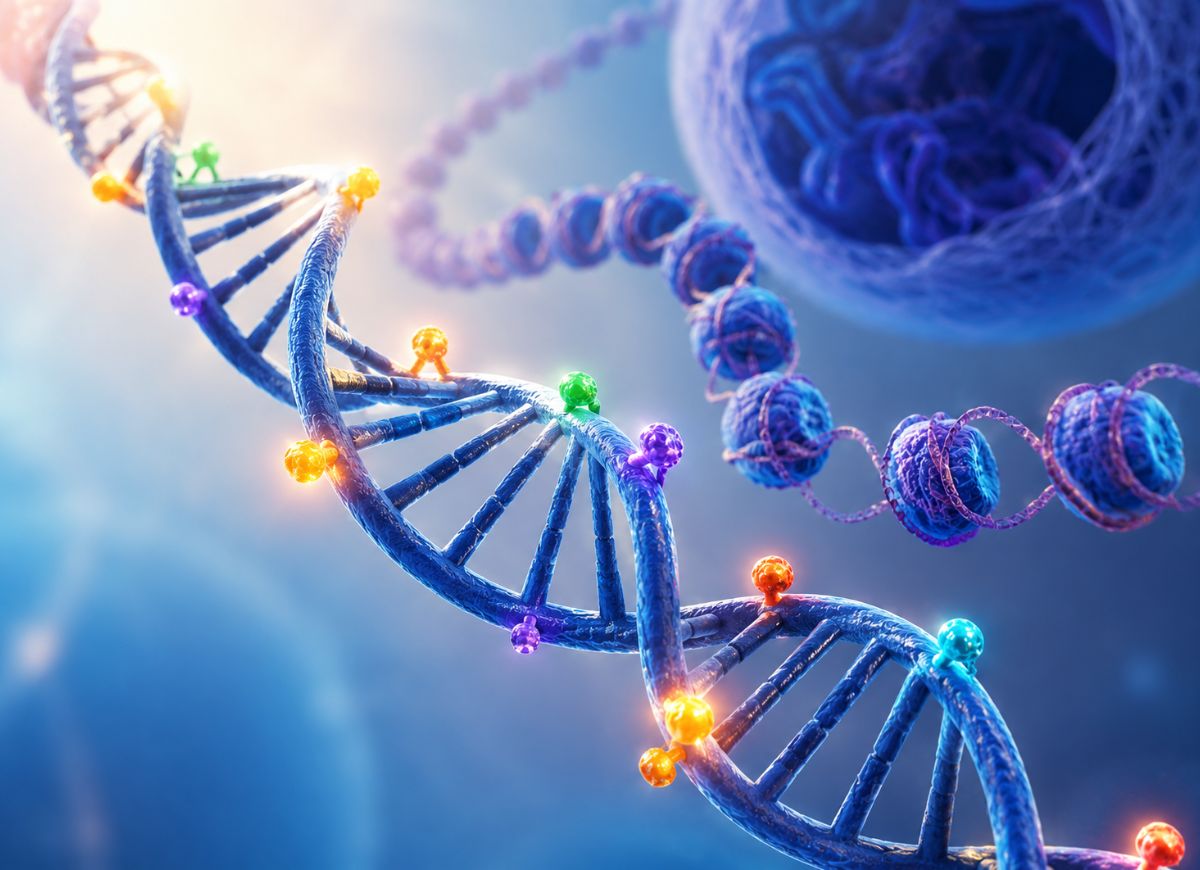
Your genes aren’t the whole story. DNA lays out the basic blueprint for how your body develops and functions, but your daily habits, environment, and choices shape how that blueprint actually gets used. This is the field of epigenetics: the study of changes that affect gene activity without altering the DNA sequence itself.
Epigenetics helps explain why two people with nearly identical genetic backgrounds can end up with completely different health outcomes. Diet, physical activity, stress, sleep, environmental exposures, and aging can all influence whether certain genes are dialed up or dialed down. In simple terms, your lifestyle sends signals that tell your body how to read and respond to its own genetic information.
Unlike permanent changes to your DNA, epigenetic changes tend to be flexible. Genes can be switched on or off depending on biological signals and outside influences, and this process plays a major role in development, aging, immune function, and overall health.
Scientists have linked epigenetic mechanisms to a wide range of conditions, including metabolic disorders, heart disease, cancer, and other complex diseases. That said, epigenetics doesn’t mean lifestyle choices can rewrite your genes or guarantee any particular outcome. It simply reveals just how intertwined inherited biology and the world around you really are.
This shift in understanding has changed how scientists think about genetics altogether. Rather than treating genes as a fixed blueprint that determines everything, researchers now see gene expression as something shaped continuously by life itself, opening doors to personalized medicine, prevention strategies, and a deeper picture of how the body adapts.
Below, we’ll break down what epigenetics actually is, how lifestyle factors influence gene expression, the science behind gene regulation, and why any of this matters for your health.
What Is Epigenetics?
Epigenetics is the study of heritable changes in gene expression that happen without altering the DNA sequence itself. Think of it as modifying the “readout” of your genetic code rather than the code itself.
It works like a layer of instructions sitting on top of your DNA, determining which genes are active or silent in a given cell at a given moment. This layer is essential for normal development, for cellular differentiation (how a single stem cell becomes a skin cell or a neuron), and for adapting to the environment.
The prefix “epi” means “above” or “on top of,” so epigenetics literally translates to “on top of genetics.” It functions like a set of switches and dials, controlling the volume and timing of gene activity.
Every cell in your body carries the exact same genetic blueprint, but epigenetic marks make sure a liver cell only switches on liver genes, and a brain cell only switches on brain genes. These marks are dynamic, shaped by everything from diet to stress to toxin exposure, making the epigenome the critical link between your genes and your environment.
Epigenetics vs. Genetics
Genetics is the fixed DNA blueprint, the hardware. Epigenetics is the software that determines which parts of that blueprint get read, when, and how strongly.
Genetics is built from the sequence of four nucleotide bases, adenine, guanine, cytosine, and thymine, inherited from your parents. Barring rare mutations, this sequence stays static for life. It’s the permanent text.
Epigenetics involves chemical tags and structural adjustments attached to the DNA and its surrounding proteins. These marks don’t change the text itself; they act more like highlighter marks or sticky notes, telling cellular machinery which chapters to read aloud and which to skip.
The genetic code is remarkably stable, passed down through generations with high fidelity. Epigenetic marks, on the other hand, are far more fluid, capable of shifting within minutes or hours in response to a meal, a workout, or a stressful event. This flexibility lets an organism adapt its gene expression to its immediate surroundings without touching its underlying genetic inheritance.
It’s also why identical twins, despite sharing the exact same DNA, can develop different physical traits and health outcomes over a lifetime as their individual experiences reshape their epigenomes.
While DNA sequence is the primary mode of inheritance, some epigenetic marks can also carry over from one generation to the next, a phenomenon called transgenerational epigenetic inheritance. Most epigenetic marks, though, get wiped clean during the formation of sperm and egg cells, giving a developing embryo a relatively fresh start. Still, some parental exposures, like malnutrition or extreme stress, can leave a lasting imprint that shapes the health of offspring.
In short: genetics stores the information needed to build and maintain an organism. Epigenetics regulates how that information gets used, ensuring genes activate in the right cell, at the right time, in the right amount. This regulatory function underlies everything from embryonic development, where cells differentiate into hundreds of specialized types, to everyday processes like metabolism and immune response.
Primary Mechanisms of Epigenetic Modification
Three primary mechanisms drive epigenetic modification: DNA methylation, histone modification, and non-coding RNA. These interconnected processes work together to fine-tune gene expression throughout the body, each controlling access to the genetic code in its own way.
DNA Methylation is the most studied of the three. It involves attaching a small chemical tag, a methyl group, directly onto a DNA base, typically cytosine when it’s followed by a guanine (called a CpG site). Heavy methylation in a gene’s promoter region acts like a stop sign, recruiting proteins that compact the DNA so transcription machinery can’t access it. That gene gets silenced. Removing those methyl groups (demethylation) has the opposite effect, opening the DNA back up for expression. Methylation patterns are crucial for long-term gene silencing, such as during cellular differentiation, but they’re also dynamic, shifting with diet, aging, and environmental exposure.
Histone Modification deals with how DNA is packaged. In your cells, DNA isn’t a free-floating strand; it’s tightly coiled around proteins called histones, forming a structure called chromatin, resembling beads on a string. Adding or removing chemical tags to the tails of these histone proteins (acetylation, methylation, phosphorylation, ubiquitination) changes how tightly that chromatin is packed. Acetylation, for instance, loosens the histones’ grip on DNA, uncoiling the chromatin and making nearby genes accessible, effectively turning them on. Removing those acetyl groups lets the chromatin condense again, silencing the genes inside. Together these tags form a “histone code” that governs genome accessibility.
Non-Coding RNA adds a third layer of control. Scientists once assumed RNA’s only job was ferrying genetic instructions from DNA to the protein-making machinery, as messenger RNA. It turns out a large chunk of the genome gets transcribed into non-coding RNAs that don’t make proteins at all, but instead regulate other genes. Small RNAs like microRNAs and small interfering RNAs can bind to a freshly made mRNA transcript, either blocking it from being translated into a protein or flagging it for destruction. This gives cells a way to silence genes after they’ve already been transcribed.
What Lifestyle Factors Influence Your Epigenome?
The biggest lifestyle influences on your epigenome are diet and nutrition, exercise and physical activity, and psychological stress alongside environmental toxin exposure. These inputs interact directly with the cellular machinery that places, reads, and erases epigenetic marks, shaping your long-term health trajectory.
What you eat, how you move, and how you respond to your environment are constantly sending instructions to your genes. Your genes aren’t your destiny; they’re a set of potentials that your lifestyle can activate or silence. That means positive behavioral changes can shift gene expression in beneficial ways, potentially lowering your risk for chronic diseases like cancer, diabetes, and heart disease. Over a lifetime, these factors accumulate into a unique epigenetic signature that shapes individual differences in health and aging.
Epigenetic Impact of Diet and Nutrition
Diet feeds your epigenome directly, supplying essential nutrients like methyl donors from B vitamins and folate, the raw materials your body uses to build epigenetic marks like DNA methylation. The food you eat is literally a source of the chemical compounds your body uses to regulate its own genes.
A diet rich in the right micronutrients supports a healthy epigenetic profile; a nutrient-poor one can lead to abnormal marks that contribute to disease. Nutrients involved in one-carbon metabolism, folate, vitamin B12, vitamin B6, methionine, and choline, are critical for producing SAM, the universal methyl-donor used in DNA methylation. Run short on these, and you get global hypomethylation (reduced methylation across the genome), which is linked to genomic instability and higher cancer risk.
Certain foods contain bioactive compounds that directly influence epigenetic enzymes. Leafy greens like spinach and kale, legumes like lentils and chickpeas, and fortified grains all supply folate and B vitamins that support healthy methylation patterns, helping silence genes that shouldn’t be active, including those that promote uncontrolled cell growth. These nutrients matter most during periods of rapid cell division, like pregnancy and early childhood, when foundational epigenetic patterns are being laid down.
Cruciferous vegetables like broccoli, cauliflower, and Brussels sprouts contain sulforaphane, a compound that inhibits histone deacetylase (HDAC) enzymes. HDACs normally strip acetyl tags off histones, causing chromatin to condense and silence genes, including tumor suppressor genes. By blocking HDACs, sulforaphane helps keep those protective genes switched on, a direct dietary route to cancer prevention through epigenetic regulation.
Other plant compounds work similarly. EGCG, a polyphenol found in green tea, inhibits DNA methyltransferase enzymes, potentially reactivating silenced tumor suppressor genes. Curcumin (turmeric), resveratrol (grapes and berries), and genistein (soy) have all been shown to influence DNA methylation and histone modification, contributing to their known anti-inflammatory and anti-cancer effects. A diverse, plant-rich diet essentially hands your epigenome a full toolkit.
Exercise and Physical Activity Effect Gene Expression
Exercise triggers largely beneficial epigenetic changes, mainly through DNA methylation, in metabolically important tissues like skeletal muscle and fat. This helps optimize metabolic health, reduce inflammation, and lower chronic disease risk.
Physical activity puts your body under acute physiological stress, setting off a cascade of adaptive signaling. A meaningful part of that adaptation happens epigenetically, with exercise adjusting the on/off status of hundreds of genes tied to energy metabolism, insulin sensitivity, and mitochondrial function. Some effects are immediate, others build gradually with consistent training into more stable, health-promoting patterns.
Endurance exercise, for example, leads to widespread DNA methylation changes in human skeletal muscle. Regular activity can reduce methylation on genes involved in glucose uptake (GLUT4) and fat oxidation (PPARGC1A), effectively turning these genes “up.” That improves the muscle’s ability to burn sugar and fat for fuel, supporting better blood sugar control and weight management, a key mechanism behind how exercise helps prevent type 2 diabetes.
Exercise also reshapes the epigenome of fat tissue, influencing genes related to fat storage and inflammation. It can lower expression of pro-inflammatory genes in adipose tissue, which matters because chronic low-grade inflammation from fat tissue drives many chronic diseases, including cardiovascular disease and metabolic syndrome.
These benefits extend to immune cells too, potentially producing a more balanced inflammatory response. And the effects appear dose-dependent: the more consistently you train, the more profound and stable the resulting changes. Some shifts are short-lived, meeting the immediate energy demands of a single workout, but long-term training builds a durable epigenetic memory that sustains improvements in health and fitness over time. Exercise isn’t just about burning calories; it’s a tool for reprogramming gene expression.
The Role of Stress and Environmental Toxins in Epigenetics
Chronic stress and environmental toxins work against you, creating negative epigenetic marks that dysregulate gene expression and raise the risk of chronic disease, mood disorders, and accelerated aging.
Both prolonged psychological stress and exposure to harmful chemicals can hijack the epigenetic machinery, producing abnormal methylation and histone patterns. These changes can silence protective genes, like tumor suppressors, or activate harmful ones, like pro-inflammatory genes, disrupting normal cellular balance. It’s one of the biological mechanisms by which life experience and environment get “under the skin” and shape long-term health, sometimes leaving a lasting imprint that increases vulnerability to disease later on.
Stress triggers cortisol release. Short-term, cortisol is essential for the fight-or-flight response, but chronic elevation from relentless stress can alter epigenetic patterns in the brain and immune cells. A well-known example is methylation of the glucocorticoid receptor gene (NR3C1). In people who experienced early-life trauma or chronic stress, this gene can become hypermethylated, blunting the body’s ability to regulate its own stress response and creating a cycle of elevated cortisol and heightened susceptibility to anxiety, depression, and PTSD. Chronic stress also drives pro-inflammatory epigenetic changes linked to cardiovascular disease and autoimmune conditions.
Environmental pollutants add another layer of damage. Chemicals in air pollution, plastics, pesticides, and industrial waste can directly interfere with the enzymes that manage epigenetic marks. Particulate matter from air pollution, for instance, has been linked to altered methylation on genes tied to inflammation and oxidative stress, raising the risk of respiratory and cardiovascular disease. BPA, an endocrine-disrupting chemical common in plastics, causes epigenetic changes linked to reproductive health issues and increased cancer risk. Heavy metals like arsenic and cadmium disrupt normal methylation too, contributing to their cancer-causing properties. Exposure during sensitive periods, like gestation, can establish epigenetic alterations that last a lifetime.
Can You Reverse Negative Epigenetic Changes?
Yes, in many cases, because the epigenome is inherently dynamic and responsive to lifestyle changes, though how stable or reversible a given mark is can vary quite a bit.
Unlike genetic mutations, which permanently alter the DNA sequence, epigenetic modifications are chemical tags that can often be added or removed. That same plasticity that lets your environment influence your epigenome in the first place is what makes it possible to correct unhealthy patterns.
Positive shifts in diet, exercise, stress management, and sleep send new signals to your cells, prompting changes to the epigenetic landscape. In effect, this lets you actively participate in your own health, removing harmful marks and establishing better ones, reprogramming gene expression toward a healthier state.
Lifestyle Interventions to Promote Positive Epigenetic Marks
A few foundational habits work together to build and maintain a beneficial epigenetic profile.
Firstly, adopt a nutrient-dense diet. Focus on whole foods that supply the raw materials for healthy epigenetic regulation, including methyl donors like folate (leafy greens, legumes), vitamin B12 (animal products or fortified foods), and choline (eggs, soy).
Additionally, incorporate foods rich in polyphenols and other bioactive compounds that influence epigenetic enzymes. Berries, green tea, turmeric, dark chocolate, and cruciferous vegetables contain compounds like resveratrol, EGCG, curcumin, and sulforaphane, all shown to inhibit enzymes that promote negative epigenetic patterns, such as histone deacetylases (HDACs) and DNA methyltransferases (DNMTs).
Moreover, a combination of aerobic exercise (like running or cycling) and resistance training (like weightlifting) is ideal for promoting positive epigenetic marks. As discussed, exercise can favorably alter DNA methylation in muscle and fat tissue, improving metabolic function and reducing inflammation. Consistency is key, as regular activity leads to more stable and long-lasting adaptations. The goal is to make physical activity a non-negotiable part of your routine to continuously reinforce these beneficial gene expression patterns.
Chronic stress is a potent driver of negative epigenetic changes. Implementing stress-reduction practices can help lower cortisol levels and reverse some of these effects. Mindfulness meditation has been shown in studies to down-regulate the expression of pro-inflammatory genes and influence enzymes involved in histone modification. Other effective techniques include yoga, deep breathing exercises, spending time in nature (forest bathing), and maintaining strong social connections, all of which help mitigate the harmful biological impact of stress.
Sleep is a critical period for cellular repair and restoration, and this includes maintaining the epigenome. During sleep, the body carries out essential DNA repair processes and regulates the hormones that influence epigenetic marks. Chronic sleep deprivation, on the other hand, has been linked to adverse changes in DNA methylation and an increased expression of genes related to inflammation and metabolic dysfunction. Aiming for 7 to 9 hours of quality sleep per night is a powerful, non-negotiable strategy for supporting a healthy epigenetic profile.
Is it Ever Too Late to Change your Epigenome?
It is never too late to positively influence your epigenome, as it remains plastic and responsive to lifestyle changes throughout your entire life, although its malleability is highest during early developmental periods. While the window of greatest epigenetic plasticity occurs in utero and during early childhood, when foundational patterns are being laid down, the ability to modify gene expression does not disappear with age.
Your cells are constantly renewing, and the epigenetic machinery remains active, continually responding to signals from your diet, activity level, and environment. This means that adopting healthier habits at any stage of life, whether you are 30, 50, or 80, can still lead to meaningful and beneficial changes in your epigenetic landscape. It is an empowering reality that your past choices do not have to dictate your future health.
The epigenome is not set in stone after childhood. While some epigenetic marks established early in life can be very stable and difficult to change, many others are in a constant state of flux.
For instance, the epigenetic marks related to metabolism and inflammation are particularly responsive to adult lifestyle choices. Studies on older adults have shown that starting an exercise program or improving diet can lead to significant positive changes in DNA methylation patterns associated with reduced disease risk, demonstrating that the epigenome is always listening.
Over the years, negative lifestyle habits can lead to an accumulation of detrimental epigenetic marks, which may increase your risk for age-related diseases. However, this is not a one-way street.
By making positive changes, you can begin to counteract this accumulation. Think of it like a balance scale: you can start adding weight to the healthy side at any time to tip the scales back in your favor. For example, quitting smoking can, over time, lead to the reversal of smoking-induced methylation changes in genes linked to cancer and cardiovascular disease.
Furthermore, the impact of lifestyle changes on the epigenome can be both rapid and long-term. A single healthy meal or workout can cause transient changes in gene expression. Consistent, sustained effort, however, is what leads to the more stable and profound reprogramming of your epigenome. The message is one of hope and agency: regardless of your age or past health history, the opportunity to improve your gene expression, and by extension, your health, is always available. The best time to start was yesterday, but the next best time is right now.
Advanced Concepts and Future Directions in Epigenetics
Advanced epigenetic concepts explore transgenerational inheritance, biological aging clocks, and unique twin studies, while future directions point toward revolutionary personalized therapies that can reverse disease-related epigenetic changes.
Furthermore, these cutting-edge areas are rapidly expanding our understanding of how life experiences can leave a lasting molecular legacy on our health and even that of our descendants.
Can Epigenetic Changes Be Inherited By Future Generations?
The concept of inheriting epigenetic changes, known as transgenerational epigenetic inheritance, suggests that the environmental exposures and lifestyle choices of one generation can influence the health and traits of subsequent generations without any changes to the DNA sequence itself. This occurs when epigenetic marks, such as DNA methylation or histone modifications, are passed down through the germline (sperm and egg cells).
Typically, most epigenetic marks are erased during the formation of these reproductive cells in a process called epigenetic reprogramming. However, some marks appear to escape this erasure, allowing them to be transmitted to the offspring. Evidence for this phenomenon is strongest in animal studies.
For example, research on rodents has shown that paternal exposure to toxins, a high-fat diet, or chronic stress can alter the metabolic health and stress responses of their offspring and even grand-offspring, linked directly to specific epigenetic changes in the father’s sperm.
While compelling, the evidence in humans is more complex and challenging to establish definitively due to longer generation times and confounding environmental factors. Research into this area often examines unique historical cohorts to find associations.
Studies on individuals who were in utero during the Dutch Famine of 1944-45 showed they had different DNA methylation patterns decades later compared to their unexposed siblings, which were linked to higher rates of obesity, diabetes, and cardiovascular disease.
The Överkalix study suggested that the paternal grandfather’s food availability during his pre-puberty years correlated with the cardiovascular mortality risk of his grandsons, pointing to a possible sex-specific transgenerational effect transmitted through the male line.
Scientists are now investigating the specific molecular mechanisms that allow certain epigenetic marks to survive reprogramming in the human germline, which could explain how ancestral experiences are biologically embedded across generations.
What are Epigenetic Clocks and How Do They Measure Biological Age?
Epigenetic clocks are sophisticated biochemical tests that use patterns of DNA methylation (DNAm) at specific sites in the genome to estimate an individual’s biological age. Unlike chronological age, which simply measures the time that has passed since birth, biological age reflects the functional state of a person’s cells, tissues, and organs.
It is considered a more accurate predictor of morbidity and mortality. These clocks work by analyzing methylation levels at hundreds of specific DNA locations known as CpG sites. As we age, some of these sites predictably gain methylation while others lose it.
By building algorithms based on these age-related changes across large populations, scientists can create a highly accurate biomarker of aging. The most well-known example is Horvath’s clock, developed by Professor Steve Horvath, which can estimate age across multiple human tissues and cell types with remarkable precision.
The discrepancy between an individual’s chronological age and their epigenetic age can reveal important information about their health and lifestyle. This difference is known as age acceleration or deceleration.
If an individual’s biological age is higher than their chronological age, it suggests they are aging faster at a molecular level. This has been linked to chronic stress, obesity, smoking, poor diet, and an increased risk for age-related diseases like cancer and cardiovascular disease.
Conversely, a biological age lower than chronological age indicates slower aging and is associated with healthy lifestyle factors like a balanced diet, regular exercise, and sufficient sleep. It often correlates with a lower risk of chronic illness.
Researchers are exploring how epigenetic clocks can be used not only to measure the efficacy of anti-aging interventions but also as a diagnostic tool in forensics and a prognostic marker in clinical settings to predict disease onset and patient outcomes.
How do Epigenetic Studies On Identical Twins Provide Unique Insights?
Identical (monozygotic) twins are a cornerstone of epigenetic research because they begin life with a virtually identical genome, providing a perfect natural experiment to disentangle the influences of genetics (“nature”) from environment and lifestyle (“nurture”). Since any genetic differences are negligible, the physical and health-related differences that emerge between them over time can be largely attributed to epigenetic modifications shaped by their unique life experiences.
When identical twins are young and share a similar environment, their epigenomes, the complete set of epigenetic marks on their DNA, are remarkably alike. However, as they age and their lifestyles diverge (different diets, exercise habits, stress levels, or exposure to pollutants), their epigenomes also diverge.
This divergence can lead to one twin developing a disease like cancer, autoimmune disorders, or mental illness while the other remains healthy, despite sharing the same underlying genetic predispositions.
By comparing the epigenetic profiles of these discordant twins, scientists can pinpoint specific epigenetic marks associated with a particular disease or trait, providing powerful clues about its environmental triggers and molecular pathways.
What Does the Future of Epigenetic Medicine and Therapies Look Like?
The future of epigenetic medicine is focused on developing targeted therapies that can correct the aberrant epigenetic marks driving diseases like cancer, neurodegenerative disorders, and metabolic syndromes.
Unlike genetic mutations, which are permanent changes to the DNA sequence, epigenetic modifications are potentially reversible. This plasticity opens the door to a new class of drugs, often called epidrugs, designed to edit the epigenome. These therapies work by inhibiting the enzymes responsible for adding or removing epigenetic marks.
For example, DNA methyltransferase (DNMT) inhibitors can reverse the hypermethylation that often silences tumor suppressor genes in cancer, thereby reactivating the genes and halting tumor growth. Similarly, histone deacetylase (HDAC) inhibitors can prevent the removal of acetyl groups from histones, keeping the chromatin in an open state that allows for the expression of beneficial genes. Several such drugs are already FDA-approved for treating certain types of lymphomas and myelodysplastic syndromes.
Beyond treating existing diseases, epigenetic medicine holds immense promise for personalized prevention and diagnostics, moving healthcare toward a more proactive model.
In the future, an individual’s epigenetic profile could be analyzed from a simple blood test. This profile could reveal a person’s biological age, exposure to environmental toxins, and predisposition to various diseases long before symptoms appear, enabling highly personalized preventative strategies.
If a specific harmful epigenetic mark is identified, it may be possible to design targeted lifestyle interventions (specific diets or supplements rich in methyl donors) or even new epidrugs to reverse that specific change before it leads to disease.
Researchers are now developing more sophisticated tools, including CRISPR-based epigenetic editors, that can add or remove specific epigenetic marks at precise locations in the genome. This technology offers the potential for incredibly precise therapeutic interventions with fewer off-target effects than current epidrugs.
FAQs
1. What is an example of epigenetics?
One example of epigenetics is how lifestyle and environmental factors can influence gene activity without changing DNA itself. For instance, diet, exercise, stress, and exposure to certain chemicals may affect whether specific genes involved in metabolism, inflammation, or cell function are more active or less active.
Another example is how cells with the same DNA become different types of cells, such as brain cells or muscle cells, by using different gene expression patterns.
2. Why is epigenetics so controversial?
Epigenetics can be controversial because some people misunderstand it as meaning that individuals can completely control their genes through lifestyle choices.
While lifestyle can influence gene expression, it does not rewrite DNA or guarantee that certain diseases will or will not occur. Scientists continue to study how long epigenetic changes last, how they are inherited, and how strongly they affect human health.
3. Do we carry our ancestors’ trauma?
Research suggests that certain experiences, including severe stress or environmental exposures, may influence biological changes that can sometimes be passed between generations in some organisms.
In humans, the idea of inherited trauma through epigenetic changes is still being studied. Scientists are investigating how factors such as stress, nutrition, and environment may influence future generations, but the process is complex and not fully understood.
4. Is it true that IQ is 50% genetic?
Studies suggest that intelligence is influenced by both genetics and environmental factors. Estimates of genetic influence on IQ vary depending on age, population, and research methods. Genetics may play an important role, but education, nutrition, environment, experiences, and many other factors also contribute to cognitive development.
5. How do I know my epigenetic age?
Epigenetic age can be estimated through specialized tests that analyze patterns of chemical changes on DNA, often called DNA methylation patterns. These tests compare biological aging markers with a person’s actual age. However, epigenetic age testing is still an evolving area of research, and results should be interpreted carefully.
6. Are humans 99.9% genetically identical?
Yes, humans share about 99.9% of their DNA sequence with one another. The small percentage of genetic differences helps create variation in traits such as appearance, metabolism, and disease risk. Epigenetic differences add another layer of complexity by influencing how genes are expressed.
7. What diseases are caused by epigenetics?
Epigenetic changes are associated with many diseases and health conditions, including certain cancers, metabolic disorders, cardiovascular diseases, autoimmune conditions, and neurological disorders. Epigenetics is usually one factor among many involved in disease development, along with genetics, environment, and lifestyle.
Conclusion
Epigenetics has changed the way scientists understand the relationship between genes and everyday life. Instead of viewing DNA as a completely fixed instruction manual, researchers now recognize that gene activity can be influenced by a combination of internal and external factors.
Lifestyle choices such as nutrition, exercise, sleep, stress management, and environmental exposure may affect how certain genes function. However, epigenetics does not mean that people can control every aspect of their health or change their DNA through habits alone.
As research continues, epigenetics may provide deeper insights into aging, disease prevention, and personalized medicine. Understanding how genes interact with the world around us helps reveal the remarkable connection between biology, environment, and human health.