
7 Signs of Caffeine Withdrawal and How to Ease Symptoms

Caffeine is the most popular stimulant on the planet, found in coffee, tea, energy drinks, sodas, and even some medicines. In moderate amounts it sharpens focus and wakes up the mind, but cut back suddenly, and your body notices. That reaction is caffeine withdrawal: a cluster of physical and mental symptoms that shows up when your system has to relearn how to function without its regular dose.
Regular drinkers who stop or cut back often deal with headaches, exhaustion, short tempers, and a foggy brain. Symptoms usually start 12–24 hours after the last cup and can linger anywhere from a few days to over a week. It’s rarely dangerous, but it can absolutely throw off your day. Below are the seven most common symptoms, plus practical ways to make quitting or cutting back less miserable.
What’s Actually Happening in Your Body
Caffeine works by blocking adenosine, a brain chemical that builds up over the day and makes you sleepy. Take it away suddenly, and the brain has to recalibrate, which is where the discomfort comes from. Most people notice symptoms within a day, feel worst around day two, and are largely back to normal within a week.
The 7 Key Symptoms
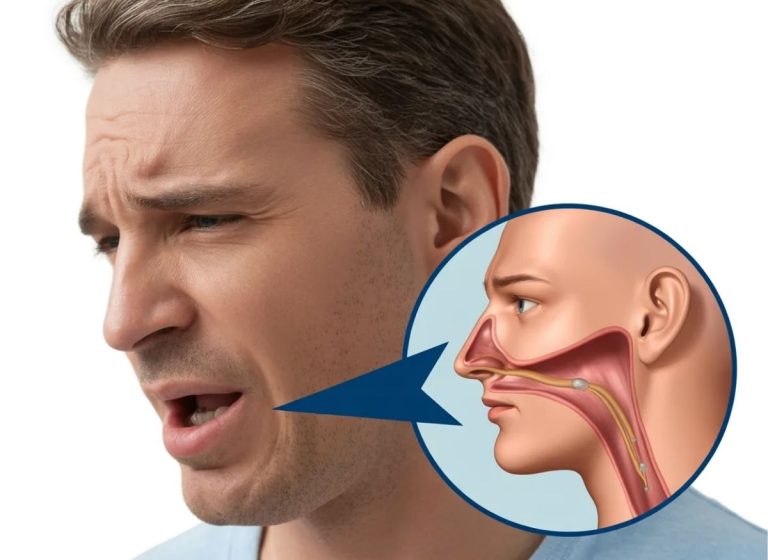
1. The throbbing “caffeine headache.” This is the most recognizable symptom, affecting roughly half of people who quit abruptly. Caffeine narrows blood vessels in the brain; remove it, and those vessels widen quickly, creating pressure that’s often felt behind the eyes and across the forehead, pulsing in time with your heartbeat.
2. Crushing fatigue. Because your brain grows extra adenosine receptors to compensate for regular caffeine use, taking caffeine away suddenly leaves all those receptors wide open. Adenosine floods in unchecked, producing an outsized crash: heavy tiredness, constant yawning, and a general sense that everything takes more effort than it should.
3. Irritability and low mood. Caffeine boosts dopamine, serotonin, and adrenaline, giving you a mood and motivation lift. Take it away, and that support disappears, leaving many people short-tempered, anxious, or oddly flat and unmotivated.
4. Nausea and stomach upset. Caffeine speeds up gut motility, so removing it disrupts your normal digestive rhythm. Combined with stress hormones released during withdrawal, this can cause queasiness, cramping, or indigestion, often made worse by the head pain itself.
5. Muscle aches and stiffness. Caffeine has mild pain-relieving properties, so withdrawal can “unmask” minor aches that were previously hidden. Add in the physical tension from headache-related stress (clenched jaw, tight shoulders), and general body soreness is common.
6. Brain fog. Without caffeine supporting dopamine and acetylcholine release, mental processing slows down. Concentration, memory recall, and general sharpness all take a temporary hit.
7. Flu-like feelings and dizziness. Some people get a stuffy nose, chills, or general malaise as the body reacts to the chemical shift. Blood vessel changes can also cause brief dizziness, especially when standing up quickly.
Typical Timeline
| Phase | Timing | What You’ll Notice |
|---|---|---|
| Onset | 12–24 hrs | Early headache, mild fatigue |
| Peak | 24–48 hrs (up to ~51 hrs) | Worst headache, irritability, fog |
| Easing | Days 3–5 | Symptoms steadily fade |
| Resolution | Days 6–9 | Back to baseline |
Heavier daily users tend to have a longer, more intense recovery than someone cutting out a single daily cup.
How to Make It Easier
Taper instead of quitting cold turkey. Stopping all at once shocks your system and produces the worst symptoms. Cutting your intake by about 25% a week, or gradually blending in decaf, lets your brain adjust more gently while still allowing you to enjoy your usual routine.
Stay well hydrated. Dehydration worsens both headaches and fatigue. Water, electrolyte drinks, or a pinch of salt in water can help; ginger or peppermint tea can settle your stomach at the same time.
Use caffeine-free pain relief carefully. Ibuprofen, naproxen, or acetaminophen can ease the headache, just check labels, since many headache medications sneak caffeine back in for its vessel-constricting effect.
Move gently. Light walking, stretching, or yoga boosts circulation, can ease head pressure, and releases endorphins that help counter fog and irritability.
Prioritize sleep. Aim for 7–9 hours, and don’t be afraid of a short 20–30 minute nap if fatigue hits hard.
Try caffeine-free swaps to manage cravings. Herbal teas (peppermint, ginger, chamomile, rooibos), high-quality Swiss Water Process decaf, or a warm turmeric “golden milk” latte can replace the ritual of a hot drink without the stimulant.
When It Counts as a Clinical Diagnosis
Caffeine withdrawal is formally recognized in the DSM-5. For a clinical diagnosis, a few criteria have to be met: a documented history of regular daily caffeine use, an abrupt or sharp reduction, at least three symptoms appearing within 24 hours (such as significant fog, muscle aches, or nausea), and, critically, those symptoms have to be severe enough to genuinely interfere with work, school, or daily life. A doctor will also rule out other causes, like a viral illness or an unrelated mood disorder, before confirming the diagnosis.
Preventing It in the First Place
- Cap your daily intake. Most healthy adults are advised to stay under about 400 mg a day (roughly four 8-oz cups of coffee) to limit the receptor buildup that drives dependence.
- Skip a few days a week. Non-consecutive use gives your body less chance to fully adapt, reducing dependency.
- Cycle your use. A pattern like three weeks of regular use followed by one caffeine-free week lets your tolerance reset periodically.
- Watch hidden sources. Soda, chocolate, and some medications all add caffeine you might not be tracking; small amounts add up.
The Bottom Line
Caffeine withdrawal is common, temporary, and manageable. Headaches, fatigue, irritability, and brain fog are the hallmark signs, and while uncomfortable, they typically resolve within a week. Tapering gradually, staying hydrated, resting well, and using caffeine-free alternatives can make the transition far smoother, letting you cut back or quit without unnecessary misery.